Sankey's Dottyback
Pseudochromis sankeyi
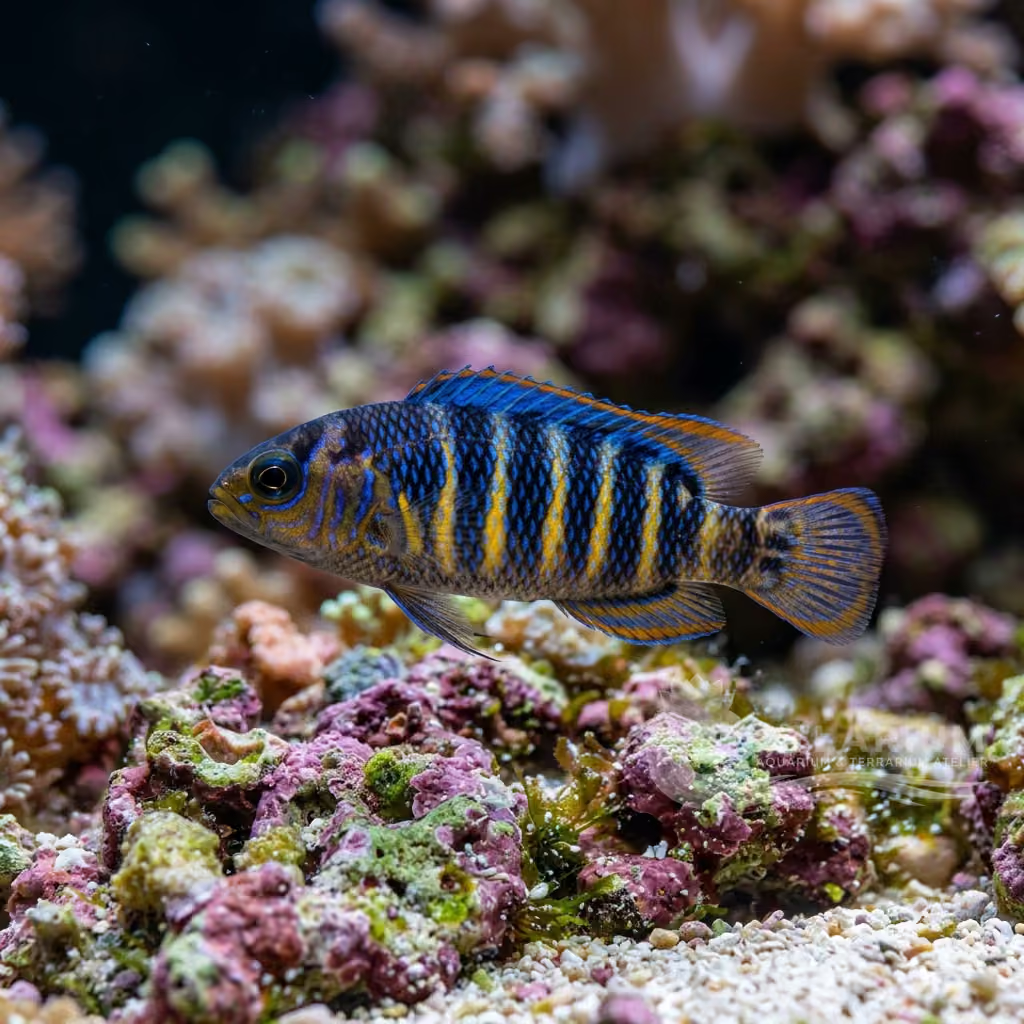
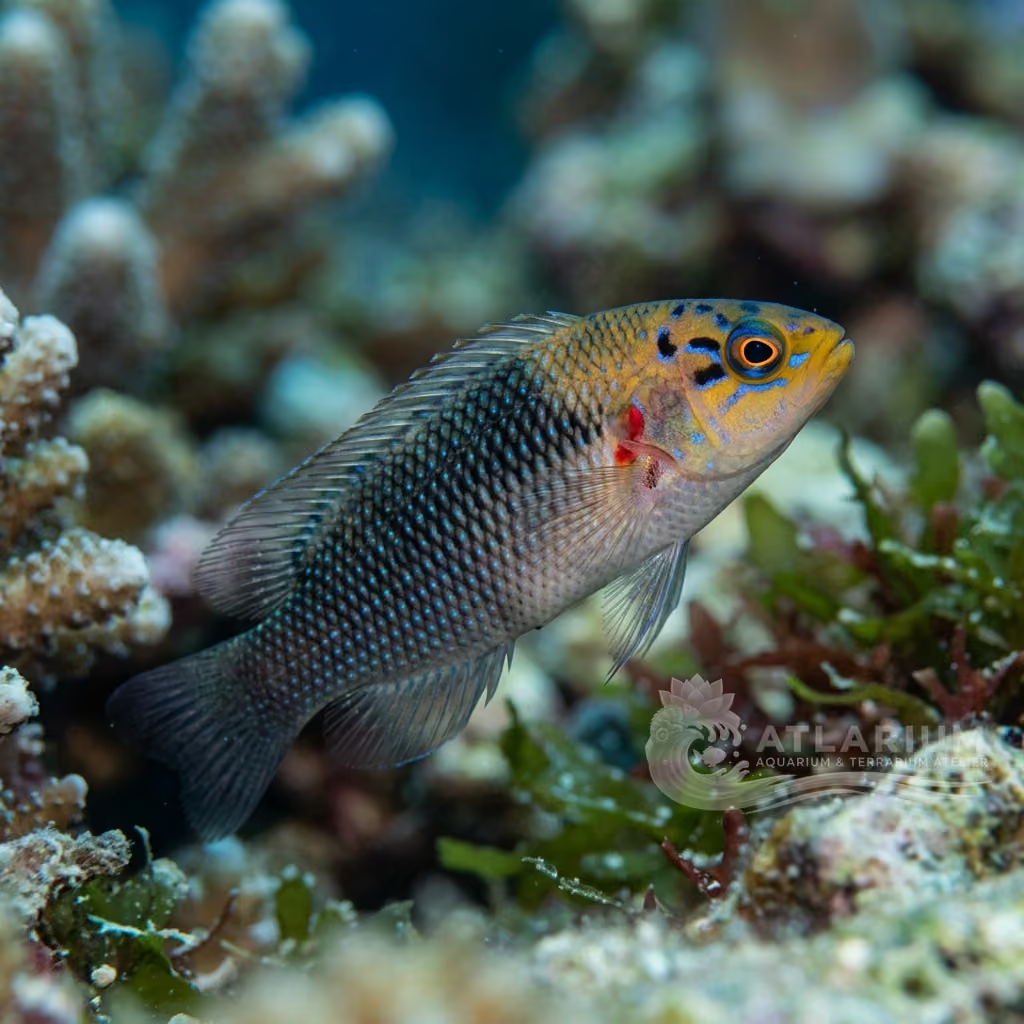
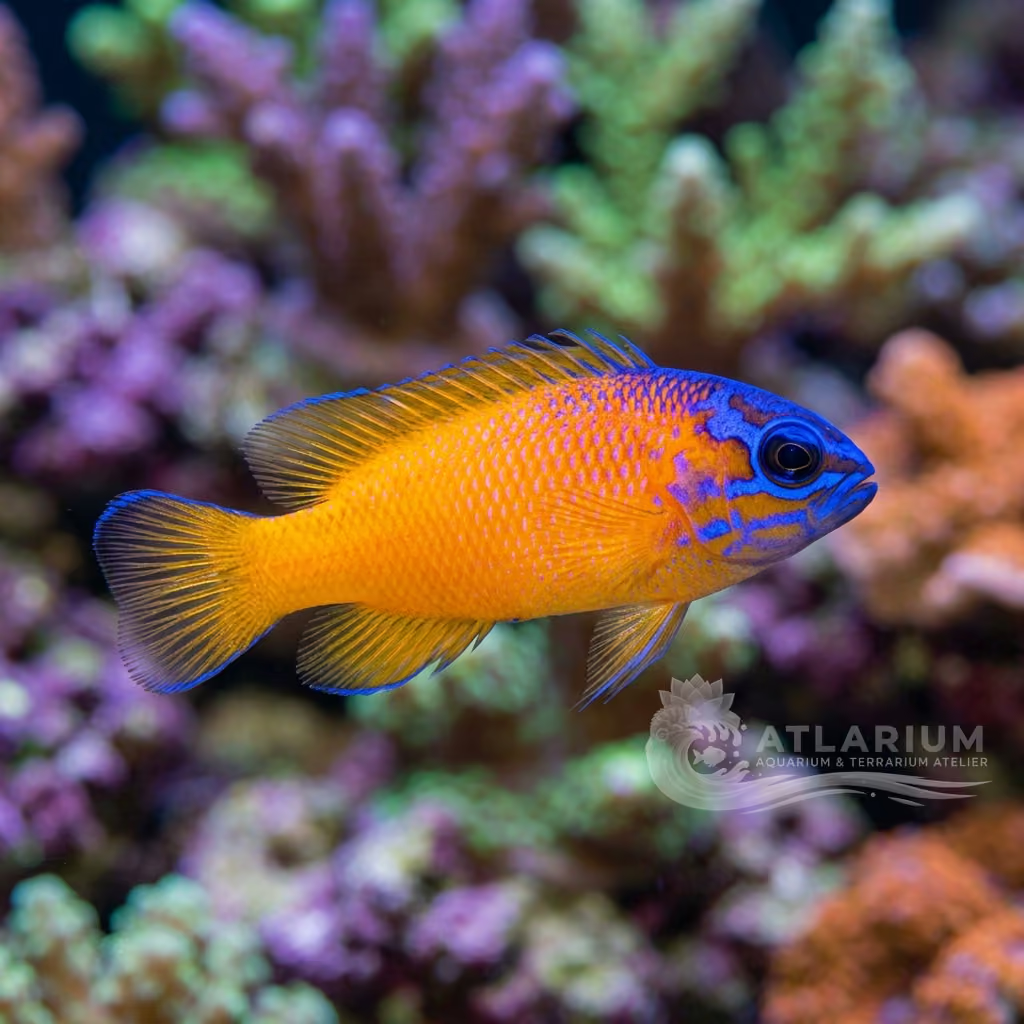
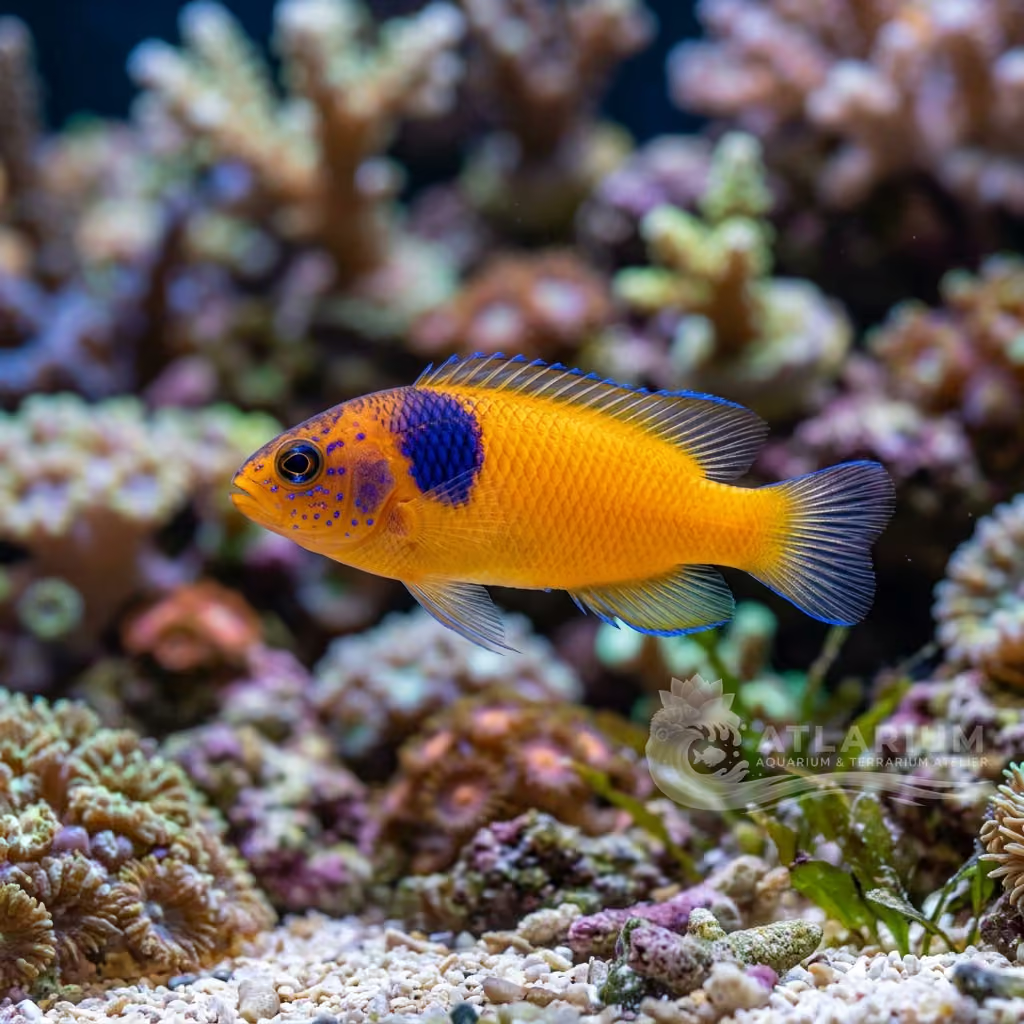
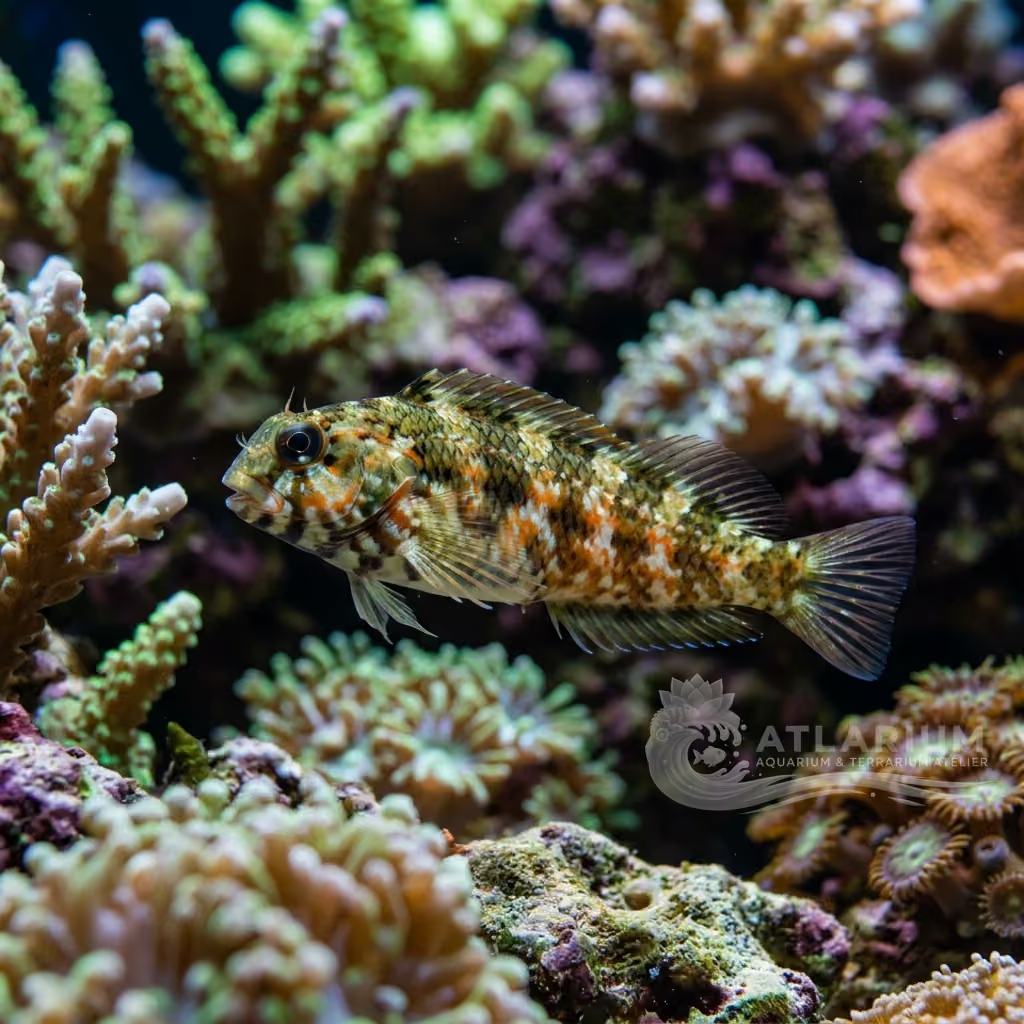
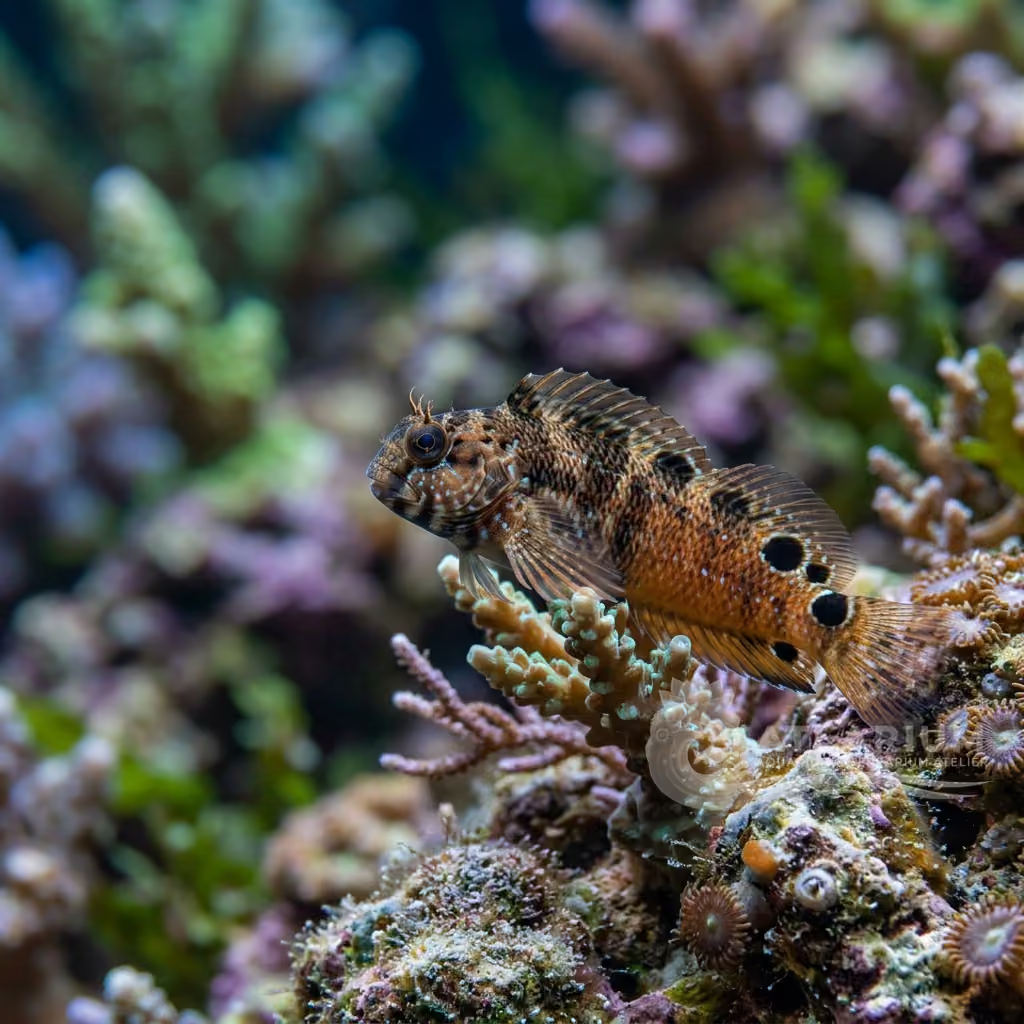
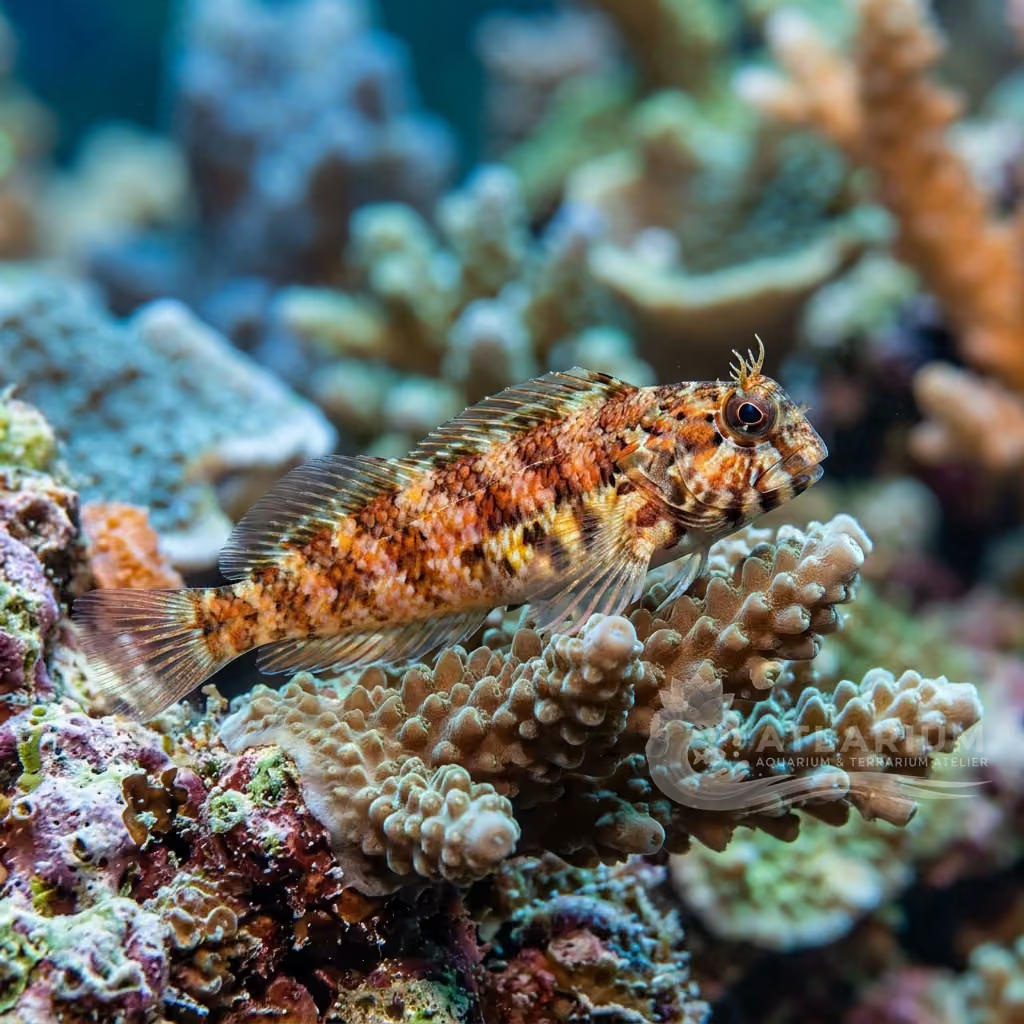
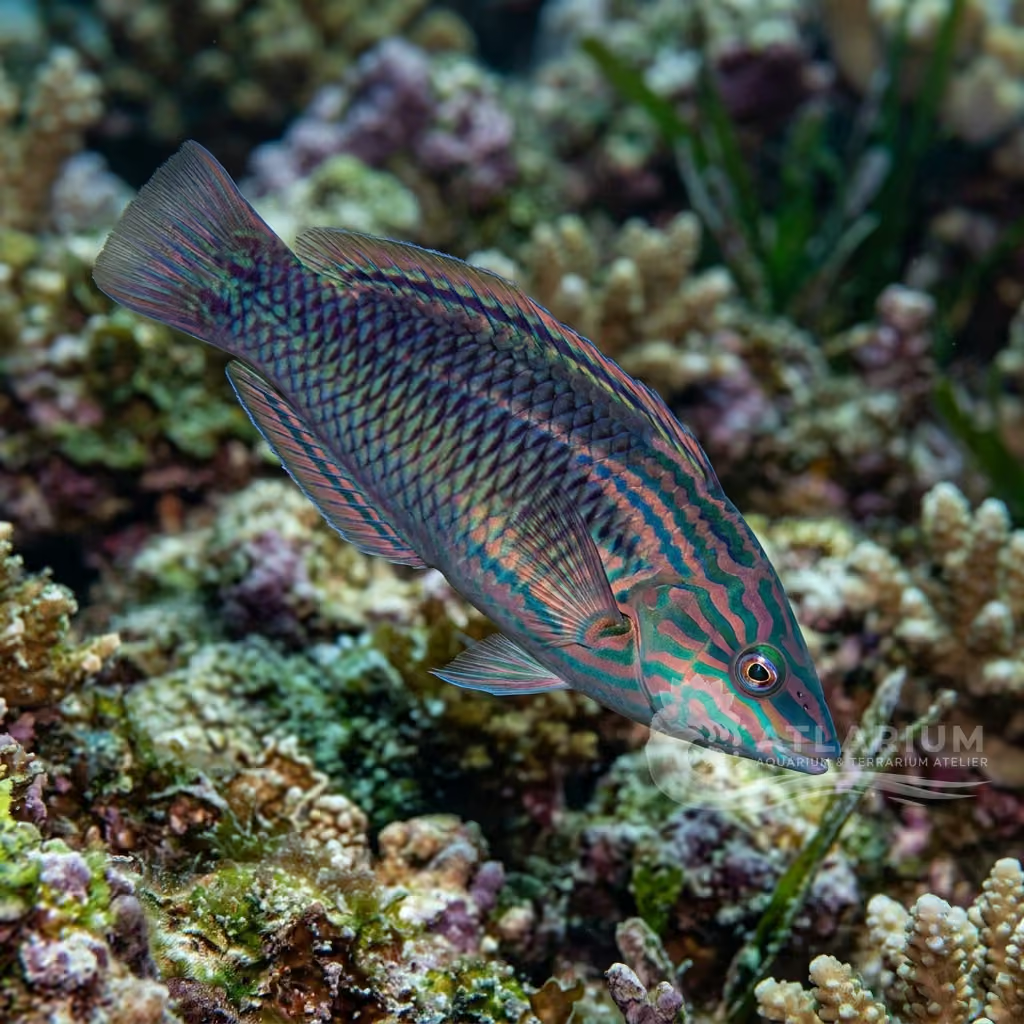
Sankey's Dottyback is a peaceful, striped fish endemic to the Red Sea. Unlike other dottybacks, it thrives in small groups in reef tanks with abundant rock crevices.
Temperatura da água
22 - 27 °C
Valor de pH
8.1 - 8.4
Tipo de água
Marinho
Nível do tanque
Parte inferior
Tamanho adulto
7 cm
Volume mínimo do tanque
>= 100 L
Grupo mínimo
>= 1

Descrição da espécie
Geographical Origin and Habitat: Pseudochromis sankeyi, commonly known as Sankey's Dottyback or the Striped Dottyback, is a marine fish endemic to the southern Red Sea and the Gulf of Aden. It primarily inhabits shallow coral reefs and coastal rubble zones at depths generally shallower than 15 meters. It seeks shelter within small rock crevices, under coral heads, and in branched coral colonies near the seafloor.
Taxonomy and Morphology: Belonging to the family Pseudochromidae, subfamily Pseudochrominae, and order Perciformes. It features a slender, elongated body that is slightly compressed laterally. The head is tapered with large, expressive eyes. It reaches a modest maximum length of about 7 to 8 centimeters in adulthood, making it ideal for medium-sized reef aquariums.
Social Behavior: Compared to other members of the genus Pseudochromis, which are notorious for their aggressive temperaments, this species is exceptionally peaceful and tolerant. It can be successfully housed in mated pairs or small groups in the same tank, provided there are enough shelters. It exhibits territorial behavior only in the immediate vicinity of its chosen cave.
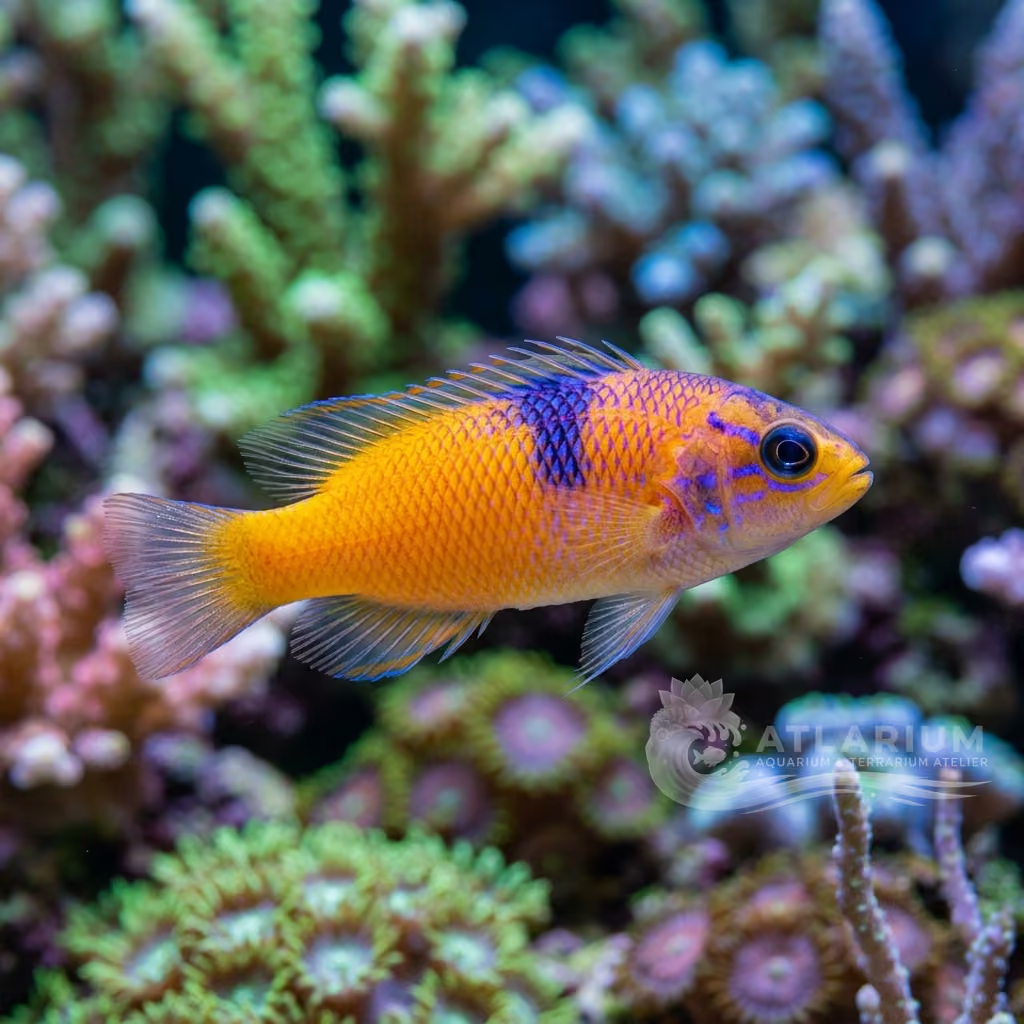
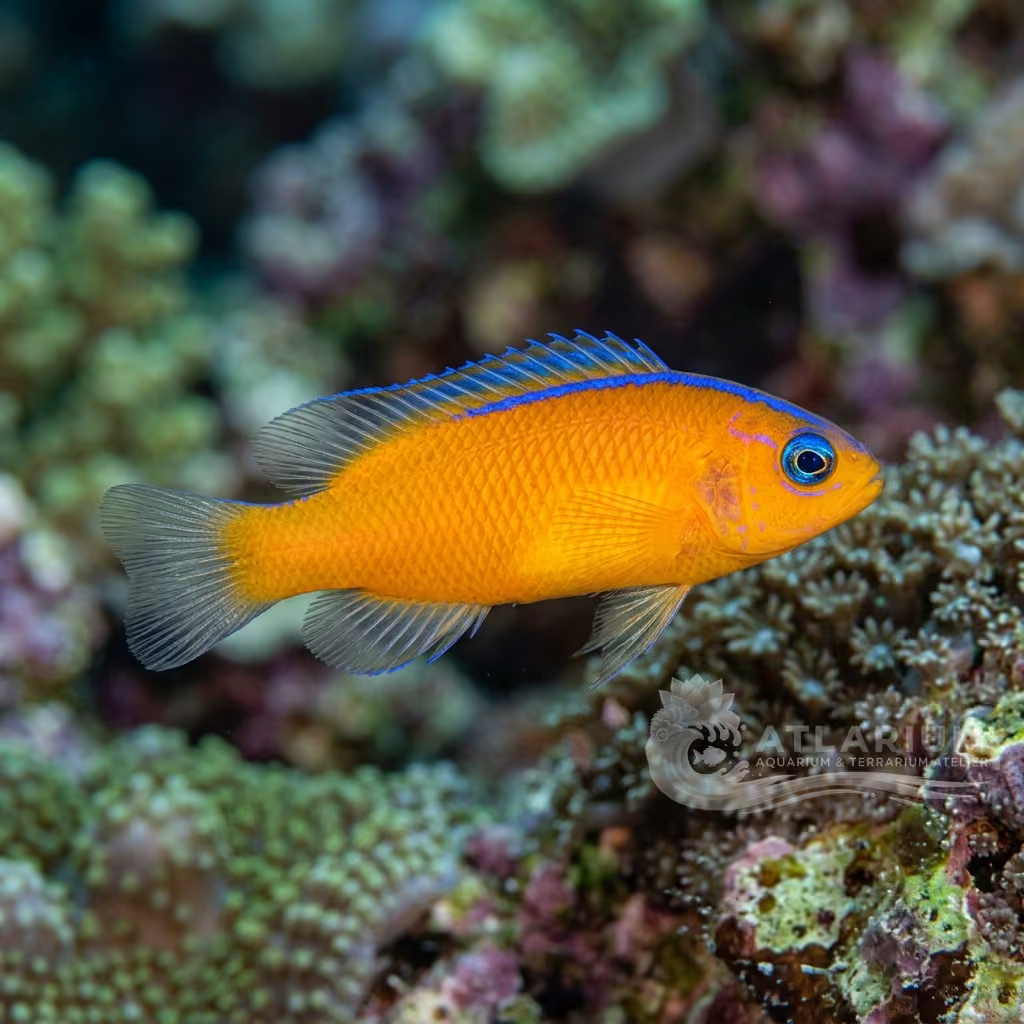
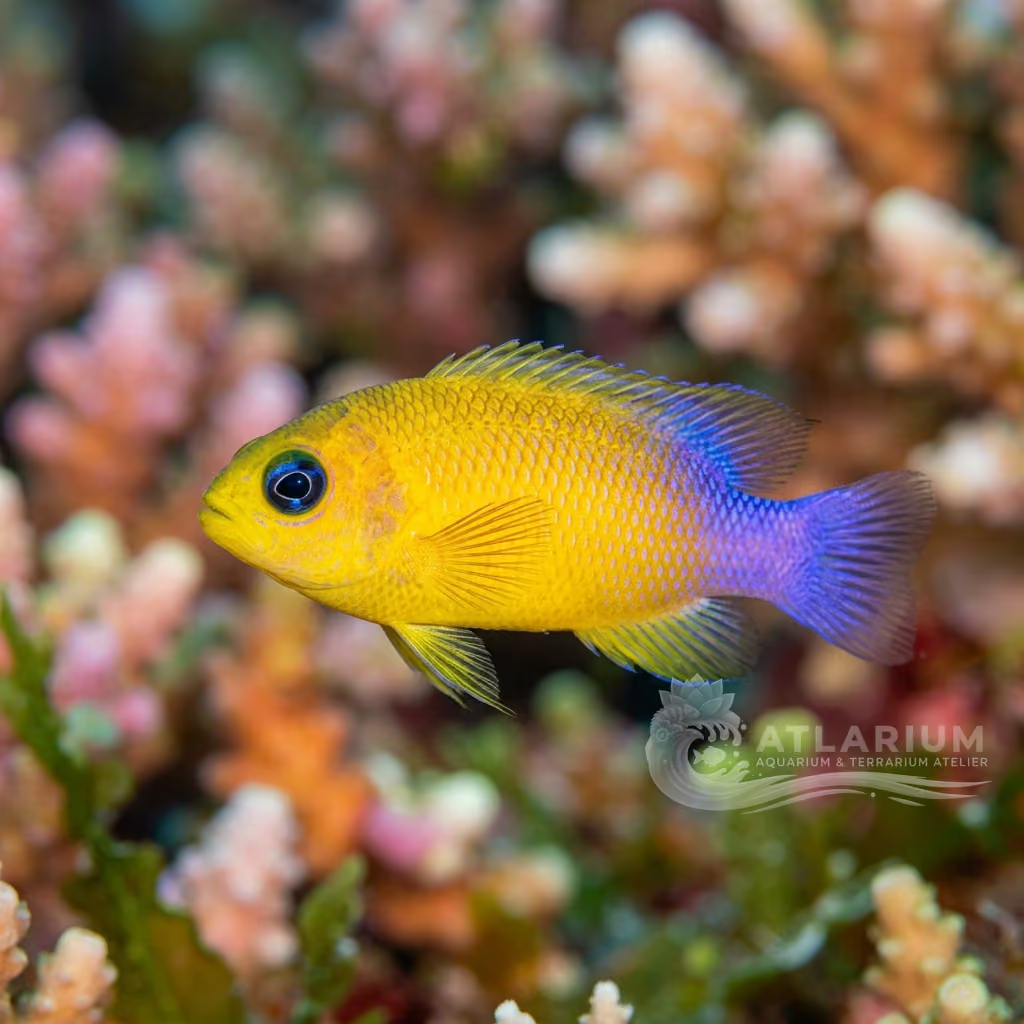
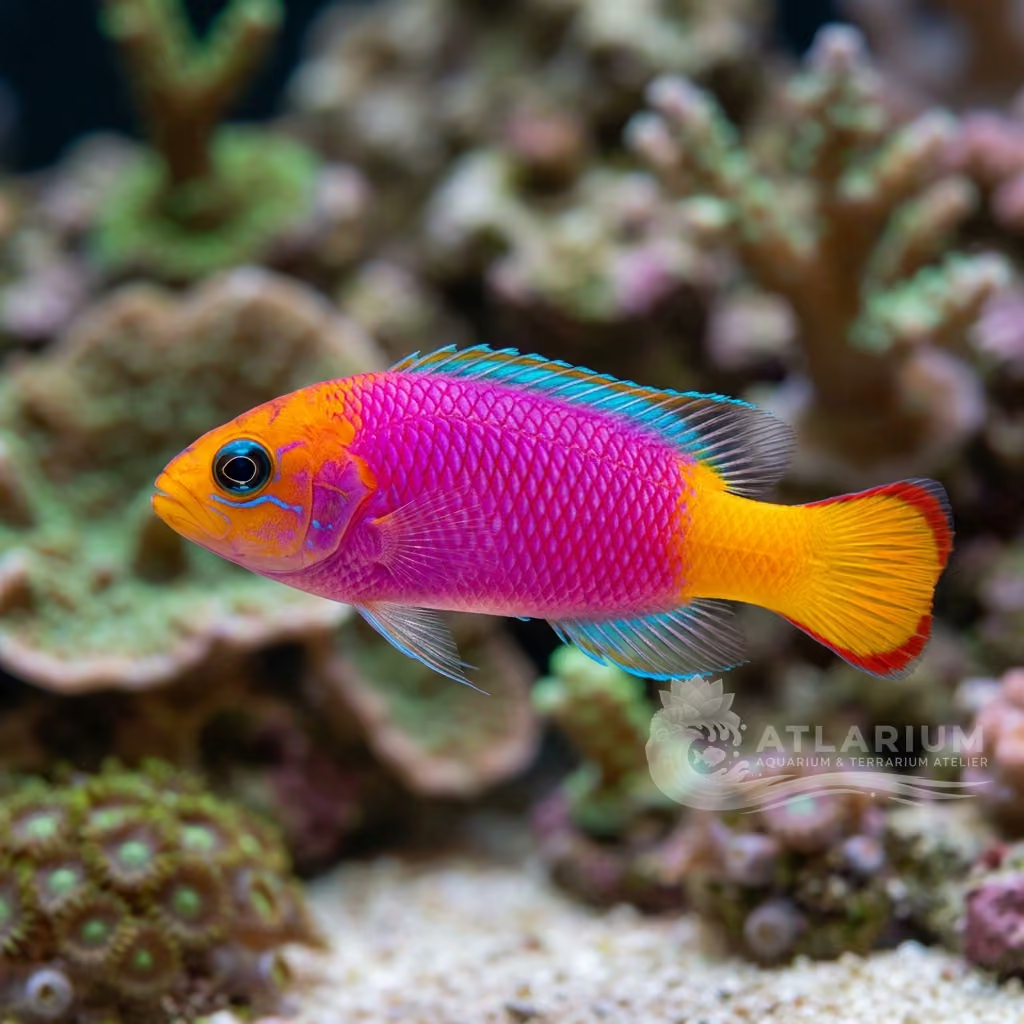
Coloration and Sexual Dimorphism: It is characterized by highly contrasting black and white longitudinal stripes running along the entire length of its body. The caudal fin is transparent or lightly tinged with pale orange-yellow, while the belly may exhibit a silvery-gray sheen. There is no visible external sexual dimorphism; males and females appear identical.

Cuidado, criação e companheiros de tanque
Aquarium Setup: Requires a mature marine or reef aquarium of at least 100 liters for a single specimen or a pair. It is essential to provide a live rock structure rich in small caves, crevices, and tunnels where the fish can hide when startled or sleep at night. A tight-fitting lid or mesh cover is necessary, as they are capable of jumping out of the tank when spooked.
Diet and Feeding: A strict carnivore feeding primarily on small crustaceans and zooplankton. In captivity, it readily accepts a wide variety of foods: frozen foods such as mysis, minced krill, brine shrimp, fish eggs, and high-quality liquid or pellet diets. Feed small portions twice a day to ensure optimal nutrition and maintain active behavior.
Water Quality: Demands standard marine reef parameters: temperature between 24°C and 27°C, stable pH between 8.1 and 8.4, and specific gravity of 1.023 to 1.025. Nitrate and phosphate levels must be kept low to mimic the oligotrophic waters of the Red Sea. Moderate water movement and efficient protein skimming are required to maintain high oxygen levels.
Compatibility and Cohabitation: One of the most peaceful species in its family, making it reef-safe and compatible with peaceful community fish of similar or larger size. It may show territorial aggression toward species with similar body shapes or color patterns, and may prey on very small, newly introduced ornamental shrimp if they are small enough to be eaten.
Aquarium Breeding: This species is regularly bred in captivity for the commercial trade. They are cave spawners: the female deposits a spherical mass of eggs which the male fertilizes and guards inside his burrow, defending it aggressively until hatching occurs. Larvae can be successfully raised using specialized live zooplankton culture protocols.
Risks and Diseases: A hardy fish when stable water parameters are maintained. It is susceptible to common marine parasites such as Cryptocaryon irritans (marine ich) and Oodinium if stressed by rapid temperature shifts or aggressive tankmates. Physical injuries from scraping against rockwork can become infected in poor water quality conditions.

Origem e distribuição geográfica
Pseudochromis sankeyi, commonly known as Sankey's Dottyback or the Striped Dottyback, is a marine fish endemic to the southern Red Sea and the Gulf of Aden. It primarily inhabits shallow coral reefs and coastal rubble zones at depths generally shallower than 15 meters. It seeks shelter within small rock crevices, under coral heads, and in branched coral colonies near the seafloor.
Origem
Oceanos tropicais e recifes

Perfil de peixe
- Temperamento
- Semi-aggressive
- They possess a curious and relatively peaceful temperament compared to their aggressive cousins. Once acclimated, they are bold and will spend much of their time in the open. They are intelligent and quickly learn to recognize their keeper at feeding time.
- Dieta
- Carnivore
- They are carnivorous micro-predators that eagerly consume small benthic organisms. Feed a varied diet of frozen mysis, enriched brine shrimp, and high-quality carnivore flakes. They will also continuously hunt for small bristleworms and copepods among the live rock.
- Expectativa de vida
- 5-7 years
- Tamanho adulto
- 7 cm
- Proporção sexual
- Solitary
- Unlike most dottybacks, they can sometimes be kept in small groups if introduced together in a large tank. They are hermaphroditic and will establish a pecking order where the dominant fish becomes male. However, keeping a single specimen or a confirmed pair is still the safest approach.
- Frequência de alimentação
- Twice daily
- Feed them one to two times a day with appropriately sized meaty foods. They are active foragers and will supplement their diet by hunting between feedings. A well-fed dottyback is less likely to harass smaller invertebrates in the aquarium.
- Carga biológica
- Low
- The Striped Dottyback has a minimal bioload, making it an excellent choice for smaller aquariums. Its waste production is easily mitigated by standard filtration and protein skimming. Regular maintenance will effortlessly keep the water quality pristine for this hardy species.
- Fluxo
- Moderate
- They prefer low to moderate water flow that allows them to easily navigate rock crevices. Very strong currents can force them to stay hidden deep within the aquascape. A varied flow pattern helps deliver food directly to their chosen hiding spots.
- Risco de salto
- Yes
- Like all dottybacks, they are exceptionally prone to jumping when startled. A completely sealed canopy or a tightly fitted mesh screen is mandatory. Any small gaps around the plumbing must be securely covered to prevent escapes.
- Reprodução
- Oviparous
- They are cave spawners, with the male taking on the duty of guarding the egg mass. Spawning is occasionally observed in home aquariums when a bonded pair is present. Captive rearing of the larvae is difficult but has been successfully achieved by dedicated breeders.
- Compatibilidade e companheiros de tanque
- Peaceful
- It is one of the most peaceful dottybacks, though it can still be slightly territorial. It makes an excellent companion for other peaceful community fish like gobies and blennies. Caution should still be exercised when keeping them with very small ornamental shrimp.
- Nível do tanque
- Bottom
- They are bottom and middle level dwellers that remain strongly associated with the rockwork. They will claim a network of caves and dart in and out of them constantly. They provide excellent visual interest as they navigate the intricate lower regions of the tank.

Modelos e parâmetros científicos
FishBase
Acesso aos dados científicos oficiais da espécie
FishBase v25.04Dados sincronizados em: 15/06/2026
- Nível trófico
- 3,4 ± 0,5 se
- Unicidade filogenética (PD50)
- 0.5
- Relação bayesiana comprimento-peso
- a = 0.00501, b = 3.1
- VulnerabilidadeVulnerabilidade baixa (10 / 100)

Espécies relacionadas
Recomendações agrupadas por parentes próximos, escolhas de acompanhantes e cuidados semelhantes.