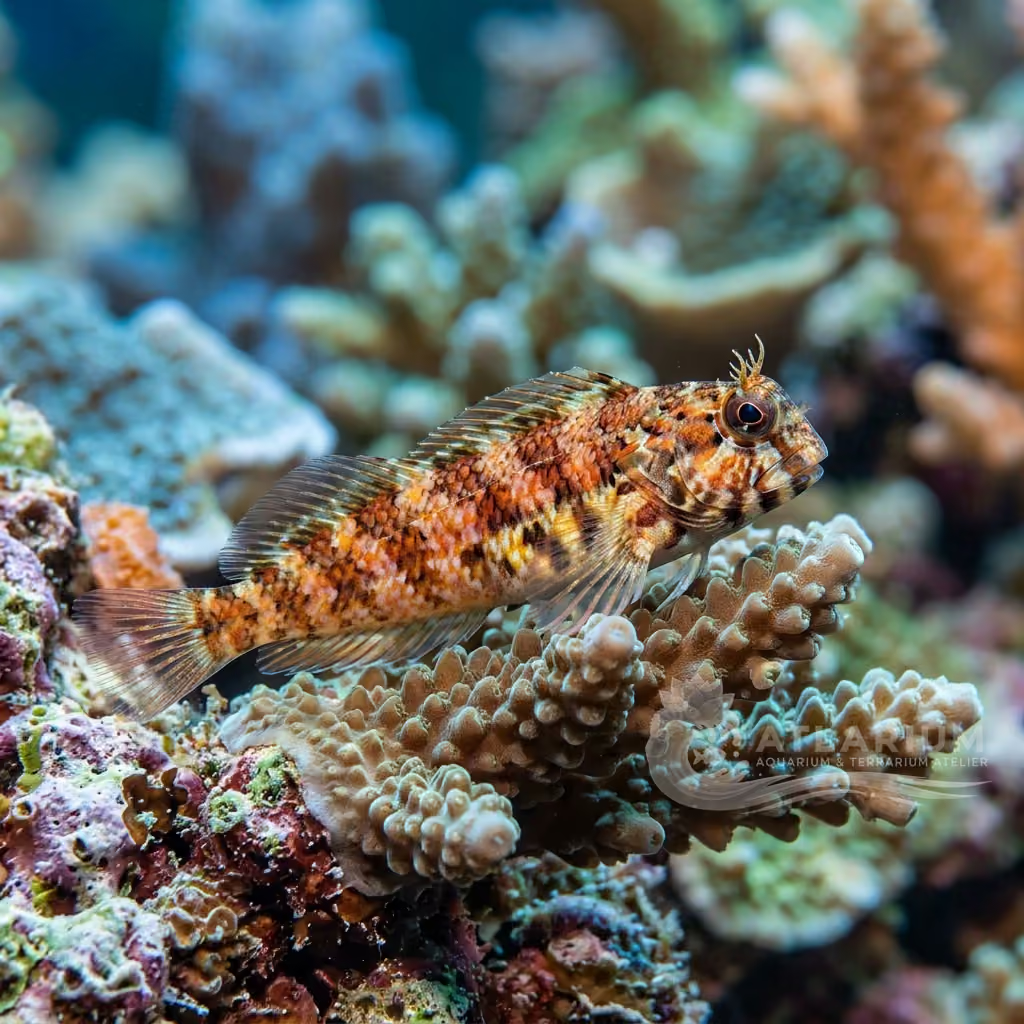
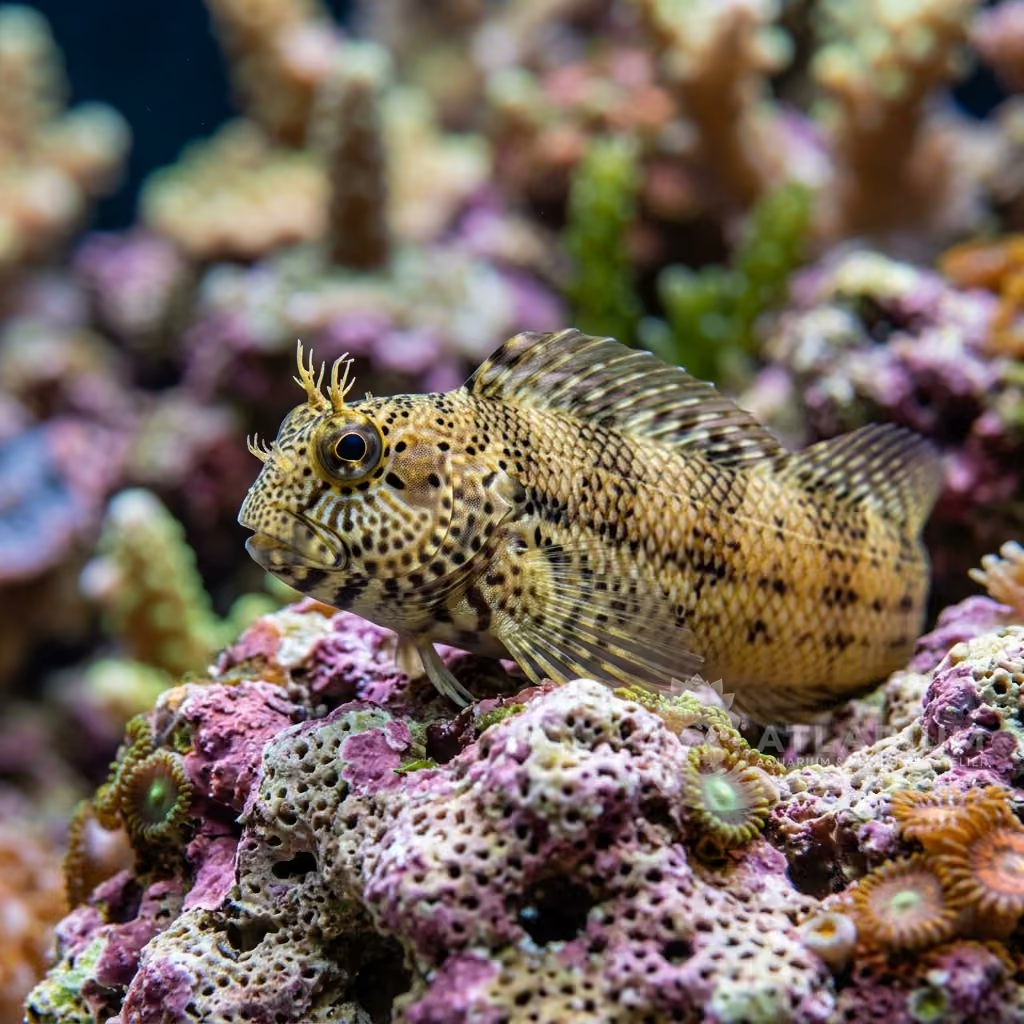
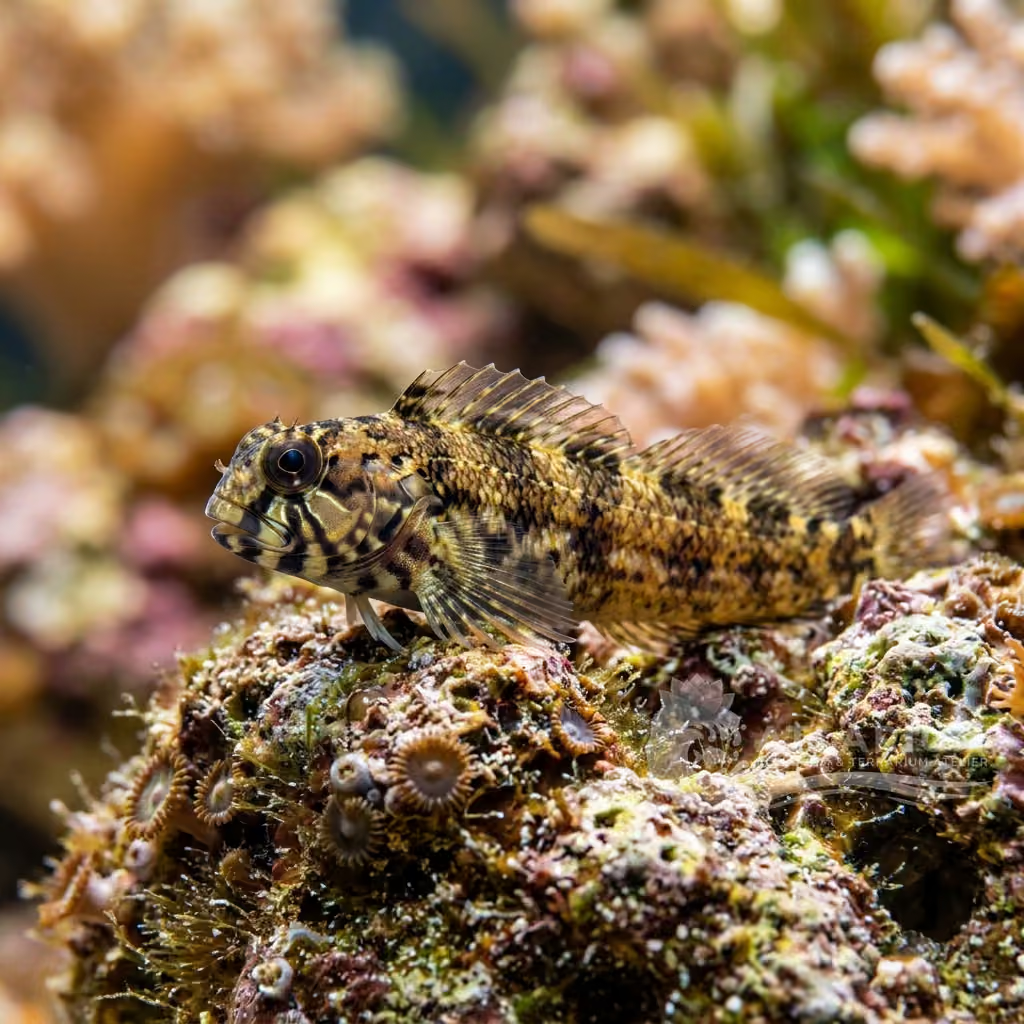
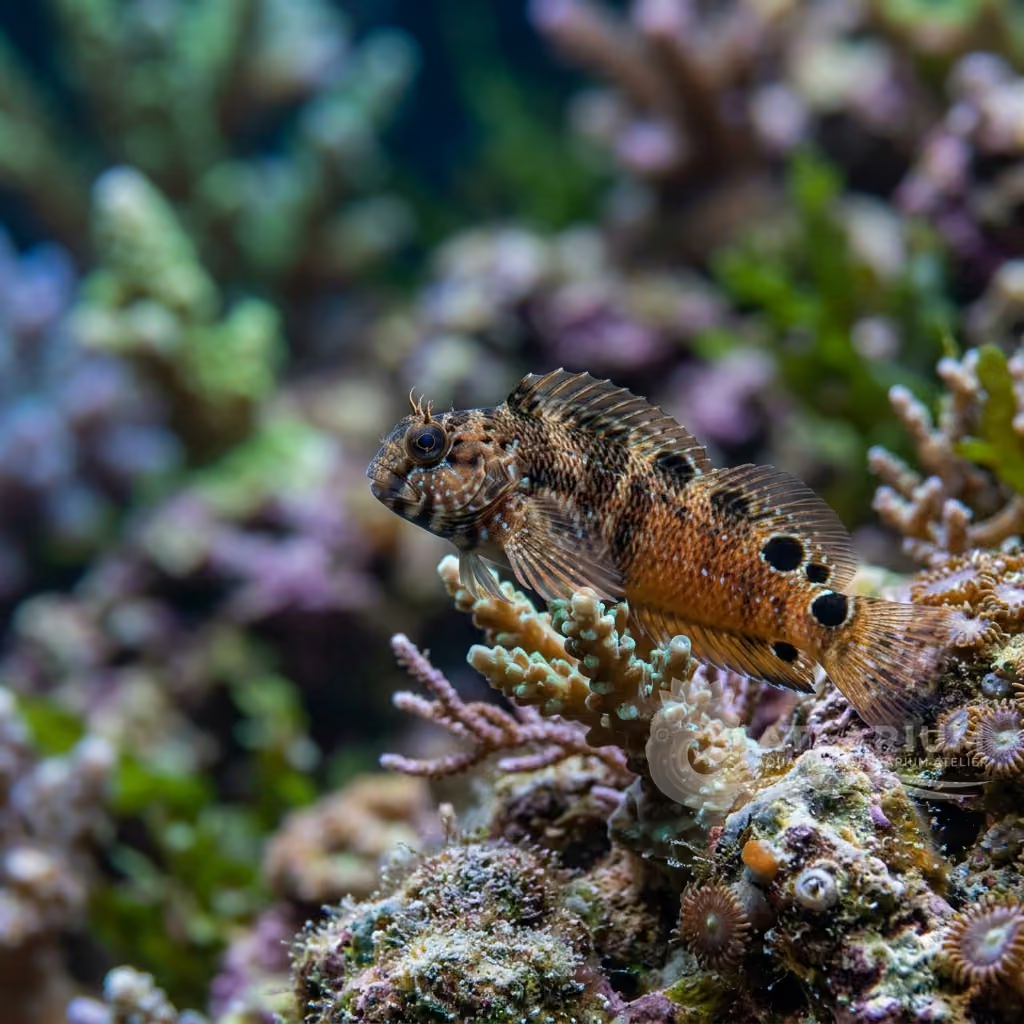
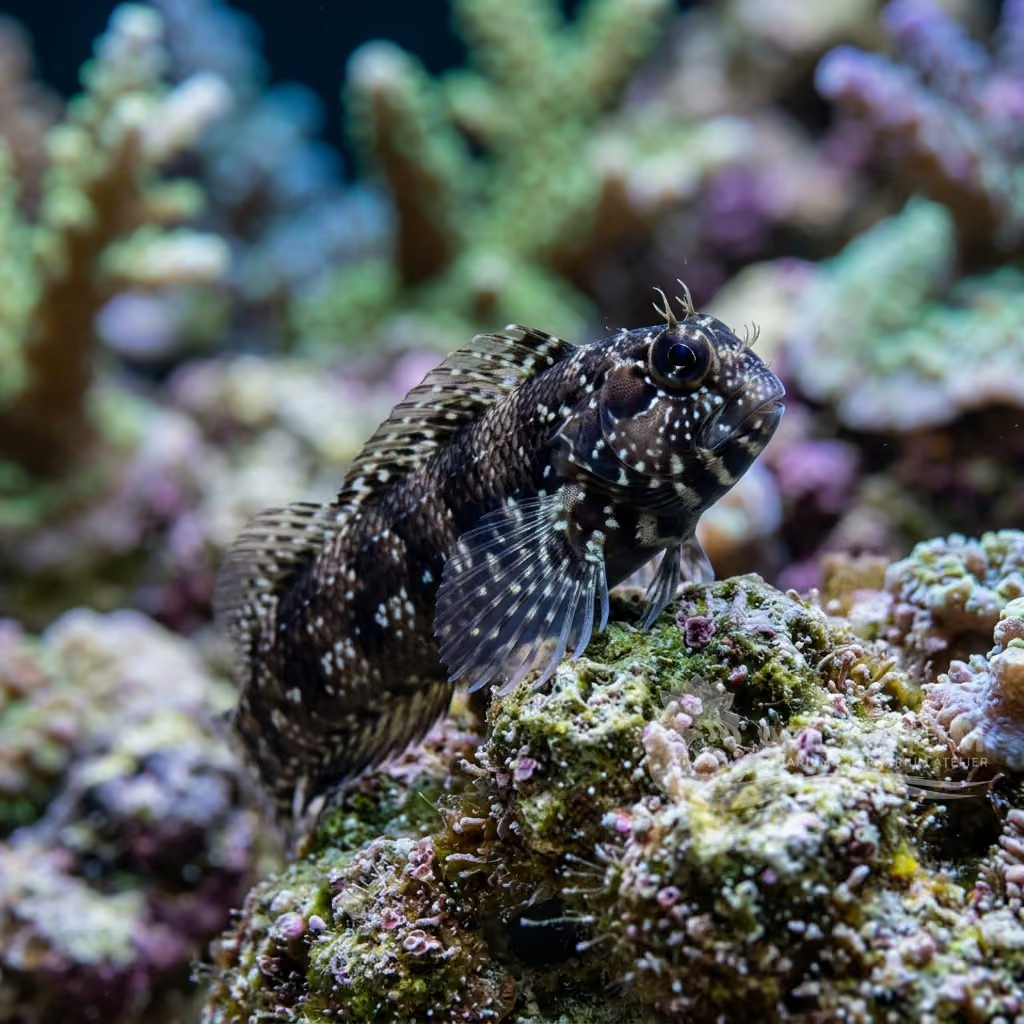
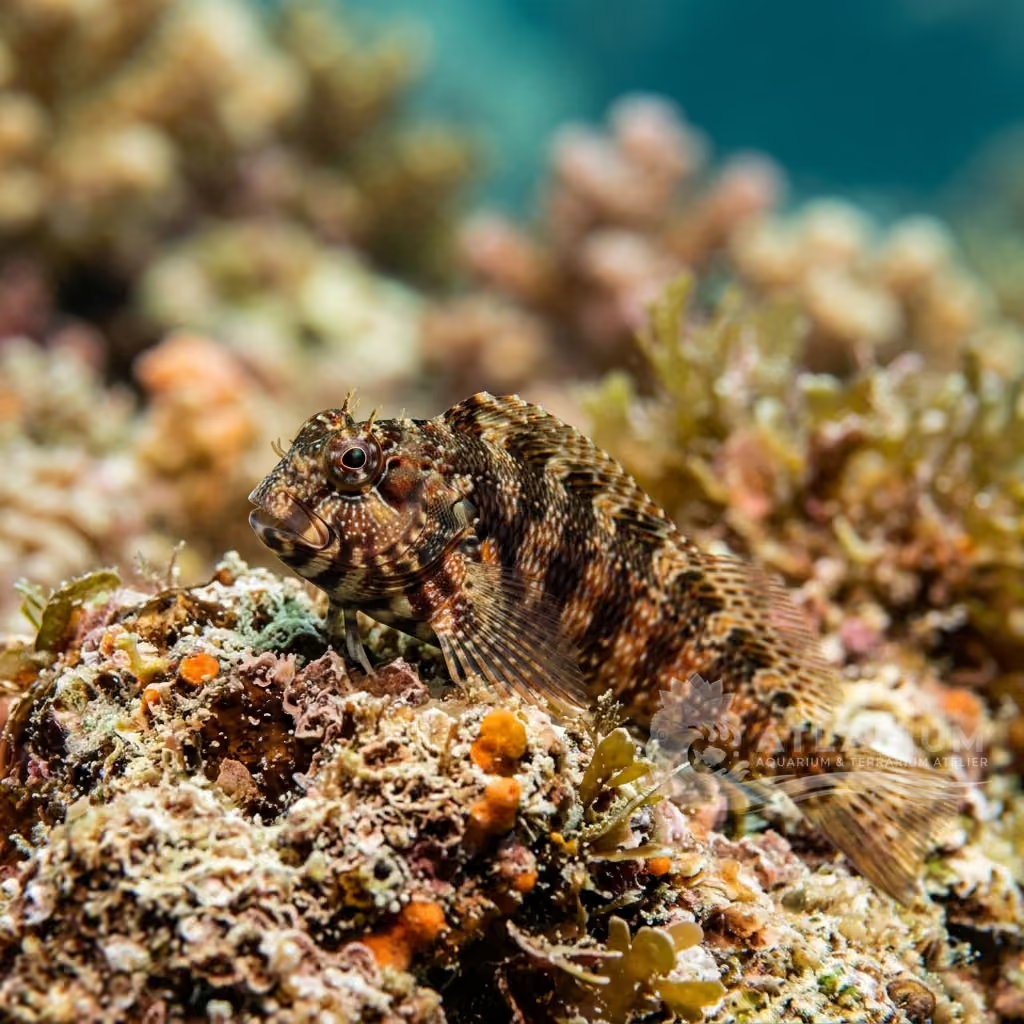
Australian combtooth blenny
Ecsenius australianus
This charming and hardy marine blenny, native to the Great Barrier Reef, is the ideal candidate for controlling algae growth while providing constant entertainment.
Temperatura da água
22 - 26 °C
Valor de pH
8.1 - 8.4
Tipo de água
Marinho
Nível do tanque
Parte inferior
Tamanho adulto
6 cm
Volume mínimo do tanque
>= 80 L
Grupo mínimo
>= 1

Descrição da espécie
Geographical Origin and Habitat: This species is native to the southwestern Pacific, primarily found in the northern Great Barrier Reef in Australia. It inhabits shallow coastal coral reefs, reef flats, and slope areas at depths ranging from 1 to 15 meters, where it finds abundant shelter and rock cover.
Taxonomy and Morphology: Belongs to the Blenniidae family, genus Ecsenius. It is a small fish, reaching a maximum total length of about 6-7 cm. It features a blunt-headed profile with flat features, large mobile eyes set high on the head, and comb-like teeth adapted for scraping algae off rocks.
Social Behavior: A mostly solitary and territorial species, particularly toward conspecifics or other fish with similar feeding habits. It spends most of its time perched on rockwork or backing into small crevices, observing the surroundings with independent eye movements.
Coloration and Sexual Dimorphism: Displays a distinct coloration with a reddish-brown body dorsally and a creamy-white belly, accented by two horizontal rows of white spots or dashes along the sides. A dark brown band bordered by white runs through the eye. Sexual dimorphism is minimal.

Cuidado, criação e companheiros de tanque
Aquarium Setup: Requires a tank of at least 80-100 liters. The aquarium must be decorated with plenty of live rock containing small natural holes and crevices where the blenny can hide. The rockwork should offer flat surfaces exposed to light to encourage natural algae growth.
Diet and Feeding: Primarily herbivorous. It feeds by scraping filamentous algae and organic biofilm from rock surfaces. In captivity, supplement its diet with high-quality vegetable-based foods, spirulina, sheets of nori algae, and occasional small frozen foods like brine shrimp.
Water Quality: Standard marine water parameters are required: temperature 22 to 26 °C, pH 8.1-8.4, specific gravity 1.020-1.025. Moderate water movement and high oxygen levels are recommended to maintain fish health and prevent organic waste accumulation in the rockwork.
Compatibility and Cohabitation: An excellent reef-safe addition. It cohabits peacefully with most reef fish. However, it may show territorial aggression toward other Ecsenius blennies or species of similar shape and color. Avoid keeping more than one of the same species unless the tank is large.
Aquarium Breeding: Oviparous. The eggs are demersal and adhesive, deposited inside a crevice or empty shell where the male guards them until they hatch. Rearing the pelagic larvae in captivity is highly challenging due to the need for microscopic live starter cultures.
Risks and Diseases: Very hardy and disease-resistant. The main risk is starvation in newly established or overly sterile tanks lacking natural microalgae growth. It is also recommended to keep the aquarium covered to prevent the blenny from jumping out when startled.

Origem e distribuição geográfica
This species is native to the southwestern Pacific, primarily found in the northern Great Barrier Reef in Australia. It inhabits shallow coastal coral reefs, reef flats, and slope areas at depths ranging from 1 to 15 meters, where it finds abundant shelter and rock cover.
Origem
Oceanos tropicais e recifesAustrália, Nova Guiné e Oceania

Perfil de peixe
- Temperamento
- Semi-aggressive
- This species exhibits a wonderfully inquisitive and comical personality. They are known for their habit of quickly darting into a hole, only to immediately poke their head back out to watch their surroundings. They are generally peaceful but can be feisty when defending their chosen crevice.
- Dieta
- Herbivore
- Their natural diet consists almost exclusively of microalgae and detritus found on live rock. In the home aquarium, this must be supplemented with commercial algae flakes, spirulina, and dried seaweed. They will occasionally pick at small meaty foods, but a plant-based diet is essential for their health.
- Expectativa de vida
- 4-6 years
- Tamanho adulto
- 6 cm
- Proporção sexual
- Solitary
- It is highly recommended to keep only one specimen per tank unless a known male-female pair is acquired. Males are highly intolerant of one another and will fight over territory and hiding spots. In very large systems, multiple individuals may carve out separate territories, but it remains a risk.
- Frequência de alimentação
- Twice daily
- They are continuous grazers that will pick at the rocks all day long. Direct feeding of supplemental foods should occur once or twice a day. Supplying a steady source of dried algae on a clip ensures their constant grazing needs are met.
- Carga biológica
- Low
- The Australian blenny is a diminutive species that adds an extremely low bioload to the system. They are ideal candidates for nano reefs or smaller aquariums. Regular maintenance routines are more than enough to handle their negligible waste output.
- Fluxo
- Strong
- Moderate water flow is recommended to mimic their natural reef habitat. Good flow ensures the live rock remains free of heavy detritus, promoting the growth of the microalgae they prefer. They will often choose a perch that offers a good vantage point in the current.
- Risco de salto
- Yes
- Like all Ecsenius blennies, they possess a strong instinct to jump when startled. A tight-fitting lid is absolutely critical to prevent them from jumping out of the aquarium. Even tiny gaps around the edges of the tank should be securely covered.
- Reprodução
- Substrate spawner
- They are demersal spawners, attaching their adhesive eggs in small cavities or empty barnacle shells. The male will fiercely guard and aerate the eggs until the fry emerge. While spawning is possible in a healthy tank, successfully rearing the microscopic fry is exceedingly difficult.
- Compatibilidade e companheiros de tanque
- Peaceful
- They are completely reef-safe and will not harm corals, clams, or ornamental crustaceans. They are exceptionally peaceful towards most other fish, making them perfect for community tanks. Care should simply be taken not to house them with large, aggressive predators that might eat them.
- Nível do tanque
- Bottom
- They are strictly benthic, living their entire lives perched on or hiding within the live rock. They utilize the rockwork for sleeping, hiding, and hunting for microalgae. They do not swim freely in the water column and rely heavily on the substrate.

Modelos e parâmetros científicos
FishBase
Acesso aos dados científicos oficiais da espécie
FishBase v25.04Dados sincronizados em: 15/06/2026
- Nível trófico
- 2 ± 0 se
- Resiliência
- Alta (menos de 15 meses)
- Unicidade filogenética (PD50)
- 0.5
- Relação bayesiana comprimento-peso
- a = 0.00776, b = 3
- VulnerabilidadeVulnerabilidade baixa (10 / 100)

Espécies relacionadas
Recomendações agrupadas por parentes próximos, escolhas de acompanhantes e cuidados semelhantes.