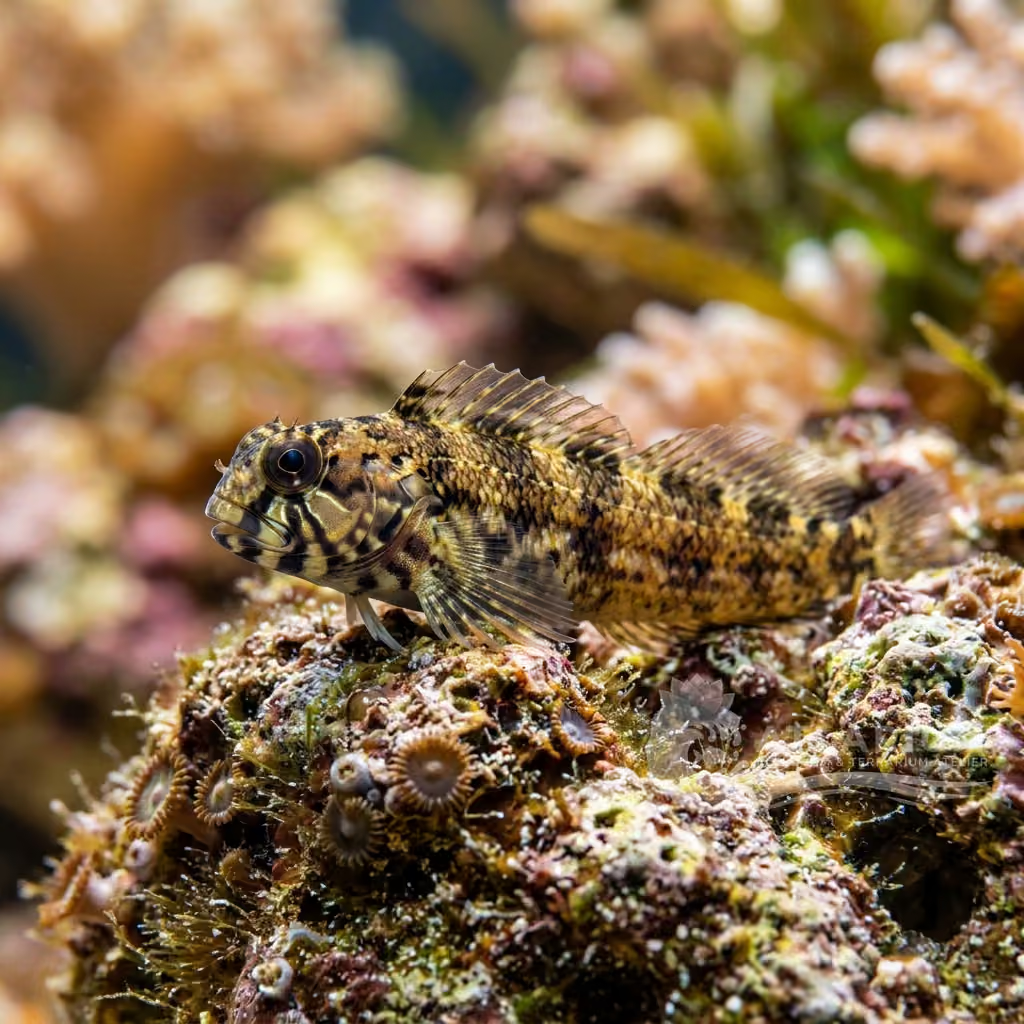
Monoculus blenny
Ecsenius monoculus
A cylindrical, scaleless blenny from the Western Pacific. Perfectly suited for 50L nano reefs, it relies heavily on plant-based foods and mature live rock to thrive.
Temperatura da água
23 - 27 °C
Valor de pH
8.1 - 8.4
Tipo de água
Marinho
Nível do tanque
Parte inferior
Tamanho adulto
5,5 cm
Volume mínimo do tanque
>= 60 L
Grupo mínimo
>= 1
KH
8 - 12 dKH

Descrição da espécie
Geographical Origin and Habitat:
This marine blenny is distributed in the Western Pacific, including the Philippines, Indonesia, and Taiwan. It inhabits shallow coral reefs at depths between 1 and 10 meters.
Taxonomy and Morphology:
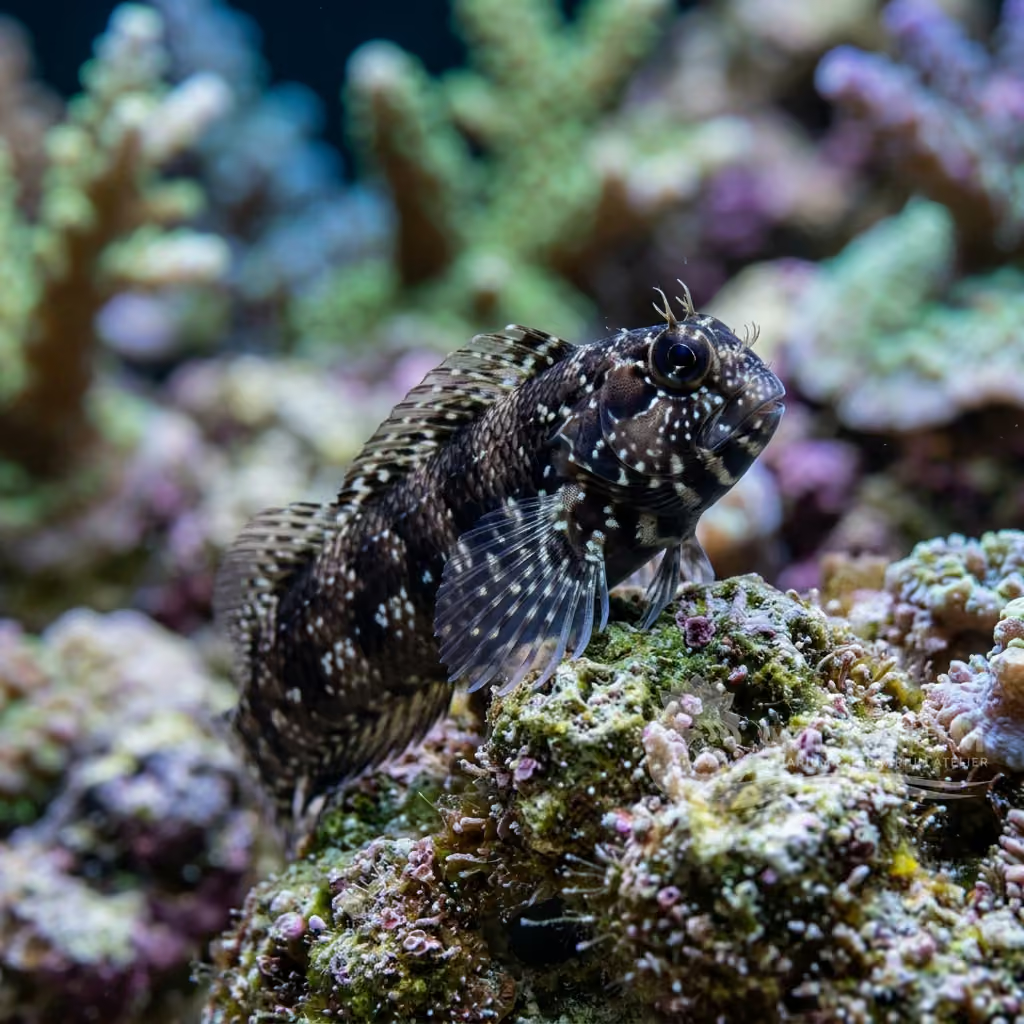
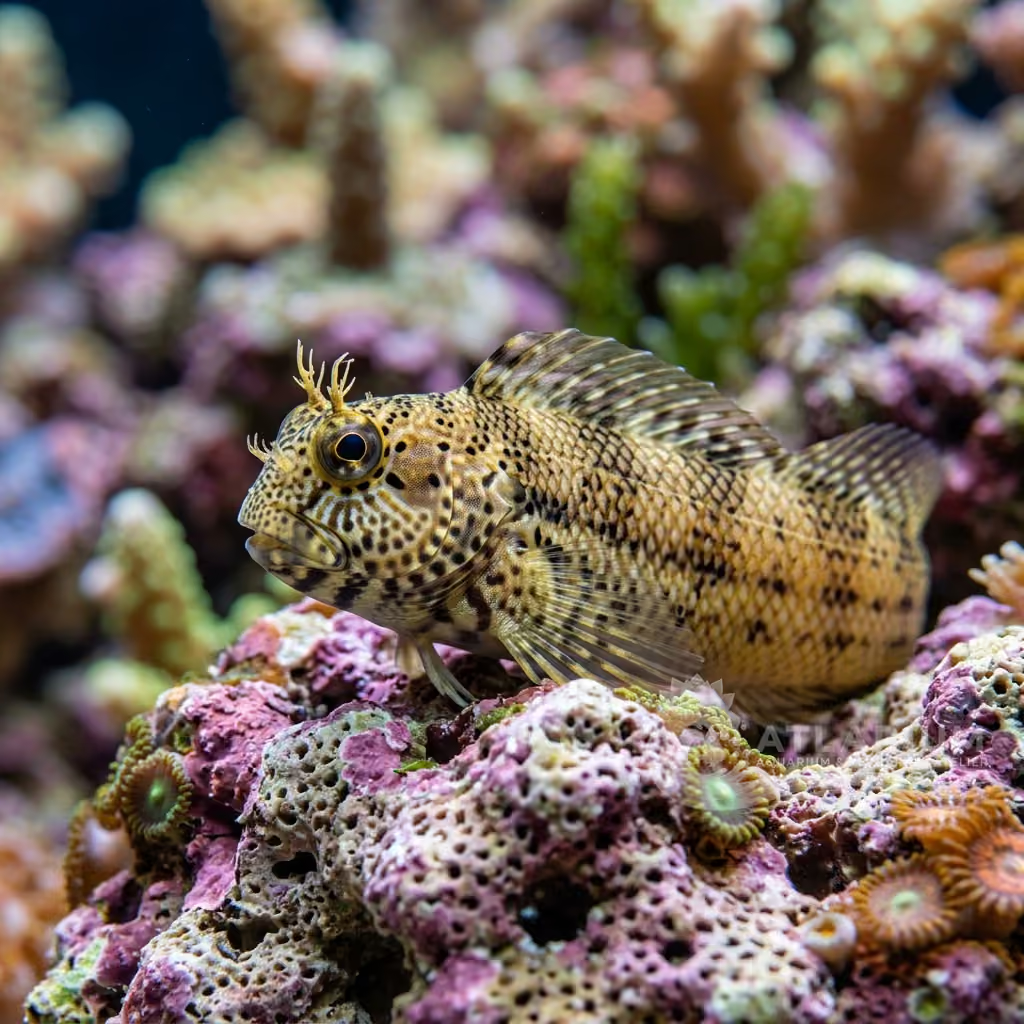
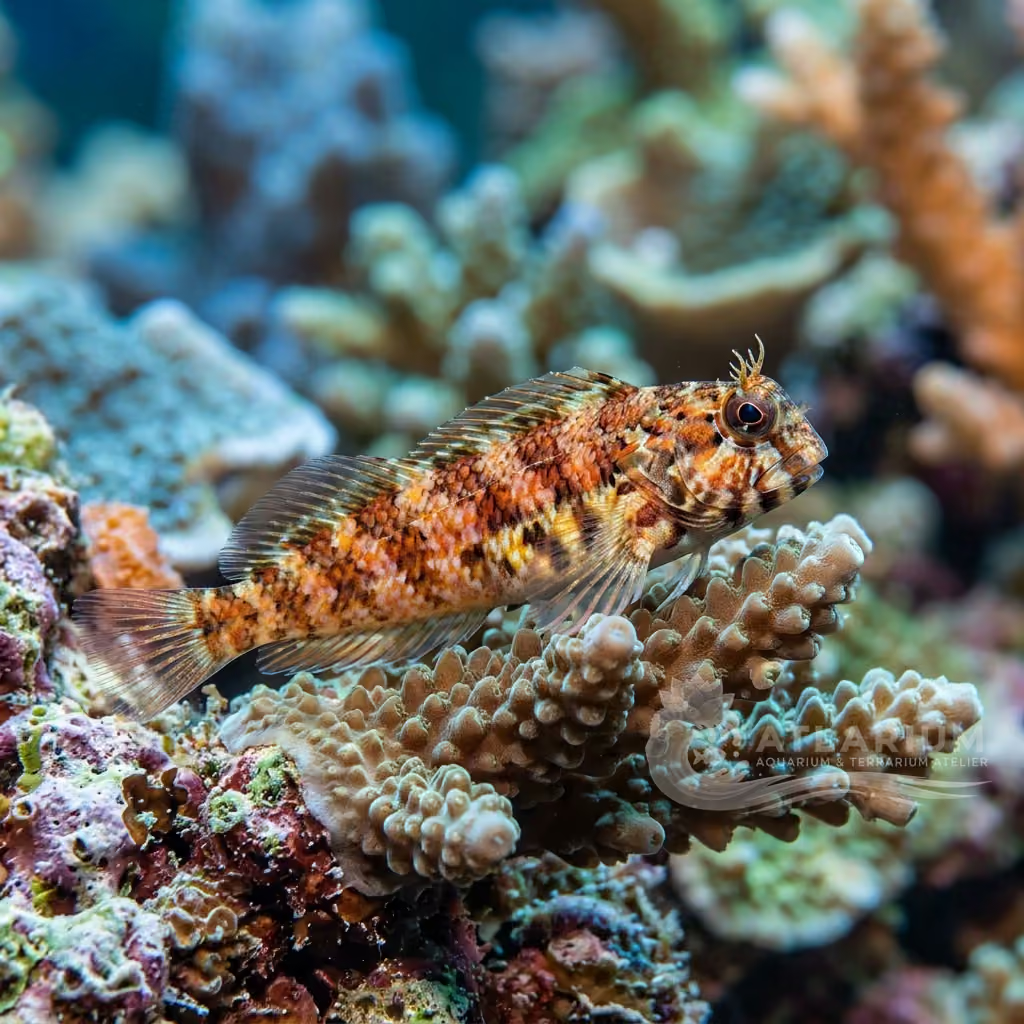
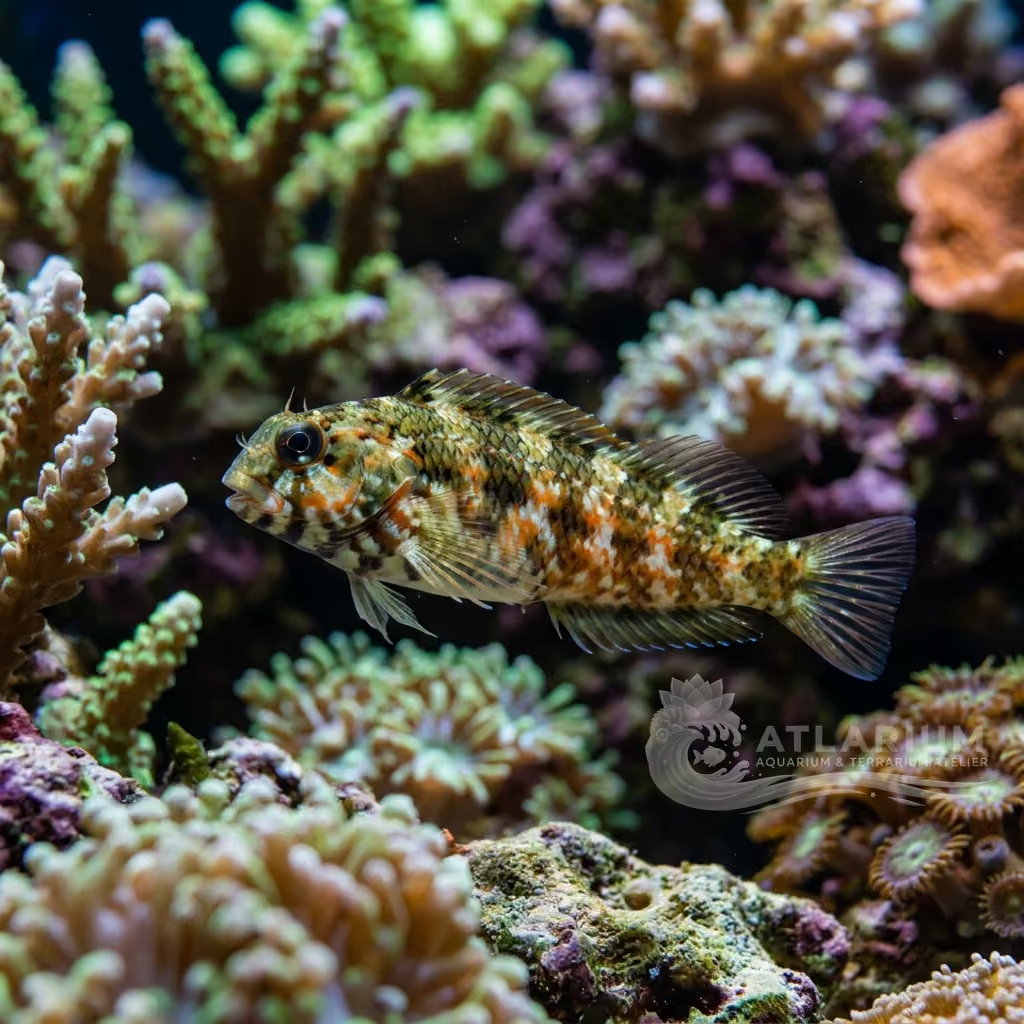
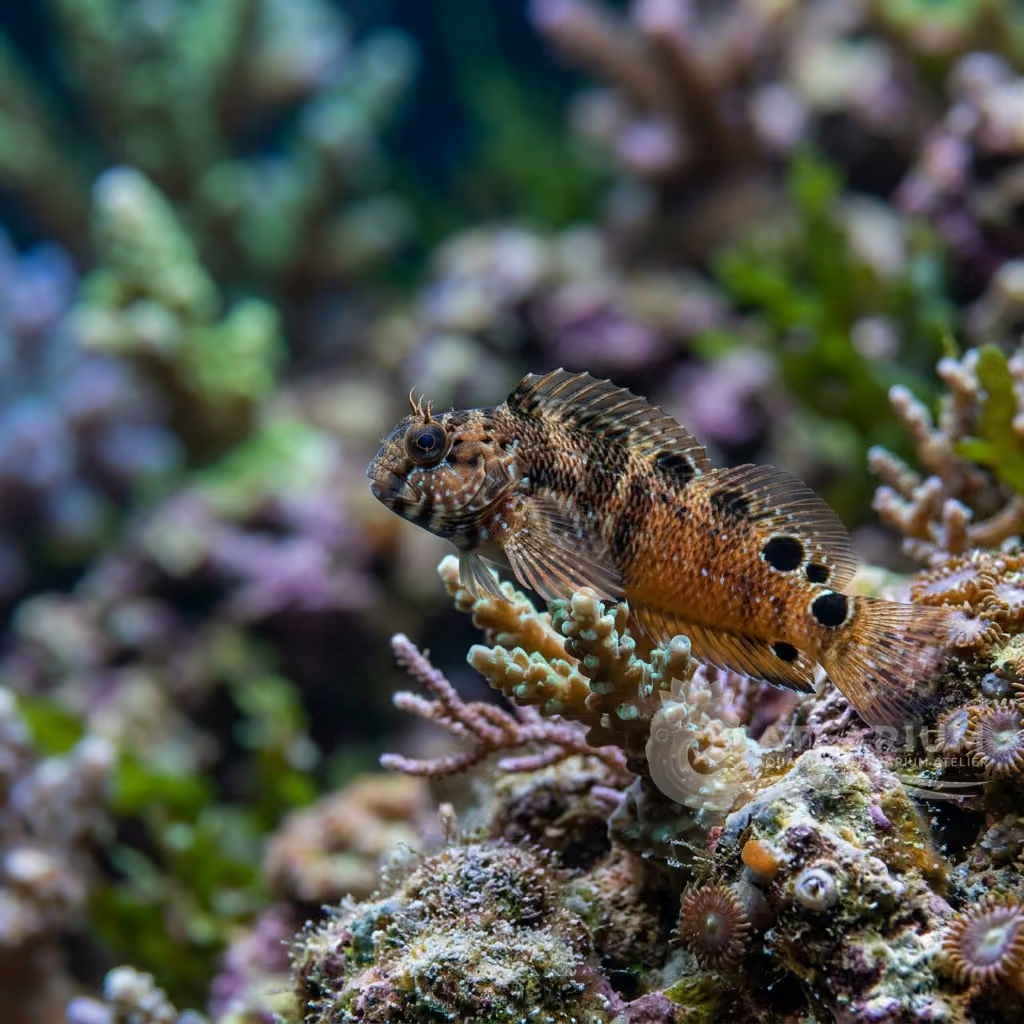
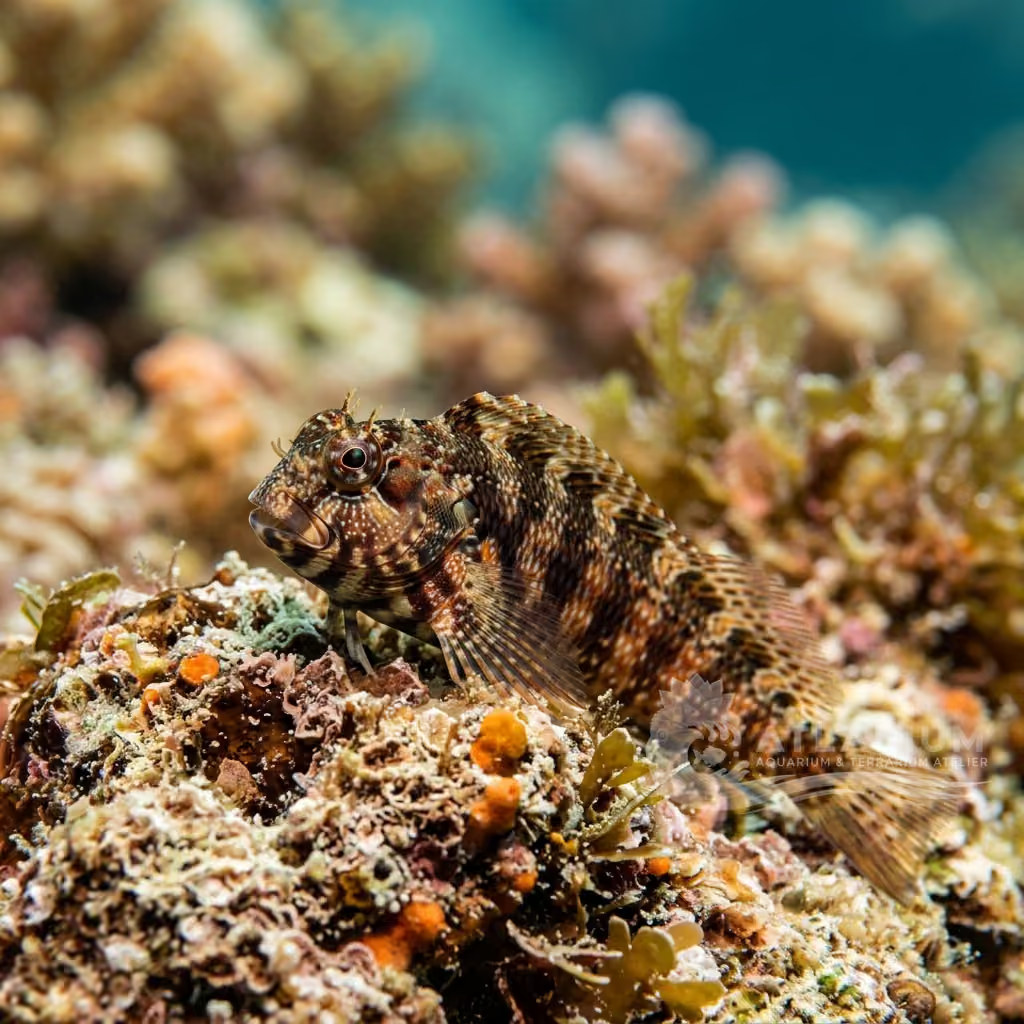
Belongs to the Blenniidae family. It features a cylindrical, elongated, scaleless body. Eyes are high on the head, and it has flexible comb-like teeth. Reaches about 5-6 cm.
Social Behavior:
A peaceful and very curious species. It spends the day perched on rocks or hard corals observing the surroundings. It is territorial towards conspecifics or similar blennies.
Coloration and Sexual Dimorphism:
The body color features a mottled brown and beige pattern. It displays a distinct, prominent black circular spot behind the eye. No obvious external sexual dimorphism.

Cuidado, criação e companheiros de tanque
Aquarium Setup:
Ideal for small nano reefs starting from 50-60 liters. Decorate with plenty of live rock offering small holes, cracks, and hiding places to establish its territory.
Diet and Feeding:
Primarily herbivorous species. Feed with plant-based foods like Spirulina, Nori algae, and frozen food for herbivores. Avoid feeding too much protein food.
Water Quality:
Maintain stable marine parameters: temperature 23-27 °C, pH 8.1-8.4, and specific gravity 1.020-1.025. Low nitrates and moderate water movement are required.
Compatibility and Cohabitation:
Completely reef safe. Coexists happily with peaceful, small fish like gobies, cardinalfish, and clownfish. Avoid keeping multiple specimens of the same species.
Aquarium Breeding:
Breeding in the aquarium is complex. They lay adhesive eggs in a rocky crevice, which are guarded by the male. Pelagic larvae require live rotifers.
Risks and Diseases:
Risk of starvation in sterile tanks lacking natural algae to scrape. Cover the aquarium with a lid to prevent the fish from jumping out.

Origem e distribuição geográfica
This marine blenny is distributed in the Western Pacific, including the Philippines, Indonesia, and Taiwan. It inhabits shallow coral reefs at depths between 1 and 10 meters.
Origem
Oceanos tropicais e recifesAmérica do NorteSul e Sudeste AsiáticoLeste AsiáticoAustrália, Nova Guiné e Oceania

Perfil de peixe
- Temperamento
- Peaceful
- The Ecsenius monoculus is highly regarded for its comical, observant, and largely peaceful personality. It often rests visibly on rocks, seemingly watching the aquarist just as closely as it watches its tank mates. While it boldly defends its specific burrow from intruders, it is otherwise completely indifferent to other fish species. This combination of spunk and general peacefulness makes it an enduring favorite in the marine hobby.
- Dieta
- Herbivore
- As a dedicated herbivore, the Ecsenius monoculus spends the majority of its day scraping microalgae from live rock and glass. Its diet must be heavily supplemented with high-quality marine algae, spirulina flakes, and specialized herbivore pellets. Providing a mature aquarium with plenty of natural algal growth is essential for its long-term health. While it may occasionally nip at meaty foods, plant matter should remain its primary nutritional source.
- Expectativa de vida
- 2-5 years
- Tamanho adulto
- 5.5 cm
- Proporção sexual
- Flexible
- It is generally best to house the Ecsenius monoculus individually, as they are notoriously intolerant of their own kind in confined spaces. Males are particularly combative with one another and will fight relentlessly over prime rockwork territories. While a confirmed male-female pair can sometimes be kept in a larger system, sexing them visually is quite difficult. Introducing multiple specimens simultaneously to a large tank is the only way to potentially mitigate severe aggression.
- Frequência de alimentação
- Twice daily
- Because of its constant grazing habits, the Ecsenius monoculus benefits from multiple small feedings rather than one large meal. Offering prepared herbivore foods two to three times a day closely mimics its natural feeding rhythm. If the aquarium has abundant natural microalgae, the frequency of supplemental feeding can be slightly reduced. Ensuring continuous access to food prevents malnutrition and keeps its immune system strong.
- Carga biológica
- Low
- The Ecsenius monoculus produces a very minimal bioload, making it an excellent choice for smaller aquariums or systems nearing capacity. Its diminutive size ensures that it adds almost no significant waste to the water column. Aquarists will find that standard filtration and regular maintenance are more than enough to handle its presence. This low impact allows for a cleaner reef environment without the need for oversized protein skimmers.
- Fluxo
- Moderate
- The Ecsenius monoculus thrives in moderate to strong water movement, which accurately replicates the dynamic reef crests it naturally inhabits. Strong currents help to continually wash away detritus from its favorite perching areas and rocky crevices. This flow also promotes the healthy growth of the algal films it relies on for sustenance. Be sure to provide some sheltered pockets within the rockwork where it can rest without fighting the current.
- Risco de salto
- Yes
- Like most of its relatives, the Ecsenius monoculus possesses a significant risk of jumping out of open aquariums. It is prone to leaping when startled by sudden lighting changes, sudden movements outside the tank, or aggressive tank mates. A tightly fitting lid, mesh screen, or canopy is an absolute necessity when keeping this fish. Without proper covering, it is unfortunately common to find this species dried up on the floor.
- Reprodução
- Oviparous
- The Ecsenius monoculus is a benthic egg layer that utilizes small crevices, barnacle shells, or rocky caves for spawning. In the wild, the male diligently guards the clutch of eggs and aggressively defends the nest against potential egg predators. Captive breeding has been documented, though raising the microscopic fry requires advanced planktonic food cultures. For most hobbyists, reproduction in a mixed reef display remains a rare and challenging event.
- Compatibilidade e companheiros de tanque
- Peaceful
- This species is remarkably peaceful towards most tank mates, making it a staple for community reef setups. The Ecsenius monoculus generally ignores corals and invertebrates, though it may occasionally perch on larger stony corals. It can, however, show severe territorial aggression towards other blennies of similar body shape. Keeping it as the sole benthic grazer in a smaller tank is highly recommended to prevent conflicts.
- Nível do tanque
- Bottom
- As a true benthic species, the Ecsenius monoculus spends the vast majority of its time in the lower portions of the aquarium. It hops or swims in short bursts from rock to rock, rarely venturing into the open upper water column. It will claim specific holes or crevices as its permanent residence, reversing into them tail-first. This bottom-dwelling behavior adds wonderful dimension and activity to the lower strata of the reef.

Modelos e parâmetros científicos
FishBase
Acesso aos dados científicos oficiais da espécie
FishBase v25.04Dados sincronizados em: 15/06/2026
- Nível trófico
- 2 ± 0 se
- Resiliência
- Alta (menos de 15 meses)
- Unicidade filogenética (PD50)
- 0.5
- Relação bayesiana comprimento-peso
- a = 0.00776, b = 3
- VulnerabilidadeVulnerabilidade baixa (10 / 100)

Espécies relacionadas
Recomendações agrupadas por parentes próximos, escolhas de acompanhantes e cuidados semelhantes.