Bath's Combtooth Blenny
Ecsenius bathi
A diminutive, active, and distinctly colorful combtooth blenny from the Western Pacific, prized by hobbyists for its diligent and natural algae-grazing behaviors.
Temperatura da água
22 - 27 °C
Valor de pH
8.1 - 8.4
Tipo de água
Marinho
Nível do tanque
Parte inferior e intermediária
Tamanho adulto
4 cm
Volume mínimo do tanque
>= 60 L
Grupo mínimo
>= 1

Descrição da espécie
Geographical Origin and Habitat: Ecsenius bathi is native to the Western Pacific Ocean, primarily recorded from Indonesia and the Philippines. It inhabits shallow, coral-rich reefs and rocky drop-offs at depths ranging from 3 to 20 meters, where algae grow.
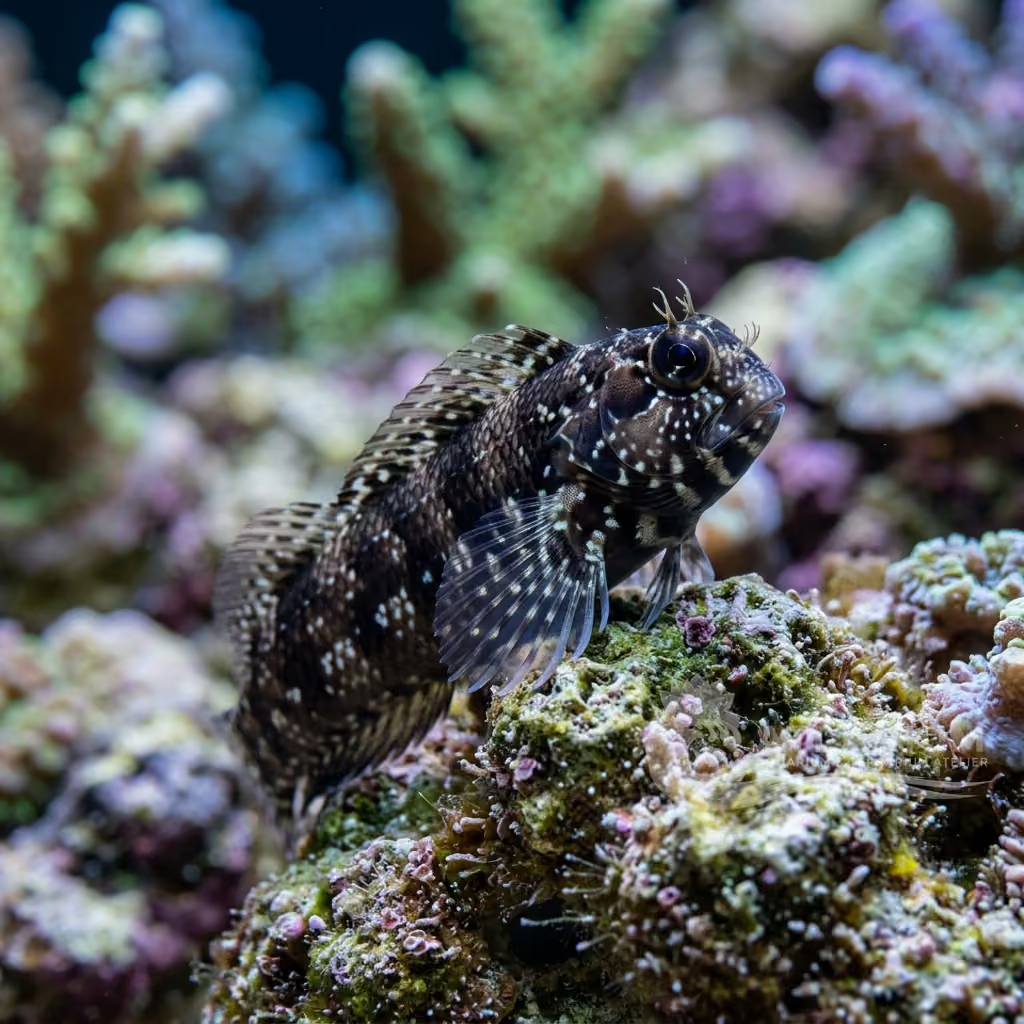
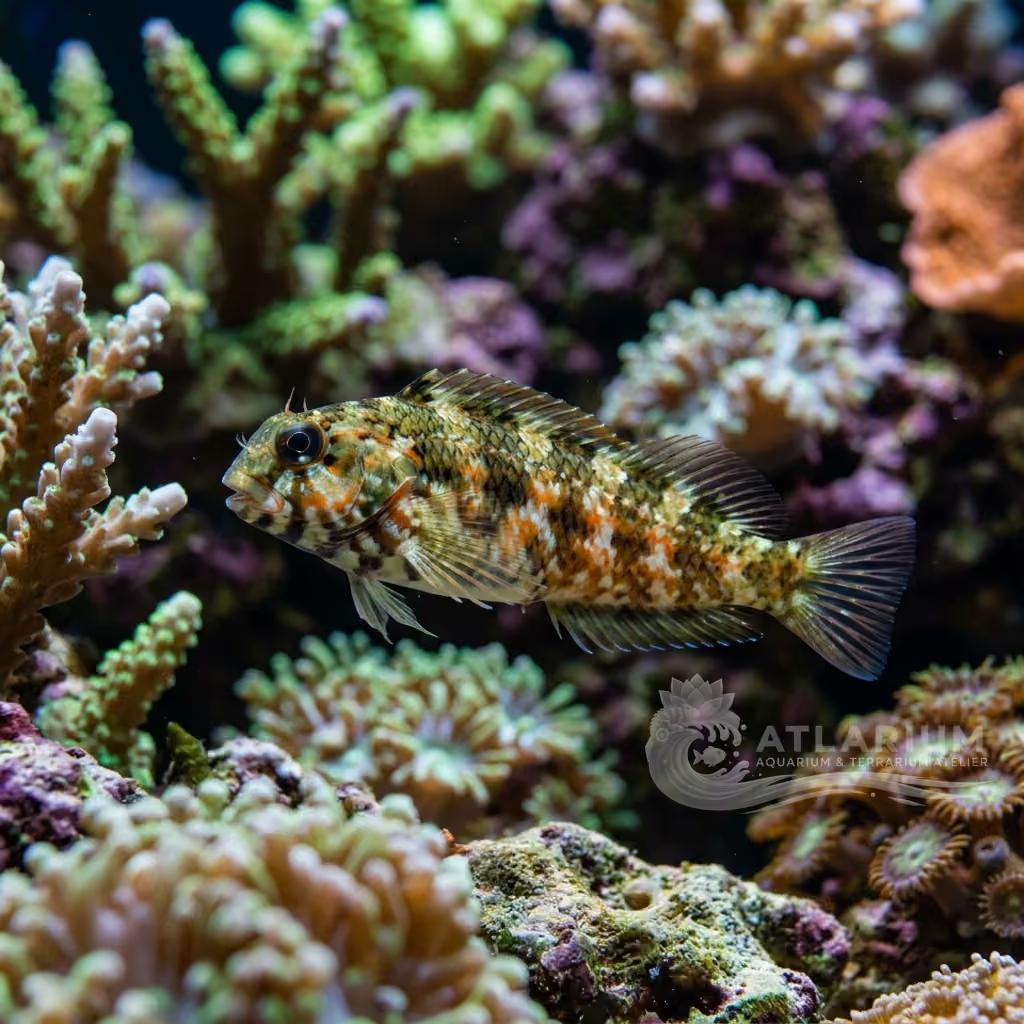
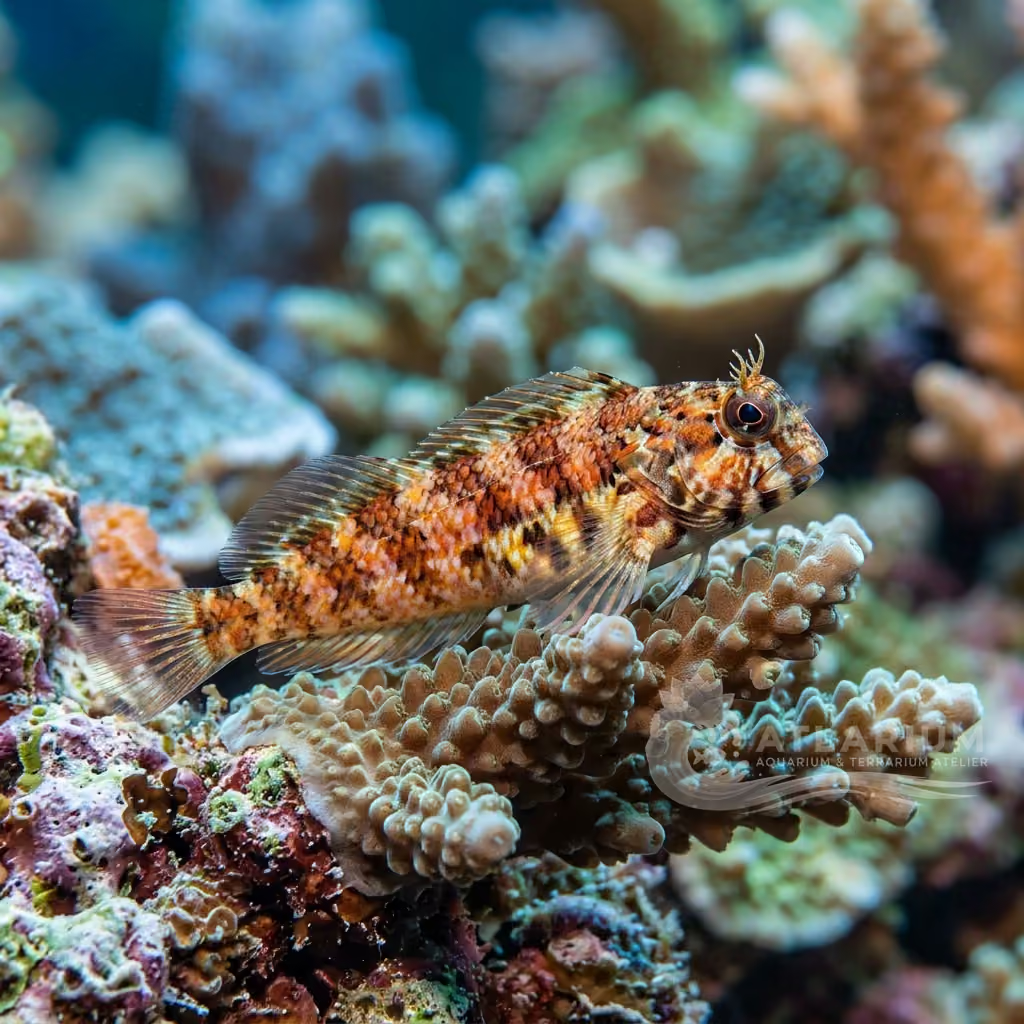
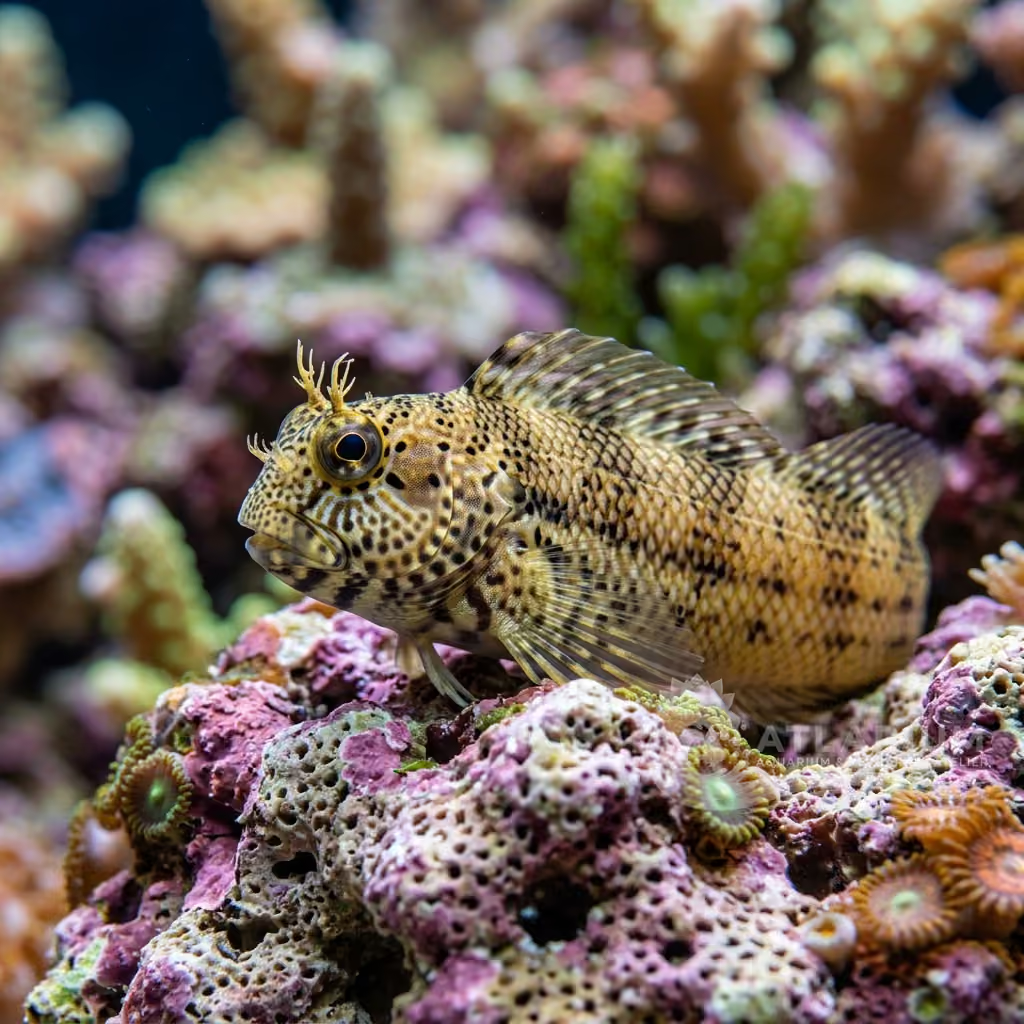
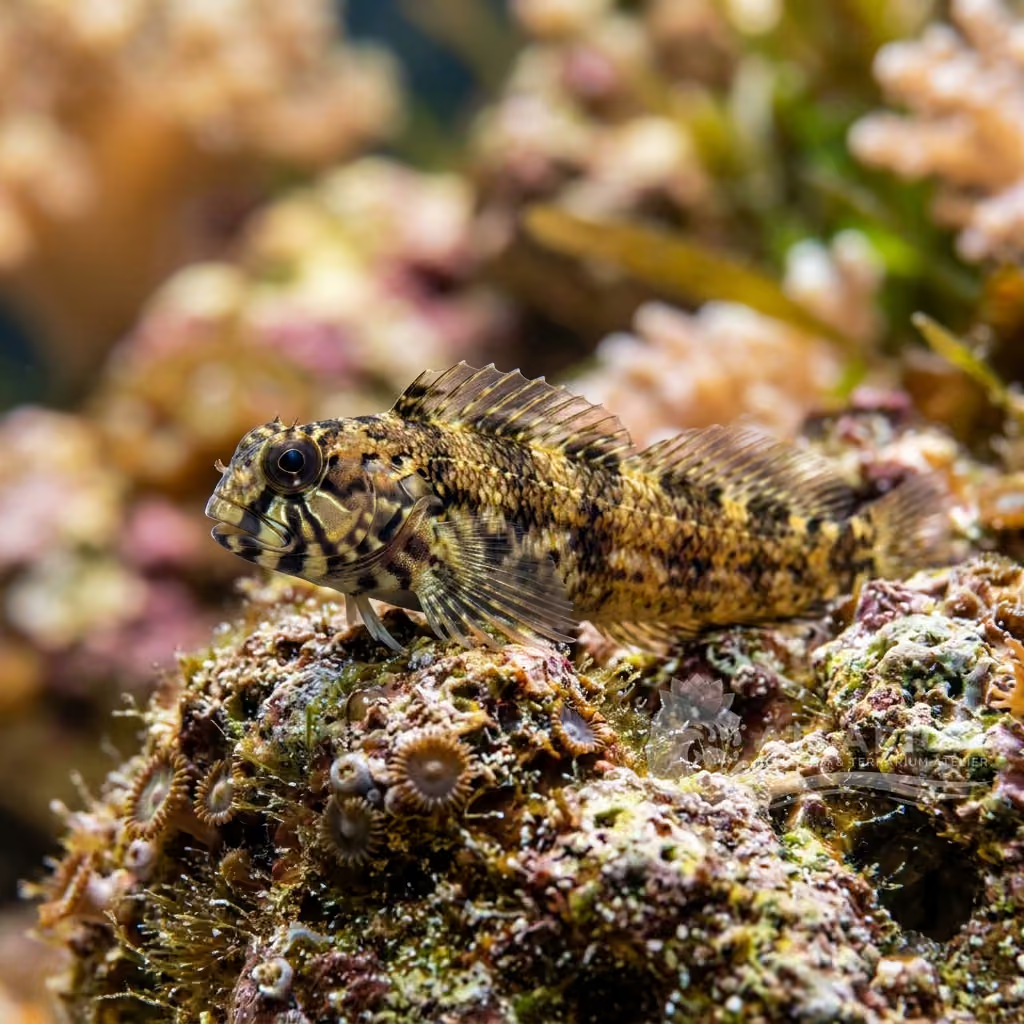
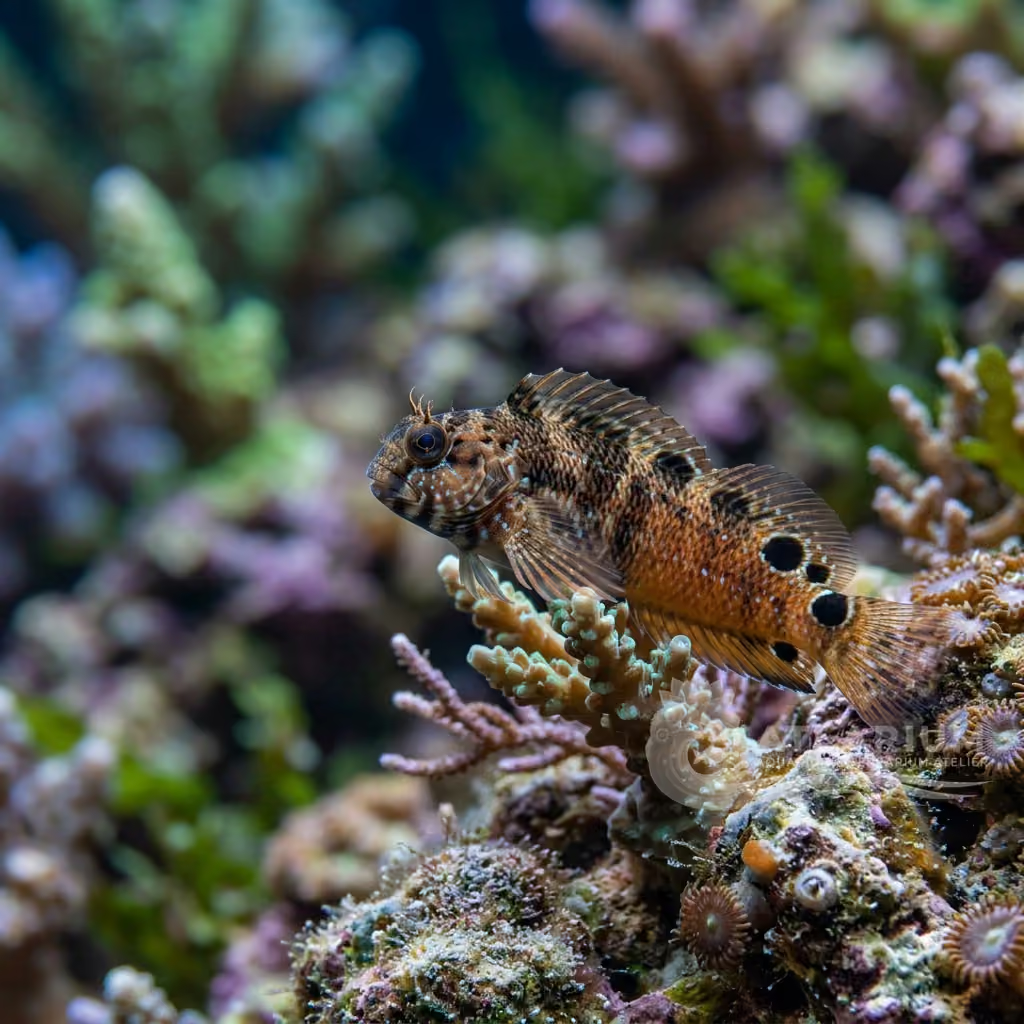
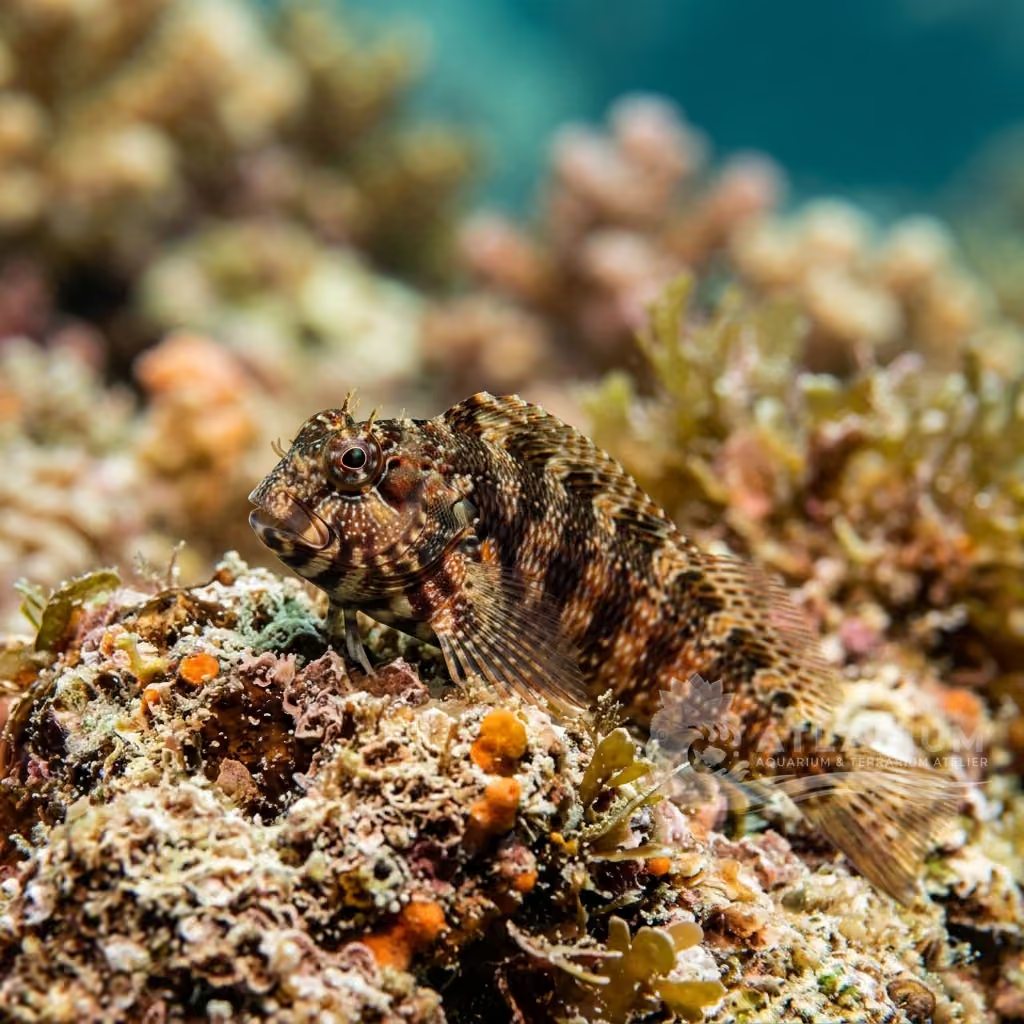
Taxonomy and Morphology: Member of the family Blenniidae, genus Ecsenius. Features a slender, scale-less body and comb-like teeth tailored for scraping microalgae from hard substrates. This miniature species reaches a maximum size of only 4 cm.
Social Behavior: Curious, diurnal, and very active. They spend their time perched on rock ledges or coral branches, keeping a close eye on their surroundings with independent eye movements. Territorial only toward similar blennies.
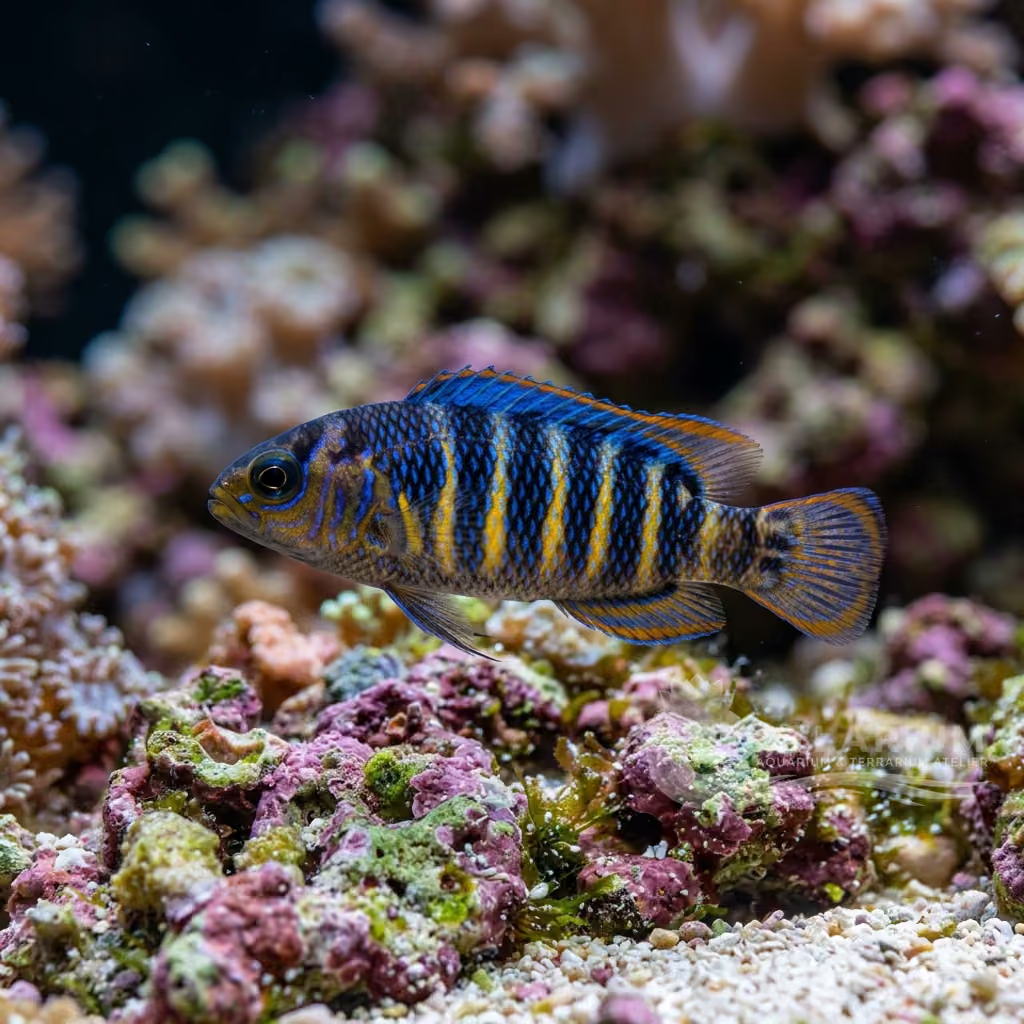
Coloration and Sexual Dimorphism: Displays a striking bicolored appearance: the upper half of the body is dark blackish-brown, while the lower half is pale white or bright yellow. Neon blue highlights frame the eyes. No distinct sexual dimorphism.

Cuidado, criação e companheiros de tanque
Aquarium Setup: Minimum tank size of 60 liters (approx. 15 gallons). The tank should be decorated with plenty of mature live rock. Hiding spots, small caves, and crevices are essential to provide shelter and natural perching sites.
Diet and Feeding: Primarily herbivorous. Naturally grazes on microalgae and detritus on rocks. In the aquarium, feed dried seaweed (nori), spirulina flakes, herbivore pellets, and occasional small frozen foods. Requires a well-established tank with algae growth.
Water Quality: Keep standard marine parameters stable: temperature 22°C to 27°C, pH 8.1 to 8.4, and specific gravity 1.020 to 1.025. Moderate water movement is preferred. Regular water changes help maintain high water quality.
Compatibility and Cohabitation: Excellent candidate for peaceful reef or community tanks. They are reef-safe and do not bother corals. May fight with other blennies or similarly shaped fish. Best kept as a single specimen per aquarium.
Aquarium Breeding: Egg-spawners. They deposit adhesive eggs in small cavities or empty shells, which the male guards until they hatch. Captive breeding is rare in home aquariums due to the complex requirements of the tiny larvae.
Risks and Diseases: Starvation is the primary risk if placed in a sterile tank without natural algae growth. Ensure they are eating prepared foods. They are also capable of jumping out of the tank, so a secure cover is recommended.

Origem e distribuição geográfica
Ecsenius bathi is native to the Western Pacific Ocean, primarily recorded from Indonesia and the Philippines. It inhabits shallow, coral-rich reefs and rocky drop-offs at depths ranging from 3 to 20 meters, where algae grow.
Origem
Oceanos tropicais e recifesSul e Sudeste Asiático

Perfil de peixe
- Temperamento
- Peaceful
- Bath's blenny is a peaceful and highly entertaining fish with a big personality. They are incredibly observant and often seem to be watching the aquarist just as much as they are being watched. Once settled, they are quite bold and will spend much of their day perched in plain sight.
- Dieta
- Herbivore
- As an obligate herbivore, its diet consists primarily of microalgae scraped from live rock. It must be provided with supplementary marine algae, spirulina, and high-quality herbivore pellets. Failing to provide enough vegetable matter in their diet can lead to malnutrition and fading colors.
- Expectativa de vida
- 3-5 years
- Tamanho adulto
- 4 cm
- Proporção sexual
- Solitary
- Keeping a single specimen is the best practice to avoid aggressive territorial disputes among males. If a true mated pair is acquired, they will often inhabit the same general area peacefully. Multiple males in the same tank will result in severe fighting and stress.
- Frequência de alimentação
- Continuous
- They are natural continuous grazers, requiring small amounts of food available throughout the day. Direct feeding once or twice a day with specialized herbivore food is highly recommended. Providing an algae clip with nori ensures they always have something to graze upon.
- Carga biológica
- Low
- Bath's blenny is a very small fish that contributes an insignificantly small bioload to the aquarium. Standard protein skimming and regular water changes will easily maintain pristine conditions. It is an excellent choice for smaller, densely stocked reef systems where nutrient management is critical.
- Fluxo
- Strong
- Moderate water flow is ideal for this species, providing good oxygenation and promoting algae growth. They often perch on rocks in areas of moderate flow, watching the current for small particles. They will seek out lower flow areas to rest and sleep at night.
- Risco de salto
- Yes
- This blenny is known for its startling speed and tendency to jump when frightened. A secure, tight-fitting mesh or glass top is absolutely necessary to prevent escape. Open top tanks are a major hazard for this skittish fish.
- Reprodução
- Oviparous
- Breeding occurs with the female laying eggs in a secure rocky crevice. The male fertilizes the eggs and diligently guards them, fanning them with his pectoral fins to ensure oxygenation. Rearing the microscopic larvae is exceptionally challenging and rarely accomplished by hobbyists.
- Compatibilidade e companheiros de tanque
- Peaceful
- It is a peaceful, completely reef-safe species that will not bother corals or invertebrates. It gets along with a vast array of peaceful community fish such as cardinalfish and gobies. It should not be housed with large aggressive predators or highly territorial blennies.
- Nível do tanque
- Middle/Bottom
- They are exclusively bottom-dwelling fish that rely on the live rock for habitat. They use the rockwork to hop around, as they do not actively swim in the open water column. They require numerous small holes and crevices to use as safe retreats and sleeping quarters.

Modelos e parâmetros científicos
FishBase
Acesso aos dados científicos oficiais da espécie
FishBase v25.04Dados sincronizados em: 15/06/2026
- Nível trófico
- 2 ± 0 se
- Resiliência
- Alta (menos de 15 meses)
- Unicidade filogenética (PD50)
- 0.5
- Relação bayesiana comprimento-peso
- a = 0.00776, b = 3
- VulnerabilidadeVulnerabilidade baixa (10 / 100)

Espécies relacionadas
Recomendações agrupadas por parentes próximos, escolhas de acompanhantes e cuidados semelhantes.