Orangeclaw Hermit Crab
Calcinus tibicen
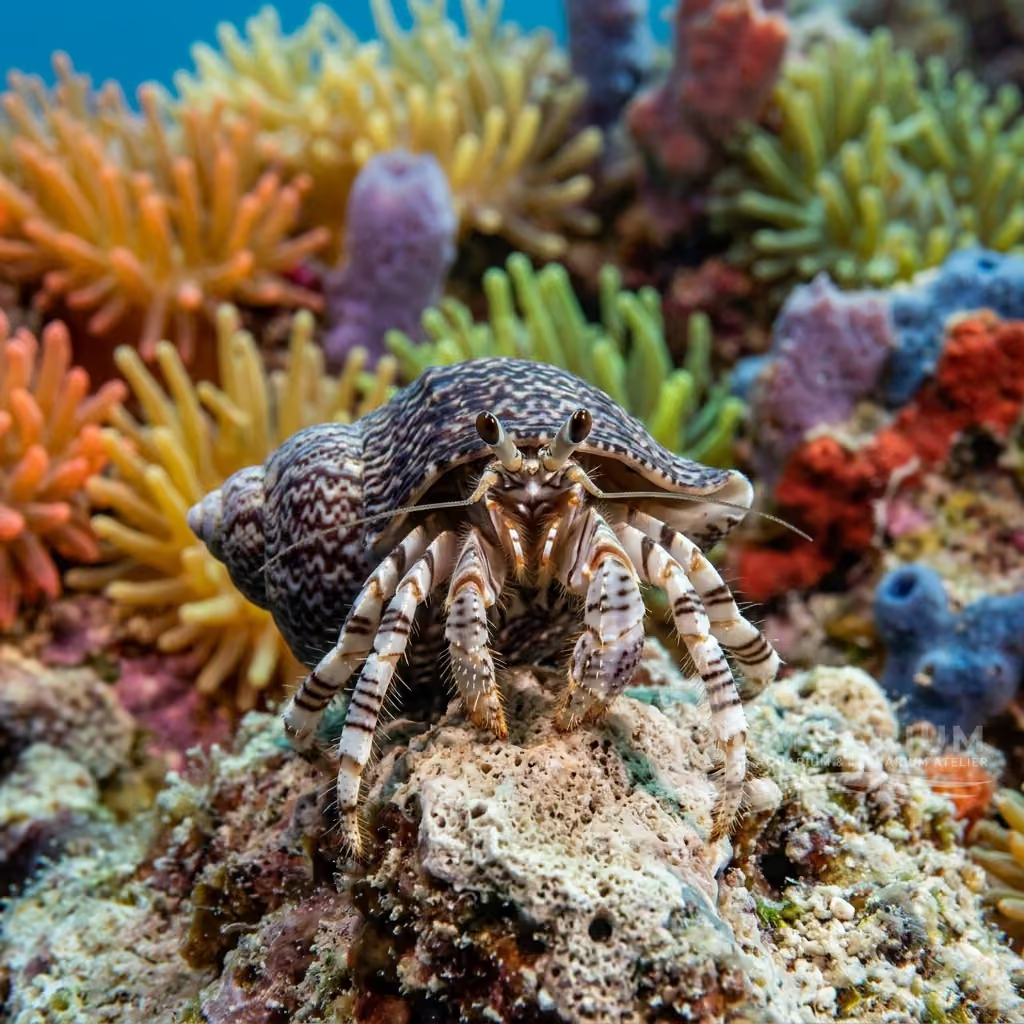
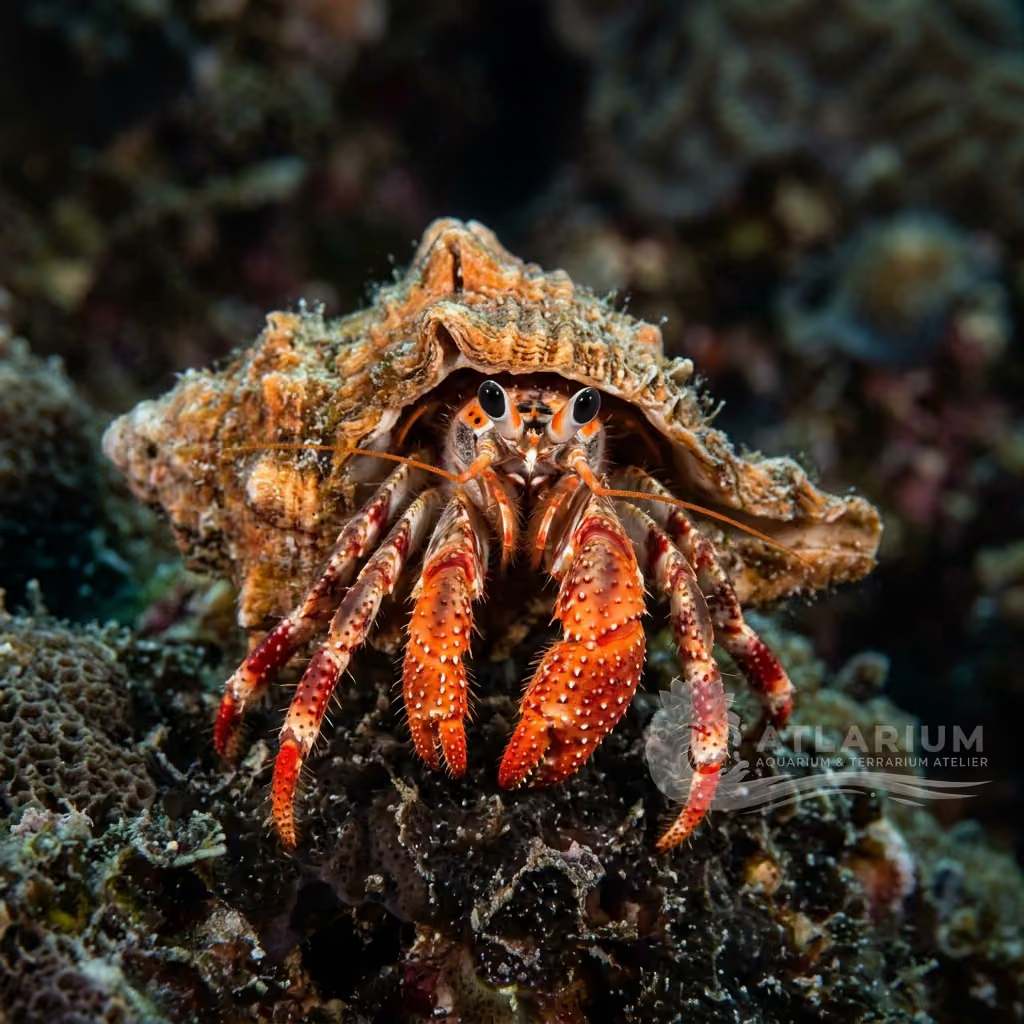
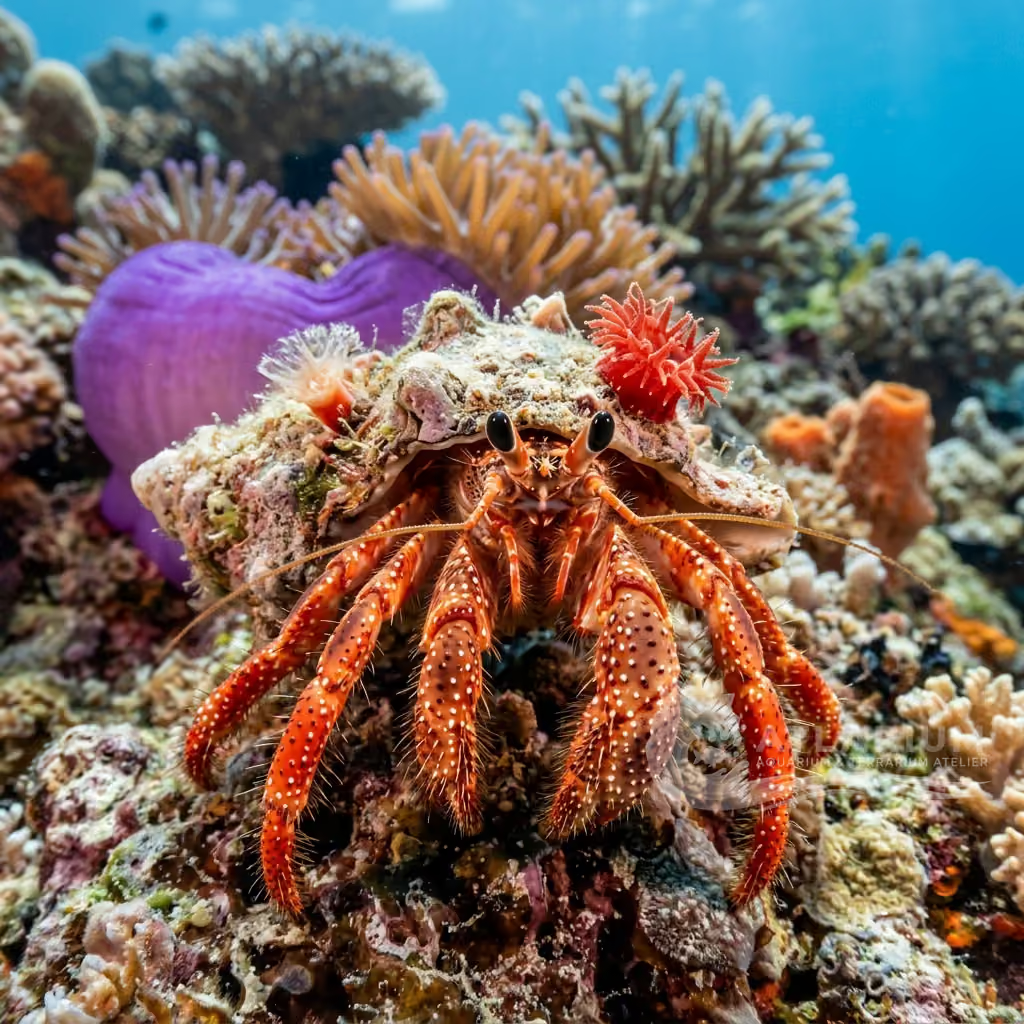
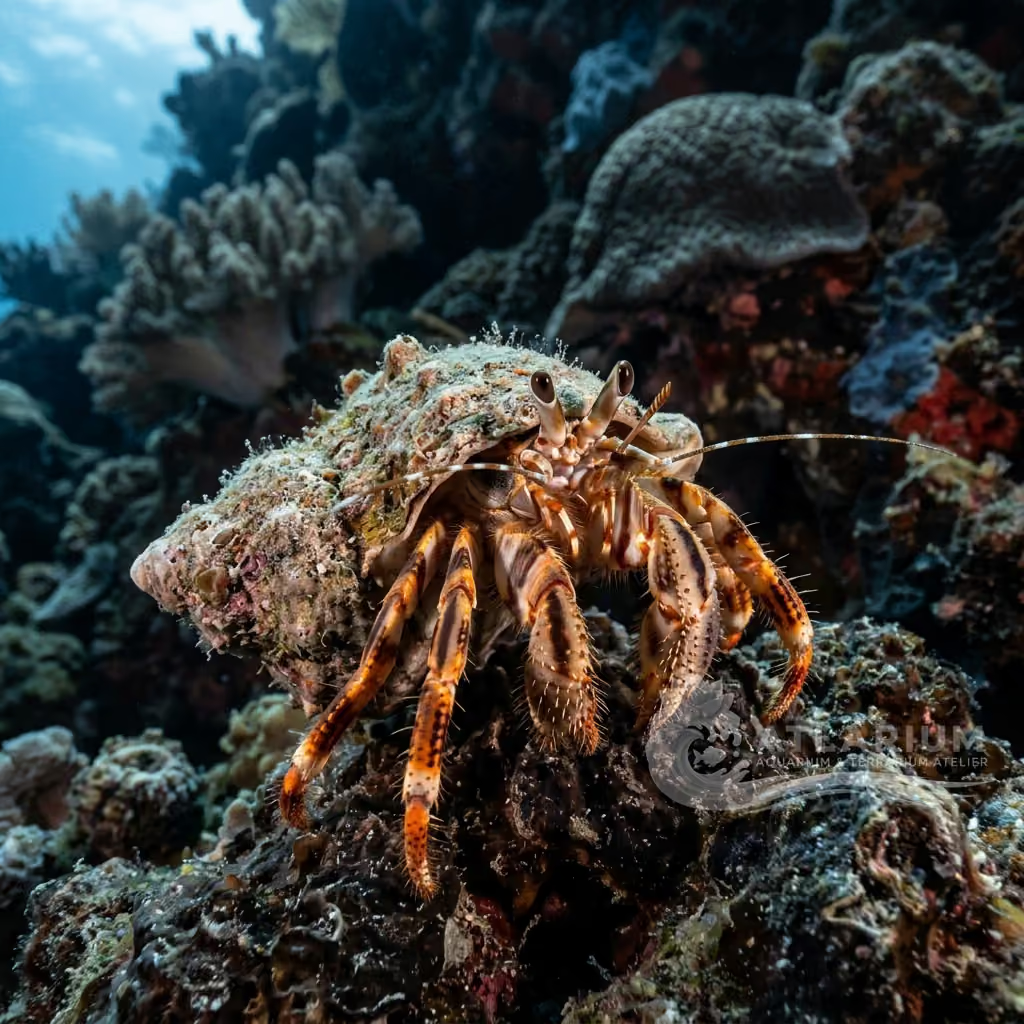
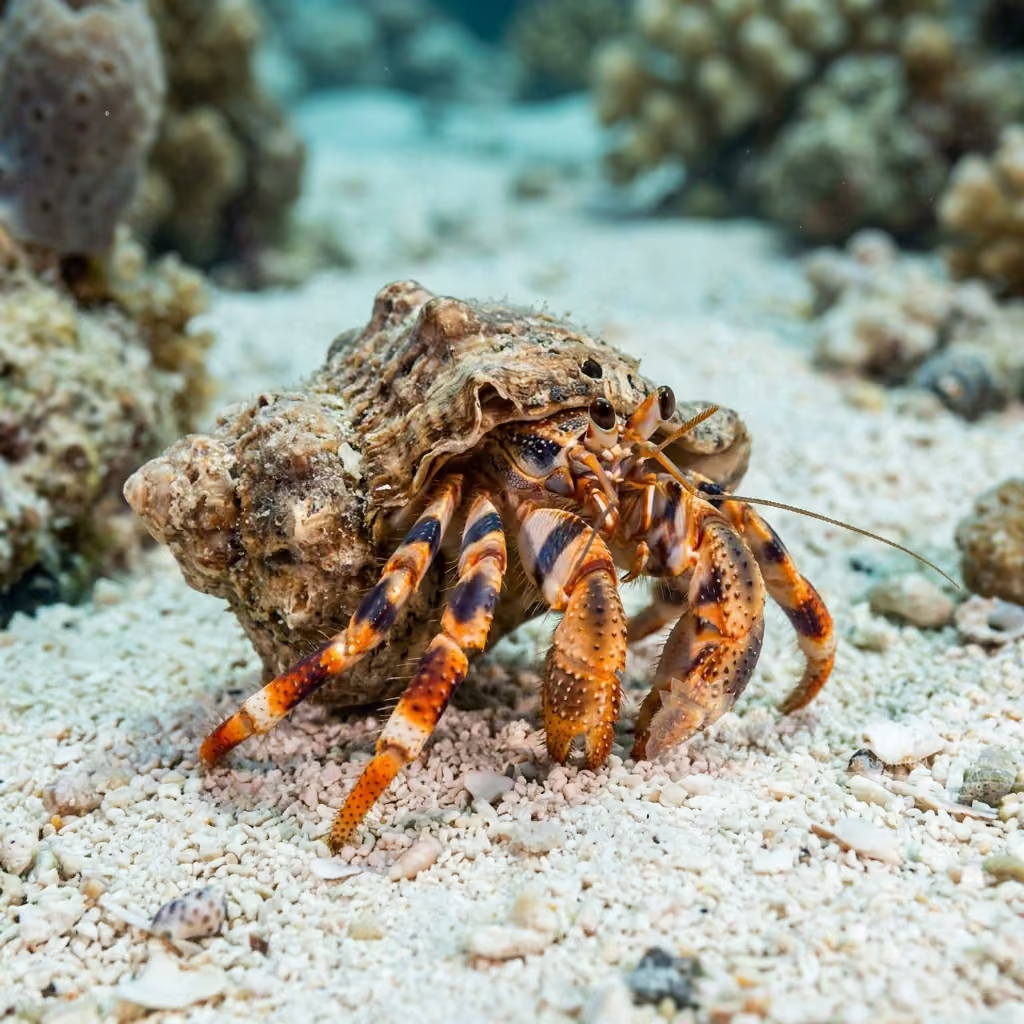
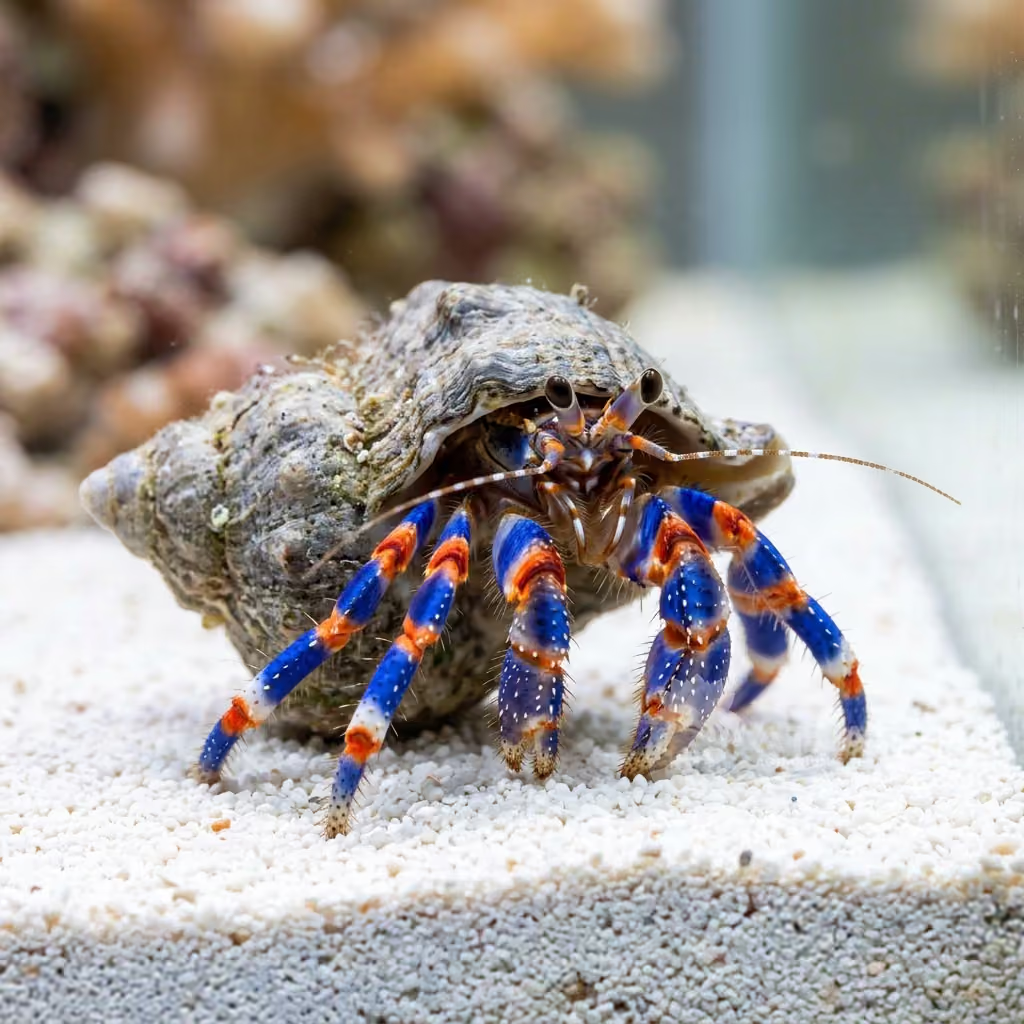
The Orangeclaw Hermit Crab is an industrious reef-safe scavenger. Climbing live rock and sifting sand, it diligently consumes nuisance algae and detritus, thriving in aquariums with ample shells.
Temperatura da água
22 - 28 °C
Valor de pH
8.1 - 8.4
Tipo de água
Marinho
Tipo invertebrado
Hermit crab
Tamanho adulto
3 cm
Grupo mínimo
>= 1
Papel ecológico
Scavenger
Sensibilidade ao cobre
High

Descrição da espécie
Geographical Origin and Habitat: Calcinus tibicen is widely distributed throughout the Western Atlantic Ocean, including Bermuda, Florida, the Gulf of Mexico, the Caribbean Sea, and south to Brazil. It commonly inhabits shallow intertidal rocky reefs, tide pools, and seagrass beds.
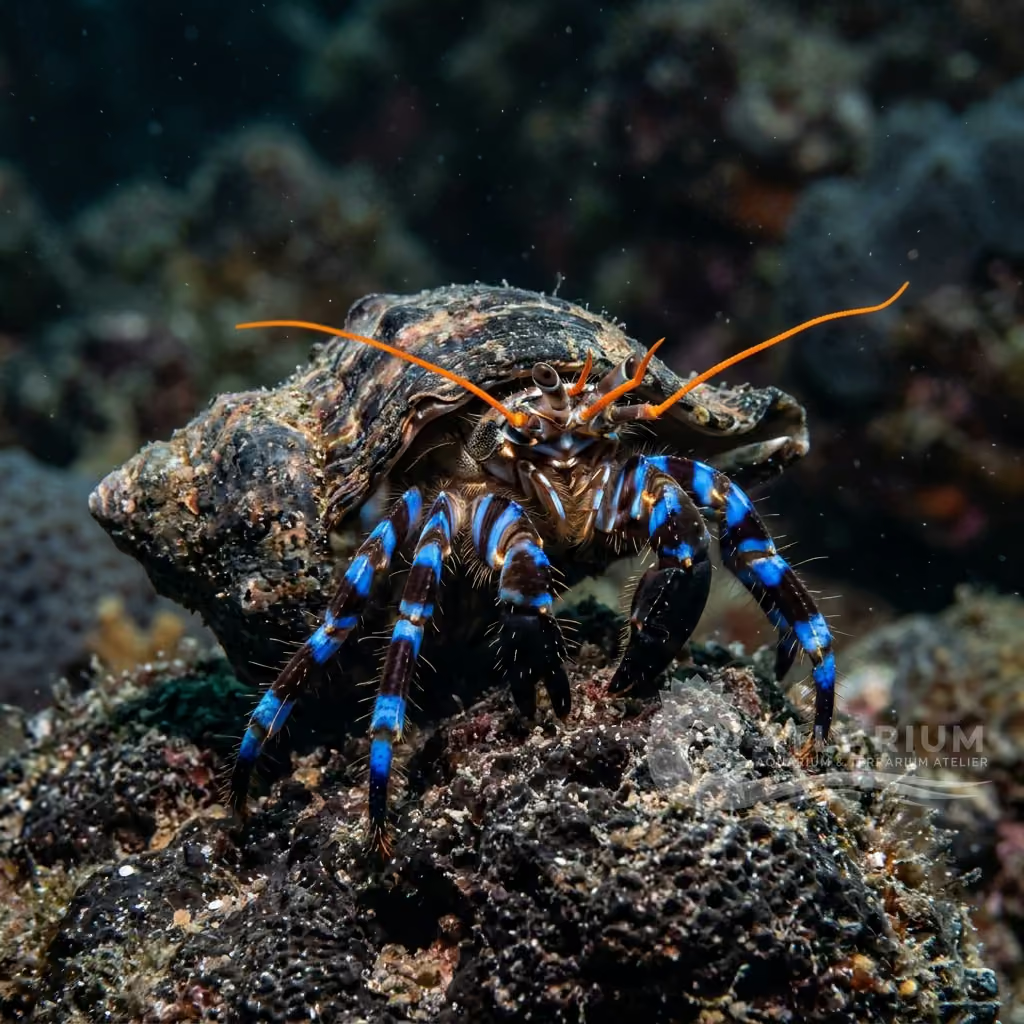
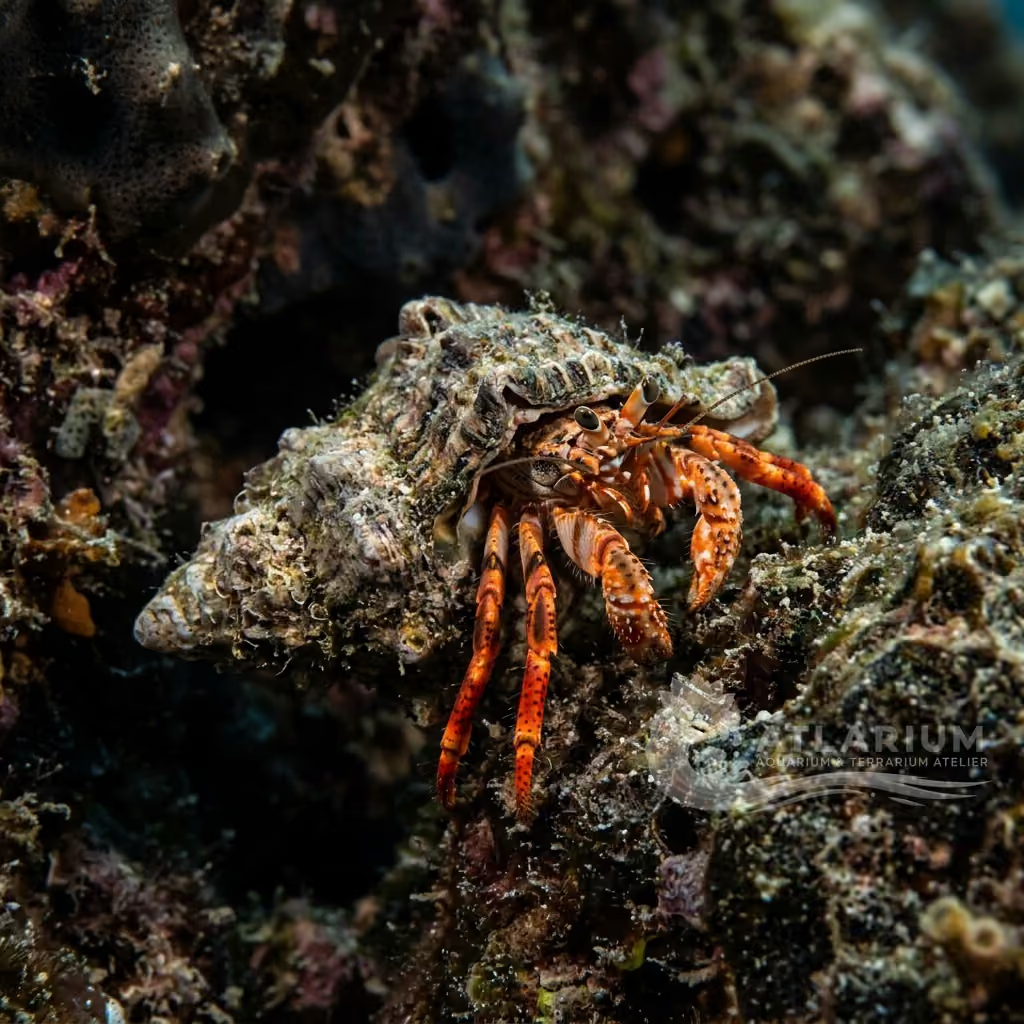
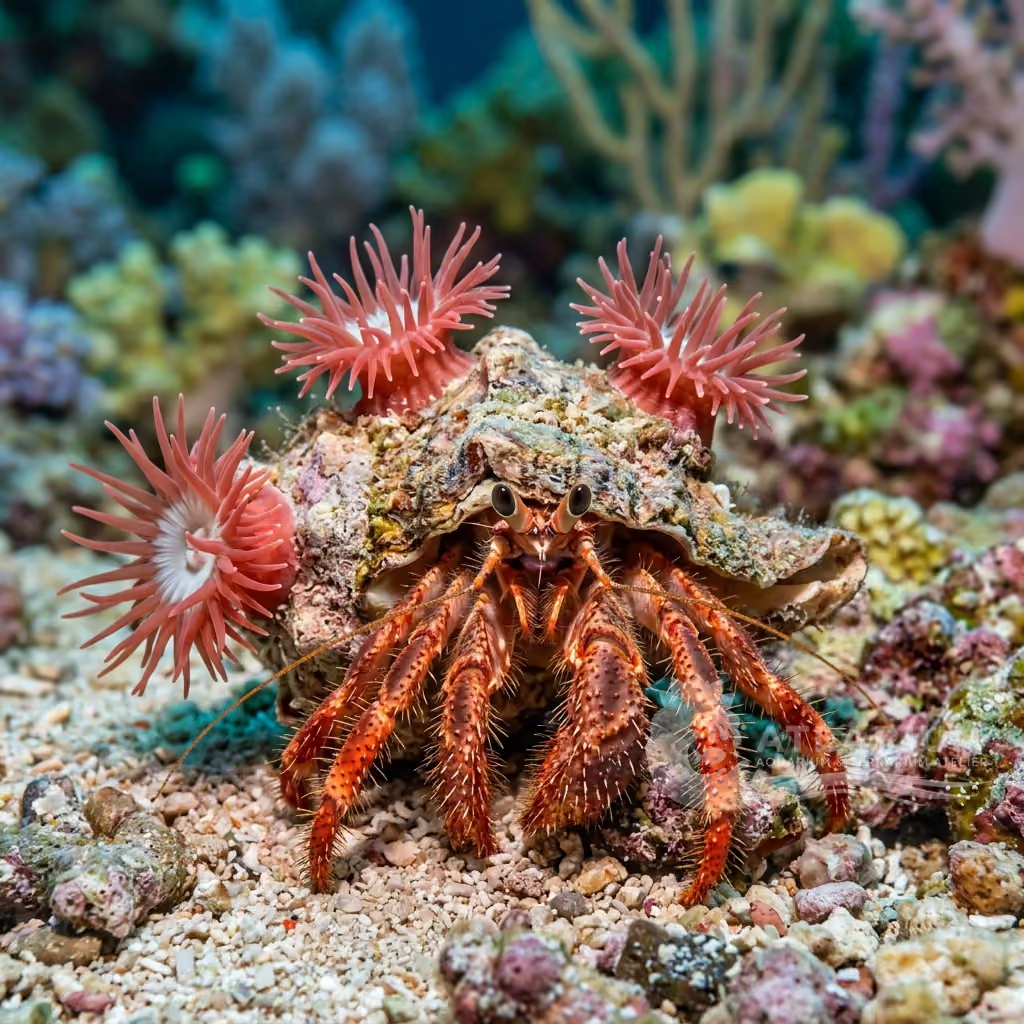
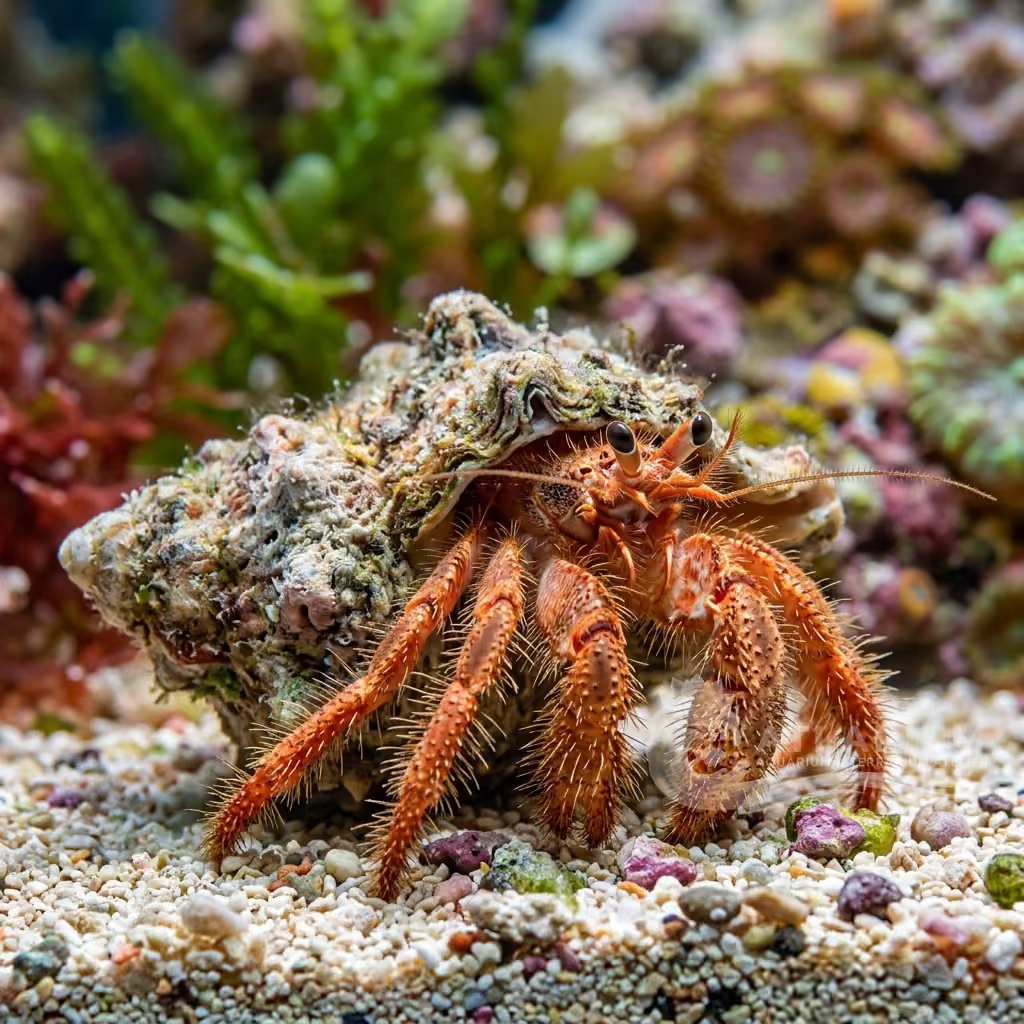
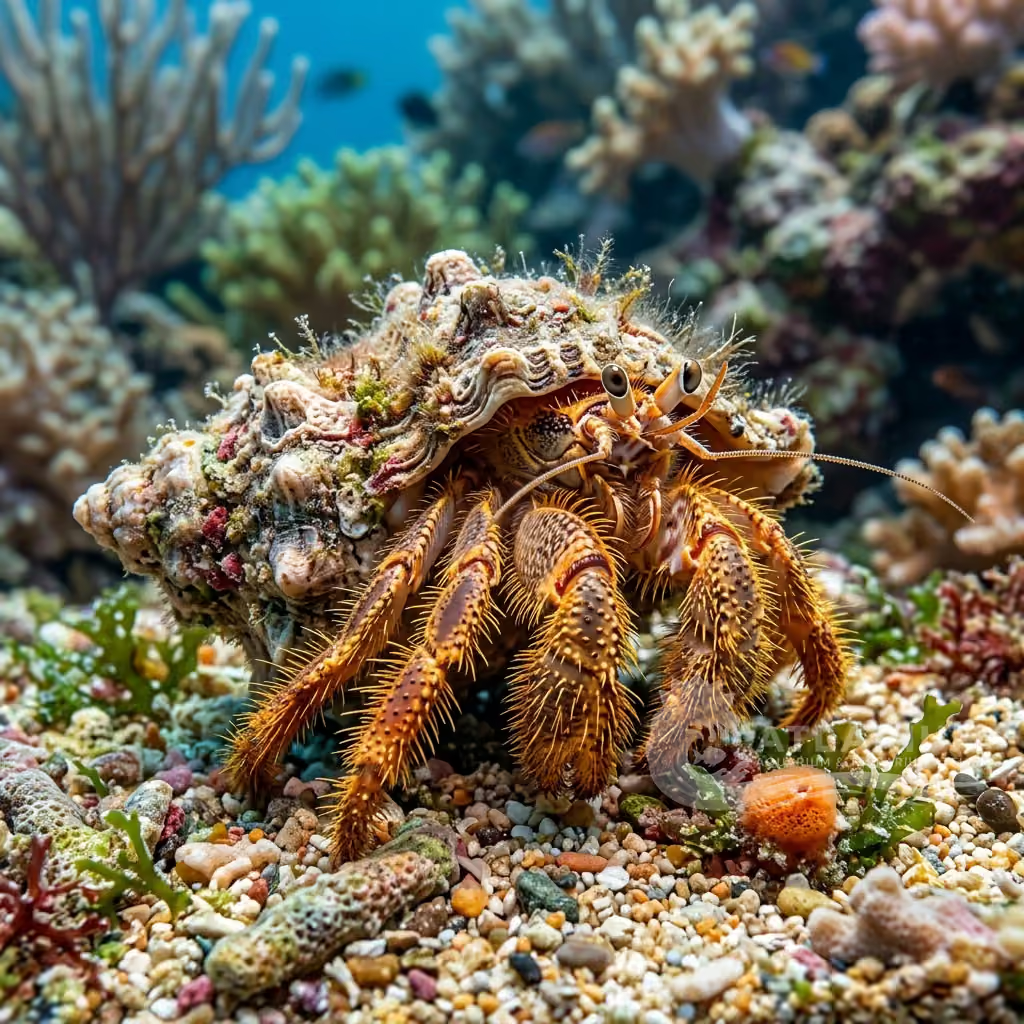
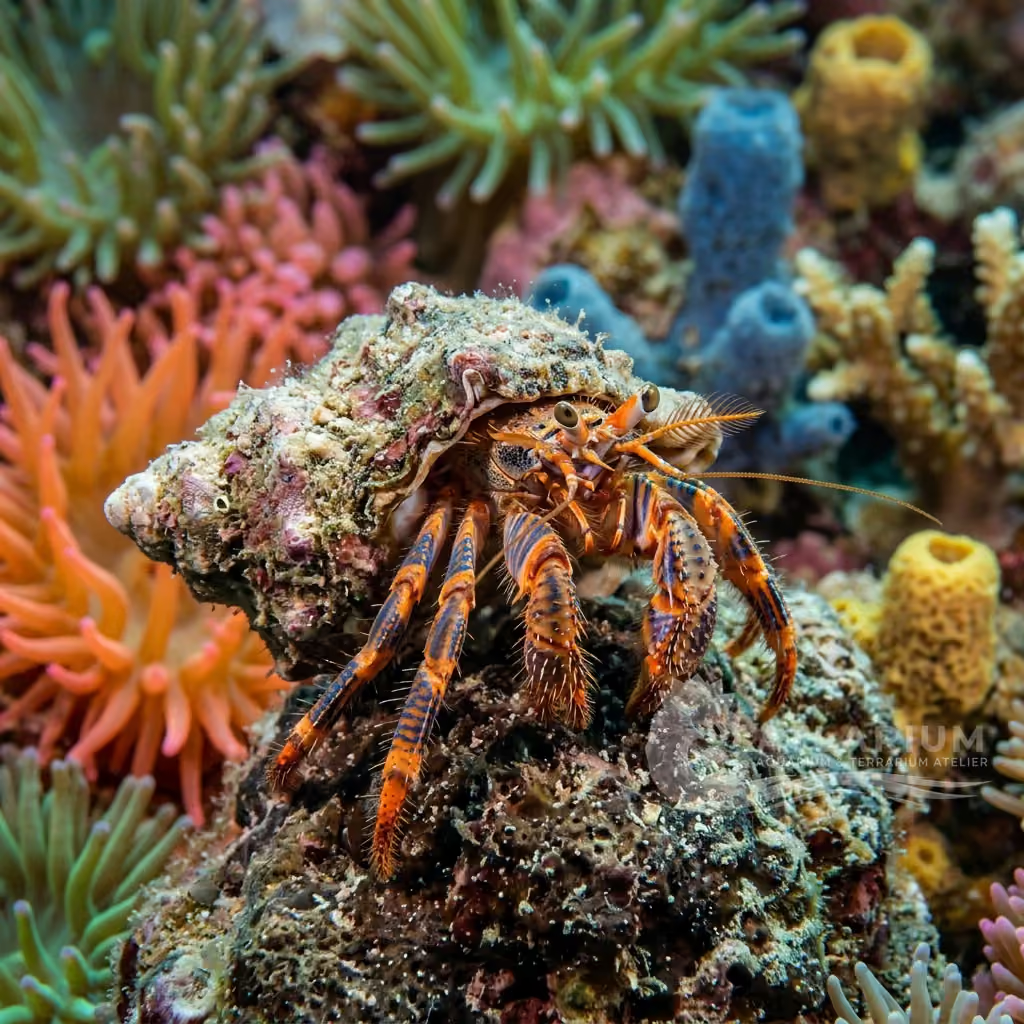
Taxonomy: Belongs to the family Diogenidae, genus Calcinus. It is known by the common name Orangeclaw Hermit Crab due to the distinct orange-red coloration on its large left claw, which is used as an operculum to seal its shell opening.
Social Behavior: Peaceful and industrious scavenger. It spends its time climbing rocks and sifting sand for organic matter. While generally non-aggressive, they can fight with other hermit crabs over vacant shells if proper upgrades are not provided.
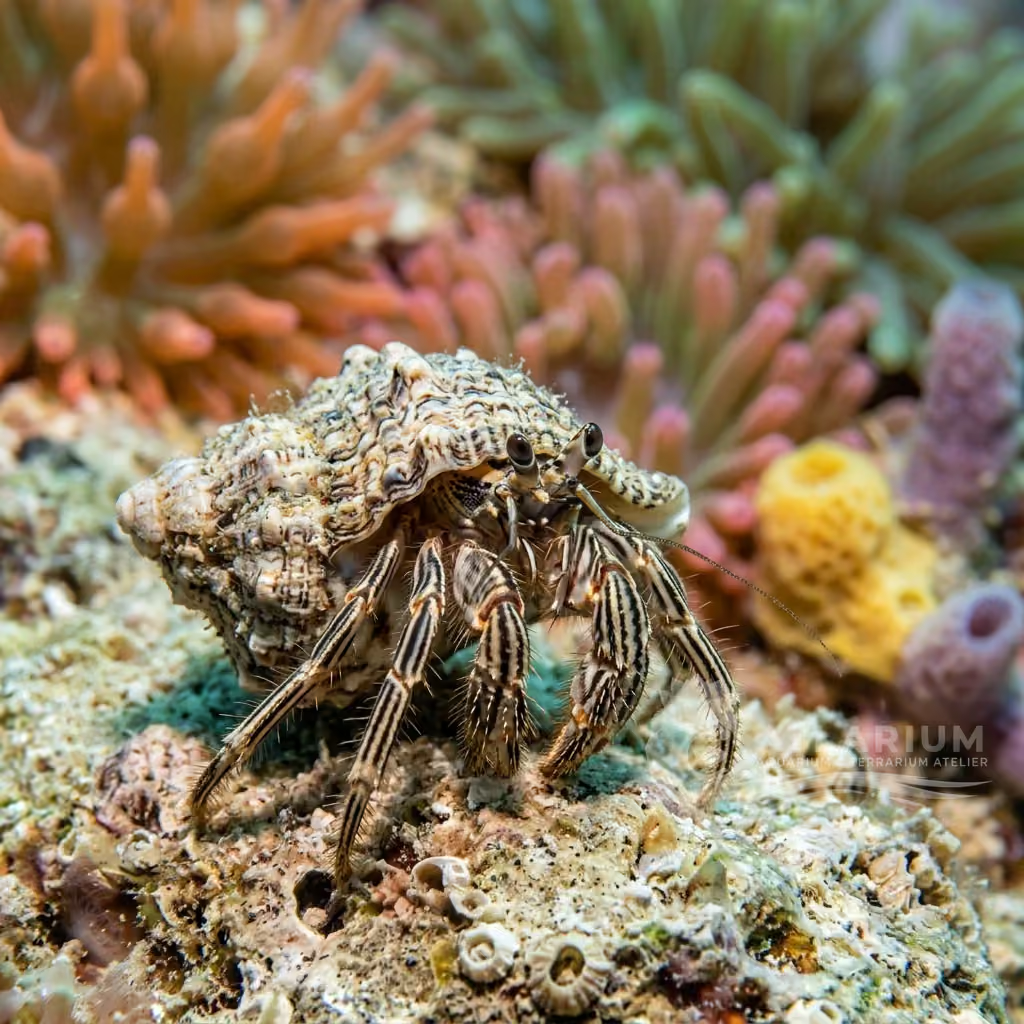
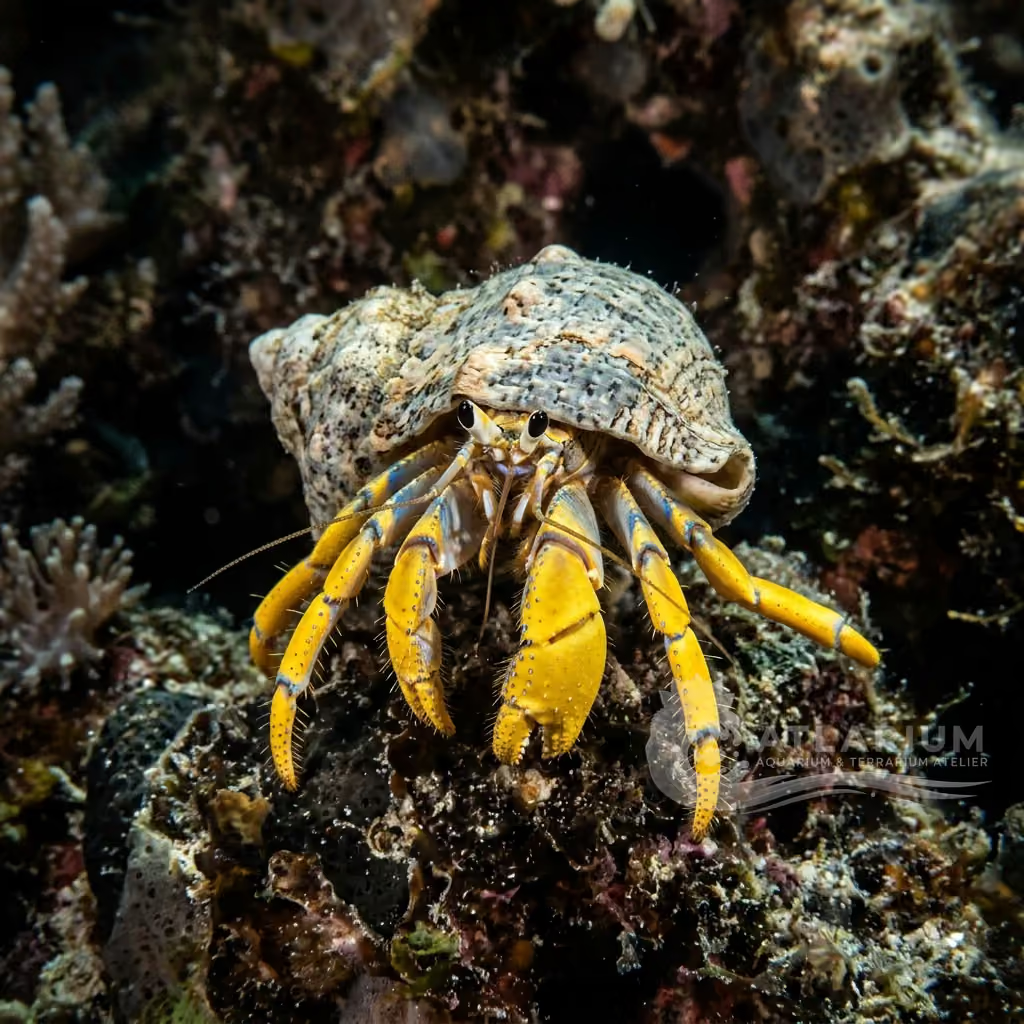
Coloration and Sexual Dimorphism: Features striking dark orange to reddish-brown claws and walking legs tipped with white or cream patches. Sexual dimorphism is not prominent; sexes are determined by genital pore placement on the underside of the body.

Cuidado, criação e companheiros de tanque
Tank Setup: Can be housed in tanks as small as 10 gallons (40 liters). The aquarium should have plenty of live rock for climbing and natural grazing. It is vital to supply a variety of empty snail shells of progressive sizes to accommodate growth.
Diet and Feeding: Omnivorous scavenger. It feeds on green hair algae, cyanobacteria, detritus, and uneaten fish food. Supplement their diet occasionally with dried seaweed (nori), sinking herbivore pellets, and small pieces of frozen shrimp.
Water Quality: Requires stable marine conditions: temperature 22-28°C (72-82°F), pH 8.1-8.4, specific gravity 1.020-1.025. Maintain adequate calcium, magnesium, and carbonate hardness levels to assist in successful molting and shell growth.
Compatibility and Tankmates: Reef-safe and harmless to fish. However, they may attack and kill herbivorous snails (like Turbo or Astraea snails) to steal their shells if they lack alternative housing options. Keep with peaceful reef fish.
Aquarium Breeding: Spawning is common, with females carrying bright orange eggs under their abdomen. They release planktonic larvae (zoea) into the water. Raising these larvae to settlement is extremely difficult and rarely achieved in home aquaria.
Risks and Diseases: Vulnerable during the molting process when their new exoskeleton is soft; they will remain hidden for several days. Strictly avoid any copper-based medications in the aquarium, as copper is highly lethal to all crustaceans.

Origem e distribuição geográfica
Calcinus tibicen is widely distributed throughout the Western Atlantic Ocean, including Bermuda, Florida, the Gulf of Mexico, the Caribbean Sea, and south to Brazil. It commonly inhabits shallow intertidal rocky reefs, tide pools, and seagrass beds.
Origem
Oceanos tropicais e recifesExtra-Amazônica América do SulAmérica Central e CaribeAmérica do Norte

Perfil de invertebrados
- Dieta
- Herbivore
- As a diligent scavenger, Calcinus tibicen spends its days foraging across rockwork and sandbeds. Its diet is largely composed of detritus, uneaten meaty foods, and nuisance algae. Providing sinking pellets can ensure they receive enough nutrition when natural food is scarce.
- Papel ecológico
- Scavenger
- Hermit crabs like Calcinus tibicen play a vital role as part of the benthic cleanup crew. They tirelessly consume decaying matter, helping to prevent the buildup of toxic ammonia and nitrites. By constantly shifting the substrate, they also promote beneficial oxygen exchange.
- Tamanho adulto
- 3 cm
- Risco de salto
- Yes
- Calcinus tibicen relies entirely on its shell and the substrate for protection and does not jump. However, they are excellent climbers and can scale silicone seams, equipment cords, or rock structures. A secure lid helps ensure they do not accidentally venture out of the tank.
- Sensibilidade ao choque
- Low
- Calcinus tibicen requires stable water conditions to thrive over the long term. Rapid changes in specific gravity or temperature can induce significant stress. Drip acclimation is recommended over at least an hour before addition to the main display.
- Cálcio e minerais
- High
- Proper calcium and alkalinity levels are critical for Calcinus tibicen to sustain a healthy exoskeleton. Furthermore, they depend entirely on finding abandoned calcareous shells for housing. Providing an assortment of slightly larger empty shells is mandatory for their continued growth.
- Muda
- Periodic
- When it is time to molt, Calcinus tibicen will often bury itself in the sand to protect its highly vulnerable state. It will shed its old exoskeleton and remain hidden until the new one is adequately hardened. Do not disturb a molting crab, as it can easily suffer fatal damage.
- Reprodução
- Oviparous
- Captive reproduction of Calcinus tibicen is extremely rare due to its complex planktonic larval stages. Females will brood eggs underneath their bodies until they are ready to be released into the water column. The larvae require highly specialized foods and stable marine conditions to survive.
- Compatibilidade e companheiros de tanque
- Peaceful
- Calcinus tibicen is a peaceful scavenger but may fight with other hermit crabs over desirable shells. It should not be trusted around sluggish snails, as it may kill them to steal their housing. Keep with appropriately sized fish that will not harass or eat small crustaceans.

Espécies relacionadas
Recomendações agrupadas por parentes próximos, escolhas de acompanhantes e cuidados semelhantes.