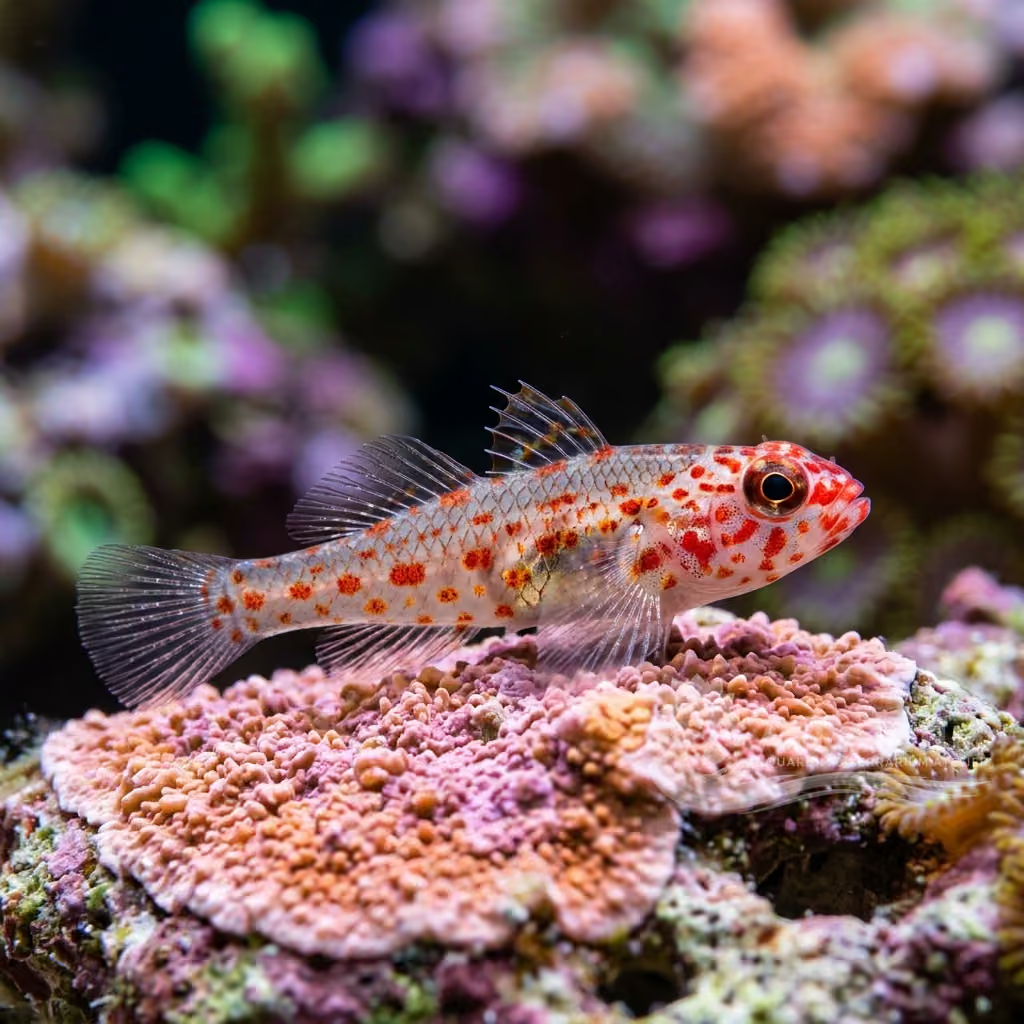
Steinitz' Goby
Amblyeleotris steinitzi
Steinitz's Goby is a small, charming reef fish from the Indo-Pacific. It lives in strict symbiosis with snapping shrimp and requires a deep, fine sand bed for burrowing.
Temperatura da água
22 - 27 °C
Valor de pH
8.1 - 8.4
Tipo de água
Marinho
Nível do tanque
Parte inferior
Tamanho adulto
13 cm
Volume mínimo do tanque
>= 80 L
Grupo mínimo
>= 1
KH
8 - 12 dKH

Descrição da espécie
Geographical Origin and Habitat: Amblyeleotris steinitzi is widely distributed throughout the tropical waters of the Indo-Pacific, from the Red Sea and East African coast to Samoa, and northwards to the Ryukyu Islands of Japan. It typically inhabits shallow sandy lagoons and protected seaward reefs, usually at depths ranging from 1 to 25 meters, where sandy patches mix with rubble and coral debris.
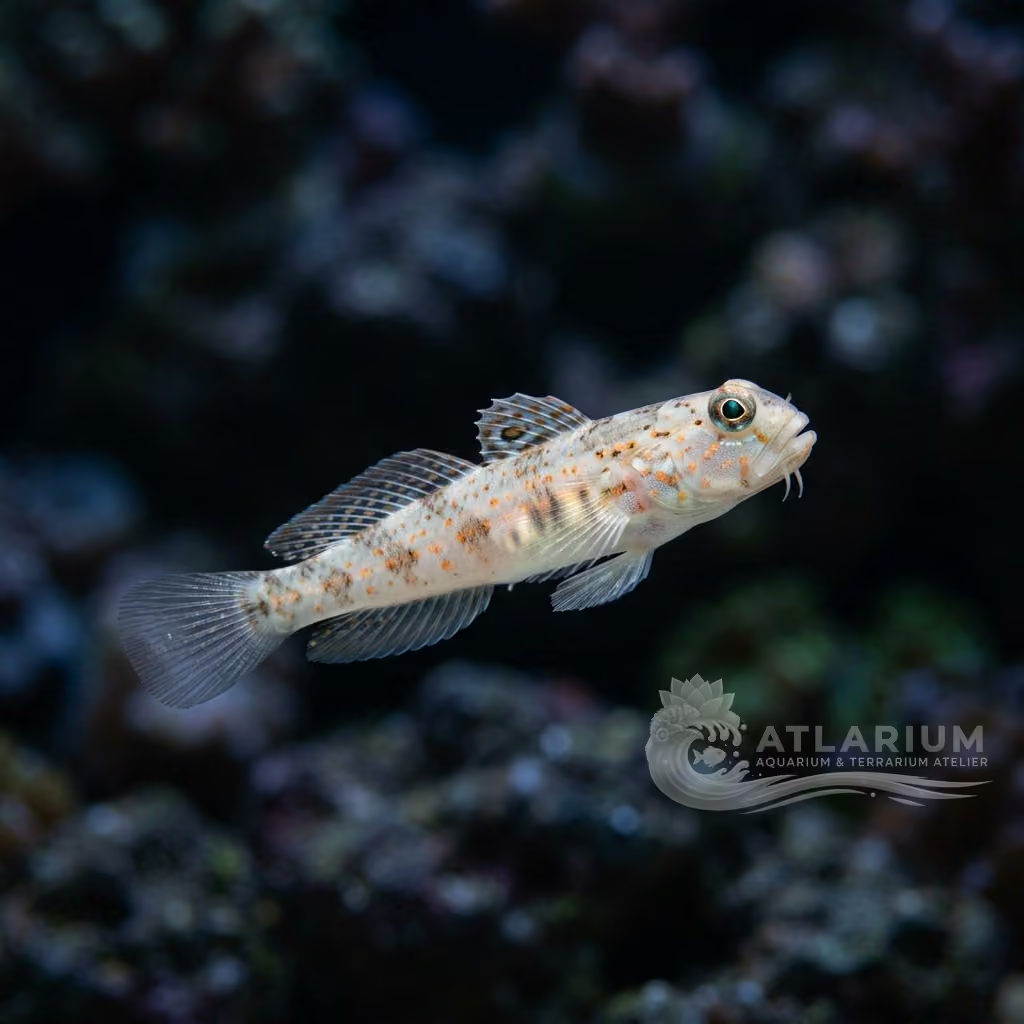
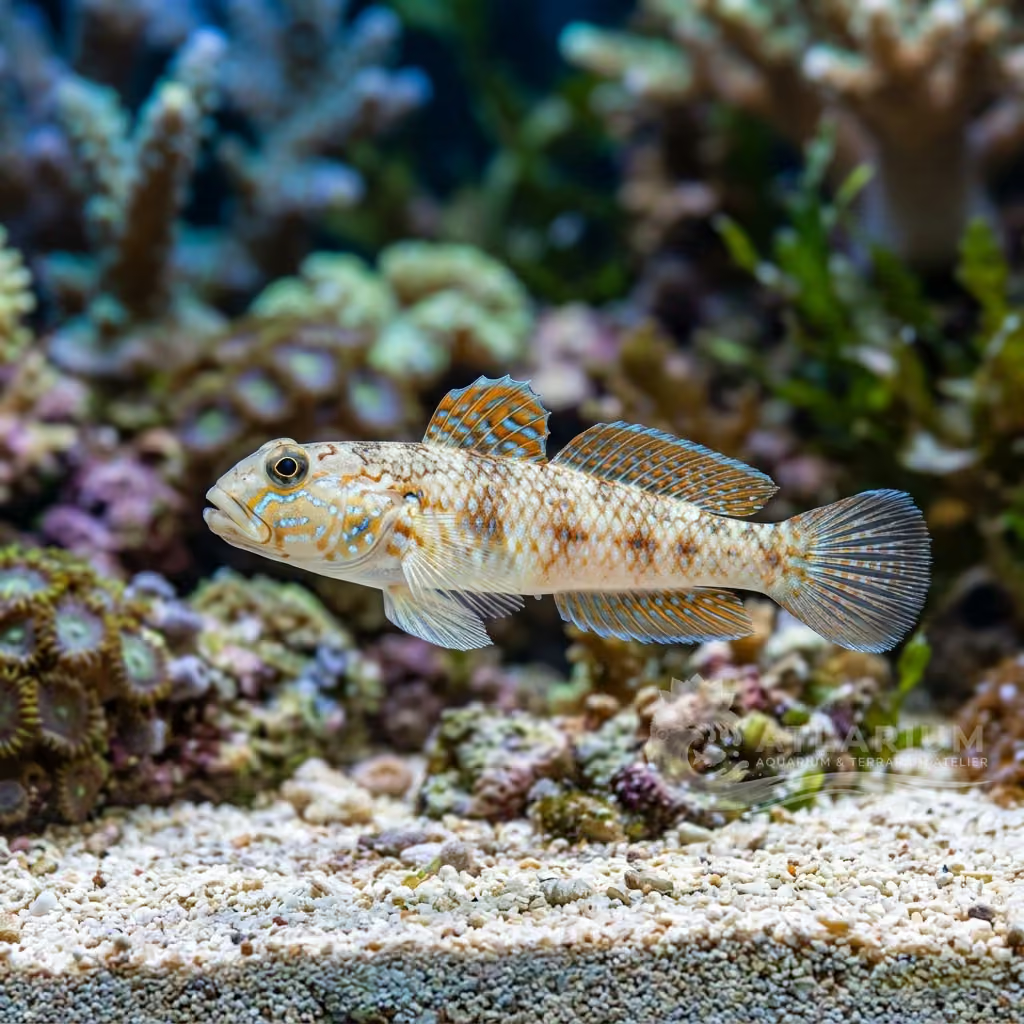
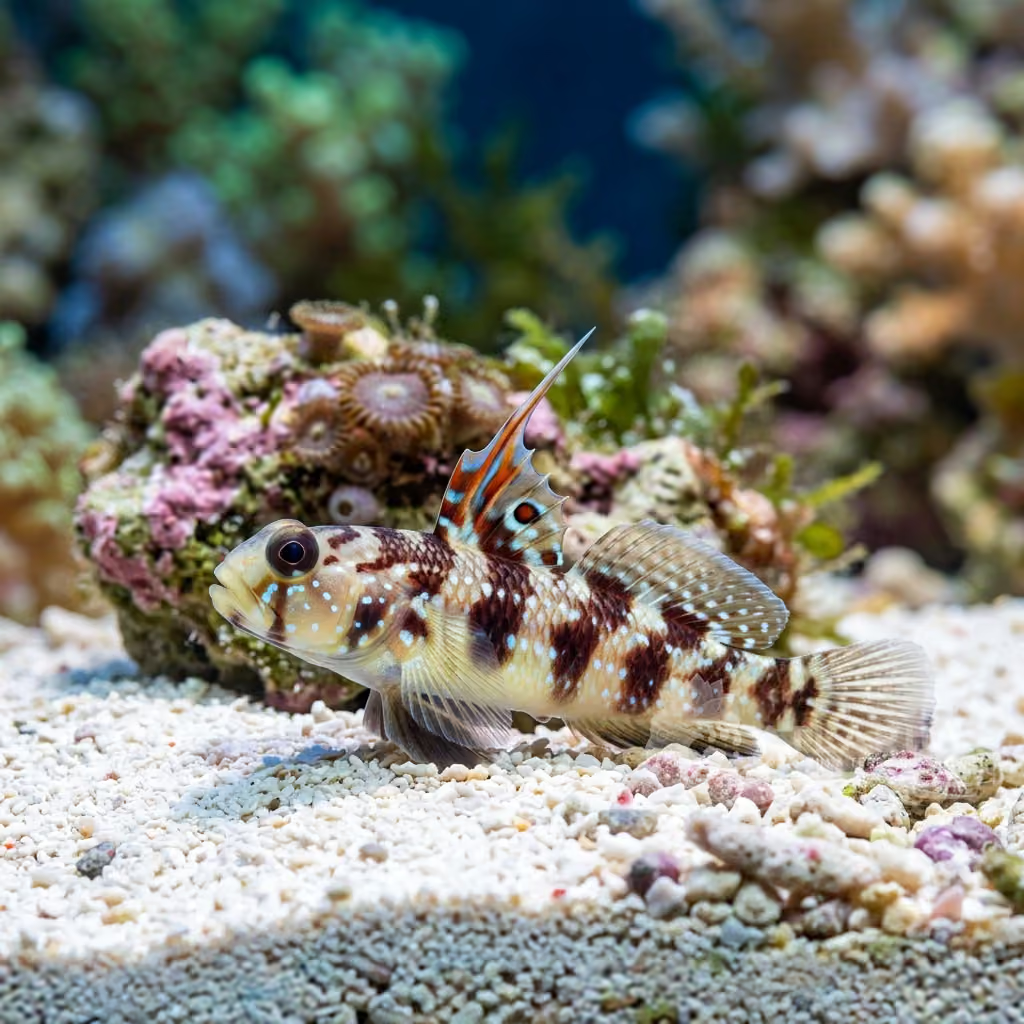
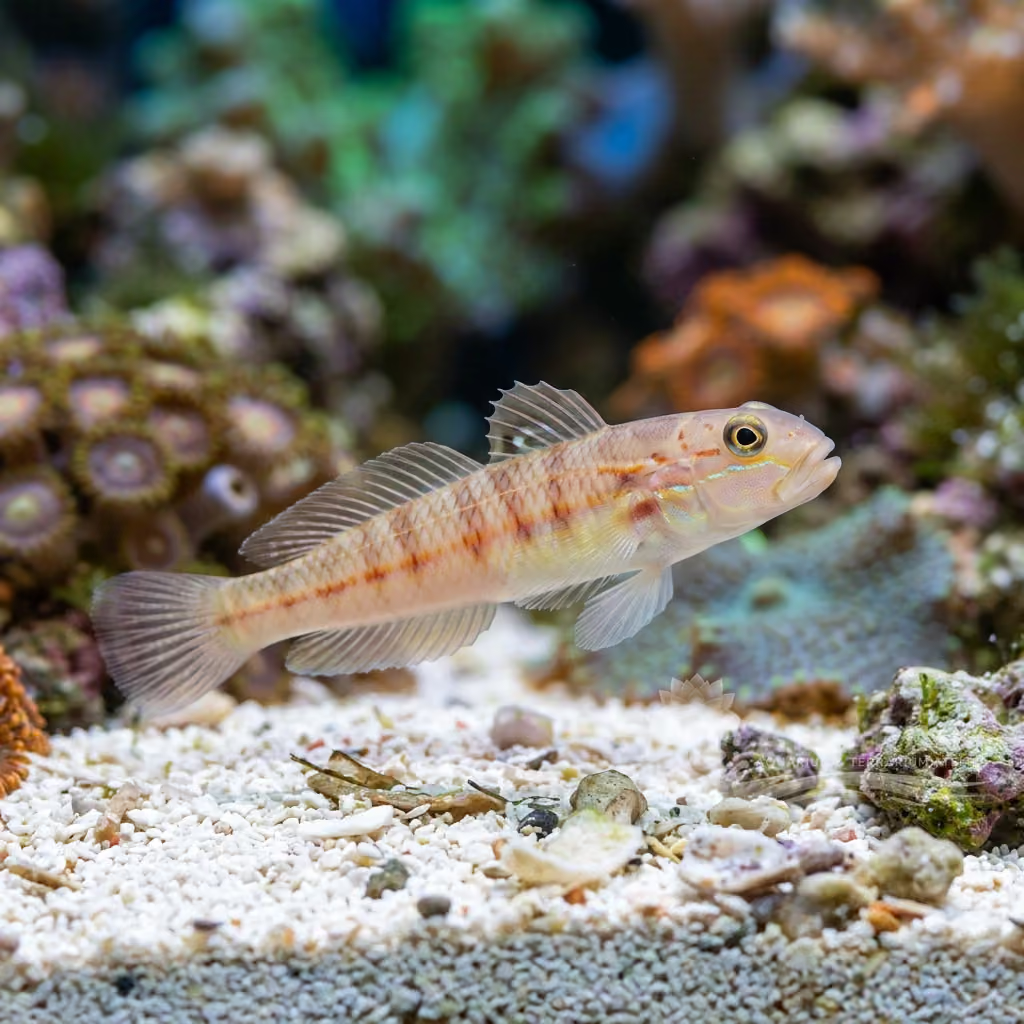
Taxonomy and Morphology: Belonging to the family Gobiidae and the genus Amblyeleotris, it is well known as a shrimp-associated goby. It features an elongated, cylindrical body with a blunt head and large, upward-pointing eyes designed to detect predators. Adults reach a maximum length of around 8 cm. Their pelvic fins are fused to form a suction cup structure.
Social Behavior: This species is famous for its mutualistic relationship with snapping shrimps of the genus Alpheus (particularly Alpheus djiboutensis). The nearly blind shrimp digs and maintains a clean sandy burrow, while the goby acts as a sentry at the entrance. The shrimp keeps one antenna on the goby's body; if threat arises, the goby signals via tail flicks, and both retreat.
Coloration and Sexual Dimorphism: The body color is sandy white or light grey, crossed by 5-6 broad, well-defined vertical brown or reddish bands. Fine yellow stripes and small iridescent blue dots are present between the dark bands and on the head and fins. External sexual dimorphism is subtle, though data indicates mature males may possess slightly longer dorsal fin elements.

Cuidado, criação e companheiros de tanque
Aquarium Setup: Requires an established marine aquarium of at least 80 liters. The most critical requirement is a deep substrate layer (5-7 cm) of fine, non-sharp sand to allow the symbiotic shrimp to burrow safely. Secure all rockwork directly to the bottom glass to prevent collapse caused by the shrimp's excavation activities.
Diet and Feeding: Omnivorous microphage. In captivity, it readily accepts small frozen foods such as artemia, mysis, copepods, and chopped seafood. Over time, it can be transitioned to high-quality sinking pellets and flakes. Food should be delivered near the burrow entrance, as this goby rarely ventures far into the water column to feed.
Water Quality: Maintain standard marine water parameters: temperature 24°C to 27°C, specific gravity 1.020 to 1.025, and pH 8.1 to 8.4. Ensure ammonia and nitrites are kept at zero, and nitrates remain below 20 ppm. Good filtration, regular water changes, and a reliable protein skimmer are essential for long-term health.
Compatibility and Cohabitation: A peaceful species that is perfect for community nano reef tanks. It should ideally be kept with its symbiotic partner Alpheus shrimp. Safe to house with other peaceful reef-safe species such as clownfish, firefish, and small wrasses. Avoid housing with large predators or aggressive bottom dwellers that could prey on them.
Aquarium Breeding: Extremely difficult and rare in home aquaria. They are demersal spawners, laying adhesive eggs inside the safety of the burrow. The male guards and fans the clutch until hatching. Raising the tiny pelagic larvae is highly challenging, requiring a dedicated setup and cultures of rotifers and unicellular algae.
Risks and Diseases: The primary risk is jumping out of open-topped aquariums, particularly during acclimation; a tight-fitting lid is mandatory. Prone to marine ich (Cryptocaryon irritans) and marine velvet under stress. Provide a stress-free environment and feed a nutritious, vitamin-enriched diet to boost their immune system.

Origem e distribuição geográfica
Amblyeleotris steinitzi is widely distributed throughout the tropical waters of the Indo-Pacific, from the Red Sea and East African coast to Samoa, and northwards to the Ryukyu Islands of Japan. It typically inhabits shallow sandy lagoons and protected seaward reefs, usually at depths ranging from 1 to 25 meters, where sandy patches mix with rubble and coral debris.
Origem
Oceanos tropicais e recifesÁfrica e MadagascarLeste Asiático

Perfil de peixe
- Temperamento
- Peaceful
- The Steinitz's Goby is exceptionally peaceful toward other fish species but will vigorously defend its burrow against conspecifics and similar-looking gobies. They are famous for their symbiotic relationship with alpheid pistol shrimp, where they act as the lookout while the shrimp excavates the burrow. They spend their day hovering just outside the entrance, keeping a watchful eye on their surroundings. If threatened, they will quickly retreat into their burrow, making them a fascinating and low-conflict resident for a community reef tank.
- Dieta
- Carnivore
- In the wild, the Steinitz's Goby feeds on small benthic invertebrates and zooplankton that drift near the substrate. In the aquarium, they should be provided with a carnivorous diet consisting of high-quality frozen foods like mysis shrimp, vitamin-enriched brine shrimp, and finely chopped seafood. They will also accept small sinking pellets and flake foods once acclimated. It is important to ensure that the food reaches the bottom of the tank, as they rarely swim upward to compete with open-water feeders.
- Expectativa de vida
- 3-8 years
- Tamanho adulto
- 13 cm
- Proporção sexual
- 1:1 ratio
- In a standard home aquarium, it is best to keep a single specimen of Steinitz's Goby unless a confirmed mated pair can be obtained. They are highly territorial toward members of their own species and other similar shrimp gobies, which can lead to severe aggression in restricted spaces. In very large systems, multiple individuals may be housed, provided each has enough territory to establish its own burrow and partner shrimp. If breeding is the goal, acquiring a naturally bonded male-female pair is highly recommended.
- Frequência de alimentação
- Twice daily
- To keep the Steinitz's Goby healthy and active, it is recommended to feed them at least twice a day. Because they have a small digestive tract and high metabolism, smaller and more frequent feedings are much better than a single large meal. Using a feeding tube or target feeder can help deliver food directly to the entrance of their burrow, ensuring they receive their share. Monitoring their body condition is important, especially during the initial acclimation period when they might be too shy to feed.
- Carga biológica
- Low
- The Steinitz's Goby has a very low biological footprint due to its small size and sedentary nature. However, because it requires frequent, targeted feedings of meaty foods, a high-quality filtration system is necessary to handle residual nutrients. Regular water changes and a reliable protein skimmer are recommended to prevent the buildup of nitrates and phosphates. Keeping a clean substrate is also crucial, as these fish live in constant contact with the sand bed.
- Fluxo
- Strong
- The Steinitz's Goby prefers low to moderate water flow within the aquarium. Strong currents can disturb the sandy substrate and rubble required for their burrow construction, potentially causing the tunnels to collapse. Moderate flow is ideal, as it brings suspended organic particles and zooplankton close to the substrate where the goby can feed. Ensure there are plenty of low-flow zones near the bottom of the tank to allow the goby and its shrimp partner to feel secure.
- Risco de salto
- Yes
- Like most gobies, the Steinitz's Goby poses a high risk of jumping out of the aquarium, especially when startled or introduced to a new environment. They can easily slip through small openings in screens or canopy lids, making a tight-fitting cover absolutely mandatory. Even a brief moment of panic caused by turning off the lights or maintenance work can cause them to leap. Utilizing a mesh cover or solid lid will ensure this beautiful goby remains safely inside the tank.
- Reprodução
- Forms pairs
- Breeding the Steinitz's Goby in captivity is considered difficult and is rarely achieved by casual hobbyists. In the wild, they form monogamous pairs and lay adhesive eggs on the walls or ceiling of their deep sand burrows, which the male then guards. Raising the hatched larvae is the primary challenge, as they enter a pelagic stage requiring specialized, extremely small live foods like rotifers and copepod nauplii. Success is more likely in dedicated breeding setups with established, compatible pairs and a stable symbiotic shrimp partner.
- Compatibilidade e companheiros de tanque
- Peaceful
- The Steinitz's Goby is highly compatible with a wide range of peaceful reef community fish, such as firefish, small wrasses, and cardinalfish. They should never be housed with large, aggressive predators like groupers, lionfish, or large dottybacks that could view them as prey. It is highly beneficial to pair them with a compatible alpheid shrimp, such as Alpheus ochrostriatus or Alpheus bellulus, to observe their natural behavior. Avoid mixing them with other bottom-dwellers that might compete for burrows, such as territorial blennies or aggressive jawfish.
- Nível do tanque
- Bottom
- The Steinitz's Goby is strictly a bottom-dwelling species that spends almost all of its time on or just above the substrate. It rarely ventures into the middle or upper sections of the water column, usually doing so only briefly to grab passing food. The aquarium layout must focus heavily on the substrate design, providing a deep sand bed and rubble zones. A stable rock structure is also required, as they prefer to establish their burrows beneath the shelter of live rocks.

Modelos e parâmetros científicos
FishBase
Acesso aos dados científicos oficiais da espécie
FishBase v25.04Dados sincronizados em: 15/06/2026
- Nível trófico
- 3,4 ± 0,4 se
- Resiliência
- Alta (menos de 15 meses)
- Unicidade filogenética (PD50)
- 0.5
- Relação bayesiana comprimento-peso
- a = 0.00741, b = 3.09
- VulnerabilidadeVulnerabilidade baixa (10 / 100)

Espécies relacionadas
Recomendações agrupadas por parentes próximos, escolhas de acompanhantes e cuidados semelhantes.