Pinkspotted Shrimp Goby
Cryptocentrus leptocephalus
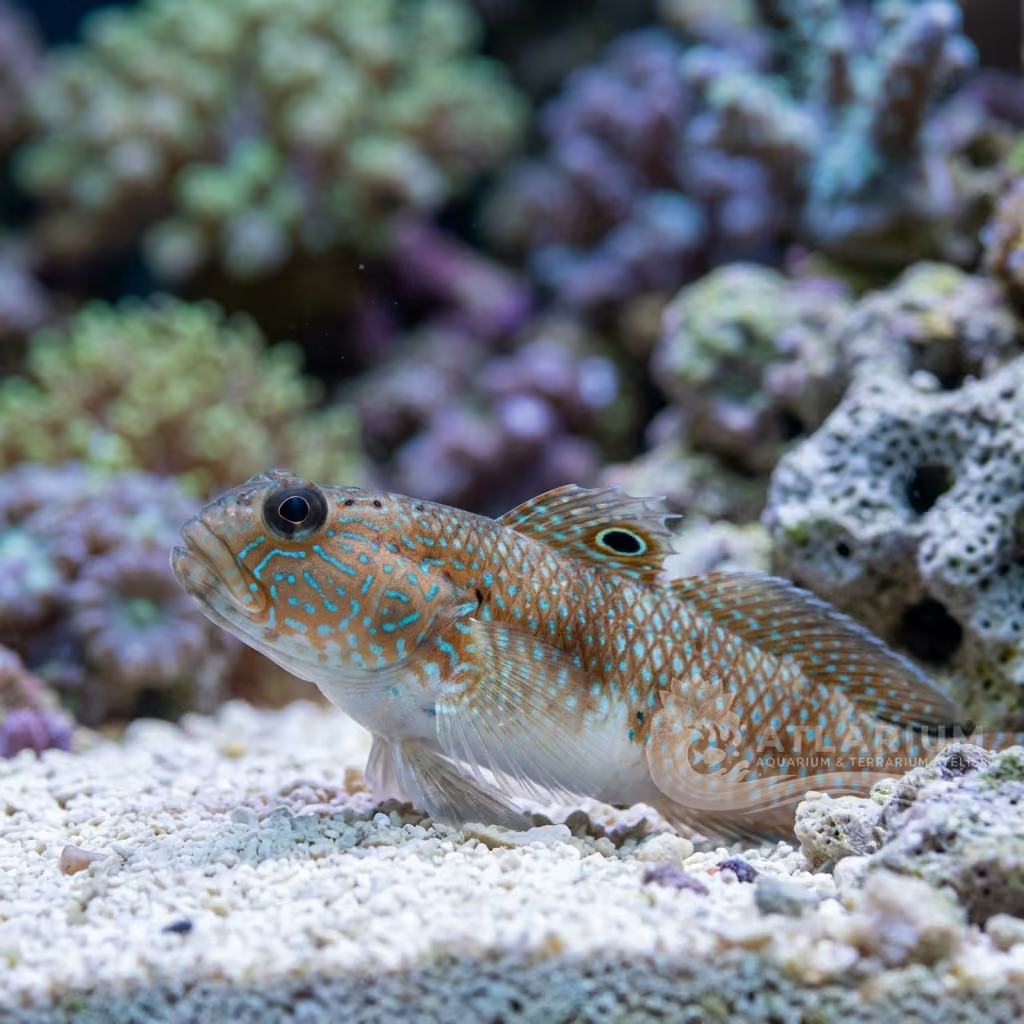
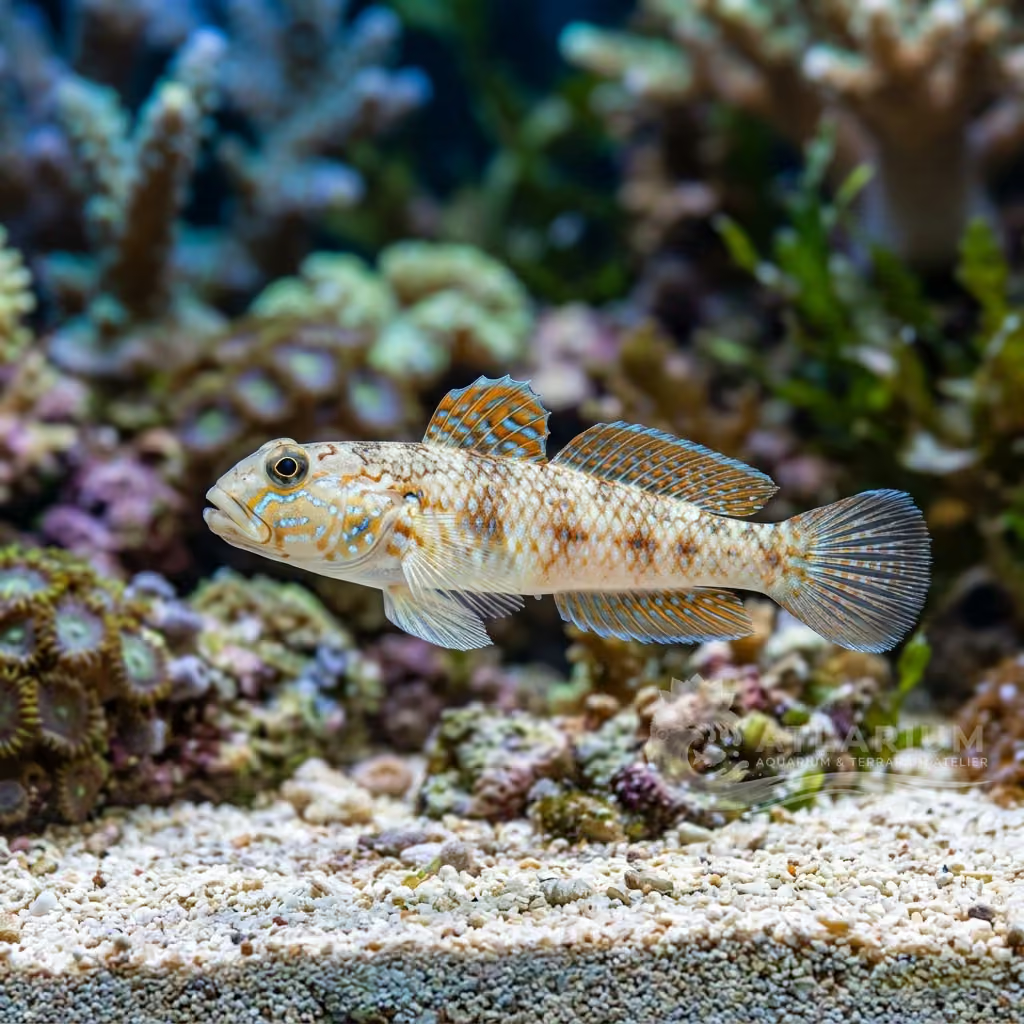
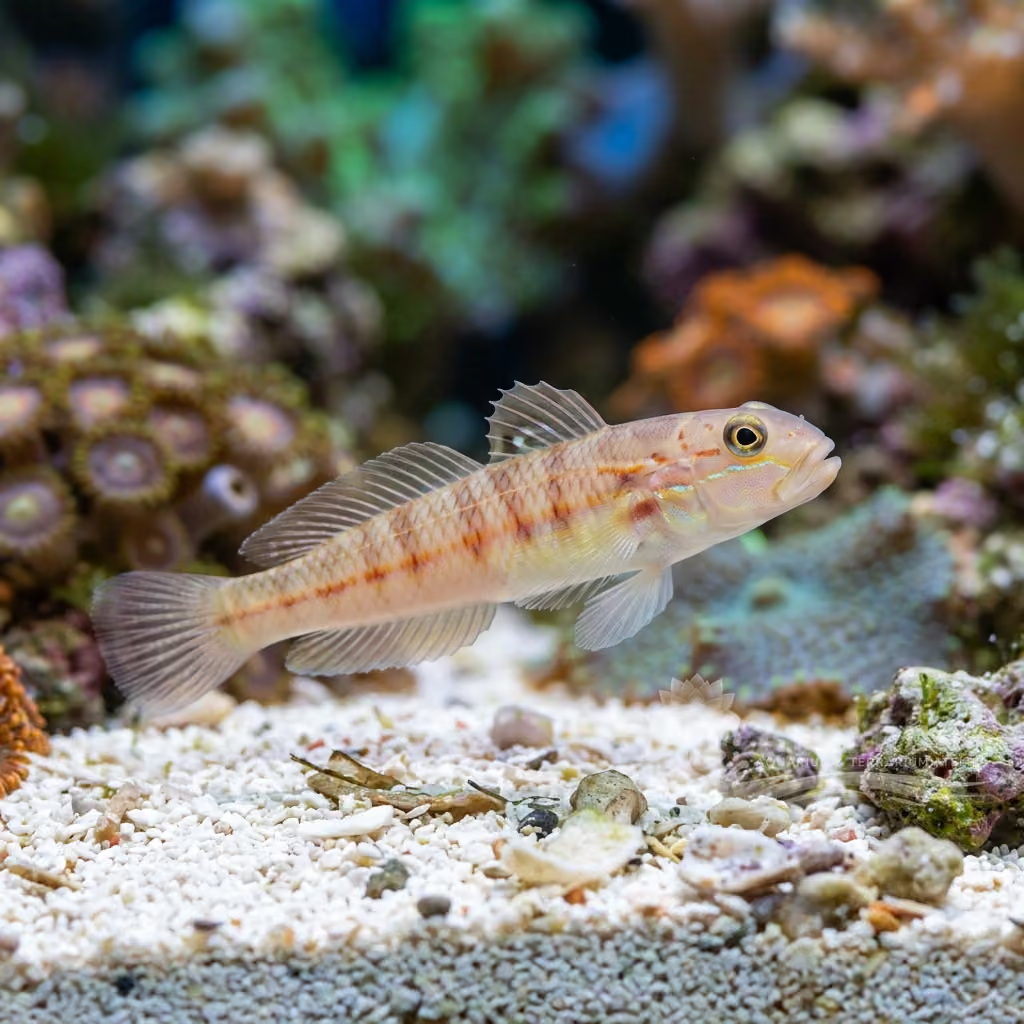
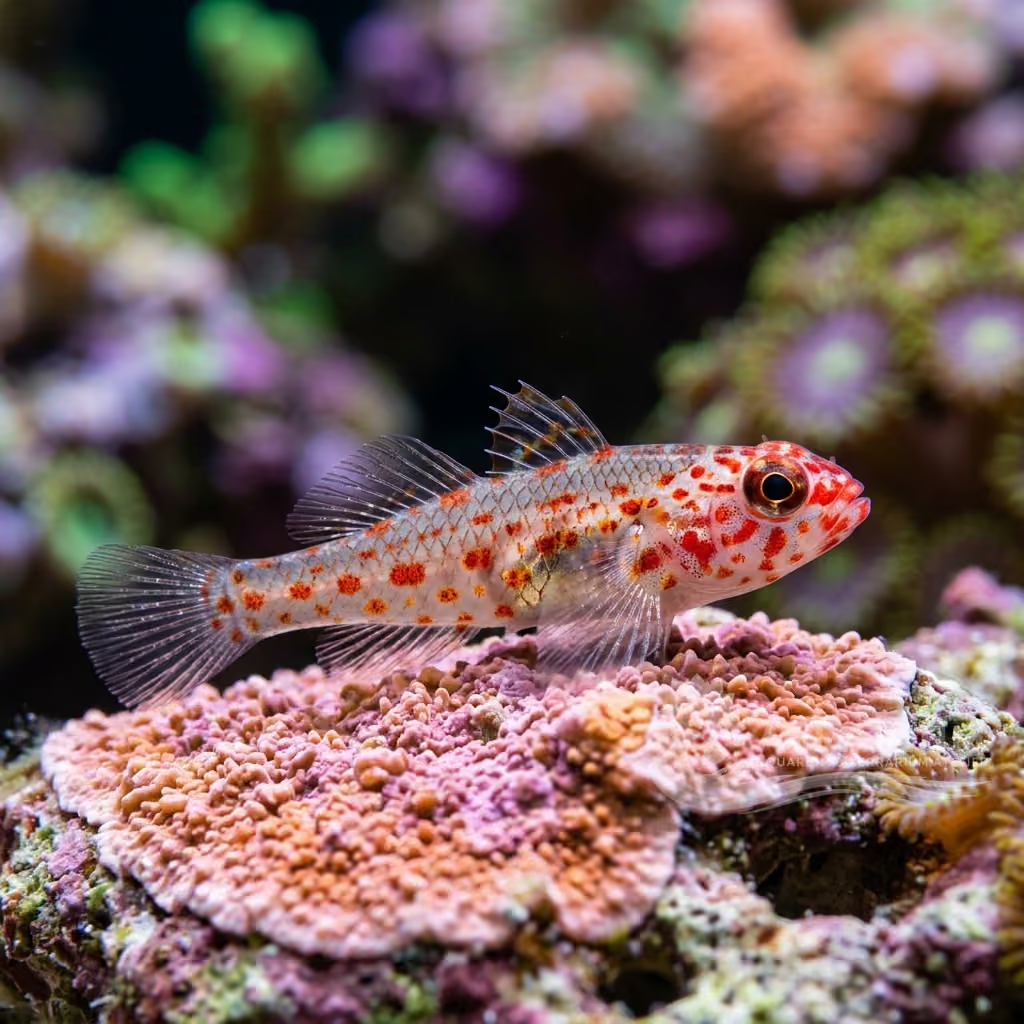
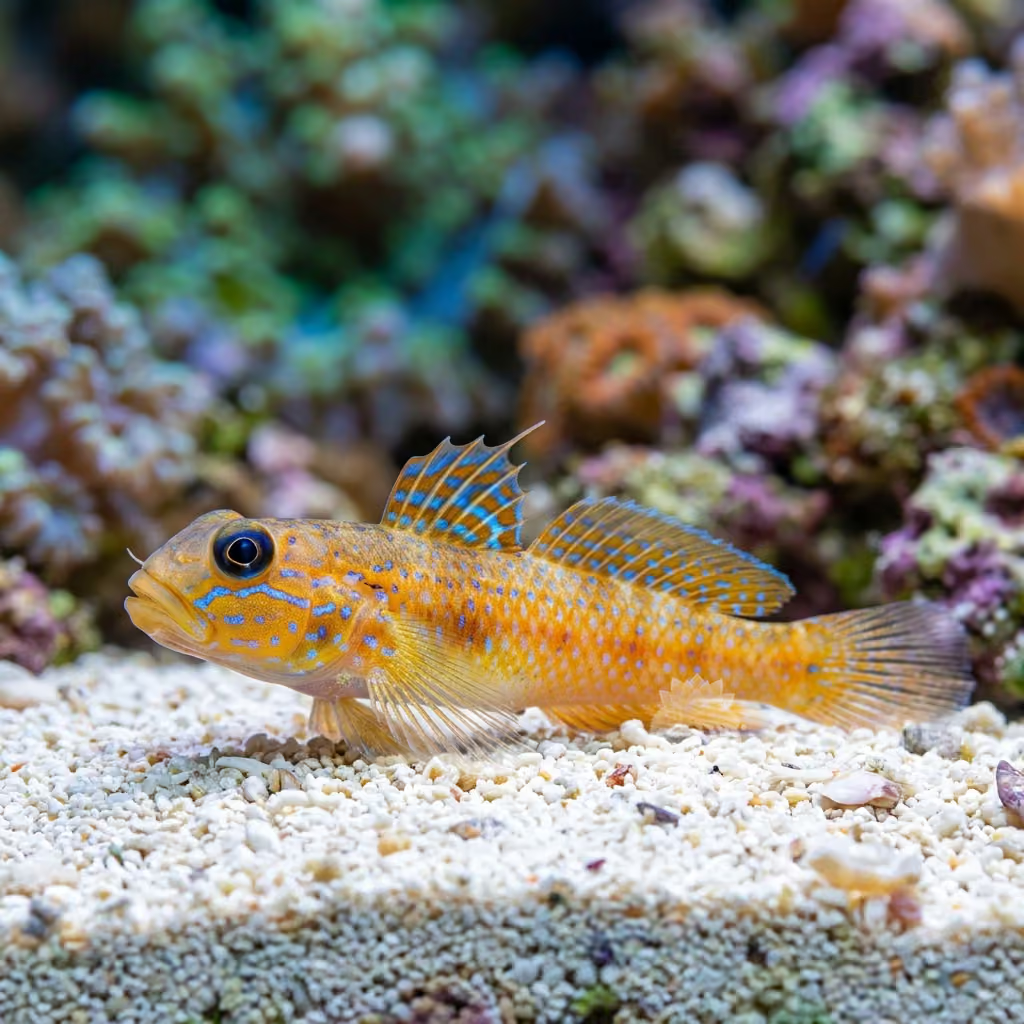
The Pinkspotted Shrimp Goby is a highly prized reef fish displaying striking pink dots. It necessitates deep, mixed sand beds for natural burrowing and readily accepts small meaty frozen foods.
Temperatura da água
22 - 27 °C
Valor de pH
8.1 - 8.4
Tipo de água
Marinho
Nível do tanque
Parte inferior
Tamanho adulto
12 cm
Volume mínimo do tanque
>= 120 L
Grupo mínimo
>= 1
KH
8 - 12 dKH

Descrição da espécie
Geographical Origin and Habitat: Western Pacific, distributed from Indonesia to New Caledonia, north to the Yaeyama Islands in Japan. Inhabits shallow muddy or sandy coastal lagoons.
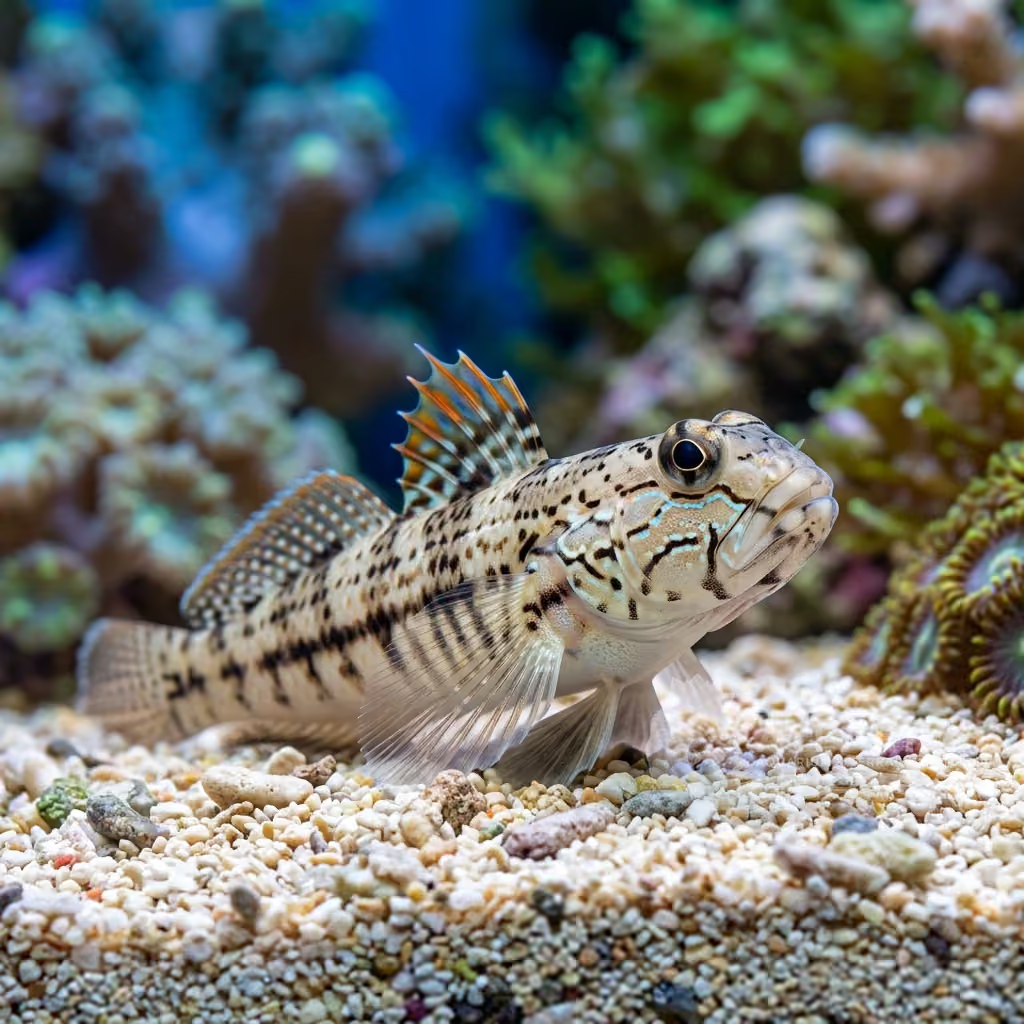
Taxonomy and Morphology: Belongs to the family Gobiidae. Reaches approximately 12 cm in length. Features a robust and elongated body, a broad head with a large mouth and fleshy lips adapted for sifting sand.
Social Behavior: Territorial bottom dweller. Establishes a strong mutualistic symbiosis with pistol shrimp of the genus Alpheus. Strongly defends the entrance of its burrow from other bottom fish.
Coloration and Sexual Dimorphism: Light brown or cream-colored background marked by a myriad of bright pink/orange spots ringed with blue on the head and body. Fins are sometimes spotted. No clear visual sexual dimorphism.

Cuidado, criação e companheiros de tanque
Aquarium Setup: Requires a tank of at least 120 liters (32 gallons). A deep fine sand bed (at least 5-8 cm) mixed with shell rubble is vital to allow natural burrowing behavior.
Diet and Feeding: Opportunistic carnivore. Accepts small frozen foods easily: mysis, krill, brine shrimp, and sinking pellets. Ensure food reaches the bottom where the goby feeds.
Water Quality: Hardy and tolerant. pH 8.1-8.4, specific gravity 1.023-1.025, dKH 8-12, temperature 22-27°C (72-80°F). Great choice for beginners due to high adaptability.
Compatibility and Cohabitation: 100% reef-safe. Coexists peacefully with open-water fish. Can show territorial aggression toward other bottom-dwelling gobies if bottom space is limited.
Aquarium Breeding: Aquarium reproduction is occasional. Eggs laid in the burrow hatch in a few nights, but the planctonic larvae require complex feeding management.
Risks and Diseases: High jump risk: cover the aquarium thoroughly. Provide additional rocky crevices for shelter.

Origem e distribuição geográfica
Western Pacific, distributed from Indonesia to New Caledonia, north to the Yaeyama Islands in Japan. Inhabits shallow muddy or sandy coastal lagoons.
Origem
Oceanos tropicais e recifesSul e Sudeste AsiáticoLeste AsiáticoAustrália, Nova Guiné e Oceania

Perfil de peixe
- Temperamento
- Peaceful
- They are generally peaceful and observational, spending hours 'standing watch' at their burrow. Their relationship with their symbiotic pistol shrimp is fascinating; the goby acts as the eyes while the shrimp acts as the builder. They are fiercely protective of their immediate burrow area but ignore fish higher in the water column. They are an excellent and characterful choice for the peaceful reef.
- Dieta
- Carnivore
- They are carnivorous predators that naturally feed on small benthic crustaceans. In captivity, they must be offered a varied diet of meaty foods such as mysis, chopped squid, clam meat, and enriched brine shrimp. They usually adapt well to eating sinking carnivore pellets and occasionally flake food. Feeding a nutrient-rich diet is important to maintain their distinct pink spots.
- Expectativa de vida
- 3-5 years
- Tamanho adulto
- 12 cm
- Proporção sexual
- Pair
- They are best kept singly or as a mated pair. Introducing two males or unbonded individuals into the same tank will almost certainly lead to vicious territorial battles. If a pair is kept, they will happily share a burrow and interact peacefully. Buying an established pair is the only reliable way to house more than one in a standard aquarium.
- Frequência de alimentação
- Twice daily
- Feed them small amounts one to two times daily. Because they are reluctant to leave their burrow area, it is often necessary to use a turkey baster to direct food toward them. Target feeding ensures they receive enough nutrition without overfeeding the rest of the tank. They will dart out, grab a morsel, and quickly retreat to safety.
- Carga biológica
- Low
- The Pink-spotted Watchman Goby has a modest bioload that is easily managed in established marine aquariums. While slightly larger than some other watchman gobies, they are inactive swimmers and their waste output remains low. Standard protein skimming and regular water changes will easily maintain excellent water parameters. They are excellent, low-impact additions to a reef cleanup ecosystem.
- Fluxo
- Moderate
- Moderate water flow is ideal for this species. They appreciate enough current to deliver food past their burrow entrance but not so much that it causes their sand burrow to constantly cave in. Indirect, turbulent flow from wavemakers is best. They will stay sheltered from any direct, blasting currents.
- Risco de salto
- Yes
- Like all members of this genus, they possess a very high risk of jumping out of the aquarium. A tight-fitting lid or a specialized mesh screen is absolutely vital to keep them safe. Startling events, such as turning on lights abruptly or aggression from tankmates, are common triggers for jumping. The presence of a secure burrow and a symbiotic shrimp reduces their anxiety and jump risk.
- Reprodução
- Oviparous
- While spawning occurs in captivity, raising the fry is an advanced aquaculture challenge. They lay demersal eggs within their burrow, which the male carefully guards and ventilates. The newly hatched larvae are incredibly small and require highly specialized live foods, such as specific strains of rotifers. Breeding them requires dedicated setup and significant effort.
- Compatibilidade e companheiros de tanque
- Peaceful
- They are peaceful community fish that will not bother corals, sessile invertebrates, or fish swimming in the upper water column. They are renowned for their symbiotic relationship with pistol shrimp, which adds immense character to the tank. They can be aggressive toward other bottom-dwelling gobies or blennies that encroach on their territory. They are completely reef safe.
- Nível do tanque
- Bottom
- They are strictly bottom dwellers that require a deep, mixed-grade sand bed. They spend their time excavating and maintaining their burrow, frequently resting at its entrance. They do not swim in the open water column unless deeply stressed. Providing at least three inches of substrate is necessary for them to feel secure and exhibit natural behaviors.

Modelos e parâmetros científicos
FishBase
Acesso aos dados científicos oficiais da espécie
FishBase v25.04Dados sincronizados em: 15/06/2026
- Nível trófico
- 3,4 ± 0,4 se
- Resiliência
- Alta (menos de 15 meses)
- Unicidade filogenética (PD50)
- 0.5
- Relação bayesiana comprimento-peso
- a = 0.00741, b = 3.09
- VulnerabilidadeVulnerabilidade baixa (10 / 100)

Espécies relacionadas
Recomendações agrupadas por parentes próximos, escolhas de acompanhantes e cuidados semelhantes.