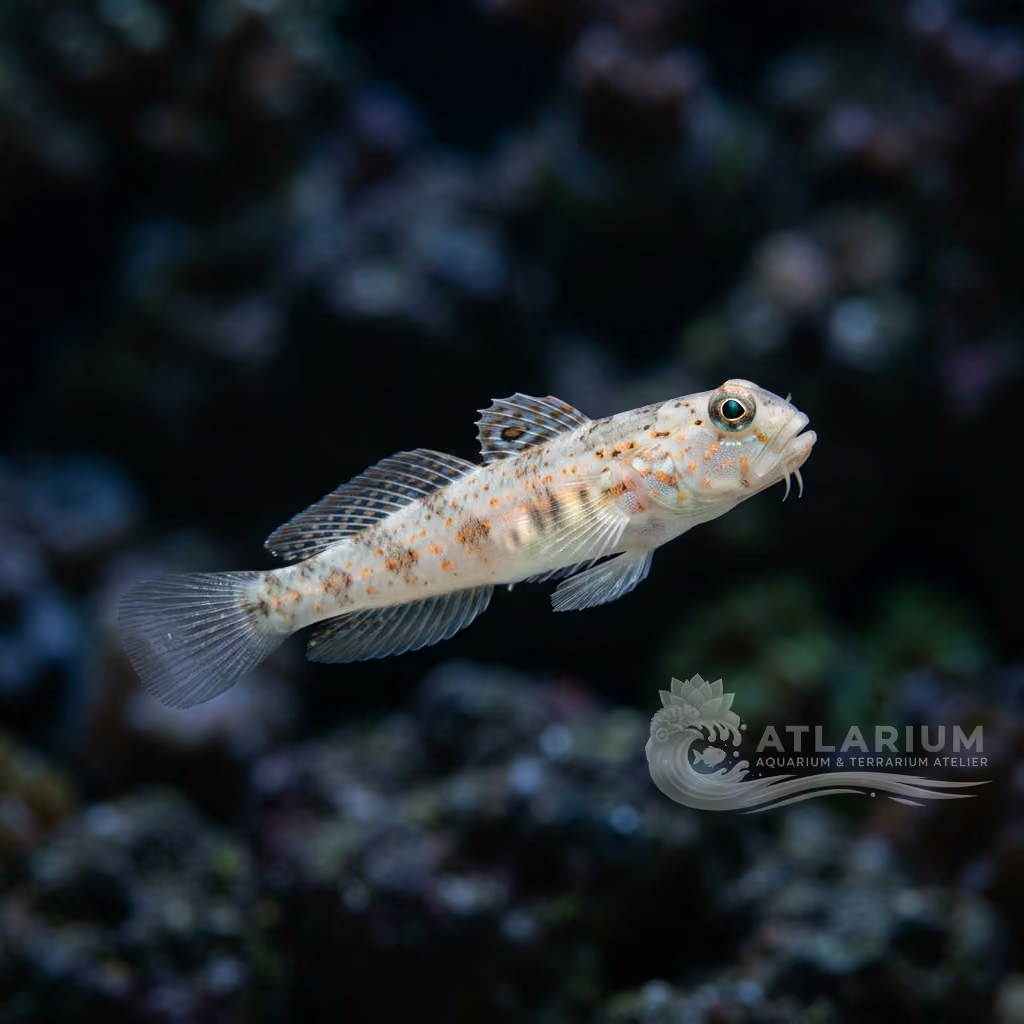
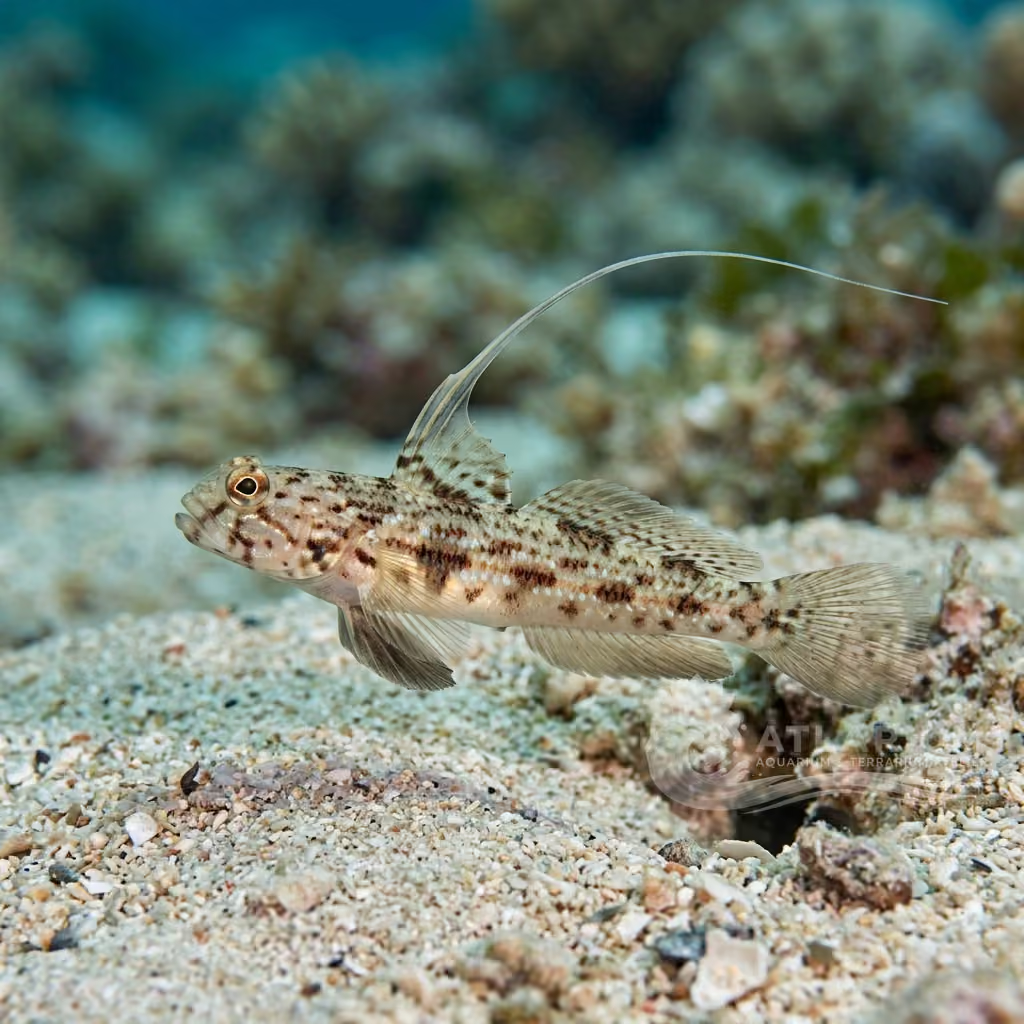
Peacock Prawn-goby
Cryptocentrus pavoninoides
The peacock prawn-goby inhabits sandy coastal bays and relies on a symbiotic pistol shrimp. It requires a 100L tank with deep, mixed rubble sand to build tunnels.
Temperatura da água
22 - 26 °C
Valor de pH
8.1 - 8.4
Tipo de água
Marinho
Nível do tanque
Parte inferior
Tamanho adulto
15 cm
Volume mínimo do tanque
>= 150 L
Grupo mínimo
>= 1
KH
8 - 12 dKH

Descrição da espécie
Geographical Origin and Habitat: Cryptocentrus pavoninoides, commonly known as the peacock prawn-goby, is native to the Western Indo-Pacific, particularly around the coasts of Indonesia, Malaysia, Singapore, and the Philippines. It inhabits sheltered muddy and sandy coastal bays, estuaries, and shallow lagoons, typically at depths of 1 to 10 meters, often near mangrove areas where the sediment is fine and soft.
Taxonomy and Morphology: It belongs to the family Gobiidae. It features a typical gobiid body shape, which is elongated and cylindrical, with a large, rounded head and prominent eyes situated high on the head. In adulthood, it can reach a maximum length of about 12-15 centimeters. The pelvic fins are fused into a disc-like structure that helps the fish rest on the sandy substrate.
Social Behavior: This goby lives a benthic lifestyle in a strict mutualistic relationship with snapping shrimps of the genus Alpheus. The shrimp digs and maintains the burrow, while the goby acts as a lookout, using its keen vision to warn the shrimp of predators. It exhibits strong intraspecific territoriality and will defend its territory from other benthic competitors.
Coloration and Sexual Dimorphism: The base color is brownish to olive-green with dark vertical bands and numerous bright neon blue spots and peacock-like ocelli on the dorsal fins and head. There is no clear external sexual dimorphism, although mature females may appear slightly broader and plumper in the abdominal area when carrying eggs during the spawning season.

Cuidado, criação e companheiros de tanque
Aquarium Setup: Requires a mature marine aquarium with a deep sandy substrate of at least 6-10 cm, mixed with shell rubble and small rocks. This mix is essential for the shrimp to reinforce its tunnels and prevent cave-ins. Hidorworks and live rock must be placed directly on the glass bottom of the tank to prevent rock collapses caused by the digging activities.
Diet and Feeding: It is a carnivorous species. In the aquarium, it should be fed a varied diet of frozen foods such as mysis, brine shrimp, chopped krill, and table shrimp. Over time, it will accept high-quality sinking pellets. It is best to target-feed near the entrance of the burrow to ensure the goby feeds without feeling the need to venture too far.
Water Quality: Maintain stable marine parameters with a temperature of 24°C to 28°C, pH of 8.1 to 8.4, and a specific gravity of 1.020-1.025. Ensure efficient biological filtration. Water flow should be moderate to low near the substrate to avoid blowing sand and constantly collapsing the entrance of the shrimp's burrow.
Compatibility and Cohabitation: It is peaceful towards fish that inhabit the middle and upper water column and is reef-safe. However, it will fight with other benthic gobies in smaller tanks. Avoid housing it with large predators or aggressive bottom-dwelling fish that might harass or prey on the goby or its symbiotic snapping shrimp partner.
Aquarium Breeding: Breeding in the home aquarium is extremely rare and difficult to achieve. Eggs are deposited inside the safety of the burrow where the female lays adhesive clutches. The male guards the nest until hatching. Rearing the larvae is the main challenge, as they require specific microscopic live foods and dedicated rearing systems.
Risks and Diseases: The primary risk is the fish jumping out of the aquarium, especially when first introduced or startled, making a tight lid or mesh screen essential. Additionally, keeping this goby without a suitable deep sand bed or its symbiotic shrimp can lead to severe stress, hiding, lack of appetite, and gradual decline.

Origem e distribuição geográfica
Cryptocentrus pavoninoides, commonly known as the peacock prawn-goby, is native to the Western Indo-Pacific, particularly around the coasts of Indonesia, Malaysia, Singapore, and the Philippines. It inhabits sheltered muddy and sandy coastal bays, estuaries, and shallow lagoons, typically at depths of 1 to 10 meters, often near mangrove areas where the sediment is fine and soft.
Origem
Oceanos tropicais e recifesSul e Sudeste AsiáticoAustrália, Nova Guiné e Oceania

Perfil de peixe
- Temperamento
- Peaceful
- It is a relatively peaceful fish, provided its burrow territory is respected by tank mates. It forms a fascinating, mutually beneficial relationship with Alpheid pistol shrimp. It will aggressively defend its immediate burrow area from similarly sized benthic fish.
- Dieta
- Carnivore
- It is a carnivorous ambush predator that readily accepts most meaty marine foods. Frozen mysis shrimp, chopped squid, and high-quality sinking carnivore pellets are excellent choices. Providing a varied diet ensures its vivid blue spots remain bright and prominent.
- Expectativa de vida
- 3-5 years
- Tamanho adulto
- 15 cm
- Proporção sexual
- Flexible
- They are highly territorial toward conspecifics and should be kept individually or as a confirmed male-female pair. Two males in the same tank will almost certainly fight to the death. Visual sexing is notoriously difficult, making pairing a risky endeavor for novices.
- Frequência de alimentação
- Twice daily
- It should be fed at least once or twice daily to maintain optimal health. Target feeding near its burrow is highly recommended to ensure it gets enough food without excessive competition. It is an eager eater that will quickly dart out to grab passing morsels.
- Carga biológica
- Medium
- The Bluespotted Watchman Goby produces a moderate bioload typical for a fish of its size. It consumes a fair amount of meaty foods, leading to a corresponding amount of waste. A robust biological filter and regular tank maintenance will easily manage its impact.
- Fluxo
- Strong
- It prefers a moderate water flow that sweeps food past the entrance of its burrow. Too strong of a current may collapse its sandy home or force it to constantly rebuild. It spends almost its entire life in low-flow areas near the substrate.
- Risco de salto
- Yes
- Like most bottom-dwelling gobies, it has a significant risk of jumping when frightened. A tight-fitting lid or securely fastened mesh screen is strongly advised. Tank maintenance or sudden changes in lighting can easily spook it into leaping.
- Reprodução
- Oviparous
- While difficult, captive breeding has been achieved, usually when paired with a symbiotic pistol shrimp. The female lays adhesive eggs inside the deep burrow, and the male actively guards them. Raising the resulting planktonic larvae requires specialized rotifer cultures and meticulous care.
- Compatibilidade e companheiros de tanque
- Peaceful
- It is generally peaceful but can be fiercely territorial regarding its chosen burrow. It is an excellent candidate for a reef aquarium and will not bother corals. However, it may consume very small ornamental shrimp that wander too close to its home.
- Nível do tanque
- Bottom
- It is strictly a bottom-dwelling species that rarely swims into the open water column. It establishes a burrow in the sand bed, preferably under a piece of live rock. It spends its days perched at the burrow entrance, acting as a lookout.

Modelos e parâmetros científicos
FishBase
Acesso aos dados científicos oficiais da espécie
FishBase v25.04Dados sincronizados em: 15/06/2026
- Nível trófico
- 3,4 ± 0,4 se
- Resiliência
- Média (1,4 - 4,4 anos)
- Unicidade filogenética (PD50)
- 0.5
- Relação bayesiana comprimento-peso
- a = 0.00741, b = 3.09
- VulnerabilidadeVulnerabilidade baixa (10 / 100)

Espécies relacionadas
Recomendações agrupadas por parentes próximos, escolhas de acompanhantes e cuidados semelhantes.