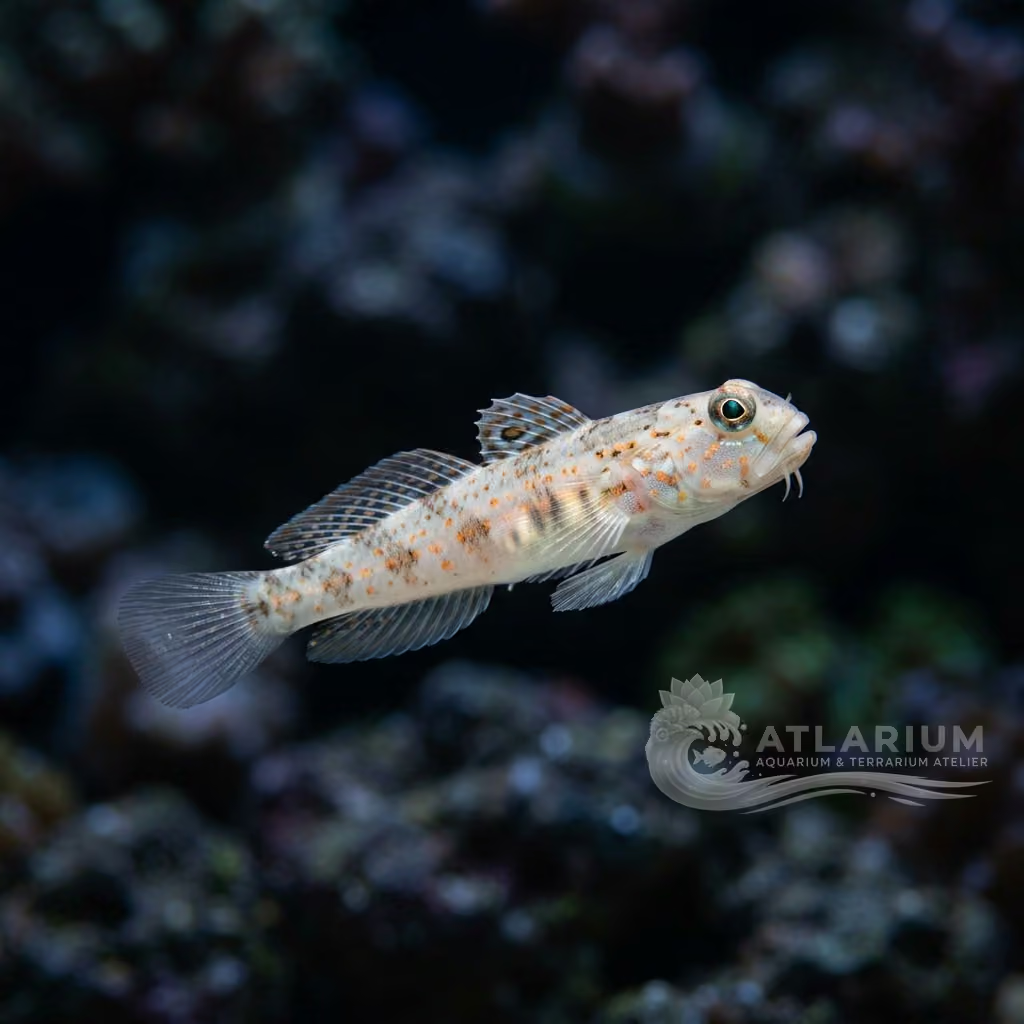
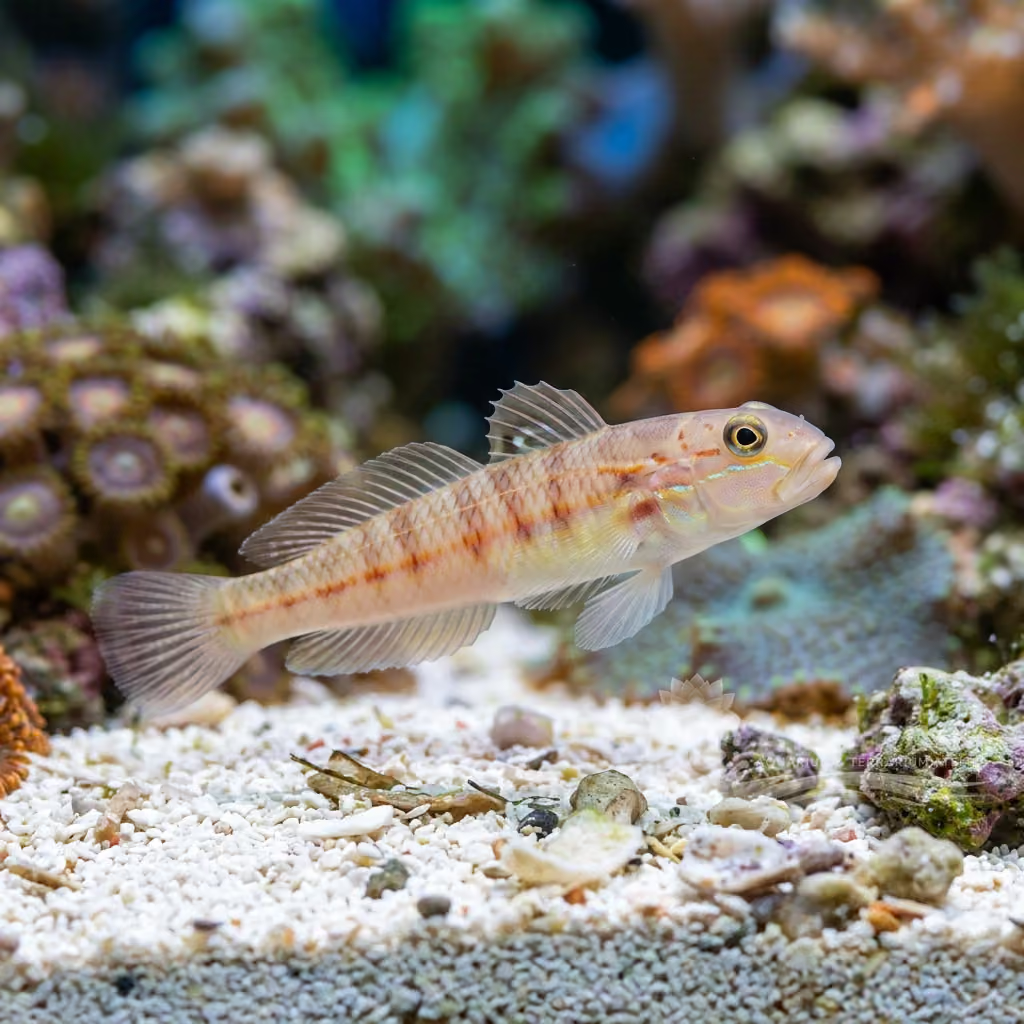
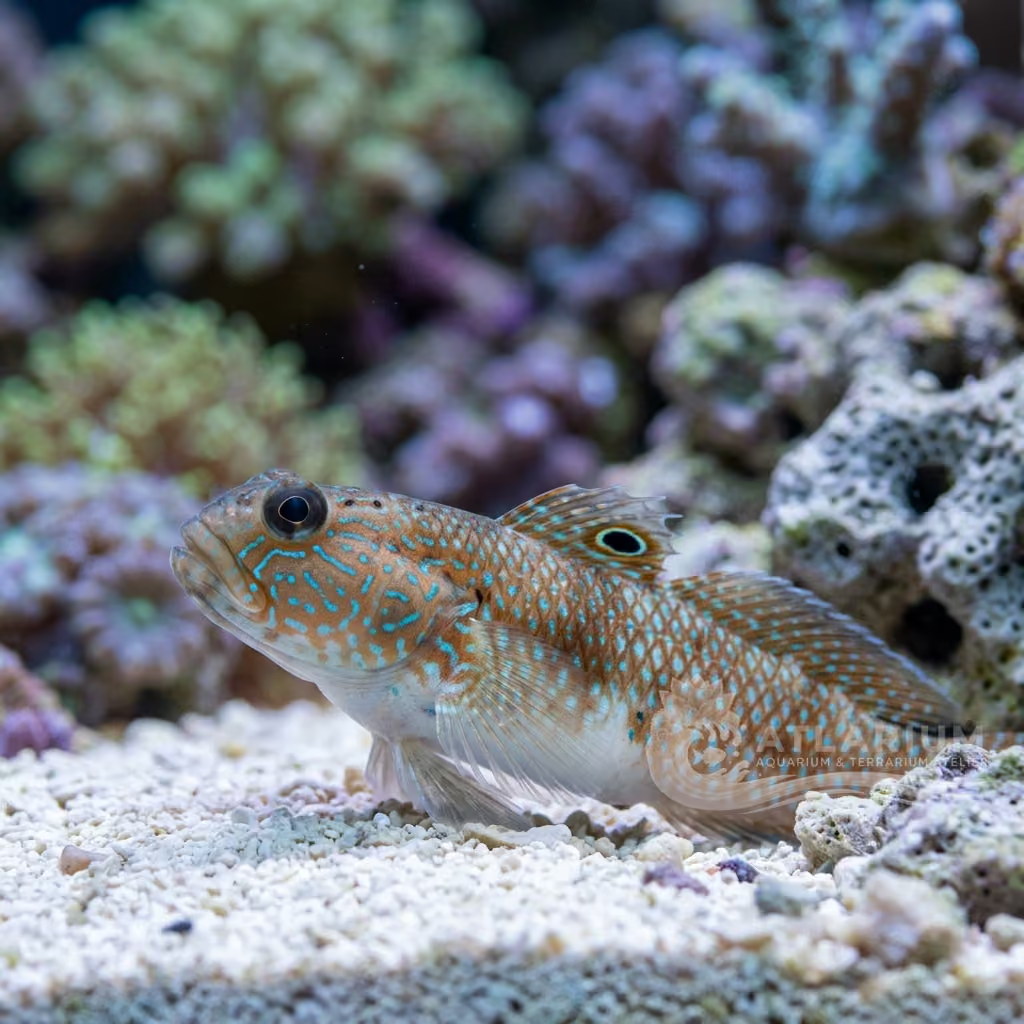
Randall's Neon Goby
Elacatinus randalli
A tiny Western Atlantic goby that perches on Montastraea corals. Perfectly suited for 30L nano reefs, it enjoys a varied micro-carnivorous diet in captivity.
Temperatura da água
23 - 27 °C
Valor de pH
8.1 - 8.4
Tipo de água
Marinho
Nível do tanque
Parte inferior
Tamanho adulto
4,5 cm
Volume mínimo do tanque
>= 40 L
Grupo mínimo
>= 1
KH
8 - 12 dKH

Descrição da espécie
Geographical Origin and Habitat: Elacatinus randalli is native to the coral reefs of the tropical Western Atlantic Ocean, particularly widespread in the Caribbean Sea, from the coasts of Venezuela to various Antillean islands. It inhabits exposed and shallow coral reefs, from 2 to 20 meters deep, where it lives in close association with stony corals of the genus Montastraea or tube sponges, which it uses as stations for its cleaning activity.
Taxonomy and Morphology: It belongs to the family Gobiidae, subfamily Gobiinae. It presents a cylindrical and elongated body that reaches a maximum adult size of only 3-4 centimeters. The mouth is equipped with small teeth with which it removes parasites. The pelvic fins are fused into a cup-like sucker, allowing it to anchor firmly to coral or rock surfaces even in the presence of strong marine currents.
Social Behavior: It is a specialized cleaner fish and strictly diurnal. In nature, it establishes real 'cleaning stations' where it attracts much larger fish by performing a waving dance. The client fish remain motionless, allowing the goby to inspect their skin, mouth, and gills. It is peaceful and gregarious, able to live in small groups without problems.
Coloration and Sexual Dimorphism: The coloration is characteristic and eye-catching: it presents a black or dark gray background color, crossed by a longitudinal line of bright yellow or neon color that starts from the tip of the snout, passes through the eye, and runs along the entire back to the tail. It does not present an obvious chromatic sexual dimorphism, although adult males tend to be slightly slenderer than females.

Cuidado, criação e companheiros de tanque
Aquarium Setup: Being a tiny fish, a nano-reef of only 30-40 liters is sufficient to house a pair or a small group. The tank must be set up with abundant live rock and short-polyp stony corals or fake sponges, to offer suitable surfaces on which the fish can perch. The ideal substrate is sandy or composed of fine aragonite.
Diet and Feeding: It is a carnivore. Although in nature it feeds mainly on ectoparasites (such as isopods and copepods) taken from the skin of host fish, in the aquarium it easily adapts to consuming microscopic frozen foods like mysis, brine shrimp, and cyclops, as well as dry feeds in micro-granules. It should be fed in small portions several times a day.
Water Quality: It requires stable marine parameters. Temperature: 22-26°C, pH: 8.1-8.4, specific gravity: 1.020-1.025, KH: 8-12. It is important to keep the water well-filtered and oxygenated, with minimal levels of nitrates and phosphates. It responds negatively to rapid temperature or salinity shifts, which must be avoided during water changes.
Compatibility and Cohabitation: It is exceptionally peaceful and reef-safe. It can coexist with any species of marine fish, including large predatory fish that recognize its role as a cleaner and do not harm it. Avoid cohabitation with extremely aggressive or bottom-territorial fish (like some large predatory gobies or opportunistic crabs) that could attack it.
Aquarium Breeding: Breeding in the aquarium is documented. They are hermaphrodites and form monogamous pairs. They lay eggs in small cavities or inside tube sponges; the male takes care of guarding and fanning the clutch until hatching. Larvae are planktonic and require live rotifers and unicellular algae in dedicated rearing tanks.
Risks and Diseases: The main risk is starvation if housed in excessively large tanks with fast fish that consume all the food before it can feed. Despite being a cleaner, it can contract Cryptocaryon irritans (marine Ich) if subjected to severe stress. Ensure the tank is protected from accidental jumps.

Origem e distribuição geográfica
Elacatinus randalli is native to the coral reefs of the tropical Western Atlantic Ocean, particularly widespread in the Caribbean Sea, from the coasts of Venezuela to various Antillean islands. It inhabits exposed and shallow coral reefs, from 2 to 20 meters deep, where it lives in close association with stony corals of the genus Montastraea or tube sponges, which it uses as stations for its cleaning activity.
Origem
Cosmopolita ou apresentadoExtra-Amazônica América do SulAmérica Central e CaribeOceanos tropicais e recifes

Perfil de peixe
- Temperamento
- Peaceful
- The overall temperament of the Randall's Goby can be best described as peaceful. Their disposition makes them a unique addition to the appropriate aquatic community, provided their specific needs are respected. Stressful conditions, such as poor water quality or overcrowding, can drastically alter their typical behavioral patterns. A quiet environment and a stable routine will bring out the most confident and engaging personality from this species.
- Dieta
- Carnivore
- This species is known to be a carnivorous in its natural habitat, requiring a varied diet in captivity. To ensure optimal health and coloration, provide high-quality prepared foods alongside live or frozen options like brine shrimp or bloodworms. It is essential to match the food particle size to the fish's mouth structure to facilitate easy consumption. Regular rotation of dietary items will prevent nutritional deficiencies and keep the fish highly active.
- Expectativa de vida
- 1-2 years
- Tamanho adulto
- 4.5 cm
- Proporção sexual
- Flexible
- Maintaining an appropriate sex ratio is vital, and a balanced distribution of males and females often works best for the Randall's Goby. In many cases, keeping a ratio heavily skewed towards females can help disperse male aggression during the breeding season. It is important to monitor the group dynamics closely to quickly identify and isolate any bullied individuals. A well-structured environment with plenty of visual barriers will support a harmonious mixed-sex group.
- Frequência de alimentação
- 2-3 times daily
- Establishing a consistent feeding routine is important, with 1-2 small meals per day being ideal for the Randall's Goby. Aquarists should carefully monitor the fish during feeding time to ensure every individual gets its share. Any uneaten food should be promptly removed with a net or siphon to preserve the pristine aquatic environment. During periods of breeding or elevated temperatures, the feeding frequency may be slightly increased.
- Carga biológica
- Low
- Maintaining this marine species requires understanding its low bioload profile. The Randall's Goby will thrive when the filtration system is carefully matched to its specific waste production. Frequent testing of the water chemistry is highly recommended to ensure no dangerous spikes occur. Excellent water quality is the foundation for preventing disease and promoting a vibrant, active fish.
- Fluxo
- Moderate
- Providing a moderate current is highly recommended for the overall well-being of the Randall's Goby. Adequate water circulation not only mimics their natural ecosystem but also ensures high dissolved oxygen levels throughout the aquarium. Hobbyists should avoid creating localized dead spots where debris might accumulate. Adjusting the filtration output angle can help achieve the perfect balance between steady circulation and calm resting areas.
- Risco de salto
- Yes
- Aquarists should be aware that the Randall's Goby presents a moderate jump risk, especially when initially introduced or startled. A tightly fitting lid or a mesh screen cover is absolutely essential to prevent accidental escapes. Keeping the water parameters stable and avoiding aggressive tankmates will minimize the stress that often triggers jumping behavior. Ensuring the tank is kept in a relatively quiet environment can also help keep them securely in the water.
- Reprodução
- Oviparous
- The reproductive strategy of the Randall's Goby involves being a demersal egg layer. Breeding this species in captivity can be a rewarding challenge that requires dedicated conditioning of the broodstock. Specific triggers such as changes in temperature, diet, or water chemistry are often necessary to induce spawning. Once breeding occurs, specialized care for the fry, including appropriately sized live foods, is critical for their survival and development.
- Compatibilidade e companheiros de tanque
- Peaceful
- When considering tankmates, the Randall's Goby is generally considered great cleaner goby for reef tanks. It is important to avoid housing them with overly aggressive or large predatory fish that could bully them or outcompete them for food. Careful observation during the initial introduction period is highly recommended to ensure harmony within the community. Selecting species that occupy different levels of the water column can further reduce territorial disputes.
- Nível do tanque
- Bottom
- The Randall's Goby naturally gravitates towards the all levels section of the water column. Decorating this specific zone with appropriate hardscape, such as driftwood branches or rocky caves, encourages them to display their natural behaviors. It is important to ensure that water flow and lighting are optimized for this specific depth. Layering the tank inhabitants thoughtfully creates a visually dynamic and biologically sound ecosystem.

Modelos e parâmetros científicos
FishBase
Acesso aos dados científicos oficiais da espécie
FishBase v25.04Dados sincronizados em: 15/06/2026
- Nível trófico
- 3,4 ± 0,3 se
- Resiliência
- Alta (menos de 15 meses)
- Unicidade filogenética (PD50)
- 0.5
- Relação bayesiana comprimento-peso
- a = 0.00741, b = 3.09
- VulnerabilidadeVulnerabilidade baixa (10 / 100)

Espécies relacionadas
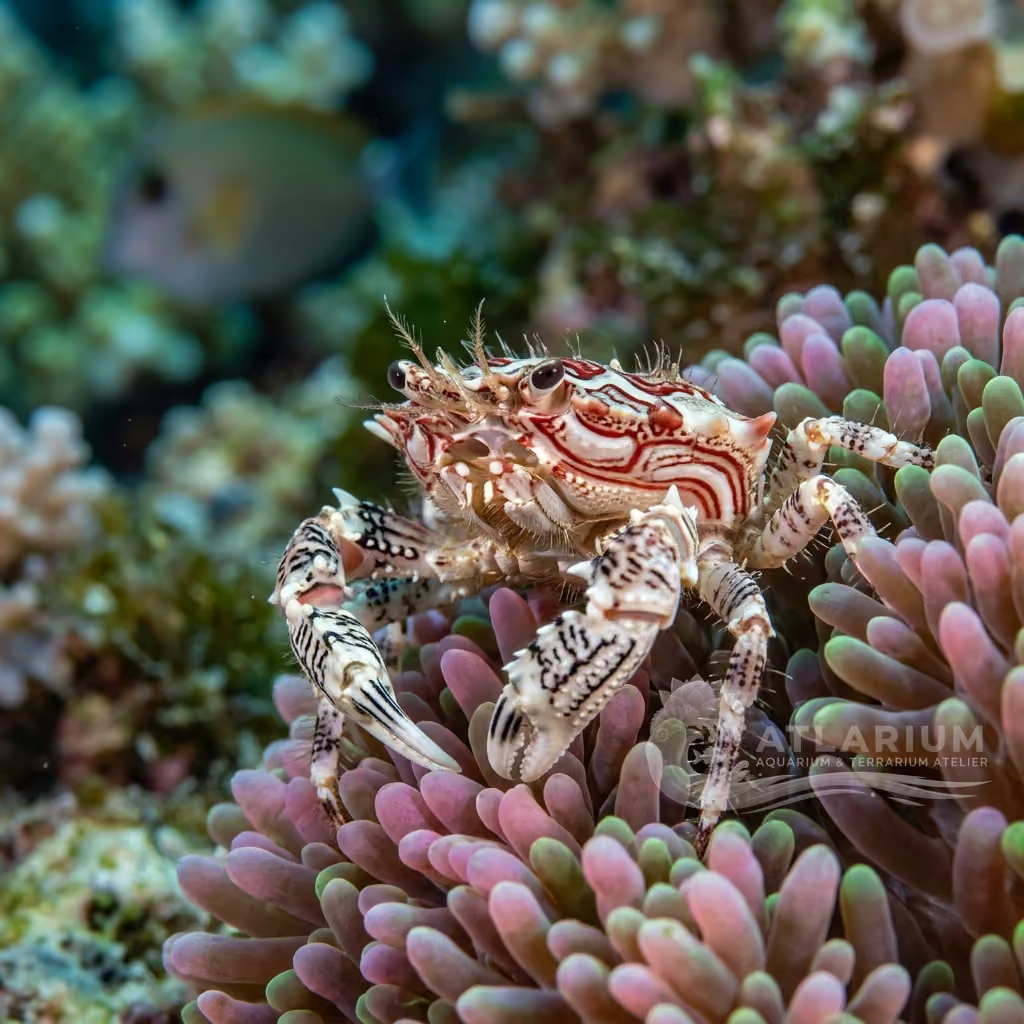
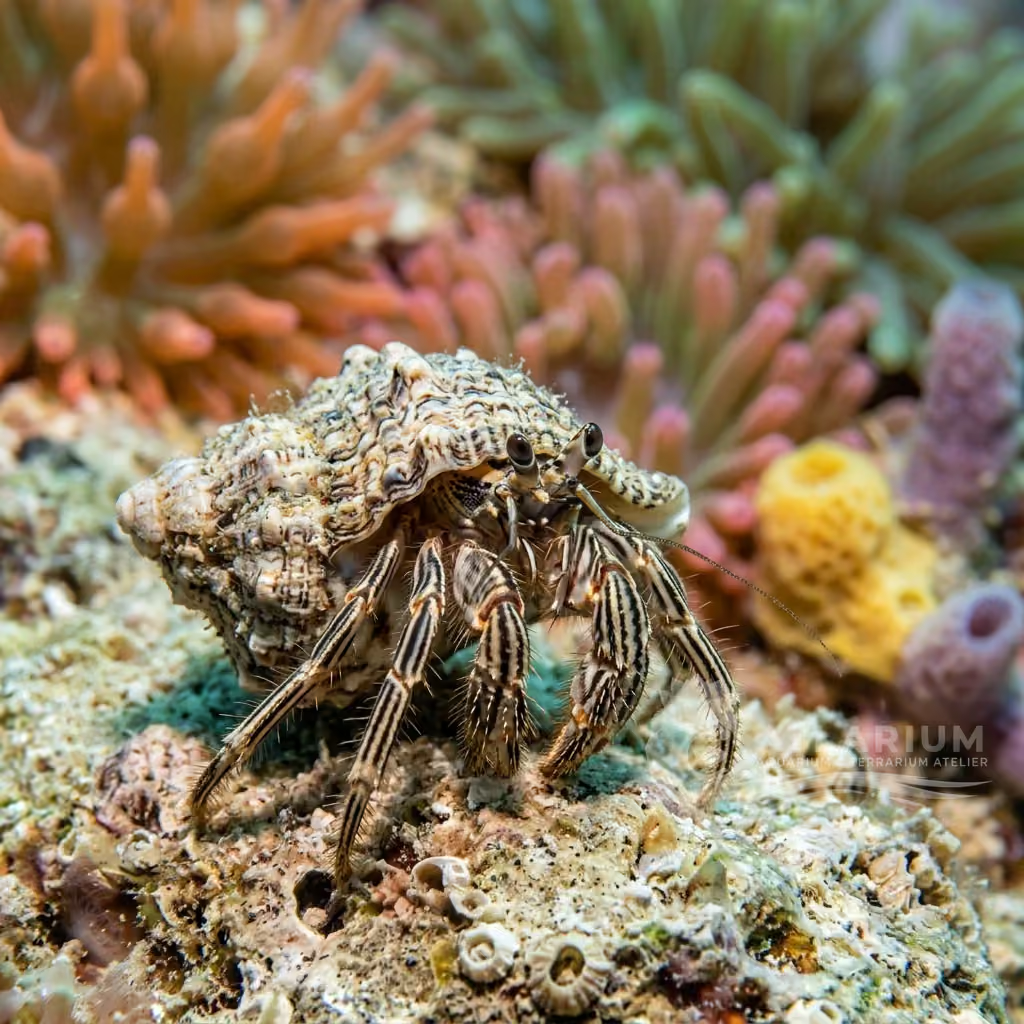
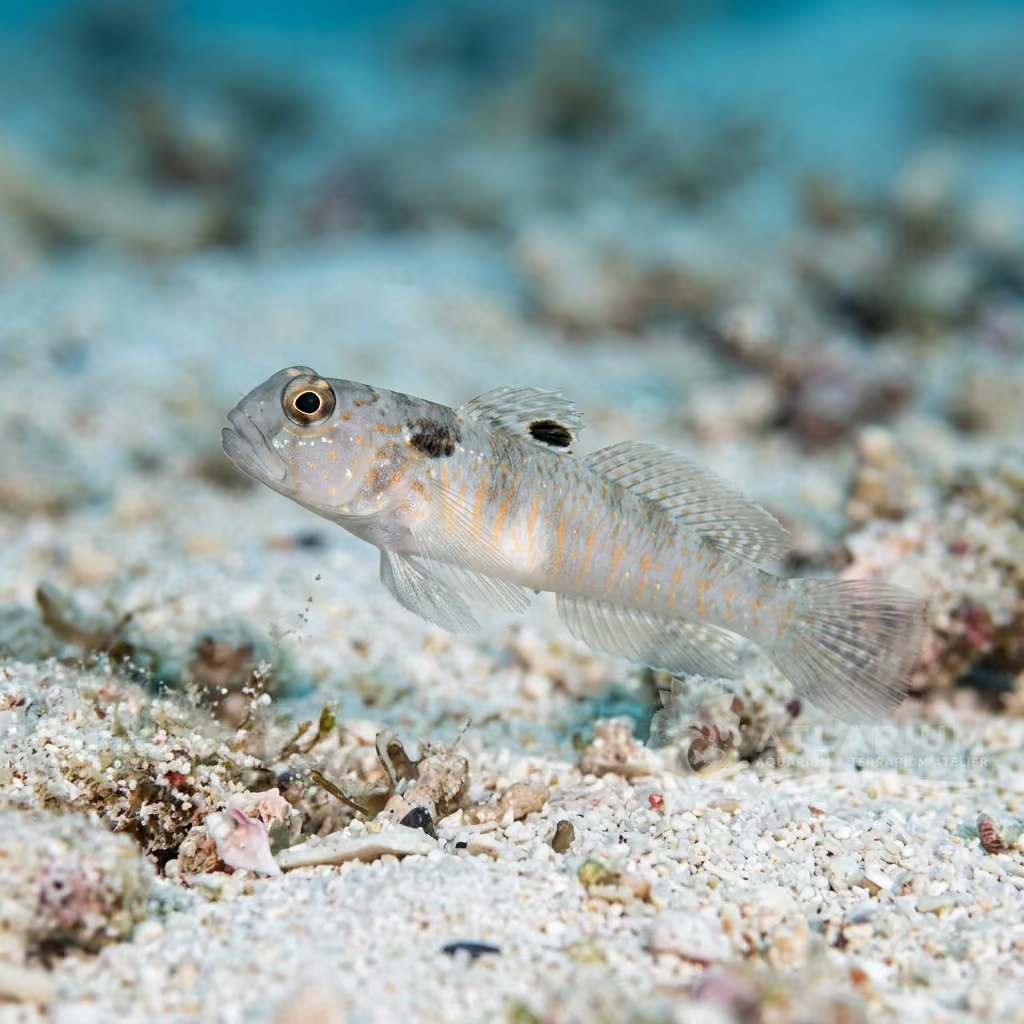
Recomendações agrupadas por parentes próximos, escolhas de acompanhantes e cuidados semelhantes.