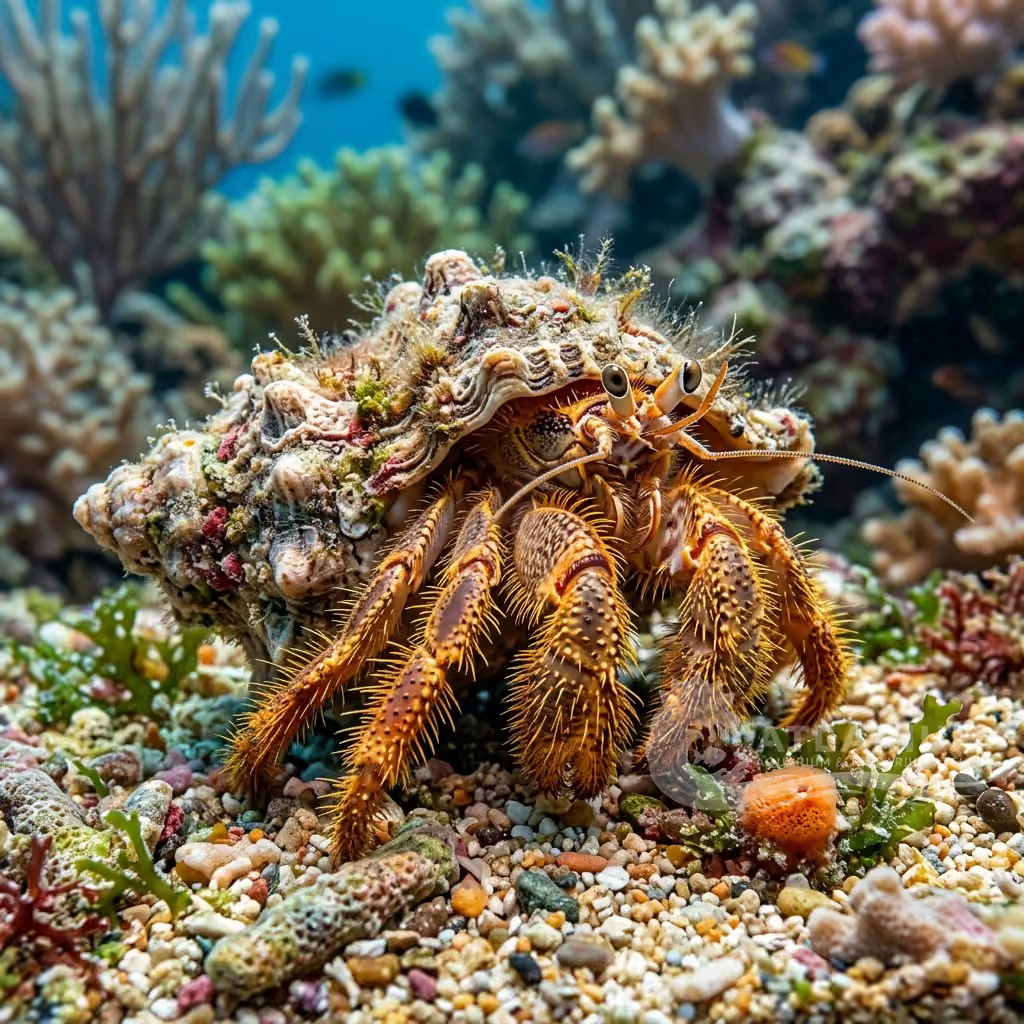
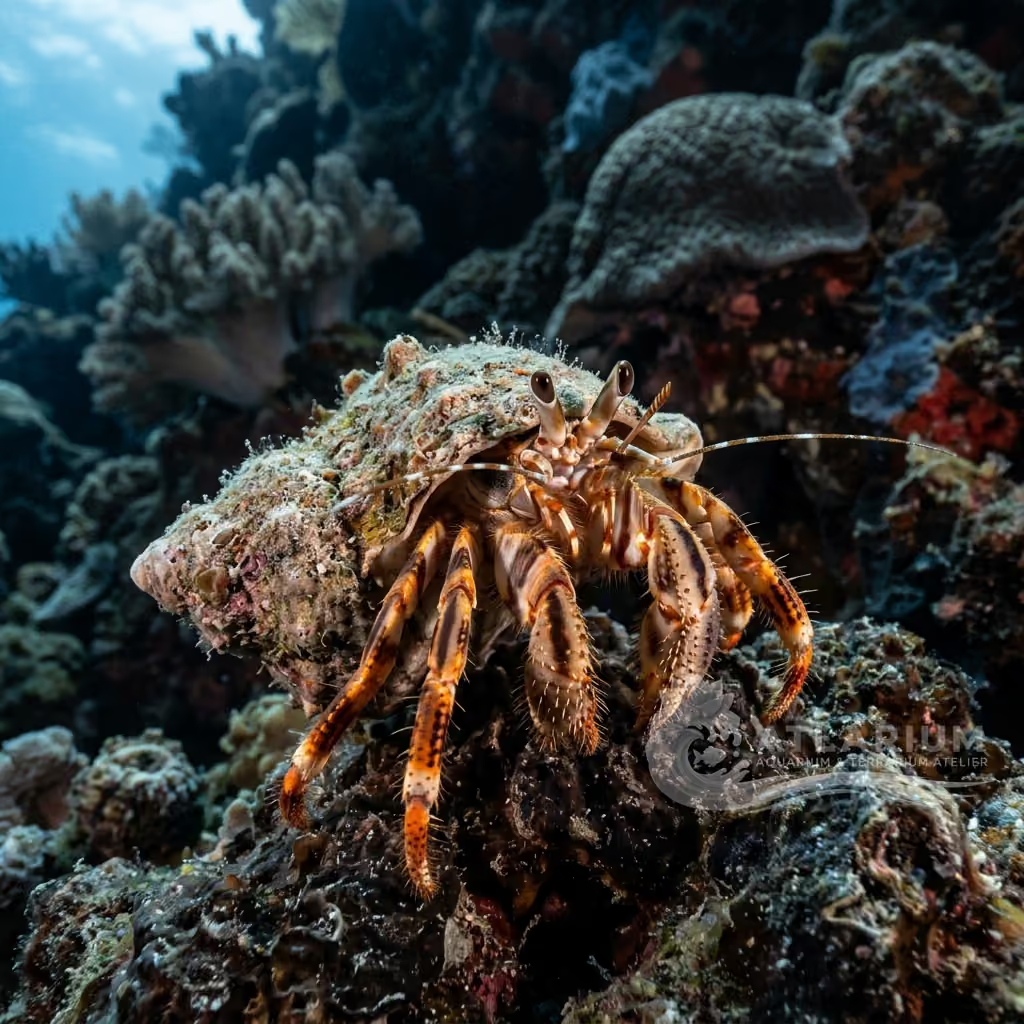
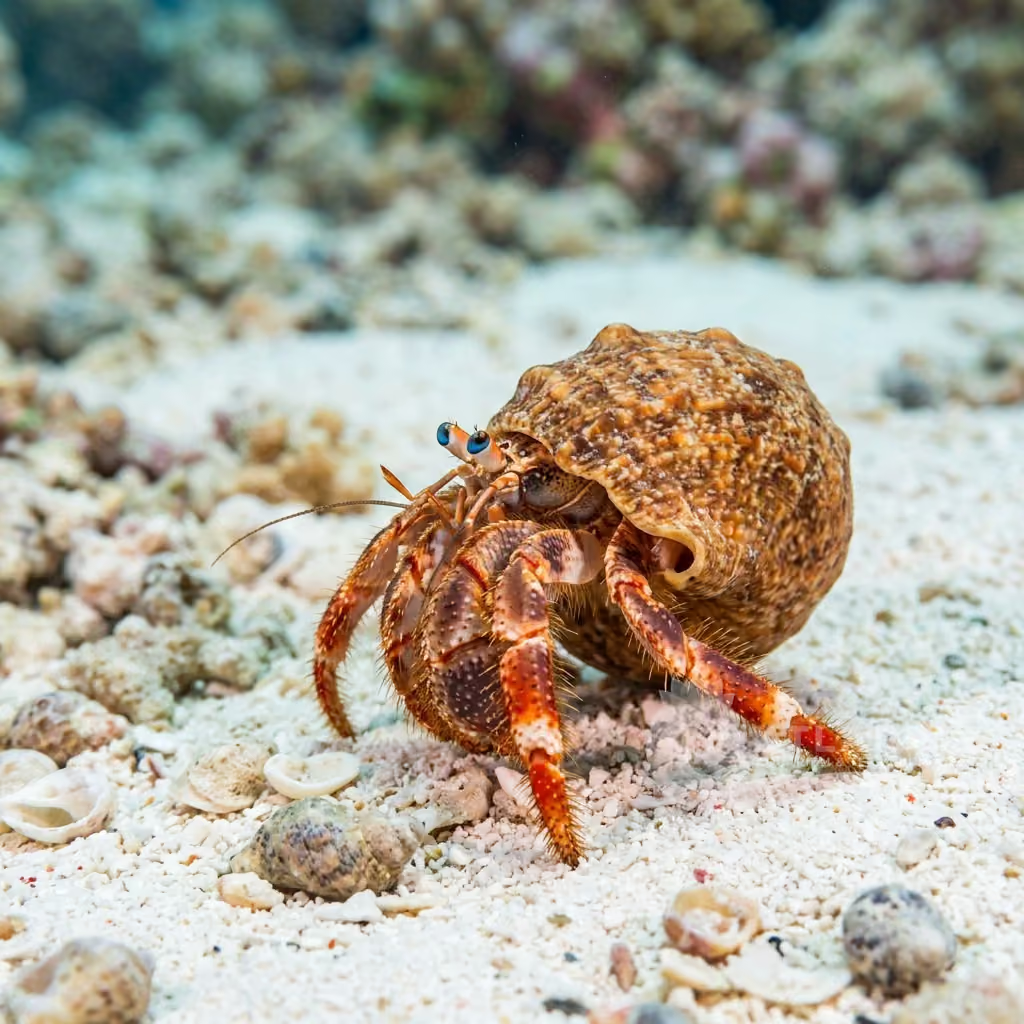
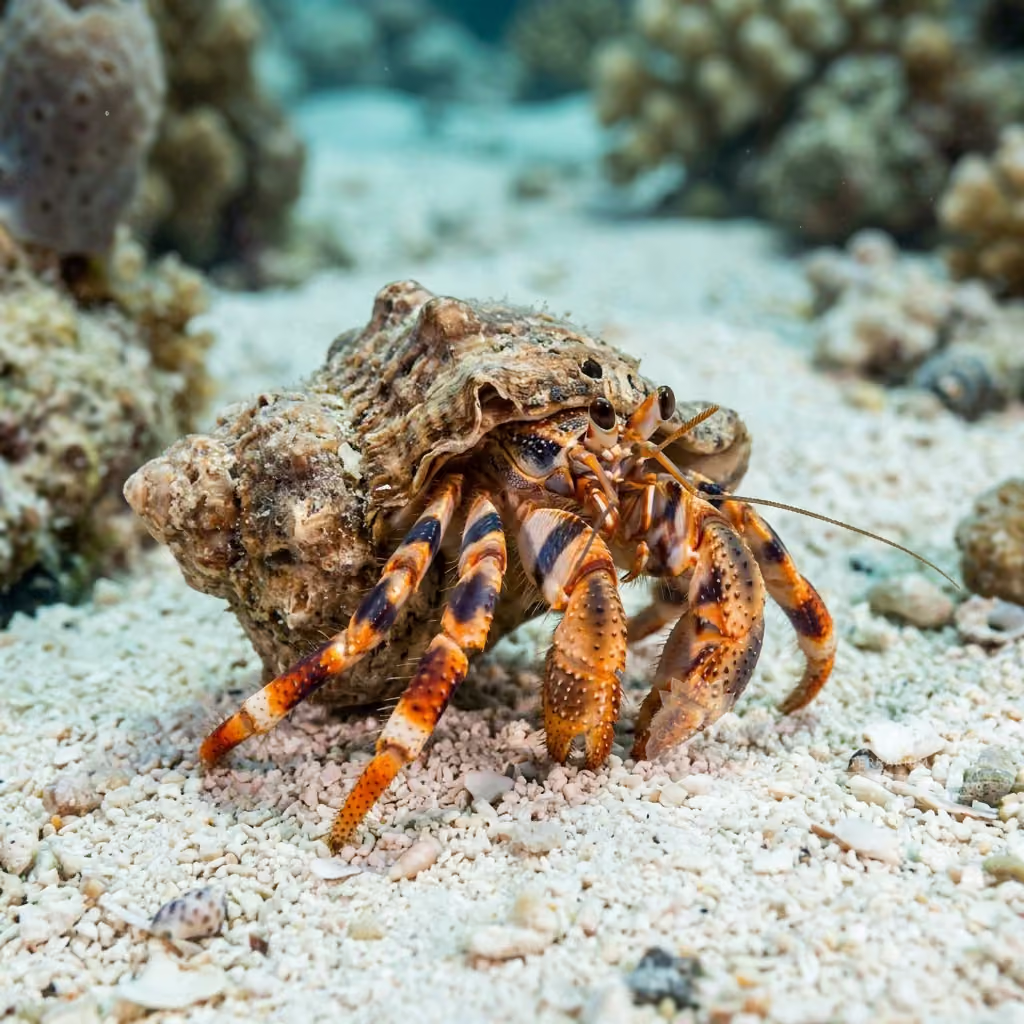
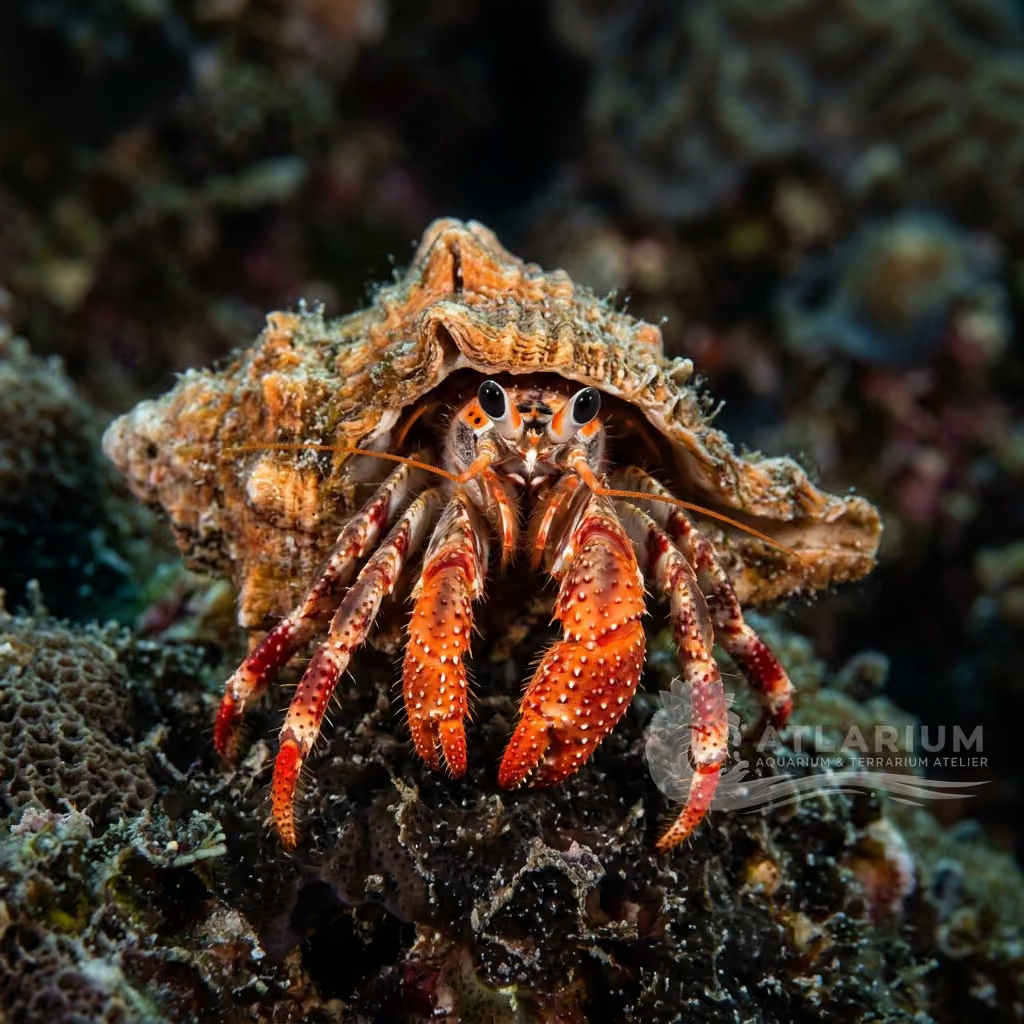
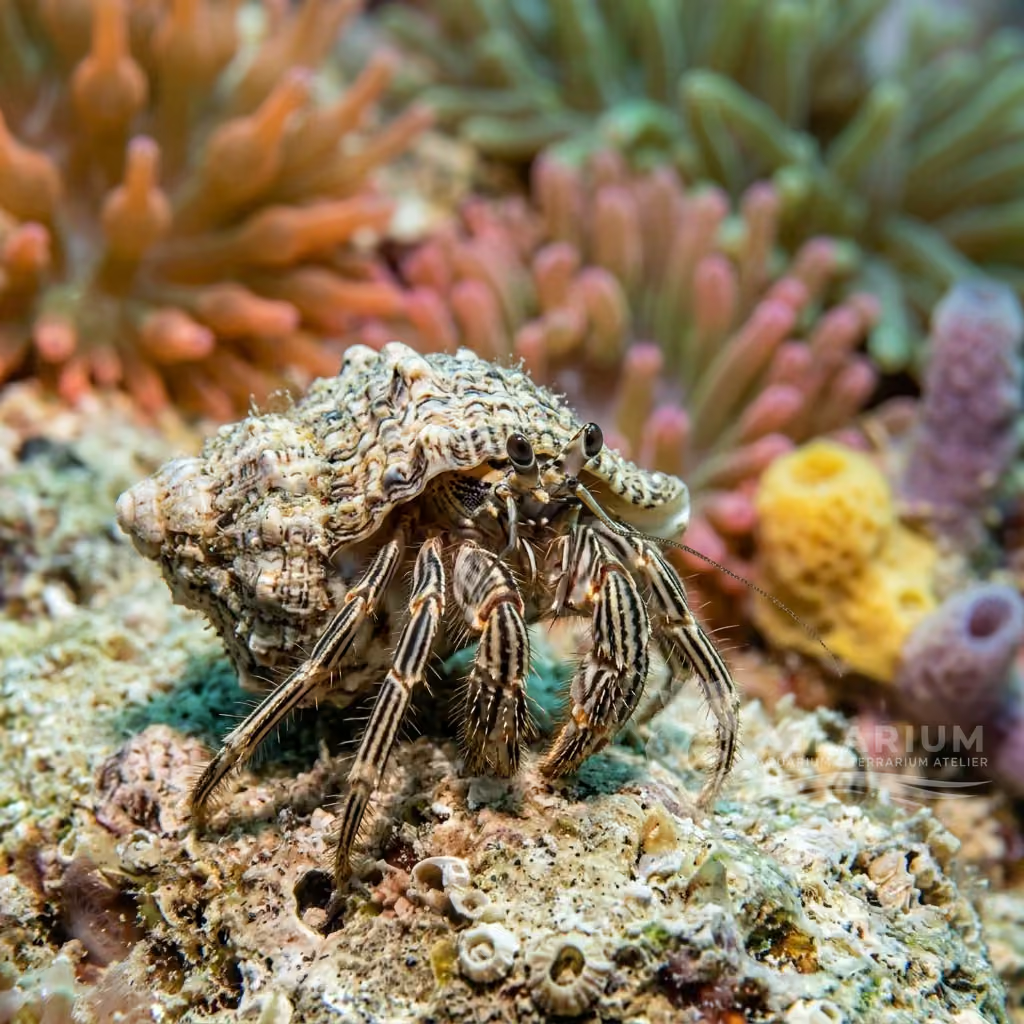
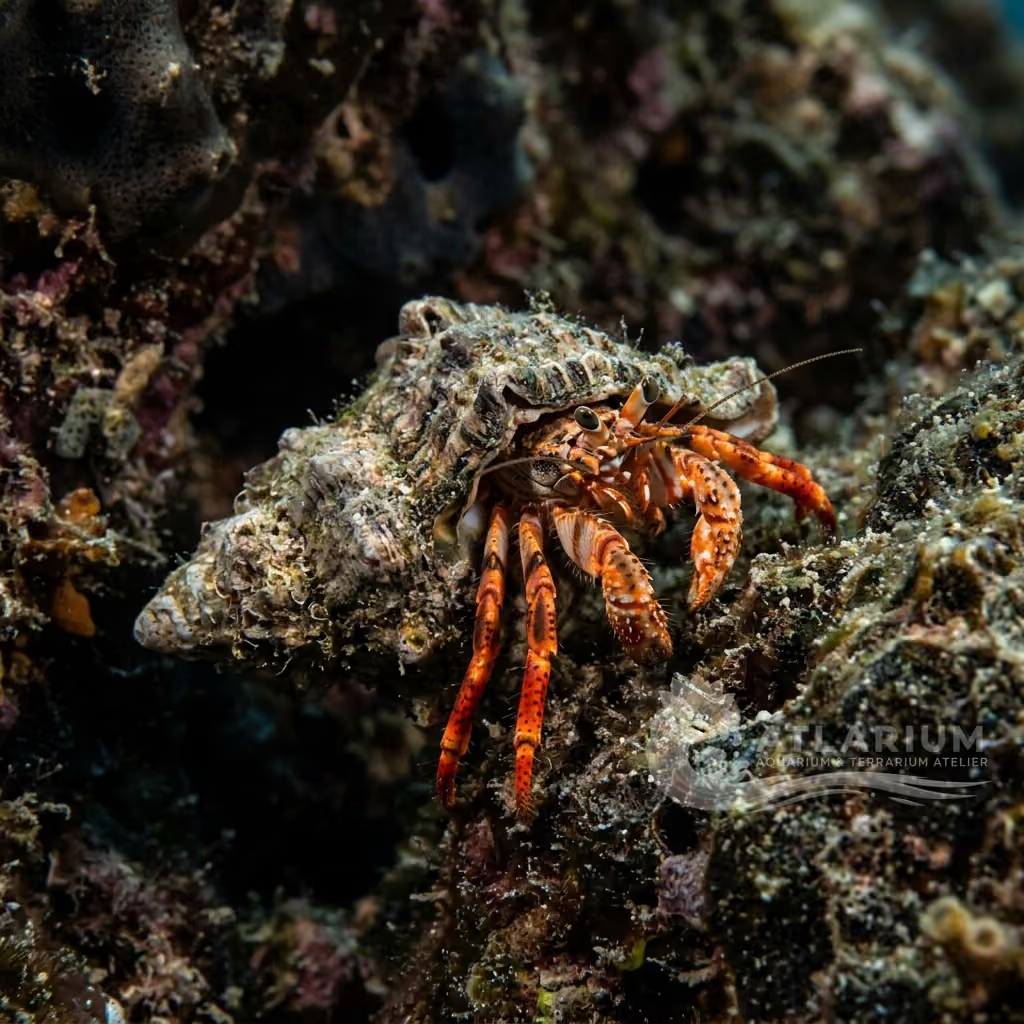
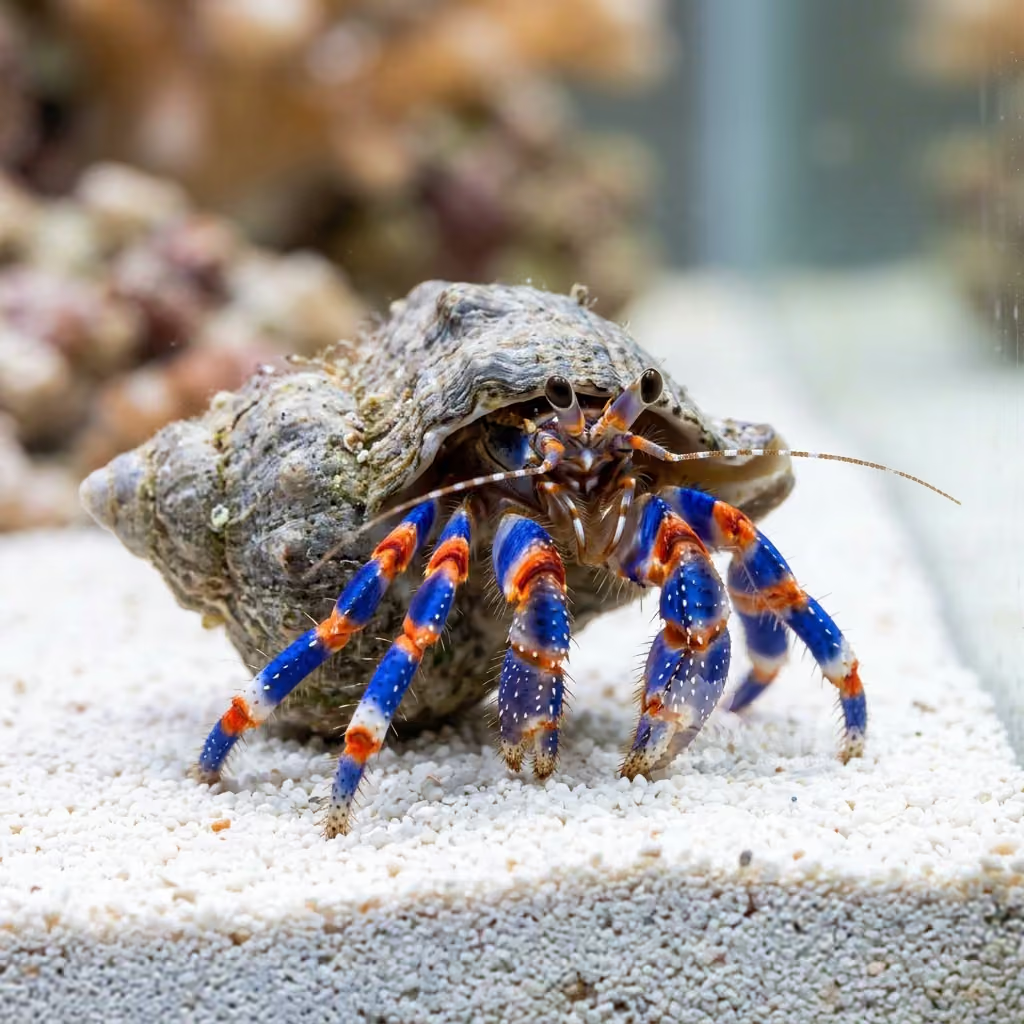
Red-stripe hermit crab
Clibanarius rutilus
A small, remarkably active, and peaceful hermit crab. It is an ideal addition to cleanup crews, working tirelessly to keep marine tanks free of detritus.
Temperatura da água
22 - 28 °C
Valor de pH
8.1 - 8.4
Tipo de água
Marinho
Tipo invertebrado
Hermit crab
Tamanho adulto
2,5 cm
Grupo mínimo
>= 1
KH
8 - 12 dKH
Papel ecológico
Scavenger
Sensibilidade ao cobre
High

Descrição da espécie
Geographical Origin and Habitat: Clibanarius rutilus is native to the warm tropical waters of the Indo-Pacific, widely distributed from the eastern coasts of Africa to the coral reefs of French Polynesia and the Marshall Islands. It primarily inhabits shallow intertidal zones, reef flats, lagoons, and areas with sandy, muddy, or rubble substrates. This small hermit crab is frequently found in tide pools and along the shoreline at minimal depths, where it is exposed to constant fluctuations in water levels, temperature, and salinity.
Taxonomy: This organism belongs to the class Malacostraca, order Decapoda, family Diogenidae, and genus Clibanarius. Members of this family are commonly known as left-handed hermit crabs, as they typically possess a left claw that is slightly larger than or equal in size to the right one, which is used to seal the shell aperture when they retract for defense.
Social Behavior: It is a gregarious and extremely peaceful species. In nature, large groups of individuals are often found searching the substrate together for food. In the aquarium, it displays tireless and harmless behavior toward fish, corals, and other invertebrates. It does not show intraspecific aggression, though minor disputes over empty shells of suitable sizes for growth may occasionally occur.
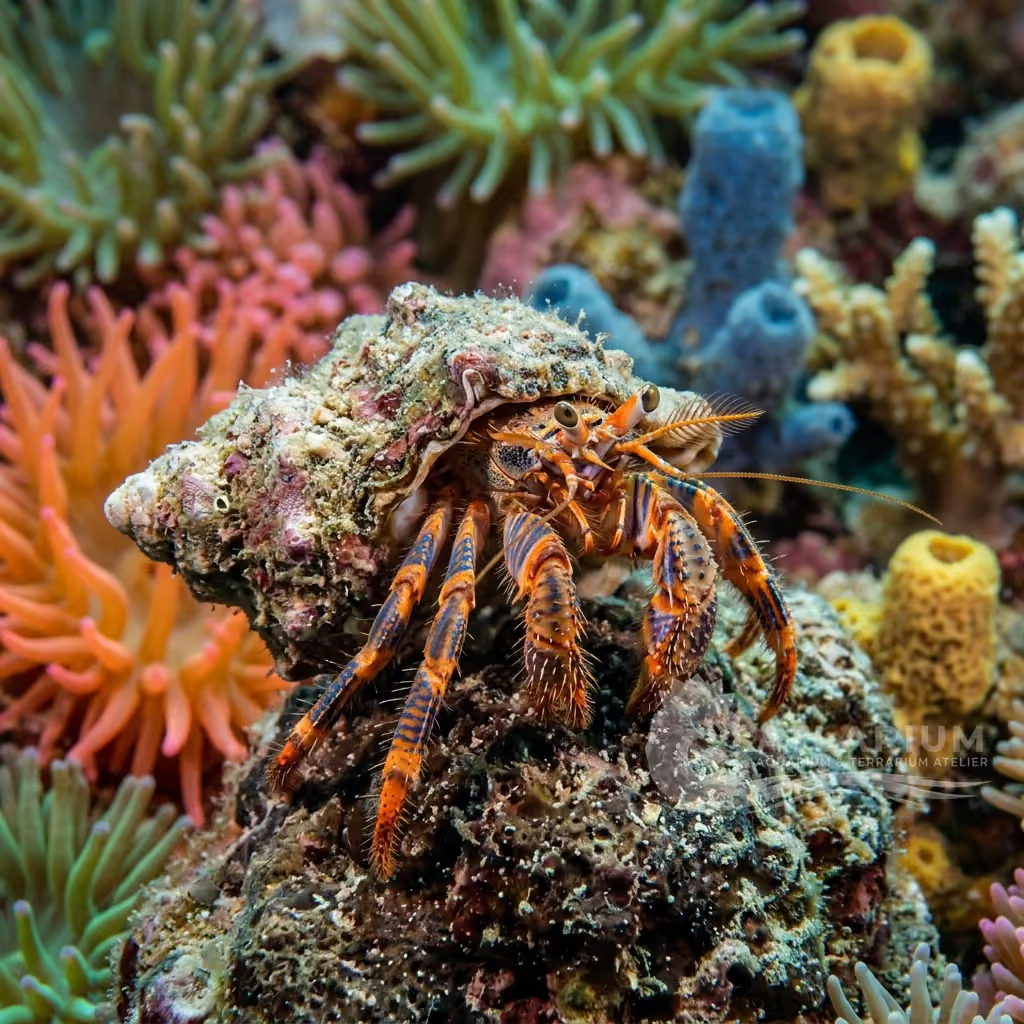
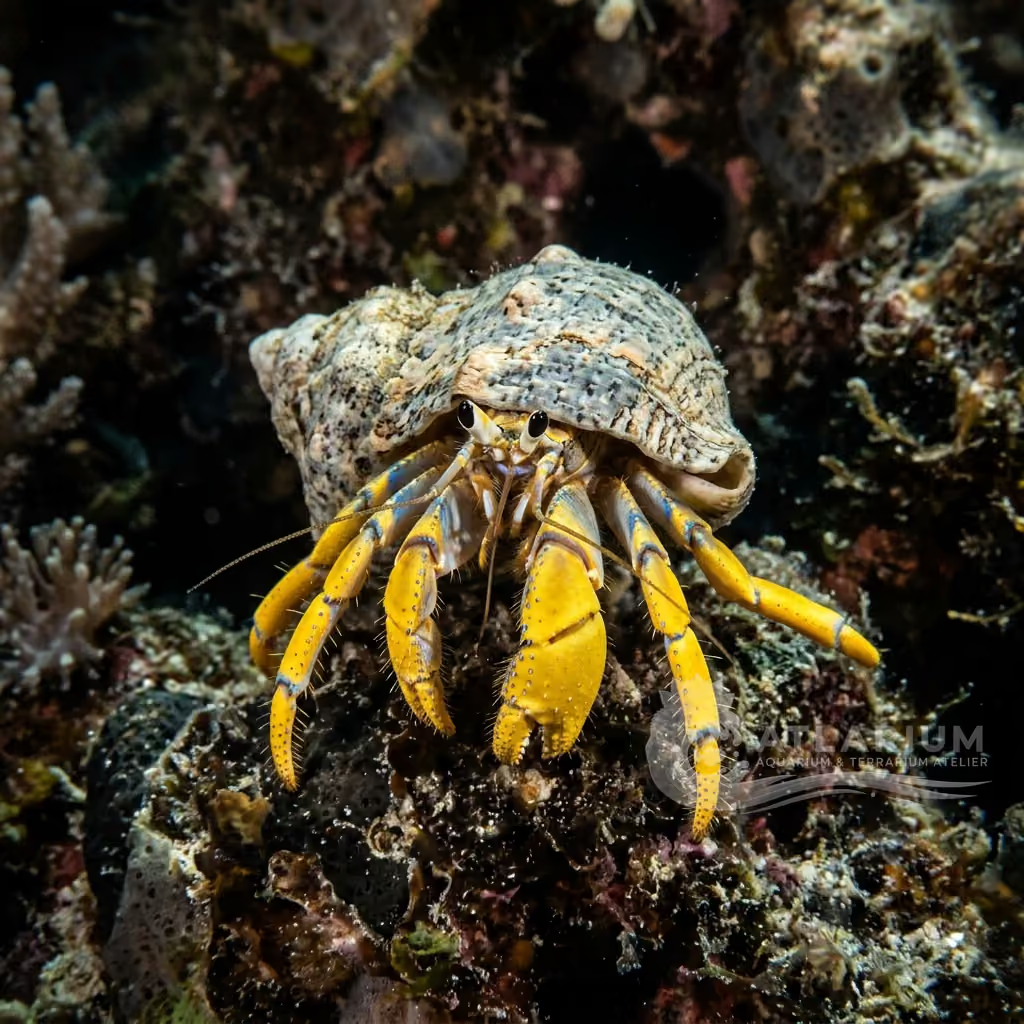
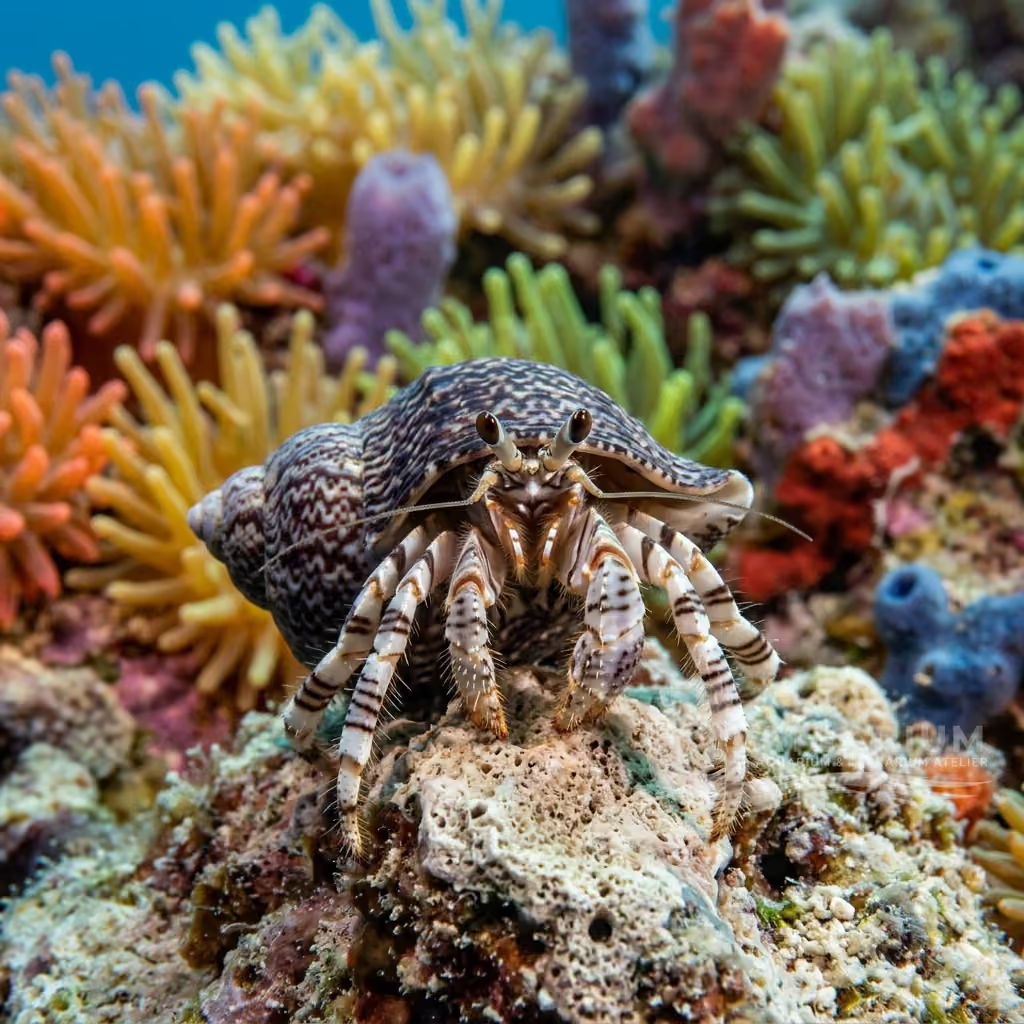
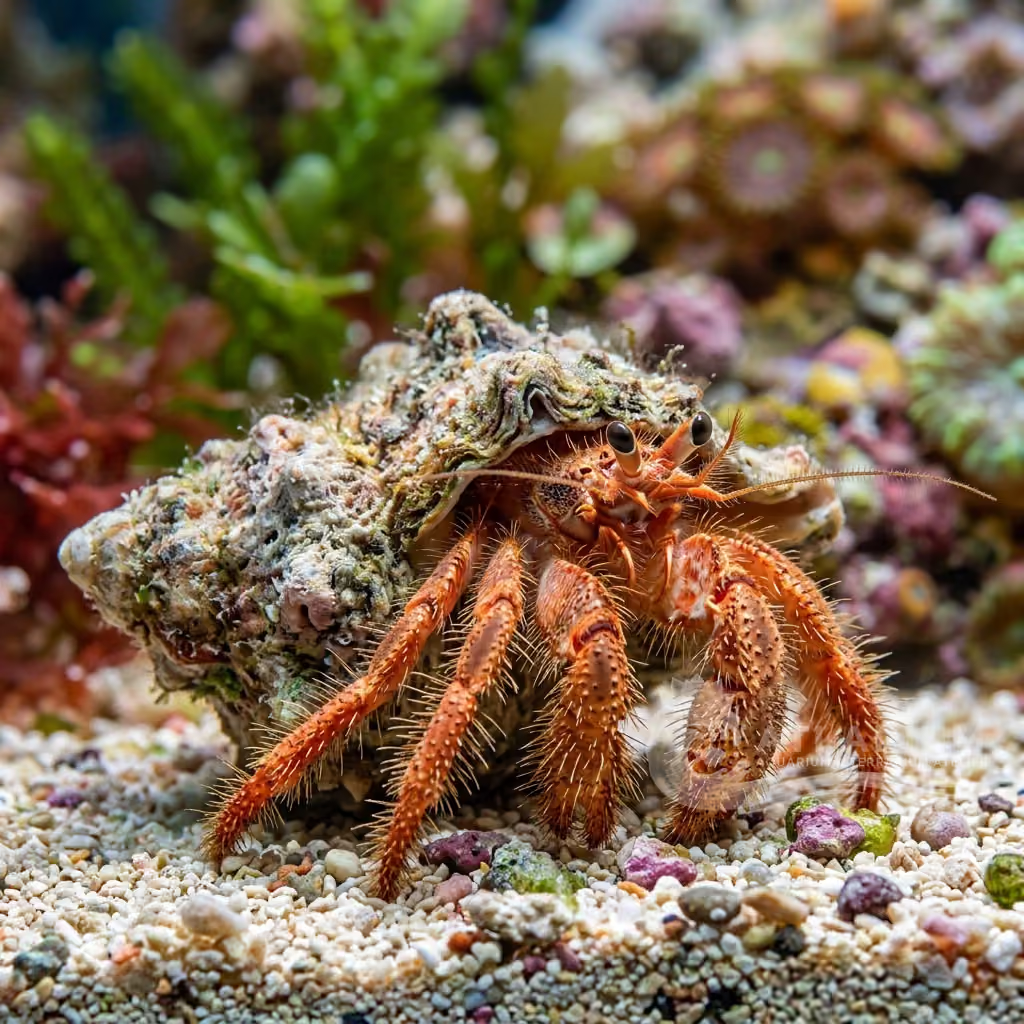
Coloration and Sexual Dimorphism: It features a light beige or pale brown base coloration, highlighted by distinct, thin longitudinal stripes of bright red-orange or vivid orange running along its walking legs and chelipeds. The eyes are small and set on pale ocular stalks. External sexual dimorphism is not visible, and distinguishing between males and females requires microscopic examination of the genital openings.

Cuidado, criação e companheiros de tanque
Tank Setup: It requires a well-established marine aquarium with a minimum capacity of 30 liters. Providing a generous amount of live rock is essential, as the hermit crab will climb and graze on algae. A layer of sand or fine gravel should cover the bottom. The most critical aspect of the setup is the continuous presence of empty shells of various sizes (mainly from gastropods like Turbo or Cerithium) scattered around the tank, allowing the crab to molt and change homes as it grows.
Diet and Feeding: It is an excellent omnivorous detritivore and algae eater. It constantly consumes filamentous algae, diatoms, and cyanobacteria growing on rocks and glass, as well as organic detritus, fish food leftovers, and decaying organic matter. If the aquarium is extremely clean or lacks natural algae, its diet should be supplemented with small pieces of shrimp, fish meat, or sinking pellets containing spirulina and seaweed to prevent starvation.
Water Quality: As a marine invertebrate, it requires stable parameters and constant salinity. The ideal parameters are: temperature between 23°C and 27°C, pH between 8.1 and 8.4, specific gravity between 1.023 and 1.025, and carbonate hardness (dKH) between 8 and 12. It tolerates sudden shifts in salinity and temperature very poorly. Furthermore, copper and other heavy metals are highly lethal to it, and it requires very low levels of nitrates and phosphates.
Compatibility and Tankmates: It is completely peaceful and is considered one of the best members of the marine aquarium Clean Up Crew. It is compatible with almost all peaceful fish and corals. However, keeping it with large predators like triggerfish, hawkfish, large wrasses, or octopuses should be avoided, as they can easily break its shell or prey on it. Also, a lack of empty shells might drive it to attack live snails to steal their shells.
Aquarium Breeding: Breeding in captivity is extremely difficult. While hermit crabs may mate and the female can carry and incubate the eggs under her abdomen, eventually releasing planktonic larvae (zoeae) into the water column, these larvae are almost always consumed by fish or sucked into filtration systems before completing the delicate molting stages required to transform into young crabs.
Risks and Diseases: The main health risk for Clibanarius rutilus is related to failed molts, which are often caused by a lack of iodine and essential trace elements in the water. Regularly dosing iodine is important to help the crab shed its old exoskeleton. Another severe hazard is the use of copper-based medications in the tank, which are toxic to all invertebrates. A lack of suitable empty shells is also a major stress factor that can threaten its survival.

Origem e distribuição geográfica
Clibanarius rutilus is native to the warm tropical waters of the Indo-Pacific, widely distributed from the eastern coasts of Africa to the coral reefs of French Polynesia and the Marshall Islands. It primarily inhabits shallow intertidal zones, reef flats, lagoons, and areas with sandy, muddy, or rubble substrates. This small hermit crab is frequently found in tide pools and along the shoreline at minimal depths, where it is exposed to constant fluctuations in water levels, temperature, and salinity.
Origem
Cosmopolita ou apresentadoÁfrica e MadagascarOceanos tropicais e recifes

Perfil de invertebrados
- Dieta
- Omnivore
- *Clibanarius rutilus* is an omnivorous scavenger that constantly forages for food. It primarily feeds on detritus, uneaten fish food, and various types of nuisance algae. Supplemental feedings of sinking pellets or meaty foods may be necessary in very clean tanks.
- Papel ecológico
- Scavenger
- This species serves as an essential part of the aquarium's clean-up crew. By consuming decaying matter and controlling algae growth, it helps maintain optimal water quality. Its continuous sifting of the sand bed also promotes healthy substrate aeration.
- Tamanho adulto
- 2.5 cm
- Risco de salto
- Yes
- As bottom-dwelling crustaceans, *Clibanarius rutilus* does not jump and poses no risk of leaping out of the water. They can, however, climb rockwork or equipment to reach the surface. A standard aquarium setup without a tight lid is usually safe from escapees.
- Sensibilidade ao choque
- Medium
- *Clibanarius rutilus* is susceptible to sudden fluctuations in water parameters, particularly salinity and temperature. Careful drip acclimation is highly recommended when introducing them to a new environment. Stable parameters are crucial for their long-term health and survival.
- Cálcio e minerais
- Medium
- Sufficient calcium and alkalinity levels are required for *Clibanarius rutilus* to build and harden its exoskeleton during molting. While they don't grow their own shells, a healthy exoskeleton is vital. Regular partial water changes usually replenish these elements adequately.
- Muda
- Shell growth
- During the molting process, *Clibanarius rutilus* will shed its old exoskeleton and remain in hiding while the new one hardens. It is crucial to provide slightly larger empty shells for them to move into as they grow. Never disturb a molting hermit crab, as they are extremely vulnerable.
- Reprodução
- Oviparous
- Breeding *Clibanarius rutilus* in a home aquarium is extraordinarily difficult due to their complex planktonic larval stages. Females carry the fertilized eggs on their pleopods until they hatch into the water column. The larvae require specialized microscopic foods and precise conditions to survive.
- Compatibilidade e companheiros de tanque
- Peaceful
- Generally peaceful, *Clibanarius rutilus* is considered highly reef-safe and won't intentionally harm healthy corals. However, they may occasionally trample over delicate zoanthids or snatch food from slow-moving tank mates. If a larger empty shell is not provided, they might attack snails to steal theirs.

Espécies relacionadas
Recomendações agrupadas por parentes próximos, escolhas de acompanhantes e cuidados semelhantes.