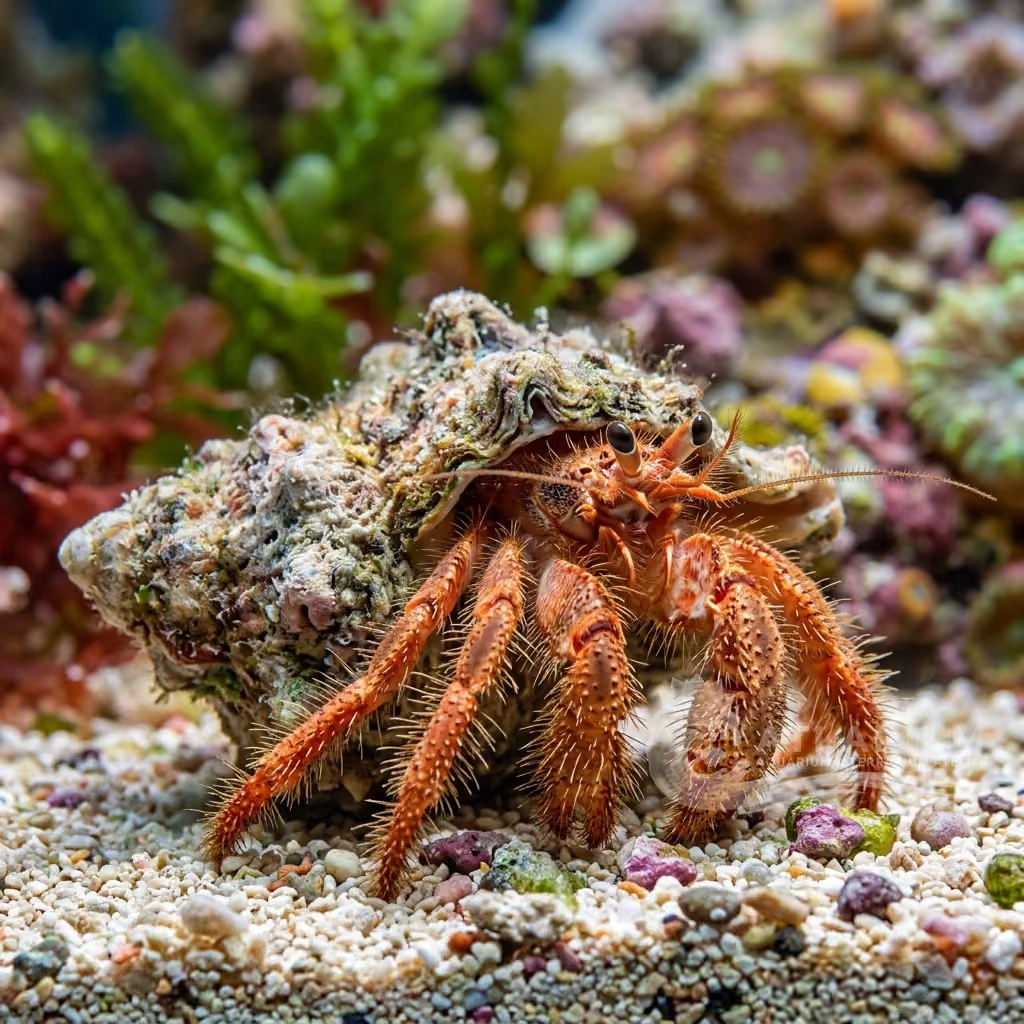
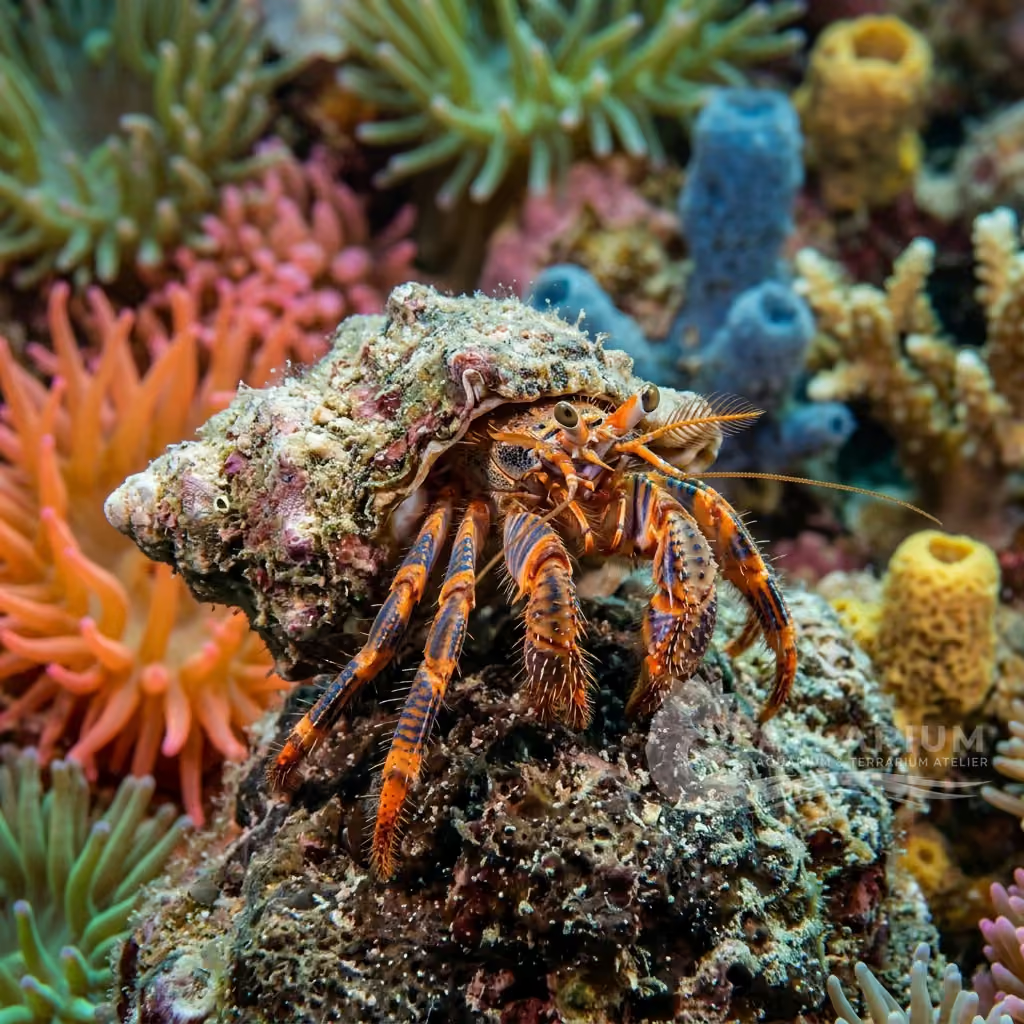
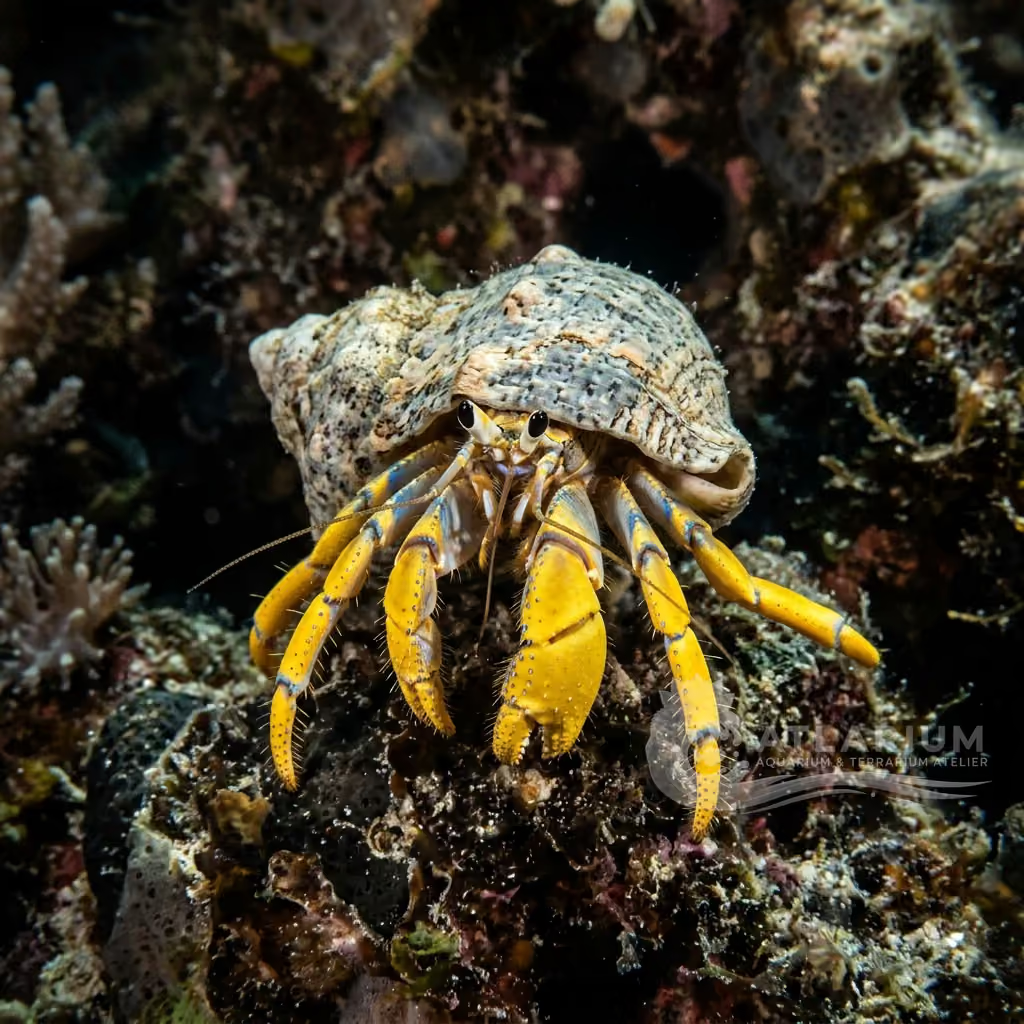
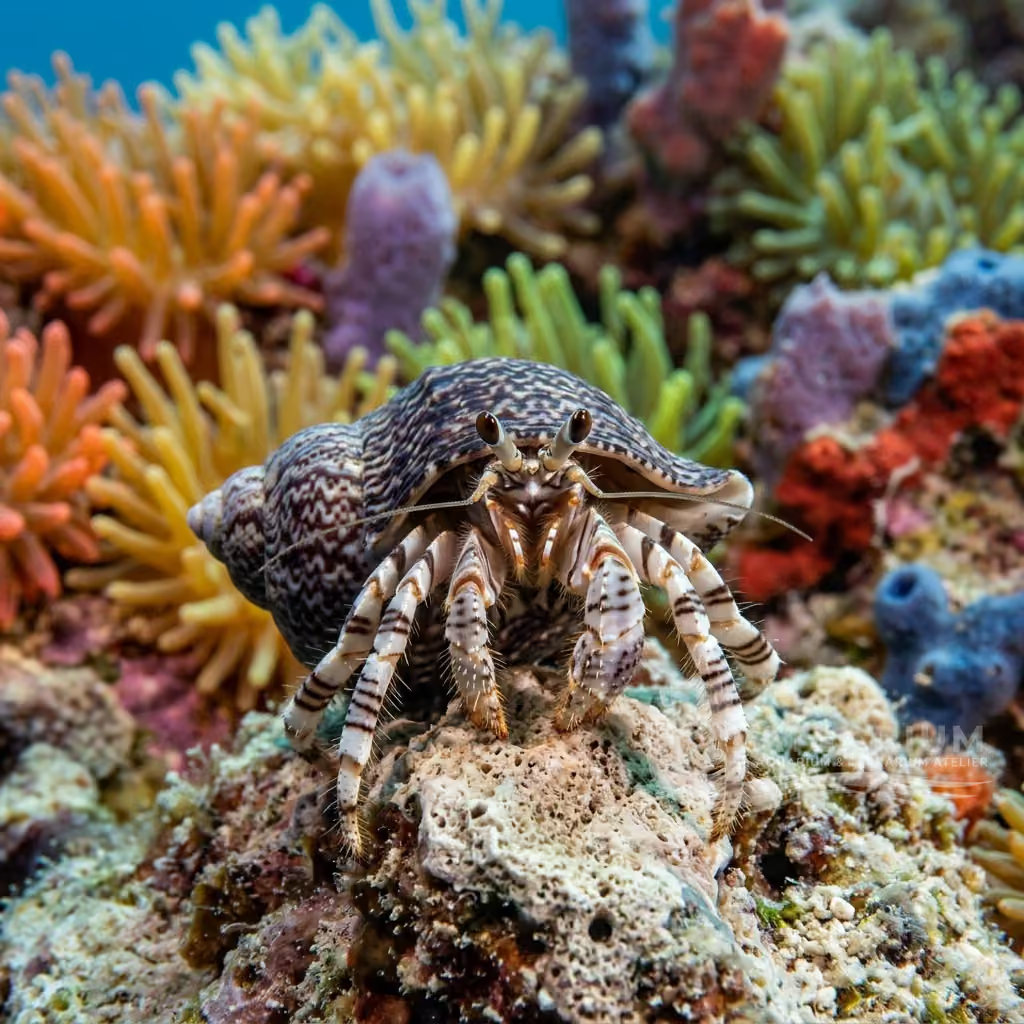
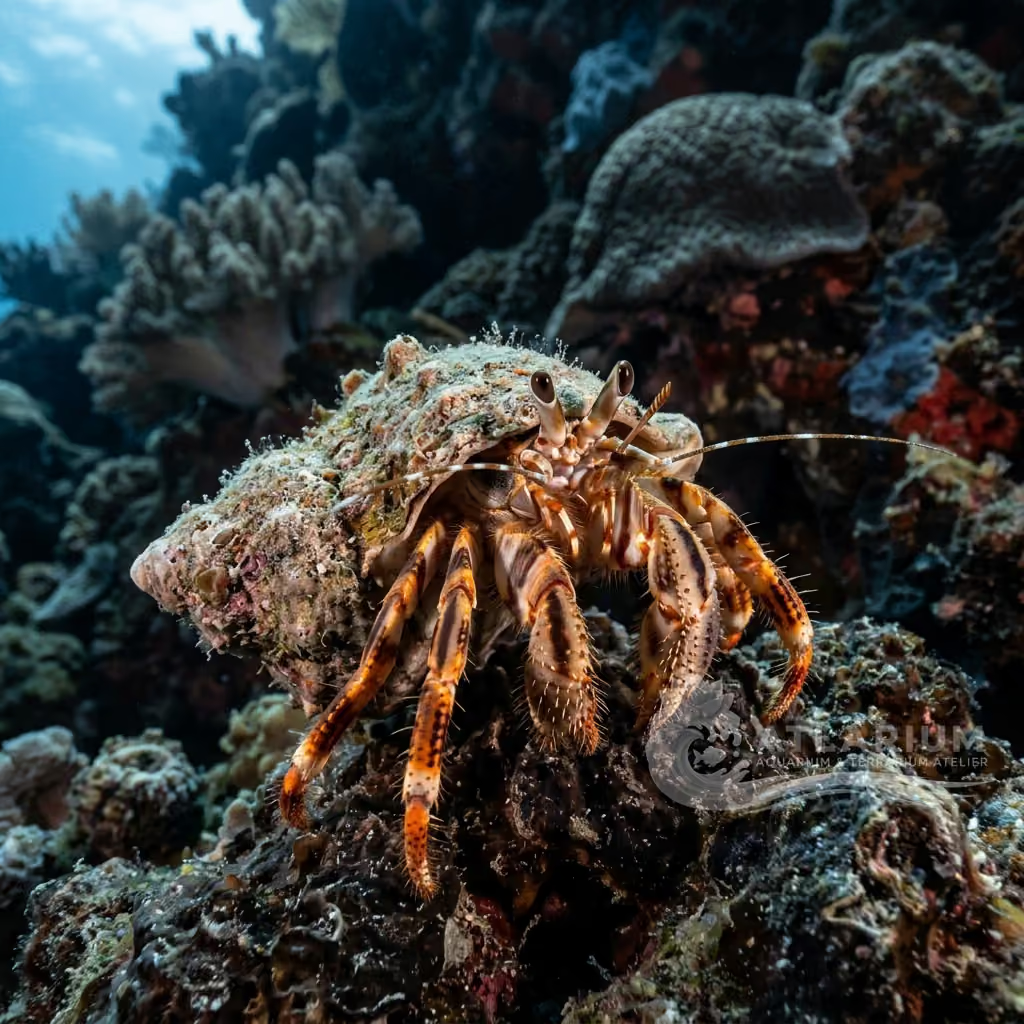
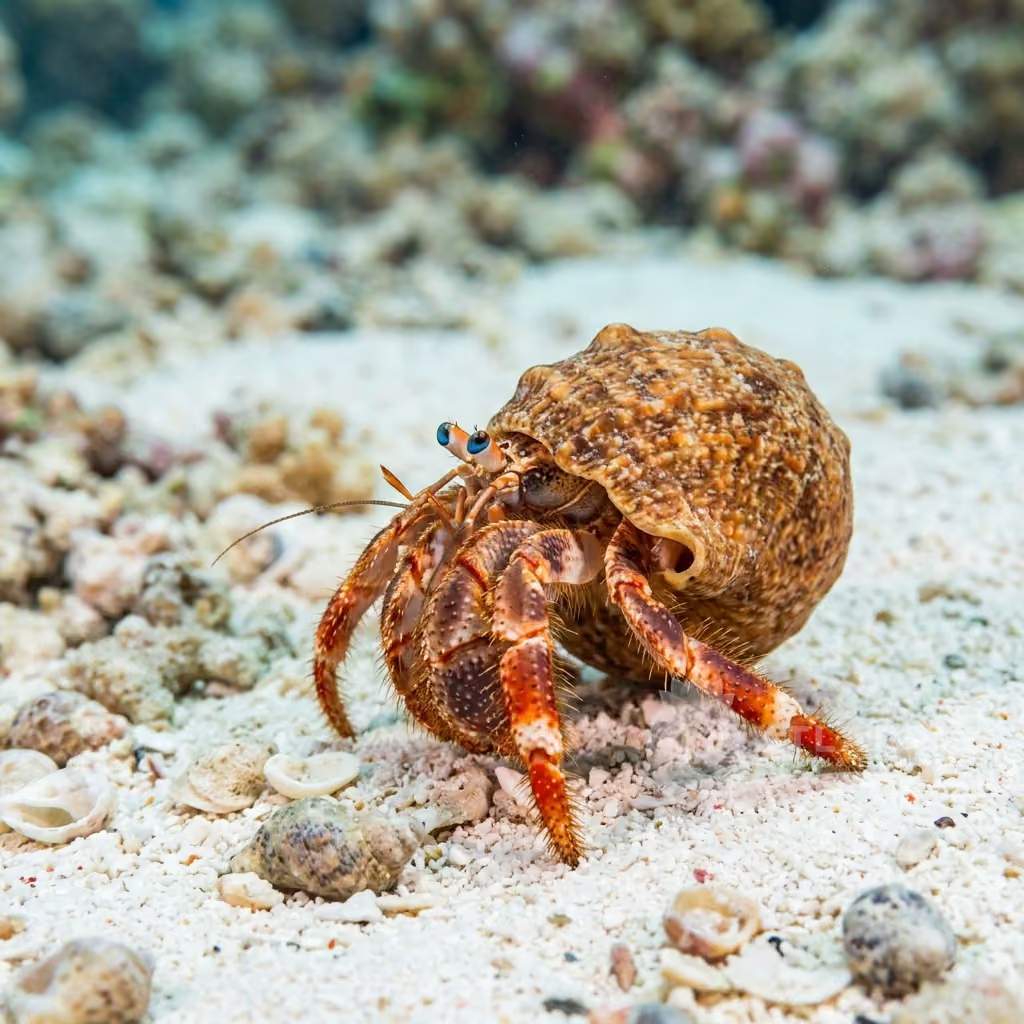
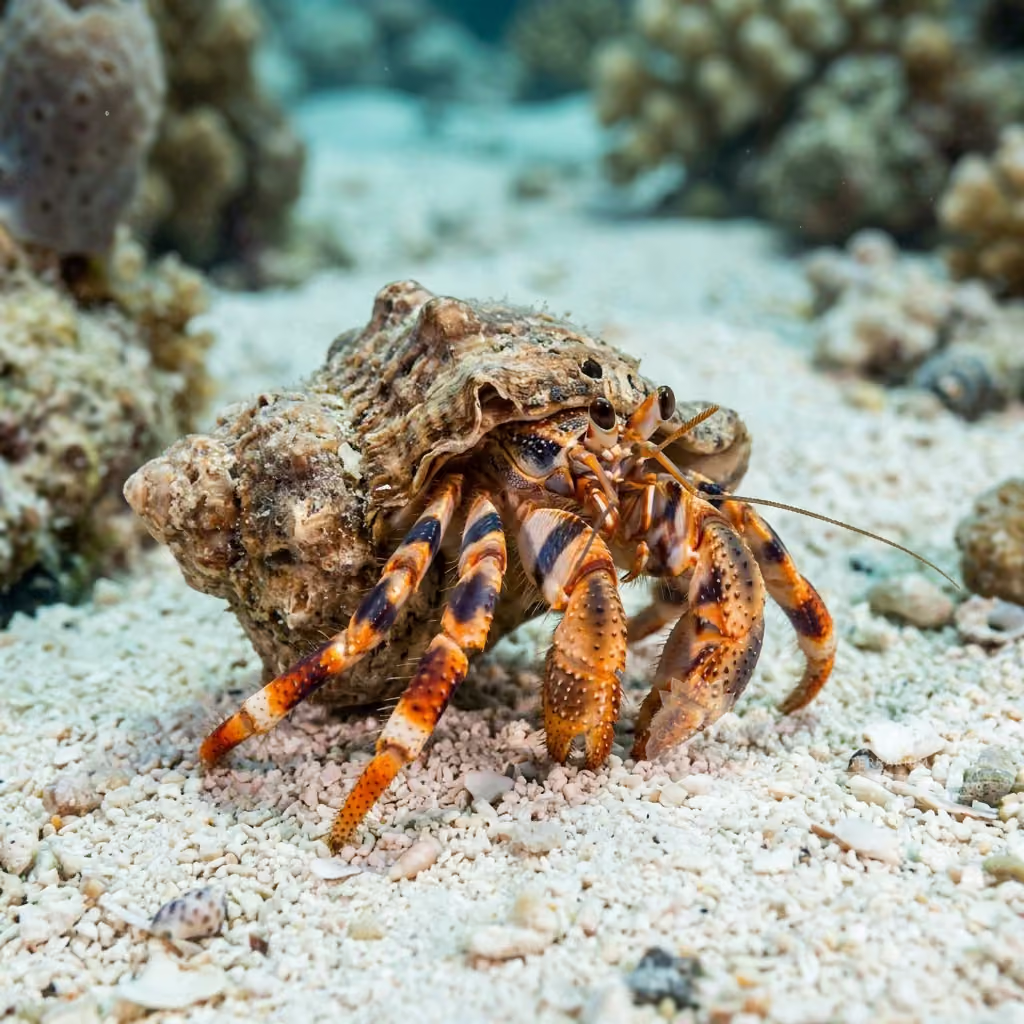
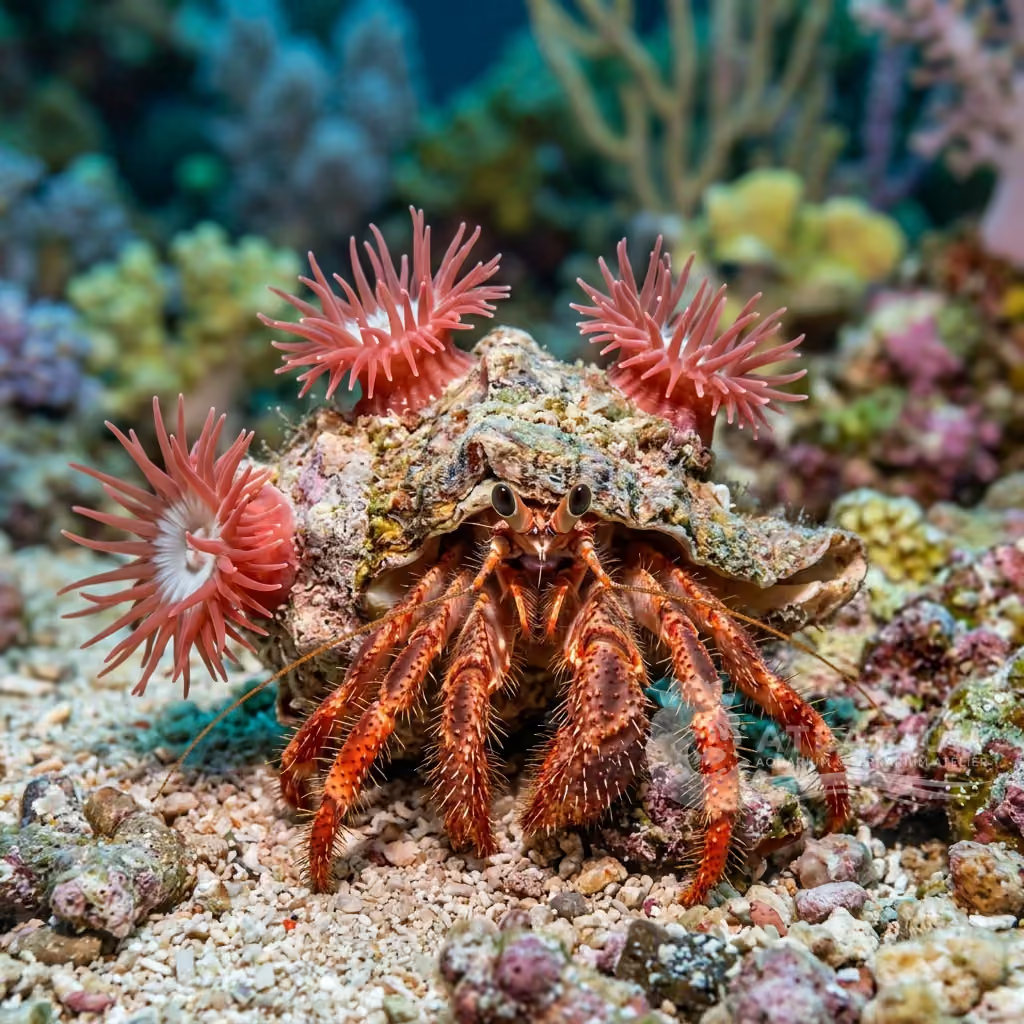
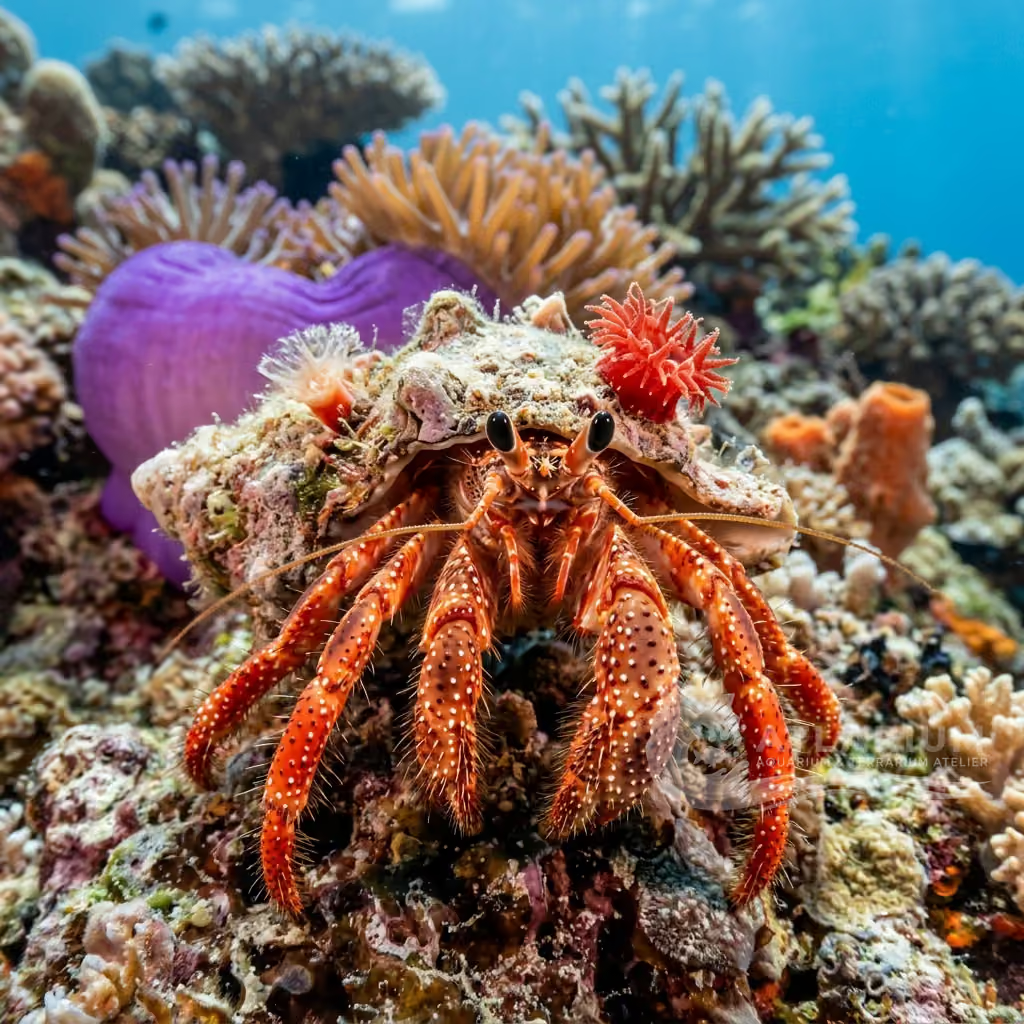
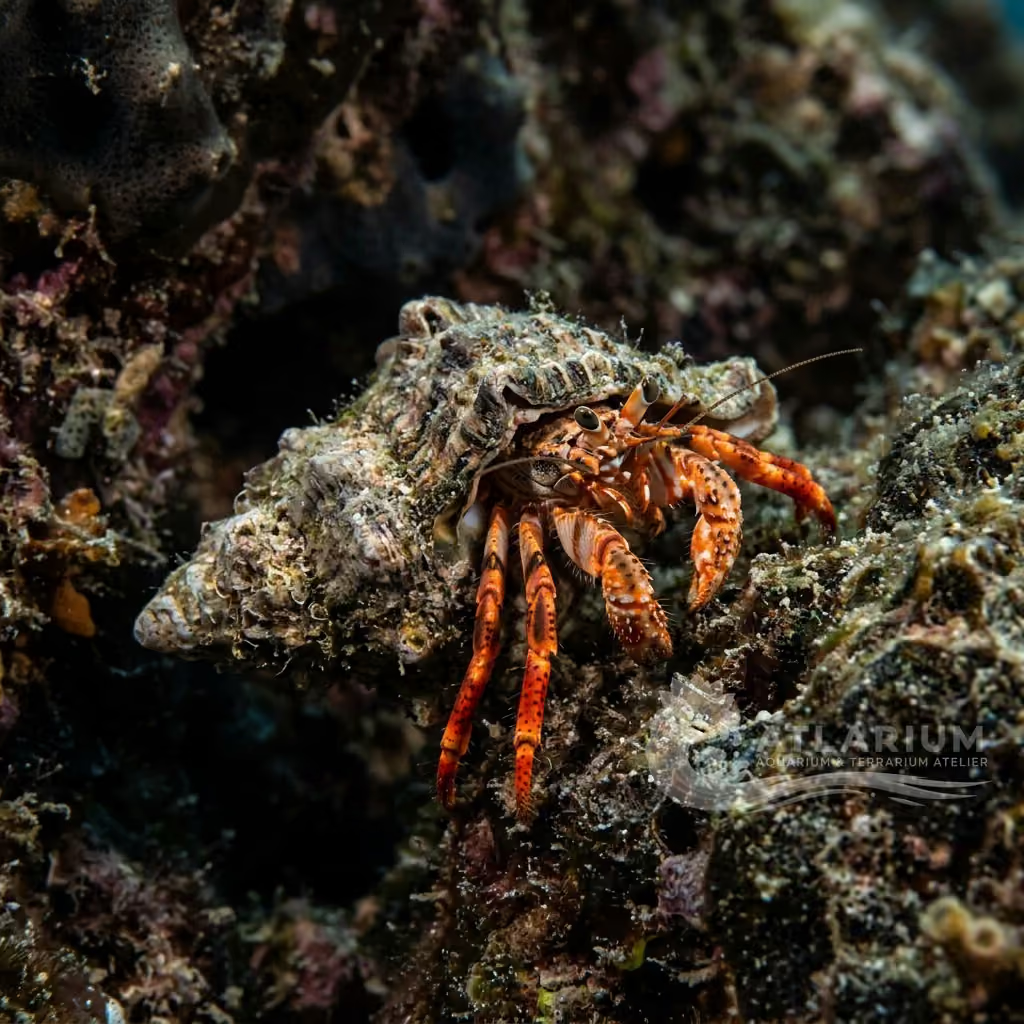
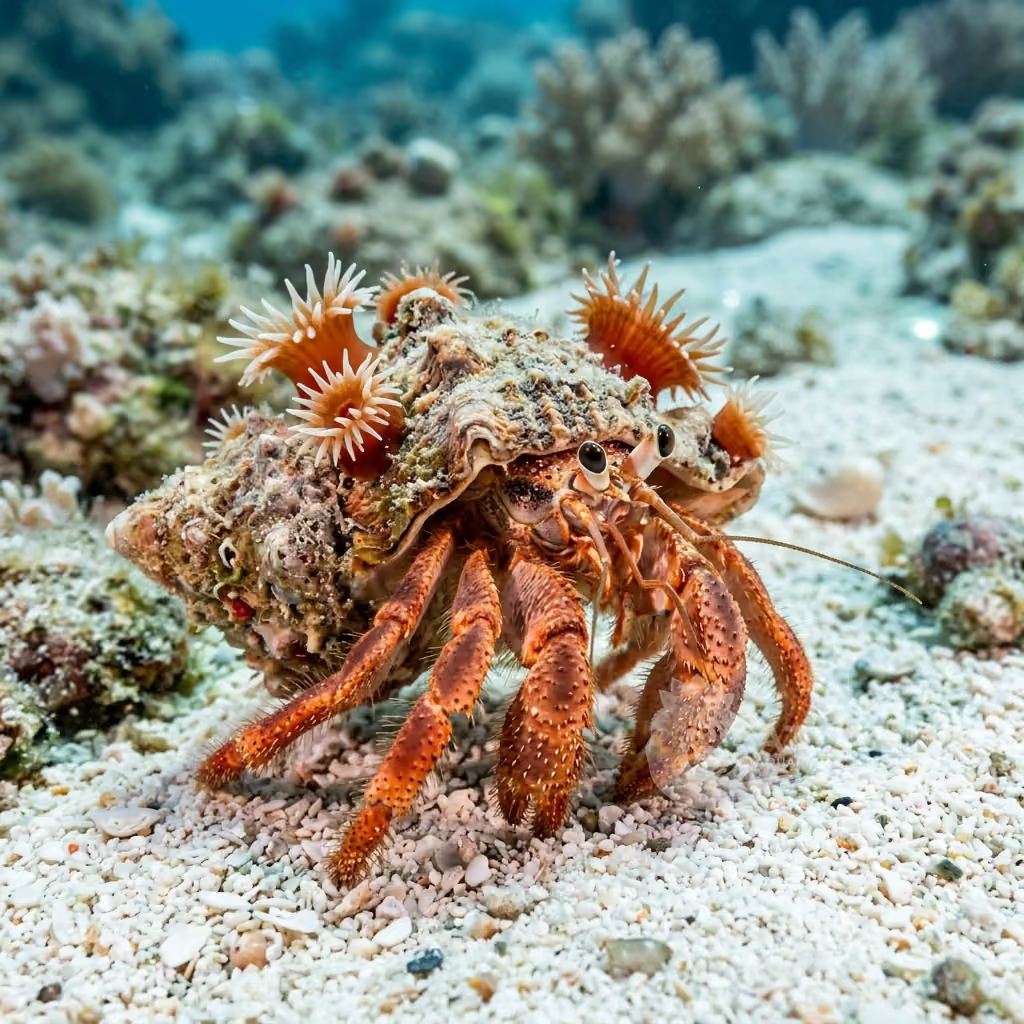
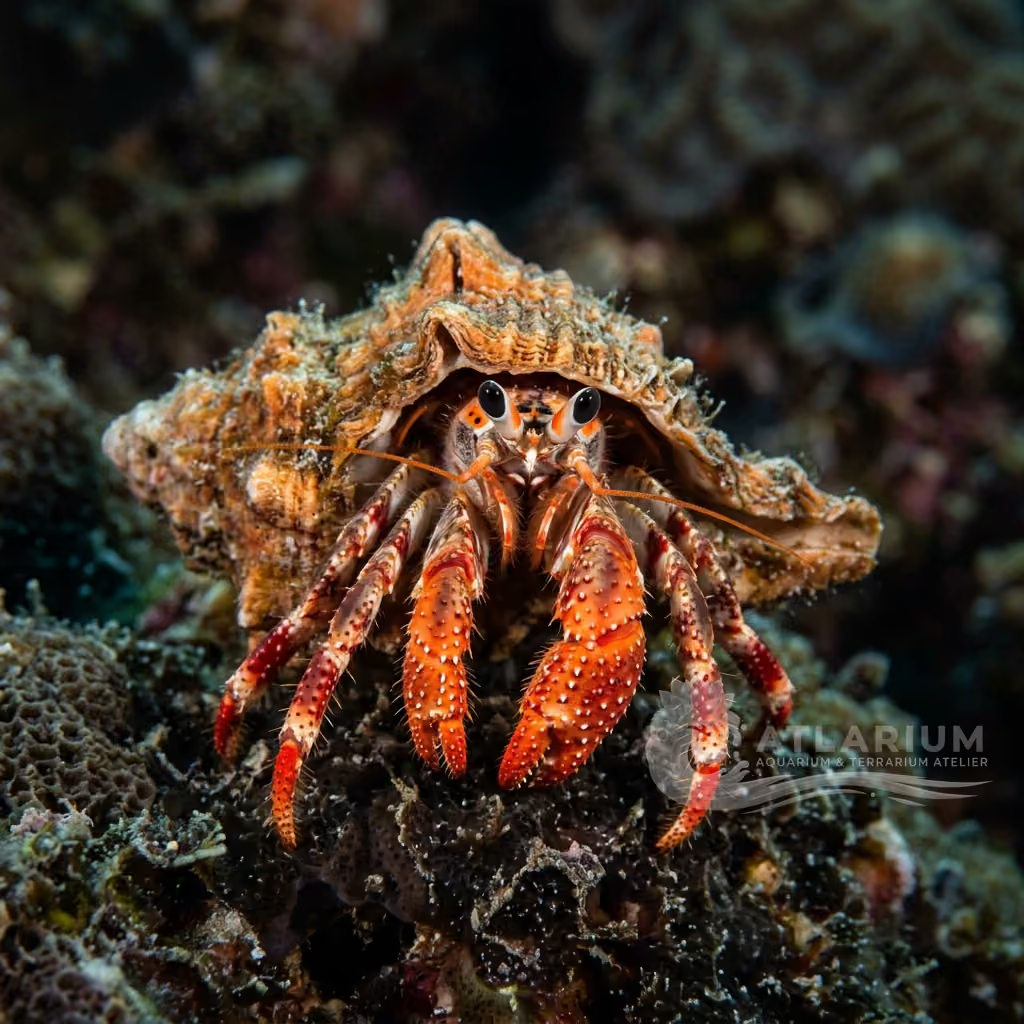
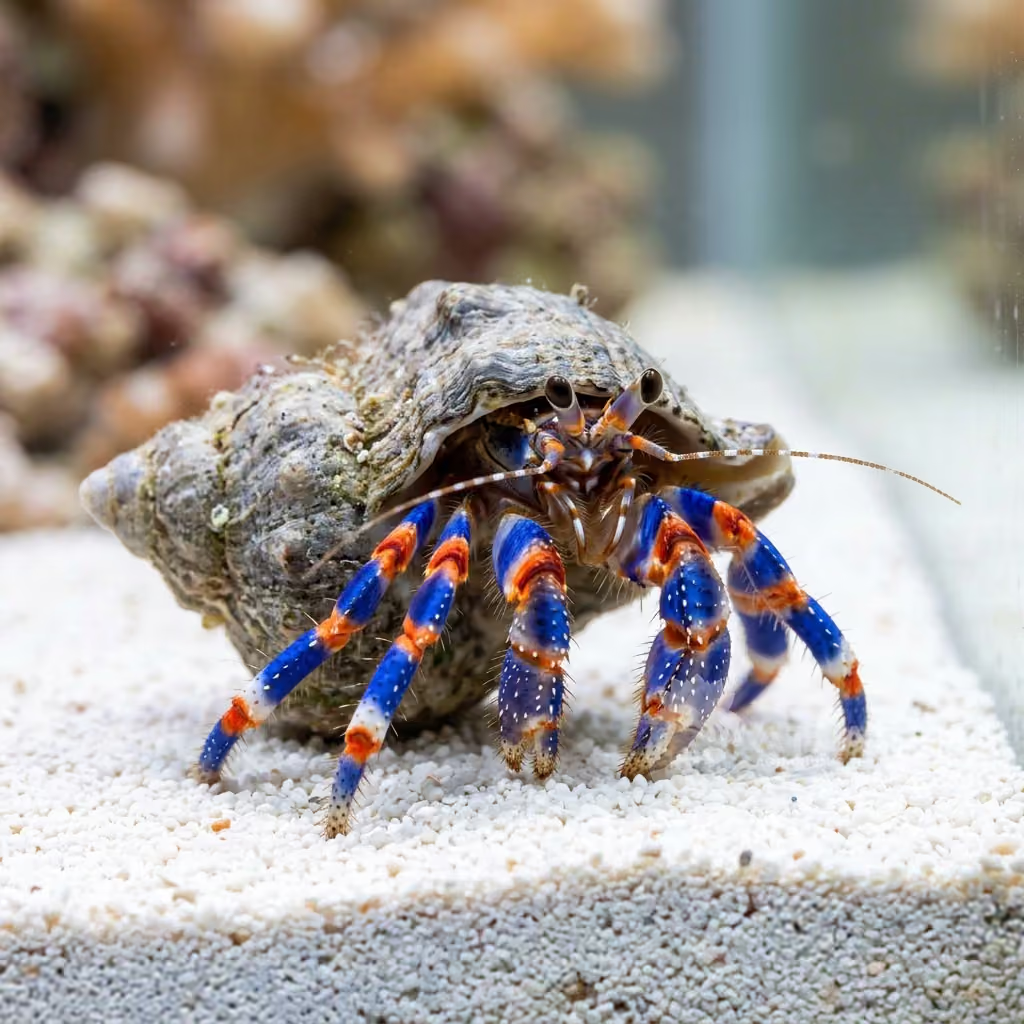
Hairy yellow hermit crab
Aniculus maximus
A large marine hermit crab native to the Indo-Pacific, featuring hairy orange-yellow legs. An opportunistic scavenger that may not be fully reef-safe.
Temperatura da água
22 - 28 °C
Valor de pH
8.1 - 8.4
Tipo de água
Marinho
Tipo invertebrado
Hermit crab
Tamanho adulto
12 cm
Grupo mínimo
>= 1
KH
8 - 12 dKH
Papel ecológico
Scavenger
Sensibilidade ao cobre
High

Descrição da espécie
Geographical Origin and Habitat: Widely distributed in the warm tropical waters of the Indo-Pacific, from East Africa and the Red Sea to Hawaii, French Polynesia, and southern Japan. It lives in coral reefs, rocky reefs, and shallow sandy lagoons, typically at depths of 1 to 30 meters, hiding under ledges and crevices during the day.
Taxonomy: Aniculus maximus is a decapod crustacean belonging to the family Diogenidae. It is commonly known as the hairy yellow hermit crab or giant hairy hermit crab due to the dense coat of golden-yellow bristles (setae) covering its legs and claws, which gives it a woolly appearance.
Social Behavior: A solitary, highly active, and opportunistic scavenger. It spends its time roaming the substrate looking for organic waste. It is not entirely peaceful; due to its large size and opportunistic nature, it may prey on small, slow-moving fish or steal food from corals and other invertebrates.
Coloration and Sexual Dimorphism: Features striking bright yellow or orange bristles arranged in horizontal bands along its legs and claws. The claws are robust and roughly equal in size. The body concealed inside the shell is red or orange. Males and females differ by the placement of genital openings (gonopores) at the base of the rear legs.

Cuidado, criação e companheiros de tanque
Tank Setup: Requires a large marine aquarium of at least 300 liters (approx. 80 gallons) to accommodate its potential growth. The tank should have spacious sandy areas and secure, heavy rockwork, as this strong crustacean can easily topple unsecured rocks or corals while climbing.
Diet and Feeding: An omnivorous scavenger. In the wild, it eats detritus, algae, and carrion. In the aquarium, it will eagerly consume almost any food offered: pellet foods, frozen shrimp, krill, mussel, or fish chunks. Frequent feeding helps minimize the risk of it attacking tankmates.
Water Quality: Maintain standard marine conditions: water temperature 24-28°C (75-82°F), pH 8.1-8.4, salinity/specific gravity 1.023-1.025, and dKH 8-12. Calcium (400-450 ppm) and magnesium (1300-1350 ppm) levels are essential for the molting process. Trace elements must be kept free of copper.
Compatibility and Tankmates: Not fully reef-safe. It may trample corals or nip at polyps while searching for food. House only with larger, fast-moving fish. Do not house with snails or smaller hermit crabs, as it will attack them to take their shells. Always keep several empty, larger shells in the aquarium.
Aquarium Breeding: Captive breeding is extremely rare and difficult. Fertilized eggs are carried by the female under her abdomen until they hatch into planktonic larvae (zoea). These larvae are highly fragile and require specialized live micro-foods and rearing conditions to survive.
Risks and Diseases: The molting phase is when this hermit crab is most vulnerable. It sheds its old exoskeleton and remains soft, hiding deep within its shell for several days. A lack of suitably sized empty shells in the tank leads to stress and severe aggression towards snails.

Origem e distribuição geográfica
Widely distributed in the warm tropical waters of the Indo-Pacific, from East Africa and the Red Sea to Hawaii, French Polynesia, and southern Japan. It lives in coral reefs, rocky reefs, and shallow sandy lagoons, typically at depths of 1 to 30 meters, hiding under ledges and crevices during the day.
Origem
Oceanos tropicais e recifesAmérica do NorteÁfrica e MadagascarLeste Asiático

Perfil de invertebrados
- Dieta
- Omnivore
- Omnivore and aggressive scavenger. Will consume large amounts of detritus, fish food, and can hunt small fish or snails if hungry.
- Papel ecológico
- Scavenger
- A major scavenger that quickly disposes of dead or dying organisms in its environment.
- Tamanho adulto
- 12 cm
- Risco de salto
- Yes
- Will not jump. May use strong claws to climb equipment, so a secure lid is recommended.
- Sensibilidade ao choque
- Medium
- Drip acclimation is necessary. Sudden swings in salinity or temperature can cause fatal stress.
- Cálcio e minerais
- Medium
- Requires strong calcium levels to build its heavy exoskeleton during molting.
- Muda
- Yes
- Molts frequently when young. Provide an assortment of very large empty shells to prevent it from killing tankmates for their homes.
- Reprodução
- Oviparous
- Larvae require a planktonic phase; successful rearing in home aquariums is virtually unheard of.
- Compatibilidade e companheiros de tanque
- Species only
- Use caution. It grows very large and clumsy, often knocking over rockwork. Can prey on small, sleeping fish.

Espécies relacionadas
Recomendações agrupadas por parentes próximos, escolhas de acompanhantes e cuidados semelhantes.