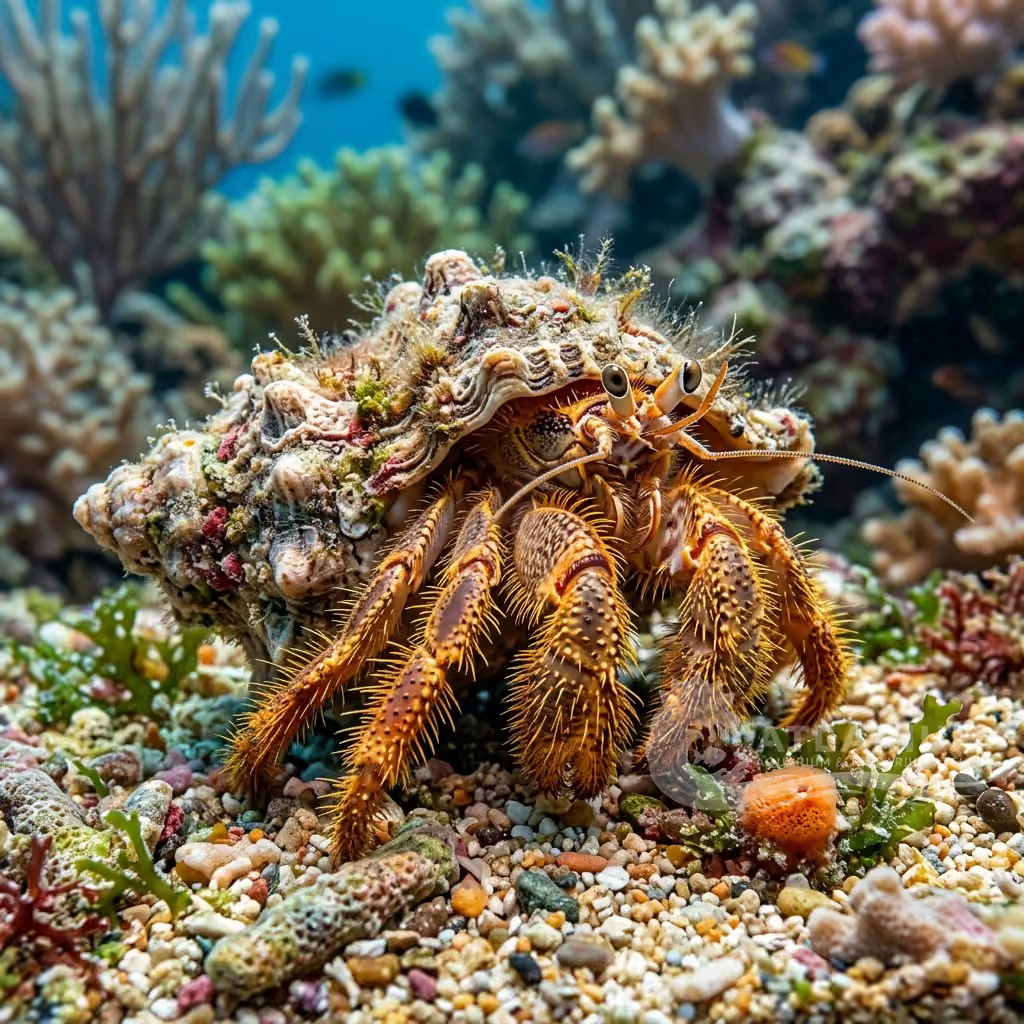
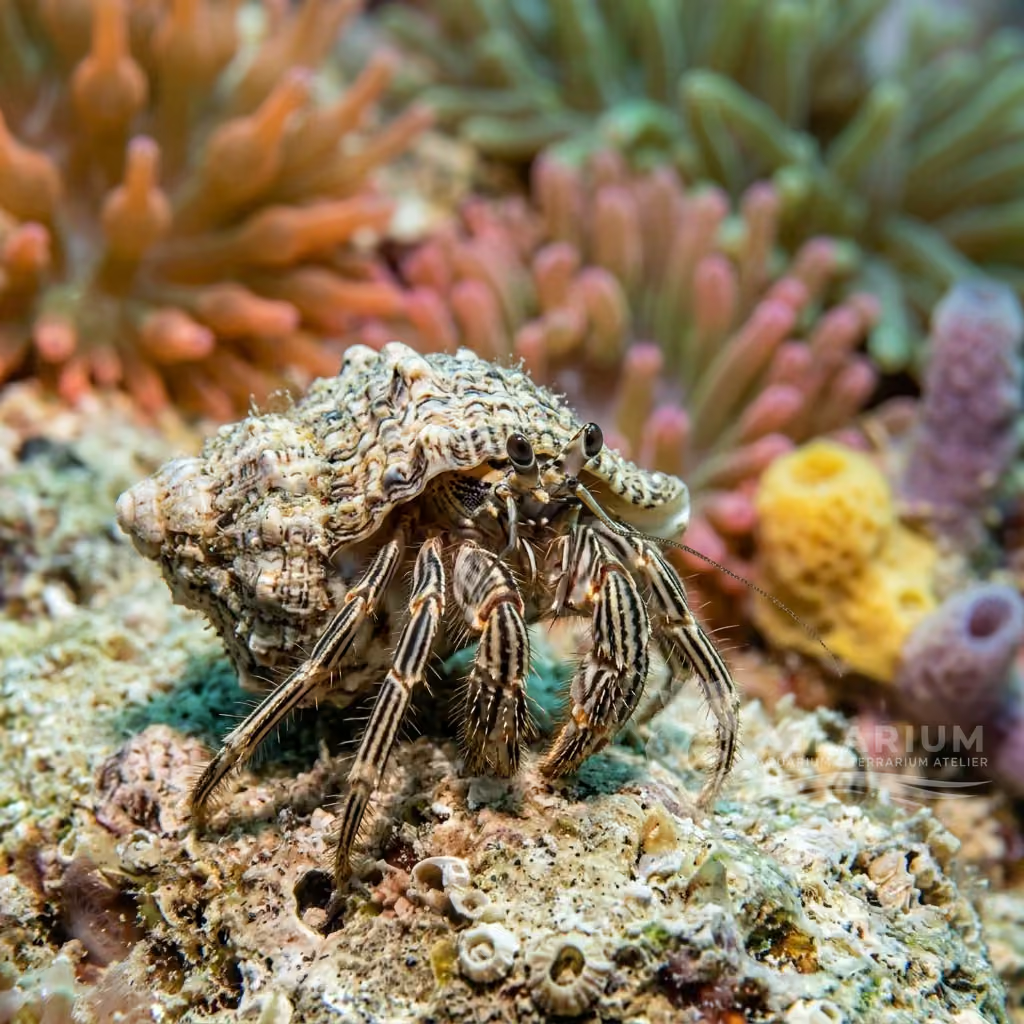
Eurysternus Hermit Crab
Clibanarius eurysternus
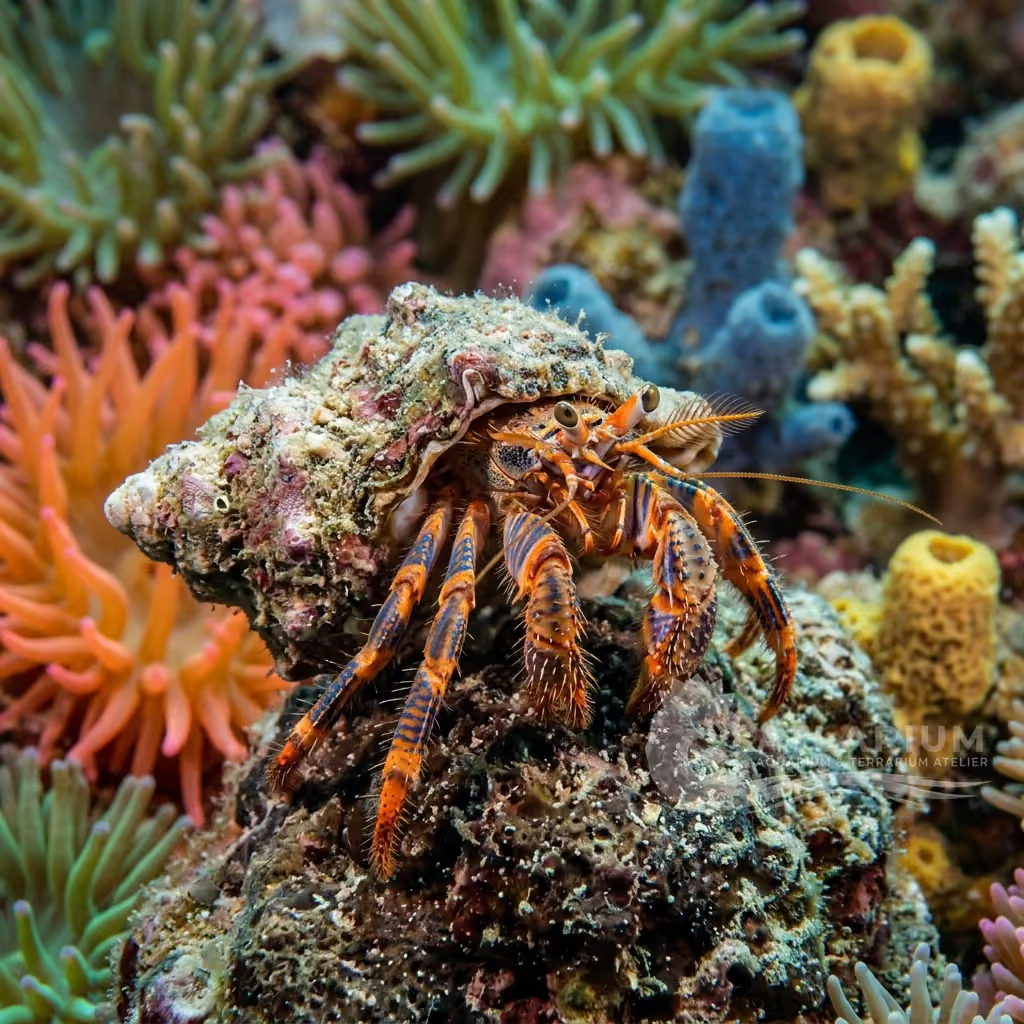
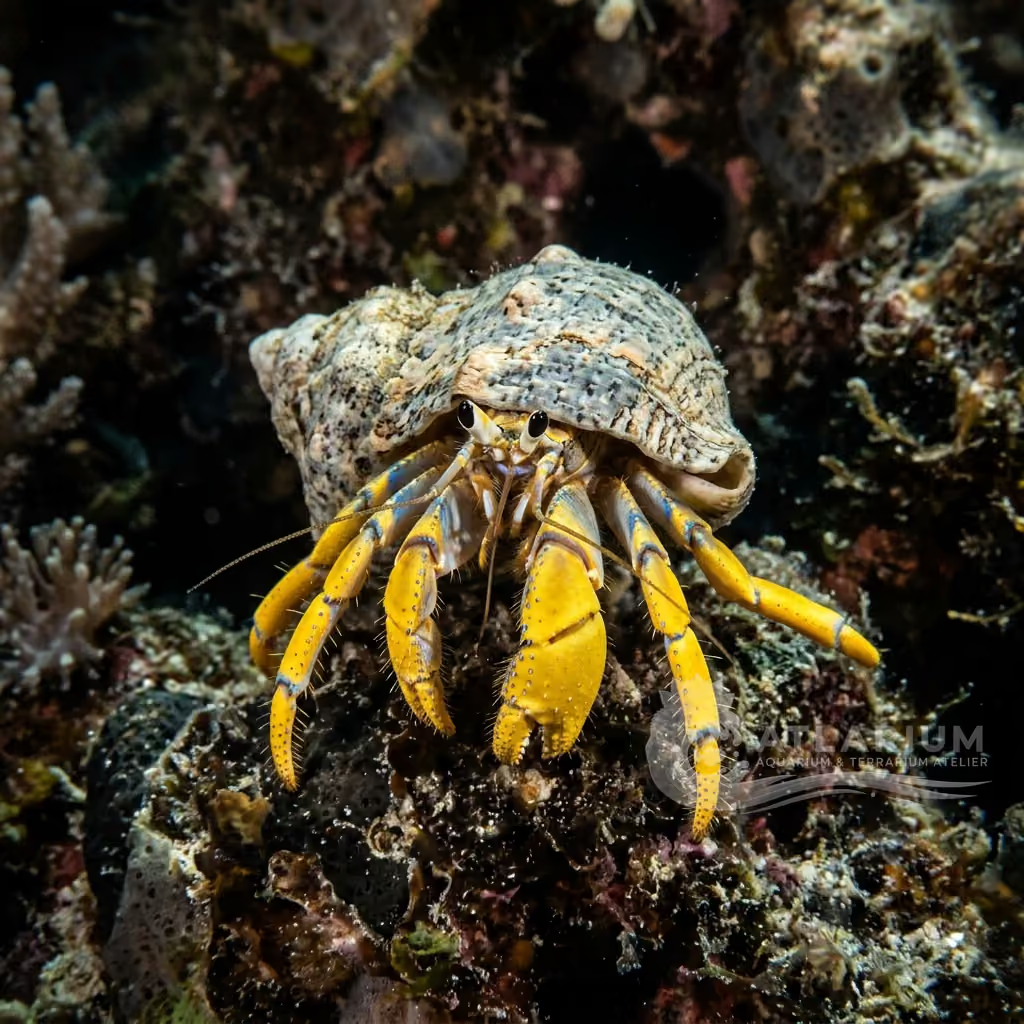
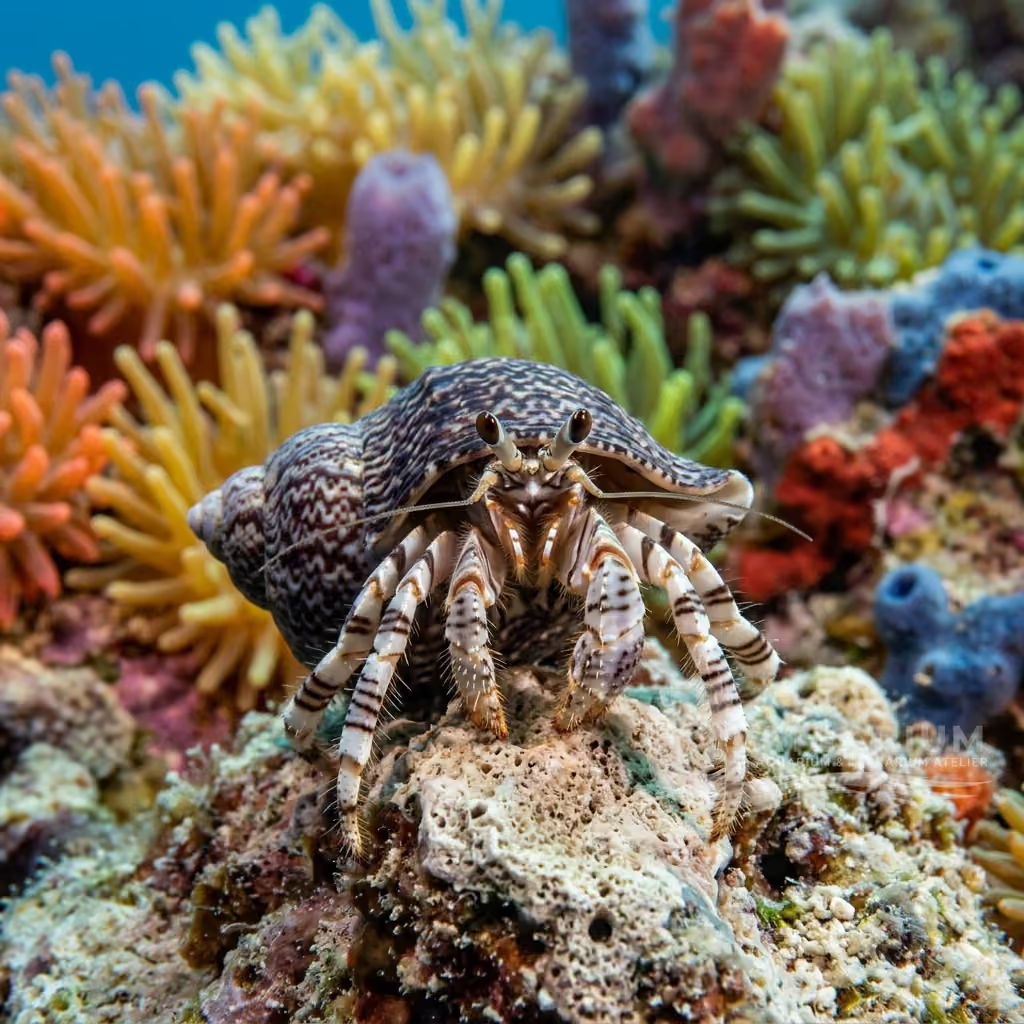
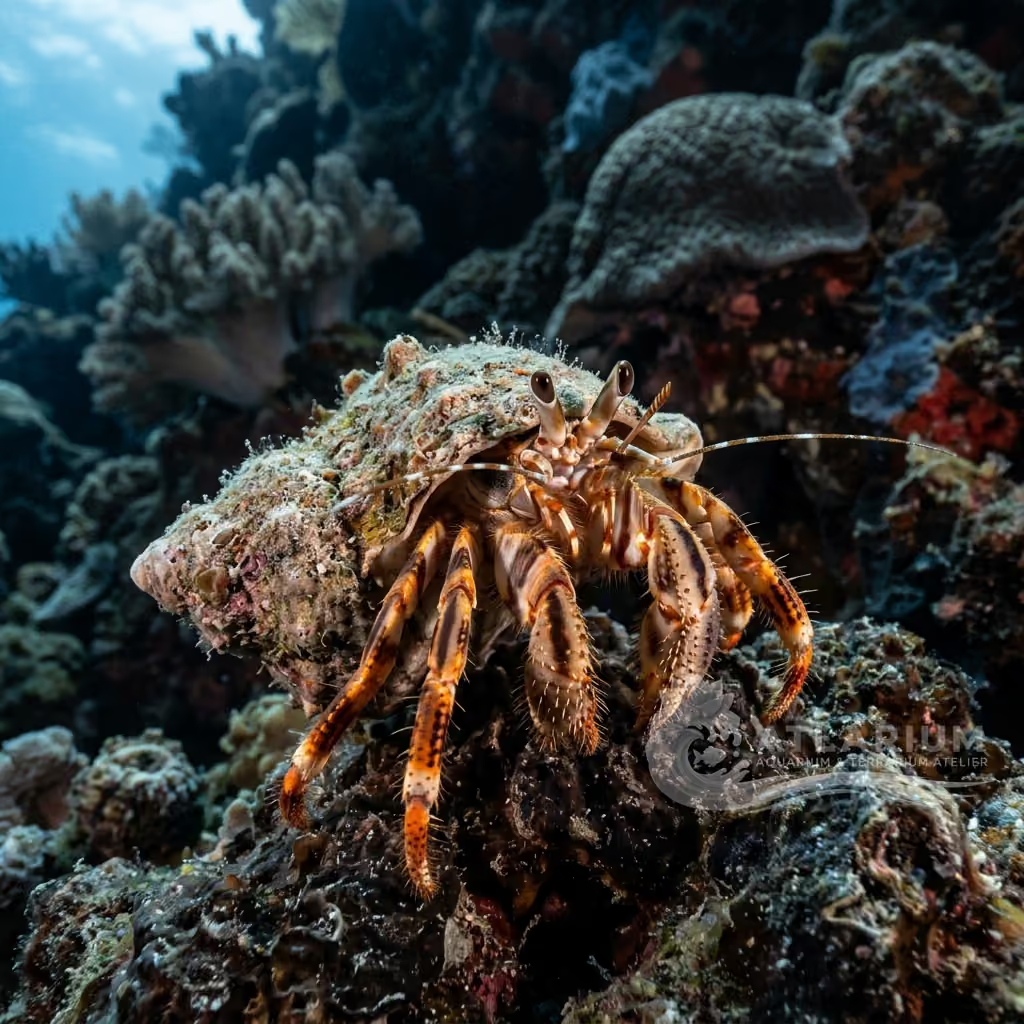
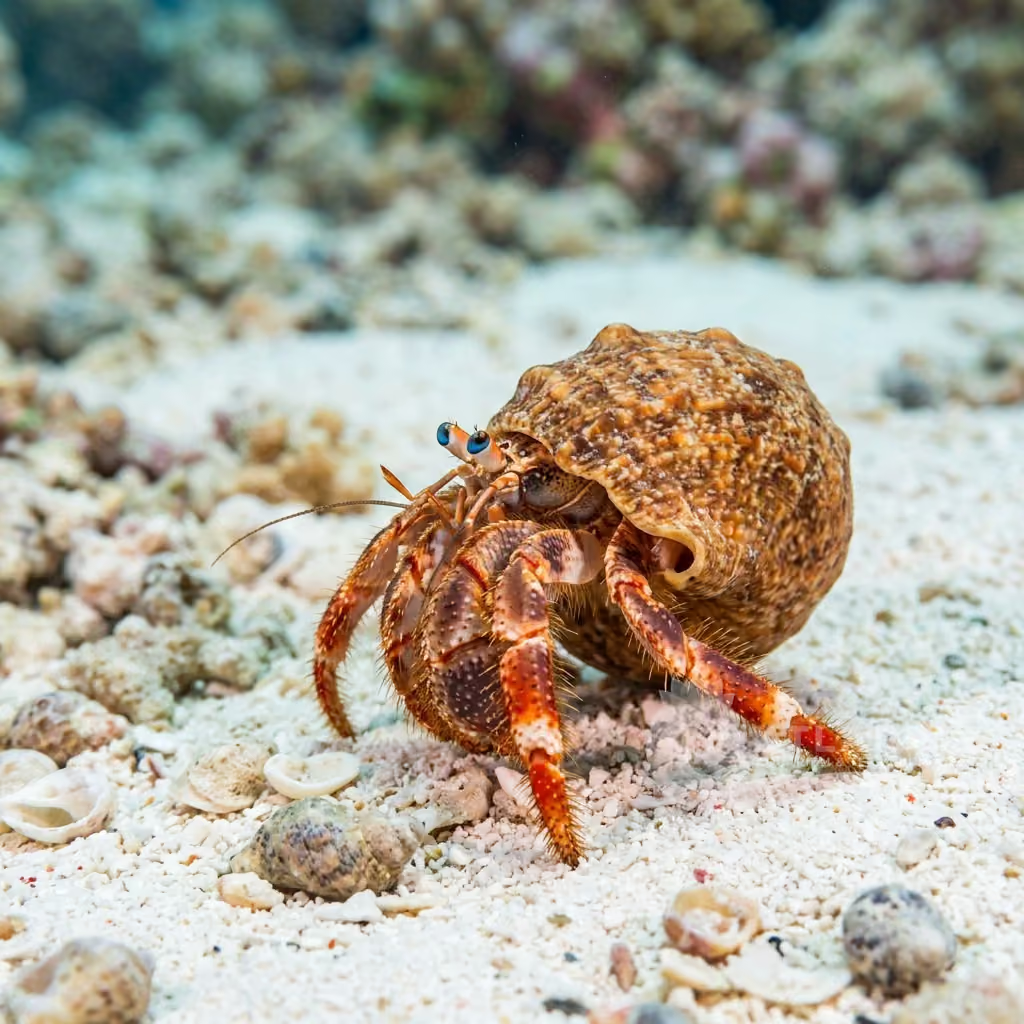
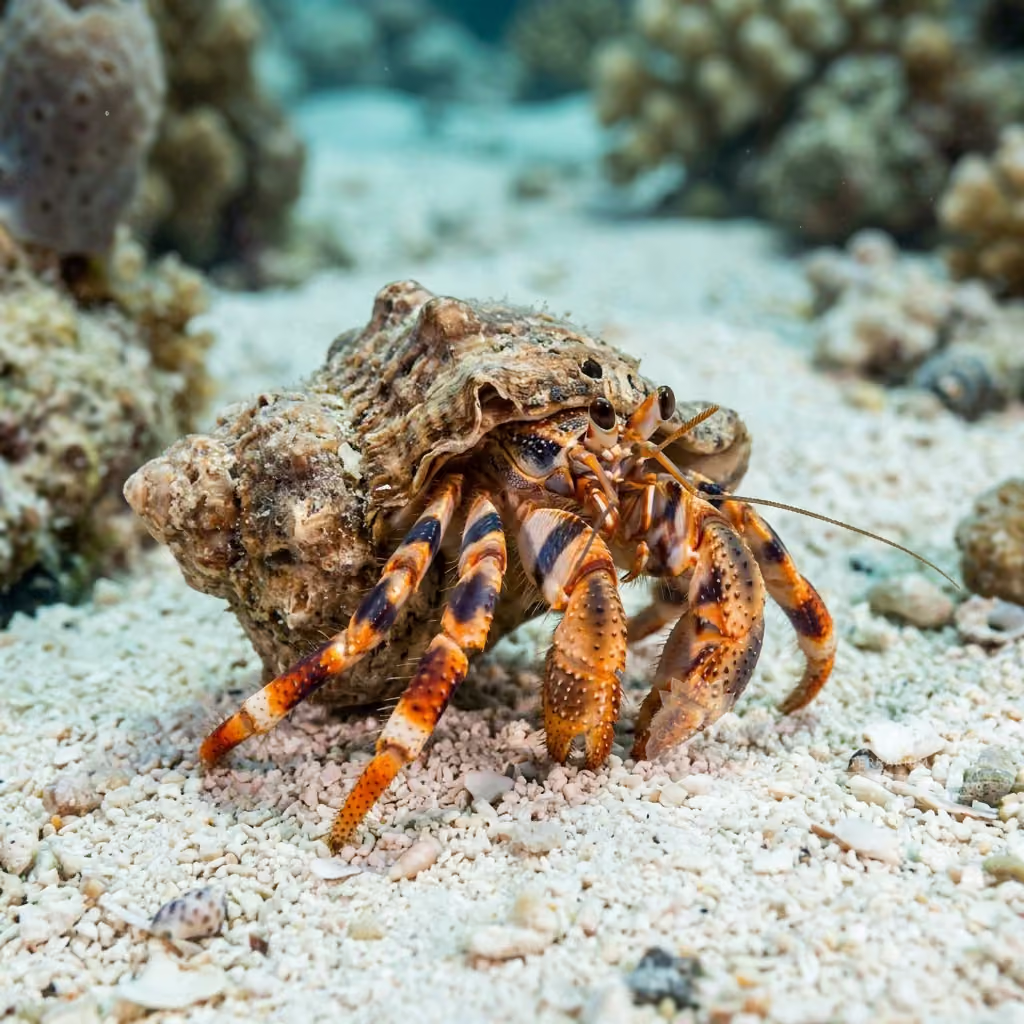
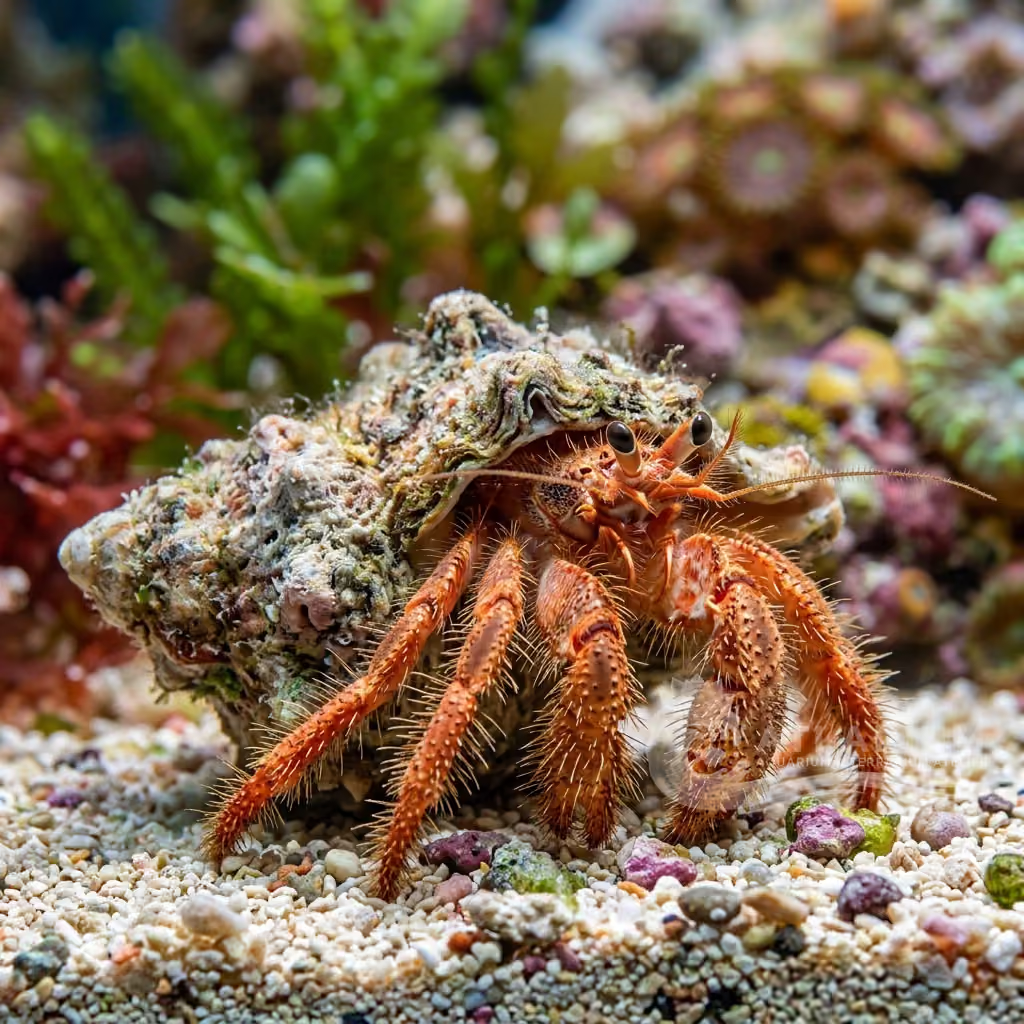
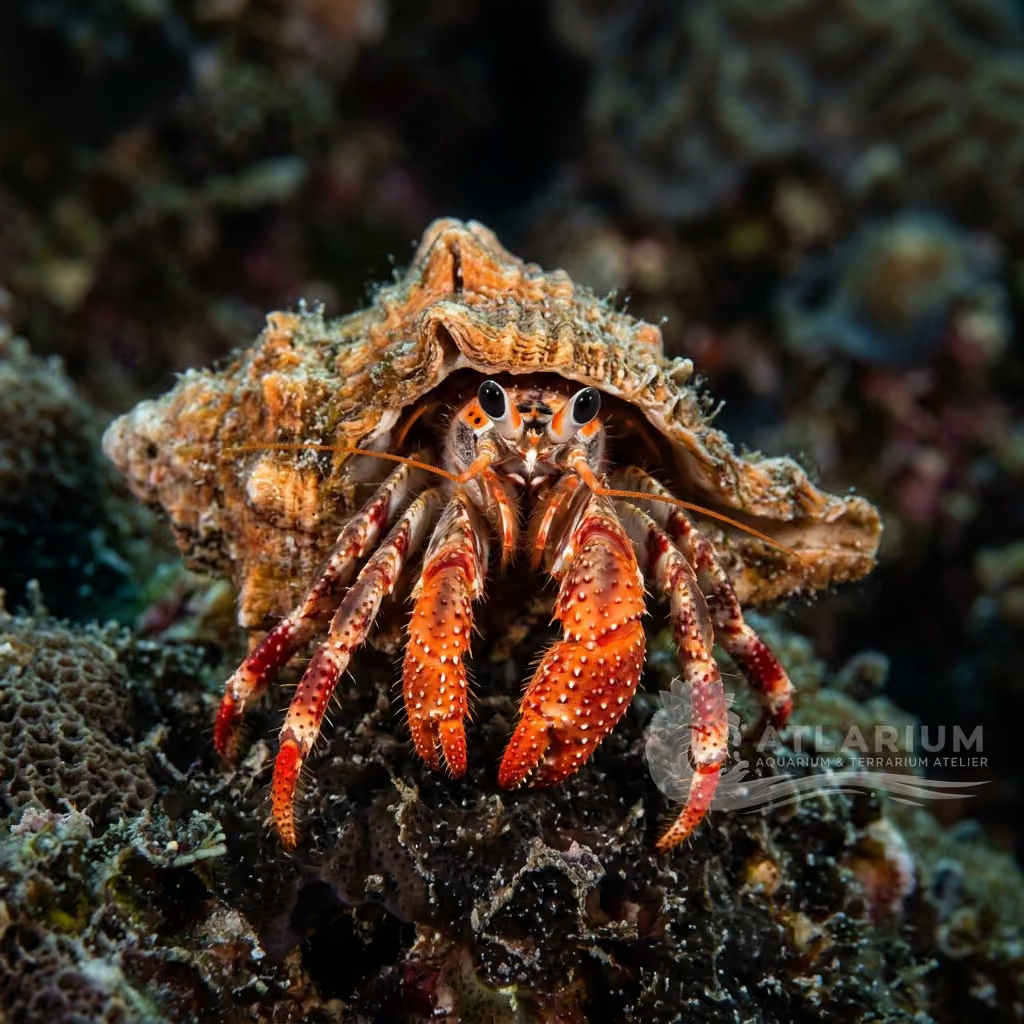
A marine hermit crab recognized by its distinct yellow and brown longitudinal stripes on its legs. Excellent reef cleaner for algae and organic detritus.
Temperatura da água
22 - 28 °C
Valor de pH
8.1 - 8.4
Tipo de água
Marinho
Tipo invertebrado
Hermit crab
Tamanho adulto
4 cm
Grupo mínimo
>= 1
KH
8 - 12 dKH
Papel ecológico
Scavenger
Sensibilidade ao cobre
High

Descrição da espécie
Geographical Origin and Habitat: Widely distributed in the tropical Indo-Pacific, from the coastal waters of East Africa and Madagascar to the Philippines, Indonesia, northern Australia, and central Pacific islands. It inhabits shallow coral reefs, rocky intertidal flats, sandy tide pools, and shallow lagoon environments.
Taxonomy: Member of the family Diogenidae. It is a decapod crustacean characterized by a soft, asymmetrical abdomen protected by empty gastropod shells that it exchanges as it grows. The claws are of relatively equal size and covered with fine sensory setae. Adults grow to a size of about 4 centimeters.
Social Behavior: A peaceful, busy, and active scavenger that works throughout the day and night. It spends its time climbing live rocks and crawling over the substrate in search of organic matter. Generally tolerant of conspecifics, but fighting can occur over empty shell ownership if resources are limited.
Coloration and Sexual Dimorphism: The walking legs display a striking and highly recognizable color pattern consisting of alternating longitudinal yellow, cream, and dark brown or black stripes. The claws are brownish with lighter tips. There is no easily visible external sexual dimorphism between males and females.

Cuidado, criação e companheiros de tanque
Tank Setup: Suitable for marine aquariums of 40-50 liters (10 gallons) or larger. Provide plenty of live rock to facilitate climbing and natural foraging behaviors. It is mandatory to supply a variety of empty gastropod shells of various sizes on the substrate to allow for growth and molting.
Diet and Feeding: Opportunistic detritivore and herbivore. It is excellent for controlling nuisance green hair algae, film algae, and organic debris. Accepts sinking bottom-feeder pellets, spirulina tablets, leftover frozen foods (mysis and brine shrimp), and pieces of dried seaweed (nori).
Water Quality: Demands standard marine aquarium parameters: specific gravity (SG) of 1.020-1.025, pH between 8.1 and 8.4, and a stable water temperature of 22-28°C. It is highly sensitive to elevated levels of dissolved organic wastes (nitrates) and has zero tolerance for copper treatments.
Compatibility and Tankmates: 100% reef-safe and safe for all coral types. An ideal member of the clean-up crew (CUC). It coexists peacefully with fish and other invertebrates, though it may prey on small live snails (such as Turbo or Astrea) to steal their shells if empty replacement shells are not provided.
Aquarium Breeding: Aquarium reproduction is extremely difficult and rarely successful in home setups. Spawning releases microscopic marine planktonic larvae (zoea) that require specialized planktonic food. Standard mechanical filtration and protein skimmers usually remove the larvae from the water.
Risks and Diseases: The primary risk is the lack of suitable replacement shells, which causes stress, vulnerability, or aggression towards live snails. Highly sensitive to rapid osmotic changes; a slow drip acclimation is essential to prevent shock, limb loss, or mortality.

Origem e distribuição geográfica
Widely distributed in the tropical Indo-Pacific, from the coastal waters of East Africa and Madagascar to the Philippines, Indonesia, northern Australia, and central Pacific islands. It inhabits shallow coral reefs, rocky intertidal flats, sandy tide pools, and shallow lagoon environments.
Origem
Oceanos tropicais e recifesÁfrica e MadagascarSul e Sudeste AsiáticoAustrália, Nova Guiné e Oceania

Perfil de invertebrados
- Dieta
- Omnivore
- As a herbivore/scavenger, Clibanarius eurysternus plays an active role in consuming various organic matters in its environment. Its diet in captivity should be varied, including specialized pellets, frozen foods, and natural algae or detritus depending on its specific preferences. Regular and balanced feeding is crucial for its health and longevity.
- Papel ecológico
- Scavenger
- The primary ecological role of Clibanarius eurysternus is acting as a cleaner within the aquarium ecosystem. By constantly foraging, it helps manage waste, uneaten food, or pests, contributing significantly to water quality. Its presence introduces a natural balance and mimics complex biological interactions found in the wild.
- Tamanho adulto
- 4 cm
- Risco de salto
- Yes
- The jump or escape risk for Clibanarius eurysternus is considered low. Like many active invertebrates, it may attempt to climb out of the water if it feels stressed, threatened, or if water conditions deteriorate. A tight-fitting lid or mesh screen is highly recommended to prevent accidental escapes.
- Sensibilidade ao choque
- Medium
- Clibanarius eurysternus is quite sensitive to sudden shifts in water parameters, particularly salinity, temperature, and pH. It is highly recommended to use a slow drip acclimation method over several hours when introducing it to a new tank. Maintaining stable conditions is vital to prevent stress-induced ailments or mortality.
- Cálcio e minerais
- Medium
- To support healthy molting and exoskeleton growth, Clibanarius eurysternus requires adequate calcium and trace elements like iodine in the water. Regular water changes with a high-quality salt mix usually provide sufficient levels, but specific supplementation may be necessary in heavily stocked reef tanks. Monitoring calcium and alkalinity ensures proper skeletal development.
- Muda
- Shell growth
- During the molting process, Clibanarius eurysternus becomes extremely vulnerable to predators and aggressive tankmates. It will typically retreat to a secure hiding spot until its new exoskeleton hardens. It is important to leave the discarded molt in the tank, as the invertebrate will often consume it to reclaim valuable minerals.
- Reprodução
- Bubble nest builder
- Breeding Clibanarius eurysternus in a home aquarium is incredibly challenging due to its complex reproductive cycle. It typically involves a planktonic larval stage that requires highly specialized foods and precise water conditions to survive. In most standard setups, any spawned larvae will quickly become food for fish and corals.
- Compatibilidade e companheiros de tanque
- Peaceful
- When considering tankmates, Clibanarius eurysternus is generally compatible with peaceful fish and other similarly sized invertebrates. Since its reef compatibility is rated as 'yes', careful observation is required if kept with delicate corals or smaller ornamental shrimp. Aggressive or large predatory fish should always be avoided to ensure its safety.

Espécies relacionadas
Recomendações agrupadas por parentes próximos, escolhas de acompanhantes e cuidados semelhantes.