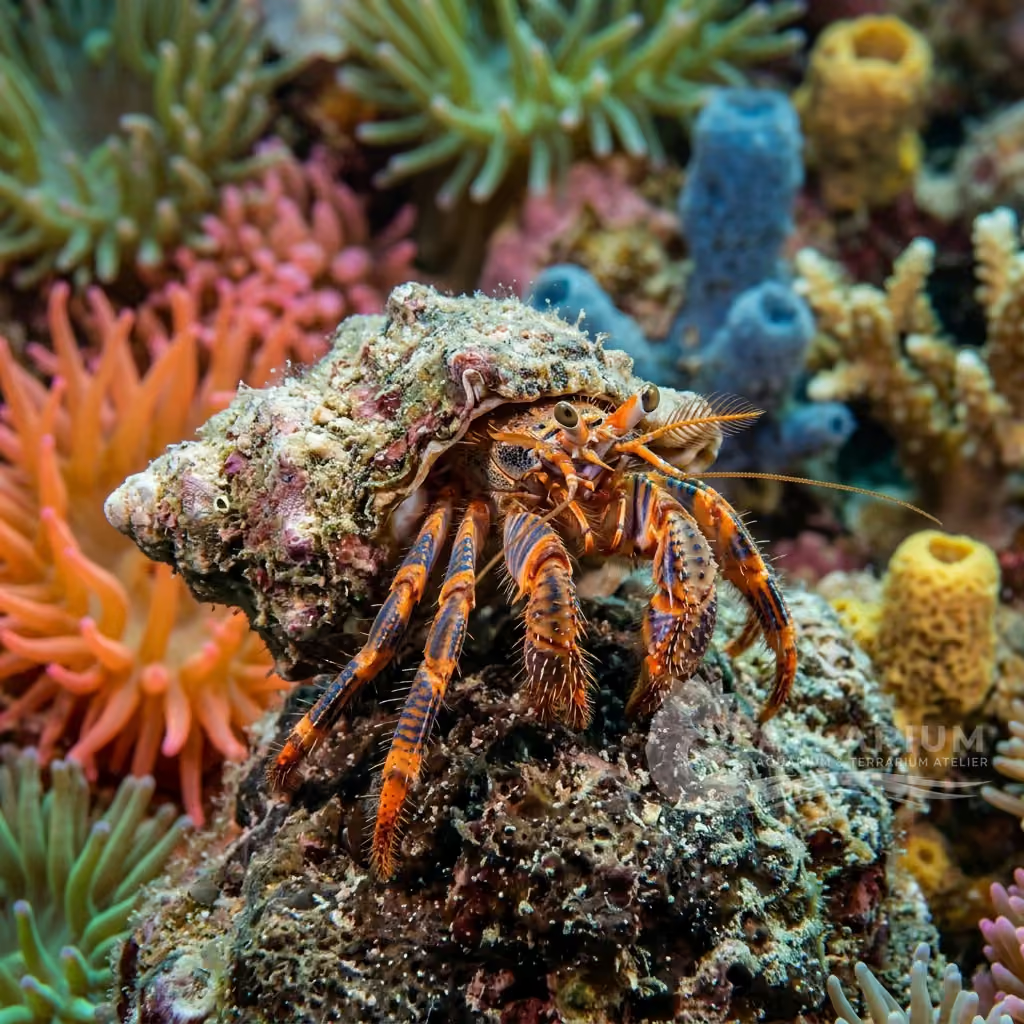
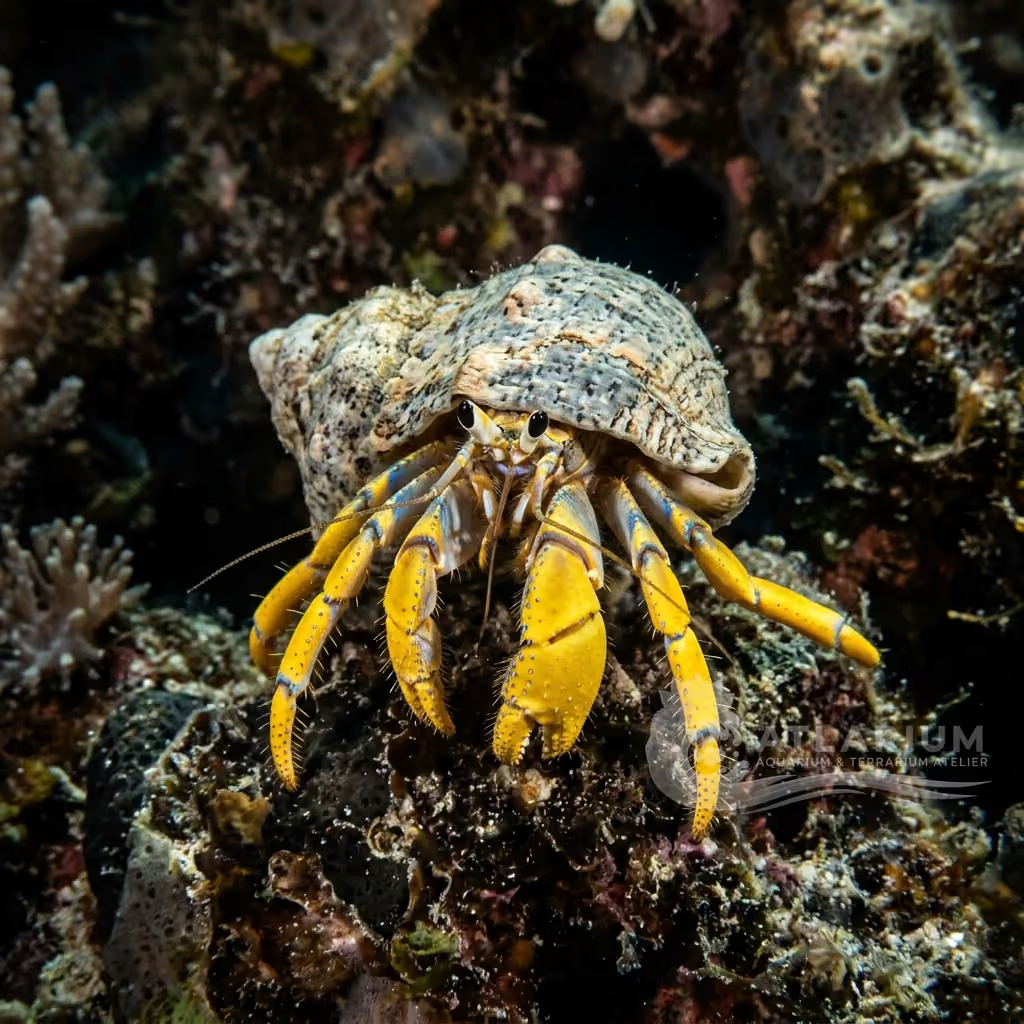
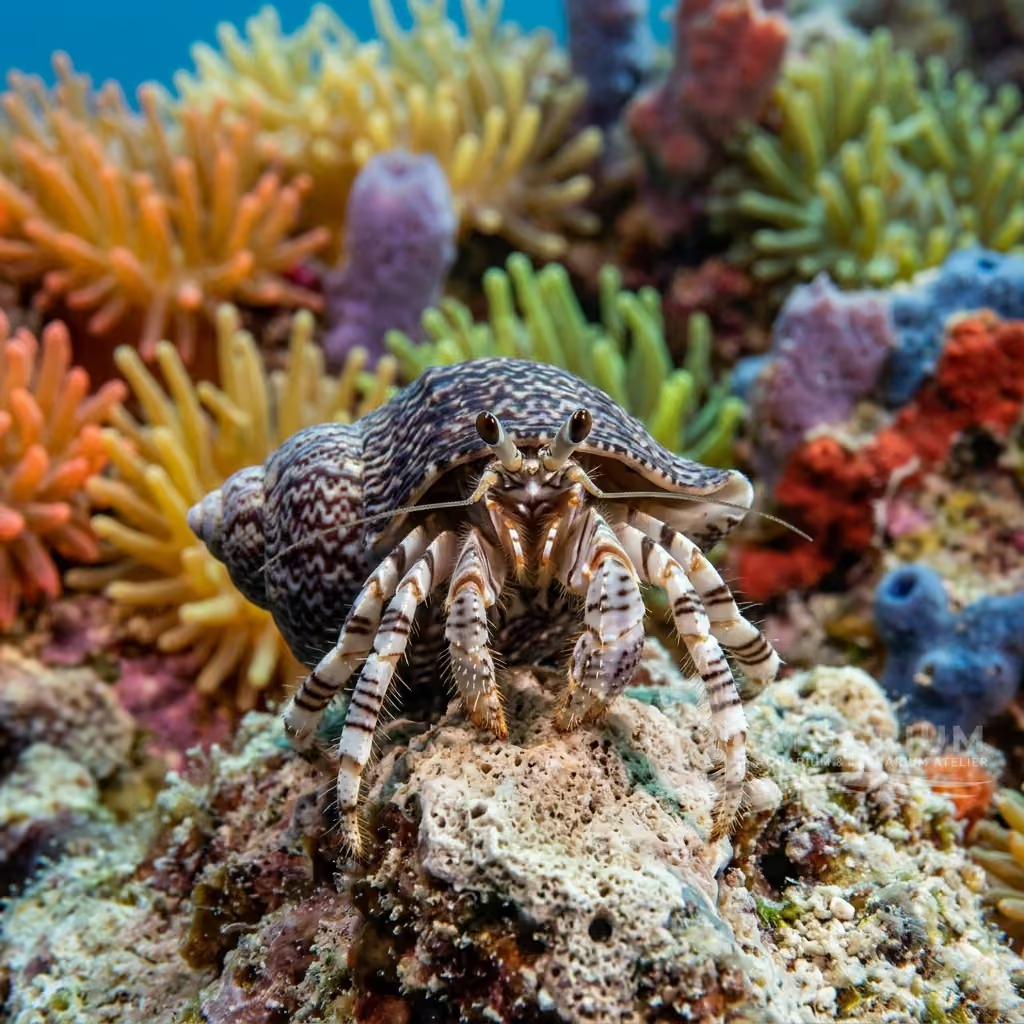
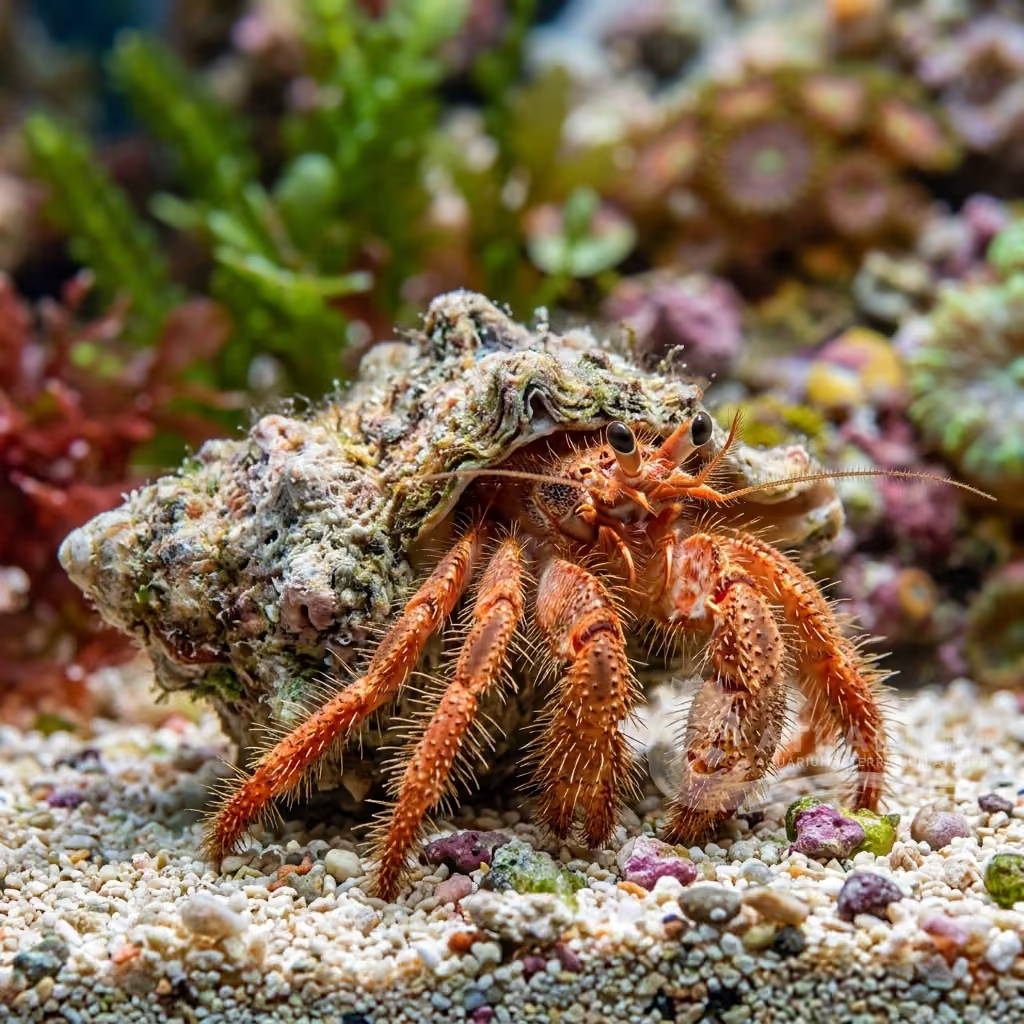
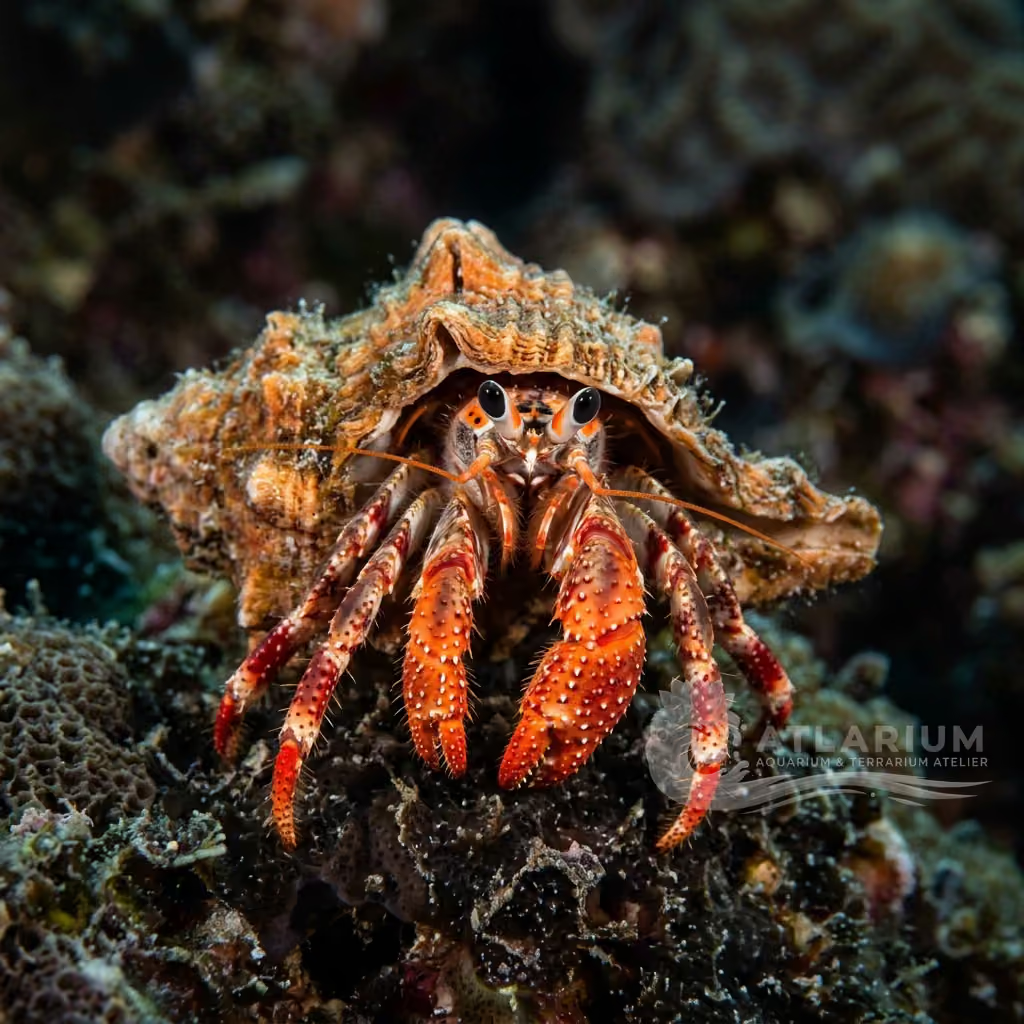
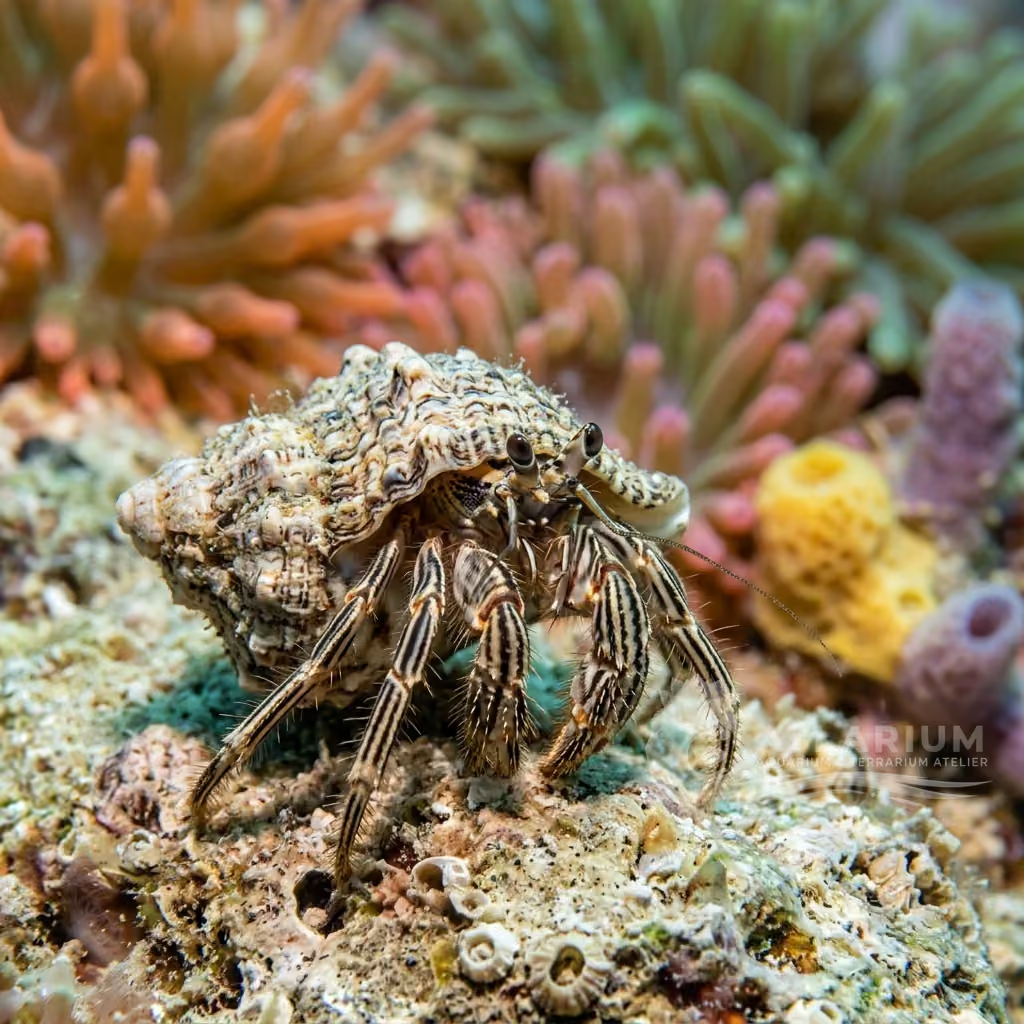
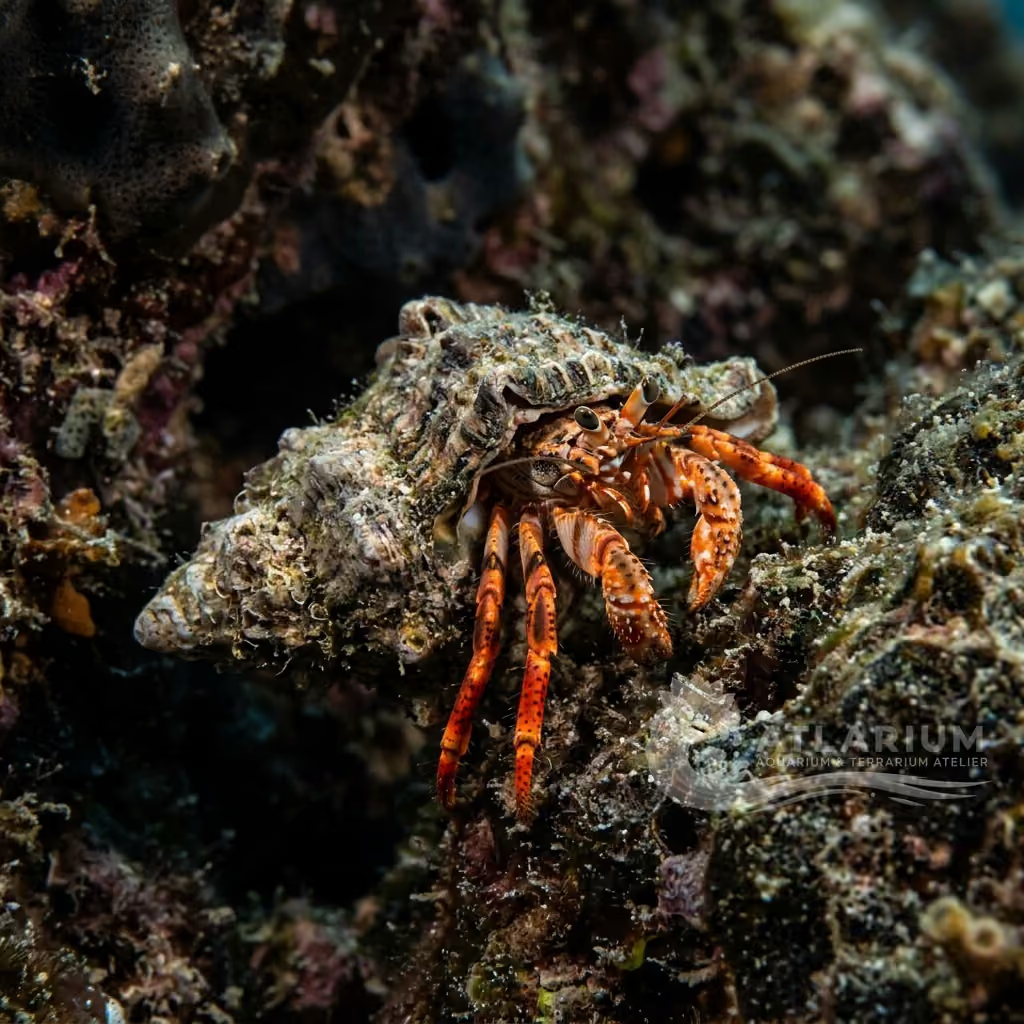
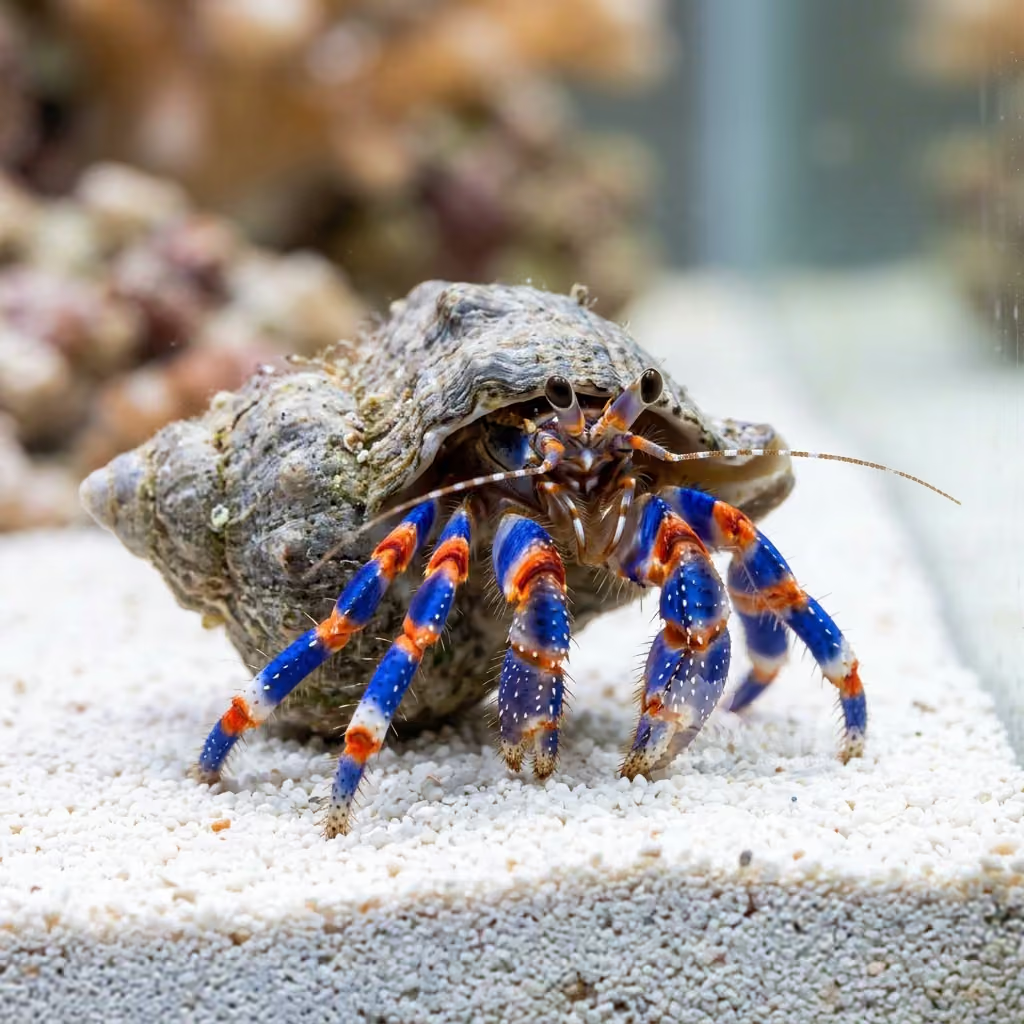
Lined Hermit Crab
Clibanarius lineatus
A small, active detritivorous and herbivorous marine hermit crab. It serves as an excellent natural control method for nuisance algae in reef aquariums.
Temperatura da água
22 - 28 °C
Valor de pH
8.1 - 8.4
Tipo de água
Marinho
Tipo invertebrado
Hermit crab
Tamanho adulto
3,5 cm
Grupo mínimo
>= 1
KH
8 - 12 dKH
Papel ecológico
Scavenger
Sensibilidade ao cobre
High

Descrição da espécie
Geographical Origin and Habitat: Clibanarius lineatus is a small decapod crustacean primarily distributed throughout the tropical waters of the Indo-West Pacific. It inhabits shallow coastal intertidal zones, including tide pools, seagrass beds, sandy shores, and mangrove forests. It is highly adapted to environments subjected to tidal shifts, making it extremely resilient to fluctuations in water temperature and salinity in its natural habitats.
Taxonomy: This hermit crab belongs to the order Decapoda, family Diogenidae, and genus Clibanarius. Members of this family are known as left-handed hermit crabs because their left claw is usually larger or similar in size to the right claw. The species utilizes empty gastropod shells to protect its soft, vulnerable abdomen from predators and environmental stressors.
Social Behavior: It is a gregarious, peaceful, and active organism that spends its day searching for detritus, organic waste, and algae on the aquarium floor. It is not aggressive towards fish or other invertebrates, but minor territorial disputes may occur with other hermit crabs if the availability of empty shells is limited. It plays an important role in the tank's cleanup crew.
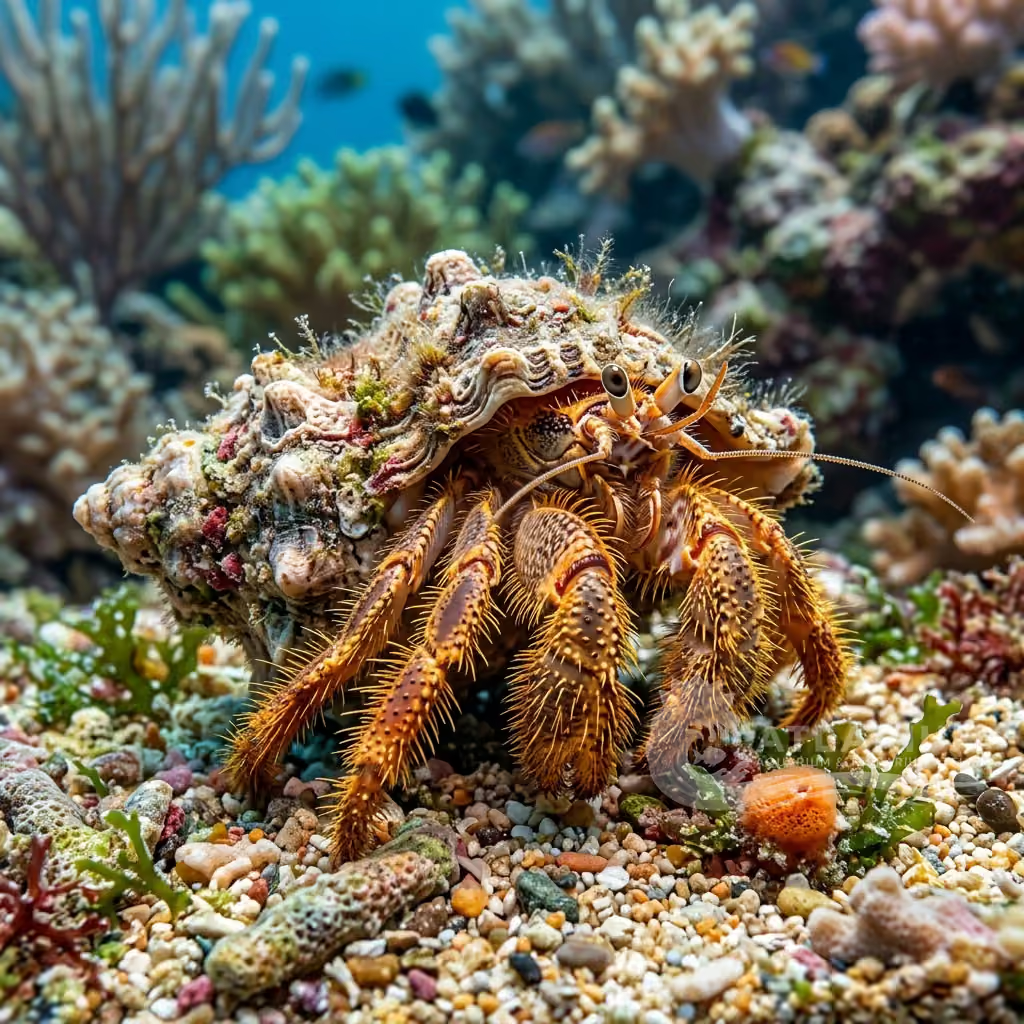
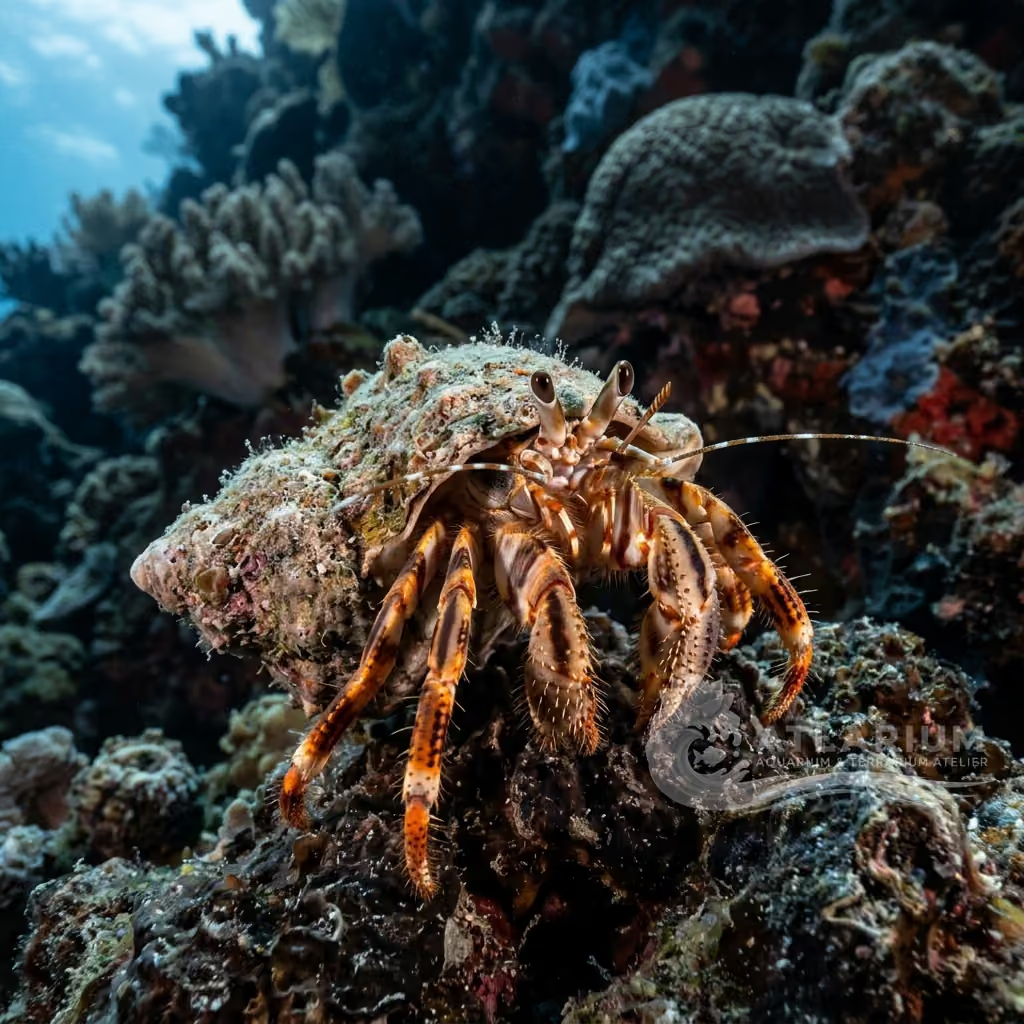
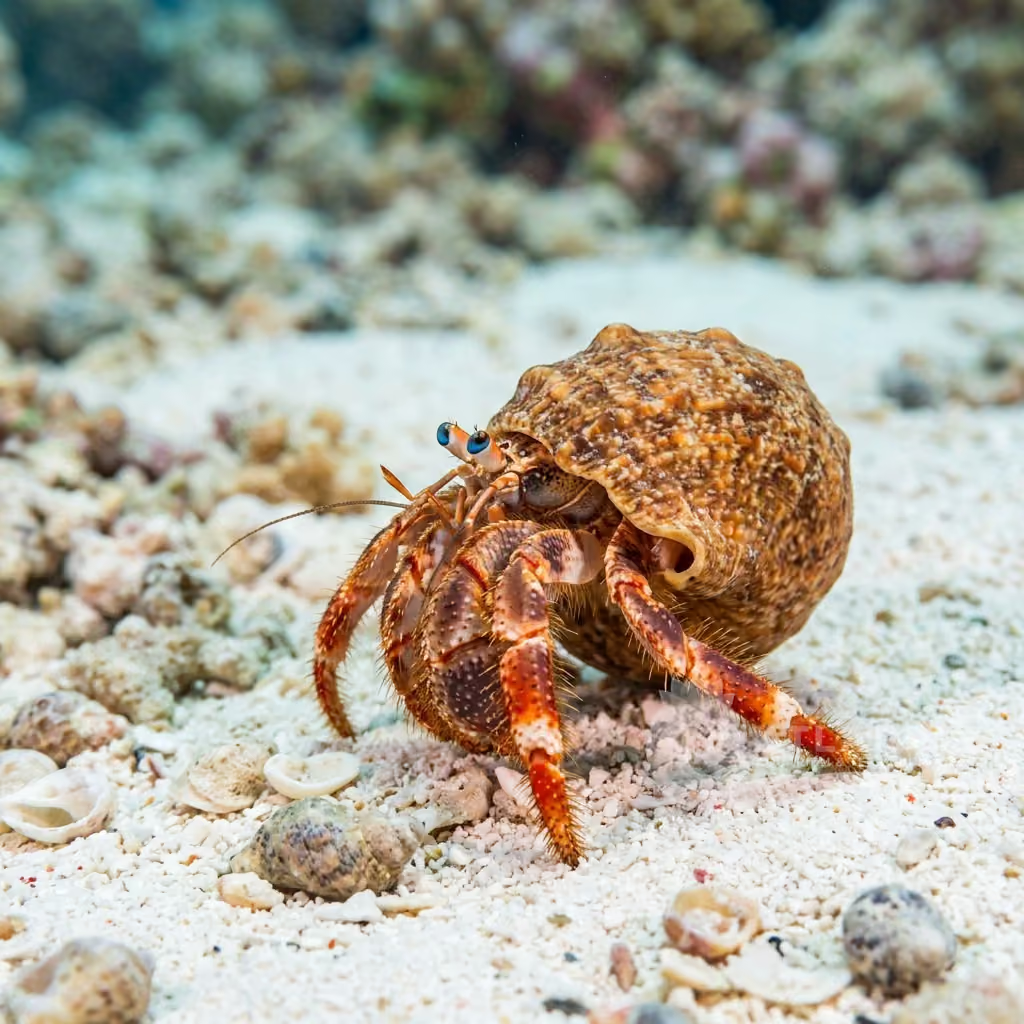
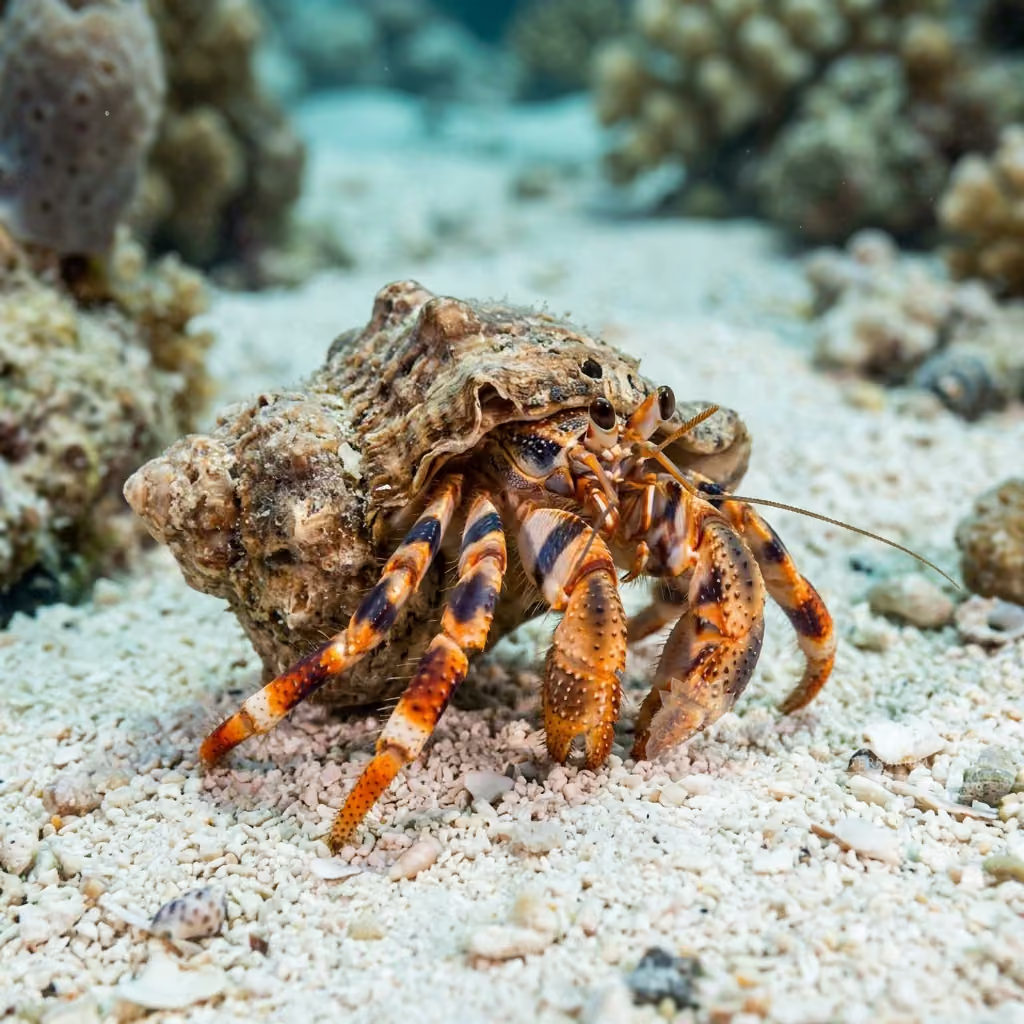
Coloration and Sexual Dimorphism: The body features a brown or olive-green base coloration, distinguished by thin, pale, or yellowish longitudinal stripes on the walking legs, from which the species name 'lineatus' is derived. The claws are covered with small tubercles and sensory setae. Sexual dimorphism is not externally visible; males and females are identified mainly by the position of their genital openings (gonopores) on the ventral surface.

Cuidado, criação e companheiros de tanque
Tank Setup: Due to its small size (about 3-4 cm), it can be housed in aquariums as small as 30-50 liters. The tank must feature well-secured live rock to create caves and crevices, along with a sandy substrate for foraging. A crucial aspect of their husbandry is the constant provision of empty gastropod shells of various sizes. Without upgrade shells, the hermit crab will attack live snails in the tank to steal their shells.
Diet and Feeding: An opportunistic omnivore, feeding mainly on detritus and algae. It actively consumes green hair algae, diatoms, cyanobacteria, and leftover fish food. In clean or heavily stocked tanks, supplement their diet with algae wafers, sinking pellets, or small pieces of frozen shrimp to prevent them from targeting smaller ornamental invertebrates.
Water Quality: Requires stable marine parameters: temperature between 24°C and 27°C, pH 8.1-8.4, and salinity between 1.022 and 1.026. Keep phosphate and nitrate levels low. Like all crustaceans, it requires adequate iodine levels to assist with molting and exoskeleton hardening. Copper-based medications are highly toxic and lethal.
Compatibility and Tankmates: Excellent for reef tanks (reef-safe). It coexists peacefully with community fish and corals. Avoid housing it with crustacean predators like triggerfish, puffers, large wrasses, or groupers. It can live alongside other hermit crab species if there is enough space and a surplus of empty shells.
Aquarium Breeding: Breeding in captivity is extremely difficult. After fertilization, the female carries the eggs under her abdomen until they hatch. The larvae are released as pelagic zoea and require specific micro-zooplankton to survive. In typical home aquariums, they are quickly eaten by fish or removed by filtration systems.
Risks and Diseases: The primary risk is a failed molt due to iodine deficiency or sudden salinity drops. During the molting period, the crab is highly vulnerable and will hide in rockwork for a few days until its new exoskeleton hardens. A lack of available shells is another major stress factor that can lead to mortality.

Origem e distribuição geográfica
Clibanarius lineatus is a small decapod crustacean primarily distributed throughout the tropical waters of the Indo-West Pacific. It inhabits shallow coastal intertidal zones, including tide pools, seagrass beds, sandy shores, and mangrove forests. It is highly adapted to environments subjected to tidal shifts, making it extremely resilient to fluctuations in water temperature and salinity in its natural habitats.
Origem
Oceanos tropicais e recifes

Perfil de invertebrados
- Dieta
- Omnivore
- Relentless algae consumer. Eats hair algae, film algae, and detritus.
- Papel ecológico
- Scavenger
- Essential microalgae grazer in the reef clean-up crew.
- Tamanho adulto
- 3.5 cm
- Risco de salto
- Yes
- No jump risk, but can climb equipment cables.
- Sensibilidade ao choque
- Medium
- Acclimate via drip method over 1 hour to prevent pH and osmotic shock.
- Cálcio e minerais
- Medium
- Needs stable reef parameters, including proper calcium, to maintain its exoskeleton.
- Muda
- Shell growth
- Will molt as it grows. Provide plenty of slightly larger empty shells.
- Reprodução
- Oviparous
- Captive breeding is practically impossible due to a complex pelagic larval stage. The delicate larvae require specialized rearing vessels, stable water quality, and specific planktonic foods before eventually metamorphosing and finding a suitable shell.
- Compatibilidade e companheiros de tanque
- Peaceful
- Reef safe and peaceful. Might fight with other hermits over desirable shells if there is a shortage.

Espécies relacionadas
Recomendações agrupadas por parentes próximos, escolhas de acompanhantes e cuidados semelhantes.