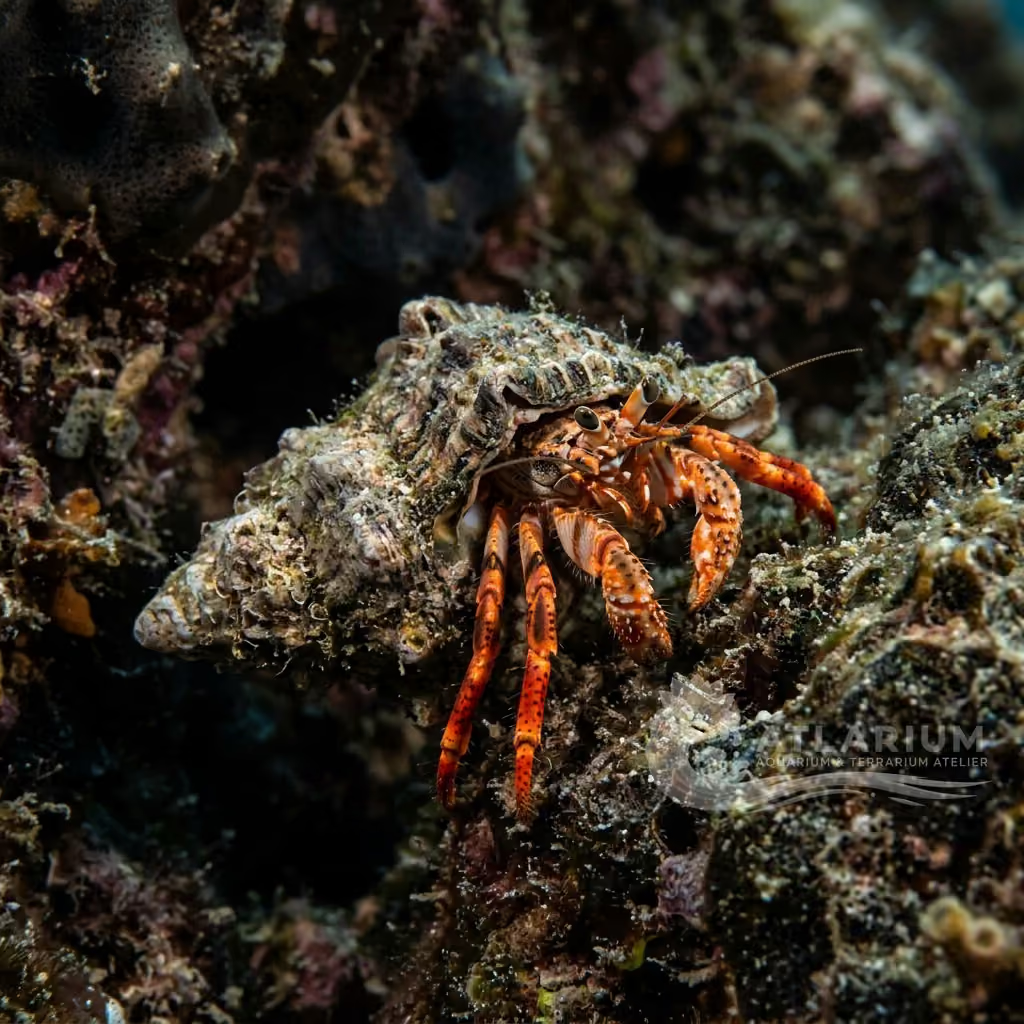
Rosewater's Hermit Crab
Clibanarius rosewateri
A rare and diminutive Caribbean hermit crab discovered in 1987. Its small size makes it a pristine, meticulous algae eater for marine nano reefs.
Temperatura da água
22 - 26 °C
Valor de pH
8.1 - 8.4
Tipo de água
Marinho
Tipo invertebrado
Hermit crab
Tamanho adulto
3 cm
Grupo mínimo
>= 1
KH
8 - 12 dKH
Papel ecológico
Scavenger
Sensibilidade ao cobre
High

Descrição da espécie
Geographical Origin and Habitat: Western Atlantic: coasts of Panama and nearby Caribbean islands. Commonly found in tide pools, rocky shores, and shallow coral reefs at depths from 0 to 10 meters. Endemic to the rocky intertidal zones of Ascension Island in the South Atlantic Ocean, adapted to wave action.
Taxonomy: Family Diogenidae, genus Clibanarius. Hermit crab with a soft abdomen protected by a gastropod shell, which it changes as it grows. Grows to 3.0 cm. Named in honor of the carcinologist Joseph Rosewater, it belongs to the diverse family Diogenidae.
Social Behavior: Peaceful and social scavenger. Spends its time crawling over rocks and sand searching for algae and organic detritus. They are gregarious scavengers that spend their time grazing in groups on rocks and rocky substrate.
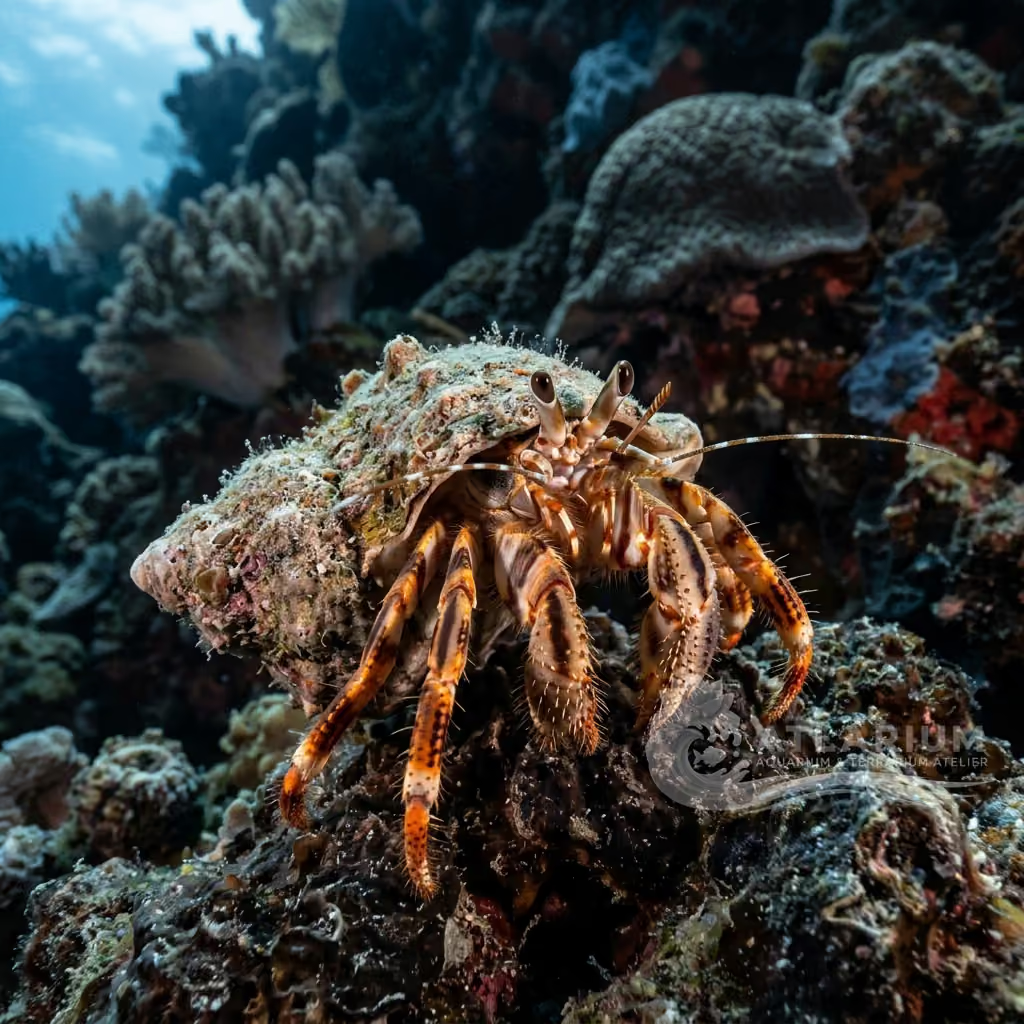
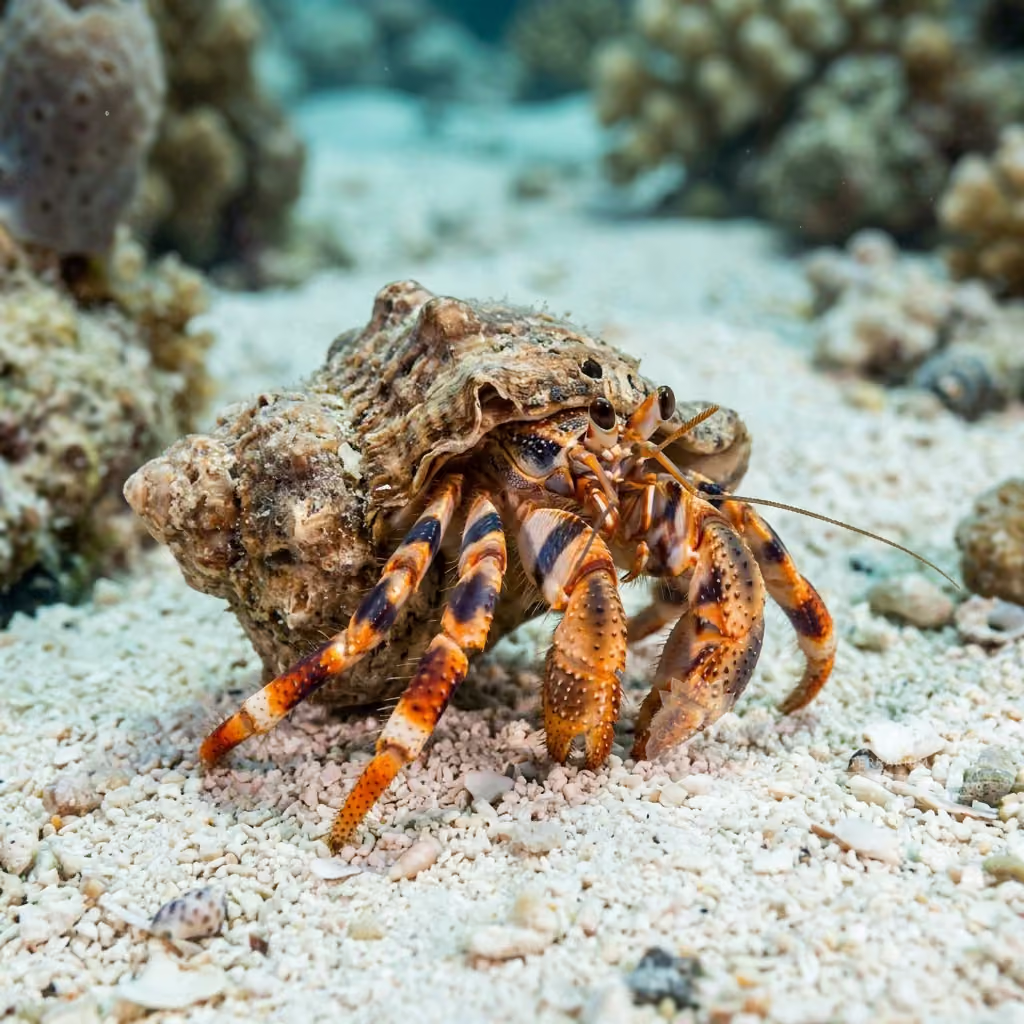
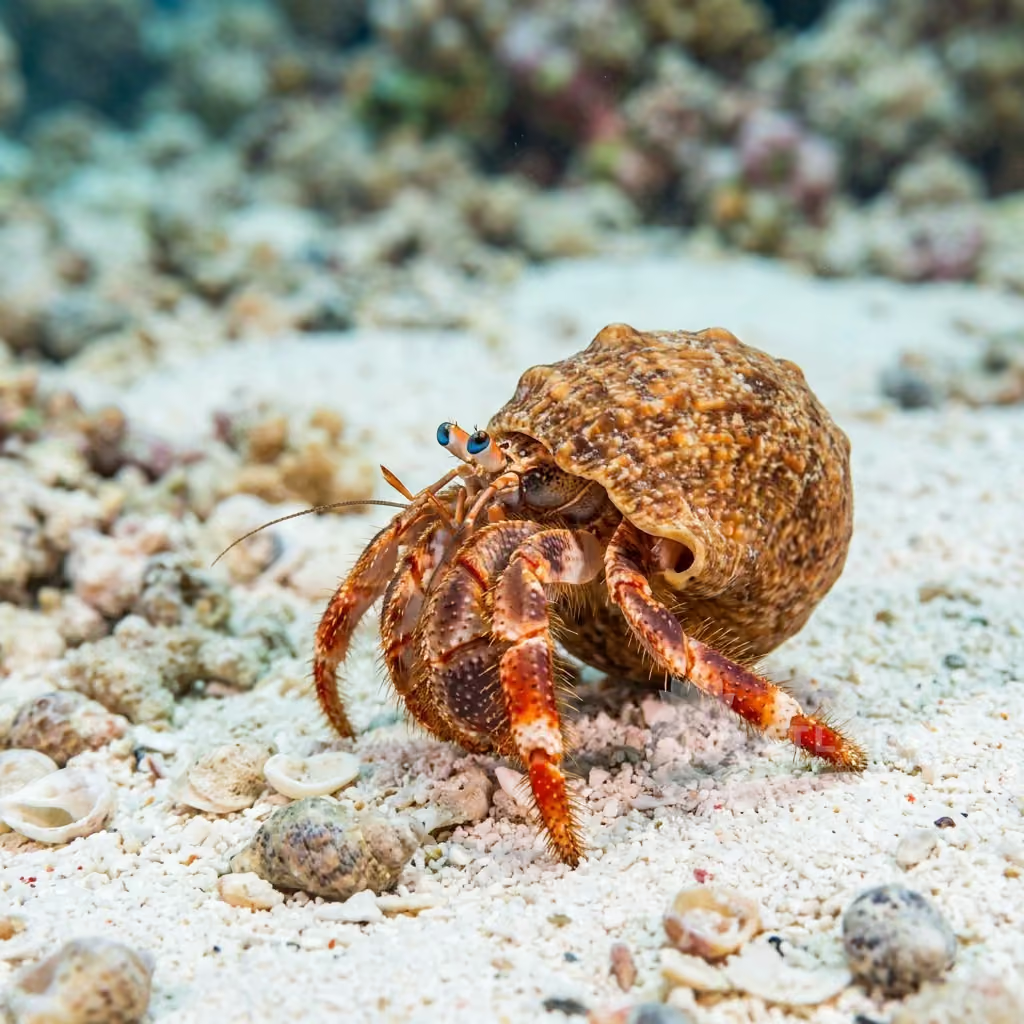
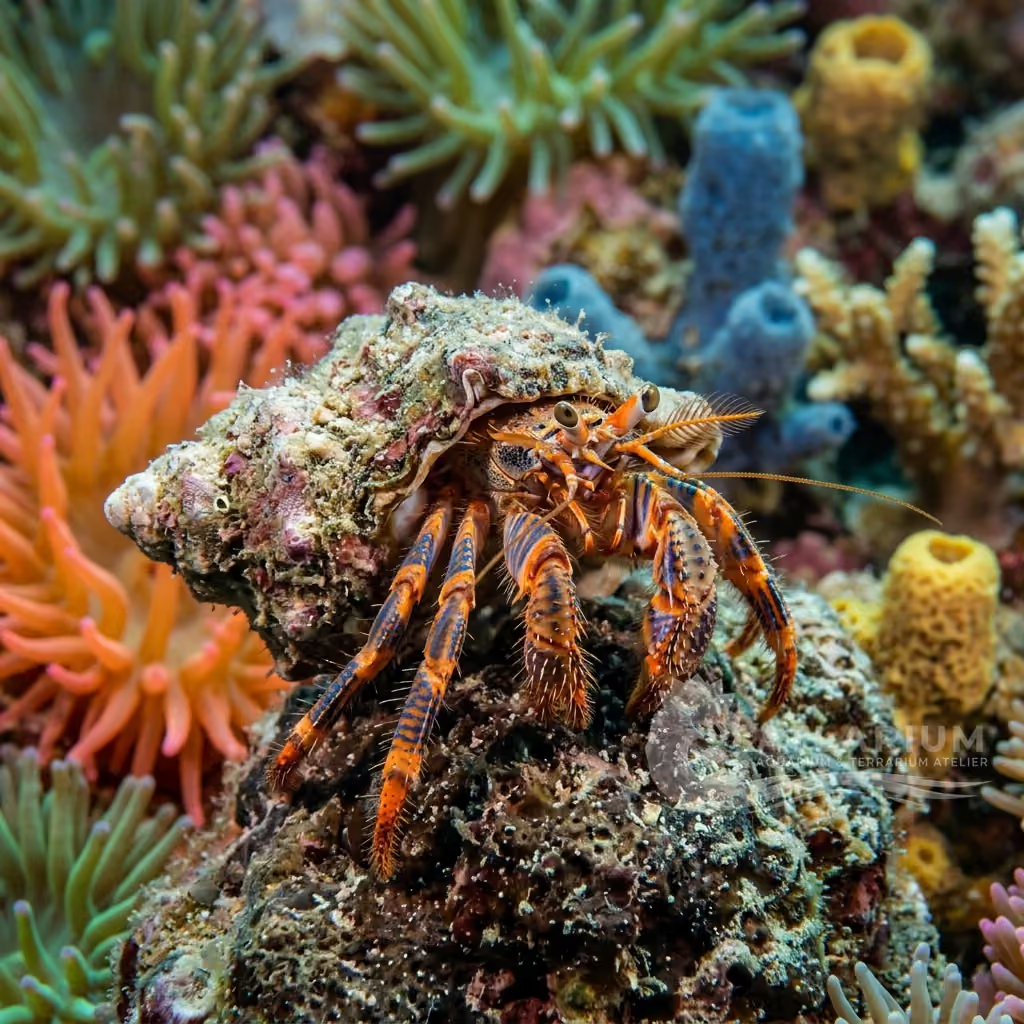
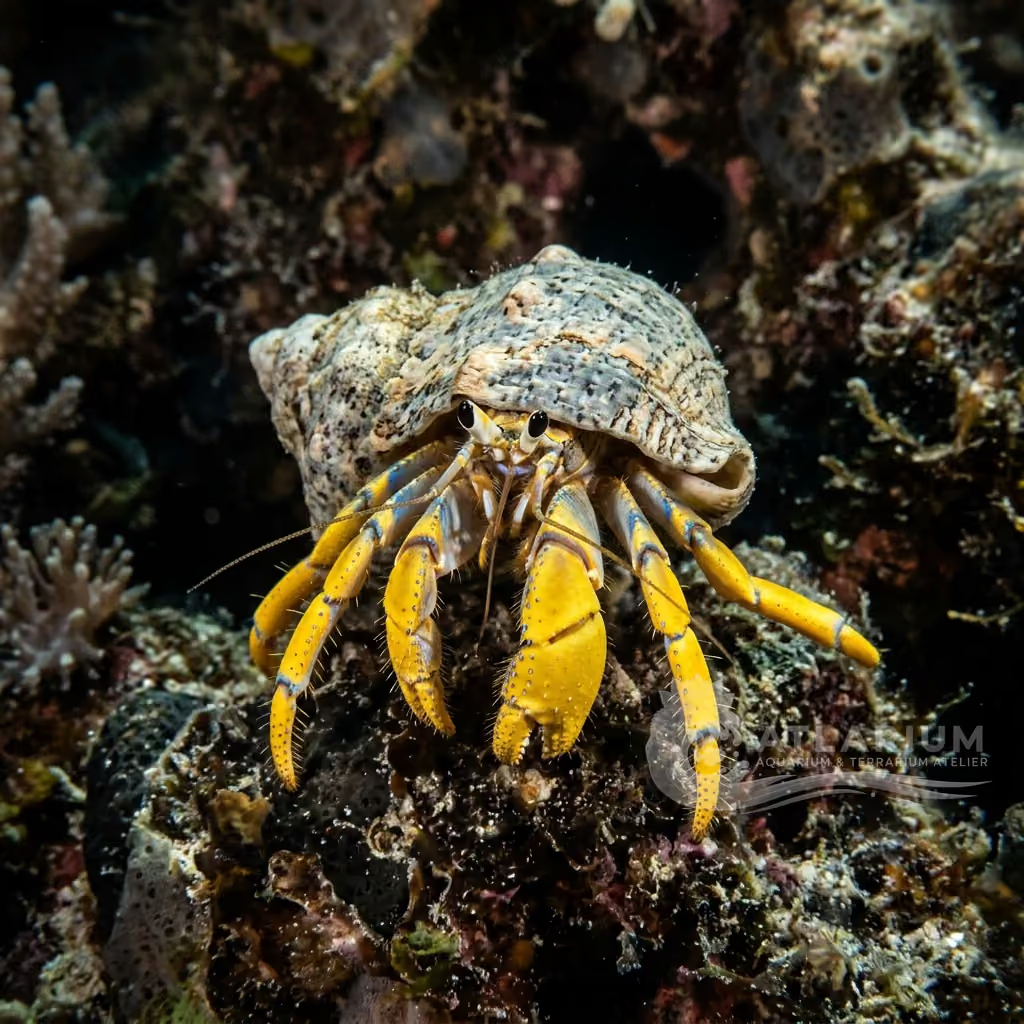
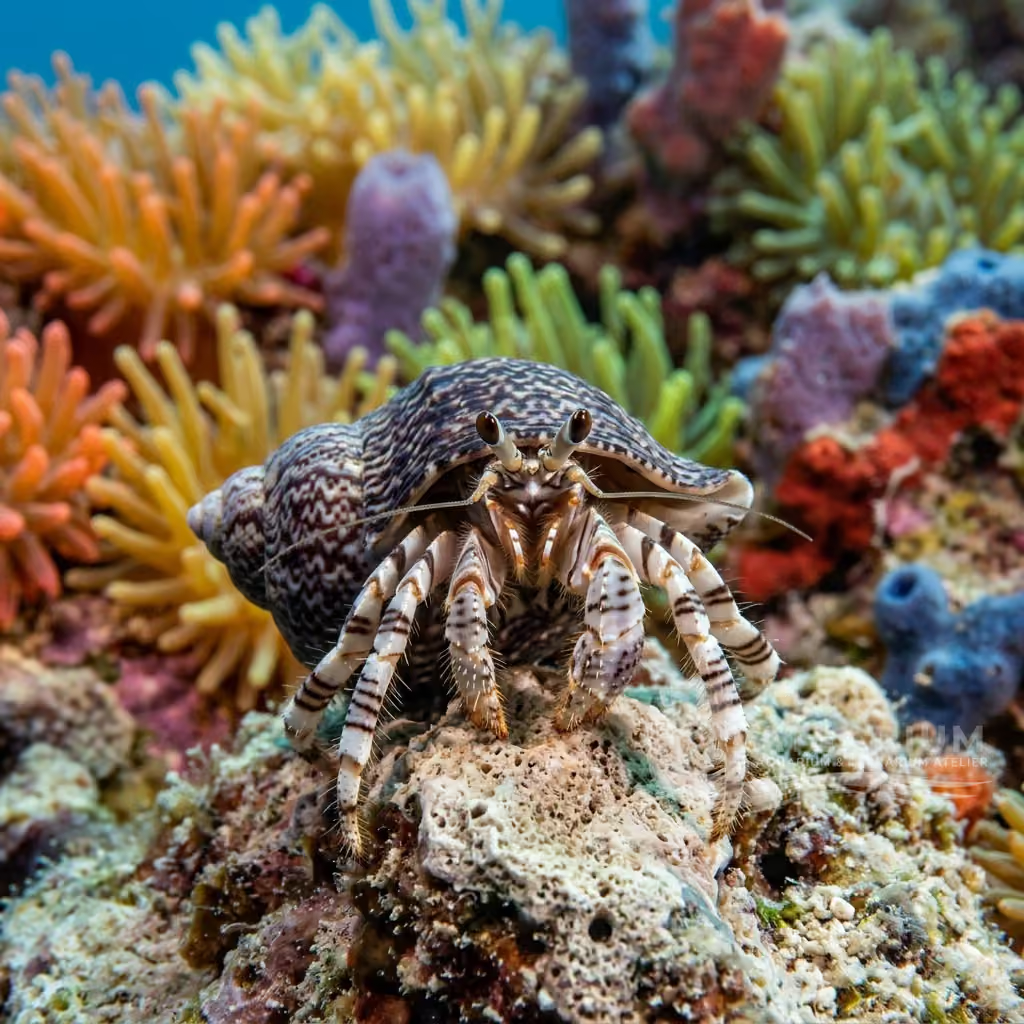
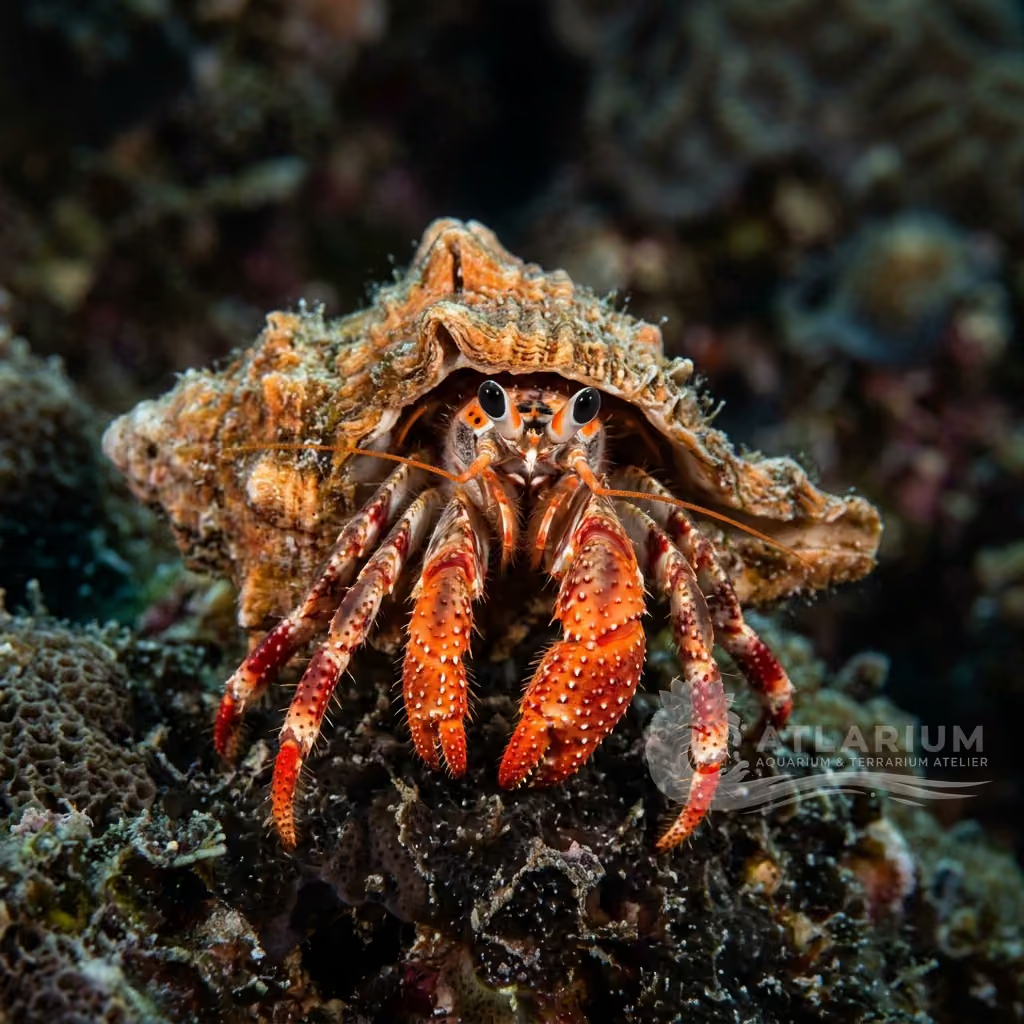
Coloration and Sexual Dimorphism: Named in honor of malacologist Joseph Rosewater for his outstanding taxonomic contributions. Sexes are indistinguishable externally; shell selection is based purely on size. The bright red-orange stripes on their walking legs help identify them among other small hermit crabs.

Cuidado, criação e companheiros de tanque
Tank Setup: Suitable for small tanks starting from 20.0 liters. Provide stable rockwork and keep a supply of empty shells of various sizes for growth. Provide a variety of empty snail shells of slightly larger sizes to allow them to moult and swap shells safely.
Diet and Feeding: Omnivorous scavenger. Constantly consumes nuisance algae, organic waste, and leftover fish food on the substrate. Excellent clean-up crew members that feed on hair algae, detritus, and uneaten fish food from the substrate.
Water Quality: Stable marine chemistry parameters: temperature 22.0-26.0 °C, pH 8.1-8.4, specific gravity 1.021-1.025. Sensitive to copper. Maintain stable calcium and magnesium levels to support exoskeleton development and ensure smooth molting cycles.
Compatibility and Tankmates: 100% reef-safe. Excellent member of the clean-up crew. May attack small live snails if empty shells are not provided. Extremely peaceful and safe for all reef aquariums, making them ideal companions for nano-reef setups.
Aquarium Breeding: Releases microscopic zoea larvae into the water column; rearing them to settlement in aquariums is virtually impossible. Spawning is common, but rearing the zoea larvae through their planktonic phases is difficult in home aquariums.
Risks and Diseases: Extremely sensitive to copper treatments. Lack of spare shells causes stress and aggression toward snails. Lack of empty shells is the biggest risk, as it may lead them to attack living turbo snails for their shells.

Origem e distribuição geográfica
Western Atlantic: coasts of Panama and nearby Caribbean islands. Commonly found in tide pools, rocky shores, and shallow coral reefs at depths from 0 to 10 meters. Endemic to the rocky intertidal zones of Ascension Island in the South Atlantic Ocean, adapted to wave action.
Origem
Oceanos tropicais e recifesAmérica Central e Caribe

Perfil de invertebrados
- Dieta
- Omnivore
- The diet of Clibanarius rosewateri typically consists of organic detritus, microalgae, or specific planktonic particles. In a home aquarium, they constantly forage along the substrate or rockwork looking for nourishment. Supplemental feeding with specialized invertebrate pellets or liquid foods may be necessary. Ensuring a varied and nutritious diet will promote vibrant colors and long-term health. Overfeeding should be avoided to maintain optimal water quality.
- Papel ecológico
- Scavenger
- In the wild, Clibanarius rosewateri plays a crucial role in maintaining the balance of its native ecosystem. They often act as natural cleaners, breaking down waste materials and unconsumed food. Their constant movement helps aerate the sand bed and prevent the buildup of toxic gases. By managing algae growth, they create space for slow-growing corals and sponges to thrive. A balanced aquarium ecosystem relies heavily on their diligent cleaning efforts.
- Tamanho adulto
- 3 cm
- Risco de salto
- Yes
- There is generally a very low jump risk associated with this aquatic invertebrate. They typically remain fully submerged and attached to the substrate, glass, or rockwork. However, some species may occasionally climb above the waterline if the tank is tightly sealed or if conditions degrade. It is still recommended to use a lid or screen to prevent other inhabitants from escaping. Maintaining high water quality will discourage any attempts to leave the aquatic environment.
- Sensibilidade ao choque
- Medium
- This invertebrate is highly sensitive to rapid fluctuations in water parameters. Sudden changes in temperature, salinity, or pH can cause severe osmotic shock and death. A slow and careful acclimation process, preferably drip acclimation, is absolutely necessary. Maintain stable aquarium conditions through regular monitoring and automated top-offs. Avoid performing excessively large water changes at once.
- Cálcio e minerais
- Medium
- Proper calcium levels are absolutely vital for the structural integrity and growth of this species. They continuously extract calcium carbonate from the water to build their shells, skeletons, or protective tubes. Maintaining calcium levels between 400 and 450 ppm ensures they remain healthy. It is also important to balance alkalinity and magnesium alongside calcium supplementation. Regular testing is required in heavily stocked reef aquariums.
- Muda
- Yes
- If applicable to its morphology, this invertebrate undergoes periodic molting to facilitate growth. During the molting process, the organism becomes extremely vulnerable to predation and stress. It is crucial to provide ample hiding spaces, such as caves or crevices, where they can retreat safely. Do not remove the discarded exoskeleton, as they often consume it to quickly replenish essential minerals. Disturbing them during this delicate phase can lead to fatal complications.
- Reprodução
- Oviparous
- Reproduction in the home aquarium is often challenging and rare for many invertebrate species. Most require highly specific environmental triggers, such as temperature shifts or lunar cycles. The resulting larvae usually have a prolonged planktonic stage, making them difficult to rear. Specialized food sources like phytoplankton are needed to sustain the offspring. Consequently, most specimens available in the hobby are wild-caught or professionally aquacultured.
- Compatibilidade e companheiros de tanque
- Peaceful
- Compatibility varies largely based on the specific species and tank mates. They are generally peaceful but can fall prey to aggressive or predatory fish. Ensure they are housed with calm tank mates that will not nip or harass them. Research individual species requirements to avoid territorial disputes. Always monitor new additions carefully to ensure harmonious interactions.

Espécies relacionadas
Recomendações agrupadas por parentes próximos, escolhas de acompanhantes e cuidados semelhantes.