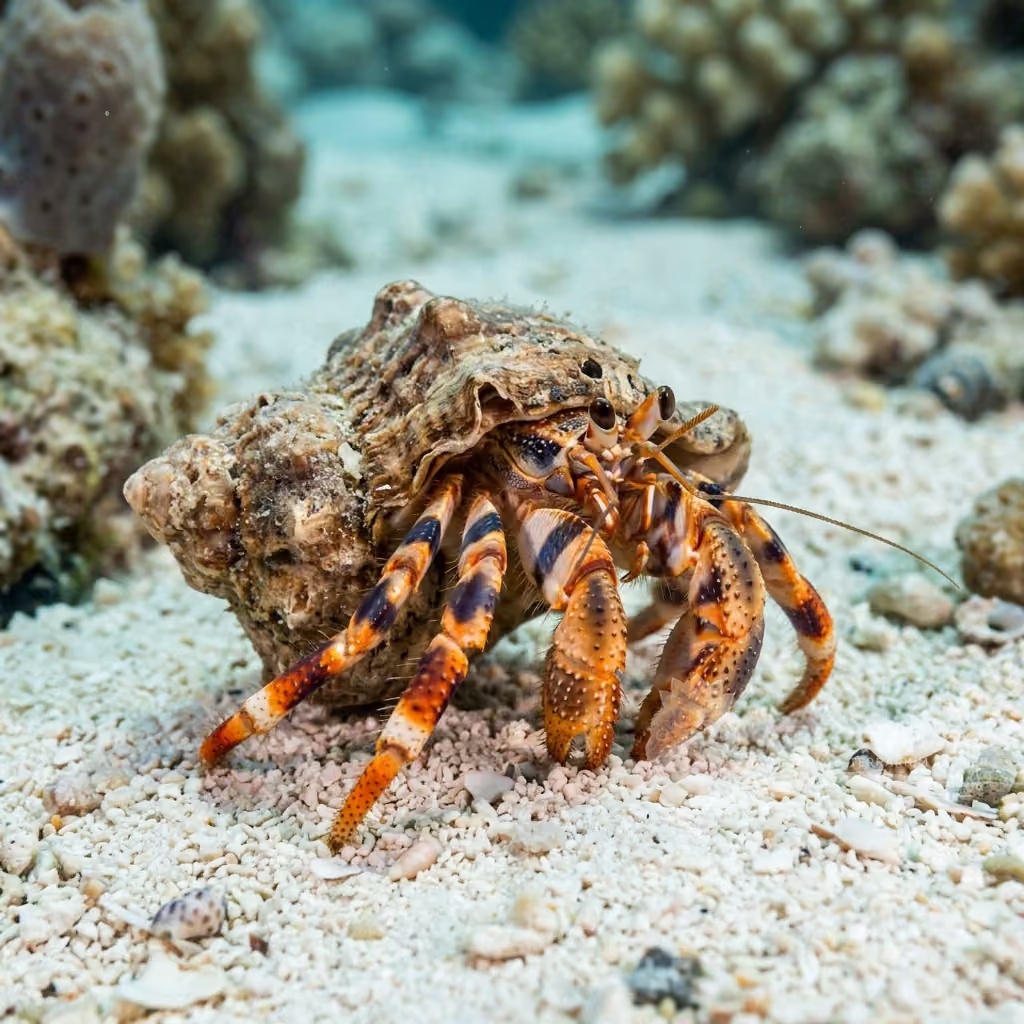
Large Mediterranean Hermit Crab
Dardanus calidus
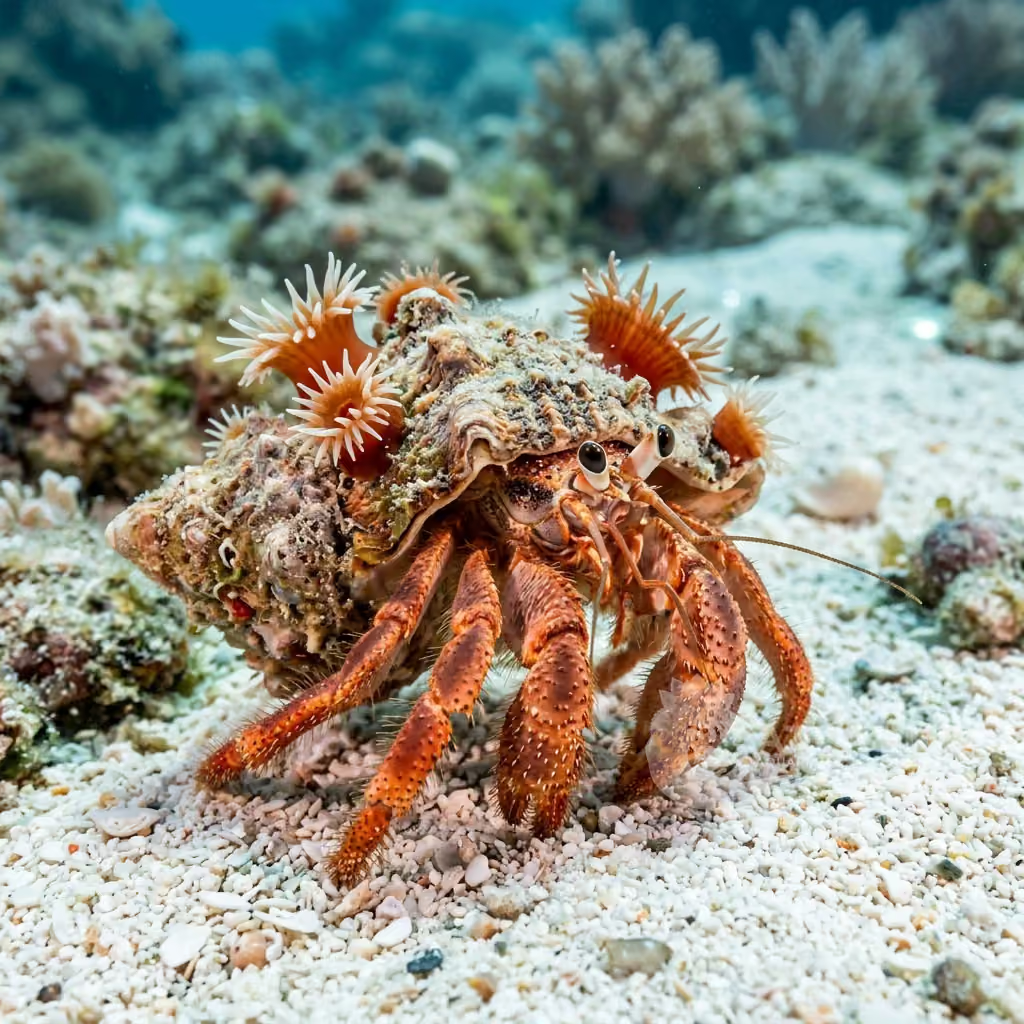
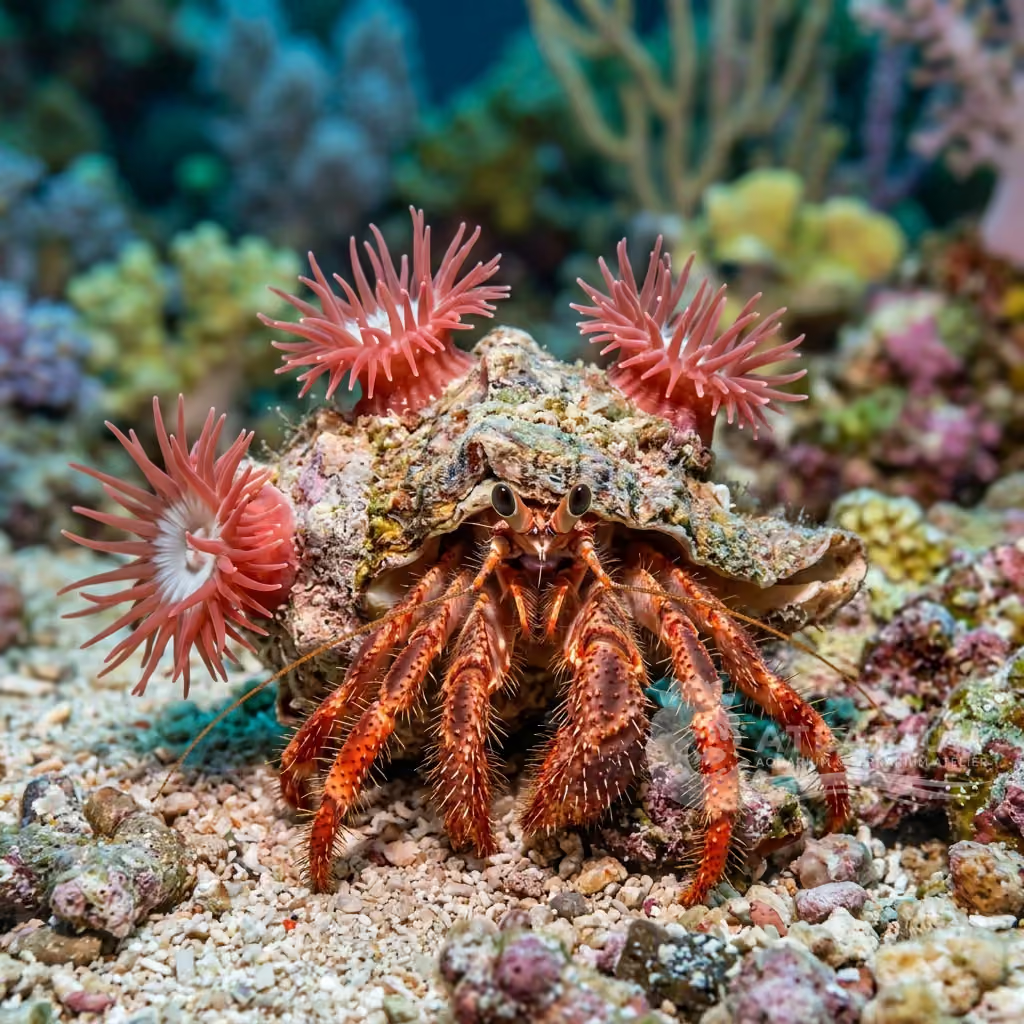
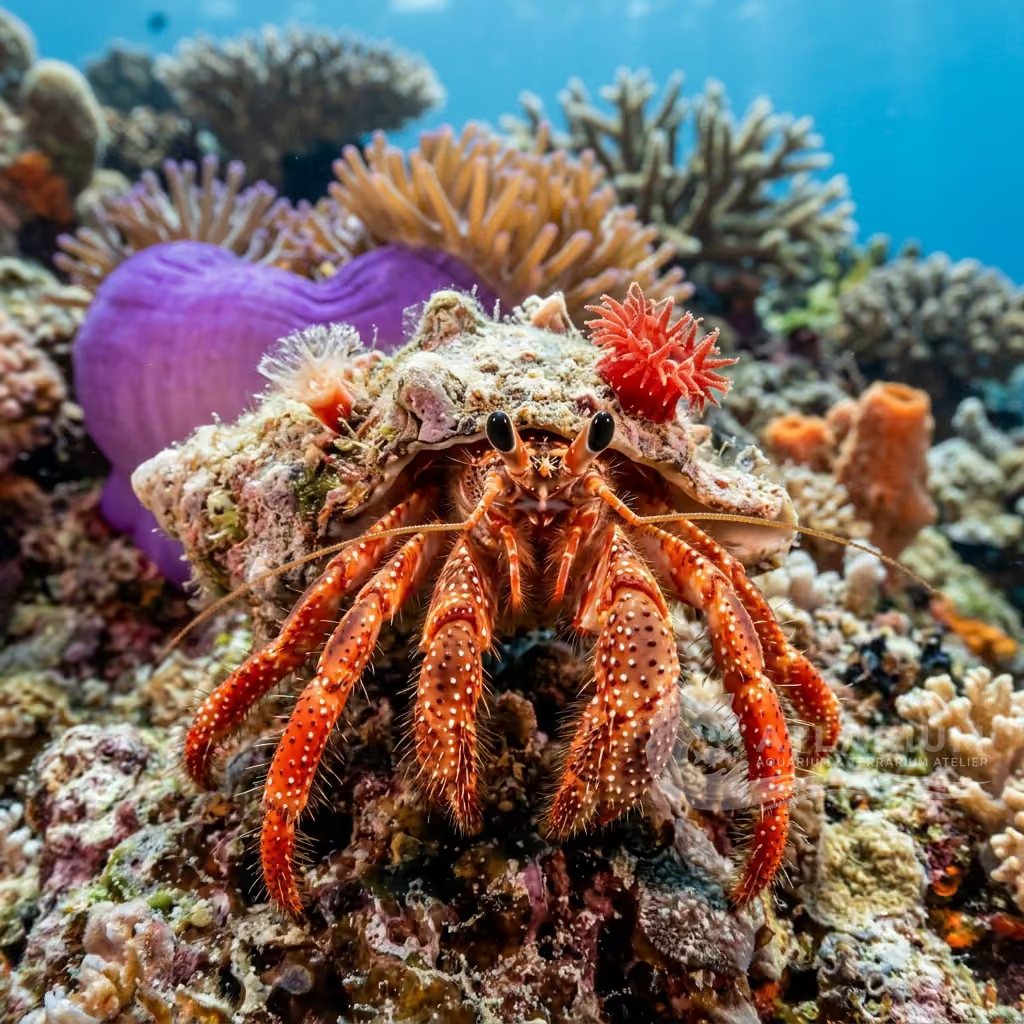
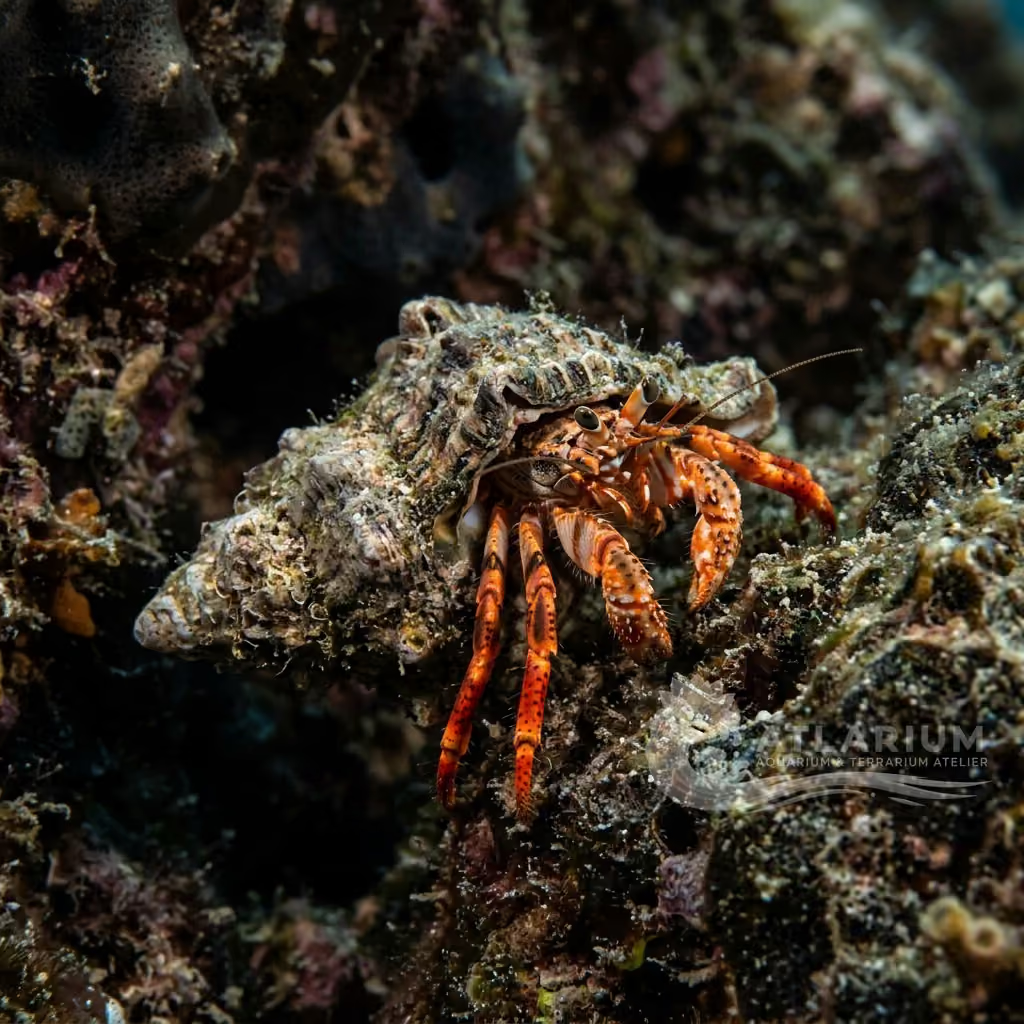
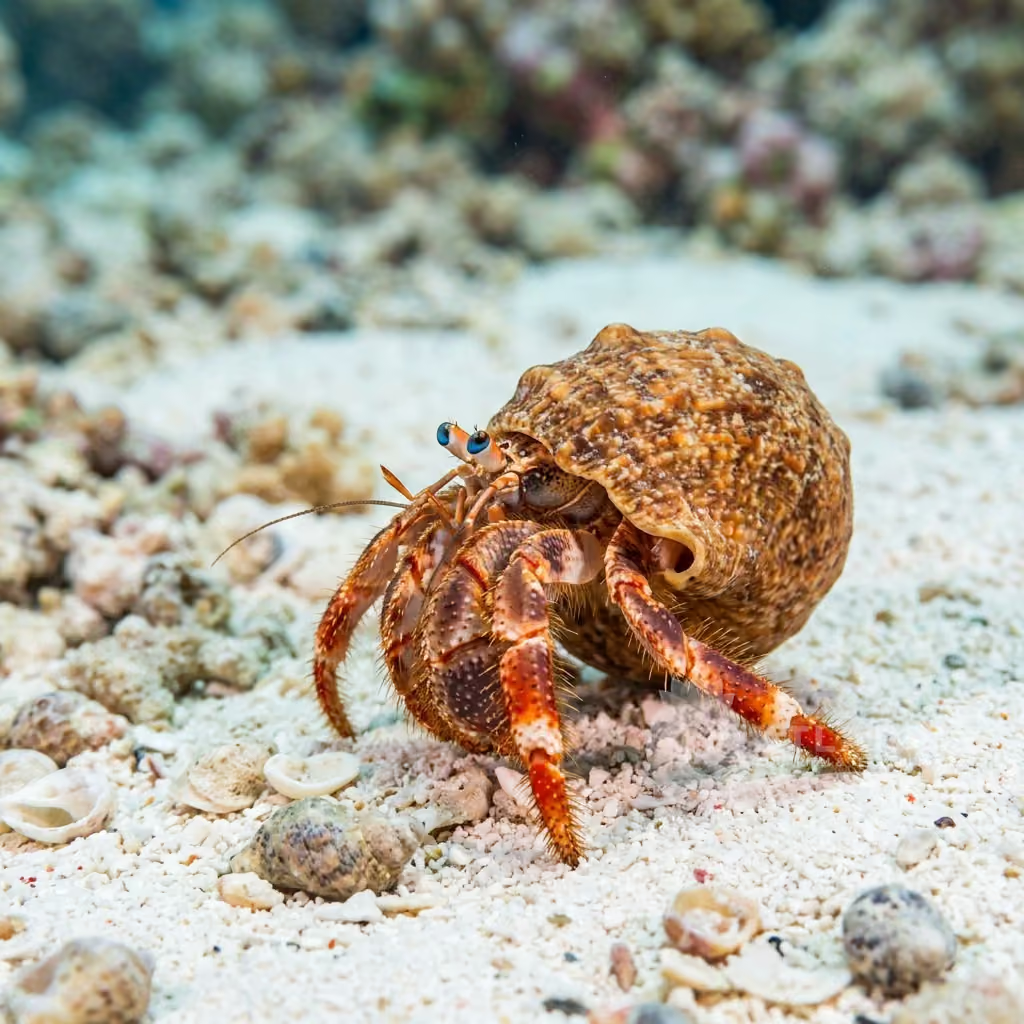
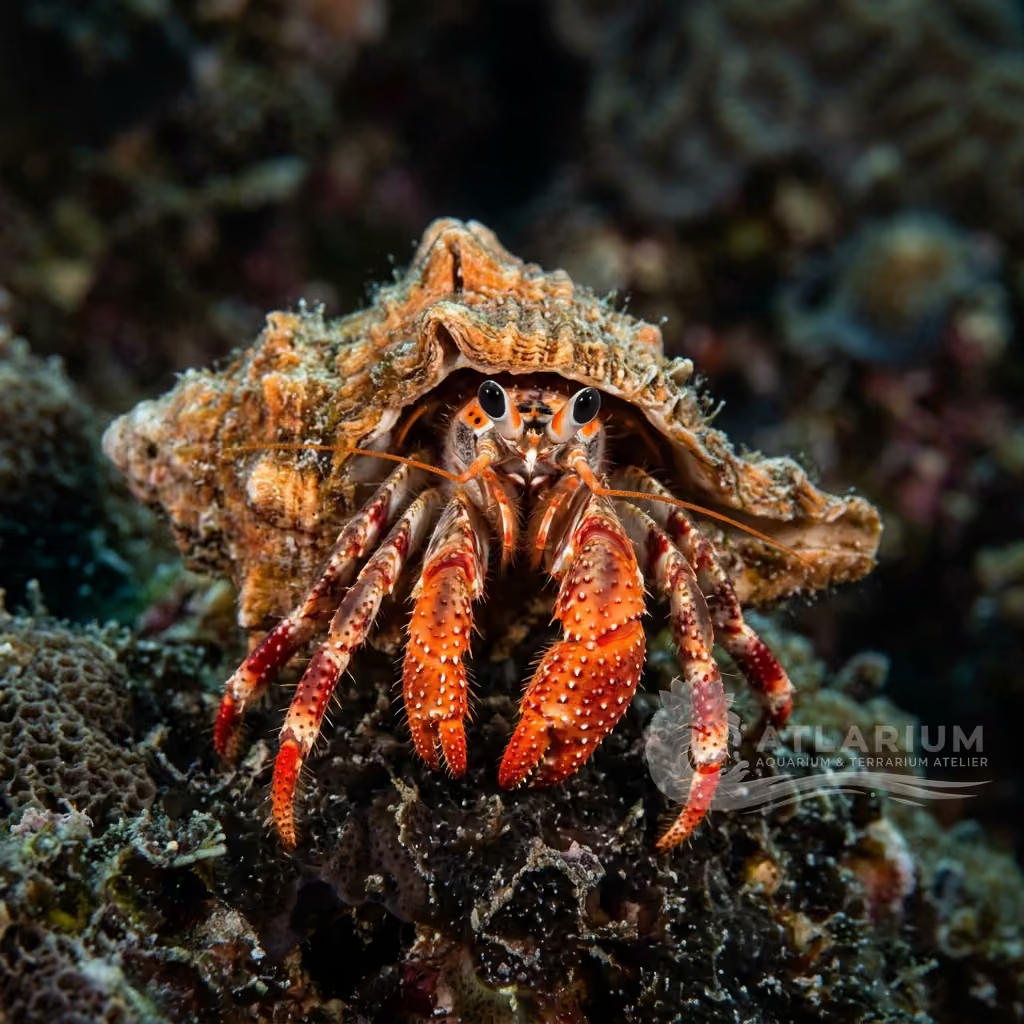
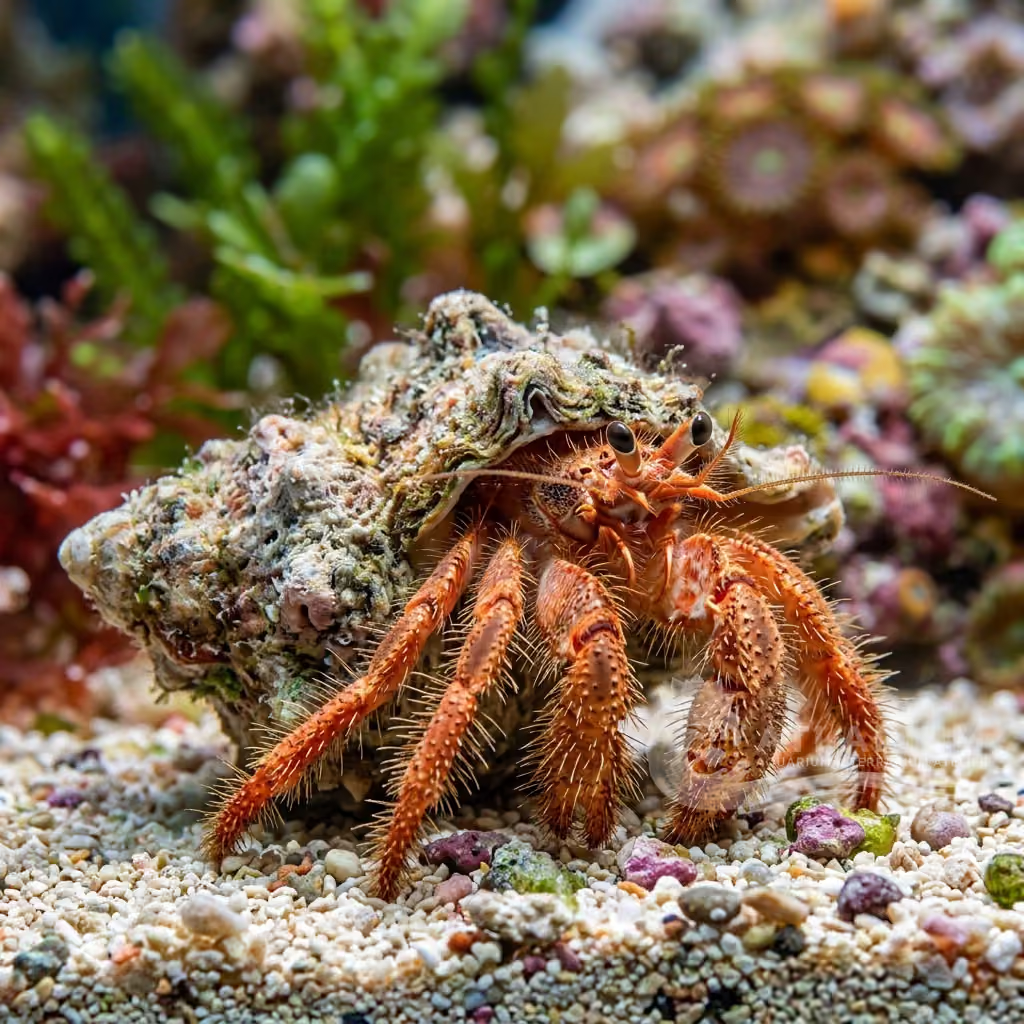
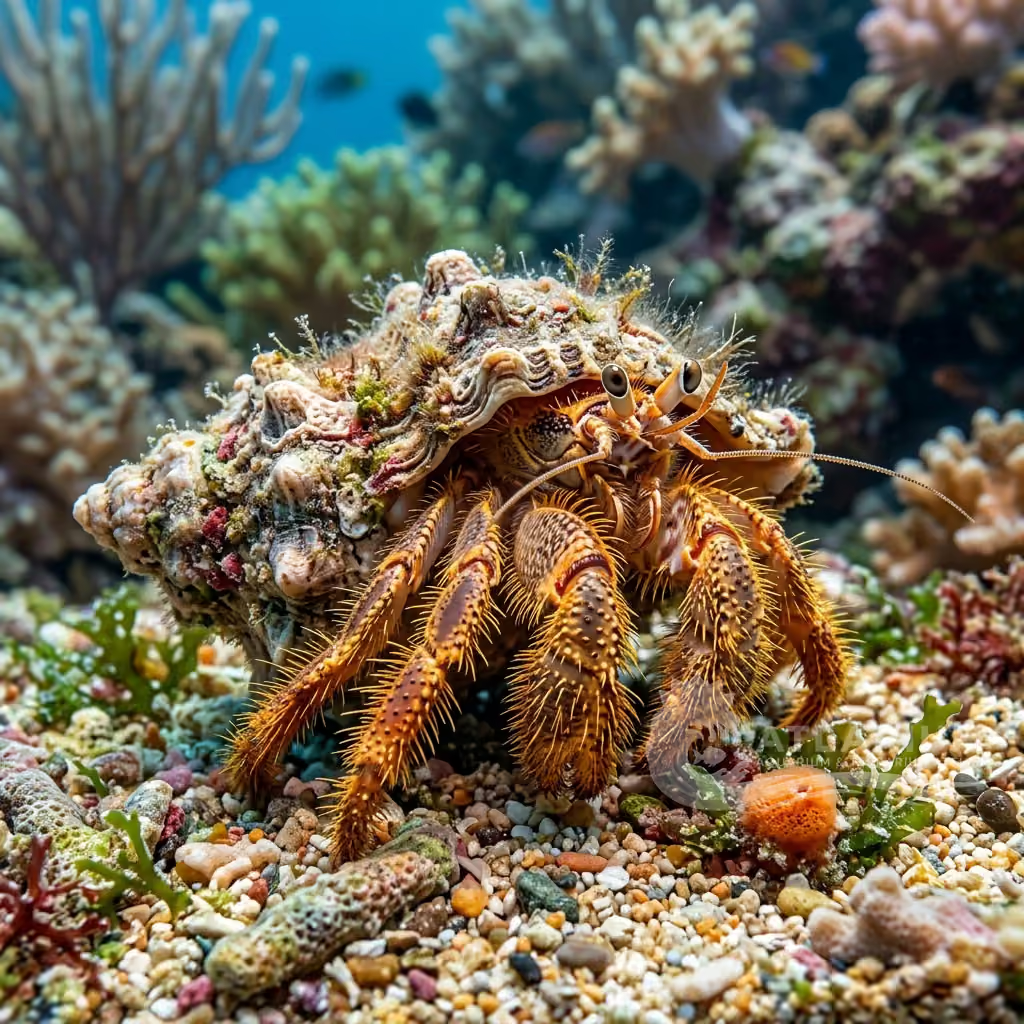
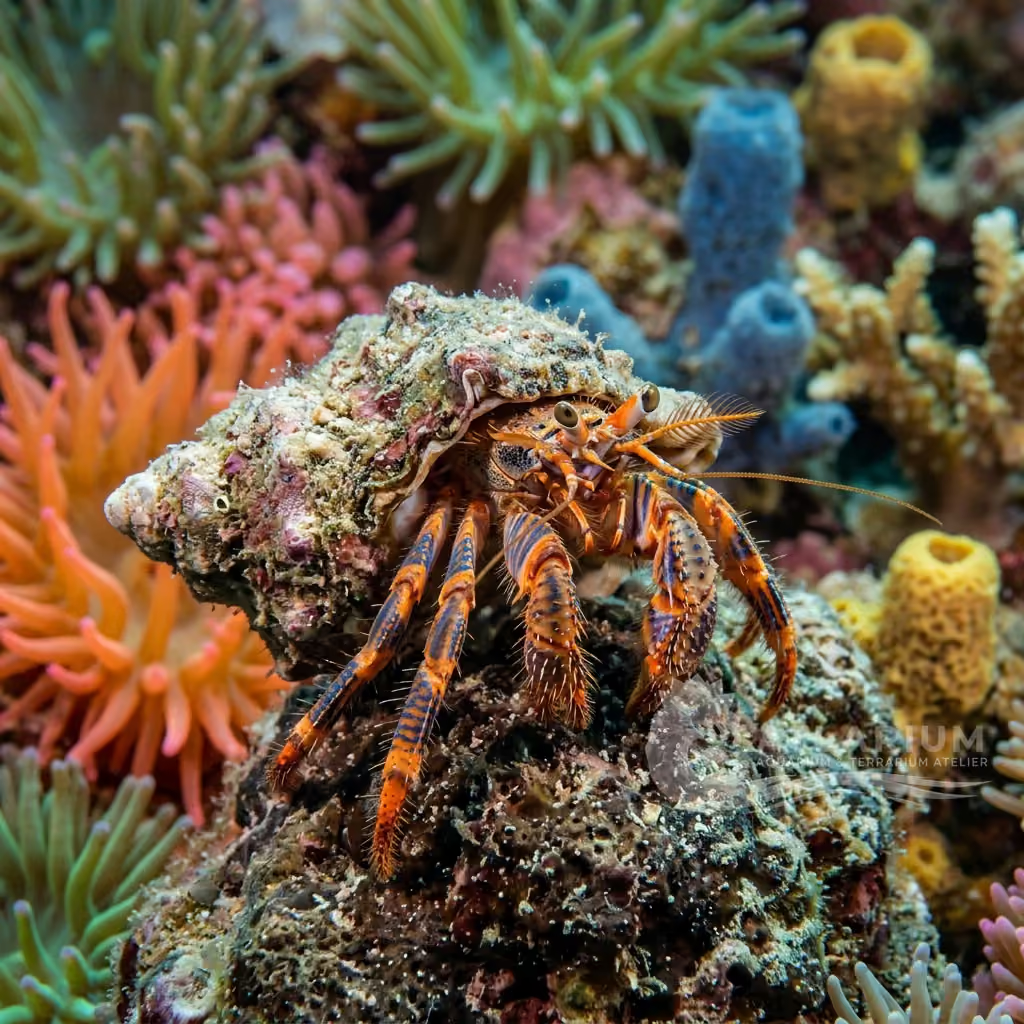
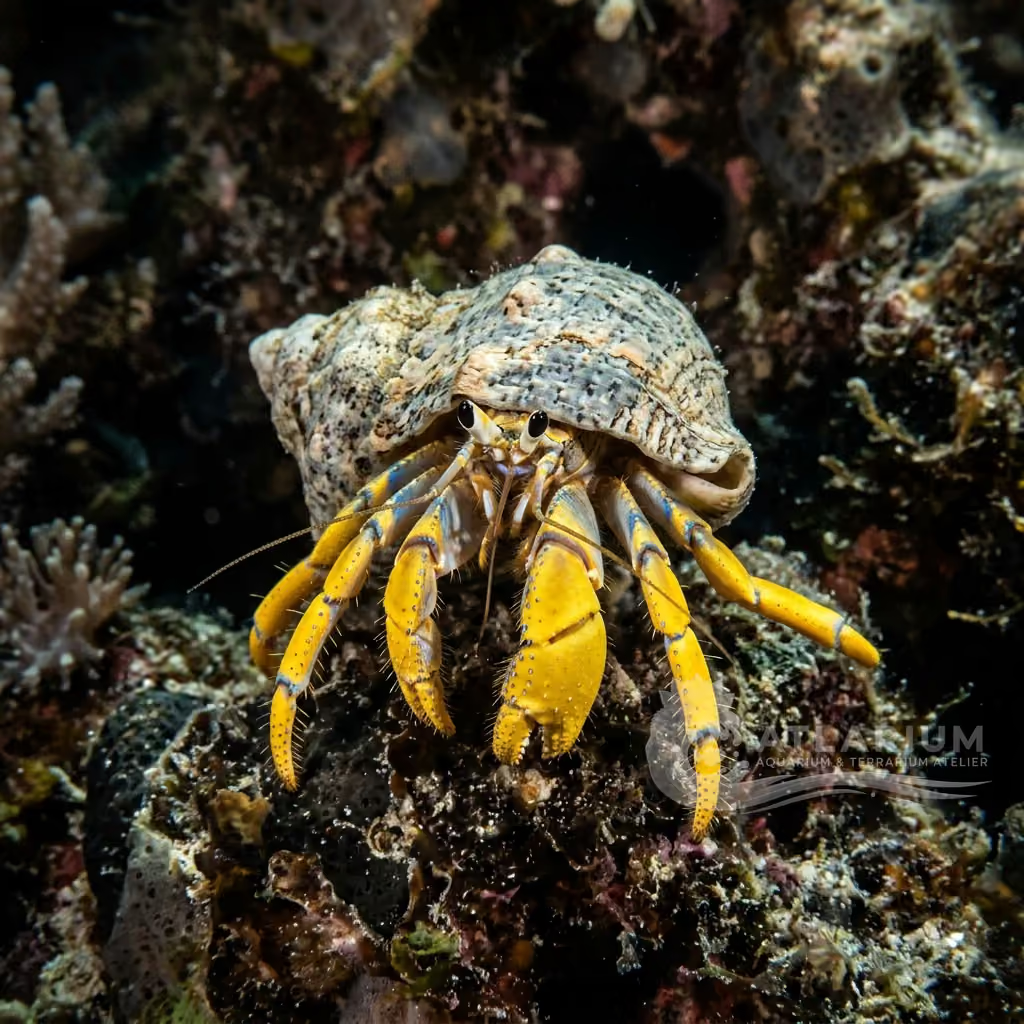
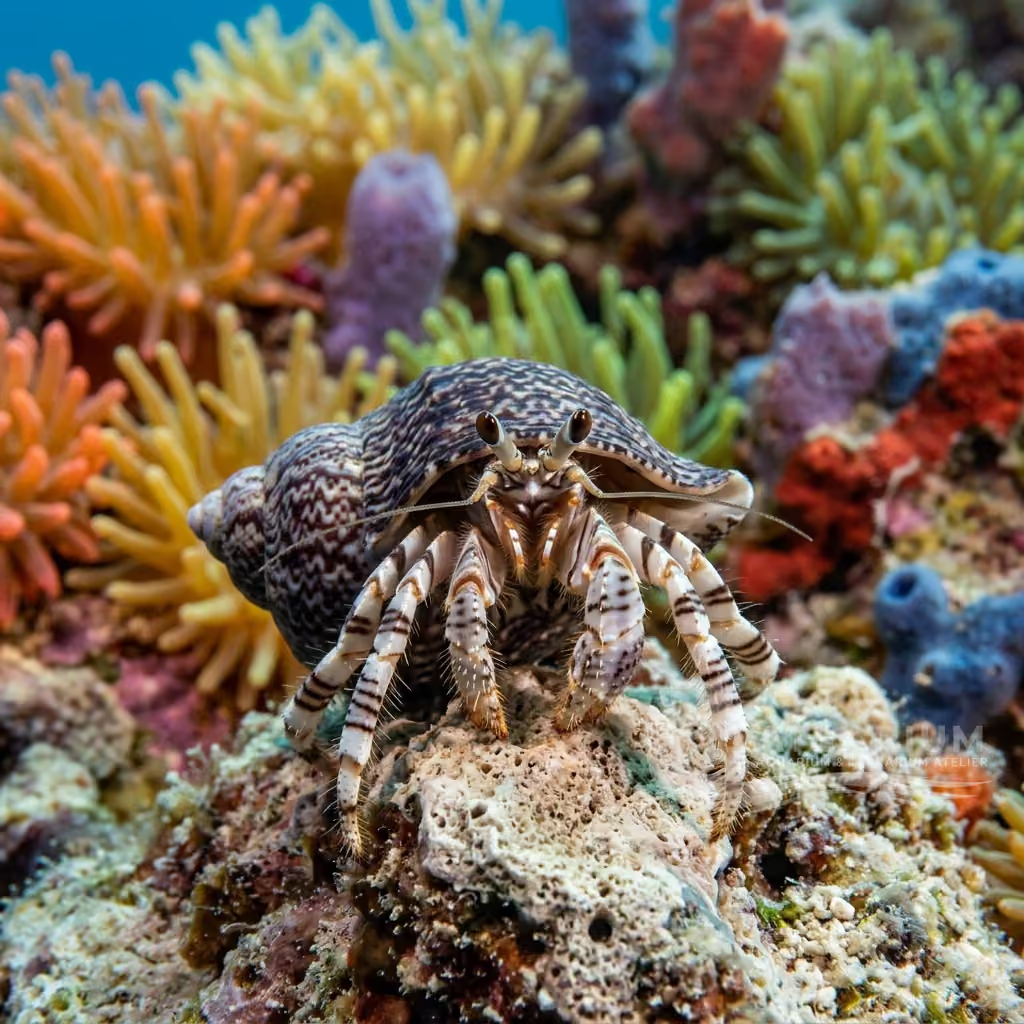
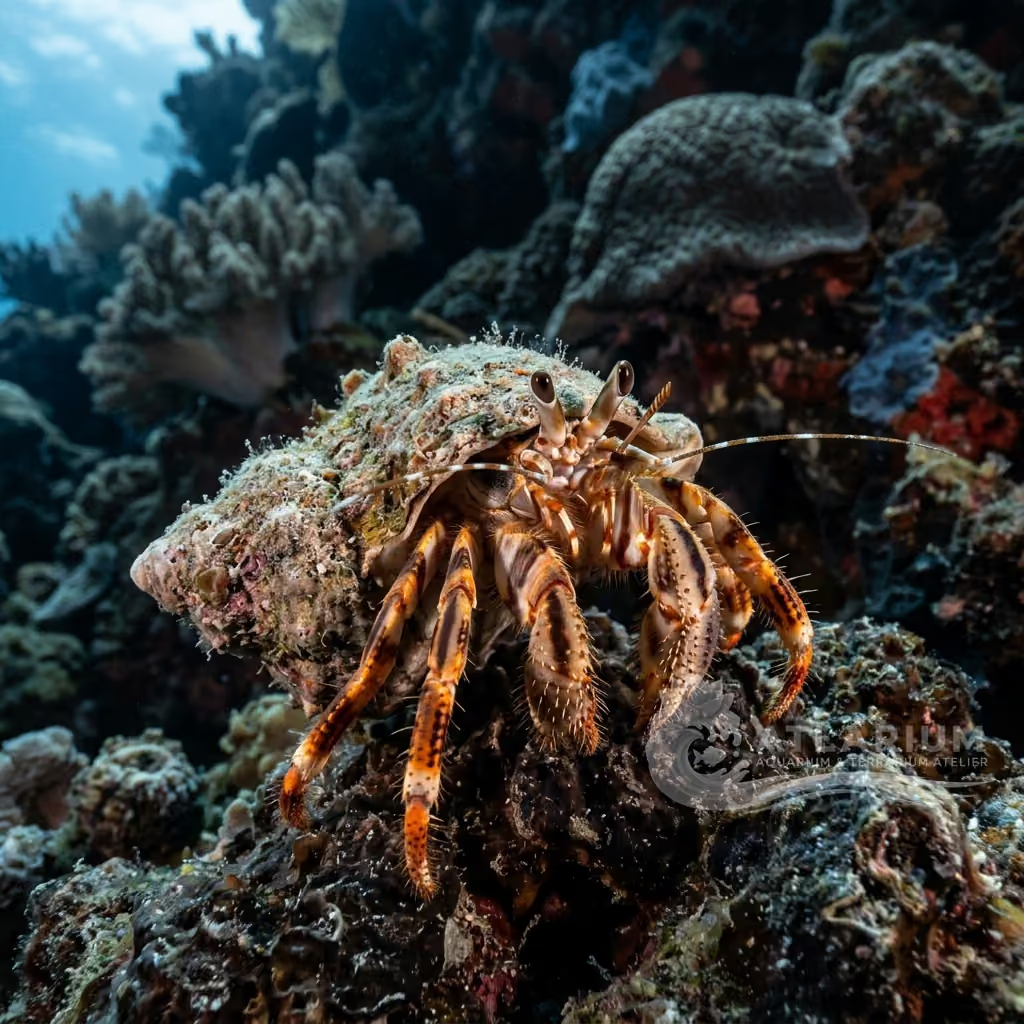
A large Mediterranean hermit crab featuring a brilliant red-orange color, famous for actively decorating its shell with Calliactis parasitica anemones.
Temperatura da água
15 - 22 °C
Valor de pH
8.1 - 8.4
Tipo de água
Marinho
Tipo invertebrado
Hermit crab
Tamanho adulto
8 cm
Grupo mínimo
>= 1
KH
8 - 12 dKH
Papel ecológico
Scavenger
Sensibilidade ao cobre
High

Descrição da espécie
Geographical Origin and Habitat: Common in the Mediterranean Sea and Eastern Atlantic (Azores, Madeira, Canaries), where it inhabits rocky and sandy substrates from 5 to 100 meters.
Taxonomy: Belongs to the order Decapoda, family Diogenidae. A large hermit crab with a robust exoskeleton and strong, asymmetrical, rough claws.
Social Behavior: Mutualistic symbiont. Lives in close association with the anemone Calliactis parasitica. It active transfers the anemones to its new shell by tapping on their base to induce detachment. Solitary and opportunistic scavenger. Active day and night, continuously searching the substrate for organic matter and food scraps.
Coloration and Sexual Dimorphism: Bright red, scarlet, or intense reddish-orange color covering the entire body. Claws feature red and yellow tubercles. Eyes have short stalks and greyish cornea. No obvious sexual dimorphism. The body and legs show a brilliant fire-red or bright orange coloration, covered with small yellowish bristles. No sexual dimorphism.

Cuidado, criação e companheiros de tanque
Tank Setup: Not compatible with tropical setups. May prey on small bottom fish, snails, and starfish. Keep only with robust, cool-water Mediterranean fish. Requires a marine aquarium of at least 150-200 liters (40-52 gallons) with heavy, stable rockwork as it can easily knock over loose decor.
Diet and Feeding: Omnivorous scavenger. Highly voracious; feeds on frozen mysis, krill, fresh fish chunks, mussels, and clams. Readily accepts large sinking pellets. Omnivorous scavenger. Consumes detritus, uneaten fish food, algae, mollusks, and small invertebrates. Accepts all dry and frozen foods.
Water Quality: Requires cool temperatures (15-22°C). Salinity SG 1.025-1.027, pH 8.1-8.4. Highly sensitive to copper treatments and elevated nitrates. Water values: temperature 18-24°C (can tolerate higher reef temps if oxygenated), pH 8.1-8.4, specific gravity 1.022-1.026.
Compatibility and Tankmates: Omnivorous scavenger. Highly voracious; feeds on frozen mysis, krill, fresh fish chunks, mussels, and clams. Readily accepts large sinking pellets. May prey on snails or slow-moving small fish if hungry. Provide multiple empty shells of increasing size to accommodate growth and molting.
Aquarium Breeding: Not compatible with tropical setups. May prey on small bottom fish, snails, and starfish. Keep only with robust, cool-water Mediterranean fish. Reproduction in home aquariums is highly unlikely. In nature, females carry eggs under their abdomen until releasing planktonic zoea larvae.
Risks and Diseases: Overheating (above 24°C) is lethal. High stress and mortality if suitable heavy replacement shells are unavailable during growth. Highly sensitive to copper-based treatments and high nitrate levels. Iodine supplementation is beneficial to support successful molting.

Origem e distribuição geográfica
Common in the Mediterranean Sea and Eastern Atlantic (Azores, Madeira, Canaries), where it inhabits rocky and sandy substrates from 5 to 100 meters.
Origem
Oceanos tropicais e recifesEuropa, Mediterrâneo e Ásia Ocidental

Perfil de invertebrados
- Dieta
- Omnivore
- *Dardanus calidus* is an opportunistic carnivore with a hearty appetite. Their diet should consist of meaty items like chopped fish, shrimp, squid, and commercial crustacean sinking pellets. Without sufficient protein, they may actively hunt down and consume smaller tank mates.
- Papel ecológico
- Scavenger
- In the wild, *Dardanus calidus* acts as a macro-scavenger, disposing of larger carcasses and helping to keep the reef free of rotting organic material. By clearing larger debris, they play a crucial role in nutrient recycling on a larger scale. Their symbiotic relationship with anemones also offers protection to both species.
- Tamanho adulto
- 8 cm
- Risco de salto
- Yes
- *Dardanus calidus* lacks the ability to jump, as their heavy shells keep them firmly anchored to the substrate. However, they are powerful climbers and can displace loose aquarium lids or equipment with their sheer strength. Securing heavy tank covers is a wise precaution to prevent accidents.
- Sensibilidade ao choque
- Medium
- Though relatively hardy once established, *Dardanus calidus* requires a cautious drip acclimation process over several hours. Rapid swings in specific gravity or temperature can induce significant physiological stress. Maintaining stable water parameters is key to a long lifespan.
- Cálcio e minerais
- Medium
- Due to its significant size, *Dardanus calidus* requires substantial calcium and iodine supplementation to maintain its massive exoskeleton. Regular testing and dosing are necessary in closed systems to ensure these trace elements remain at natural seawater levels. Poor calcium levels can lead to failed molts and fatal complications.
- Muda
- Yes
- Molting for a large *Dardanus calidus* is a lengthy and energy-intensive process. They require a secluded, safe cave in the rockwork where they will hide for several days until their new shell hardens. Providing an array of very large, robust gastropod shells is essential for them to move into post-molt.
- Reprodução
- Oviparous
- Breeding *Dardanus calidus* in home aquariums is practically impossible due to the intricate pelagic larval phase. The microscopic larvae drift in ocean currents for extended periods, requiring very specific zooplankton as food. Hobbyist systems are generally unequipped to raise them beyond the initial hatching.
- Compatibilidade e companheiros de tanque
- Community
- *Dardanus calidus* is absolutely not reef-safe and is considered a destructive force in a typical mixed reef tank. They will readily knock over rockwork, consume smaller fish, snails, and decorative shrimp. They are best housed in a dedicated species-only tank or a highly aggressive predator setup.

Espécies relacionadas
Recomendações agrupadas por parentes próximos, escolhas de acompanhantes e cuidados semelhantes.