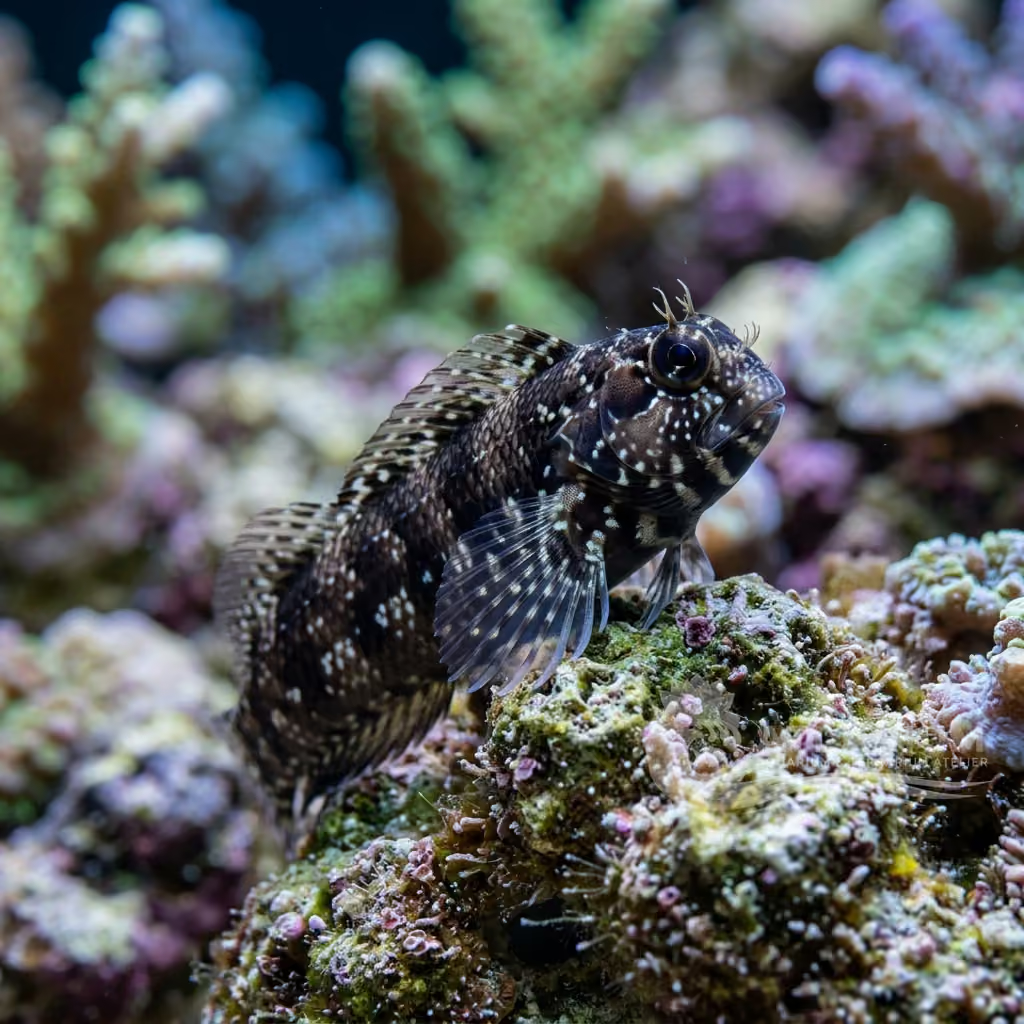
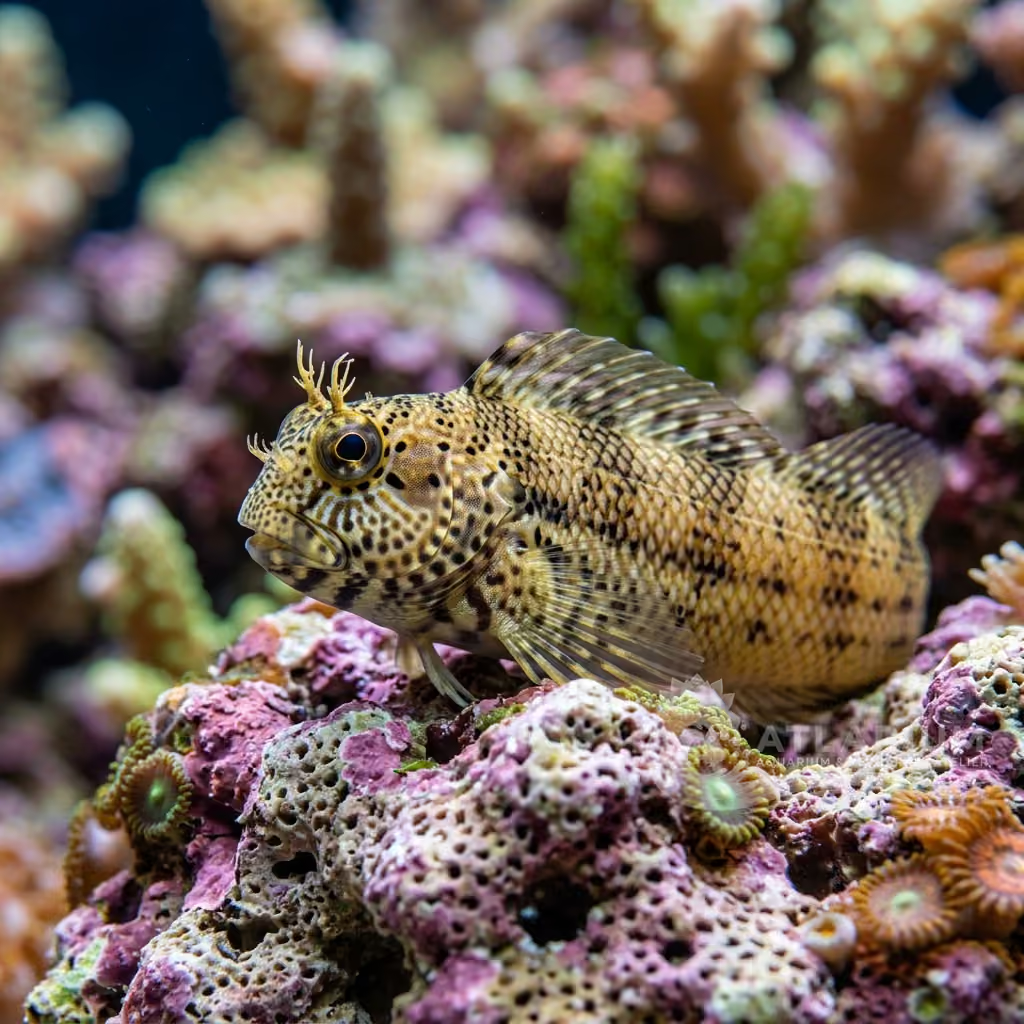
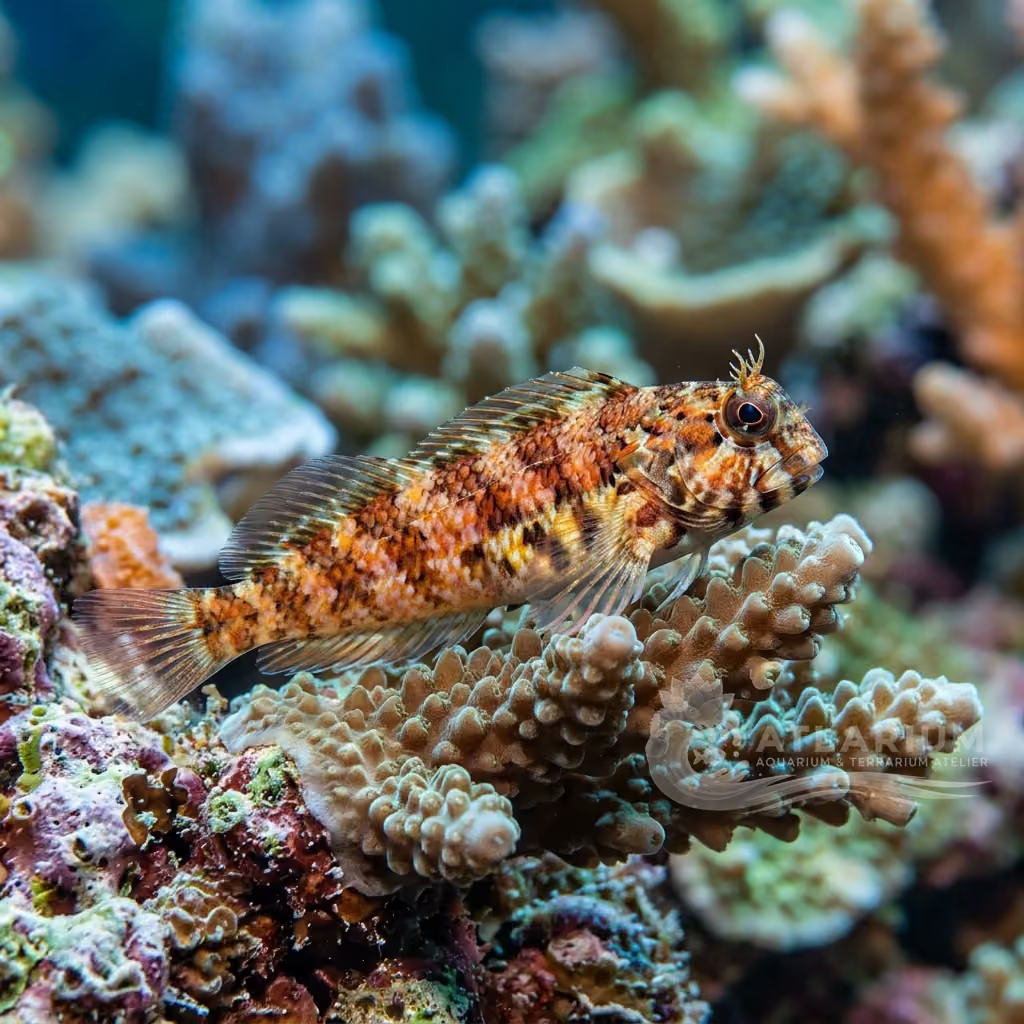
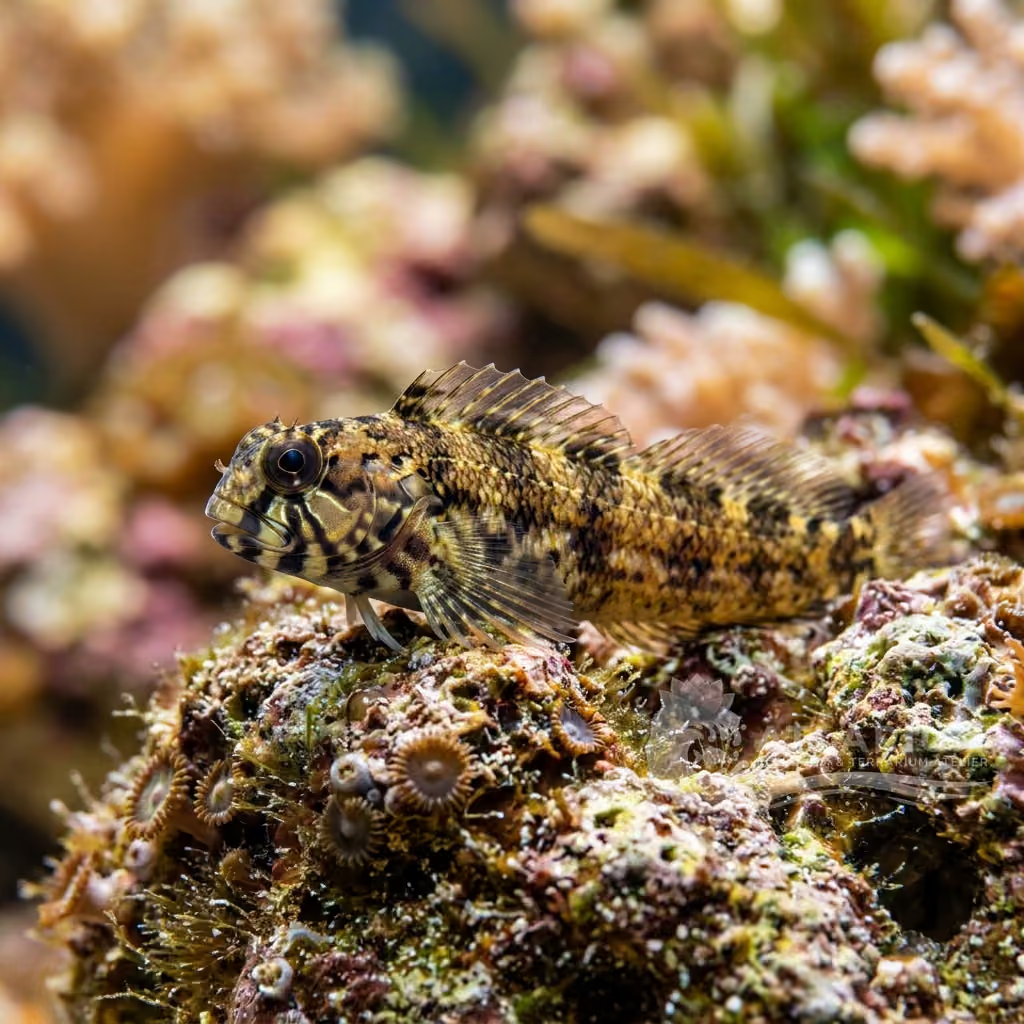
Gravier's Blenny
Ecsenius gravieri
Mimicking a venomous counterpart to deter predators, this Red Sea blenny fades elegantly from light blue to bright yellow. It is a peaceful, inquisitive grazer perfect for algae-rich reef aquariums.
Temperatura da água
22 - 28 °C
Valor de pH
8 - 8.5
Tipo de água
Marinho
Nível do tanque
Parte inferior e intermediária
Tamanho adulto
8 cm
Volume mínimo do tanque
>= 100 L
Grupo mínimo
>= 1
KH
8 - 12 dKH

Descrição da espécie
Geographical Origin and Habitat: Red Sea and Gulf of Aden. Found on shallow coral reefs and seaward slopes rich in algae at depths up to 20 meters.
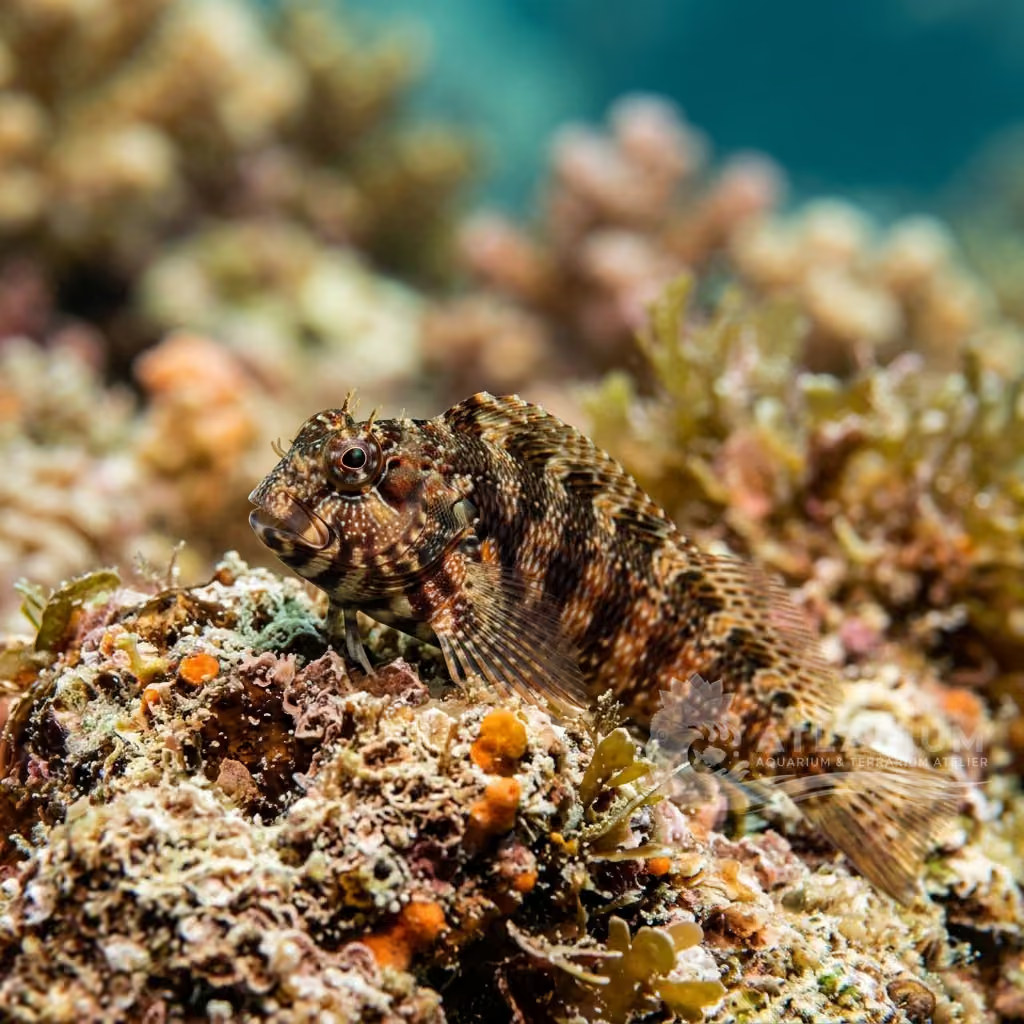
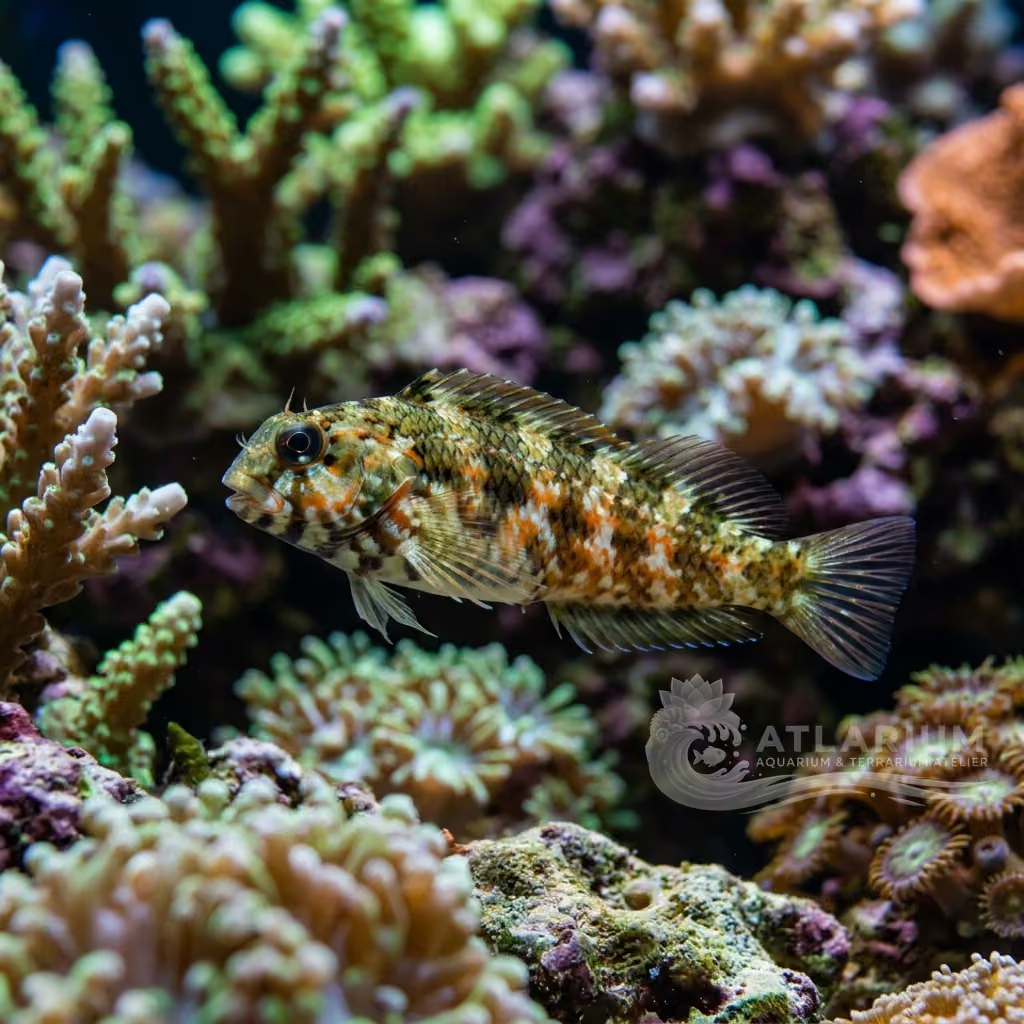
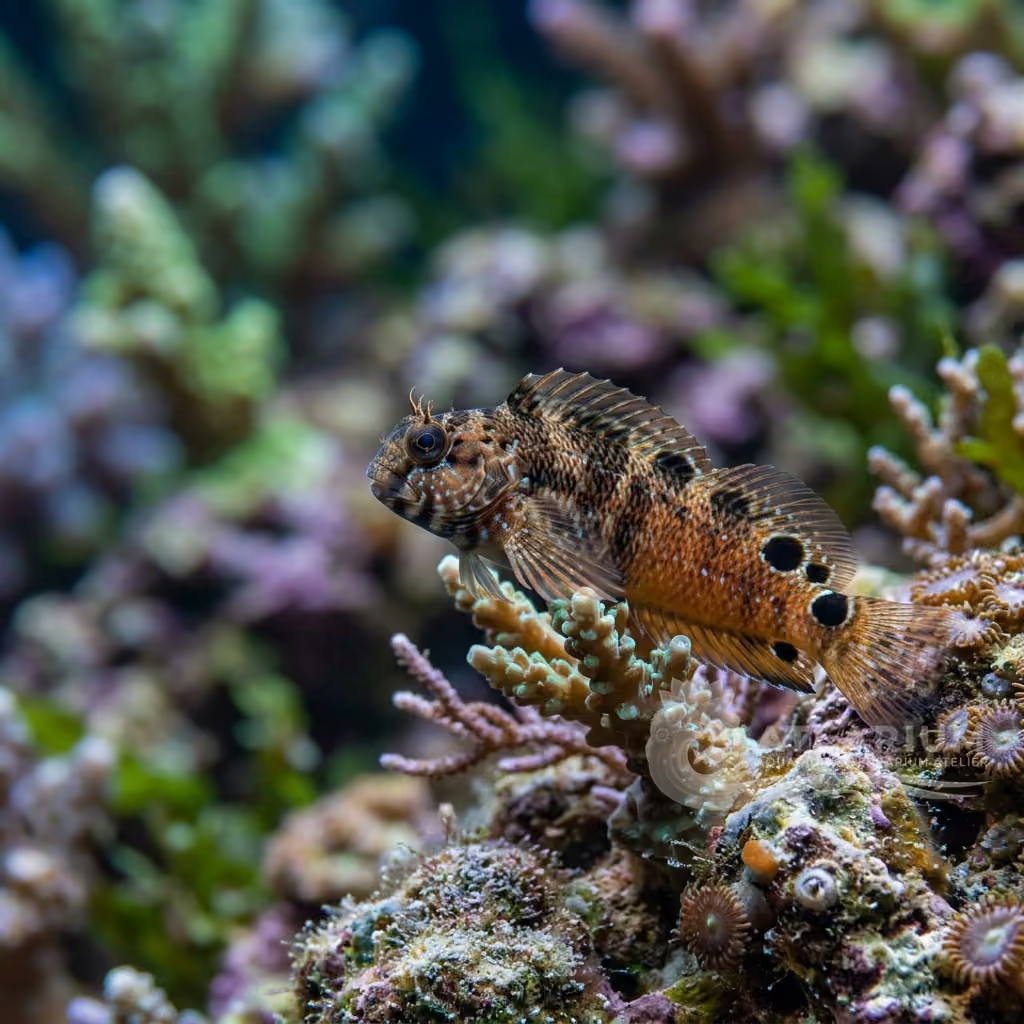
Taxonomy and Morphology: Part of the Blenniidae family, genus Ecsenius. Reaches up to 8 cm (3.1 inches) in length. Features comb-like teeth and large mobile eyes on top of its head.
Social Behavior: Peaceful and curious. Spends time resting on rocks and grazing on microalgae. Territorial only toward other similar-looking blennies.
Coloration and Sexual Dimorphism: Light greenish-blue front body fading to bright yellow on the tail, with a dark horizontal line. Minimal sexual dimorphism. This blenny possesses small supraocular cirri that serve a sensory function when exploring crevices. The comb-like teeth are constantly replaced to maintain efficiency when scraping microalgae from rock surfaces.

Cuidado, criação e companheiros de tanque
Aquarium Setup: Minimum aquarium size of 100 liters (25 gallons) with plenty of matured live rock. Provide cracks and crevices for shelter. A secure lid is highly recommended.
Diet and Feeding: Herbivorous. Requires a constant supply of microalgae. Supplement with spirulina flakes, nori, and high-quality herbivore pellets.
Water Quality: Maintain standard marine parameters: temperature 22-28°C (72-82°F), pH 8.0-8.5, specific gravity 1.020-1.025, and KH 8-12. Regular water changes are suggested.
Compatibility and Cohabitation: Reef-safe. Ideal with clownfish, gobies, and peaceful wrasses. Avoid keeping with the actual venomous Meiacanthus nigrolineatus.
Aquarium Breeding: Spawning is possible. Males guard eggs deposited in narrow crevices. Rearing larvae is difficult due to their microscopic size.
Risks and Diseases: Very hardy. Starvation is a risk in new, sterile tanks without natural algae. Known jumper; keep the aquarium covered. Avoid using exhausted active carbon which could strip trace elements necessary for the fish's skin health. Monitor the fins, as aggressive tankmates might bite them, confusing the fish with the toxic Meiacanthus.

Origem e distribuição geográfica
Red Sea and Gulf of Aden. Found on shallow coral reefs and seaward slopes rich in algae at depths up to 20 meters.
Origem
Oceanos tropicais e recifes

Perfil de peixe
- Temperamento
- Semi-aggressive
- Overall, the Ecsenius gravieri boasts a peaceful, comical, and highly engaging temperament. They are extremely curious fish that will often observe the aquarist through the glass. While peaceful with dissimilar species, they will fiercely defend their chosen perch against similar blennies or gobies. Providing ample rockwork and line-of-sight breaks easily mitigates any mild territorial disputes.
- Dieta
- Herbivore
- The Ecsenius gravieri is primarily an omnivore with a strong preference for marine microalgae. They will actively graze on rocks, keeping nuisance algae growth under control. Their diet must be heavily supplemented with high-quality spirulina flakes, algae wafers, and occasional meaty items like mysis shrimp. A varied diet ensures they receive the necessary vitamins for vibrant coloration and long-term health.
- Expectativa de vida
- 4-6 years
- Tamanho adulto
- 8 cm
- Proporção sexual
- Solitary
- It is generally best to keep them individually unless you can acquire a confirmed mated pair. Housing two males or two females of the same species in a standard-sized tank will usually result in intense territorial aggression. Visual sexing can be challenging, though males sometimes exhibit slightly larger bodies or elongated fin rays. A solitary individual will comfortably establish its own territory without stress.
- Frequência de alimentação
- Twice daily
- Because they have small stomachs and are constant grazers, they benefit from being fed one to two times daily. Providing small, frequent meals mimics their natural foraging behavior on the reef. An established aquarium with plenty of live rock will allow them to snack on algae between scheduled feedings. Ensuring they have a continuous food source prevents undesirable nipping at corals.
- Carga biológica
- Low to Medium
- The Ecsenius gravieri adds a very low bioload to the aquarium system, making it an excellent choice for smaller tanks. Their small size and efficient metabolism ensure that they do not heavily pollute the water. Routine maintenance and a standard protein skimmer are more than adequate to handle their waste. This makes them highly suitable for delicate reef environments where water purity is paramount.
- Fluxo
- Moderate
- They thrive in environments with moderate to strong water flow that replicates the dynamic currents of a natural reef. Good circulation helps keep their favored resting spots clear of detritus and promotes healthy oxygenation. They will often be seen perched on rocks right in the path of the current, watching for passing food. Adequate flow is essential for their overall well-being and active behavior.
- Risco de salto
- Yes
- Blennies are known to be significant jump risks, especially when first introduced or if they feel threatened. They can easily propel themselves out of an open-topped aquarium. A well-fitted lid or a custom mesh screen is absolutely vital to keeping this fish safely inside the tank. Many aquarists have unfortunately lost these charismatic fish to carpet surfing incidents.
- Reprodução
- Oviparous
- The Ecsenius gravieri is a demersal spawner, laying their eggs in small crevices or empty shells. The male will diligently guard and fan the nest until the eggs hatch into pelagic larvae. While spawning is frequently observed in home aquariums, successfully raising the tiny fry is incredibly difficult. It requires specialized microscopic live foods and dedicated rearing systems.
- Compatibilidade e companheiros de tanque
- Reef safe
- This species is considered reef safe and is generally a fantastic community fish. They get along well with most peaceful tank mates and will not actively bother corals or mobile invertebrates. However, they may occasionally nip at the mantles of clams or large-polyp stony corals if underfed. They can display territorial behavior towards other blennies or fish with a similar body shape.
- Nível do tanque
- Middle/Bottom
- This fish is predominantly a bottom to mid-level dweller, spending most of its time perched on live rock. They find a favorite crevice or barnacle shell and reverse into it, leaving only their curious head exposed. While they occasionally dart into the water column to catch food, they quickly return to their rocky perches. Their comical perching behavior is a defining characteristic of the species.

Modelos e parâmetros científicos
FishBase
Acesso aos dados científicos oficiais da espécie
FishBase v25.04Dados sincronizados em: 15/06/2026
- Nível trófico
- 2 ± 0 se
- Resiliência
- Alta (menos de 15 meses)
- Unicidade filogenética (PD50)
- 0.5
- Relação bayesiana comprimento-peso
- a = 0.00776, b = 3
- VulnerabilidadeVulnerabilidade baixa (10 / 100)

Espécies relacionadas
Recomendações agrupadas por parentes próximos, escolhas de acompanhantes e cuidados semelhantes.