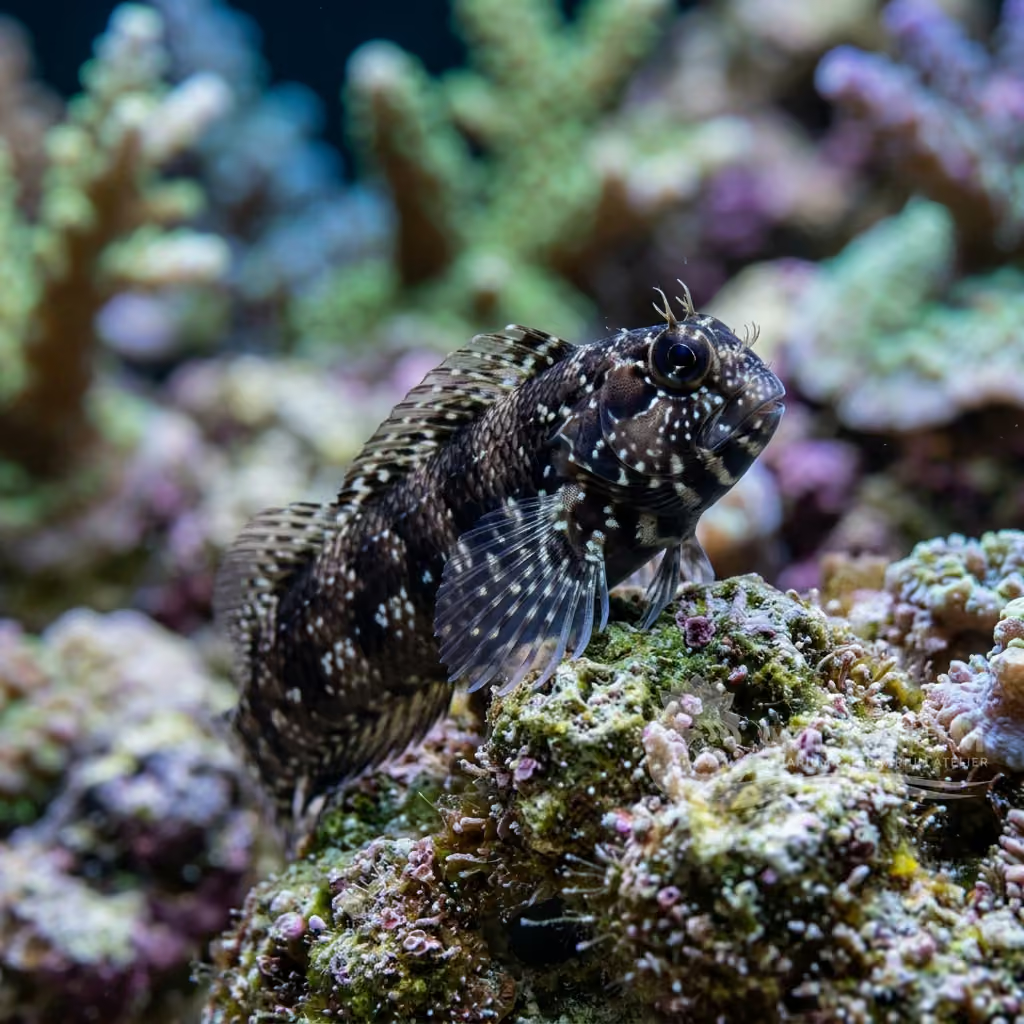
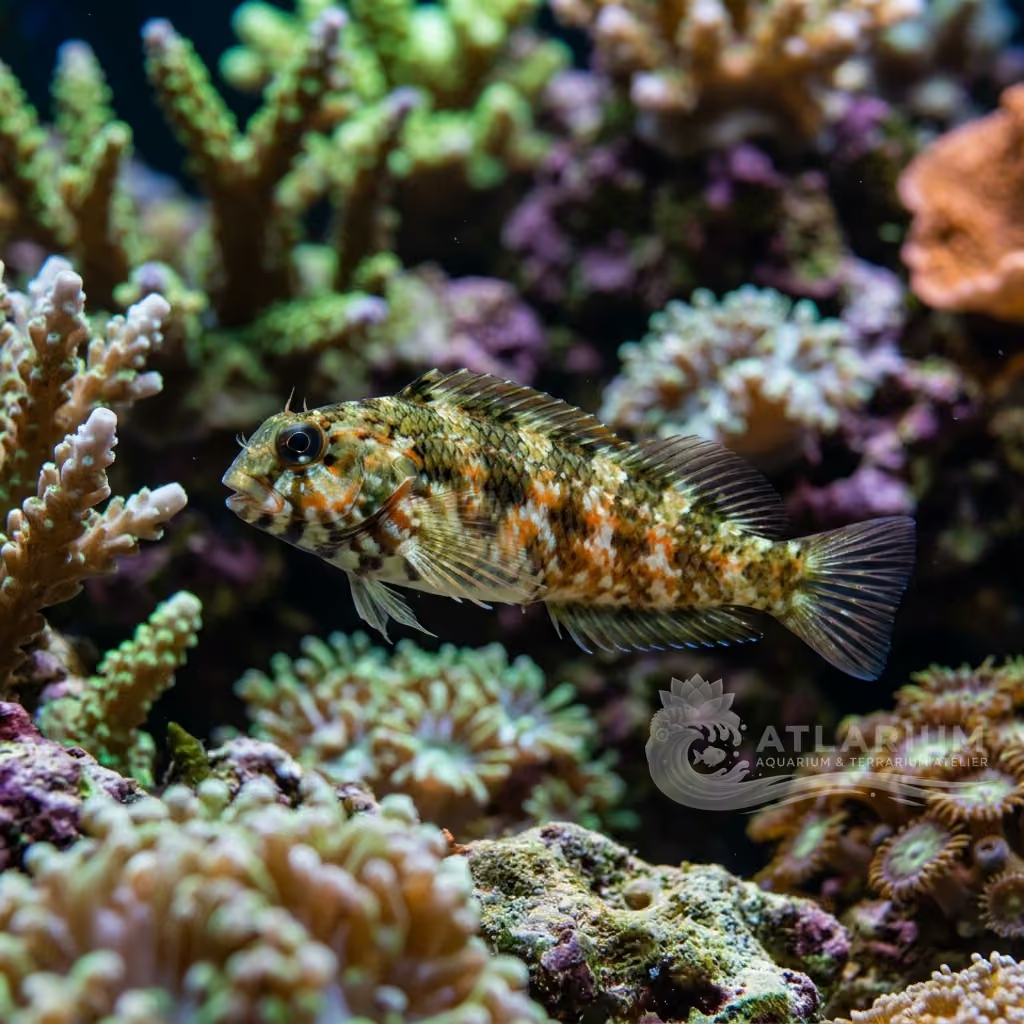
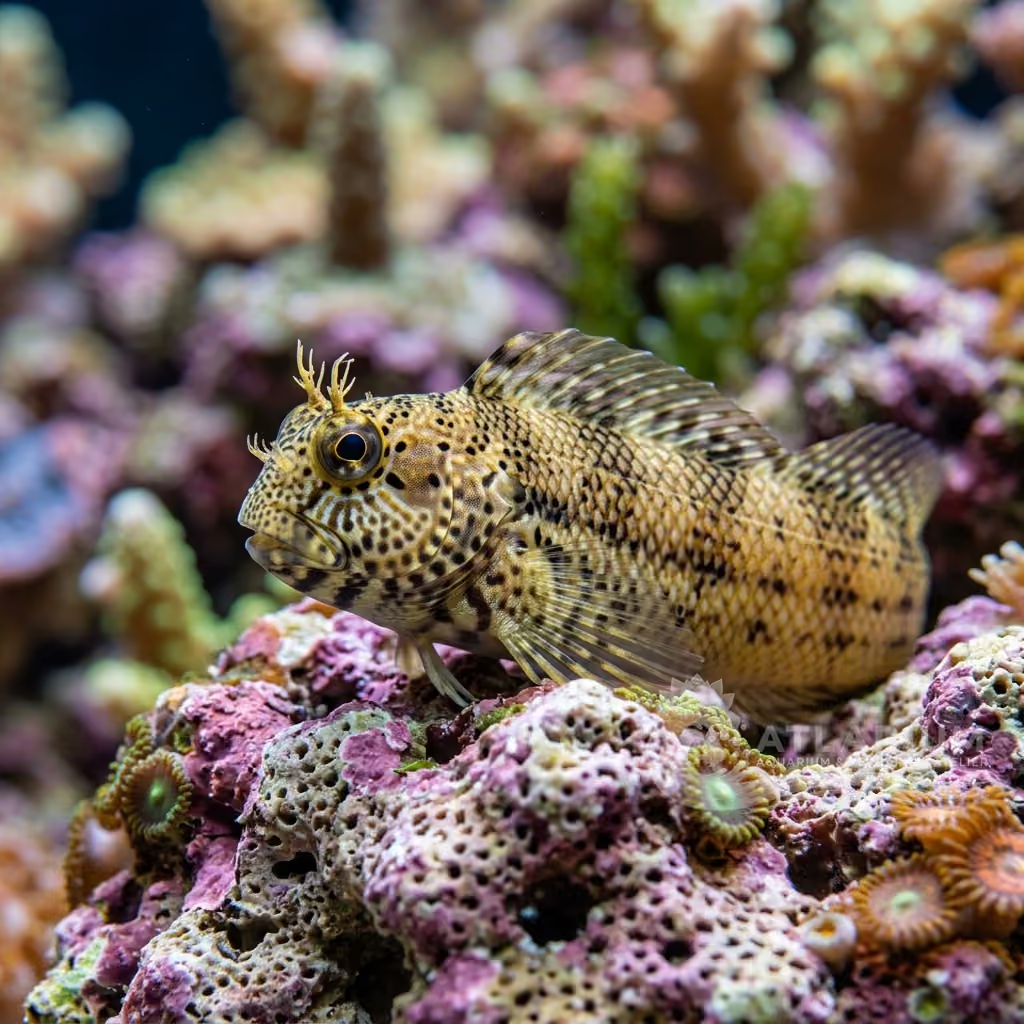
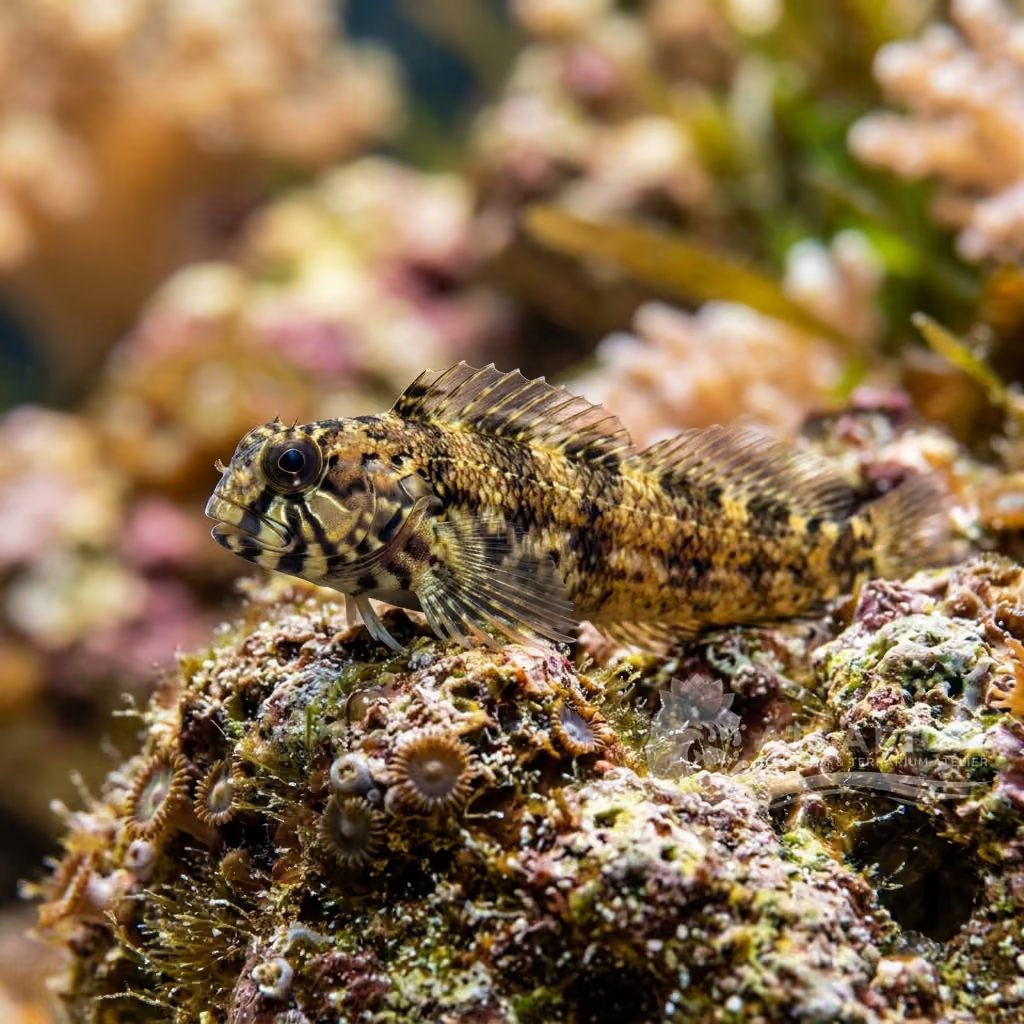
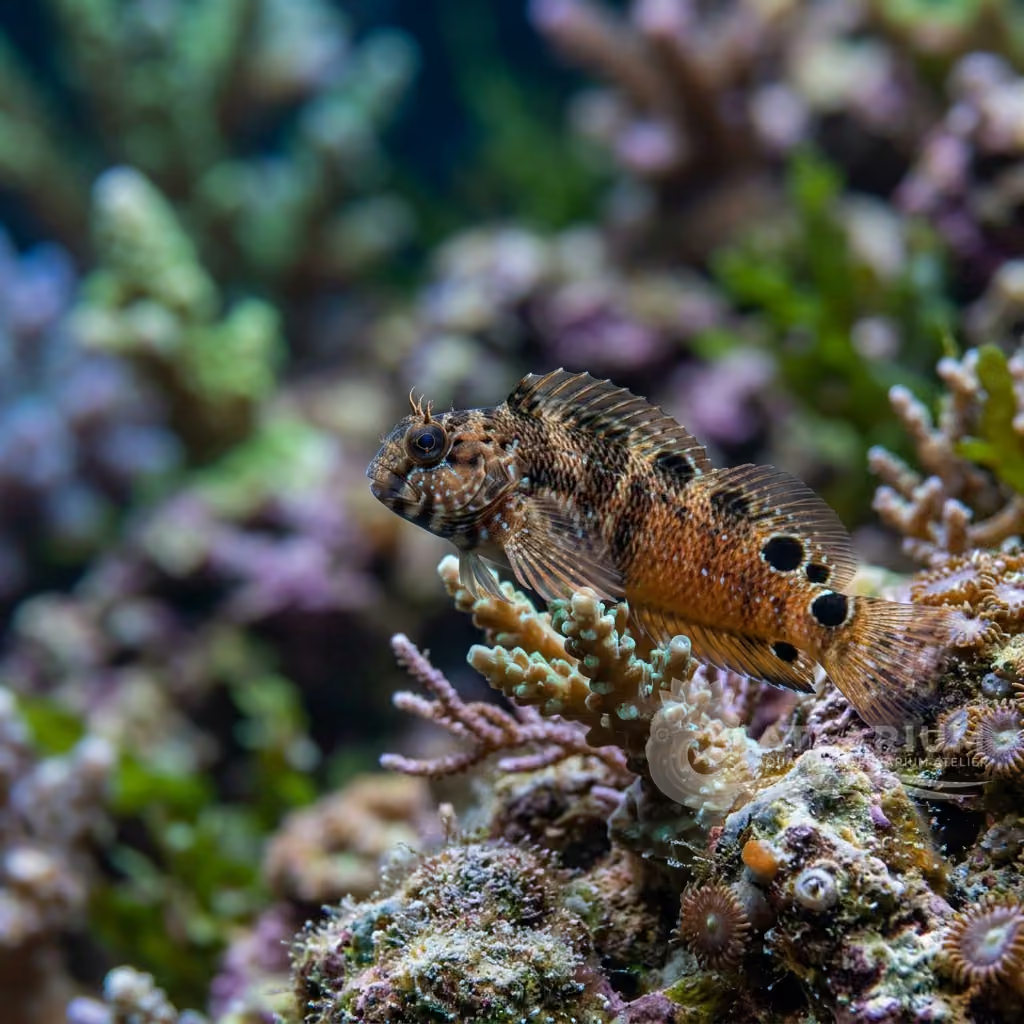
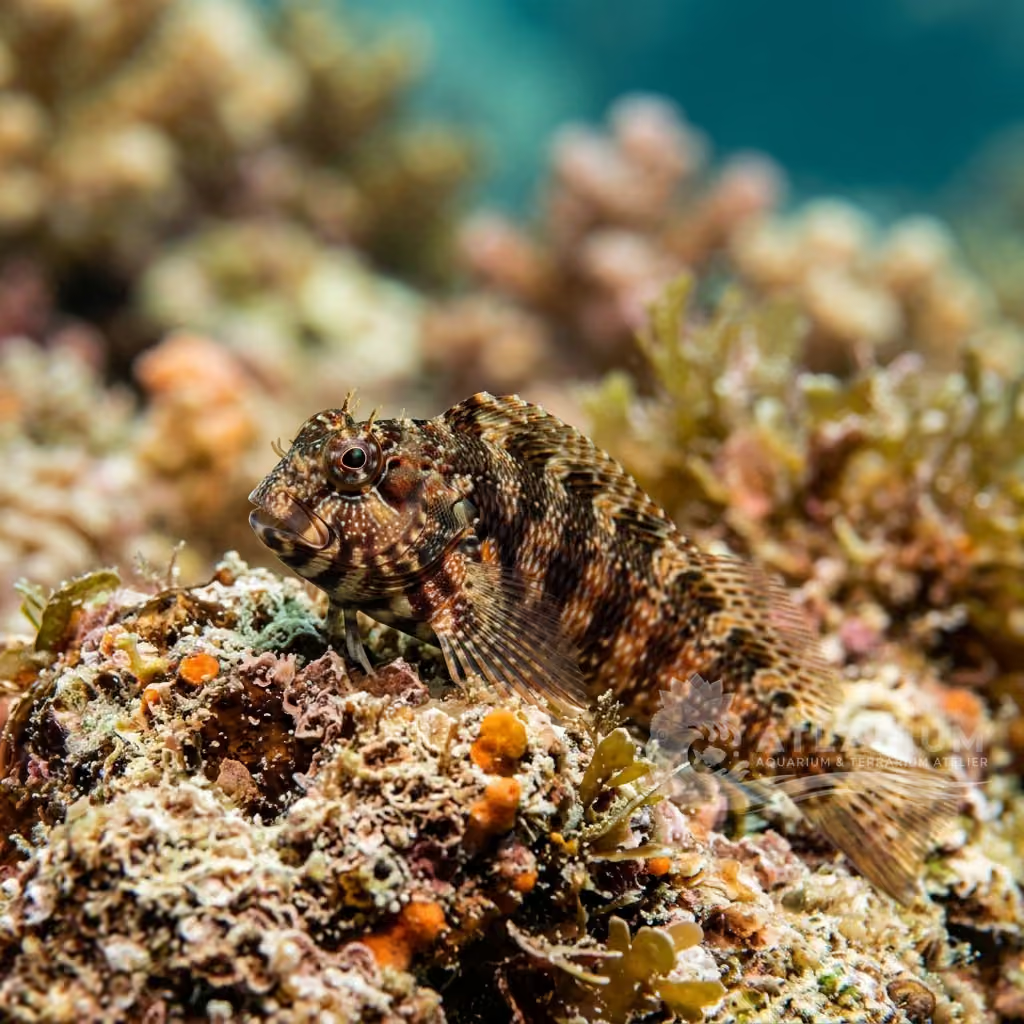
Red-streaked blenny
Cirripectes stigmaticus
A striking Indo-Pacific blenny with a vibrant red grid pattern. This strictly herbivorous species uses its comb-like teeth to vigorously scrape algae from sunlit live rocks.
Temperatura da água
22 - 27 °C
Valor de pH
8 - 8.5
Tipo de água
Marinho
Nível do tanque
Parte inferior
Tamanho adulto
12 cm
Volume mínimo do tanque
>= 150 L
Grupo mínimo
>= 1
KH
8 - 12 dKH

Descrição da espécie
Geographical Origin and Habitat: Cirripectes stigmaticus is widely distributed across the tropical Indo-Pacific, from the coast of East Africa and the Red Sea to the Line Islands, extending north to southern Japan and south to the Great Barrier Reef and Tonga. It inhabits surge-swept rocky reefs, tide pools, and shallow outer reef slopes at depths of 1 to 15 meters, where intense sunlight promotes a rich growth of benthic microalgae.
Taxonomy and Morphology: Belonging to the family Blenniidae, subfamily Salariinae, and genus Cirripectes. Described by Playfair and Günther in 1867. This blenny features an elongated, scaleless body covered in a protective layer of mucus. The head is rounded, featuring a downward-pointing mouth with comb-like teeth for scraping algae, and small tentacular cirri above the eyes. Adults reach 10-12 centimeters.
Social Behavior: A diurnal and solitary fish that fiercely defends its grazing territory on the rocks from other blennies or similar-looking food competitors. It spends the day darting from rock to rock, rasping algae, and retreating backward into its preferred crevice if threatened, exposing only its head. It has an expressive personality.
Coloration and Sexual Dimorphism: The coloration is striking, featuring a dark brown or black body covered with a complex grid-like pattern of bright red or orange lines on the head and flanks. Sexual dimorphism is present in mature males, which exhibit brighter red coloration, slightly longer dorsal and anal fins, and modifications to their urogenital papilla during spawning.

Cuidado, criação e companheiros de tanque
Aquarium Setup: Requires an aquarium of at least 150 liters with a large amount of established live rock. The rockwork should provide ample lit grazing surfaces and numerous small caves or holes where the blenny can shelter. A well-established tank with natural benthic algal growth is essential to support its dietary needs.
Diet and Feeding: An herbivorous specialist that feeds on microalgae and organic film covering the rocks. In captivity, it must be offered high-quality plant-based foods, such as dried nori sheets, spirulina pellets, and herbivore flakes. It may occasionally eat frozen foods like mysis, but these should not make up the main diet.
Water Quality: Demands clean and stable reef parameters. Water temperature between 24°C and 28°C, pH of 8.1 to 8.4, specific gravity of 1.023 to 1.025, and dKH between 8 and 12. Strong water movement and high oxygenation are critical to simulate its natural surge-swept reef habitat. Keep nitrates and phosphates low.
Compatibility and Cohabitation: Generally peaceful toward most other fish families. However, it shows strong territorial aggression toward other blennies or fish with similar diets (like small tangs in smaller enclosures). It is safe with corals, though it may nip at them if it is underfed and lacks algal food source.
Aquarium Breeding: Breeding in captivity is extremely rare. They are oviparous, laying adhesive eggs in small cracks or empty shells. The male guards and fans the nest until hatching. The larvae are planktonic and require microscopic live feeds, making rearing them in standard setups highly difficult.
Risks and Diseases: Starvation is the biggest risk if introduced into a sterile or new tank without algae. It can contract marine ich if stressed. Because blennies are known to jump when startled, the aquarium must have a tightly fitting mesh cover to prevent them from jumping out.

Origem e distribuição geográfica
Cirripectes stigmaticus is widely distributed across the tropical Indo-Pacific, from the coast of East Africa and the Red Sea to the Line Islands, extending north to southern Japan and south to the Great Barrier Reef and Tonga. It inhabits surge-swept rocky reefs, tide pools, and shallow outer reef slopes at depths of 1 to 15 meters, where intense sunlight promotes a rich growth of benthic microalgae.
Origem
Oceanos tropicais e recifesÁfrica e MadagascarLeste Asiático

Perfil de peixe
- Temperamento
- Semi-aggressive
- The Red-streaked Blenny is peaceful with other species but exhibits strong territorial behavior near its shelter. They occupy the bottom zone of the aquarium, perching on rocks and darting into caves when startled. They are alert and curious, showing engaging behavior that makes them popular pets.
- Dieta
- Herbivore
- They are herbivorous detritivores that feed by scraping microalgae, diatoms, and organic films from live rocks. In the aquarium, they must have access to established rockwork with natural algae growth. Supplement their diet with high-quality spirulina flakes, algae wafers, and prepared seaweed.
- Expectativa de vida
- 3-5 years
- Tamanho adulto
- 12 cm
- Proporção sexual
- Solitary
- Solitary
- Frequência de alimentação
- Twice daily
- They should be fed once or twice daily with vegetable-based foods to complement their natural grazing behavior. In tanks with heavy algae growth, they will actively graze throughout the day and require less supplemental feeding. Regular observation of their body shape helps ensure they are receiving enough food.
- Carga biológica
- Low to Medium
- The red-streaked blenny contributes a moderate amount of bioload, proportional to its near-constant grazing habits on rock surfaces and glass. While it processes a large volume of algae and biofilm, the resulting waste is typically organic and easily broken down by mature biological filtration. Occasional supplemental feeding of herbivore preparations should be monitored to prevent excess nutrient accumulation. A reliable protein skimmer is usually sufficient to handle their continuous metabolic output.
- Fluxo
- Strong
- They prefer moderate to strong water flow, which simulates the high-energy surge zones of their natural reef environment. Strong currents help keep the grazing surfaces clean and ensure high oxygen levels, which is vital for their respiratory health. Provide some crevices with calmer flow for shelter.
- Risco de salto
- Yes
- This species poses a significant jump risk, sharing the startle response typical of many blenny species. When pursued by a predator or simply disoriented during the nighttime hours, they are prone to launching themselves through the water surface. A properly fitted mesh screen or solid canopy is mandatory to ensure they do not end up on the floor. Fishkeepers must secure all structural gaps and feeding ports on the lid.
- Reprodução
- Oviparous
- This species is oviparous and deposits demersal, adhesive eggs onto rocky substrates, which are then guarded and fanned by the male. Successfully breeding them in home aquariums is extremely rare. Raising the planktonic larvae is highly complex and requires specialized live micro-feeds.
- Compatibilidade e companheiros de tanque
- Reef safe
- They are reef-safe and generally peaceful toward non-related tankmates, though they may nip at coral polyps or clam mantles when hungry. They are highly territorial toward other blennies or fish with similar shapes that compete for algae. House them singly unless the aquarium is very large with separate rock structures.
- Nível do tanque
- Bottom
- Red-streaked blennies are distinctly lower-to-mid level inhabitants that form a close association with the aquarium's rockwork. They spend their days hopping from rock to rock, grazing on turf algae, and darting into small burrows when alarmed. They very rarely venture into the upper third of the water column unless chasing a specific piece of food. The complex structure of the benthic zone is crucial for their physical and psychological well-being.

Modelos e parâmetros científicos
FishBase
Acesso aos dados científicos oficiais da espécie
FishBase v25.04Dados sincronizados em: 15/06/2026
- Nível trófico
- 2 ± 0 se
- Resiliência
- Alta (menos de 15 meses)
- Unicidade filogenética (PD50)
- 0.5
- Relação bayesiana comprimento-peso
- a = 0.01047, b = 3
- VulnerabilidadeVulnerabilidade baixa (10 / 100)

Espécies relacionadas
Recomendações agrupadas por parentes próximos, escolhas de acompanhantes e cuidados semelhantes.