Shorthead fangblenny
Petroscirtes breviceps
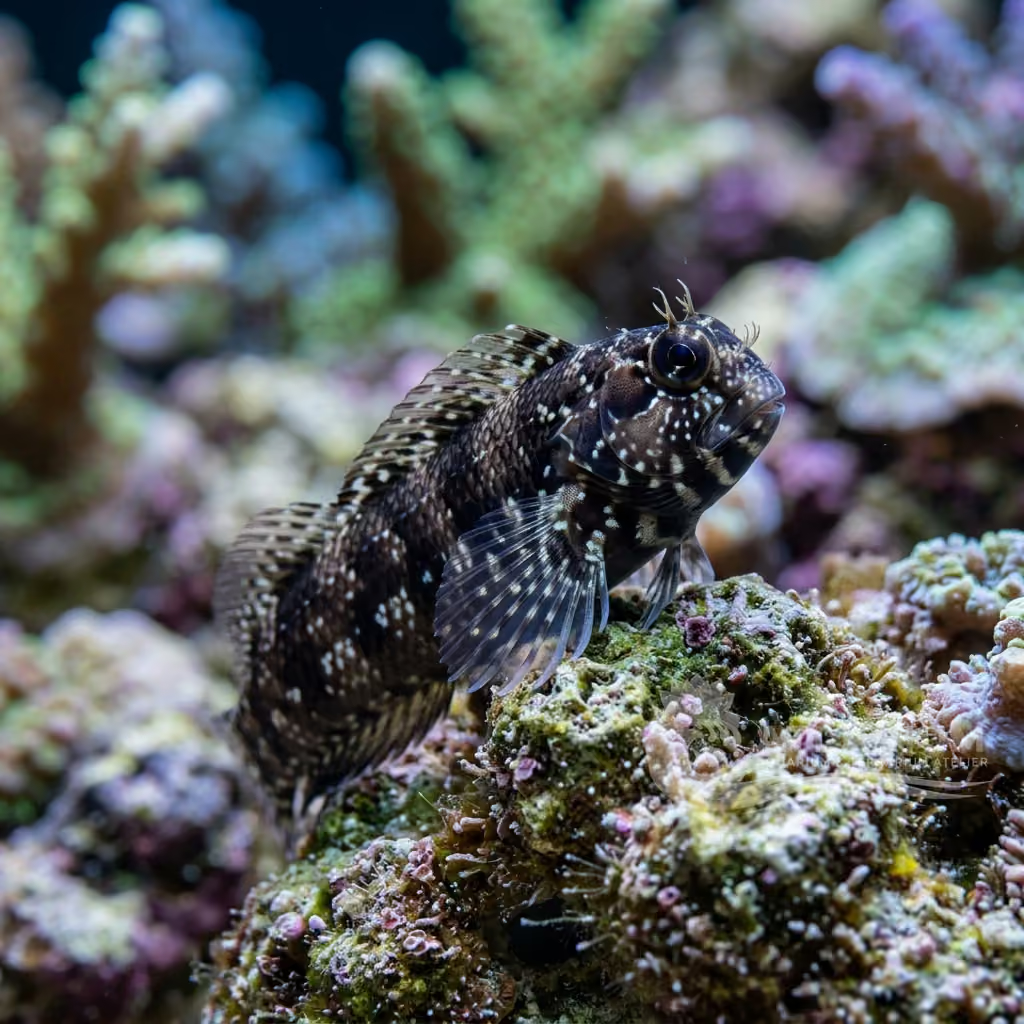
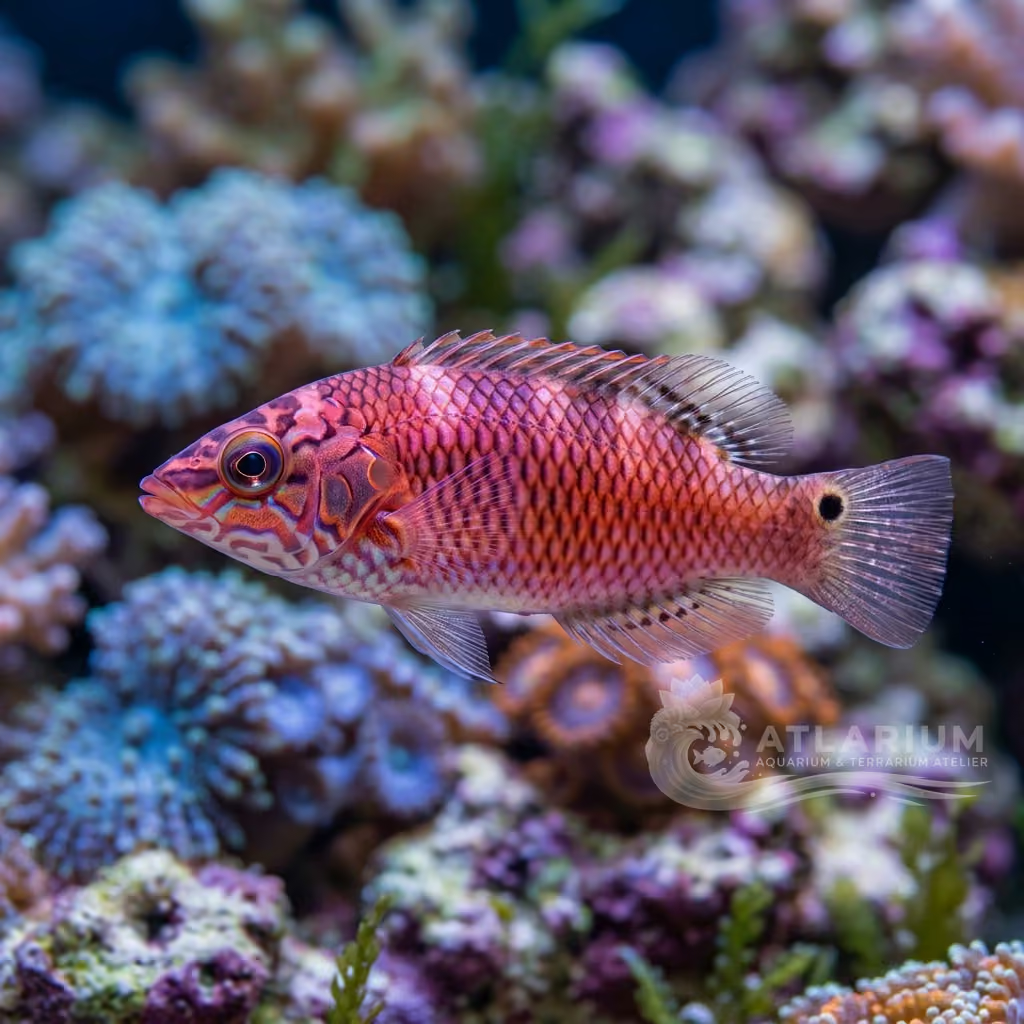
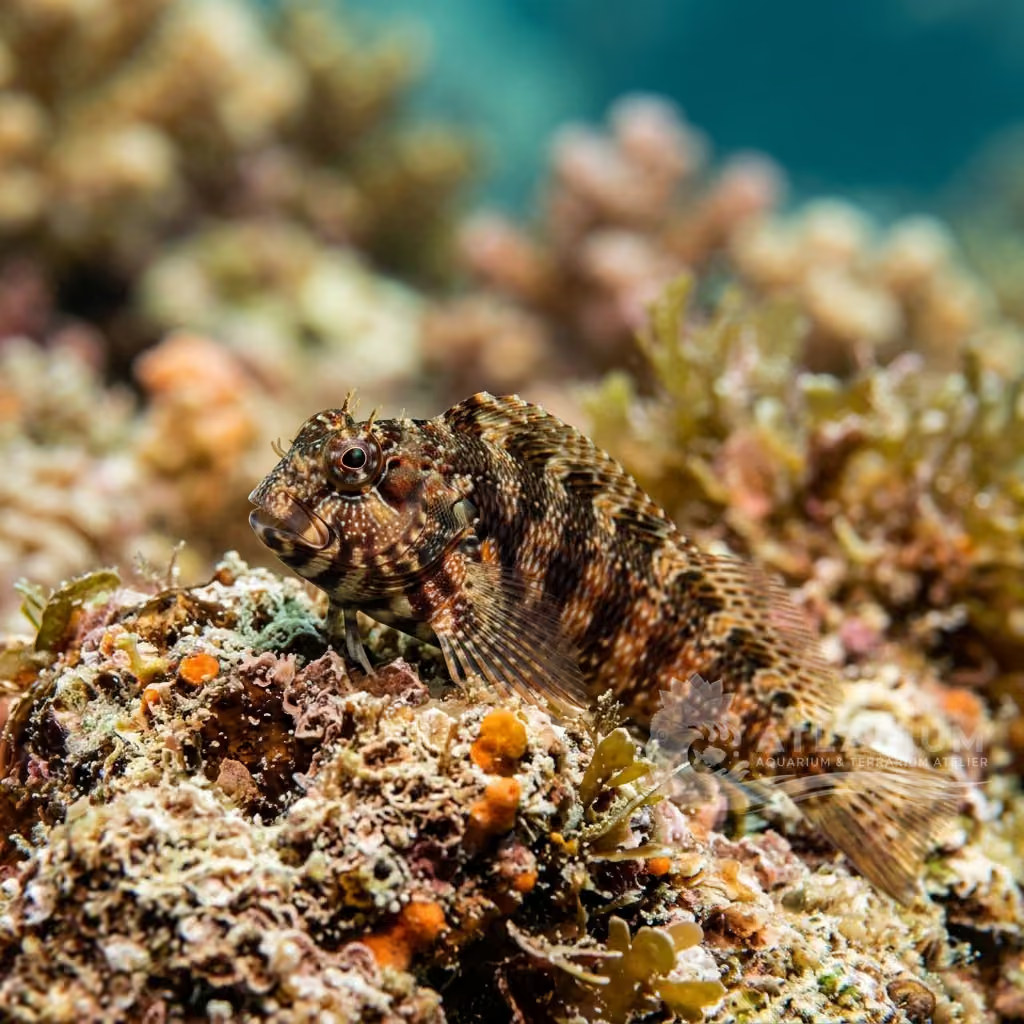
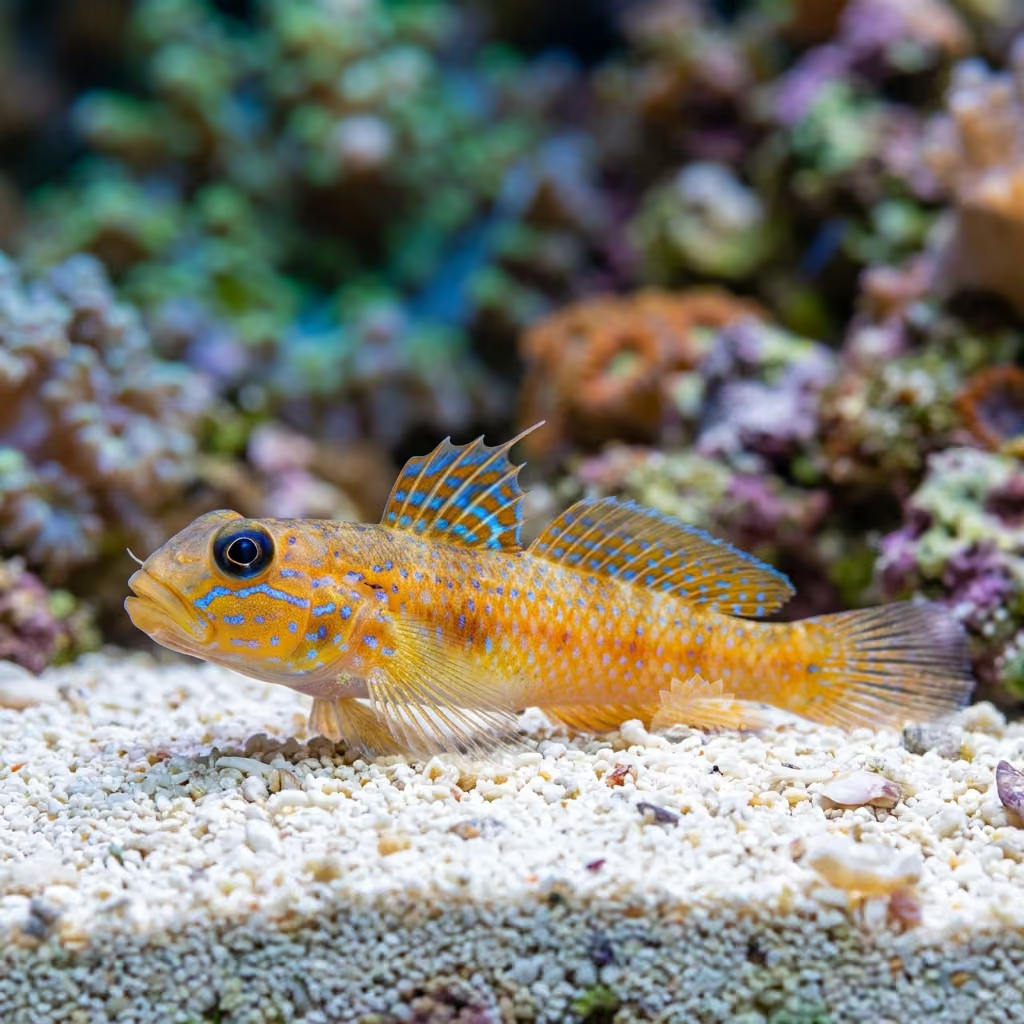
The Striped Poison-Fang Blenny Mimic charms aquarists by expertly imitating venomous species. Equipped with its own distinct fangs, it thrives in well-structured marine aquariums.
Temperatura da água
25 - 28 °C
Valor de pH
8.1 - 8.4
Tipo de água
Marinho
Nível do tanque
Todos os níveis
Tamanho adulto
11 cm
Volume mínimo do tanque
>= 150 L
Grupo mínimo
>= 1
KH
8 - 12 dKH

Descrição da espécie
Geographical Origin and Habitat: Petroscirtes breviceps is widely distributed in the tropical waters of the Western Indo-Pacific, covering a range extending from the coasts of East Africa and Madagascar to the Fiji Islands, southern Japan, and the Great Barrier Reef in Australia. It primarily inhabits sheltered lagoons, estuaries, seagrass beds, and shallow coral reef zones at depths between 1 and 15 meters.
Taxonomy and Morphology: It belongs to the family Blenniidae, genus Petroscirtes. Morphologically, it presents an elongated and flexible body, with a short, rounded head from which its specific name is derived. It has two large curved canine teeth in the lower jaw used mainly for defense. Its morphology and coloration have evolved to mimic Meiacanthus grammistes (Batesian mimicry) to deter predators.
Social Behavior: Unlike many other strictly benthic blennies, Petroscirtes breviceps is an active swimmer that spends much of its time in the mid-level water column, swimming freely among seagrass leaves or near rocks. It is a predominantly solitary and peaceful species with other fish, but males show intraspecific territoriality for the possession of nesting cavities.
Coloration and Sexual Dimorphism: The base coloration is yellowish or grayish-green, crossed by three dark longitudinal stripes (black or brown) running along the body. It features a characteristic circular black spot positioned just behind the eye. In adult males, the dorsal and anal fins are more developed and the caudal fin shows elongated outer filaments that are absent in females.

Cuidado, criação e companheiros de tanque
Aquarium Setup: Requires a marine aquarium of at least 100 liters capacity. The setup should include both live rock arranged to create small crevices, and areas planted with marine macroalgae (such as Caulerpa or Halimeda) to replicate the seagrass habitat. It is essential to equip the aquarium with a sealed lid or a fine protective mesh net, as this species is a skilled jumper.
Diet and Feeding: It is an omnivorous and opportunistic species. In the wild, it feeds on small crustaceans, zooplankton, fish eggs, and benthic microalgae. In the aquarium, it accepts commercial foods easily: dry foods in granules or flakes, dried nori seaweed, and frozen foods such as mysis, brine shrimp, and chopped krill. Feed twice daily to support its active swimming.
Water Quality: Water parameters must be maintained within the classic reef aquarium range: temperature between 24 and 26 °C, pH between 8.1 and 8.4, specific gravity at 1.020-1.025, and KH between 8 and 12. Good water movement and effective biological filtration are essential to keep organic pollutant levels close to zero, preventing stress and supporting fish welfare.
Compatibility and Cohabitation: It is compatible with most calm, medium-to-small community fish such as clownfish, gobies, wrasses, and small tangs. It does not harm corals and is reef safe, but due to its protruding canine teeth, it may occasionally nip at the fins of very slow and passive fish (such as boxfish or seahorses), which is why cohabitation is not recommended.
Aquarium Breeding: Breeding is possible and documented in the aquarium. They are demersal spawners: the female deposits adhesive eggs inside empty tubes, rock crevices, or gastropod shells, which the male fertilizes and guards jealously until hatching. The larvae undergo a planktonic stage, and rearing requires feeding microscopic live food (rotifers) in a separate tank.
Risks and Diseases: One of the main risks is jumping out of the tank. Being a scaleless fish, it is particularly sensitive to parasitic skin infections such as Marine Ich if subjected to severe transport stress or temperature fluctuations. It is intolerant to copper-based therapeutic treatments, preferring alternative therapies or UV sterilizers.

Origem e distribuição geográfica
Petroscirtes breviceps is widely distributed in the tropical waters of the Western Indo-Pacific, covering a range extending from the coasts of East Africa and Madagascar to the Fiji Islands, southern Japan, and the Great Barrier Reef in Australia. It primarily inhabits sheltered lagoons, estuaries, seagrass beds, and shallow coral reef zones at depths between 1 and 15 meters.
Origem
Oceanos tropicais e recifesÁfrica e MadagascarLeste AsiáticoAustrália, Nova Guiné e Oceania

Perfil de peixe
- Temperamento
- Semi-aggressive
- It is characterized by a bold and curious personality, often interacting cautiously but actively with its environment. While generally peaceful towards dissimilar species, it can become defensive if its chosen territory is encroached upon. Its intelligent nature makes it an engaging fish to observe, as it constantly explores every nook and cranny of the aquarium. Providing a complex habitat with plenty of hiding spots helps minimize stress and encourages a calm demeanor.
- Dieta
- Omnivore
- This species is primarily omnivorous, requiring a varied diet to maintain optimal health and vibrant coloration. In the aquarium, it readily accepts high-quality marine flakes, pellets, and frozen foods such as mysis shrimp and brine shrimp. It will also actively graze on microalgae growing on live rock, which provides essential nutrients. Supplementing its diet with occasional feedings of spirulina or nori can help fulfill its herbivorous dietary needs.
- Expectativa de vida
- 2-5 years
- Tamanho adulto
- 11 cm
- Proporção sexual
- Solitary
- Maintaining a harmonious group often requires careful attention to the sex ratio, usually keeping one male with several females. Introducing multiple males into the same tank can lead to severe territorial disputes and aggressive behavior. In smaller setups, it is generally best to keep them as solitary individuals to avoid any potential conflict. If attempting to form a pair or harem, closely monitoring their interactions during the initial acclimation period is crucial.
- Frequência de alimentação
- Twice daily
- To mimic its natural foraging behavior, this fish should be fed small portions multiple times throughout the day. Offering food two to three times daily ensures that its energetic requirements are adequately met. Overfeeding should be strictly avoided to prevent water quality issues and maintain a healthy digestive system. Observing its feeding response can help aquarists adjust the portion sizes to suit its specific metabolic needs.
- Carga biológica
- Low to Medium
- The bioload of this species is relatively low, making it a manageable addition to moderately sized marine aquariums. It produces a minimal amount of waste compared to larger or more active predatory fish. Regular water changes and standard protein skimming are usually sufficient to maintain optimal water quality. Its efficient metabolism ensures that it does not place a significant strain on the aquarium's biological filtration system.
- Fluxo
- Moderate
- It thrives in environments with moderate water movement that simulates the natural currents of its reef habitat. Adequate water flow helps keep the water well-oxygenated and ensures that detritus does not accumulate on the substrate. While it enjoys a good current, it is important to provide calmer resting areas within the rockwork where it can retreat. Excessively strong or chaotic flow should be avoided, as it can cause the fish unnecessary stress.
- Risco de salto
- Yes
- Like many blennies, this species possesses a strong instinct to jump when startled or threatened by aggressive tank mates. It is highly recommended to keep the aquarium covered with a tight-fitting lid or a specialized mesh screen. Uncovered tanks pose a significant risk, as the fish can easily propel itself out of the water during sudden movements. Ensuring a secure environment is critical to preventing accidental losses.
- Reprodução
- Oviparous
- Breeding this species in a home aquarium is a rare occurrence and requires highly specific water parameters and conditioning. They are known to be demersal spawners, typically laying their adhesive eggs in small crevices or empty shells. The male often takes on the role of guarding the nest, fiercely protecting the eggs from potential predators until they hatch. Rearing the microscopic larvae is extremely challenging, demanding specialized live foods and dedicated nursery setups.
- Compatibilidade e companheiros de tanque
- With caution
- This fish is generally peaceful towards most tank mates, particularly those of a similar size and temperament. However, it may exhibit territorial behavior towards other blennies or fish with a similar body shape. It is typically considered reef-safe and will not bother corals, though it might occasionally nip at small ornamental crustaceans. Careful observation is recommended when introducing it to a community tank to ensure no aggressive interactions occur.
- Nível do tanque
- All levels
- This fish is predominantly benthic, spending the majority of its time perching on live rock or hovering just above the substrate. It utilizes crevices and small caves within the rockwork as safe havens to observe its surroundings. While it may occasionally dart into the mid-water column to grab a passing morsel of food, it quickly returns to the bottom. Providing ample rock formations is essential for its well-being and natural behavioral expression.

Modelos e parâmetros científicos
FishBase
Acesso aos dados científicos oficiais da espécie
FishBase v25.04Dados sincronizados em: 15/06/2026
- Nível trófico
- 2,1 ± 0,2 se
- Resiliência
- Alta (menos de 15 meses)
- Unicidade filogenética (PD50)
- 0.5005
- Relação bayesiana comprimento-peso
- a = 0.00575, b = 3.06
- VulnerabilidadeVulnerabilidade baixa (10 / 100)

Espécies relacionadas
Recomendações agrupadas por parentes próximos, escolhas de acompanhantes e cuidados semelhantes.