Starry blenny
Salarias ramosus
A peaceful, hardworking herbivorous blenny adorned with beautiful starry white spots, serving as an exceptional natural algae controller.
Temperatura da água
22 - 28 °C
Valor de pH
8 - 8.5
Tipo de água
Marinho
Nível do tanque
Parte inferior
Tamanho adulto
14 cm
Volume mínimo do tanque
>= 150 L
Grupo mínimo
>= 1
KH
8 - 12 dKH

Descrição da espécie
Geographical Origin and Habitat: Salarias ramosus is native to the warm tropical waters of the Western Pacific, with populations concentrated primarily in the Indonesian archipelago, the Philippines, Papua New Guinea, and northern Australia. It inhabits shallow coral reefs, costal reef flats, and tidal pools characterized by high sun exposure and abundant growth of benthic microalgae and diatoms on rocks, at depths ranging from 1 to 10 meters.
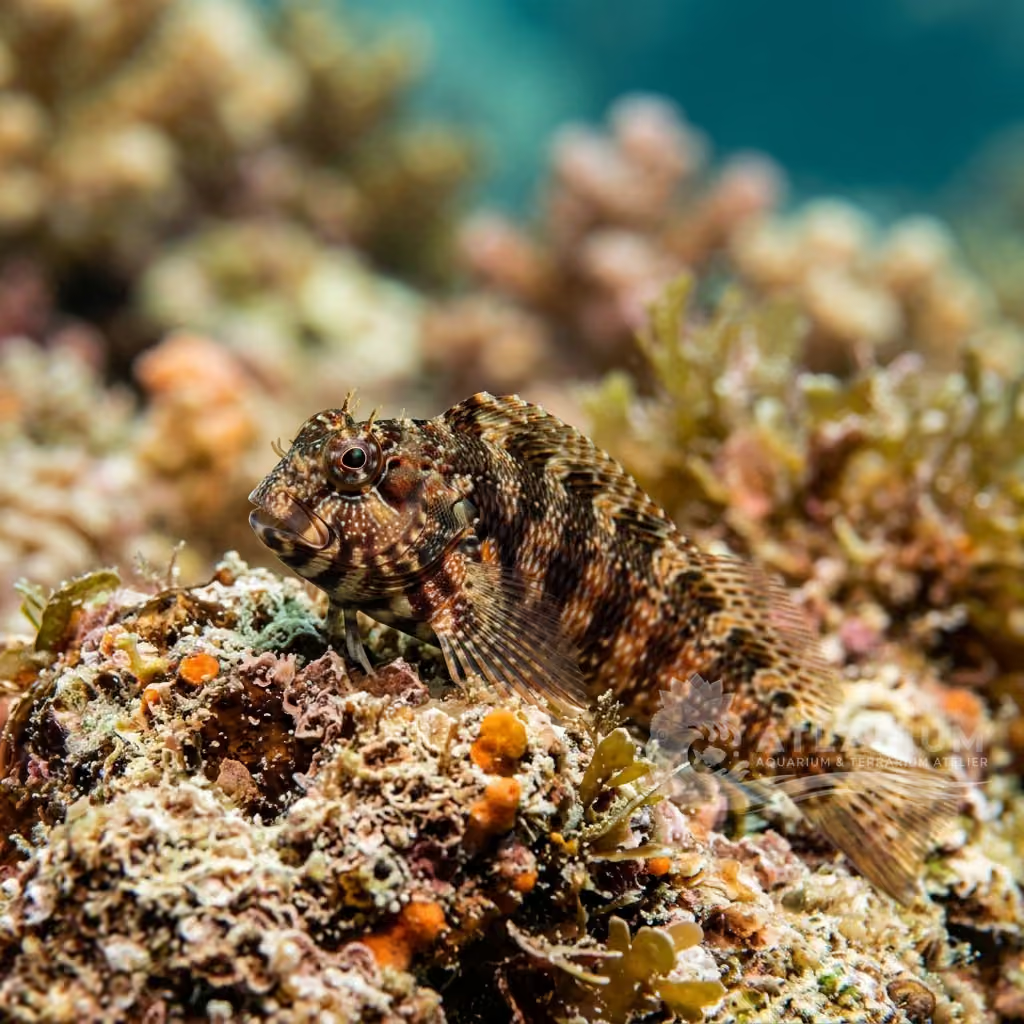
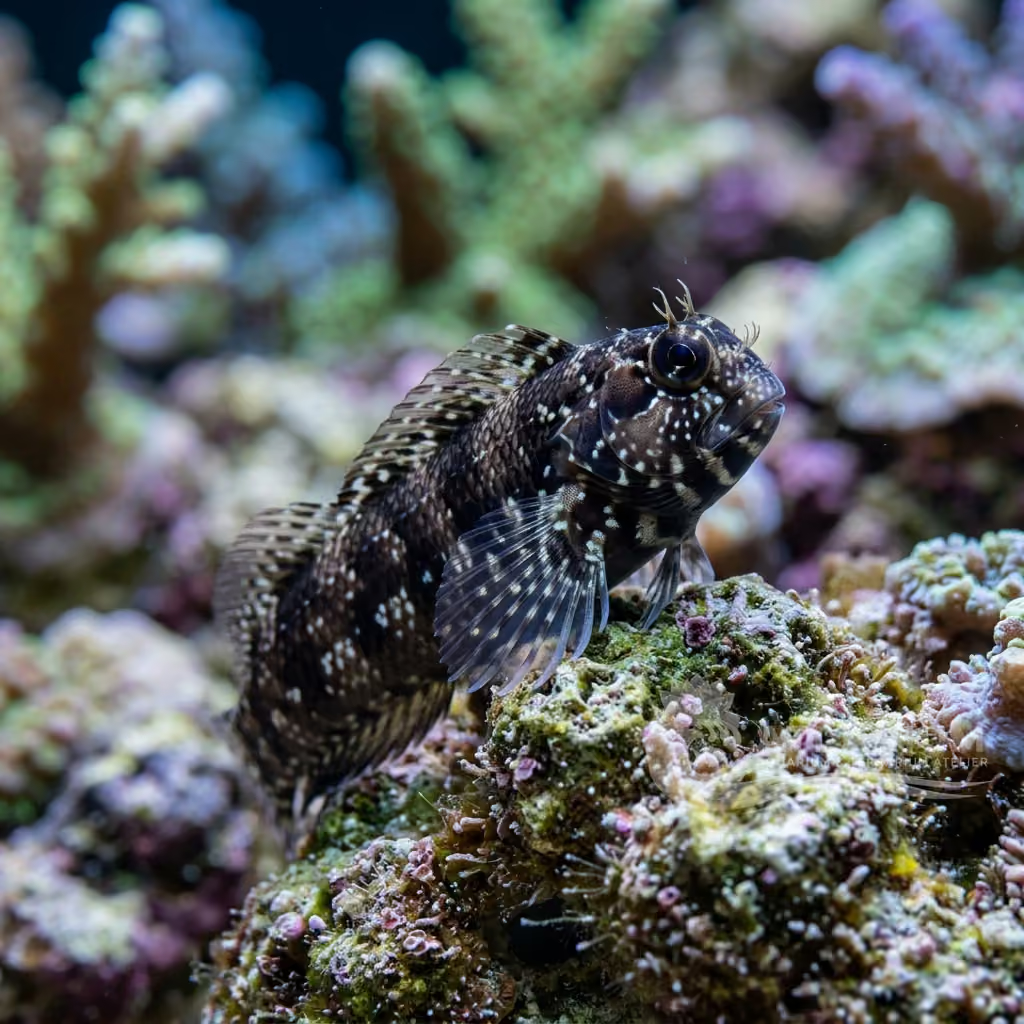
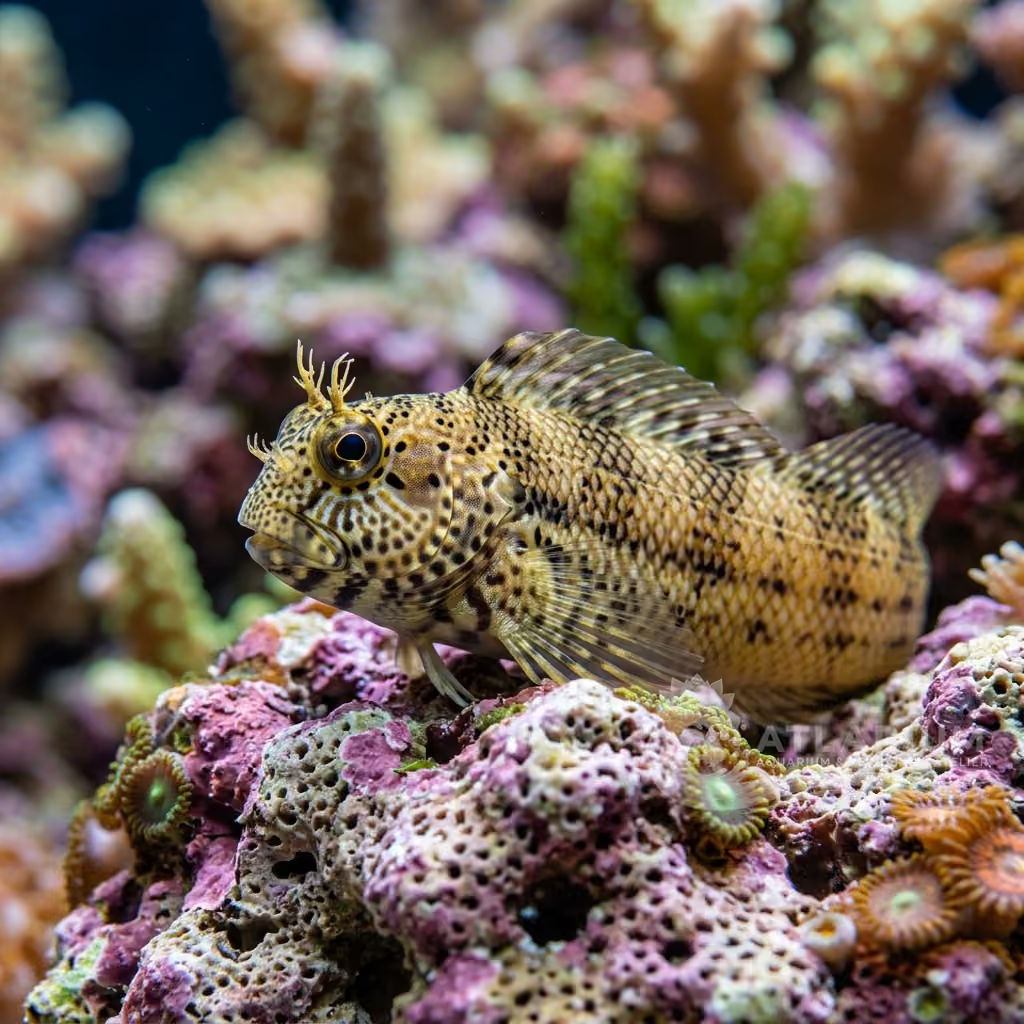
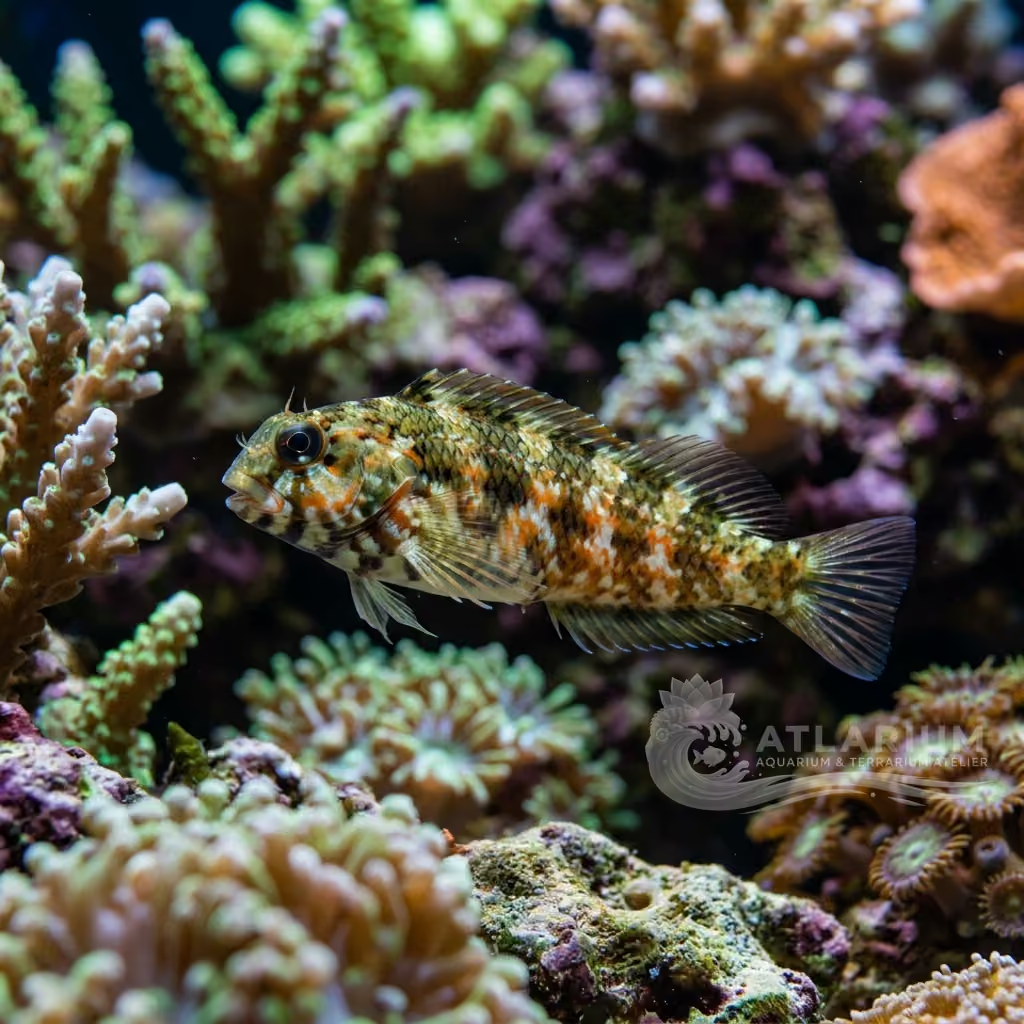
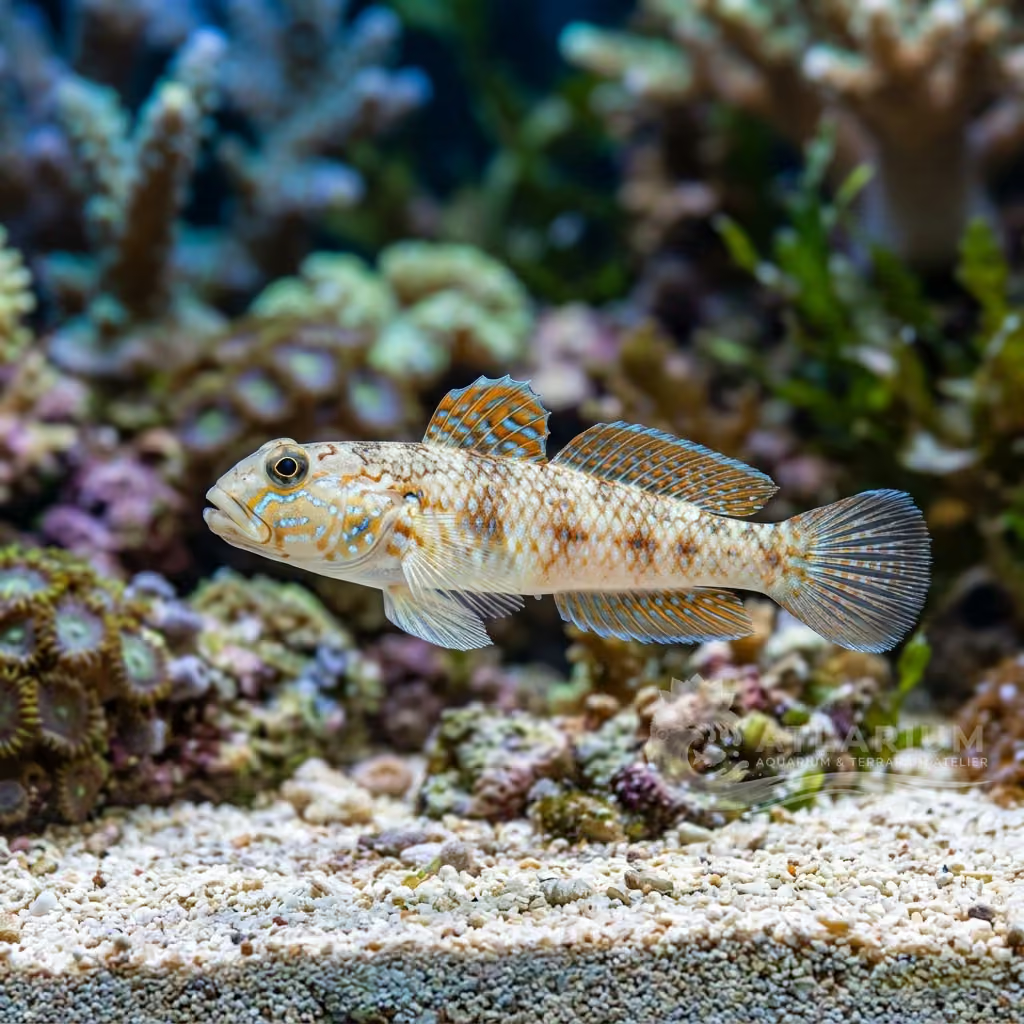
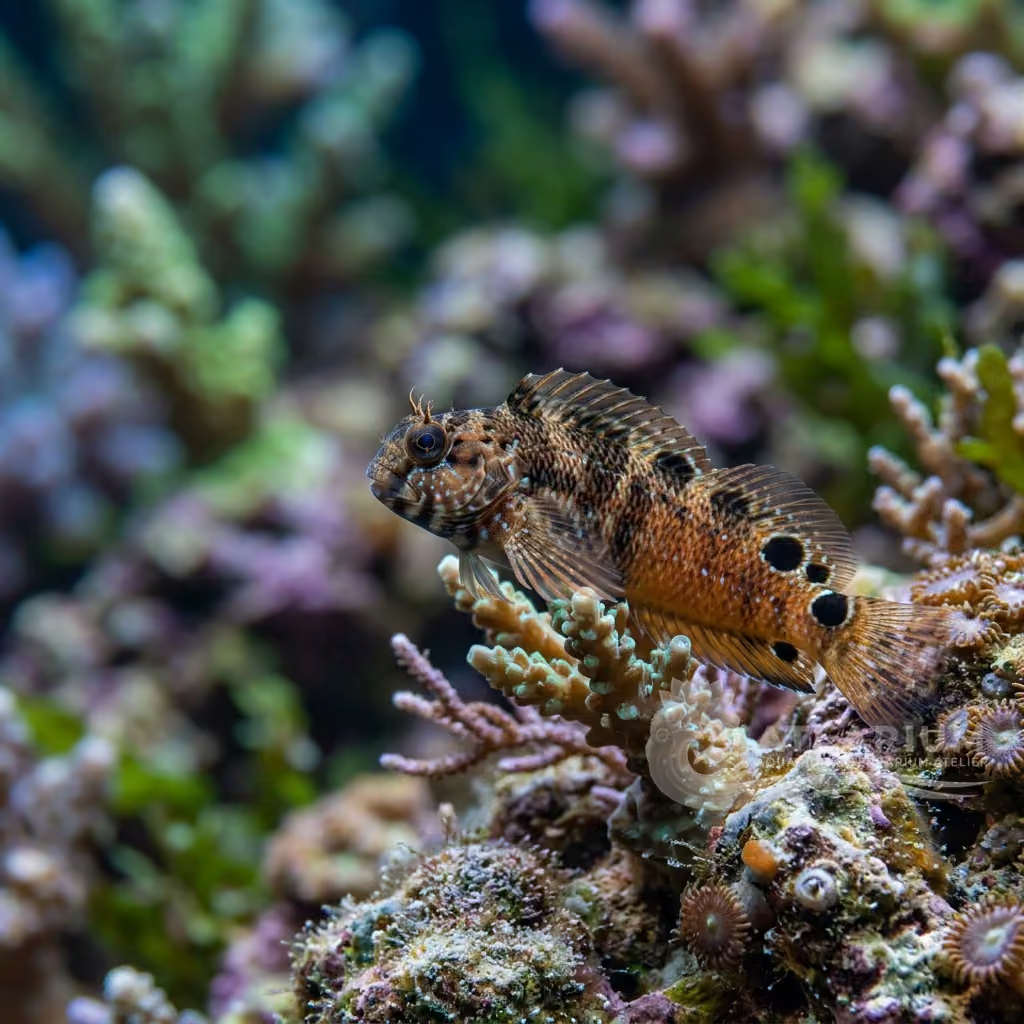
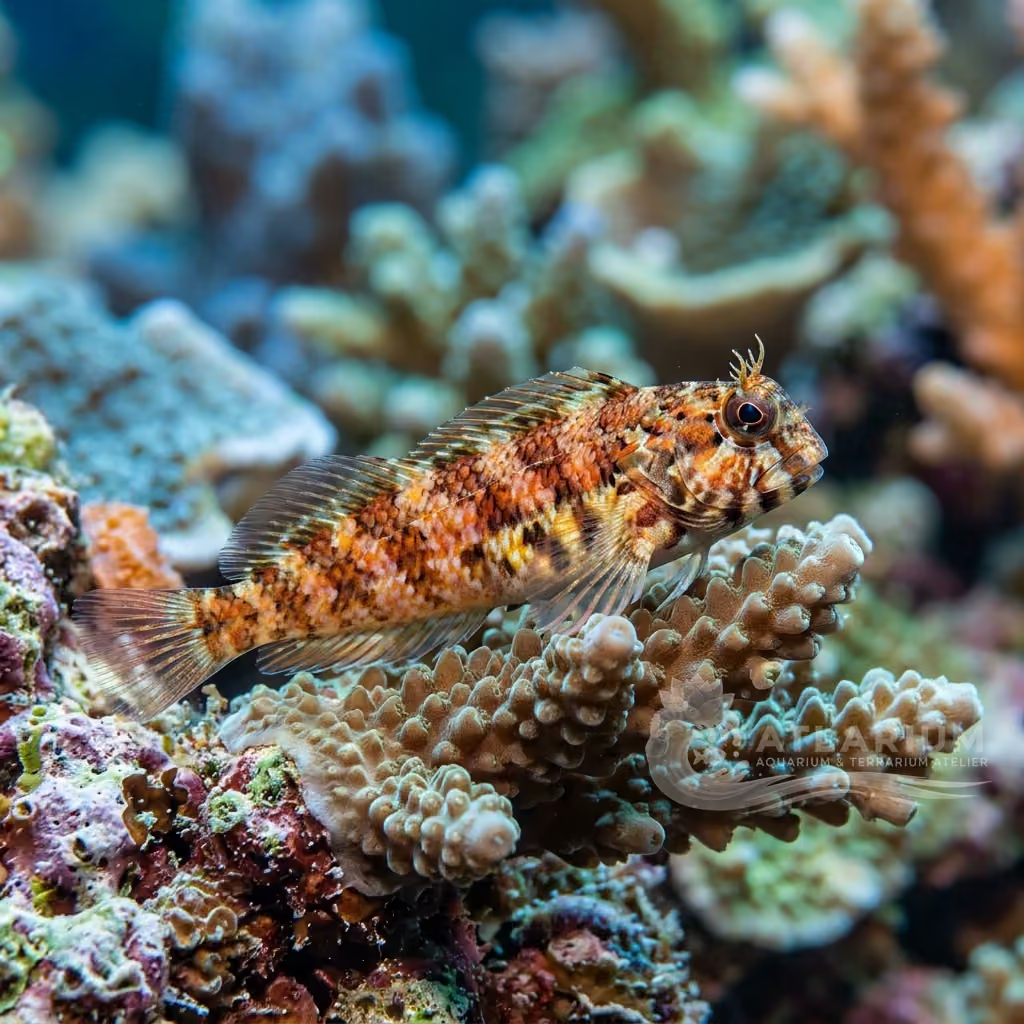
Taxonomy and Morphology: It belongs to the family Blenniidae and the genus Salarias. It features a robust, cylindrical, scaleless body covered by a protective mucus layer. The head is large with prominent, mobile eyes set high on the head, topped by branched cirri (tentacles) that function as sensory organs. Its mouth is downturned and equipped with comb-like teeth, ideal for scraping algae off rocky surfaces.
Social Behavior: This blenny is a diurnal, inquisitive, and highly active fish with a distinct personality. It spends the day perched on rocks, constantly grazing on the substrate. While generally peaceful toward other aquarium residents, it exhibits strong intraspecific territoriality and can be aggressive toward similarly shaped fish (such as other blennies) that compete for the same food resources.
Coloration and Sexual Dimorphism: The body coloration is dark brown to greyish, covered with a dense pattern of bright white or iridescent blue spots resembling a starry night. It has faint darker vertical bars along the body and large, transparent pectoral fins. There is no major visual sexual dimorphism, though mature males may develop slightly longer rays on the dorsal fin.

Cuidado, criação e companheiros de tanque
Aquarium Setup: Requires an aquarium of at least 100-120 liters with a large amount of mature live rock arranged to create ledges, caves, and crevices for sleeping. Since it is a grazing herbivore, the tank must be established for several months to ensure natural algae growth on the rocks. The aquarium should be covered, as blennies can leap out of the water if startled.
Diet and Feeding: It is a specialized herbivore. In captivity, it feeds by grazing on filamentous algae and biofilm from rocks and glass. Its diet must be supplemented daily with high-quality vegetable-based foods, such as spirulina sinking tablets, dried nori sheets attached to a clip, and herbivore flakes. It may occasionally eat frozen foods, but they should not form the bulk of its diet.
Water Quality: Stable water parameters are crucial: temperature 23-27 °C, pH 8.1-8.4, specific gravity 1.020-1.025, and KH 8-12. Strong water movement and efficient filtration are necessary to keep dissolved organic compounds low, while providing sufficient lighting to encourage natural algae growth.
Compatibility and Cohabitation: It is 100% reef-safe and does not harm hard or soft corals. It coexists peacefully with calm community fish such as clownfish, tangs, anthias, and gobies. Avoid keeping more than one Salarias ramosus per tank unless the aquarium is very large, and do not house it with aggressive species or similar blennies to prevent territorial fighting.
Aquarium Breeding: Breeding in home aquariums is extremely difficult. They are demersal spawners: the female deposits adhesive eggs inside a rock crevice or empty shell, which the male fertilizes and guards until hatching. Raising the larvae requires sterile rearing tanks and targeted feeding with live phytoplankton and rotifers.
Risks and Diseases: The primary risk is starvation (sunken stomach) if introduced into clean, sterile aquariums lacking natural algae. As a scaleless fish, it is highly sensitive to copper-based medications and rapid changes in salinity. It is advisable to regularly monitor the roundness of its stomach to ensure it is receiving adequate nutrition.

Origem e distribuição geográfica
Salarias ramosus is native to the warm tropical waters of the Western Pacific, with populations concentrated primarily in the Indonesian archipelago, the Philippines, Papua New Guinea, and northern Australia. It inhabits shallow coral reefs, costal reef flats, and tidal pools characterized by high sun exposure and abundant growth of benthic microalgae and diatoms on rocks, at depths ranging from 1 to 10 meters.
Origem
Oceanos tropicais e recifesÁfrica e MadagascarSul e Sudeste AsiáticoLeste AsiáticoAustrália, Nova Guiné e Oceania

Perfil de peixe
- Temperamento
- Semi-aggressive
- They have a charming, observant, and peaceful demeanor overall. They are highly territorial only when it comes to their food source. They often change colors slightly depending on their mood.
- Dieta
- Herbivore
- It is a strict herbivore that feeds on film algae and detritus. A well-established aquarium with plenty of natural algae is essential. It readily accepts prepared herbivore diets and seaweed sheets.
- Expectativa de vida
- 3-6 years
- Tamanho adulto
- 14 cm
- Proporção sexual
- Solitary
- Only one Starry Blenny should be kept per tank. Conspecific aggression is very high and usually ends in death. They are solitary grazers by nature.
- Frequência de alimentação
- Twice daily
- They feed continuously on algae growing on the rocks and glass. Supplement their diet once daily with algae flakes or nori. Ensure they maintain a plump belly to prevent starvation.
- Carga biológica
- Medium
- The Starry Blenny produces a small bioload in a marine system. Excellent water quality maintained by a protein skimmer is optimal. It does not heavily pollute the tank water.
- Fluxo
- Strong
- They thrive in moderate to high flow reef tanks. The current provides oxygenation and mimics the natural reef surge. They use their pectoral fins to hold steady against the flow.
- Risco de salto
- Yes
- Like most blennies, they are known to be jumpers. A secure mesh cover is absolutely necessary to prevent loss. They are prone to jumping if harassed by larger fish.
- Reprodução
- Oviparous
- Breeding has not been successfully accomplished in home aquariums. They reproduce by laying eggs in small holes in the rockwork. The larval stage requires specialized pelagic feeding.
- Compatibilidade e companheiros de tanque
- Reef safe
- It is reef safe and peaceful towards dissimilar species. It will, however, aggressively attack other blennies or fish with similar body shapes. It may occasionally nip at clam mantles if underfed.
- Nível do tanque
- Bottom
- They are bottom dwellers that spend their time perched on live rock. They blend in perfectly with their surroundings. They dart quickly between crevices rather than swimming in open water.

Modelos e parâmetros científicos
FishBase
Acesso aos dados científicos oficiais da espécie
FishBase v25.04Dados sincronizados em: 15/06/2026
- Nível trófico
- 2 ± 0 se
- Resiliência
- Alta (menos de 15 meses)
- Unicidade filogenética (PD50)
- 0.5001
- Relação bayesiana comprimento-peso
- a = 0.00776, b = 3
- VulnerabilidadeVulnerabilidade baixa (10 / 100)

Espécies relacionadas
Recomendações agrupadas por parentes próximos, escolhas de acompanhantes e cuidados semelhantes.