Redlip Blenny
Ophioblennius atlanticus
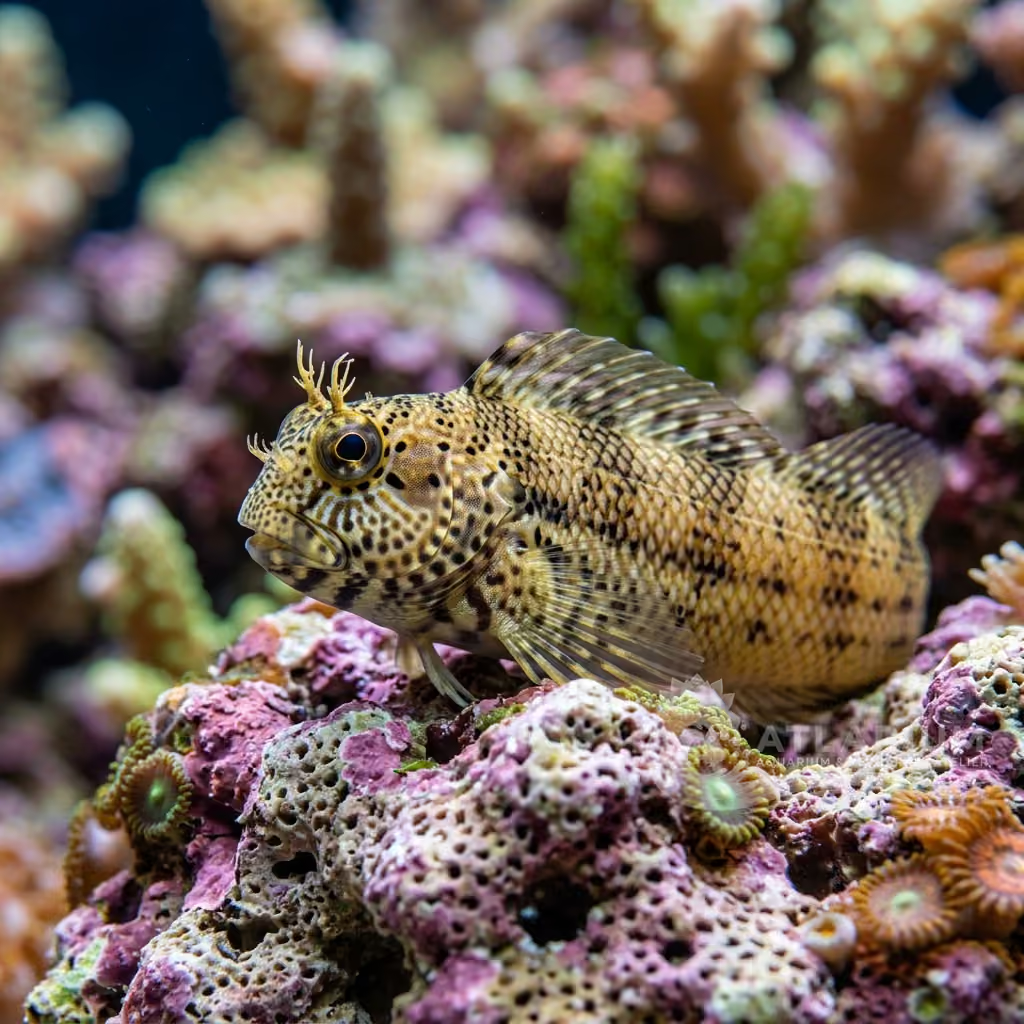
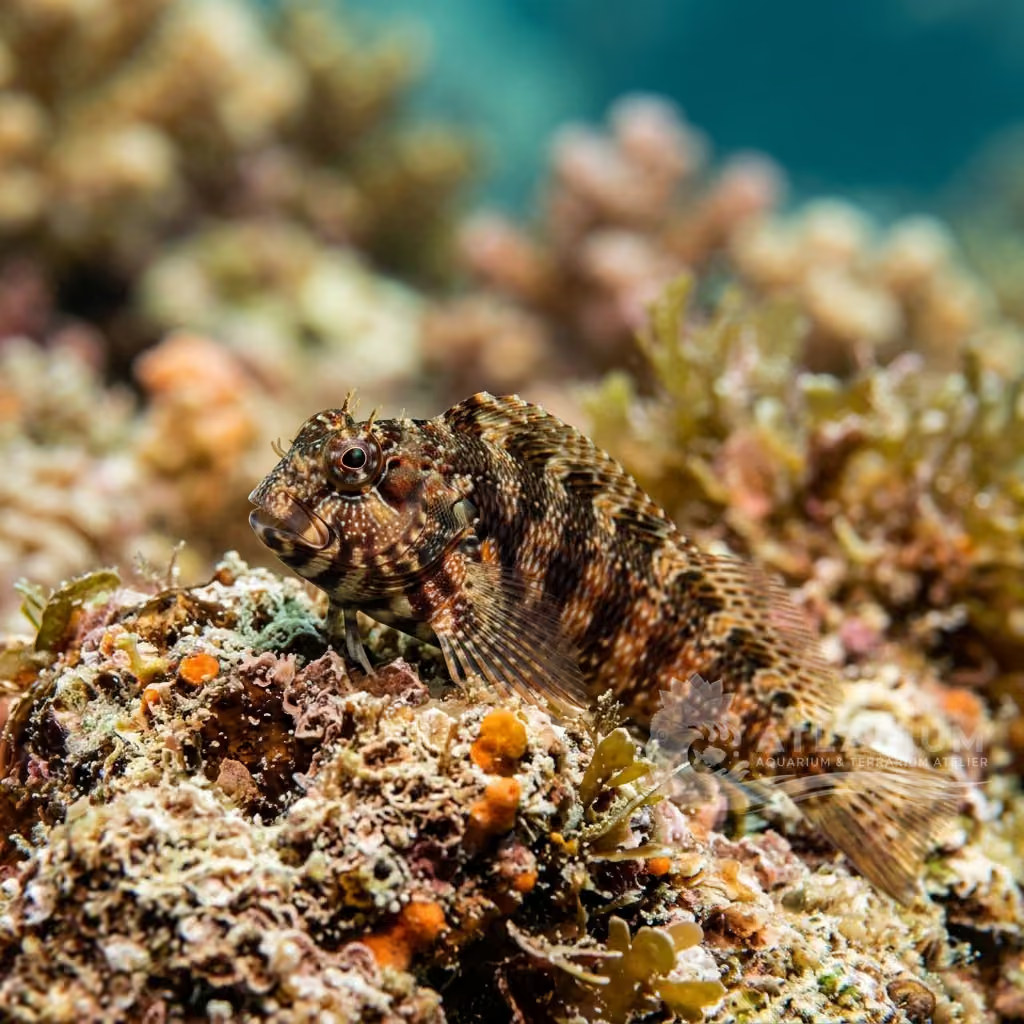
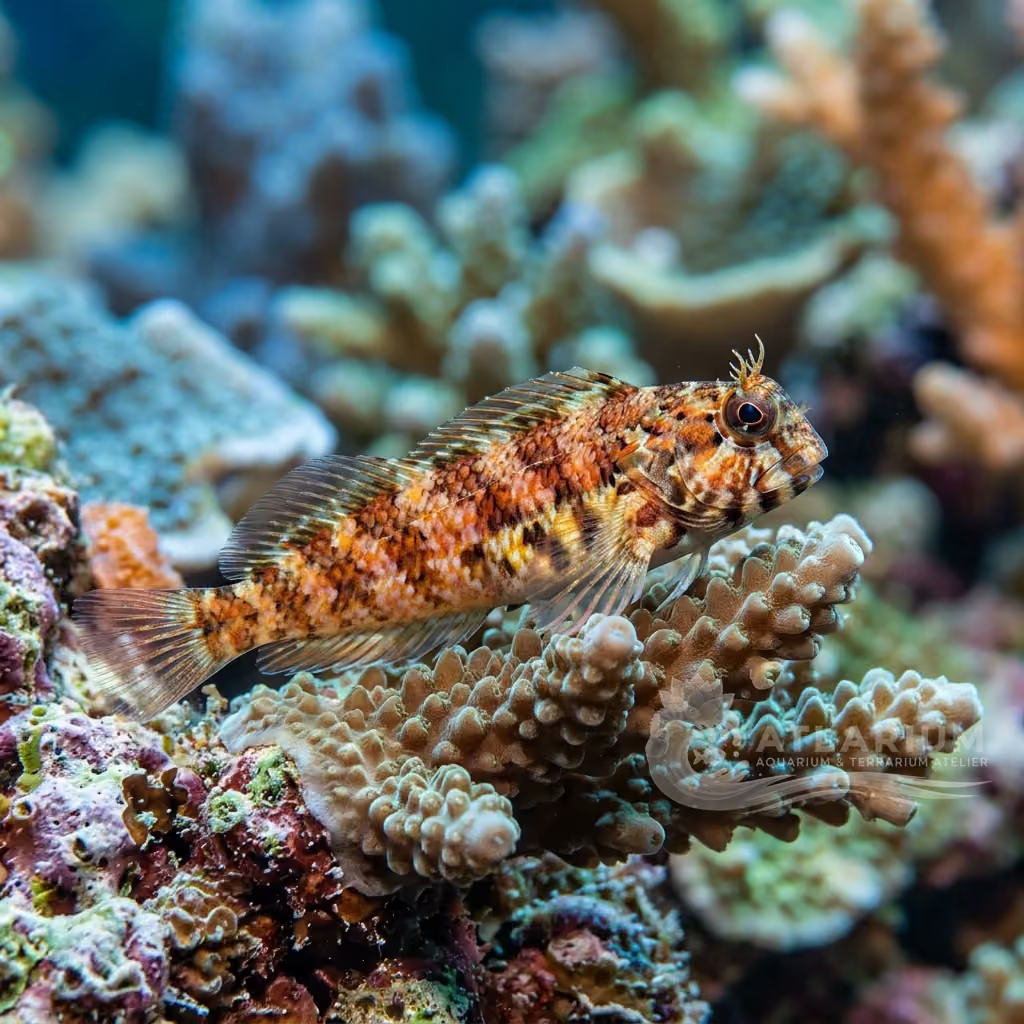
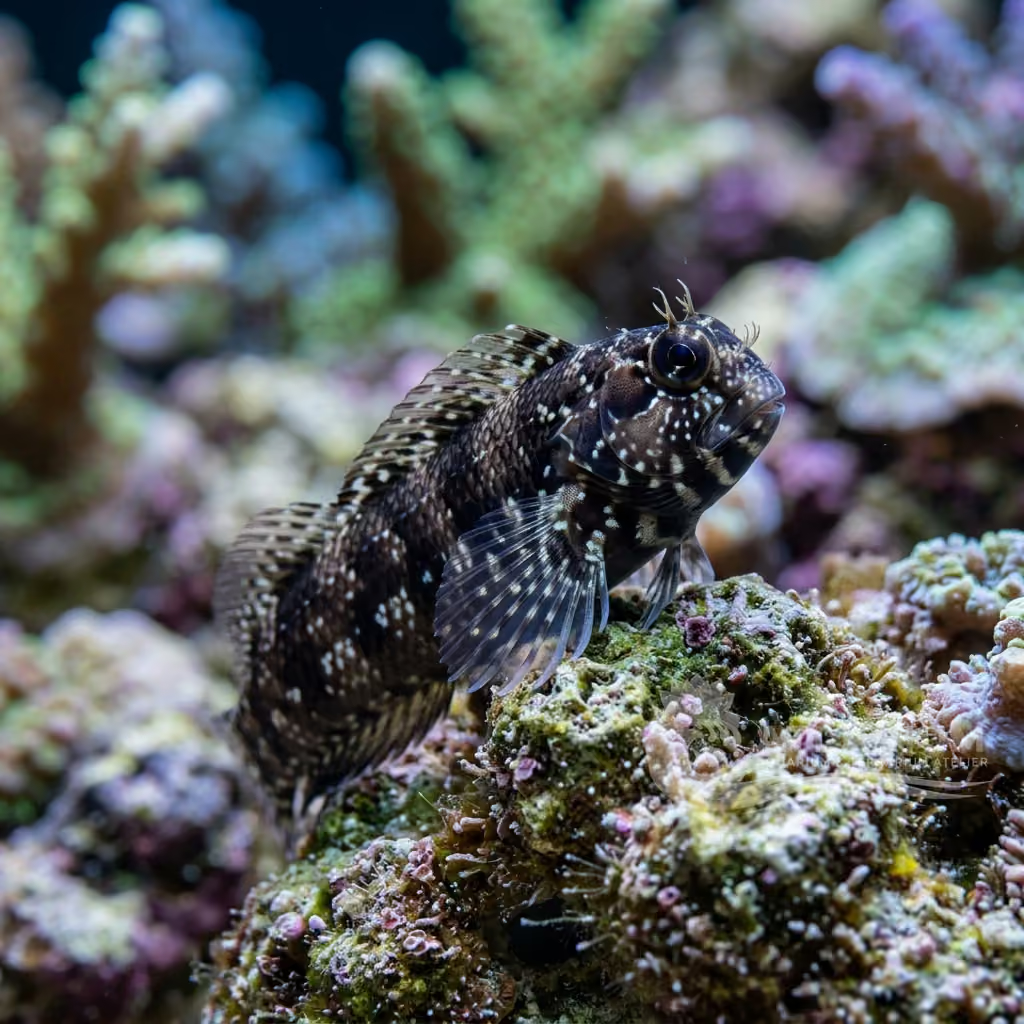
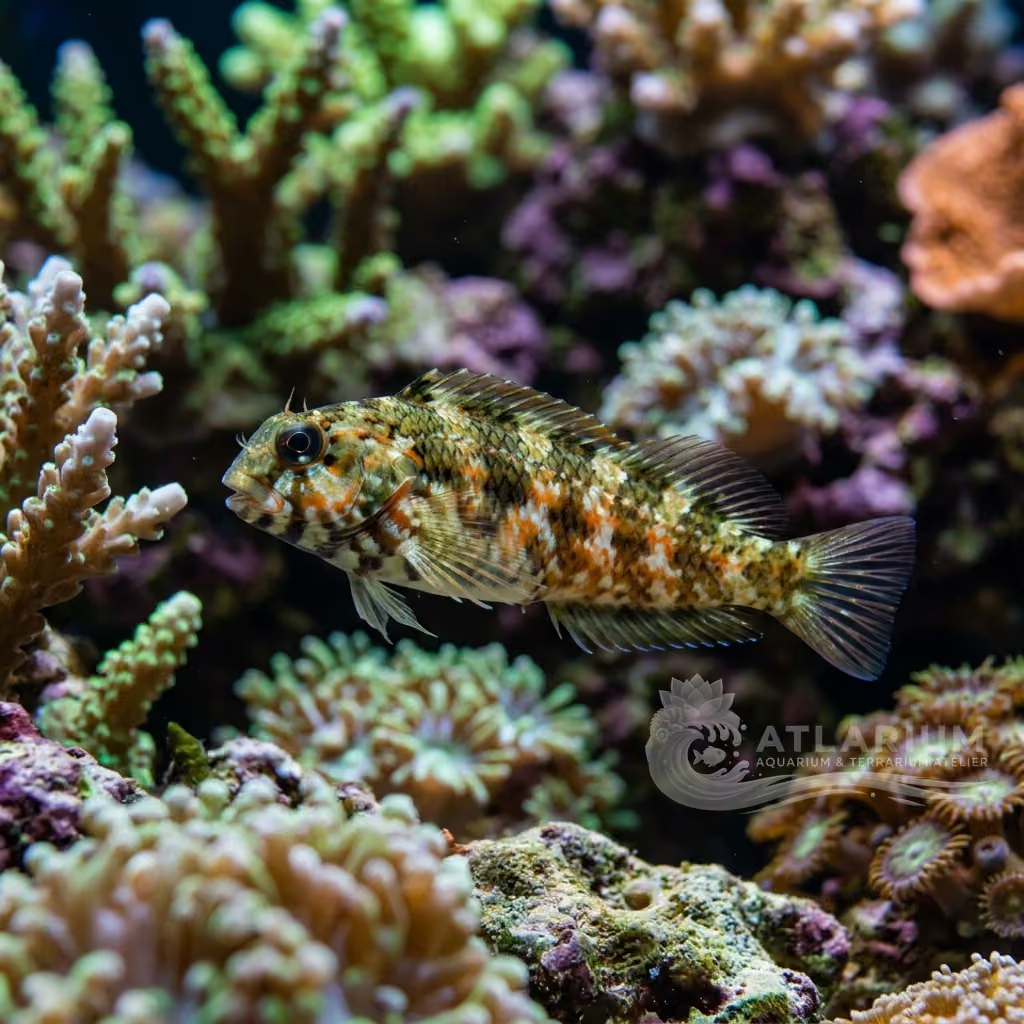
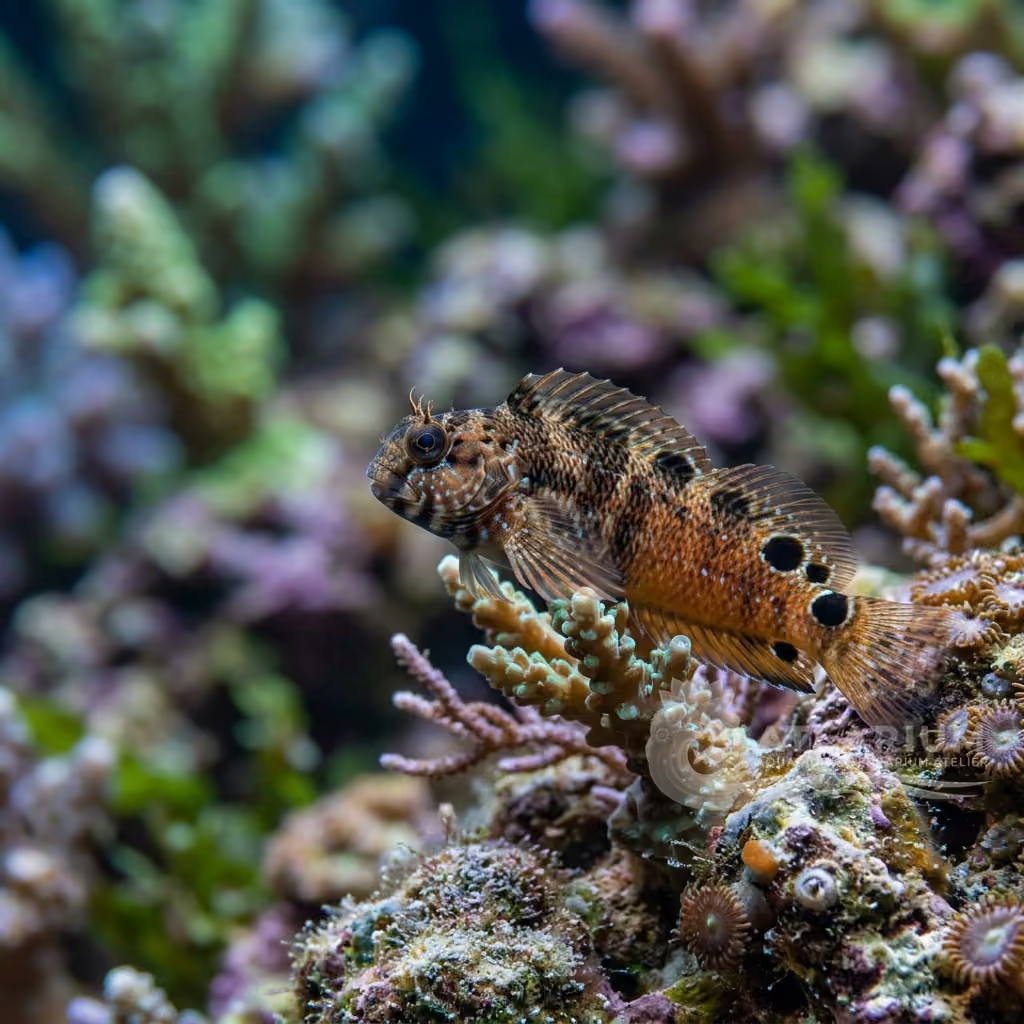
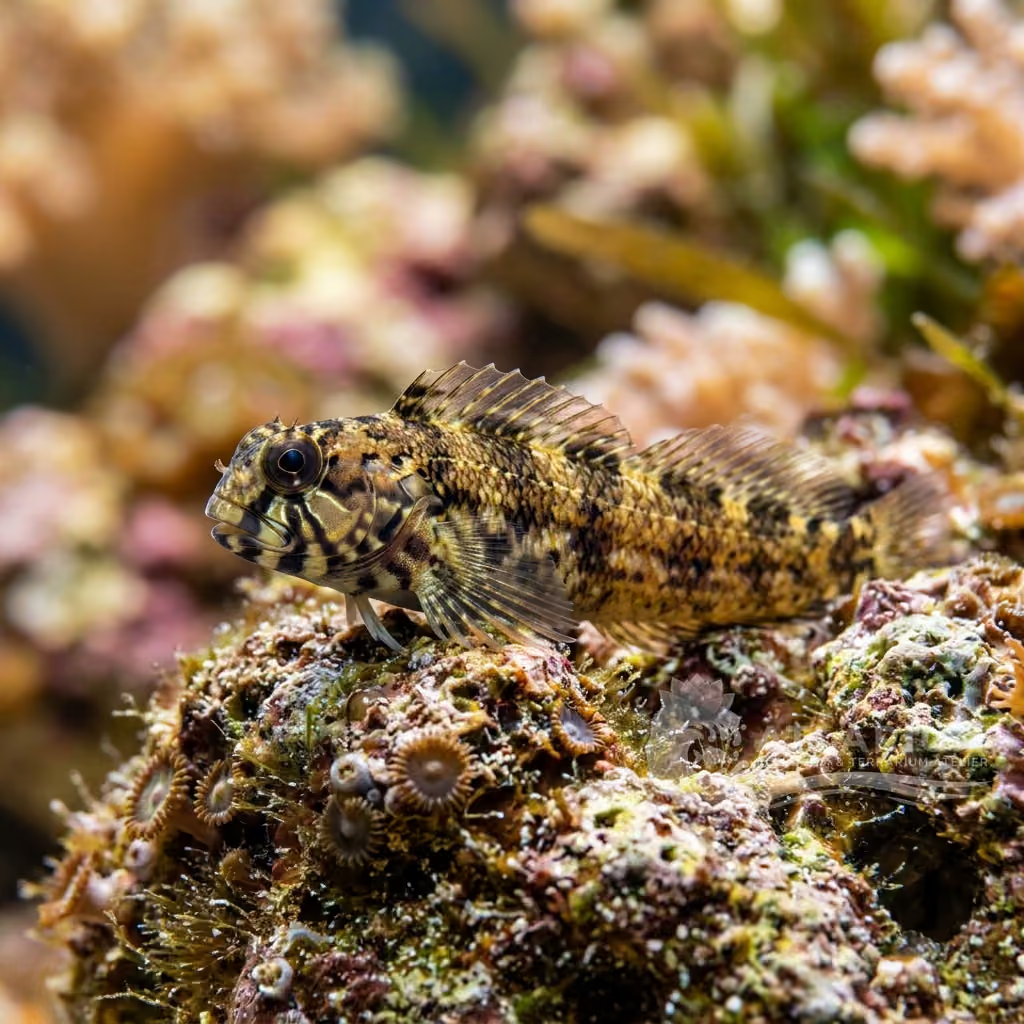
The Redlip Blenny is a large, territorial marine fish renowned for its intense red lips. An active algae grazer, it requires robust rockwork and a tightly secured aquarium lid.
Temperatura da água
22 - 26 °C
Valor de pH
8.1 - 8.4
Tipo de água
Marinho
Nível do tanque
Parte inferior
Tamanho adulto
18 cm
Volume mínimo do tanque
>= 250 L
Grupo mínimo
>= 1
KH
8 - 12 dKH

Descrição da espécie
Geographical Origin and Habitat: Widespread in the tropical and subtropical Atlantic Ocean: East from Canary Islands, Senegal, and Angola; West from Florida and Bermuda to southern Brazil. Inhabits wave-swept rocky reefs and shallow coral structures down to 10 meters. They are often found in very shallow water, where wave action and sunlight promote algae growth. They inhabit shallow rocky reefs down to about 10 meters.
Taxonomy and Morphology: Member of the family Blenniidae. Features a robust, elongated scaleless body with large eyes and thick, brightly colored lips. Reaches a maximum length of 18 cm. They belong to the family Blenniidae, commonly known as combtooth blennies. Their jaw structure is highly modified for scraping reef surfaces.
Social Behavior: Highly territorial. Aggressively defends a section of rocky reef against any other herbivorous fish invading its grazing area. They exhibit a curious personality, often perching on rocks and watching the room outside the tank. They are highly territorial against similar species.
Coloration and Sexual Dimorphism: Solid dark brown or blackish-brown body, highlighted by thick, intense orange-red or bright red lips. Dorsal and anal fins show red margins. Dimorphism is minimal. Their eyes can move independently, allowing them to watch for predators while feeding. The dark body contrasts sharply with their bright red lips.

Cuidado, criação e companheiros de tanque
Aquarium Setup: Requires a large tank of at least 250 liters with robust rockwork providing caves and ledges. A tight lid is necessary to prevent jumps during sudden dashes. Ensure the rockwork is stable, as they will actively squeeze into tight cracks. Use epoxy to cement large rocks together safely.
Diet and Feeding: Herbivorous detritivore. Consumes large amounts of benthic algae. Provide spirulina, shredded nori sheets, and quality sinking herbivore pellets. Accepts frozen foods. Offer specialized herbivore preparations containing spirulina to support their immune system. Supplement with frozen mysis and brine shrimp.
Water Quality: Stable marine parameters. Temperature 22-26°C, pH 8.1-8.4, salinity SG 1.020-1.026. GH 15-25. Demands good aeration and efficient protein skimming. Use a powerhead to create strong water currents across the main rock structures. Keep nitrate levels as close to zero as possible.
Compatibility and Cohabitation: Reef safe. Excellent algae grazer. However, it will aggressively attack other benthic fish (like gobies or blennies) and surgeonfish. Must be kept singly. They are best kept as the only blenny in smaller aquariums to prevent fighting. They are generally peaceful toward non-competitor species.
Aquarium Breeding: Extremely difficult. Deposits adhesive benthic eggs inside rocky caves, which are guarded fiercely by the male. The male will defend the nest aggressively against any potential threats. Egg clutches are adhesive and attached to rocky ceilings.
Risks and Diseases: Starvation in newly set-up or sterile tanks lacking natural algae biofilm. Sensitive to high nitrates and copper-based medications. Watch for signs of skin parasites, which can be treated with standard marine medications. Ensure the aquarium lid is tightly sealed.

Origem e distribuição geográfica
Widespread in the tropical and subtropical Atlantic Ocean: East from Canary Islands, Senegal, and Angola; West from Florida and Bermuda to southern Brazil. Inhabits wave-swept rocky reefs and shallow coral structures down to 10 meters. They are often found in very shallow water, where wave action and sunlight promote algae growth. They inhabit shallow rocky reefs down to about 10 meters.
Origem
Oceanos tropicais e recifesExtra-Amazônica América do SulAmérica do Norte

Perfil de peixe
- Temperamento
- Aggressive
- They possess a comical and inquisitive personality, often watching the world outside their tank. While peaceful to most, they aggressively defend their chosen perch from intruders. They can be pugnacious toward fish with a similar body shape or dietary niche.
- Dieta
- Herbivore
- They are predominantly herbivorous and feed heavily on microalgae in the wild. A mature tank with natural algae growth is highly beneficial for their health. Their diet should be supplemented with spirulina-based flakes and herbivore preparations.
- Expectativa de vida
- 2-5 years
- Tamanho adulto
- 18 cm
- Proporção sexual
- Solitary
- Visual sexing is difficult, though males may be slightly larger and exhibit different coloration during courtship. They are highly intolerant of conspecifics unless kept as a mated pair. It is safest to keep only one per aquarium to prevent fighting.
- Frequência de alimentação
- Twice daily
- They should be fed small amounts two to three times a day. If abundant natural algae is present, supplemental feeding can be reduced. Constant grazing is natural and keeps them healthy.
- Carga biológica
- Medium
- This blenny produces a relatively low bioload. Their waste output is manageable in a well-maintained reef or FOWLR system. Standard biological filtration and a skimmer are sufficient.
- Fluxo
- Strong
- They enjoy moderate to strong water flow. Currents that simulate surging reef environments are ideal. The flow also helps keep nuisance detritus from settling on their favored rocks.
- Risco de salto
- Yes
- They are known jumpers, especially when first introduced. They may also leap to escape aggressive tank mates. A secure lid with no large gaps is completely necessary.
- Reprodução
- Oviparous
- Breeding the Redlip Blenny in captivity has rarely been accomplished. Males typically guard a nest of eggs hidden in a crevice until they hatch. The planktonic larval stage is incredibly difficult to raise in home aquariums.
- Compatibilidade e companheiros de tanque
- Reef safe
- They are generally peaceful with dissimilar species but can be highly territorial toward other blennies. They may occasionally nip at small polyp stony corals or clam mantles. It is best to house them with active fish that occupy different water levels.
- Nível do tanque
- Bottom
- They are strictly bottom-dwellers that perch on live rock and substrate. They rarely swim freely in the open water column. You will often see them darting between crevices or resting on elevated rocks.

Modelos e parâmetros científicos
FishBase
Acesso aos dados científicos oficiais da espécie
FishBase v25.04Dados sincronizados em: 15/06/2026
- Nível trófico
- 2 ± 0 se
- Resiliência
- Média (1,4 - 4,4 anos)
- Unicidade filogenética (PD50)
- 0.5312
- Relação bayesiana comprimento-peso
- a = 0.01047, b = 2.98
- VulnerabilidadeVulnerabilidade baixa (10 / 100)

Espécies relacionadas
Recomendações agrupadas por parentes próximos, escolhas de acompanhantes e cuidados semelhantes.