Erdmann's dottyback
Pseudochromis erdmanni
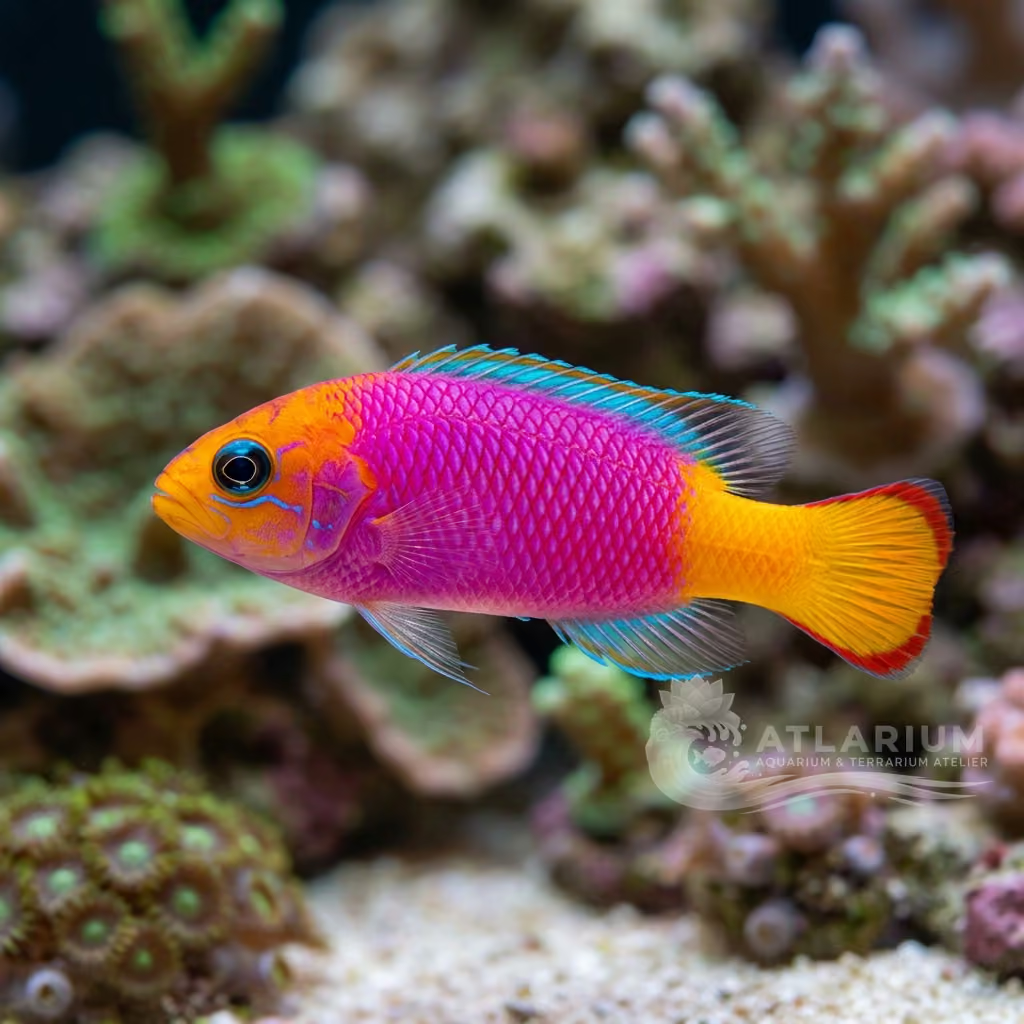
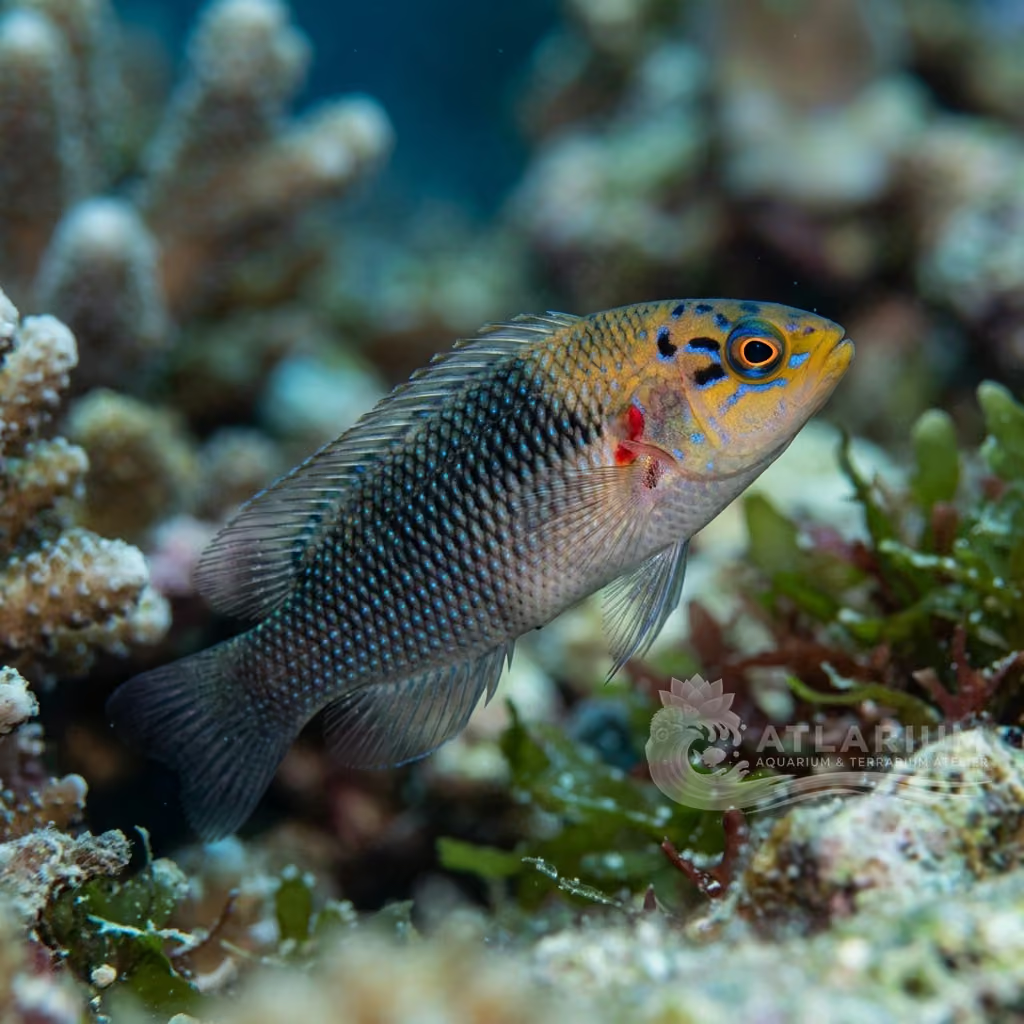
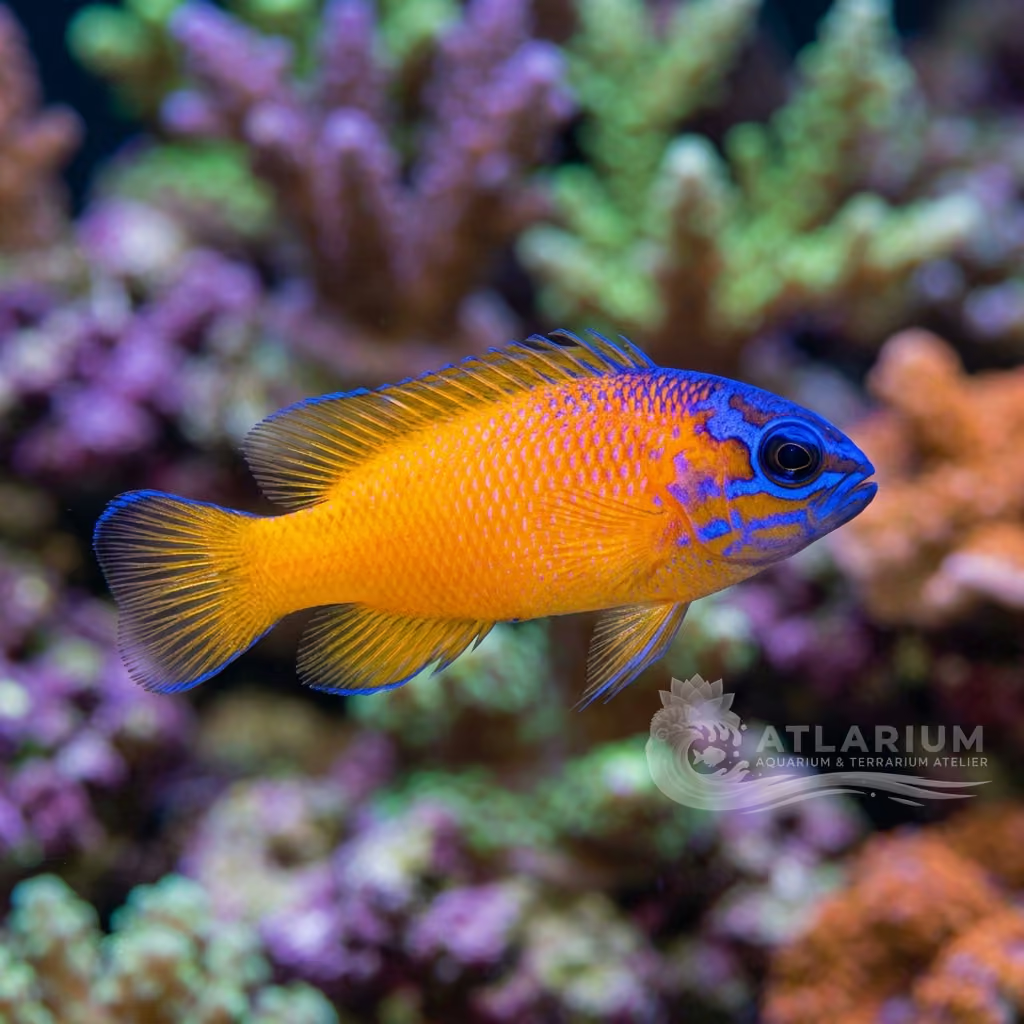
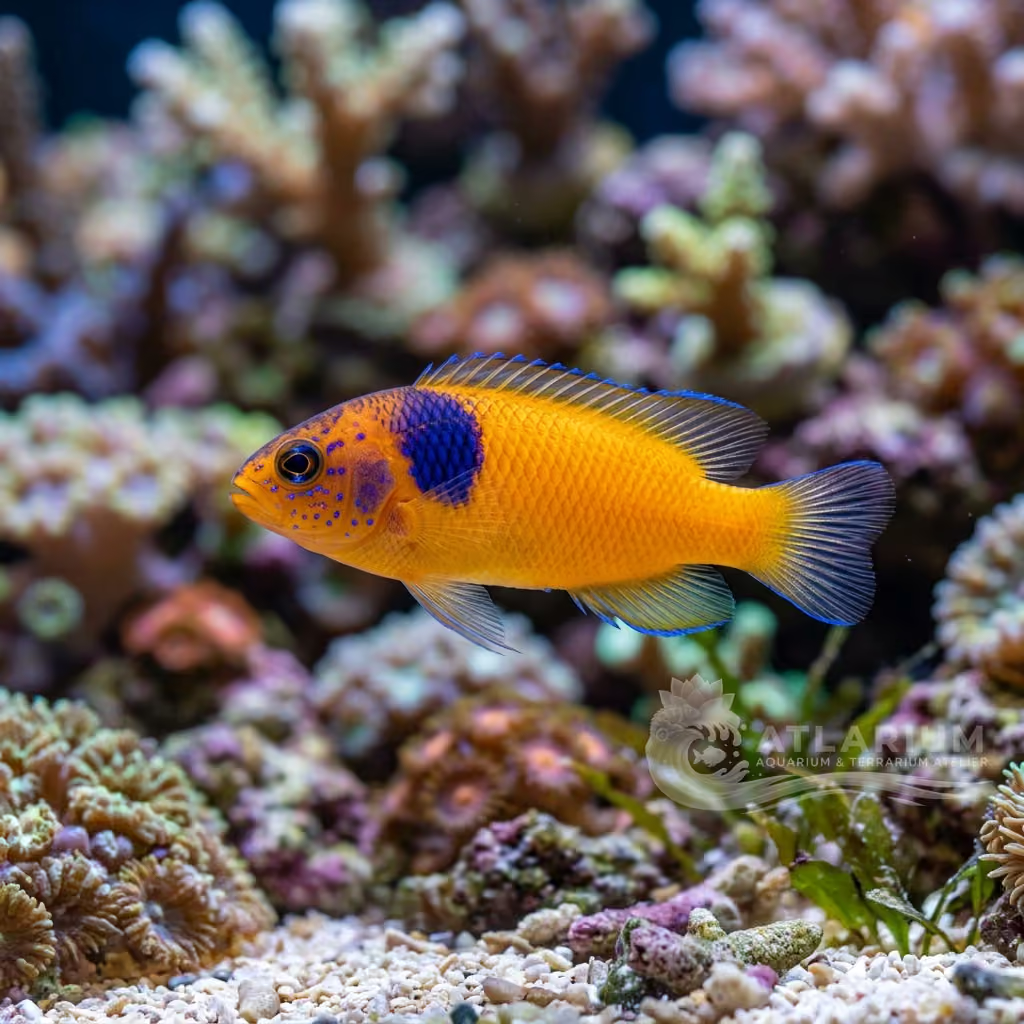
A resilient and deeply territorial marine dottyback native to Indonesian reefs, featuring a dark coloration contrasted by highly distinctive, bright blue-ringed eyes.
Temperatura da água
23 - 27 °C
Valor de pH
8.1 - 8.4
Tipo de água
Marinho
Nível do tanque
Parte inferior
Tamanho adulto
6,5 cm
Volume mínimo do tanque
>= 80 L
Grupo mínimo
>= 1
KH
8 - 12 dKH

Descrição da espécie
Geographical Origin and Habitat: Pseudochromis erdmanni is endemic to the coral reefs of the central Indo-Pacific region, with the vast majority of populations documented in the Raja Ampat archipelago, Western Papua (Indonesia). It inhabits shallow coastal reefs, rubble slopes rich in soft corals and sponges, and sandy lagoon areas with patch reefs, at depths ranging between 5 and 25 meters.
Taxonomy and Morphology: This species belongs to the family Pseudochromidae (commonly known as dottybacks). It features an elongated and slightly laterally compressed body, with a robust head equipped with large mobile eyes and a terminal mouth armed with small sharp teeth used to capture prey. Adults reach a total length between 6 and 7.5 centimeters, making it a small-to-medium-sized fish.
Social Behavior: It is a highly territorial and aggressive species, particularly towards conspecifics and other fish that share a similar body shape or ecological niche. It establishes a fixed territory centered on a crevice or small rocky cave, which it defends fiercely against intruders even much larger than itself. It exhibits an intrepid and curious temperament.
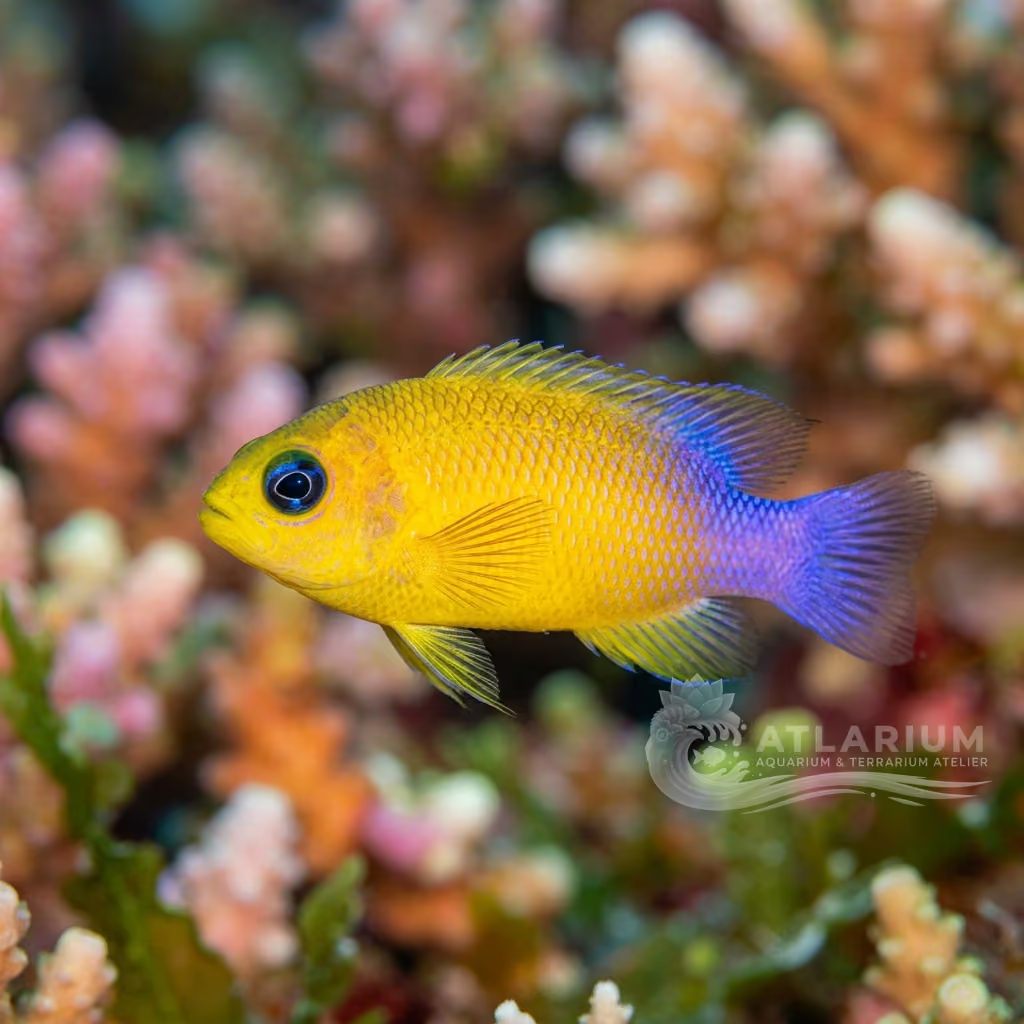
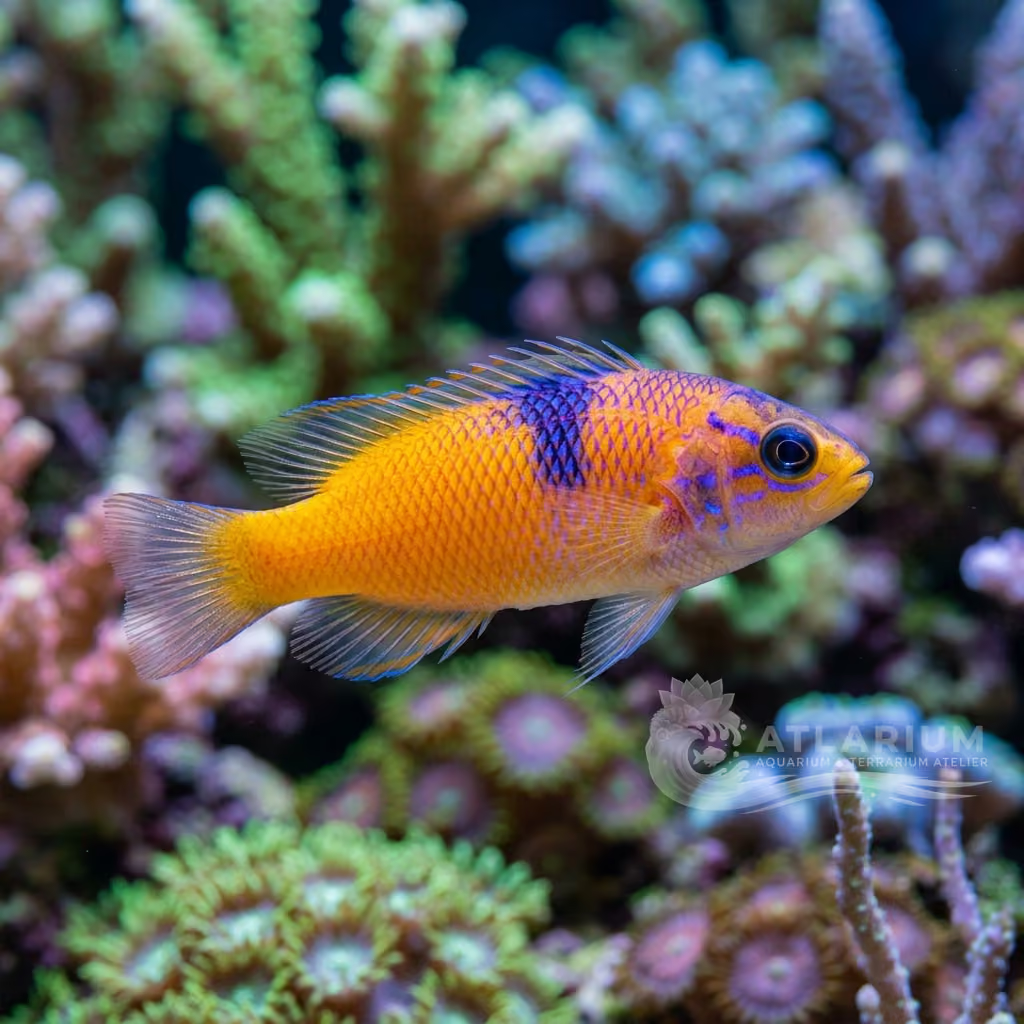
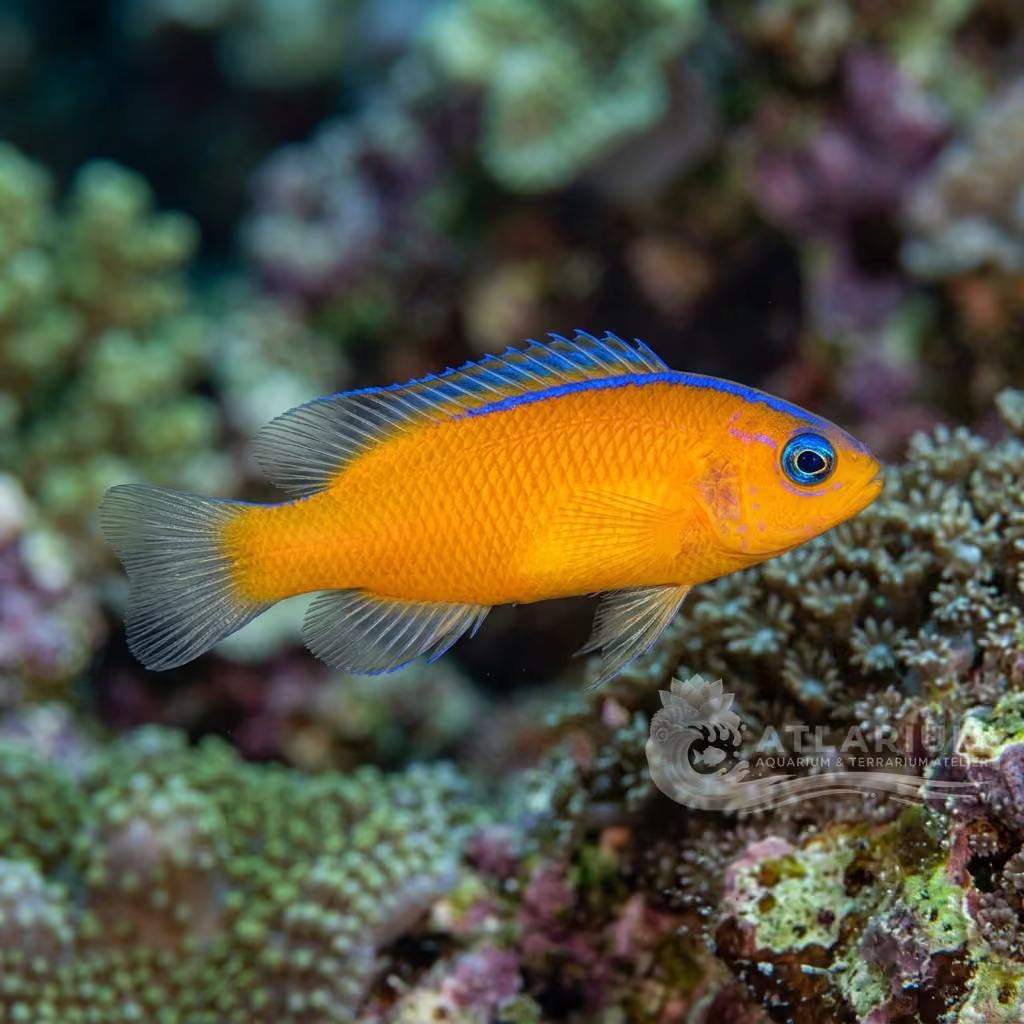
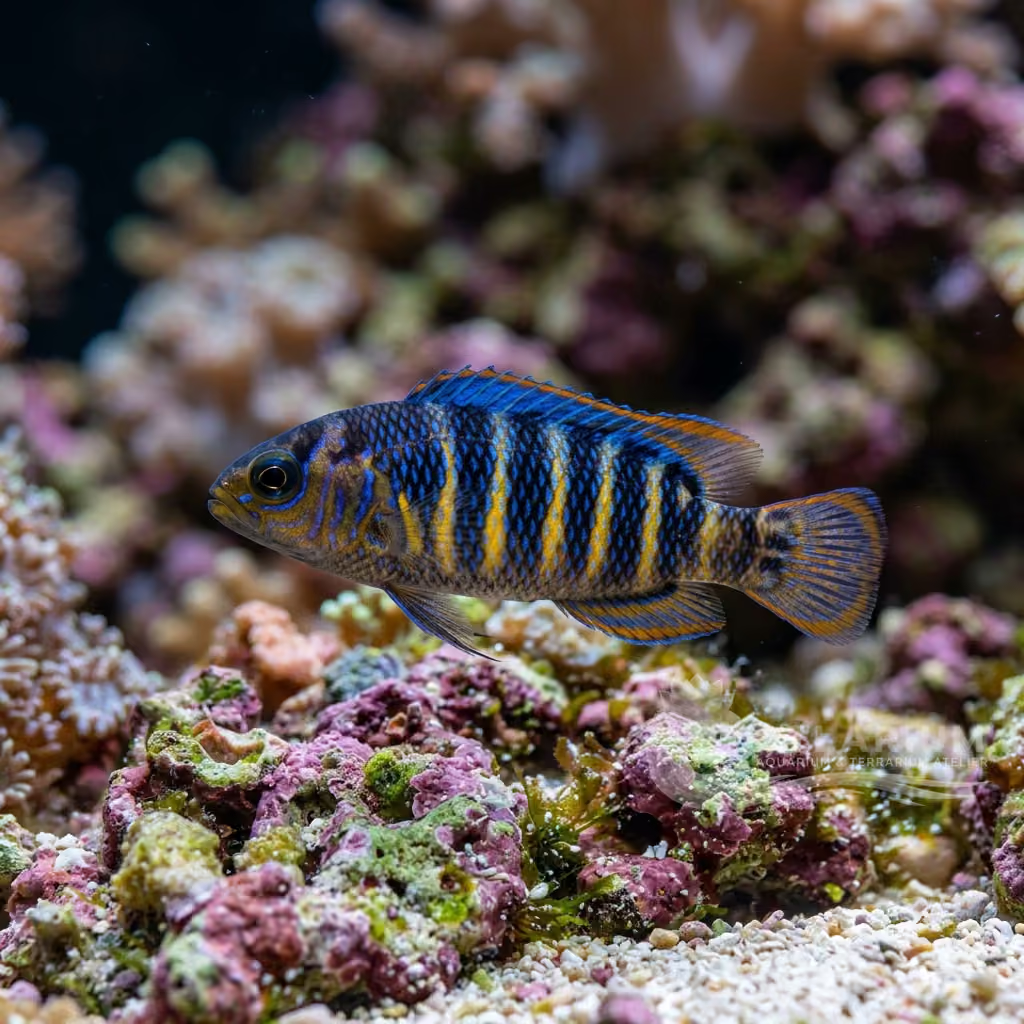
Coloration and Sexual Dimorphism: The base coloration is dark, ranging from charcoal gray to purplish-brown. The most fascinating distinguishing feature is its eyes, which are surrounded by a bright neon blue line that gives it a very characteristic gaze. Sexual dimorphism is present: adult males exhibit more pronounced yellowish or orange hues on the throat and lower head area, as well as slightly more developed fins.

Cuidado, criação e companheiros de tanque
Aquarium Setup: Requires an aquarium of at least 80-100 liters for a single specimen. The setup must include a large amount of live rock positioned to form numerous micro-caves, crevices, and tunnels, allowing the fish to establish its territory and feel secure. It is important that the rockwork is stable to prevent collapses caused by water movement or burrowing activities.
Diet and Feeding: It is a voracious carnivore. In the wild, it feeds on small benthic crustaceans, polychaete worms, and zooplankton. In the aquarium, it quickly accepts most frozen foods such as mysis, chopped krill, brine shrimp, and fish eggs. It also easily adapts to high-quality dry food in granules or flakes. It is recommended to feed the fish once or twice a day in portions commensurate with its activity.
Water Quality: Water parameters must be stable and maintained within the standard range of a marine aquarium: temperature 24-26 °C, pH 8.1-8.4, specific gravity 1.020-1.025, and KH 8-12. Minimal levels of nitrogenous compounds (ammonia and nitrites at zero, nitrates below 20 mg/l) are essential to preserve the health of the fish and prevent stress. Good water movement promotes oxygenation.
Compatibility and Cohabitation: Due to its territorial character, it should not be housed with other dottybacks of the same genus or with shy and peaceful fish such as small gobies, pipefish, and micro-wrasses that could be attacked or intimidated. It is an ideal companion for larger and sturdier community fish such as tangs, damselfishes, dwarf angelfishes, and active wrasses. It is reef safe with corals but may prey on small ornamental shrimps.
Aquarium Breeding: Breeding is possible but complex. They are demersal spawners: after a ritual courtship, the female deposits a spherical mass of adhesive eggs inside the male's cave, who fertilizes them and takes care of them by fanning and defending them from any threat. Hatching occurs after a few days, and rearing the larvae requires microscopic live foods (rotifers) in dedicated tanks.
Risks and Diseases: It is an extremely robust fish and resistant to common parasitic diseases if maintained in good hygienic conditions. The main risk is related to intraspecific or interspecific aggression, which can cause bite wounds if tankmates are unsuitable. It tends to be intolerant to sudden changes in salinity. It is advisable to cover the aquarium as it can jump if startled.

Origem e distribuição geográfica
Pseudochromis erdmanni is endemic to the coral reefs of the central Indo-Pacific region, with the vast majority of populations documented in the Raja Ampat archipelago, Western Papua (Indonesia). It inhabits shallow coastal reefs, rubble slopes rich in soft corals and sponges, and sandy lagoon areas with patch reefs, at depths ranging between 5 and 25 meters.
Origem
Oceanos tropicais e recifesSul e Sudeste AsiáticoAustrália, Nova Guiné e Oceania

Perfil de peixe
- Temperamento
- Aggressive
- They have a bold, feisty, and strongly territorial temperament. They act like much larger fish and are not afraid to defend their home against bigger intruders. While their aggression requires careful tank mate selection, their active and inquisitive nature makes them an engaging pet.
- Dieta
- Carnivore
- Their diet must be heavily biased towards meaty marine foods to mimic their natural predatory behavior. Frozen mysis shrimp, enriched brine shrimp, and finely chopped seafood should form the basis of their diet. Carnivore pellets can be offered, but a variety of frozen foods is essential for optimal health.
- Expectativa de vida
- 5-7 years
- Tamanho adulto
- 6.5 cm
- Proporção sexual
- Solitary
- They should be kept individually to avoid severe, often fatal, conspecific aggression. Housing two unsexed individuals in the same aquarium will almost certainly result in the death of one. Only known, bonded pairs should be kept together, and even then, only with caution.
- Frequência de alimentação
- Twice daily
- Due to their active nature and high metabolic rate, they require feeding two to three times a day. Only offer an amount they can consume entirely within a few minutes to prevent water fouling. Consistent feeding schedules can help mitigate some of their natural territorial aggression.
- Carga biológica
- Low to Medium
- The bioload is moderate, as expected for a small but active carnivorous fish. Their frequent, protein-rich meals lead to proportional waste production that needs effective management. A well-functioning protein skimmer and regular water changes will easily handle their biological impact.
- Fluxo
- Strong
- They prefer moderate to strong water flow, characteristic of the dynamic reef environments they hail from. Adequate flow ensures good oxygen exchange and stimulates their natural swimming and foraging patterns. They will retreat into the rockwork when they desire a calmer environment to rest.
- Risco de salto
- Yes
- Like all species in this family, they are notorious jumpers and a high flight risk. A secure, tight-fitting mesh lid or glass canopy is absolutely essential for keeping them in the tank. They are easily startled by sudden movements or aggressive tank mates, which often triggers jumping.
- Reprodução
- Oviparous
- While difficult, breeding them in captivity is possible; they are demersal spawners that lay eggs in caves. The male assumes the role of guarding and aerating the egg mass until the larvae hatch. Raising the fry is the primary hurdle, as they require a constant supply of specialized rotifers.
- Compatibilidade e companheiros de tanque
- Highly aggressive
- They are territorial and can be quite aggressive toward fish that invade their chosen rocky crevices. They should not be housed with peaceful, timid fish, which they will inevitably bully. Best kept with appropriately sized, robust tank mates like dwarf angelfish, tangs, or larger damselfish.
- Nível do tanque
- Bottom
- They are bottom to mid-level dwellers that heavily rely on the live rock for territory and security. They claim a specific cave or crevice and spend their time darting out to snatch food or chase away rivals. They rarely, if ever, swim in the upper, open areas of the water column.

Modelos e parâmetros científicos
FishBase
Acesso aos dados científicos oficiais da espécie
FishBase v25.04Dados sincronizados em: 15/06/2026
- Nível trófico
- 3,5 ± 0,5 se
- Unicidade filogenética (PD50)
- 0.5
- Relação bayesiana comprimento-peso
- a = 0.00501, b = 3.1
- VulnerabilidadeVulnerabilidade baixa (10 / 100)

Espécies relacionadas
Recomendações agrupadas por parentes próximos, escolhas de acompanhantes e cuidados semelhantes.