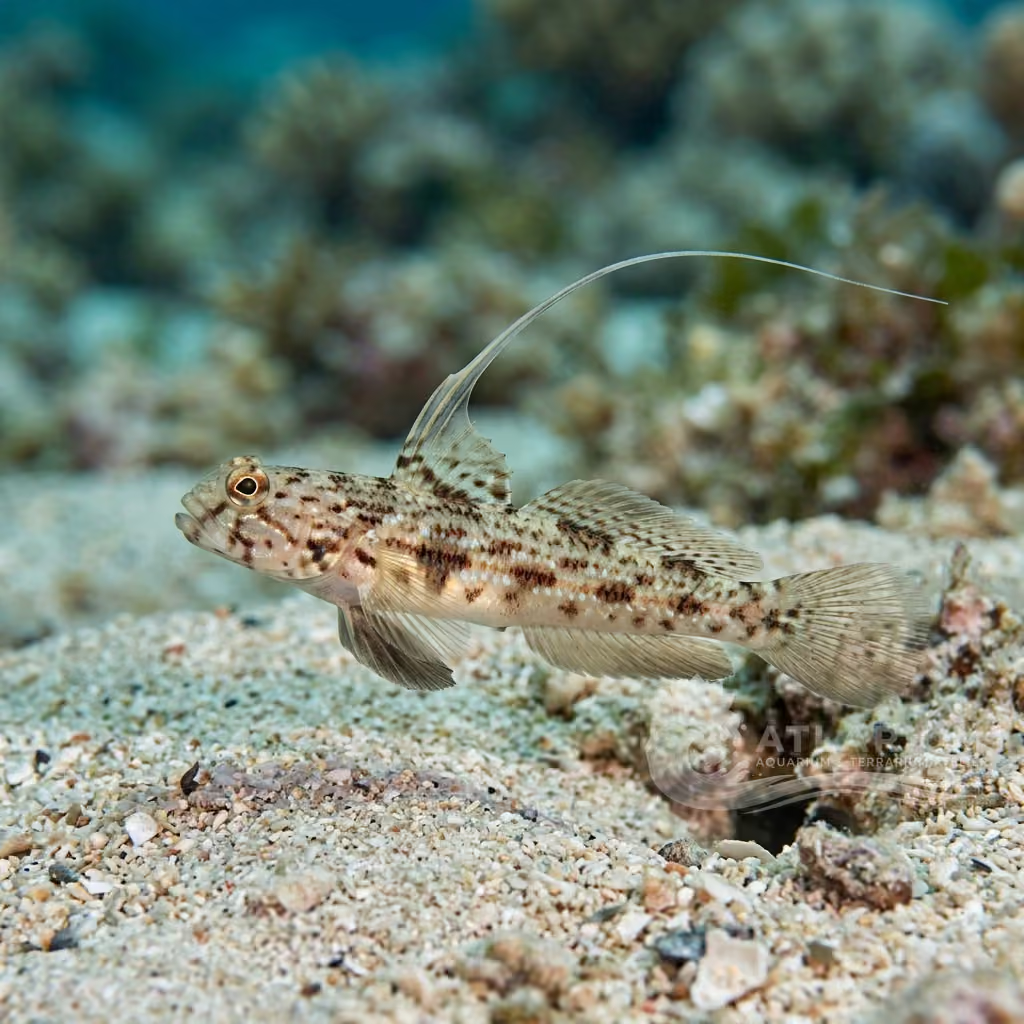
Dusky Dottyback
Pseudochromis fuscus
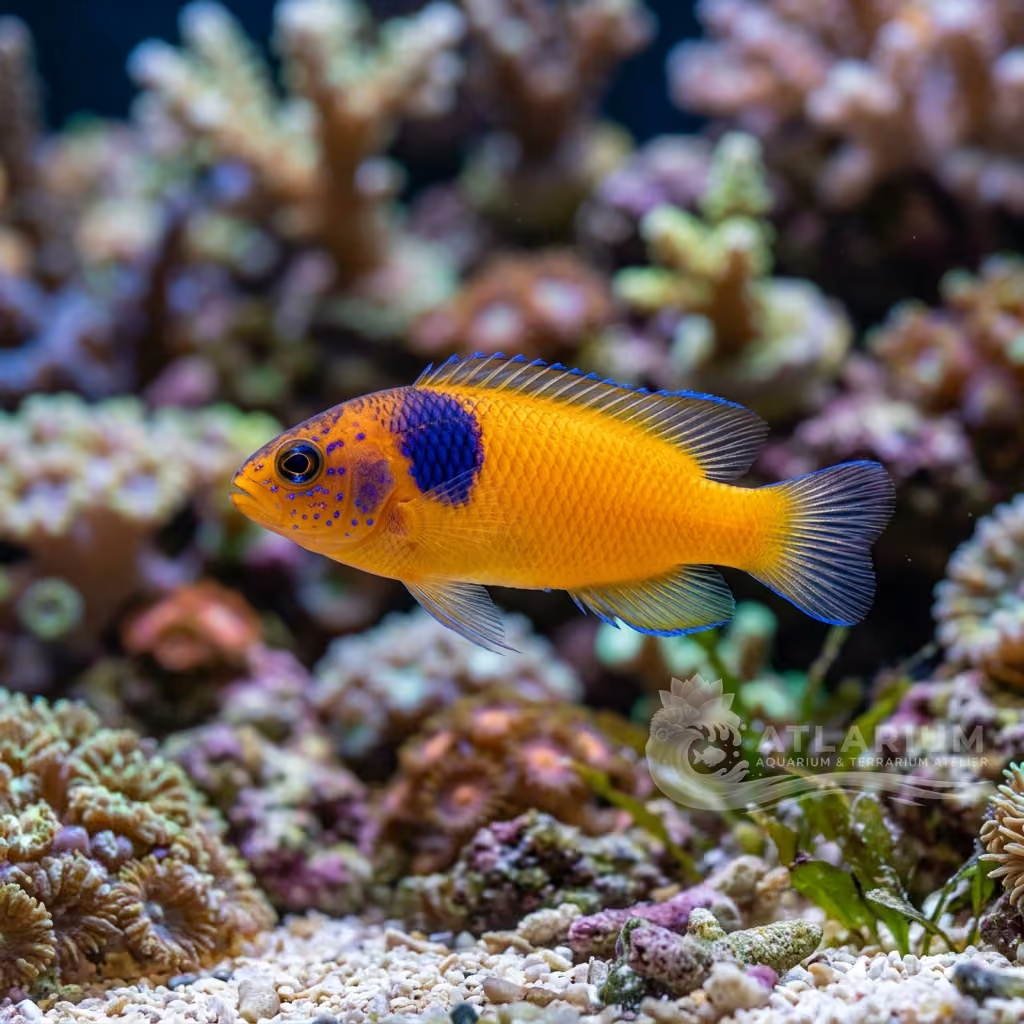
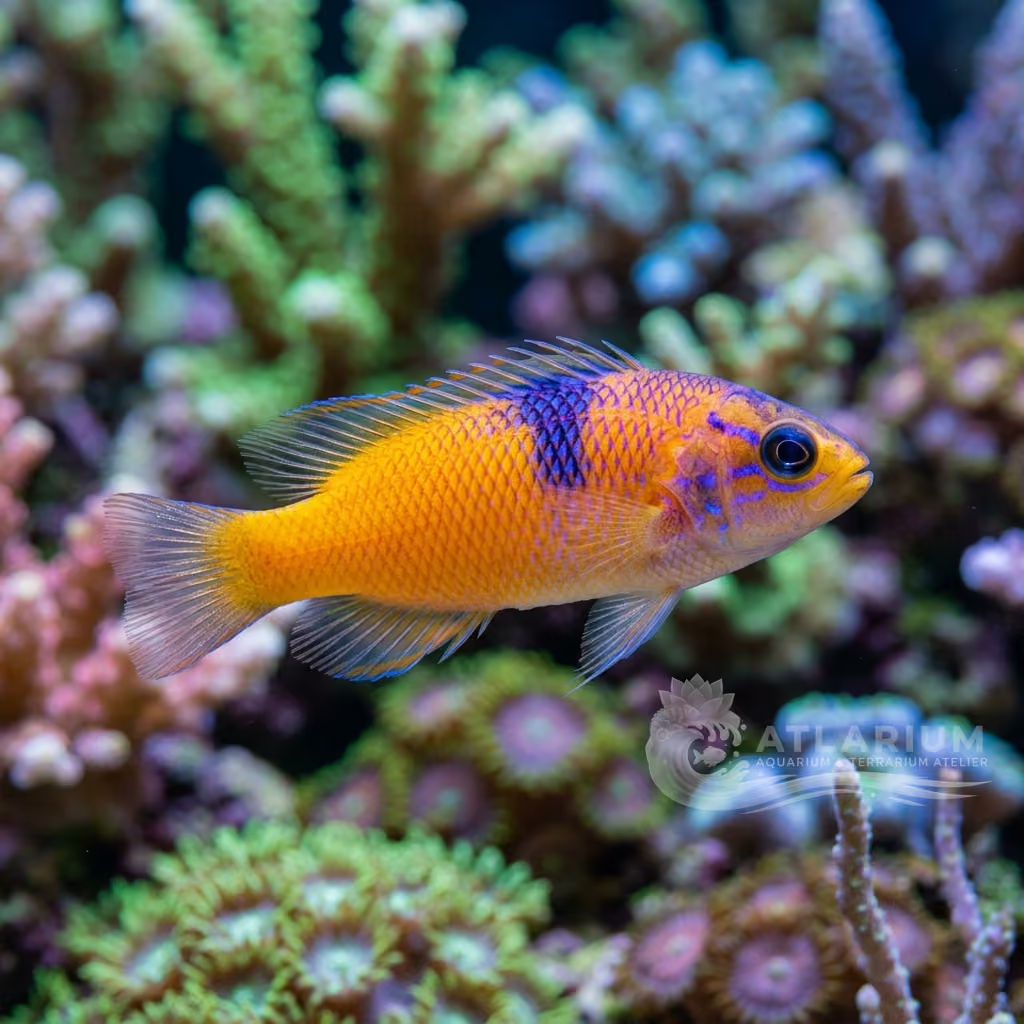
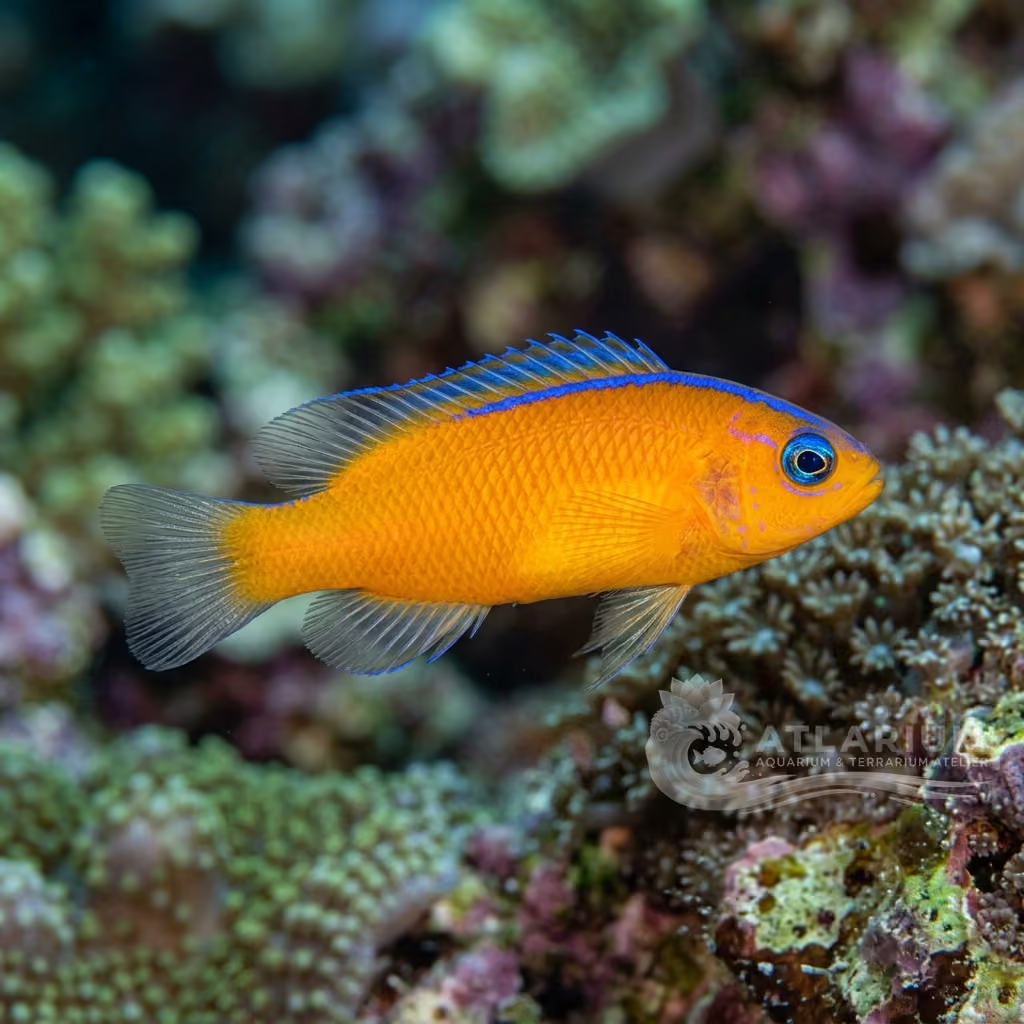
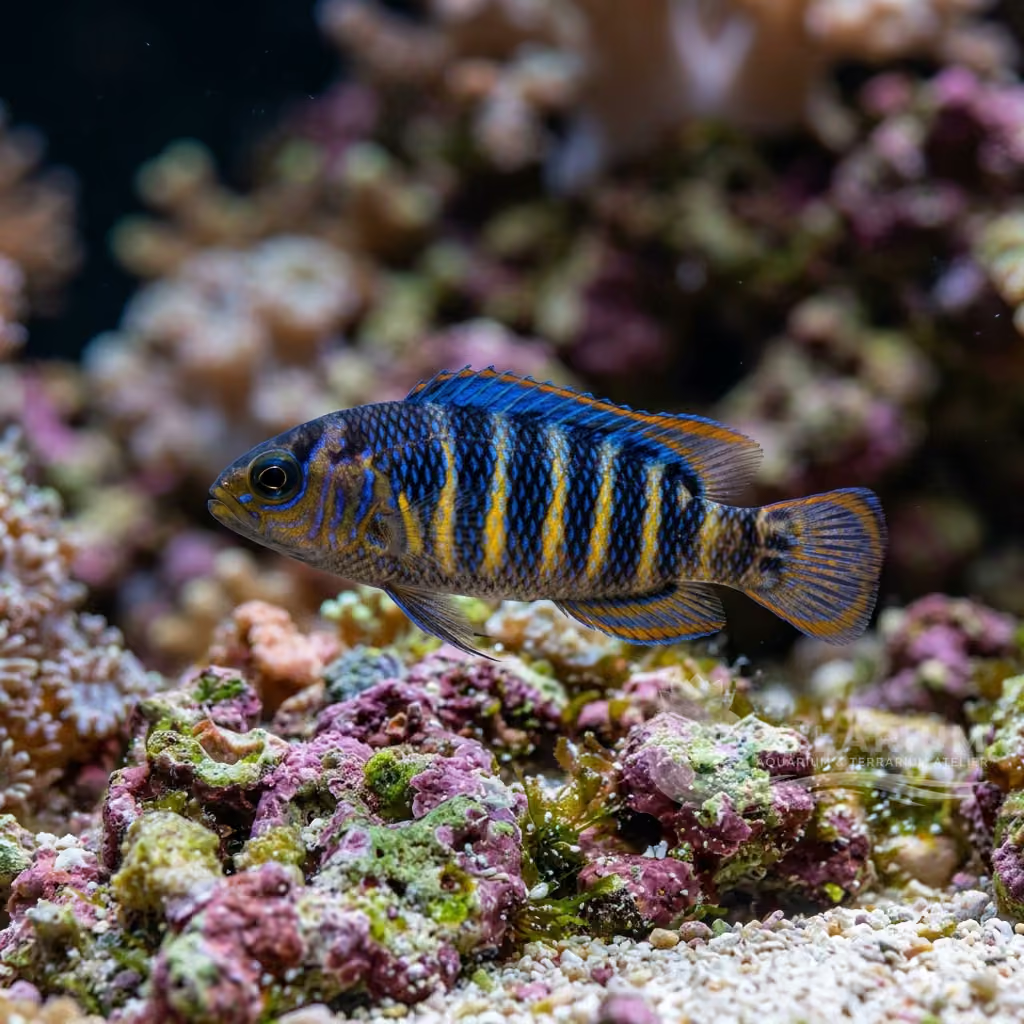
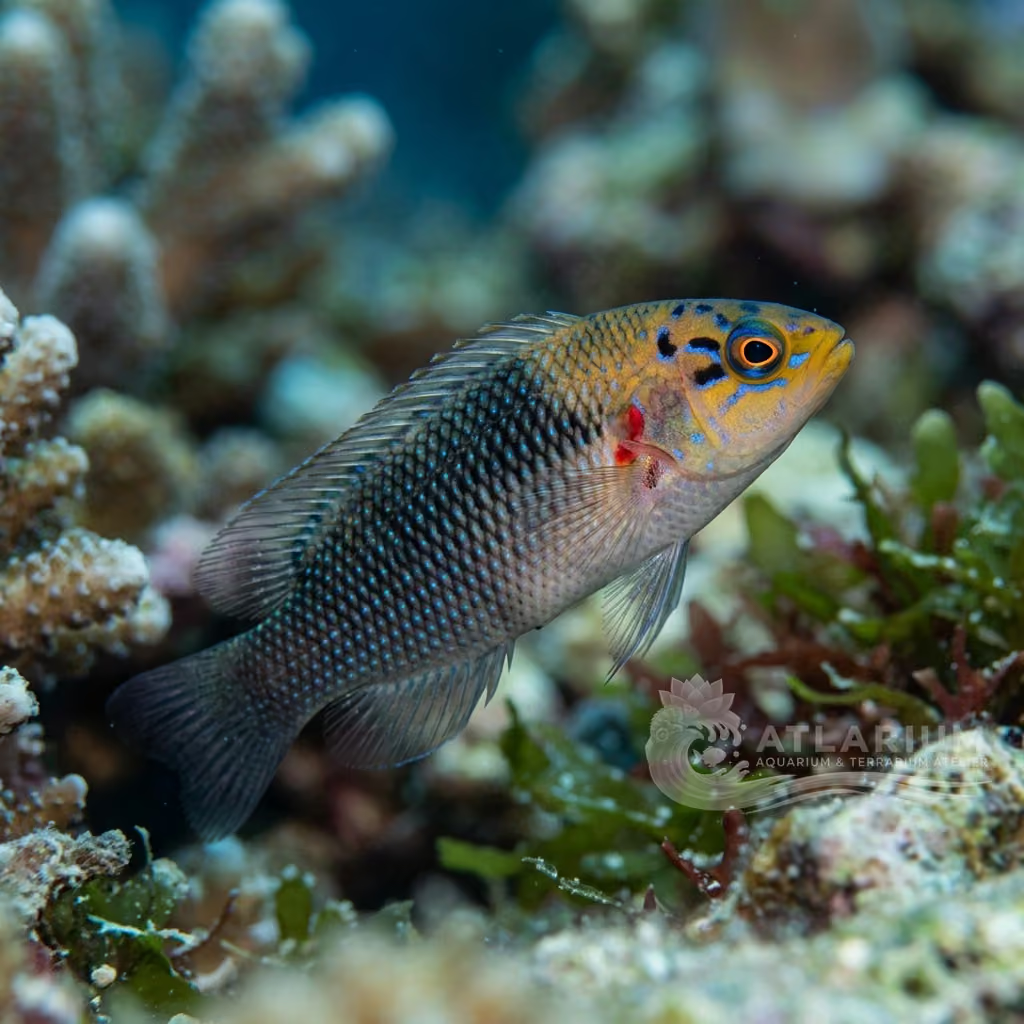
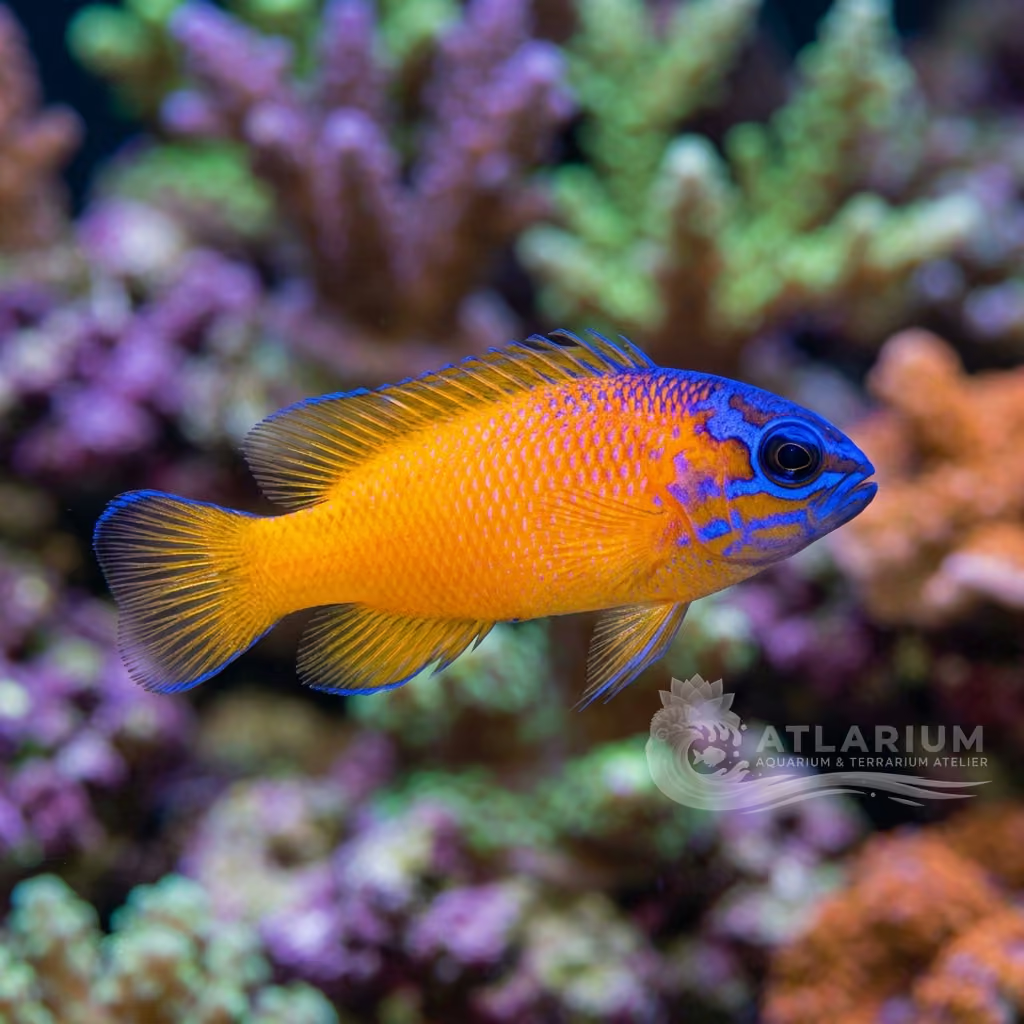
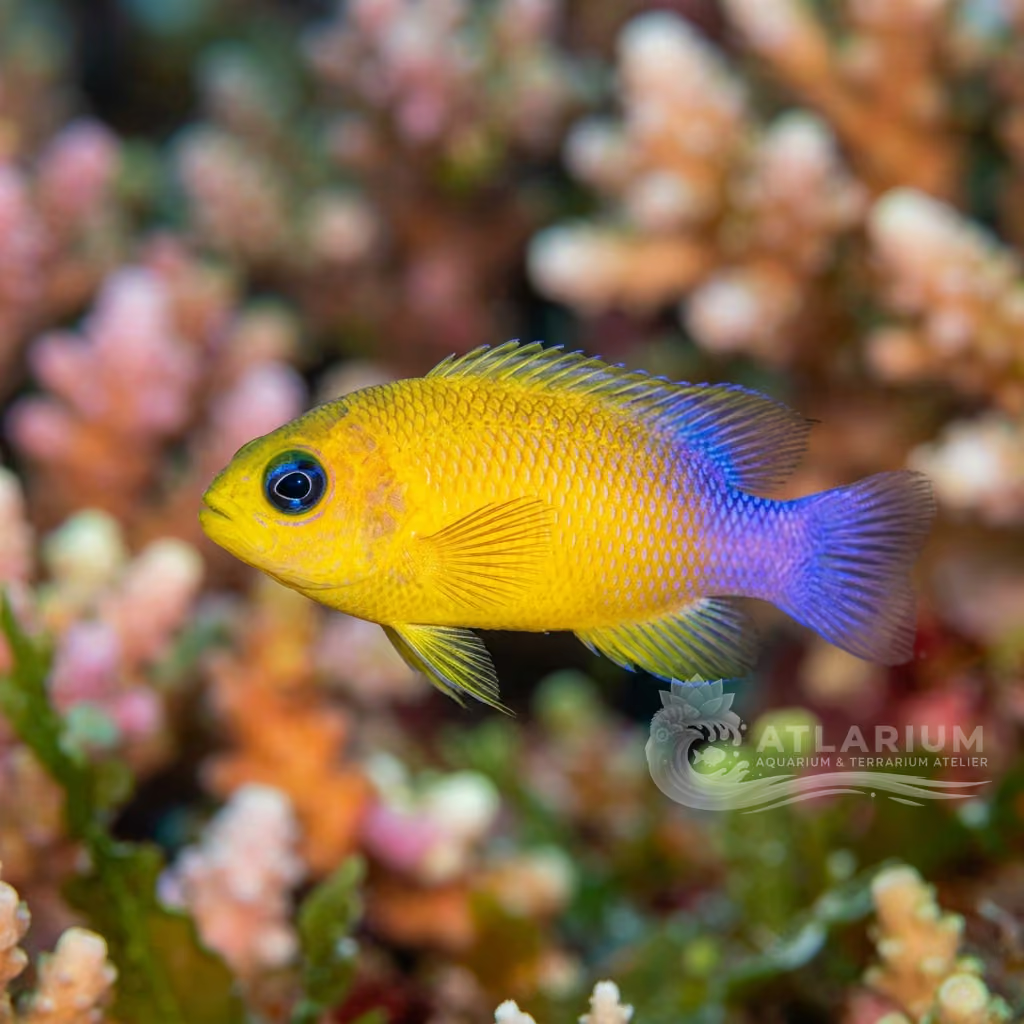
A robust and very common dottyback, famous for its highly variable color phases ranging from dark brown to lemon yellow. It is boldly territorial and fiercely guards its cave.
Temperatura da água
22 - 26 °C
Valor de pH
8.1 - 8.4
Tipo de água
Marinho
Nível do tanque
Parte inferior e intermediária
Tamanho adulto
10 cm
Volume mínimo do tanque
>= 100 L
Grupo mínimo
>= 1

Descrição da espécie
Geographical Origin and Habitat: Indo-West Pacific: Red Sea and East Africa to the Great Barrier Reef and Palau. Inhabits coral reefs, rocky crevices, and shallow caves at depths between 1 and 25 meters. They are common in shallow coastal reefs, frequently living among branching corals and rocky rubble.
Taxonomy and Morphology: Belongs to the family Pseudochromidae, genus Pseudochromis. Features a slender, flexible body, large eyes, and a mouth with small sharp teeth. Grows to 10.0 cm. Their elongated body and sharp senses make them highly efficient predators of small benthic invertebrates.
Social Behavior: Territorial and bold, highly defensive of its chosen cave. Can be aggressive toward fish of similar shape or size. They are highly territorial and will not hesitate to attack fish that enter their designated zone.
Coloration and Sexual Dimorphism: The name 'fuscus' refers to its dark brown color phase, though bright yellow variants are common in the wild. Males are typically larger and may exhibit more intense coloration, particularly when breeding. Color variations exist, with some specimens displaying a bright yellow coloration while others are dark brown.

Cuidado, criação e companheiros de tanque
Aquarium Setup: Requires a tank of at least 100.0 liters with plenty of live rock arranged to create numerous caves and dark tunnels. A tight-fitting lid is recommended. Provide a secure rockwork structure with multiple caves to satisfy their need for shelter and territory.
Diet and Feeding: Carnivorous. Feeds on small crustaceans and worms. Provide a variety of frozen foods such as mysis, brine shrimp, and high-quality protein pellets. They have a hearty appetite and should be fed a varied diet of meaty foods to maintain their strength.
Water Quality: Maintain stable marine conditions: temperature 22.0-26.0 °C, pH 8.1-8.4, specific gravity 1.020-1.025. High water quality with efficient protein skimming is necessary to keep the environment healthy and clean.
Compatibility and Cohabitation: May behave aggressively toward small ornamental shrimps, tubeworms, and passive fish. Best kept singly without other dottybacks. Keep only with robust tankmates that can tolerate or defend themselves against the dottyback's aggressive nature.
Aquarium Breeding: Protogynous hermaphrodite. Lays spherical egg masses inside a cave, which are actively guarded and aerated by the male. Breeding can occur in mature tanks, where the male will guard the egg mass until hatching.
Risks and Diseases: Very hardy and disease-resistant. However, severe territorial fights can lead to secondary bacterial infections. Ensure the tank is fully covered, as this active hunter can easily jump out of the aquarium.

Origem e distribuição geográfica
Indo-West Pacific: Red Sea and East Africa to the Great Barrier Reef and Palau. Inhabits coral reefs, rocky crevices, and shallow caves at depths between 1 and 25 meters. They are common in shallow coastal reefs, frequently living among branching corals and rocky rubble.
Origem
Oceanos tropicais e recifesÁfrica e Madagascar

Perfil de peixe
- Temperamento
- Territorial
- They possess a bold, highly assertive, and fiercely territorial temperament. They view themselves as the boss of the rockwork and will challenge fish much larger than themselves. Their intense personality makes them an engaging but demanding addition to a semi-aggressive community tank.
- Dieta
- Carnivore
- As active predators, their diet must consist of varied, meaty marine foods. Offer them frozen mysis shrimp, enriched brine shrimp, and finely chopped seafood like squid or clam. While they will accept carnivore pellets, these should only be a supplement to a primarily frozen diet.
- Expectativa de vida
- 5-8 years
- Tamanho adulto
- 10 cm
- Proporção sexual
- Solitary
- They must be kept individually to prevent severe and often fatal conspecific aggression. Two unsexed individuals in the same tank will fight continuously until one is eliminated. Bonded pairs can be kept together, but only in very large systems by experienced aquarists.
- Frequência de alimentação
- Twice daily
- They require feeding two to three times a day to maintain their energy and health. Frequent feeding can also help slightly reduce their inherent territorial aggression. Ensure they consume all offered food quickly to prevent it from decaying and degrading water quality.
- Carga biológica
- Low to Medium
- The bioload of this fish is moderate and manageable with standard marine filtration. Their carnivorous diet leads to high-protein waste, which requires an efficient protein skimmer to process effectively. Regular water changes and substrate vacuuming will keep nutrient levels in check.
- Fluxo
- Moderate
- They favor a moderate to strong water flow, which mimics the natural currents of their reef habitats. Good circulation keeps the water oxygenated and encourages their natural darting behaviors. Provide plenty of rockwork so they can find calmer areas when they need to rest.
- Risco de salto
- Yes
- Like their relatives, they are extreme jump risks and will easily leap from an uncovered tank. A secure, tight-fitting mesh screen or canopy is a strict requirement for housing this species. Startling them or housing them with overly aggressive tank mates increases the likelihood of jumping.
- Reprodução
- Oviparous
- Captive breeding is possible but involves significant challenges. The male prepares a cave nest and aggressively guards the egg mass until the larvae hatch. Raising the microscopic fry requires a dedicated setup and the cultivation of specialized live foods like rotifers.
- Compatibilidade e companheiros de tanque
- Highly aggressive
- They are highly territorial and can be exceptionally aggressive towards smaller or peaceful fish. They are known to ruthlessly attack and even kill ornamental shrimp and small bottom-dwellers. They are only suitable for tanks with robust, semi-aggressive companions like larger wrasses or tangs.
- Nível do tanque
- Middle/Bottom
- They are bottom to mid-level dwellers, intimately tied to the live rock structure. They establish a specific cave as their territory and fiercely defend it from intruders. They seldom venture into the open, upper third of the aquarium.

Modelos e parâmetros científicos
FishBase
Acesso aos dados científicos oficiais da espécie
FishBase v25.04Dados sincronizados em: 15/06/2026
- Nível trófico
- 3,5 ± 0,5 se
- Resiliência
- Alta (menos de 15 meses)
- Tempo de geração
- 1,1 anos
- Unicidade filogenética (PD50)
- 0.5
- Relação bayesiana comprimento-peso
- a = 0.00501, b = 3.1
- VulnerabilidadeVulnerabilidade baixa (14 / 100)

Espécies relacionadas
Recomendações agrupadas por parentes próximos, escolhas de acompanhantes e cuidados semelhantes.