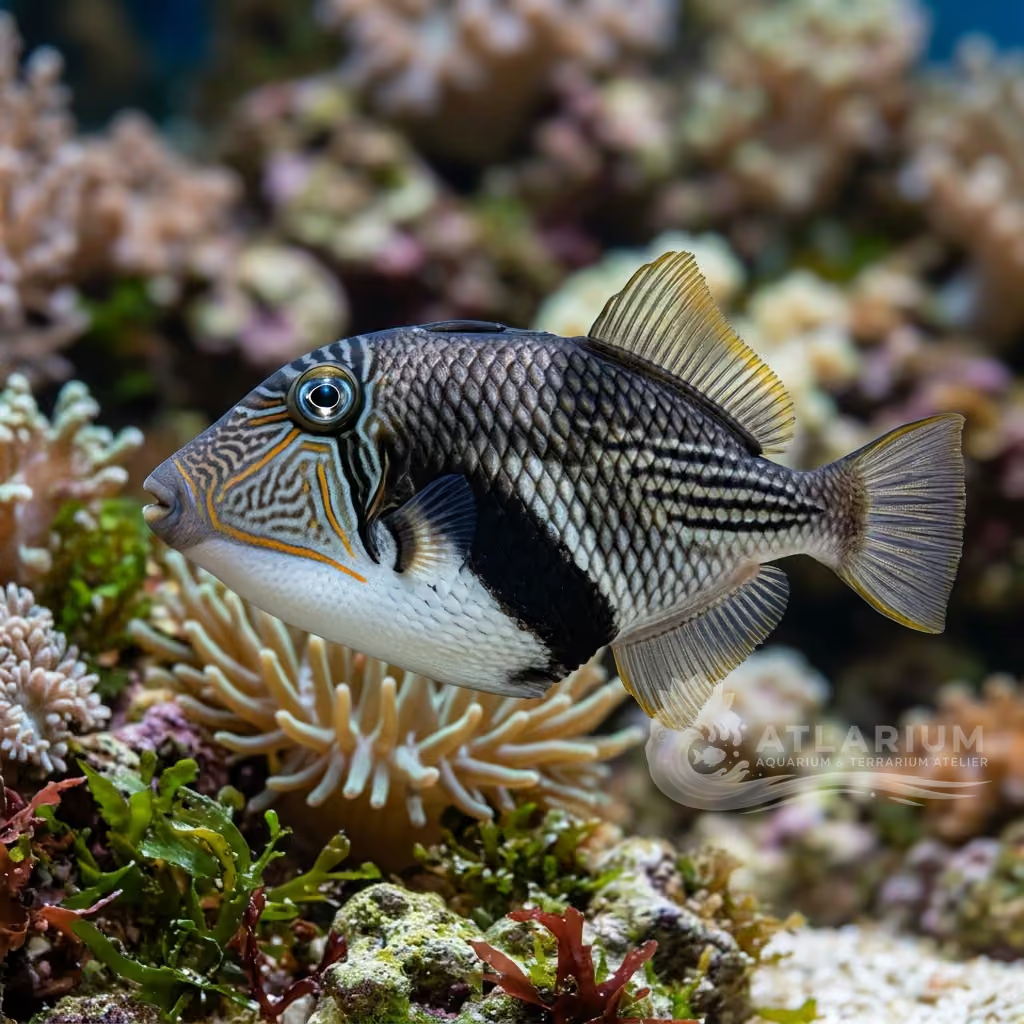
Coral Hawkfish
Cirrhitichthys oxycephalus
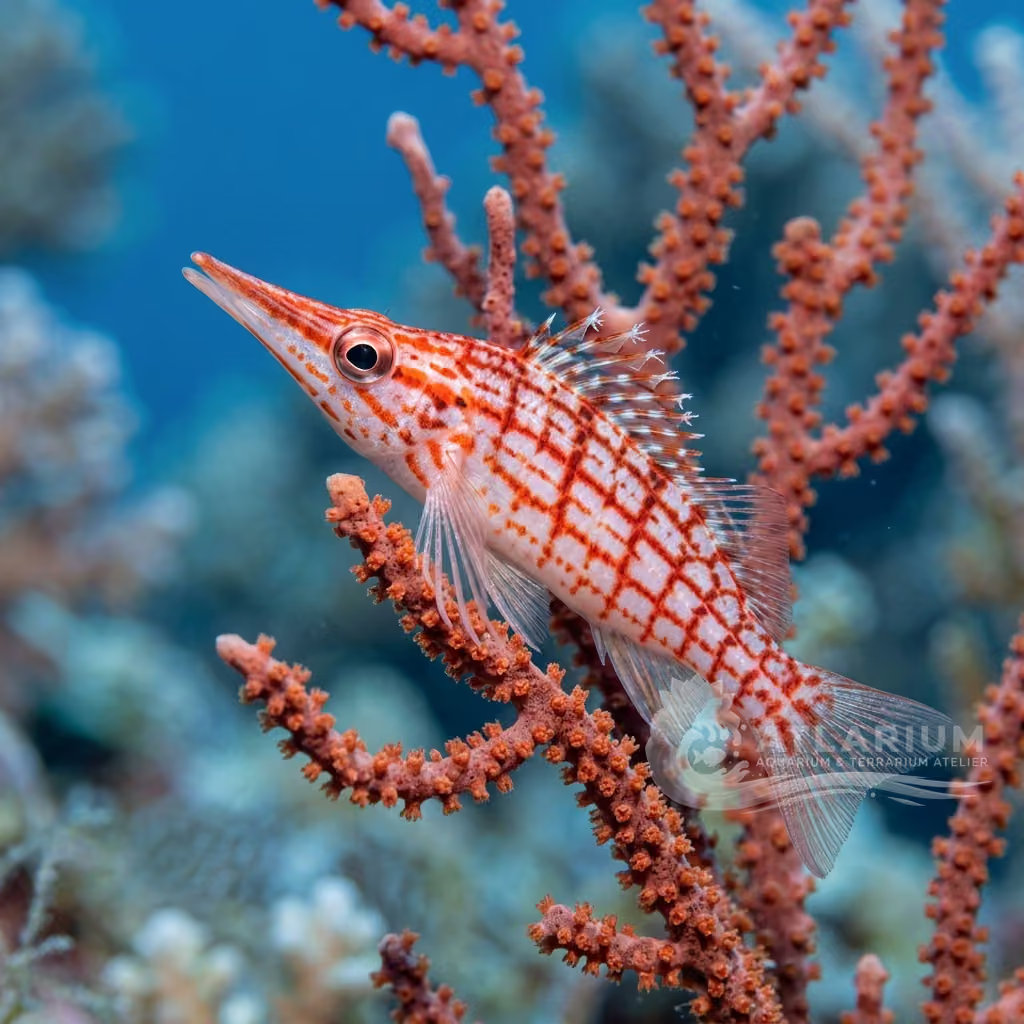
The coral hawkfish is an opportunistic predator that perches atop branching corals to ambush prey. Lacking a swim bladder, it requires numerous elevated perching sites and a very secure aquarium lid.
Temperatura da água
22 - 28 °C
Valor de pH
8.1 - 8.4
Tipo de água
Marinho
Nível do tanque
Parte inferior e intermediária
Tamanho adulto
10 cm
Volume mínimo do tanque
>= 120 L
Grupo mínimo
>= 1
KH
8 - 12 dKH

Descrição da espécie
Geographical Origin and Habitat:
This species is widely distributed throughout the tropical Indo-Pacific, from the Red Sea and East Africa to the Pacific coast of Central America (Panama). It inhabits shallow, warm coral reefs at depths of 1 to 40 meters, associated with branching corals.
Taxonomy and Morphology:
Member of the family Cirrhitidae. It features a laterally compressed body and a pointed snout, growing to about 10 cm. Pectoral fins are thick and lack membrane at the tips, allowing it to perch on corals and withstand currents.
Social Behavior:
Diurnal and territorial. It spends most of its time perched on corals or rocks, observing the tank like a hawk. It is solitary and can be aggressive toward similar species or smaller tankmates that enter its territory.
Coloration and Sexual Dimorphism:
Body has a white or cream base covered in irregular red, brown, or orange spots, forming an effective camouflage. Small tufts of cirri are present on the tips of the dorsal spines. Protogynous hermaphrodites, with no obvious sexual dimorphism.

Cuidado, criação e companheiros de tanque
Aquarium Setup:
Requires a tank of at least 120 liters with plenty of live rock and corals to provide elevated perching sites. A lid is recommended as they can jump when startled, especially during acclimation.
Diet and Feeding:
Carnivore with a strong predatory instinct. In the aquarium, it eagerly accepts frozen foods like mysis, brine shrimp, krill, and chopped seafood. Over time, it will accept pellet foods. Feed once or twice daily.
Water Quality:
Requires standard marine conditions: temperature of 22-28°C, pH of 8.1-8.4, and salinity at SG 1.020-1.025. Regular water changes and a good filtration system are necessary to keep nitrate levels low.
Compatibility and Cohabitation:
Not entirely reef safe with small invertebrates. It will eat small ornamental shrimp and crabs. Can be kept with larger, active tankmates such as clownfish, tangs, and larger wrasses.
Aquarium Breeding:
Breeding in captivity is extremely rare. They are protogynous hermaphrodites. In nature, spawning occurs at dusk, with the pair performing an upward courtship swim and releasing pelagic eggs.
Risks and Diseases:
A very hardy species that rarely gets sick. It can contract marine ich under stressful conditions. The main risk is the predation of small shrimp and tiny fish within the tank.

Origem e distribuição geográfica
This species is widely distributed throughout the tropical Indo-Pacific, from the Red Sea and East Africa to the Pacific coast of Central America (Panama). It inhabits shallow, warm coral reefs at depths of 1 to 40 meters, associated with branching corals.
Origem
Oceanos tropicais e recifesAmérica Central e CaribeÁfrica e Madagascar

Perfil de peixe
- Temperamento
- Semi-aggressive
- While it spends much of its time peacefully observing the tank, it is highly territorial of its specific perching spots. It will quickly chase away other bottom-dwelling fish that approach too closely. Despite its small size, it brings a bold and deeply engaging personality to the aquarium.
- Dieta
- Carnivore
- In the wild, it feeds extensively on small benthic crustaceans and invertebrates. The aquarium diet should rely heavily on frozen mysis, krill, and enriched brine shrimp. It may eventually accept high-quality marine carnivore pellets with time and patience.
- Expectativa de vida
- 5-8 years
- Tamanho adulto
- 10 cm
- Proporção sexual
- Solitary
- They are protogynous hermaphrodites, meaning all individuals are born female and the most dominant will eventually transition into a male. In a spacious aquarium, they can be kept in a harem consisting of one male and several females. Adding two males to the same tank will inevitably result in lethal territorial disputes.
- Frequência de alimentação
- Twice daily
- Feeding one to two times per day is ideal for maintaining the health of this fish. Care must be taken not to overfeed, as uneaten food will quickly degrade the water quality. Small portions consumed completely within a few minutes are best.
- Carga biológica
- Medium to High
- This species contributes a moderate amount of bioload to the aquarium ecosystem. A robust protein skimmer and efficient biological filtration are strongly advised. Maintaining a strict schedule for partial water changes will prevent the accumulation of harmful nitrates.
- Fluxo
- Strong
- This species thrives in moderate to high water flow, which reflects its energetic nature. Strong currents help oxygenate the water and deliver food particles directly to them. Wavemakers and gyre pumps are highly recommended to replicate natural surge zones.
- Risco de salto
- Yes
- Lacking a true swim bladder, this fish often darts upwards rapidly when alarmed or chasing prey. This explosive upward movement frequently results in the fish launching directly out of the water. A completely secure canopy or screen top is strictly required to prevent their loss.
- Reprodução
- Oviparous
- Following a complex courtship display, they release their eggs and sperm directly into the open water column. These pelagic eggs drift freely with the currents until they eventually hatch into tiny larvae. Captive breeding is practically impossible due to the specialized requirements of their planktonic larval stage.
- Compatibilidade e companheiros de tanque
- Reef safe
- This species is notoriously aggressive towards smaller fish and will eat ornamental shrimp. Careful selection of tank mates is required, favoring robust species that inhabit different areas of the tank. Snails and hermit crabs are generally ignored, but small delicate invertebrates are at high risk.
- Nível do tanque
- Middle/Bottom
- Lacking a swim bladder, this fish prefers to rest directly on the substrate, rocks, or coral branches. It spends the vast majority of its time stationary, actively observing its surroundings. It only leaves its perch to execute lightning-fast strikes on passing food or prey.

Modelos e parâmetros científicos
FishBase
Acesso aos dados científicos oficiais da espécie
FishBase v25.04Dados sincronizados em: 15/06/2026
- Nível trófico
- 4 ± 0,66 se
- Unicidade filogenética (PD50)
- 0.5039
- Relação bayesiana comprimento-peso
- a = 0.01549, b = 3.09
- VulnerabilidadeVulnerabilidade baixa (10 / 100)

Espécies relacionadas
Recomendações agrupadas por parentes próximos, escolhas de acompanhantes e cuidados semelhantes.