Court Jester Goby
Koumansetta rainfordi
Rainford's Goby is a shy, colorful micro-predator native to the Western Pacific. It requires a mature reef tank with fine sand and live rock to graze on filamentous algae.
Temperatura da água
22 - 27 °C
Valor de pH
8 - 8.4
Tipo de água
Marinho
Nível do tanque
Parte inferior e intermediária
Tamanho adulto
6,5 cm
Volume mínimo do tanque
>= 80 L
Grupo mínimo
>= 1
KH
8 - 12 dKH

Descrição da espécie
Geographical Origin and Habitat: Native to the tropical waters of the Western Pacific Ocean, ranging from the Great Barrier Reef in Australia to the Solomon Islands, Philippines, Taiwan, and the Ryukyu Islands. It inhabits sheltered coastal lagoons and turbid inshore reefs at depths between 2 and 20 meters, usually near sandy patches mixed with coral rubble.
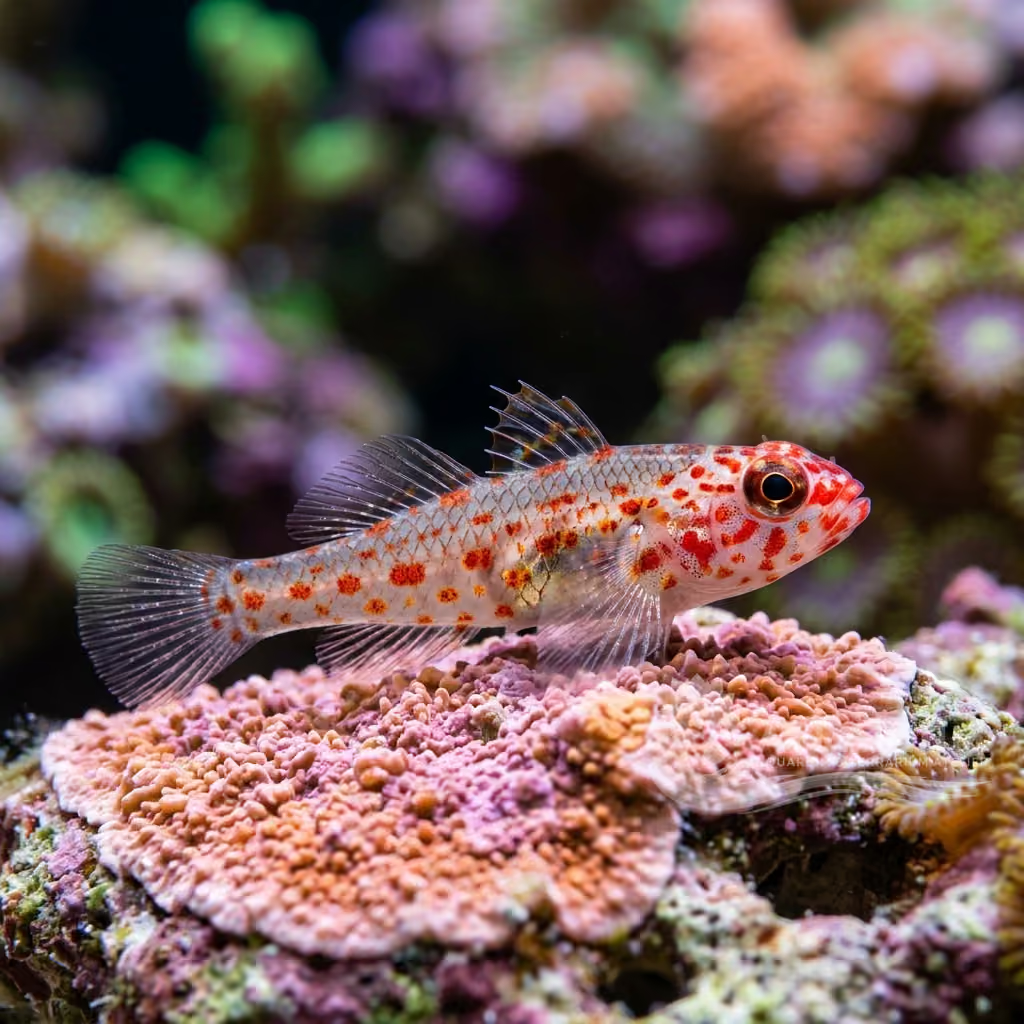
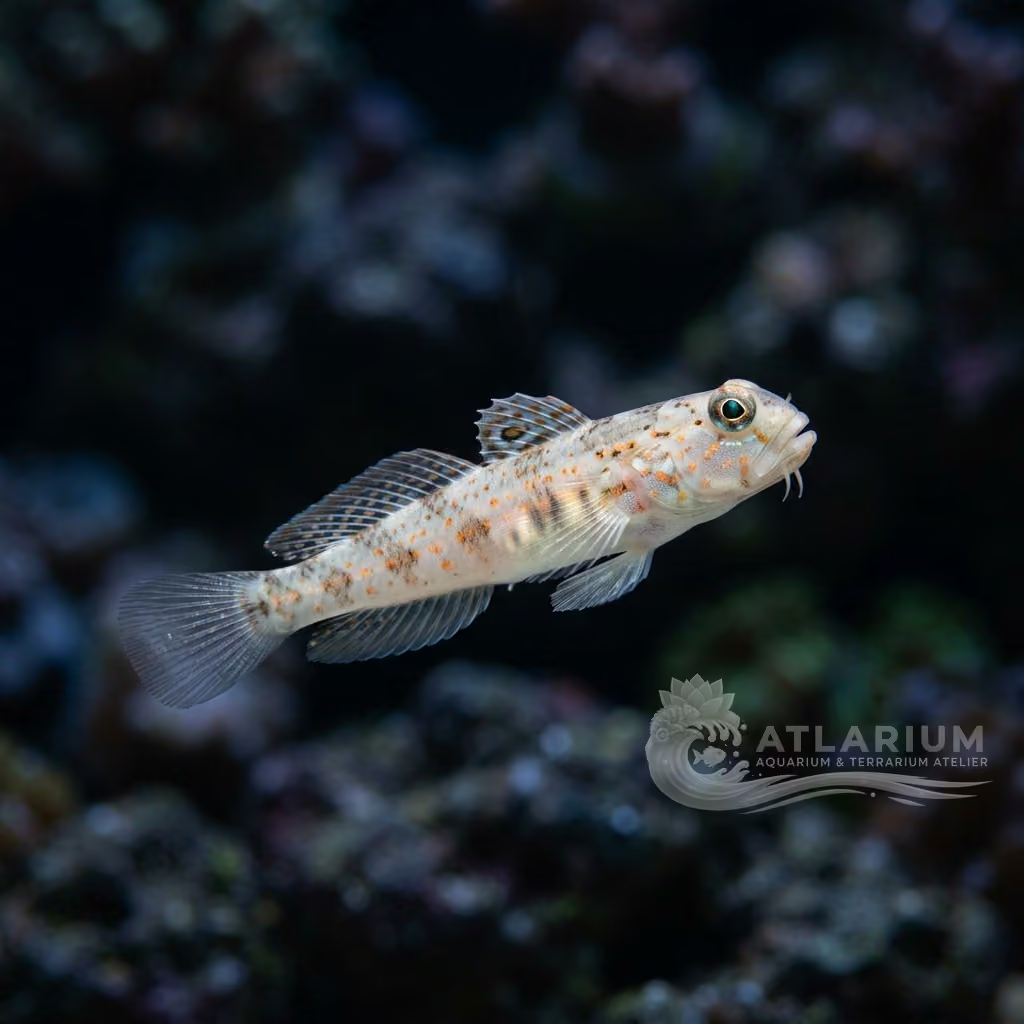
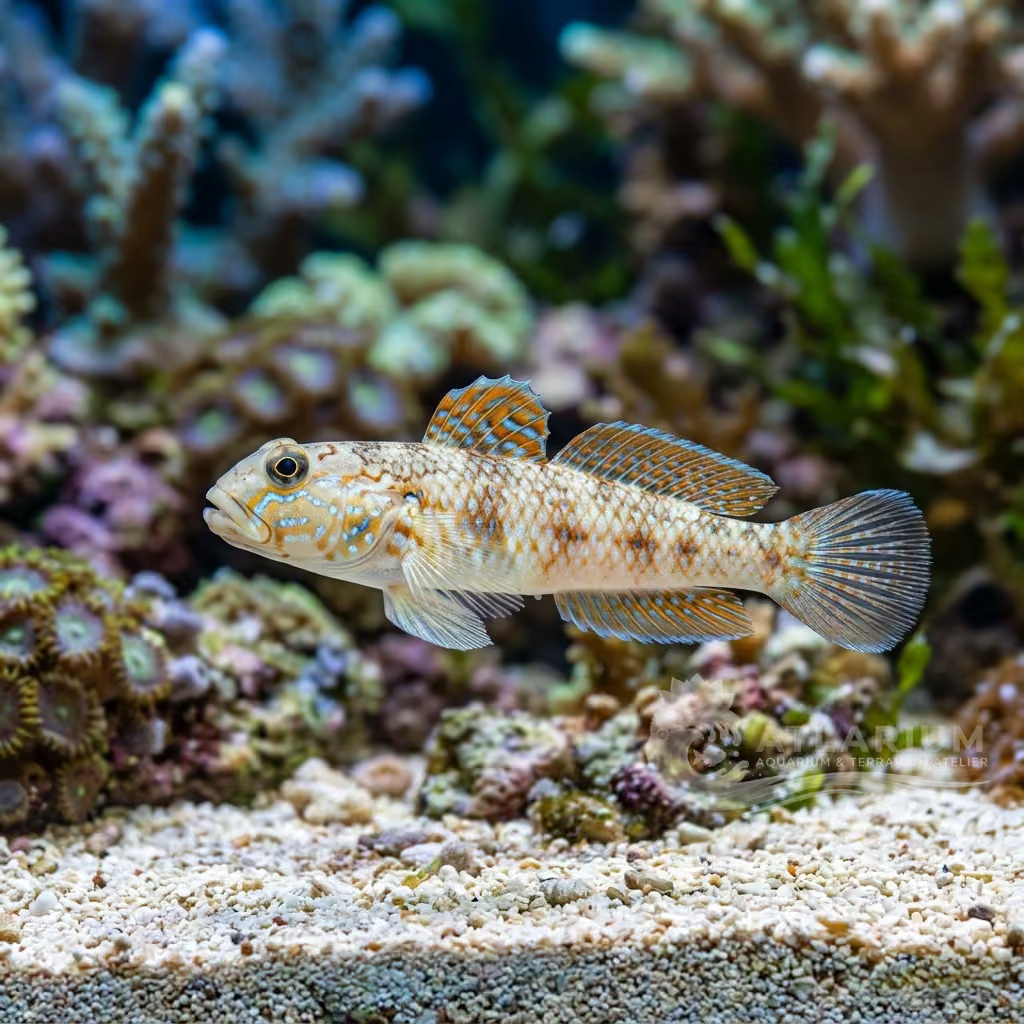
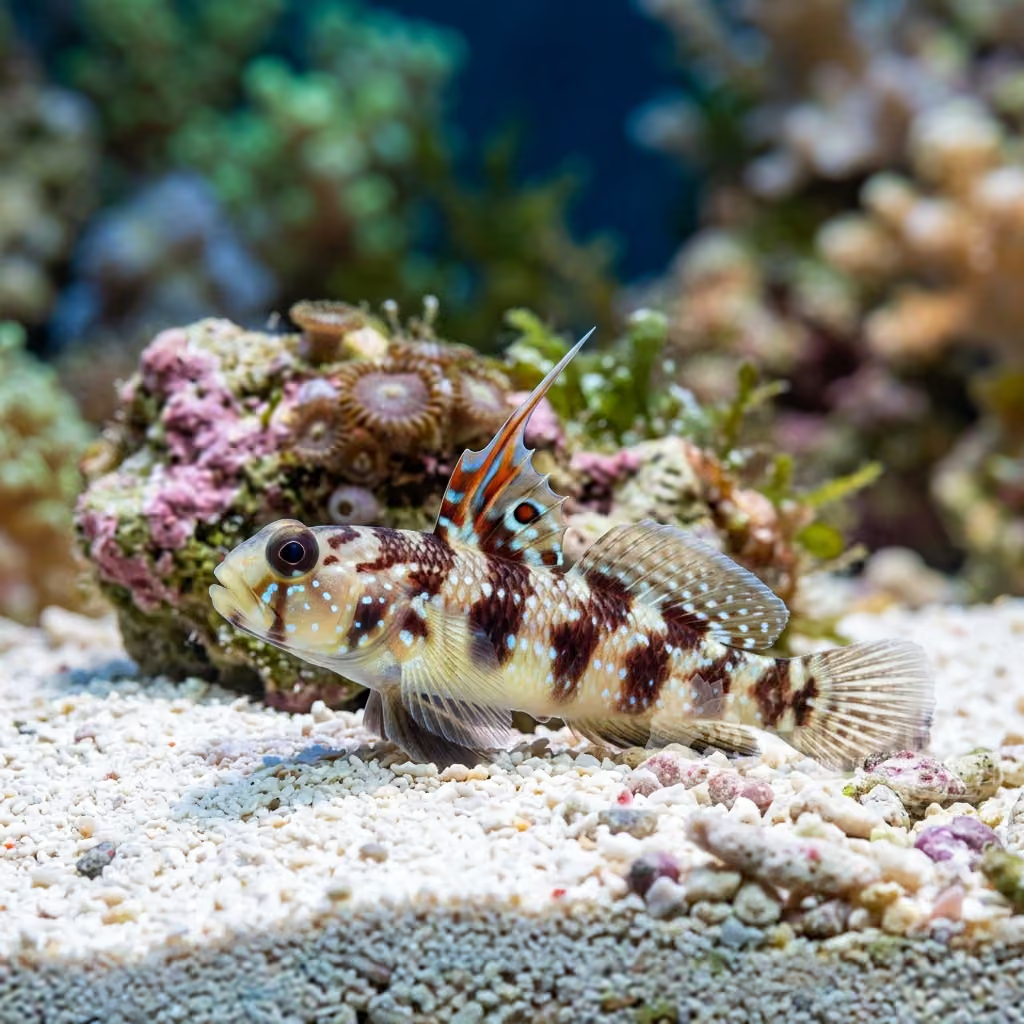
Taxonomy and Morphology: Amblygobius rainfordi belongs to the Gobiidae family, genus Amblygobius. It features an elongated, slightly compressed body with large eyes and a small terminal mouth. It is a very small species, reaching a maximum adult length of only 6-7 cm (about 2.5 inches).
Social Behavior: A peaceful, shy, and gentle species. It spends its day hovering just above the sandy substrate or picking at microalgae on live rocks. It is territorial toward other males of its own species but completely ignores other tankmates, retreating quickly into rock crevices if threatened.
Coloration and Sexual Dimorphism: Displays a striking coloration consisting of a greenish-grey or pale orange body pattern, with bold horizontal red or orange stripes bordered in blue. It features distinct black eyespots (ocelli) on the first dorsal fin and the upper caudal peduncle. There is no visible external sexual dimorphism.

Cuidado, criação e companheiros de tanque
Aquarium Setup: Requires a mature reef aquarium of at least 80 liters (20 gallons). A fine, live sand bed is essential, as this fish gently sifts sand through its mouth to find food. Provide plenty of live rock to support natural microalgae growth and create multiple small caves for hiding.
Diet and Feeding: An omnivorous micro-predator and algae grazer. It feeds on filamentous green algae, diatoms, and benthic microfauna (copepods). In captivity, it can be difficult to feed; it requires small, frequent feedings of frozen cyclops, baby brine shrimp, and fine spirulina-based pellets.
Water Quality: Demands pristine and stable water conditions: specific gravity 1.023-1.025, temperature 24-27°C (75-81°F), pH 8.1-8.4, and dKH 8-12. Keep ammonia and nitrites at zero. Regular water changes and a well-functioning protein skimmer are required to maintain high water quality.
Compatibility and Cohabitation: Reef-safe and very peaceful, making it compatible with clownfish, anthias, small wrasses, and cardinalfish. It is highly recommended to purchase it along with a compatible Alpheus pistol shrimp. Do not house with large predatory fish (such as lionfish or groupers) or similar territorial gobies.
Aquarium Breeding: Captive breeding is highly challenging. They lay adhesive eggs inside caves or crevices, which are guarded by the male. The planktonic larvae require microscopic live foods (rotifers and green water) in a dedicated rearing tank with gentle aeration.
Risks and Diseases: The primary risk is starvation, particularly in newly set up, sterile tanks lacking microalgae and copepods. They are also prone to jumping out of uncovered aquariums. Susceptible to marine ich (Cryptocaryon) if stressed by sudden parameter changes.

Origem e distribuição geográfica
Native to the tropical waters of the Western Pacific Ocean, ranging from the Great Barrier Reef in Australia to the Solomon Islands, Philippines, Taiwan, and the Ryukyu Islands. It inhabits sheltered coastal lagoons and turbid inshore reefs at depths between 2 and 20 meters, usually near sandy patches mixed with coral rubble.
Origem
Oceanos tropicais e recifesAmérica do NorteSul e Sudeste AsiáticoLeste AsiáticoAustrália, Nova Guiné e Oceania

Perfil de peixe
- Temperamento
- Aggressive
- Koumansetta rainfordi is a very peaceful and somewhat shy fish that will not bother other inhabitants of the reef aquarium. They spend their day hovering near the bottom, sifting sand, and grazing on rocks, demonstrating a very calm demeanor. However, they can be easily intimidated by larger, fast-swimming, or aggressive species, which may prevent them from feeding. While peaceful towards unrelated fish, they will defend their immediate territory from conspecifics or similar-looking gobies.
- Dieta
- Omnivore
- This species is an omnivorous grazer that primarily feeds on micro-organisms, small benthic invertebrates like copepods, and filamentous microalgae. They feed by sifting mouthfuls of fine sand through their gills to filter out organic matter and tiny prey. In the aquarium, their diet should be supplemented with high-quality frozen foods such as Cyclops, vitamin-enriched brine shrimp, and small mysis. Providing a mature sand bed and live rock is crucial for their nutritional health, as they constantly forage throughout the day.
- Expectativa de vida
- 5-7 years
- Tamanho adulto
- 6.5 cm
- Proporção sexual
- 1:1 ratio
- In the home aquarium, Koumansetta rainfordi is best kept singly or as a verified male-female mated pair. They are highly territorial toward members of their own species and other similar-looking gobies unless they have paired up. Introducing multiple individuals of the same sex into a small or medium-sized tank will likely result in severe aggression and harassment. If one wishes to keep a group, a very large aquarium with ample territory, visual barriers, and multiple caves is required to prevent conflict.
- Frequência de alimentação
- 2-3 times daily
- Because of their high metabolism and constant foraging behavior, Koumansetta rainfordi requires multiple small feedings throughout the day. Ideally, they should be fed two to three times daily with small, target-directed portions of frozen or prepared foods. In aquariums with an abundant and mature microfauna population, this frequency can be relaxed slightly, as they will naturally supplement their diet. For wild-caught specimens, frequent feedings are critical during the acclimation period to prevent wasting disease and starvation.
- Carga biológica
- Low
- Koumansetta rainfordi is a very small goby, typically reaching a maximum size of about 2.5 inches (6.5 cm). Because of its diminutive size and slow, methodical feeding habits, it has a very low bioload and produces minimal metabolic waste. Standard filtration with a good protein skimmer or active biological filtration is more than sufficient to maintain pristine water conditions. However, a mature tank with a thriving microfauna population is essential to support its constant foraging rather than relying on heavy mechanical filtration.
- Fluxo
- Moderate
- Koumansetta rainfordi prefers low to moderate water flow within the aquarium. High, turbulent flow can stress this delicate fish and make it difficult for them to hover comfortably and sift sand near the bottom. It is recommended to create areas of calmer water, especially near the substrate and rock crevices where they sleep and forage. Gentle circulation allows them to swim naturally without expending excessive energy and ensures that food particles sink slowly enough for them to catch.
- Risco de salto
- Yes
- Like many small gobies, Koumansetta rainfordi presents a significant jump risk, especially when startled by sudden light changes or aggressive tank mates. They are agile swimmers capable of leaping through even small openings in the aquarium cover. It is highly recommended to equip the tank with a tight-fitting lid or a fine mesh cover to prevent fatal escapes. Additionally, providing plenty of rocky hiding places helps the fish feel secure, reducing the likelihood of panic-induced jumping.
- Reprodução
- Oviparous
- Breeding Koumansetta rainfordi in the home aquarium is considered difficult and is rarely accomplished by hobbyists. They are demersal spawners, with the female depositing adhesive eggs inside a cave, burrow, or rock crevice, which the male then fertilizes and guards. The primary challenge lies in raising the extremely small, delicate, and pelagic larvae, which require specialized live feeds such as rotifers or copepod nauplii. Fortunately, commercial captive-breeding programs have succeeded, making hardier, tank-raised individuals increasingly available to the hobby.
- Compatibilidade e companheiros de tanque
- Peaceful
- Koumansetta rainfordi is highly compatible with other peaceful reef inhabitants, making it an excellent addition to community tanks and reef systems. They should not be housed with aggressive, predatory, or overly active fish like large wrasses or dottybacks, which may bully them into hiding permanently. They are completely reef-safe and will not harm corals, clams, or small ornamental shrimp. However, they may compete for benthic food sources with other micro-predators like mandarinfish or sleeper gobies, so adequate tank size and food supply are necessary.
- Nível do tanque
- Middle/Bottom
- This goby is strictly a bottom-dwelling and lower-middle-dwelling species that spends its time hovering just above the substrate. It is closely associated with sandy beds and the lower sections of live rock, where it actively searches for food. It rarely ventures into the upper water column unless startled or during feeding times when food particles drift down. Providing a fine sand substrate and low-lying rock structures is essential to make this fish feel secure in its natural swimming zone.

Modelos e parâmetros científicos
FishBase
Acesso aos dados científicos oficiais da espécie
FishBase v25.04Dados sincronizados em: 15/06/2026
- Nível trófico
- 3,3 ± 0,4 se
- Resiliência
- Alta (menos de 15 meses)
- Unicidade filogenética (PD50)
- 0.625
- Relação bayesiana comprimento-peso
- a = 0.00741, b = 3.09
- VulnerabilidadeVulnerabilidade baixa (10 / 100)

Espécies relacionadas
Recomendações agrupadas por parentes próximos, escolhas de acompanhantes e cuidados semelhantes.