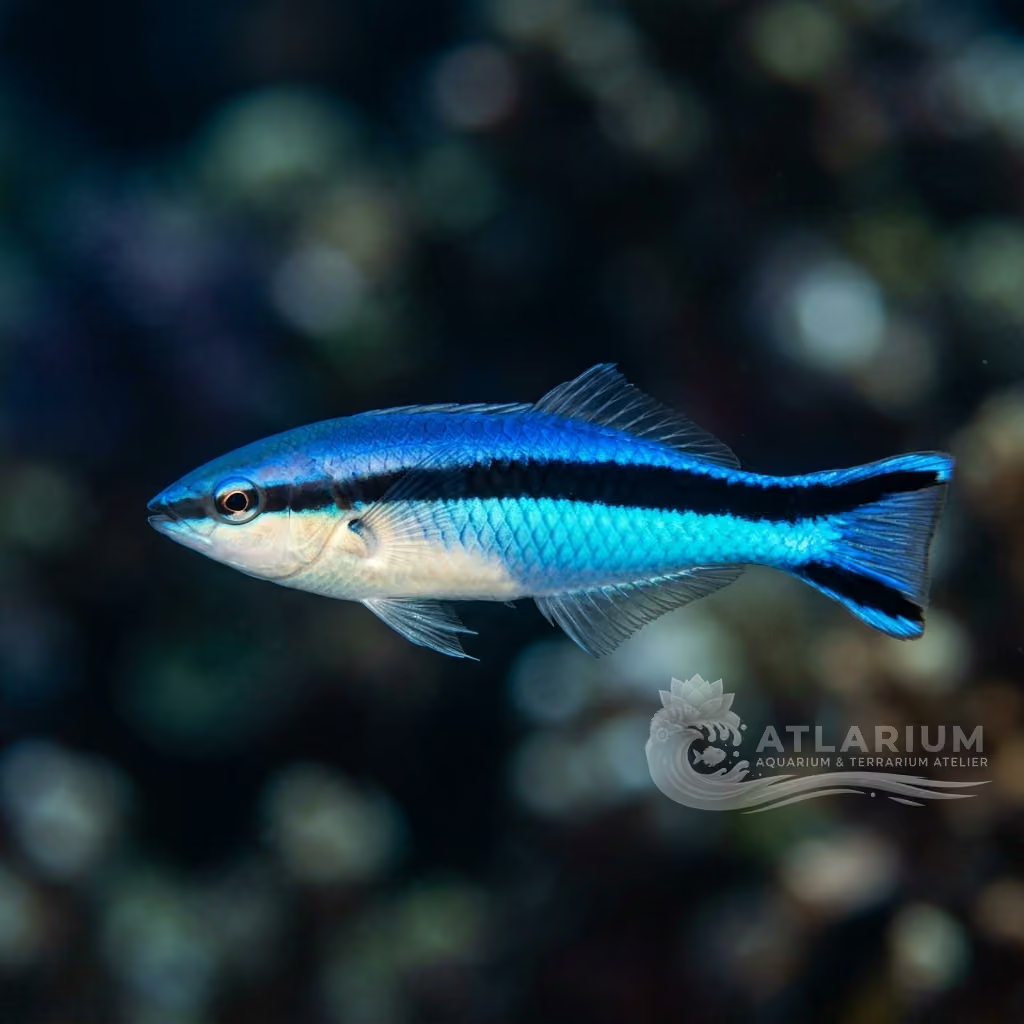
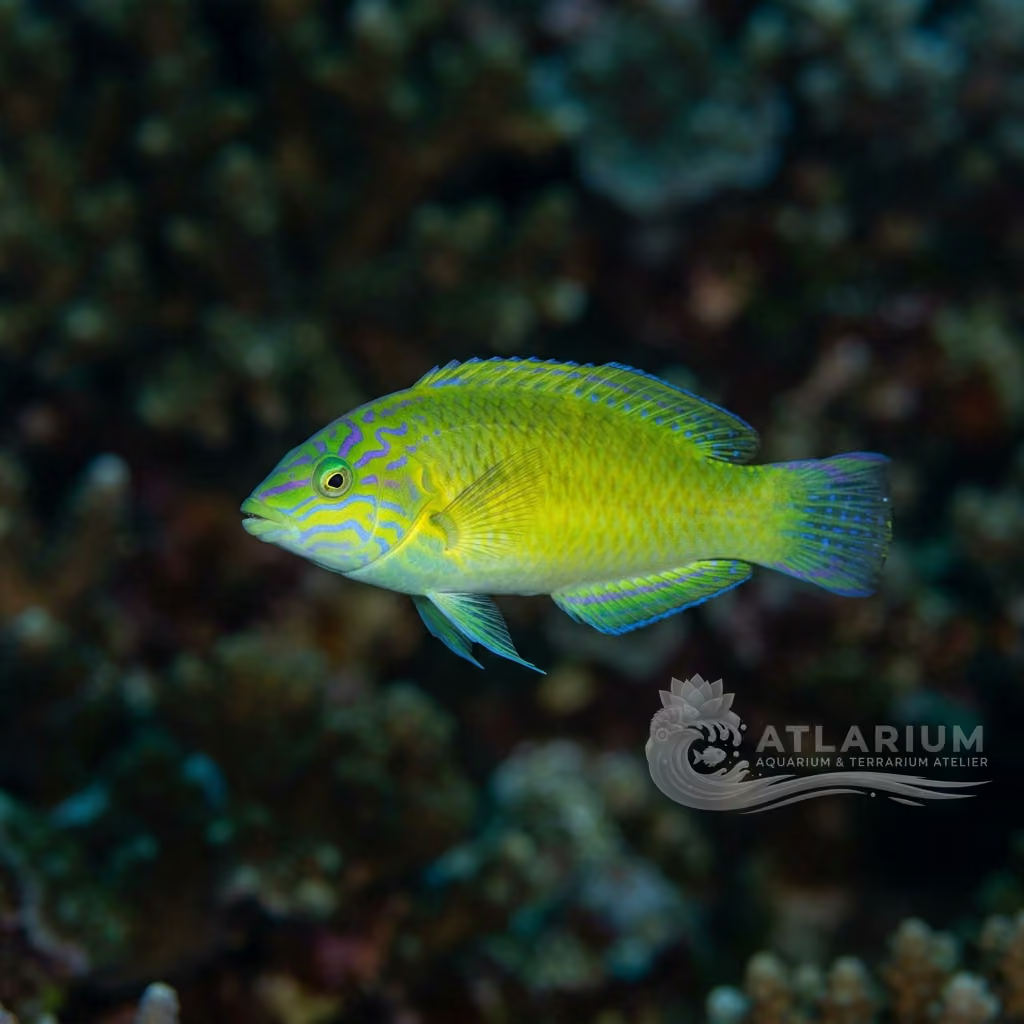
Pyle's fairy wrasse
Cirrhilabrus pylei
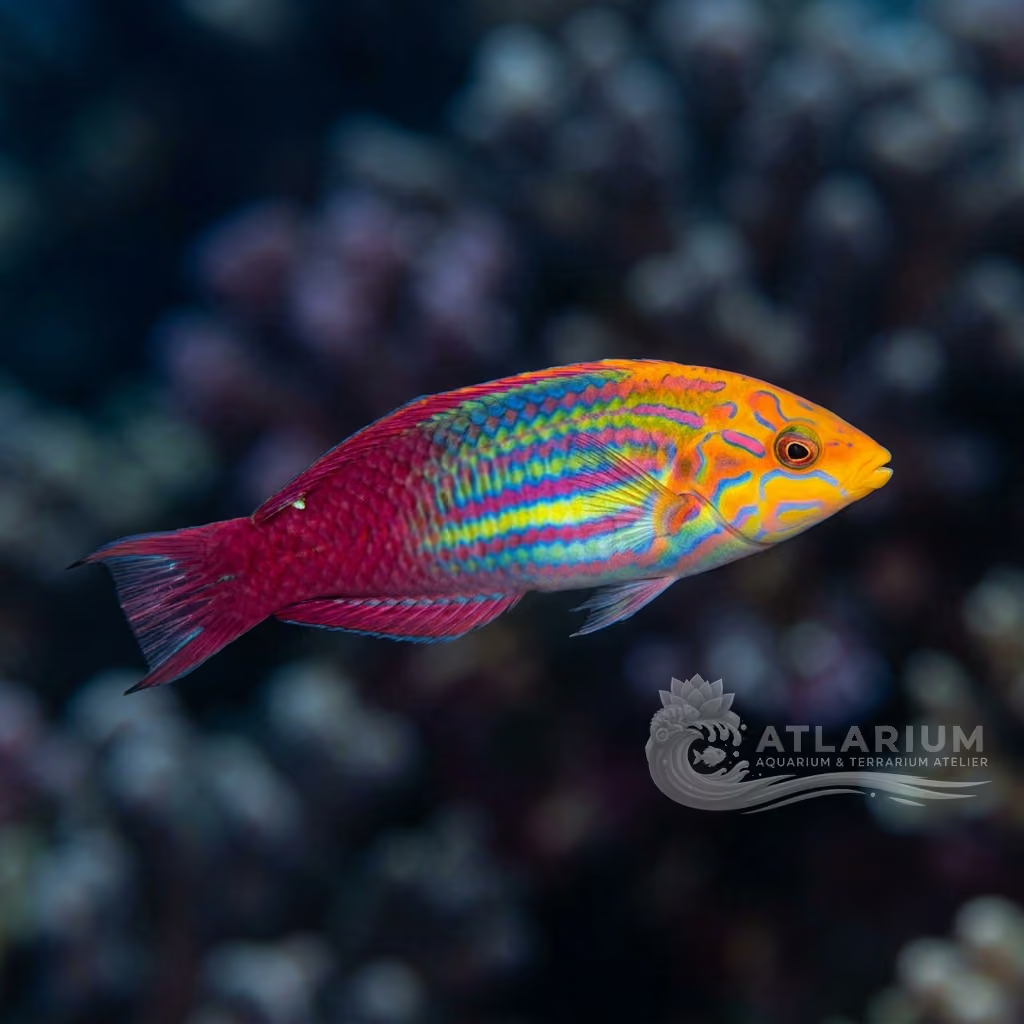
Pyle's Fairy Wrasse is a deep-water gem featuring iridescent red-orange hues and sail-like fins in males. Peaceful and reef-safe, it's a notorious jumper demanding a covered tank.
Temperatura da água
22 - 26 °C
Valor de pH
8.1 - 8.4
Tipo de água
Marinho
Nível do tanque
Parte inferior e intermediária
Tamanho adulto
10 cm
Volume mínimo do tanque
>= 200 L
Grupo mínimo
>= 1
KH
8 - 12 dKH

Descrição da espécie
Geographical Origin and Habitat: Cirrhilabrus pylei is native to the tropical waters of the Western Pacific Ocean. Its range includes the coral reefs of Indonesia, Papua New Guinea, the Solomon Islands, and extends eastward to Vanuatu. It primarily inhabits deep outer reef slopes at depths ranging from 30 to 80 meters. It prefers perching or swimming over sandy areas mixed with coral rubble and sponge formations, where it aggregates in small groups.
Taxonomy and Morphology: Belonging to the family Labridae, this species is named in honor of the marine biologist Richard Pyle. It features a slender body with highly developed, sail-like dorsal and anal fins in adult males, which can be flared to intimidate rivals or attract females. The eyes are large and mobile, well-adapted to the lower light levels of its deep-water habitat. Adults reach a length of approximately 9 cm.
Social Behavior: It is a peaceful, active diurnal fish. It spends the majority of its time in the lower and middle water column, foraging for suspended zooplankton. Adult males display territorial behavior toward other males of the same species, whereas females are social and peaceful. It is best kept as a single male with a group of females (harem) in spacious aquariums.
Coloration and Sexual Dimorphism: The coloration is variable and highly iridescent. In males, the body exhibits shades of pink to red-orange on the dorsal side, with a whitish or yellowish underbelly. The dorsal fin features a prominent black spot and blue highlights. The fins are outlined in neon blue. Females have a uniform reddish-pink color, which is much more subdued, and they possess shorter, less elaborate fins.

Cuidado, criação e companheiros de tanque
Aquarium Setup: Requires an aquarium of at least 200 liters with plenty of live rock arranged to create overhangs, caves, and shelter for the night. As with all fairy wrasses, a tightly fitting lid or fine mesh screen is mandatory to prevent the fish from jumping out, as they are capable of leaping through very small openings when startled or during rapid swimming.
Diet and Feeding: Diet must be protein-rich and offered two to three times daily due to their high activity levels. In nature, they feed on zooplankton. In captivity, they readily accept frozen mysis, brine shrimp, lobster eggs, and finely chopped krill, alongside high-quality commercial pellets and flakes. Supplementing their diet with vitamins helps maintain their bright colors.
Water Quality: Water parameters must be kept stable: temperature 22-26 °C, pH 8.1-8.4, specific gravity 1.020-1.025, and KH 8-12. Because it is collected from deep reefs, it prefers moderate or diffused lighting. Provide shaded areas within the rockwork and ensure moderate water movement. High organic waste levels must be avoided.
Compatibility and Cohabitation: This species is 100% reef safe and does not harm corals, clams, or ornamental invertebrates. It coexists peacefully with other calm community fish like anthias, gobies, and clownfish. Avoid keeping it with highly aggressive or territorial species that might bully it, causing it to hide permanently and refuse food.
Aquarium Breeding: Breeding in home aquariums is extremely difficult. They are protogynous hermaphrodites, and the dominant female in a group will transition to a male. Spawning involves a vertical rise in the water column to release pelagic eggs. Successfully raising the larvae requires specialized commercial systems and constant cultures of live microscopic zooplankton.
Risks and Diseases: The primary risks are jumping out of the tank and stress related to acclimation, particularly regarding light intensity and decompression if not handled properly during collection. It is susceptible to common marine parasites like ich (Cryptocaryon) under stress. A quarantine period and dim lighting during introduction are highly recommended.

Origem e distribuição geográfica
Cirrhilabrus pylei is native to the tropical waters of the Western Pacific Ocean. Its range includes the coral reefs of Indonesia, Papua New Guinea, the Solomon Islands, and extends eastward to Vanuatu. It primarily inhabits deep outer reef slopes at depths ranging from 30 to 80 meters. It prefers perching or swimming over sandy areas mixed with coral rubble and sponge formations, where it aggregates in small groups.
Origem
Oceanos tropicais e recifesÁfrica e MadagascarSul e Sudeste AsiáticoAustrália, Nova Guiné e Oceania

Perfil de peixe
- Temperamento
- Active
- This species is active and bold once acclimated, spending most of its day swimming in the middle to lower levels of the water column. In the wild, they exhibit a social structure consisting of a dominant male guarding a harem of females. In the aquarium, they may display shyness initially, hiding among the rockwork, but they quickly become active open-water swimmers. They are generally non-aggressive toward unrelated fish, making them excellent candidates for community reefs.
- Dieta
- Carnivore
- Cirrhilabrus pylei is a carnivorous planktivore that requires a diverse, protein-rich diet to thrive and retain its vibrant colors. In captivity, it should be offered high-quality frozen foods such as mysis shrimp, vitamin-enriched brine shrimp, copepods, and lobster eggs. They will also readily accept commercial marine pellets and flakes once acclimated. Feeding small amounts multiple times a day is beneficial to support their high metabolic rate.
- Expectativa de vida
- 5-8 years
- Tamanho adulto
- 10 cm
- Proporção sexual
- Harem
- Can be kept singly or in a harem consisting of one male and multiple females.
- Frequência de alimentação
- Twice daily
- Fairy wrasses like Cirrhilabrus pylei are highly active swimmers with a fast metabolism, necessitating a frequent feeding schedule. It is highly recommended to feed this species two to three times daily in small portions that they can consume within a few minutes. Consistent feeding helps prevent weight loss and reduces food-related stress, which in turn minimizes aggression within the aquarium. Automated feeders can be useful for maintaining a consistent schedule when the aquarist is away.
- Carga biológica
- Low to Medium
- Pyle's Fairy Wrasses have high energy demands and need to be fed a variety of high-quality meaty foods at least two to three times daily. This constant feeding frequency places a moderate biological load on the aquarium system. Ensure your protein skimmer is appropriately rated for the tank to effectively export the resulting organic waste.
- Fluxo
- Strong
- Cirrhilabrus pylei prefers moderate water flow within the aquarium to simulate the current of their natural outer reef slope habitat. The water movement should be strong enough to keep suspended food particles in the water column, allowing them to feed naturally. However, areas of lower flow and structural overhangs should be provided so the fish can rest without constantly battling strong currents. Good flow also aids in maintaining high dissolved oxygen levels, which is crucial for this active species.
- Risco de salto
- Yes
- Startling easily, Pyle's Fairy Wrasses have a very high propensity for jumping out of the water when intimidated by larger fish or sudden movements. They can find impressively small gaps in the aquarium's hood to escape through. A secure, custom-fitted mesh screen is absolutely necessary to prevent these beautiful fish from dying outside the tank.
- Reprodução
- Oviparous
- Like all fairy wrasses, Cirrhilabrus pylei is a protogynous hermaphrodite, starting life as female and potentially transitioning into a male based on social structure. They are pelagic spawners, performing elaborate courtship displays where the male's colors intensify before releasing eggs and sperm high in the water column. There is no parental care, and the eggs drift with the currents. Breeding this species in a home aquarium is exceptionally difficult, as rearing the microscopic pelagic larvae requires specialized live food and specialized culture setups.
- Compatibilidade e companheiros de tanque
- Peaceful
- Cirrhilabrus pylei is a peaceful fish that is completely reef-safe and will not harm corals, clams, or sessile invertebrates. It coexists well with other peaceful community species such as gobies, firefish, and anthias. However, males of this species can be highly territorial towards other male fairy wrasses of similar size or coloration. To ensure safety, the aquarium must be equipped with a tight-fitting lid or mesh cover, as these fish are notorious jumpers when startled.
- Nível do tanque
- Middle/Bottom
- Mainly inhabits the middle to lower regions of the water column, frequently swimming near the rockwork.

Modelos e parâmetros científicos
FishBase
Acesso aos dados científicos oficiais da espécie
FishBase v25.04Dados sincronizados em: 15/06/2026
- Nível trófico
- 3,3 ± 0,4 se
- Resiliência
- Alta (menos de 15 meses)
- Unicidade filogenética (PD50)
- 0.5
- Relação bayesiana comprimento-peso
- a = 0.01072, b = 3.03
- VulnerabilidadeVulnerabilidade baixa (10 / 100)

Espécies relacionadas
Recomendações agrupadas por parentes próximos, escolhas de acompanhantes e cuidados semelhantes.