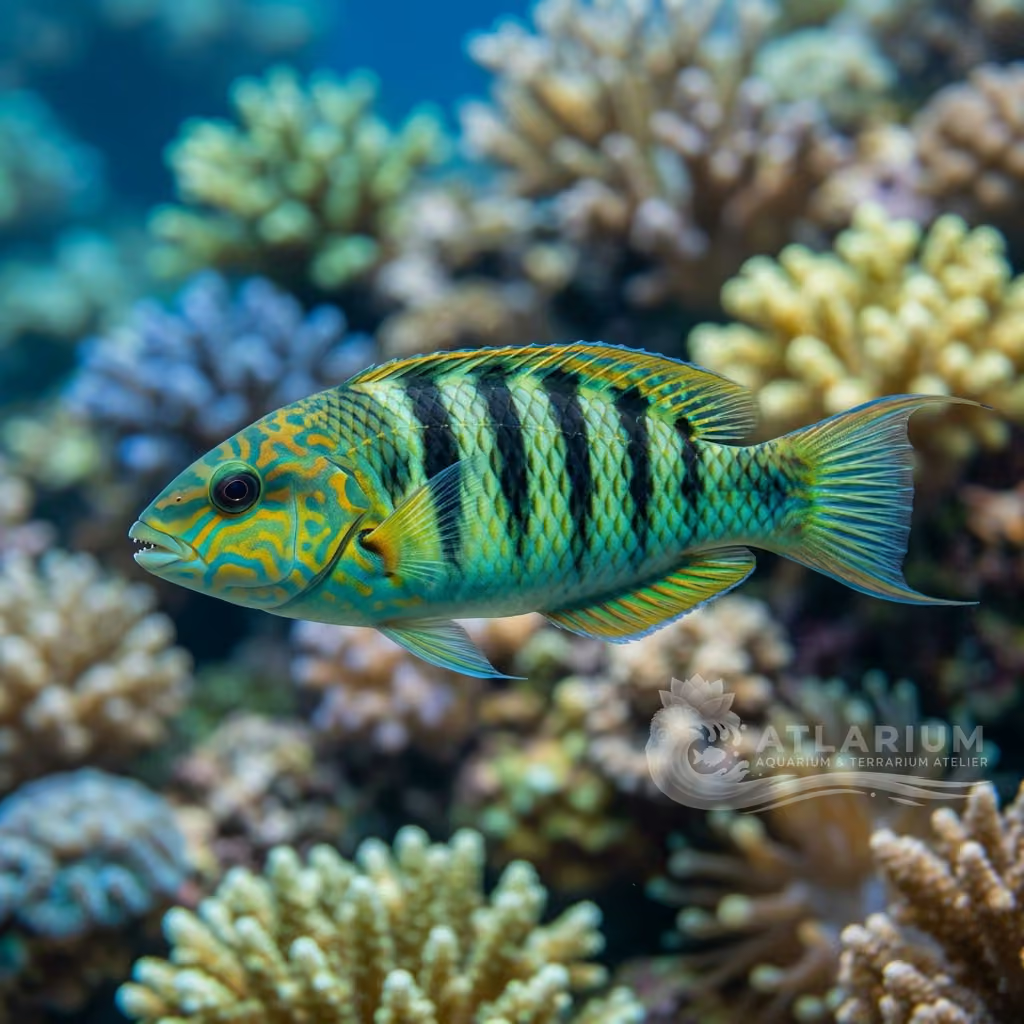
Redfin Fairy Wrasse
Cirrhilabrus rubripinnis
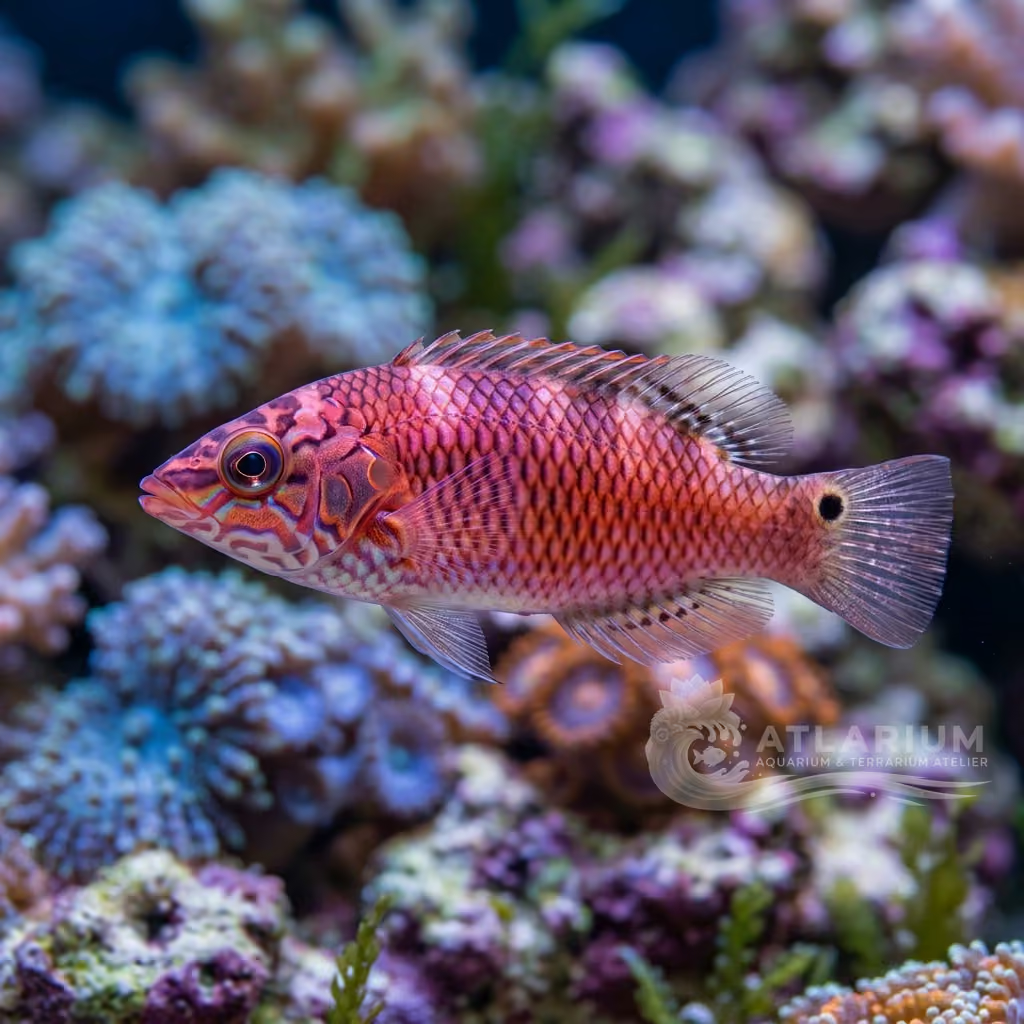
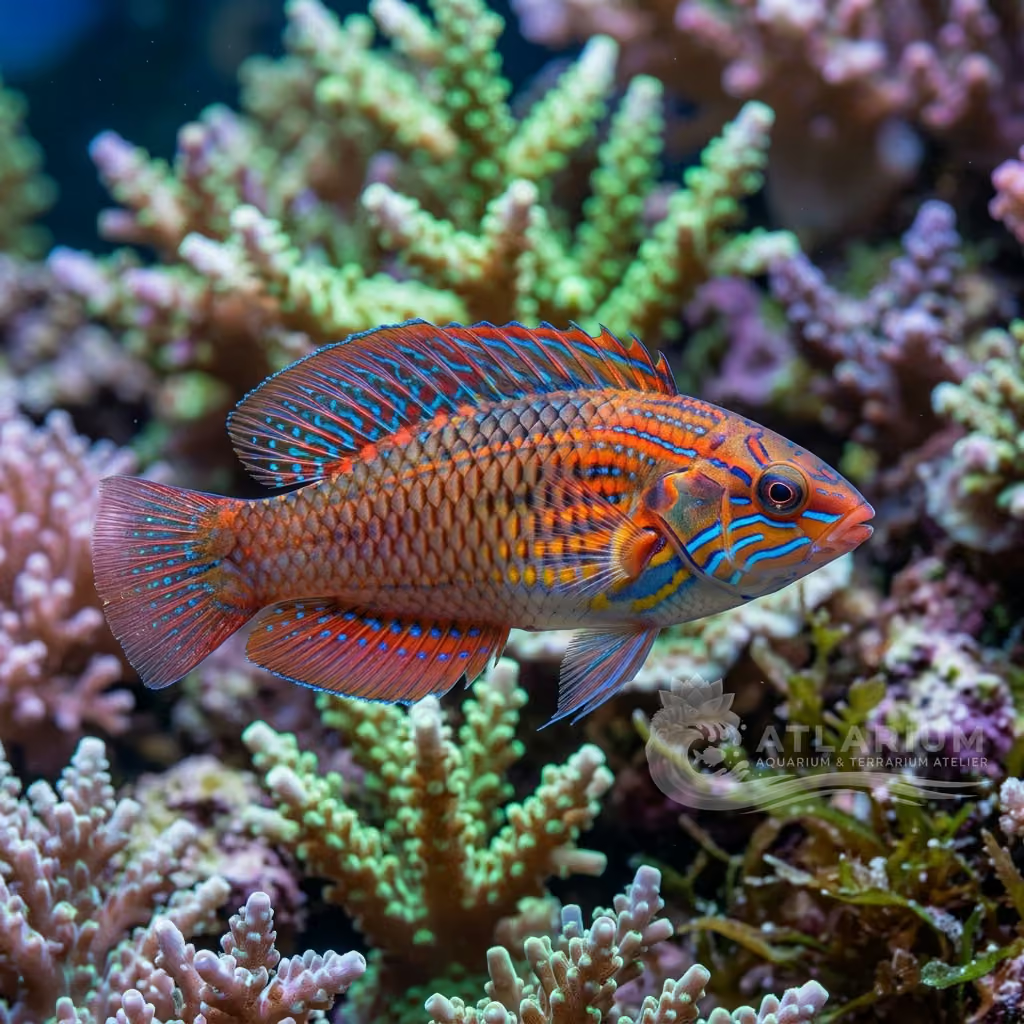
The Redfin Fairy Wrasse showcases a bright orange-red body and spectacular red fins edged in neon blue. A perfect, active reef-safe addition needing a tightly secured lid.
Temperatura da água
24 - 27 °C
Valor de pH
8.1 - 8.4
Tipo de água
Marinho
Nível do tanque
Superfície e meio
Tamanho adulto
8 cm
Volume mínimo do tanque
>= 120 L
Grupo mínimo
>= 1
KH
8 - 12 dKH

Descrição da espécie
Geographical Origin and Habitat: Native to the tropical waters of the Western Pacific, with populations mainly concentrated in the Philippines, Indonesia, and Palau. It inhabits outer coral reefs, drop-offs, and steep slopes rich in soft corals and sponges, typically at depths between 10 and 40 meters, swimming in aggregations in the water column.
Taxonomy and Morphology: Belongs to the family Labridae, genus Cirrhilabrus (Fairy Wrasses). Features a slender, laterally compressed body with large, specialized double-pupil eyes to detect plankton. Mouth is terminal with small specialized teeth. It reaches a maximum size of about 7-8 cm (3 inches).
Social Behavior: Peaceful, active, and schooling fish that naturally lives in haremic groups composed of a dominant male and multiple females. In the aquarium, they can be kept singly or in small groups (one male with several females introduced simultaneously). Males are aggressive toward other males of the same genus.
Coloration and Sexual Dimorphism: Extremely colorful with strong sexual dimorphism. Males feature a bright orange-red body fading into yellow on the sides and white on the belly. The dorsal, anal, and caudal fins are bright red edged in brilliant neon blue. Females are smaller and less colorful, usually pinkish-orange with small white dots.

Cuidado, criação e companheiros de tanque
Aquarium Setup: Needs an aquarium of at least 150-200 liters (40-50 gallons) with plenty of open space for active swimming and a live rock setup forming caves and overhangs for retreat. A tight-fitting lid or screen cover is mandatory because they are famous for jumping when startled.
Diet and Feeding: Planktivore feeding in the wild on micro-crustaceans and zooplankton in the water column. In the aquarium, they accept high-quality flakes or small pellets, but require regular frozen food like mysis, brine shrimp, and fish eggs to maintain colors. Feed at least twice daily.
Water Quality: Requires optimal, stable marine water parameters: temperature between 24°C and 27°C (75°F - 81°F), pH 8.1-8.4, salinity/specific gravity 1.023-1.025, and carbonate hardness (dKH) between 8 and 12. Perform bi-weekly 15% water changes to keep nitrogenous wastes low.
Compatibility and Cohabitation: Perfect for reef tanks with corals (100% reef-safe) and invertebrates. Peaceful with other calm fish like clownfish, gobies, anthias, and peaceful tangs. Avoid housing with aggressive species like territorial damselfish or larger wrasses that will bully them.
Aquarium Breeding: Breeding in home aquariums is extremely difficult and rare. They are pelagic spawners that release eggs during rapid upward courtship rushes. The fry enter a long planktonic larval stage requiring specialized microscopic live foods.
Risks and Diseases: The main risk is jumping out of open tanks. Newly introduced specimens can be shy and require quiet acclimation to begin feeding. Sensitive to common external marine parasites (like Cryptocaryon irritans) if stressed or exposed to temperature shocks.

Origem e distribuição geográfica
Native to the tropical waters of the Western Pacific, with populations mainly concentrated in the Philippines, Indonesia, and Palau. It inhabits outer coral reefs, drop-offs, and steep slopes rich in soft corals and sponges, typically at depths between 10 and 40 meters, swimming in aggregations in the water column.
Origem
Oceanos tropicais e recifesSul e Sudeste Asiático

Perfil de peixe
- Temperamento
- Peaceful
- Cirrhilabrus rubripinnis exhibits a peaceful and active temperament, spending most of its time swimming in the mid-water column. They may be shy and hide in the rockwork when first introduced but will become bold swimmers once settled. Keeping them in a harem setup (one male with several females) encourages the male to display his intense colors and behavior.
- Dieta
- Planktivore
- This species is a carnivorous planktivore that feeds on zooplankton in its natural habitat around the Philippines and Indonesia. In captivity, they should be fed a varied diet of high-quality frozen foods, including mysis shrimp, brine shrimp, copepods, and lobster eggs. They will also readily accept dry pellets and flake foods once acclimated. A diverse diet is essential for maintaining the intense red coloration of their fins.
- Expectativa de vida
- 5-8 years
- Tamanho adulto
- 8 cm
- Proporção sexual
- Harem
- Harem (1 male, multiple females).
- Frequência de alimentação
- 2-3 times daily
- Because of their active nature and high metabolic rate, Cirrhilabrus rubripinnis should be fed two to three times daily. Feeding small amounts multiple times throughout the day helps replicate their natural feeding patterns and prevents weight loss. It also helps reduce food-related aggression and territory disputes among other peaceful tankmates. Automatic feeders can assist in maintaining a consistent schedule.
- Carga biológica
- Low to Medium
- Redfin Fairy Wrasses demand a steady supply of small, meaty foods throughout the day to support their active swimming style. The need for constant feeding generates a significant amount of detritus, classifying their bioload impact as moderate. Excellent husbandry and efficient skimming are required to keep the aquatic environment clean and pristine.
- Fluxo
- Strong
- Cirrhilabrus rubripinnis prefers moderate to strong water flow to simulate the currents of their native outer reef slopes and drop-offs. Active water movement helps keep food suspended, encouraging natural feeding behaviors in the water column. However, the tank layout must provide areas of lower flow and rocky overhangs where the fish can rest comfortably and sleep at night.
- Risco de salto
- Yes
- Being quite timid by nature, the Redfin Fairy Wrasse will panic and launch itself out of the water if startled by larger fish or room vibrations. They are remarkably accurate jumpers that can fit through tiny equipment cutouts. Having a tightly fitted screen or glass canopy is absolutely paramount to successfully keeping them.
- Reprodução
- Oviparous
- Like other fairy wrasses, Cirrhilabrus rubripinnis is a protogynous hermaphrodite, with the dominant female transitioning into a male if necessary. They are pelagic spawners, performing rapid upward courtship rushes to release eggs and sperm into the water column. Breeding in home aquariums is exceptionally difficult and undocumented due to the specialized needs of rearing the pelagic larvae.
- Compatibilidade e companheiros de tanque
- Reef safe with caution
- This wrasse is 100% reef-safe and compatible with all types of corals, clams, and ornamental invertebrates. It coexists peacefully with other non-aggressive community fish such as gobies, firefish, and anthias. However, males will show aggression toward other male fairy wrasses of similar size or shape. A tight-fitting lid or mesh screen is mandatory, as this species is a notorious jumper.
- Nível do tanque
- Top/Middle
- This species is highly pelagic in the home aquarium, typically swimming freely in the upper and middle layers of the tank. They prefer to stay in the water column to inspect the current for food, occasionally darting downwards. For sleeping and hiding, they rely entirely on the bottom-tier rock crevices.

Modelos e parâmetros científicos
FishBase
Acesso aos dados científicos oficiais da espécie
FishBase v25.04Dados sincronizados em: 15/06/2026
- Nível trófico
- 3,1 ± 0,3 se
- Resiliência
- Alta (menos de 15 meses)
- Unicidade filogenética (PD50)
- 0.5
- Relação bayesiana comprimento-peso
- a = 0.01072, b = 3.03
- VulnerabilidadeVulnerabilidade baixa (10 / 100)

Espécies relacionadas
Recomendações agrupadas por parentes próximos, escolhas de acompanhantes e cuidados semelhantes.