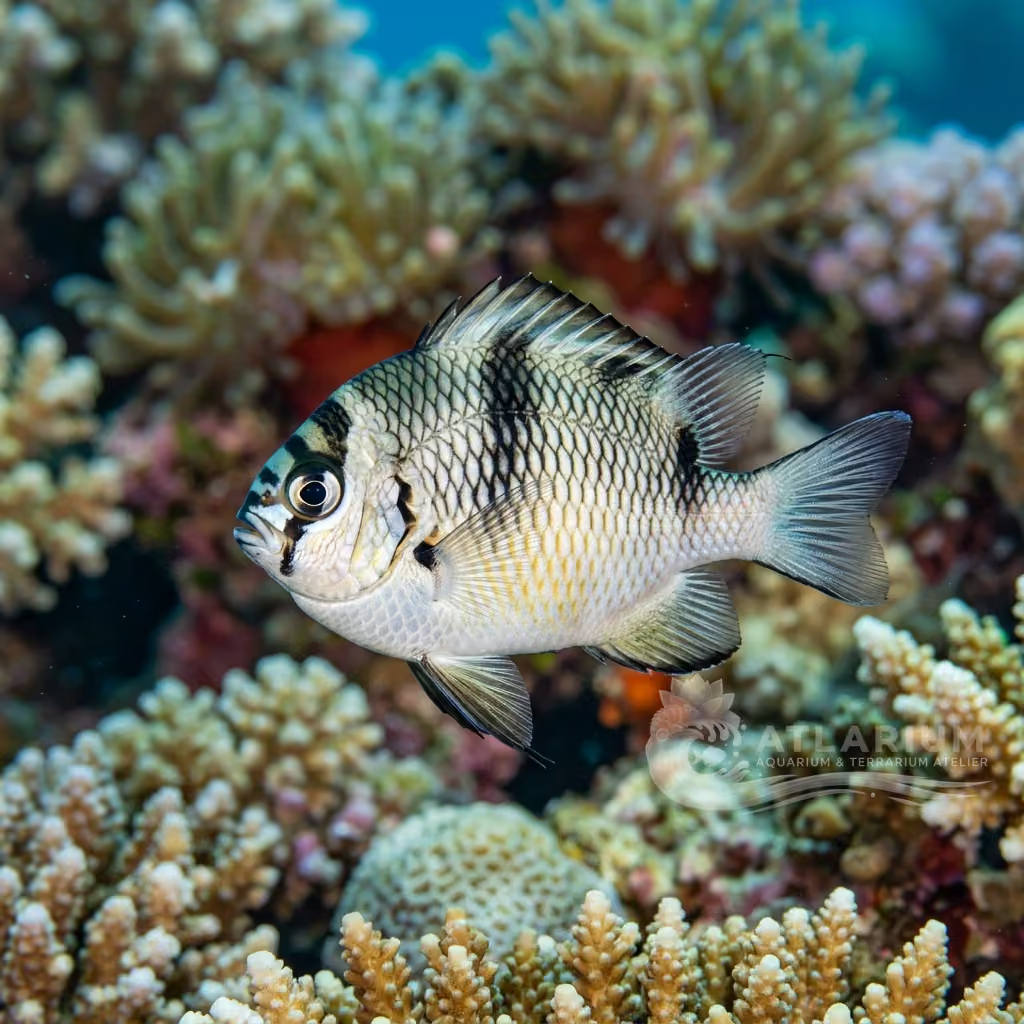
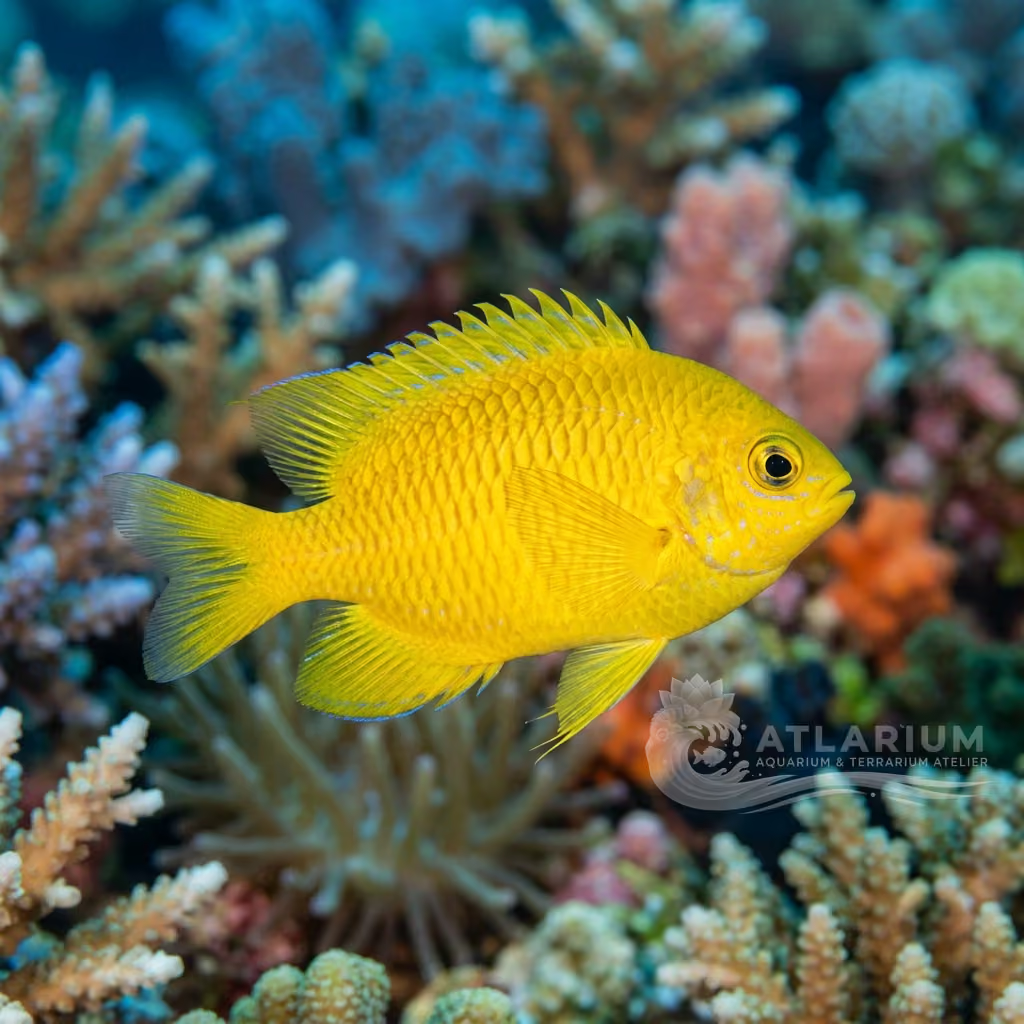
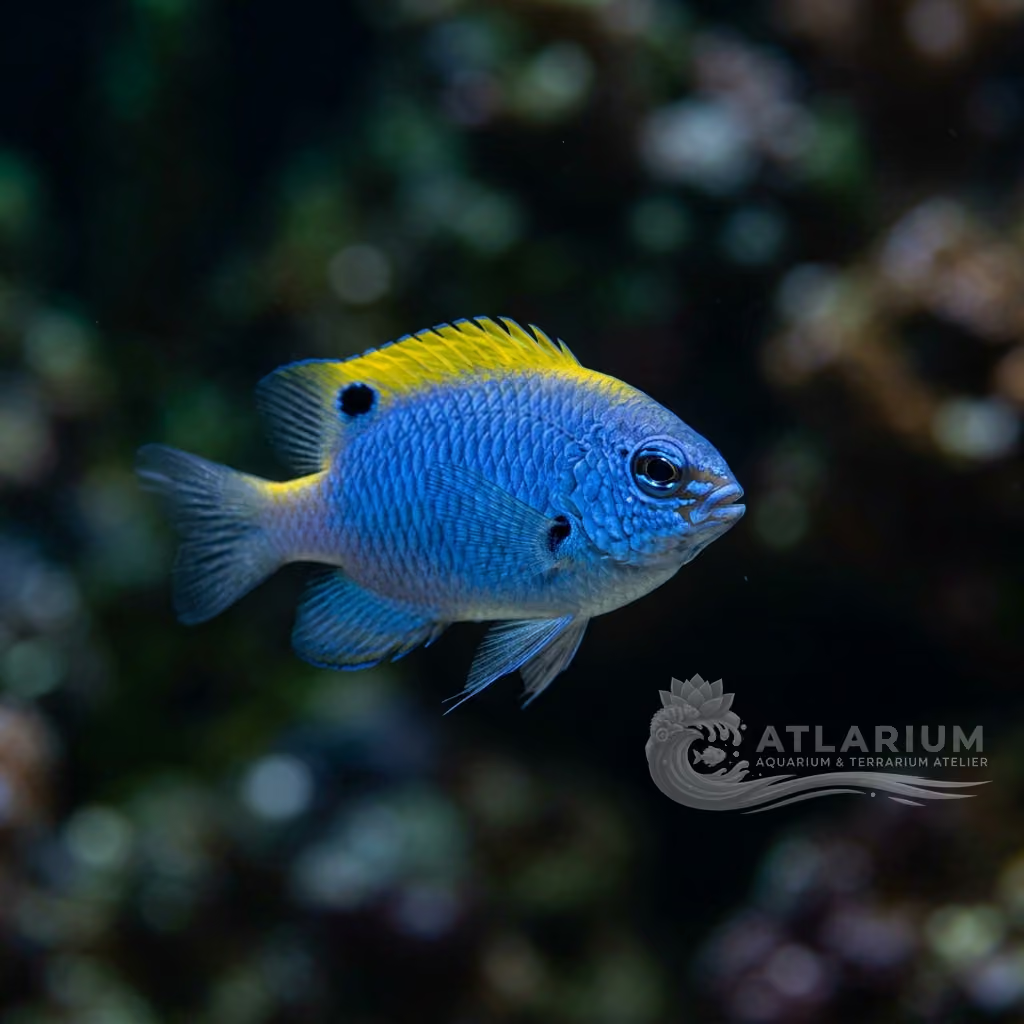
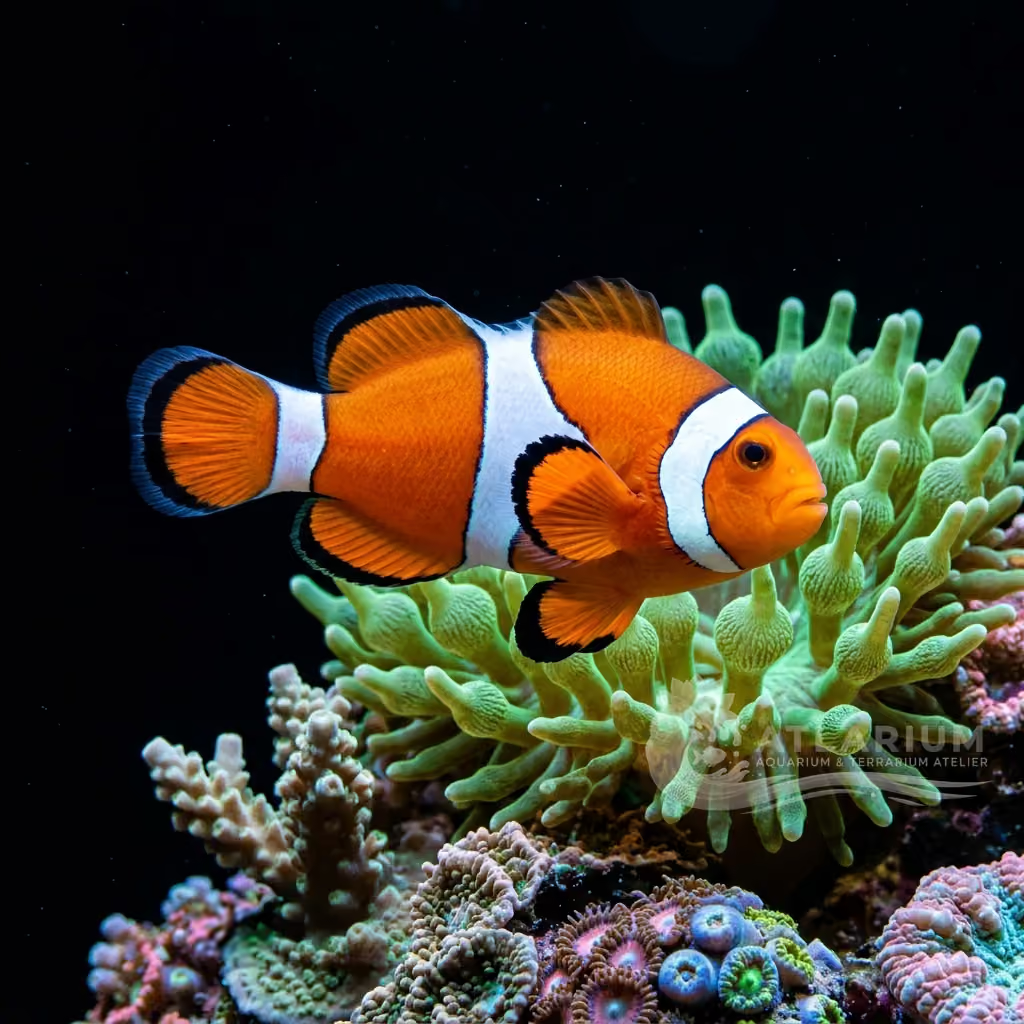
Four-stripe Damselfish / Blacktail Humbug
Dascyllus melanurus
Known for its striking four-stripe pattern, this western Indo-Pacific damselfish is exceptionally robust. Despite its beauty, it becomes highly combative with age, thriving only with assertive tankmates.
Temperatura da água
24 - 27 °C
Valor de pH
8.1 - 8.4
Tipo de água
Marinho
Nível do tanque
Parte inferior e intermediária
Tamanho adulto
8 cm
Volume mínimo do tanque
>= 120 L
Grupo mínimo
>= 1
KH
8 - 12 dKH

Descrição da espécie
Geographical Origin and Habitat: Western Indo-Pacific, from Indonesia and the Philippines to northern Australia, New Guinea, and the Solomon Islands. It inhabits sheltered lagoons and shallow coral reefs, frequently associated with branching Acropora corals.
Taxonomy and Morphology: Member of the Pomacentridae family. It reaches about 8 cm (3 inches) in total length. Features a deep, laterally compressed body, a truncated caudal fin, and well-defined scales. The mouth is small and terminal.
Social Behavior: Extremely territorial and aggressive species, particularly as it matures. It forms small groups around specific coral heads in the wild, but in an aquarium, it will aggressively defend its chosen territory from any tankmates.
Coloration and Sexual Dimorphism: Bright white body color crossed by four prominent vertical black bands. The fourth band covers the rear margin of the tail fin (hence "melanurus"). There is no visible sexual dimorphism between males and females.

Cuidado, criação e companheiros de tanque
Aquarium Setup: Suitable for tanks of at least 100 liters (25 gallons). Branching corals or stable rockwork are recommended to provide shelter. Due to its high aggression, it should be the last fish added to a community tank, or kept in single-species tanks.
Diet and Feeding: Extremely easy to feed. Voraciously accepts all types of dry foods (flakes and pellets), frozen foods (brine shrimp, mysis, krill), and finely chopped fresh seafood. It will also graze on filamentous algae in the tank.
Water Quality: Highly robust and tolerant of variable water parameters. Temperature 24-28°C (75-82°F), pH 8.0-8.4, salinity 1.020-1.025. It can survive sub-optimal chemical conditions but thrives in well-oxygenated, moving water.
Compatibility and Cohabitation: Not recommended for peaceful community tanks. Best kept with large, robust tankmates like triggerfish, large wrasses, tangs, or dottybacks that will not be intimidated by its frequent territorial charges.
Aquarium Breeding: Spawns readily in captivity. The male courts the female with rapid movements, enticing her to lay eggs in a cleaned nesting site on a rock. The male then guards the eggs aggressively until they hatch.
Risks and Diseases: Highly resistant to common marine diseases like ich. However, it can act as an asymptomatic carrier of pathogens. Monitor fins for tears and injuries resulting from territorial skirmishes with other tank inhabitants.

Origem e distribuição geográfica
Western Indo-Pacific, from Indonesia and the Philippines to northern Australia, New Guinea, and the Solomon Islands. It inhabits sheltered lagoons and shallow coral reefs, frequently associated with branching Acropora corals.
Origem
Oceanos tropicais e recifesÁfrica e MadagascarSul e Sudeste AsiáticoAustrália, Nova Guiné e Oceania

Perfil de peixe
- Temperamento
- Aggressive
- The Four Stripe Damselfish is widely considered one of the most aggressive and territorial damselfish available in the aquarium trade. They possess a bold, fearless demeanor and will relentlessly attack fish many times their own size if their territory is breached. As they mature, this belligerence typically increases, making them wholly unsuitable for peaceful community setups. They will even aggressively bite at the aquarist's hand or cleaning tools during routine maintenance. They should exclusively be housed in aggressive systems with large, robust tank mates that can tolerate or completely ignore their fiery attitude.
- Dieta
- Omnivore
- Dascyllus melanurus is an eager omnivore that readily accepts a broad spectrum of prepared foods in the home aquarium. Their wild diet consists of planktonic crustaceans, small worms, and various types of benthic algae. To keep them healthy and vibrant, feed a varied mix of high-quality marine flakes, sinking pellets, and frozen fares like mysis and enriched brine shrimp. It is also important to include spirulina or other algae-based foods several times a week to fulfill their herbivorous requirements. Providing a diverse nutritional profile ensures a robust immune system and excellent longevity.
- Expectativa de vida
- 5-15 years
- Tamanho adulto
- 8 cm
- Proporção sexual
- Solitary
- Dascyllus melanurus naturally forms large shoals centered around branching coral colonies in the wild, with a distinct hierarchical structure. In the confines of a home aquarium, maintaining a group often leads to severe aggression, with the most dominant individuals ruthlessly attacking the submissive ones. Unless the tank is exceedingly large (over 100 gallons), it is highly advisable to keep only a single specimen or a confirmed mated pair. If attempting to form a pair or harem, acquiring a group of very small juveniles allows them to grow together and establish dominance naturally. The most dominant fish will assume the male role in the hierarchy.
- Frequência de alimentação
- 2-3 times daily
- Due to their high-energy lifestyle, Four Stripe Damselfish fare best when offered small meals two to three times per day. Feeding them frequently helps to satisfy their voracious appetites and can marginally reduce their aggressive tendencies toward other tank mates. Ensure that only enough food is provided that can be completely consumed within three minutes to maintain optimal water quality. If housed with more passive eaters, distributing the food widely across the tank surface can ensure everyone gets an equal opportunity to eat. Consistent feeding practices are key to keeping this hyperactive species content.
- Carga biológica
- Low to Medium
- The Four Stripe Damselfish produces a modest bioload that is easily managed by standard protein skimmers and biological filtration systems. Despite their small adult size, their active swimming and frequent feeding habits do contribute continuously to the aquarium's waste levels. In small nano reefs, a group of these fish can cause nitrate levels to creep up if water changes are neglected. However, in larger tanks with adequate live rock and filtration, their bioload impact is practically negligible. Routine siphoning of the sand bed and regular water changes will easily keep the water quality pristine.
- Fluxo
- Strong
- These fish are accustomed to the vigorous water movement found in their native coral reef environments. They prefer moderate to strong water flow within the aquarium to keep them active and simulate natural current conditions. Strong circulation also aids in delivering planktonic foods throughout the water column, stimulating their natural feeding behaviors. Utilizing wavemakers or strategically aimed powerheads can create the turbulent flow patterns they enjoy most. However, be sure to provide some lower-flow resting areas behind rockwork where they can take a break from the current.
- Risco de salto
- No
- Reprodução
- Oviparous
- Breeding the Four Stripe Damselfish in a home aquarium is quite common when a stable, mature pair is present. They are demersal spawners, and the male will meticulously prepare a smooth surface, such as a rock or the glass, for the female to lay her eggs. After fertilization, the male becomes highly aggressive, guarding the clutch relentlessly and fanning the eggs to provide oxygenation and prevent fungal growth. The eggs usually hatch within three to five days depending on the ambient water temperature. Raising the resulting larvae is extremely challenging, requiring rotifer cultures and specialized fry-rearing setups.
- Compatibilidade e companheiros de tanque
- Reef safe
- This species is notoriously belligerent and will aggressively defend its territory against almost any intruder. It is highly incompatible with peaceful, timid fish like dartfish, small blennies, or delicate cardinalfish, which will be relentlessly harassed. Appropriate tank mates include semi-aggressive to aggressive species such as large angelfish, tangs, hawkfish, and sturdy pseudochromis. While they are completely reef safe and ignore corals and invertebrates, they may occasionally steal food from slow-eating anemones or LPS corals. Adding the Four Stripe Damselfish as the final fish to the aquarium can help temper its dominant behavior toward new additions.
- Nível do tanque
- Middle/Bottom
- This active species primarily utilizes the lower and middle strata of the aquarium, remaining closely tied to the aquascape. They establish a specific territory within the rockwork or coral structure and will fiercely patrol the immediate area surrounding it. They rarely venture into the open upper water column unless actively pursuing food during feeding times. It is crucial to provide ample hiding places, caves, and overhangs to satisfy their instinctual need for secure retreats. A well-structured tank reduces their overall stress levels and allows them to exhibit their natural territorial behaviors comfortably.

Modelos e parâmetros científicos
FishBase
Acesso aos dados científicos oficiais da espécie
FishBase v25.04Dados sincronizados em: 15/06/2026
- Nível trófico
- 3 ± 0,36 se
- Resiliência
- Alta (menos de 15 meses)
- Unicidade filogenética (PD50)
- 0.5005
- Relação bayesiana comprimento-peso
- a = 0.02089, b = 2.98
- VulnerabilidadeVulnerabilidade baixa (10 / 100)

Espécies relacionadas
Recomendações agrupadas por parentes próximos, escolhas de acompanhantes e cuidados semelhantes.