Black Bow Damselfish
Neoglyphidodon melas
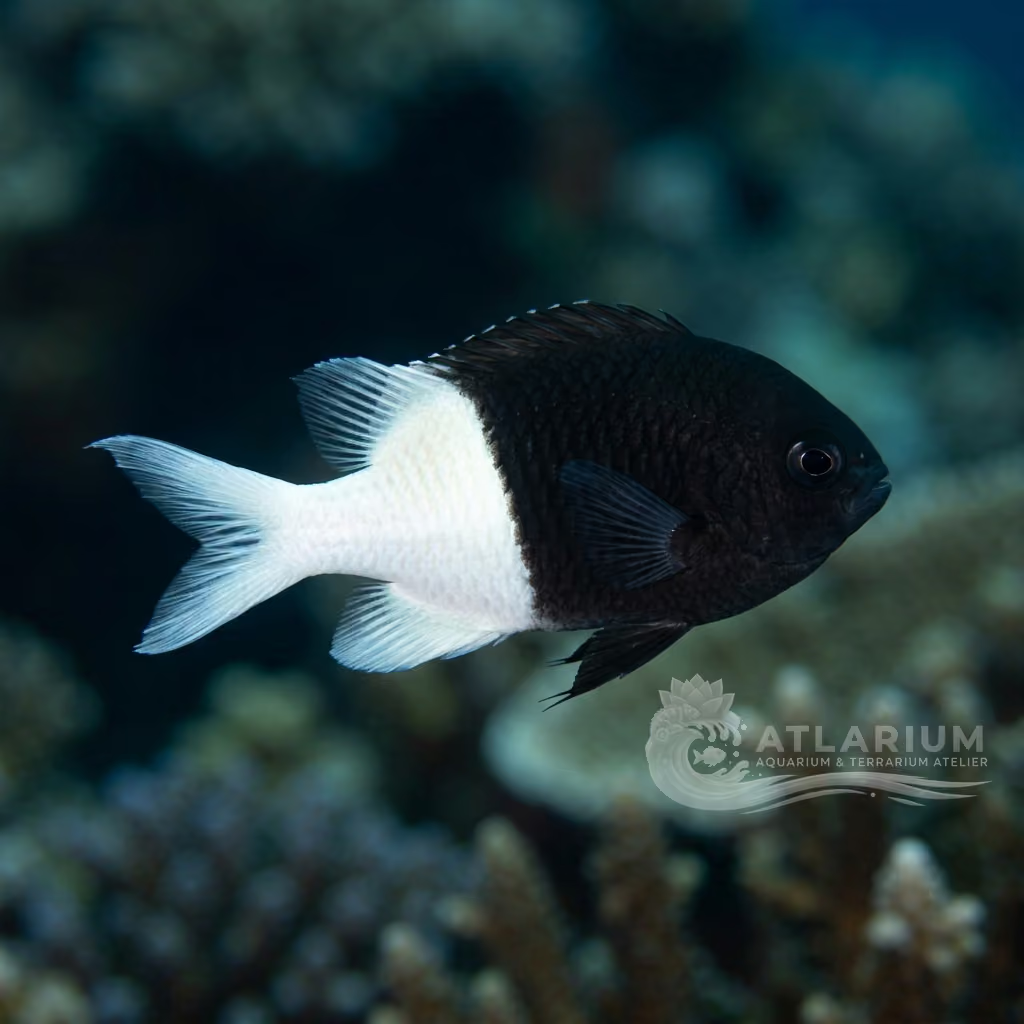
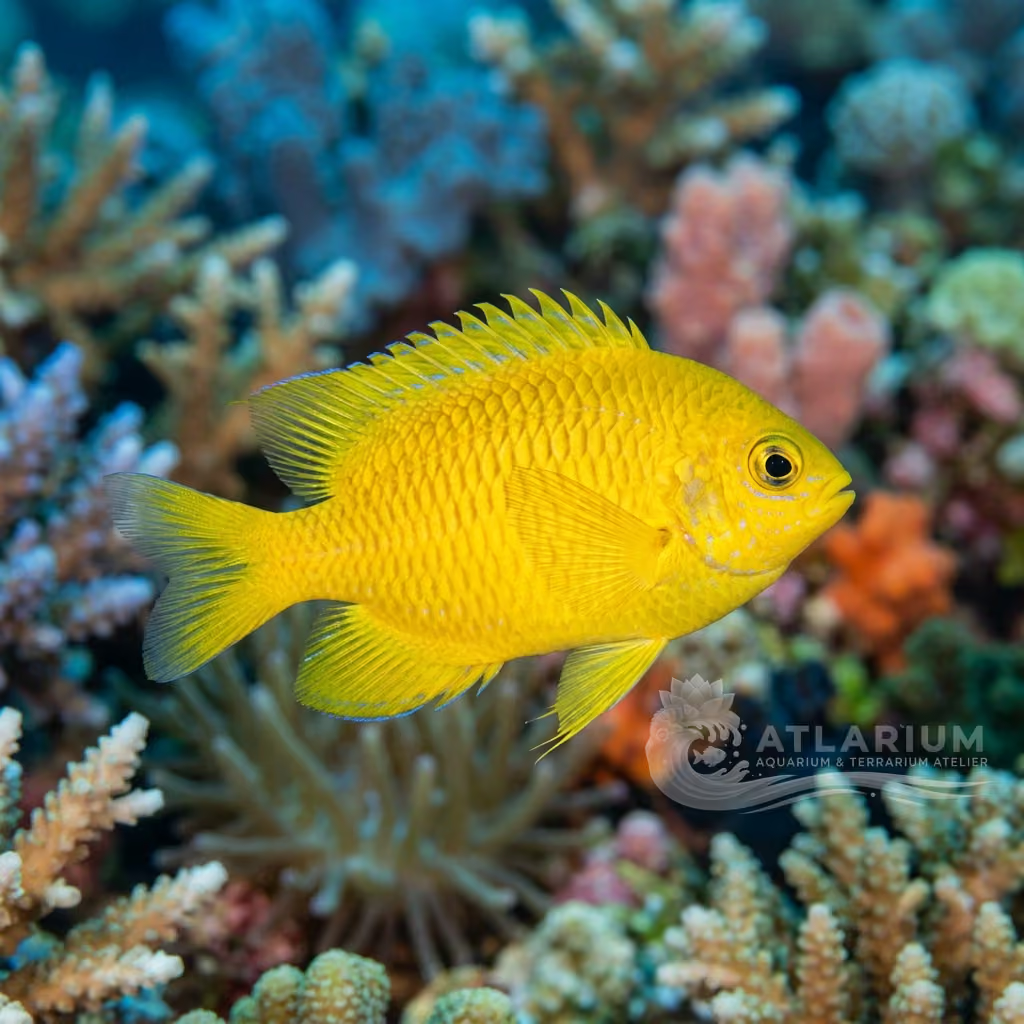
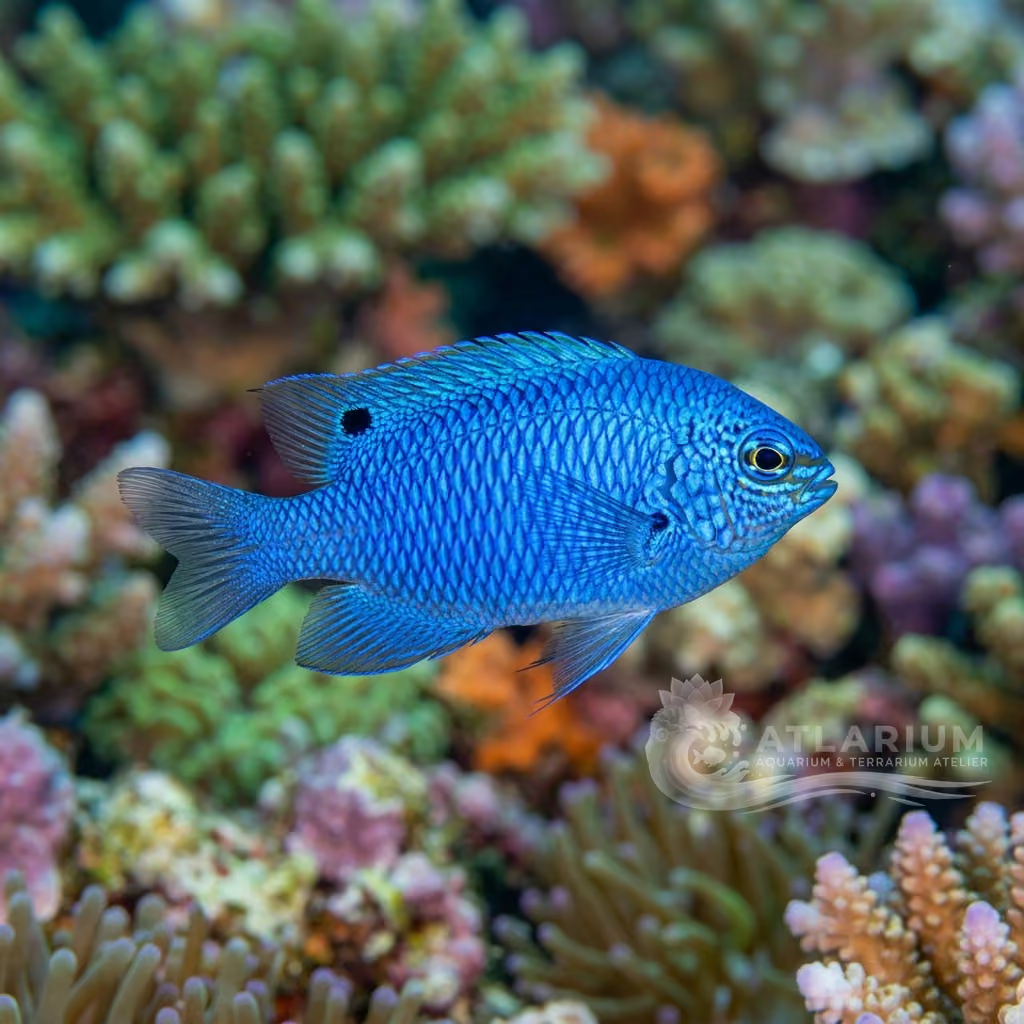
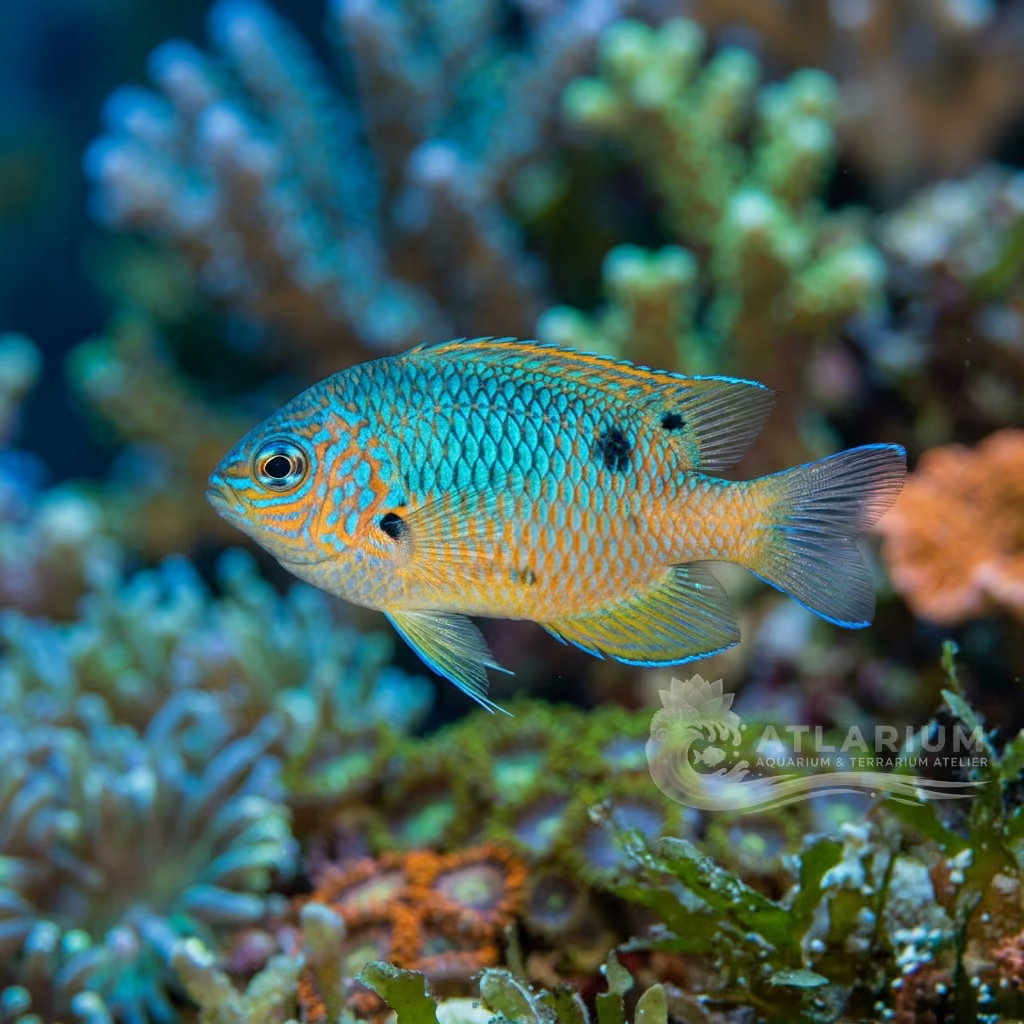
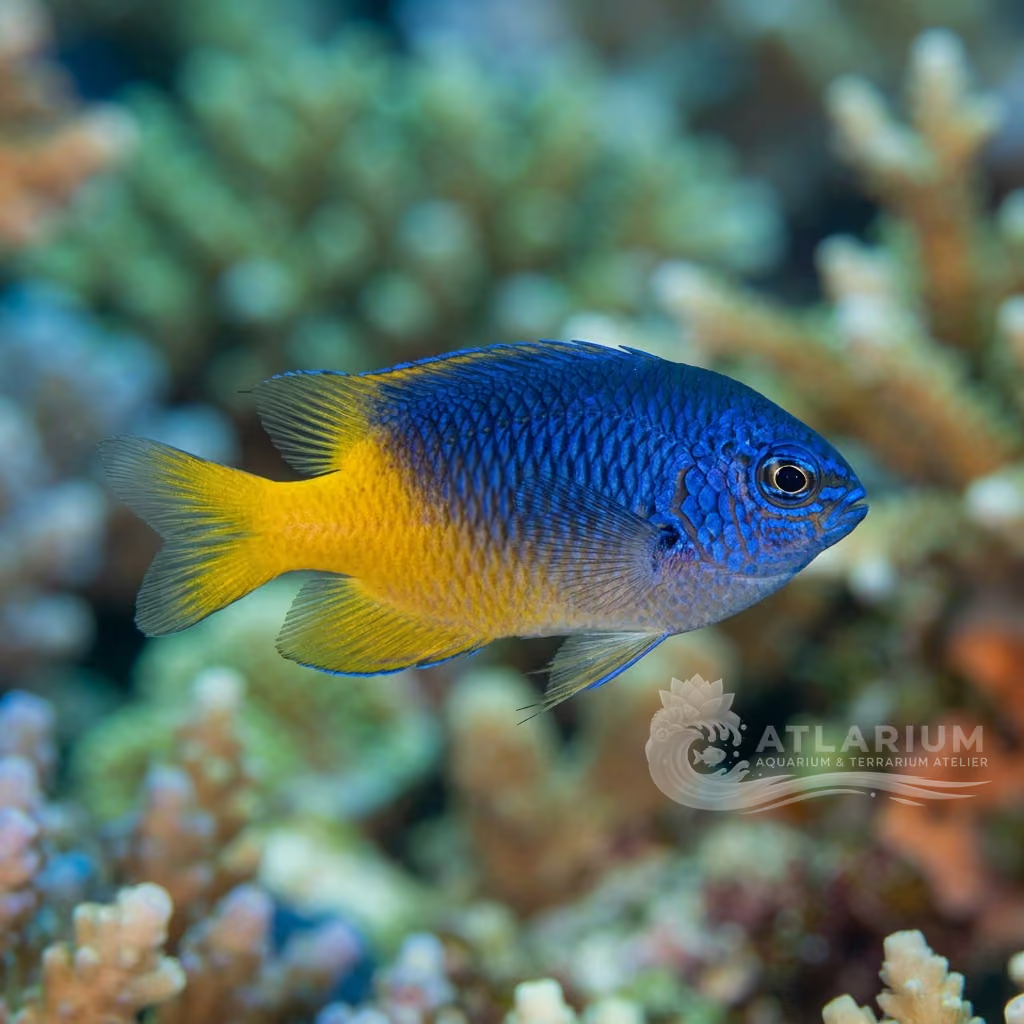
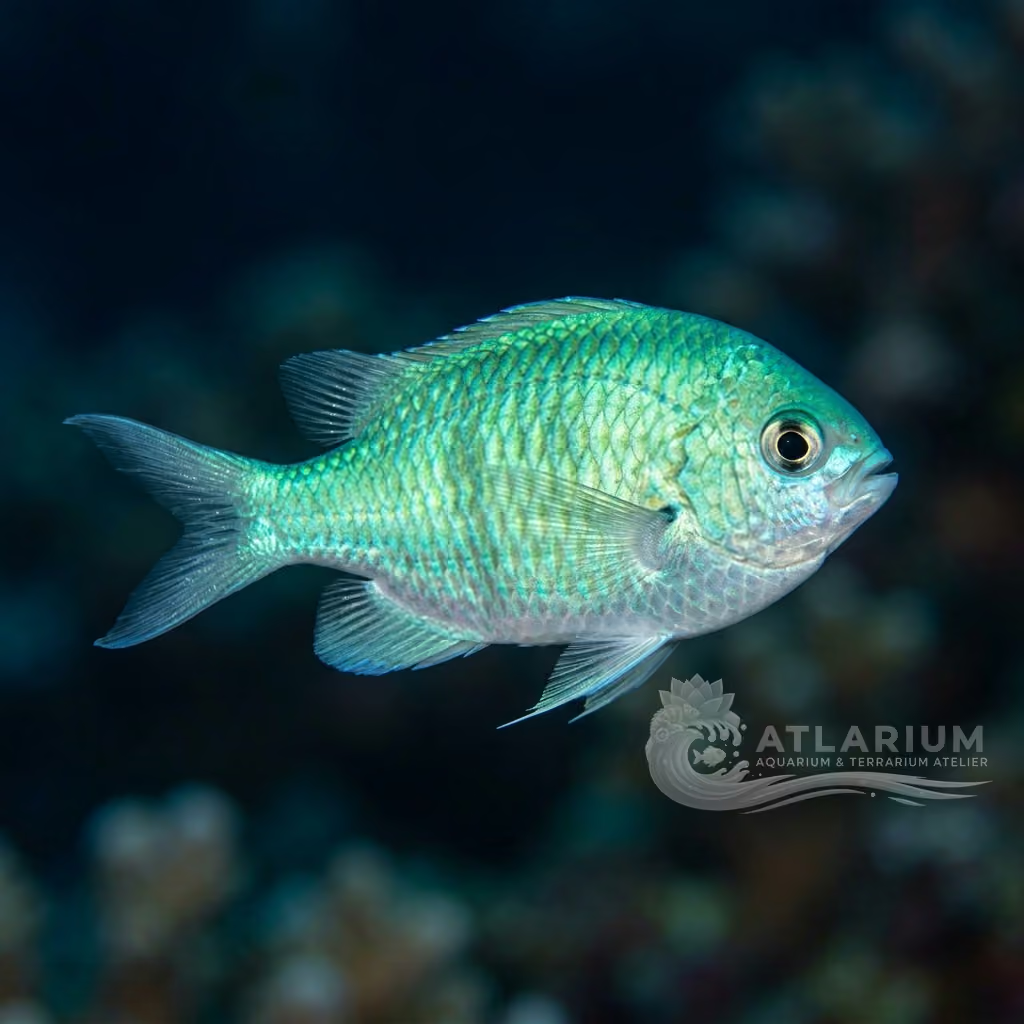
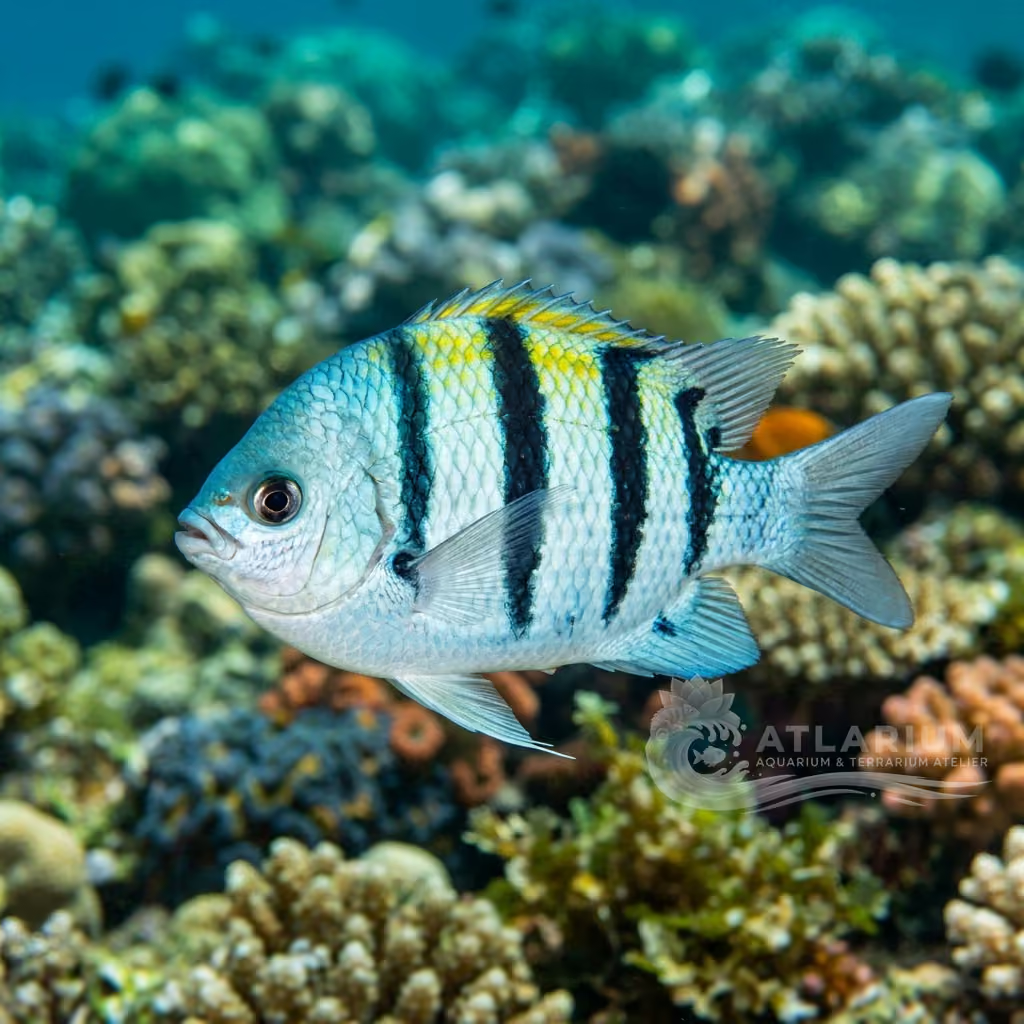
Large damselfish (18 cm) from the Indo-Pacific, featuring a colorful yellow-and-blue juvenile phase that transitions to a solid velvety black color as an adult.
Temperatura da água
23 - 28 °C
Valor de pH
8.1 - 8.4
Tipo de água
Marinho
Nível do tanque
Parte inferior e intermediária
Tamanho adulto
18 cm
Volume mínimo do tanque
>= 250 L
Grupo mínimo
>= 1

Descrição da espécie
Geographical Origin and Habitat: Tropical Indo-Pacific, widely distributed from the Red Sea and East Africa to the Tuamotu Islands, north to southern Japan, and south to northern Australia. Found in warm coral-rich lagoons.
Taxonomy and Morphology: Classified under the family Pomacentridae, subfamily Pomacentrinae. The species name 'melas' translates to black, reflecting the coloration of mature specimens.
Social Behavior: Extremely solitary and highly territorial. Adults claim large areas around coral heads, aggressively defending their territory from other fishes, particularly competitors.
Coloration and Sexual Dimorphism: Juveniles are brightly colored: yellow dorsal region and head, transitioning to a silvery-blue body with dark pelvic fins. Adults turn completely solid, velvety pitch-black.

Cuidado, criação e companheiros de tanque
Aquarium Setup: Requires a large tank of at least 250 liters for a single specimen. Arrange robust live rock to form spacious caves and territorial barriers to diffuse aggression.
Diet and Feeding: Omnivorous. Feeds on soft coral polyps and clam mantles in the wild. Accepts dry pellets, flakes, frozen mysis, brine shrimp, nori sheets, and spirulina formulations.
Water Quality: Standard marine parameters: temperature 23-28 °C, pH 8.1-8.4, and salinity 1.020-1.025 with standard filtration and moderate water movement.
Compatibility and Cohabitation: Highly aggressive. Intolerant of other damselfishes. May nip at soft corals. House only with large, active species like surgeonfish, triggers, and large wrasses.
Aquarium Breeding: Oviparous. The male selects a flat rock site, courts the female to spawn, and guards the adhesive eggs aggressively, fanning the clutch until hatching.
Risks and Diseases: Extremely hardy and highly disease-resistant. The main risk is the severe physical damage it can cause to peaceful tankmates in the aquarium.

Origem e distribuição geográfica
Tropical Indo-Pacific, widely distributed from the Red Sea and East Africa to the Tuamotu Islands, north to southern Japan, and south to northern Australia. Found in warm coral-rich lagoons.
Origem
Oceanos tropicais e recifesÁfrica e MadagascarLeste AsiáticoAustrália, Nova Guiné e Oceania

Perfil de peixe
- Temperamento
- Aggressive
- The Bowtie Damselfish is extremely aggressive, especially as it loses its juvenile coloring. They are fearless and will even bite the hands of the aquarist during maintenance. They must be the final addition to any aggressive marine community tank.
- Dieta
- Omnivore
- They are omnivorous and have hearty appetites that are easy to satisfy. Offer them a balanced mix of meaty items and marine-based herbivore preparations. Supplementing with nori and spirulina helps maintain their overall vigor and health.
- Expectativa de vida
- 5-8 years
- Tamanho adulto
- 18 cm
- Proporção sexual
- Solitary
- It is strongly advised to keep this species as a solitary specimen. They will not tolerate conspecifics unless housed in a massive public-style aquarium. Even mated pairs can become violently aggressive toward each other in confined spaces.
- Frequência de alimentação
- Twice daily
- Feed them twice daily to keep them well-nourished and active. Their fast metabolism requires consistent caloric intake to prevent excessive aggression. Portion sizes should be large enough to satiate them within a few minutes.
- Carga biológica
- Medium
- This larger damselfish produces a moderate to heavy bioload compared to its relatives. A robust protein skimmer and efficient biological filtration are highly recommended. Frequent water changes help dilute the organic waste they consistently produce.
- Fluxo
- Strong
- They appreciate a strong, dynamic water flow in the aquarium. Robust circulation mimics the wave-swept reef edges they favor in the wild. This strong flow also aids in keeping their substantial waste suspended for filtration.
- Risco de salto
- No
- Reprodução
- Oviparous
- Like others in their family, they lay adhesive eggs on cleared substrates. The male takes on the role of aggressively defending the nest site. Captive rearing of the larvae is extremely rare due to complex feeding requirements.
- Compatibilidade e companheiros de tanque
- Highly aggressive
- They are notoriously territorial and aggressive towards almost any tank mate. Only keep them with large angelfish, tangs, or sturdy triggerfish. Smaller or peaceful species will undoubtedly be stressed or killed by this fish.
- Nível do tanque
- Middle/Bottom
- They inhabit all areas of the tank, confidently swimming out in the open. They will claim a large section of rockwork as their absolute territory. They constantly patrol the middle and lower zones looking for intruders.

Modelos e parâmetros científicos
FishBase
Acesso aos dados científicos oficiais da espécie
FishBase v25.04Dados sincronizados em: 15/06/2026
- Nível trófico
- 3,4 ± 0,4 se
- Resiliência
- Média (1,4 - 4,4 anos)
- Unicidade filogenética (PD50)
- 0.502
- Relação bayesiana comprimento-peso
- a = 0.02344, b = 2.98
- VulnerabilidadeVulnerabilidade baixa (10 / 100)

Espécies relacionadas
Recomendações agrupadas por parentes próximos, escolhas de acompanhantes e cuidados semelhantes.