Scaly-cheek Damselfish
Pomacentrus lepidogenys
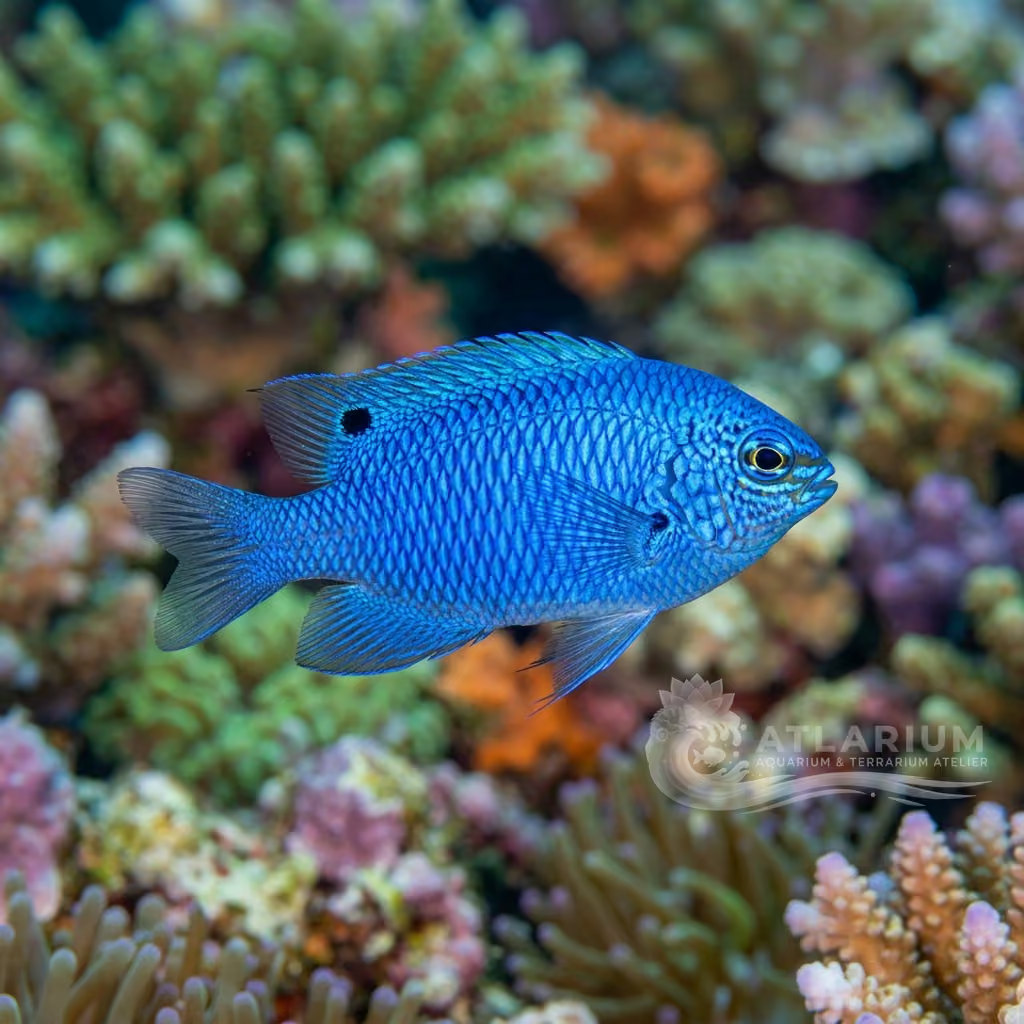
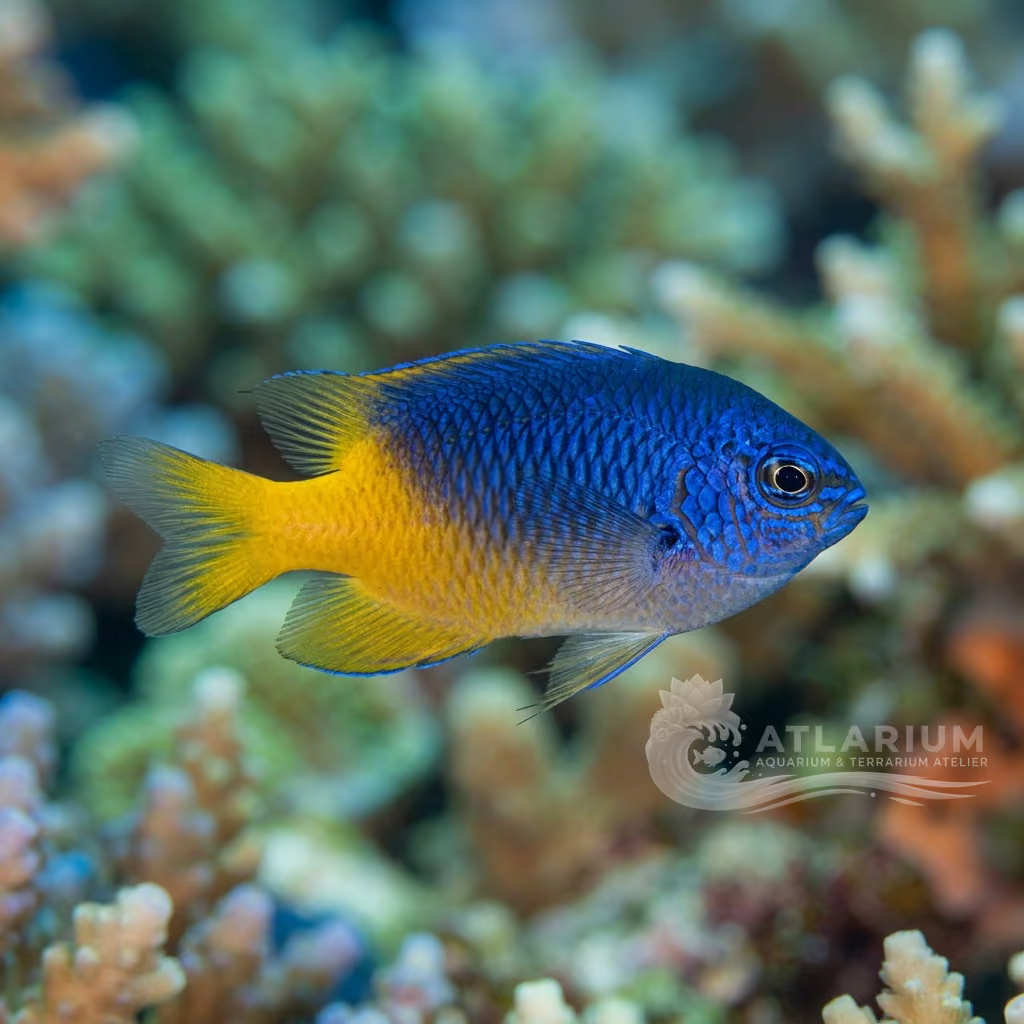
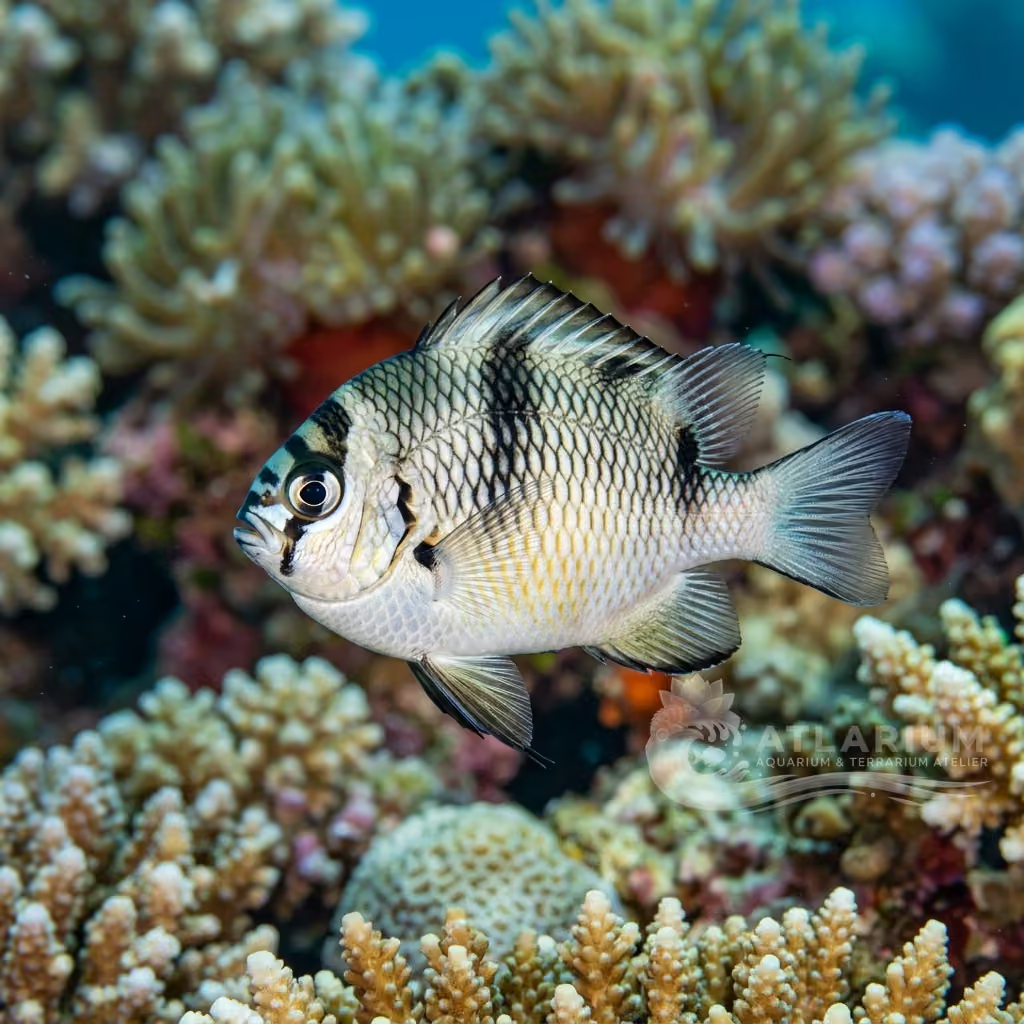
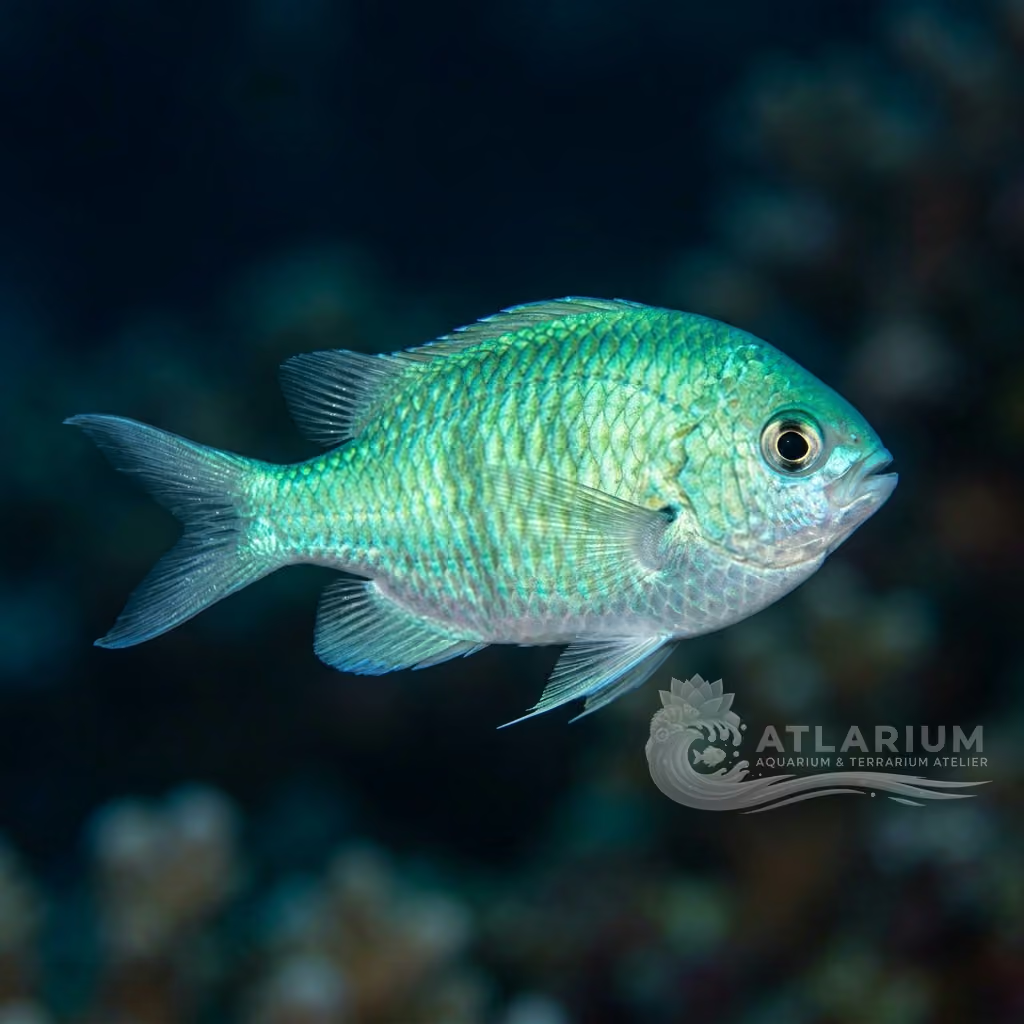
The Scaly Damsel (Pomacentrus lepidogenys) is an attractive, semi-aggressive marine fish that benefits from larger aquariums of 50 to 130 gallons. Keeping a small group helps distribute territorial aggression. They need plenty of live rock for cover and thrive on a varied omnivorous diet including mysis shrimp, chopped seafood, and spirulina flakes to maintain their silvery-blue and yellow colors.
Temperatura da água
23 - 28 °C
Valor de pH
8.1 - 8.4
Tipo de água
Marinho
Nível do tanque
Parte inferior e intermediária
Tamanho adulto
9 cm
Volume mínimo do tanque
>= 100 L
Grupo mínimo
>= 1

Descrição da espécie
Geographical Origin and Habitat: Western Indo-Pacific: widely distributed from the Ryukyu Islands in southern Japan through the Philippines, Indonesia, Palau to the Great Barrier Reef in Australia and New Caledonia. It inhabits shallow sandy lagoons, tidal channels, and outer reefs rich in soft and branching hard corals down to 12 meters.
Taxonomy and Morphology: Belongs to the family Pomacentridae, genus Pomacentrus. The body is oval, laterally compressed, with a maximum adult size of approximately 9 centimeters. The scientific name 'lepidogenys' refers to the characteristic scales present on the cheek area (operculum). It features a small terminal mouth.
Social Behavior: Forms large, active groups that swim constantly in the water column above branching coral colonies (especially Acropora), where they quickly retreat in case of danger. Despite being a damselfish, it exhibits a much lower level of intra- and interspecific aggression than other pomacentrids.
Coloration and Sexual Dimorphism: Uniform pale greyish-blue or light blue background coloration over the entire body. The pectoral fins, the rear part of the dorsal fin, and the caudal fin display a bright yellow hue, creating a beautiful color contrast. There is no visible sexual dimorphism from external observation.

Cuidado, criação e companheiros de tanque
Aquarium Setup: Requires an aquarium of at least 100-120 liters. Due to its gregarious behavior, it is advisable to house a small group of 4-6 individuals in tanks larger than 200 liters. The setup must include plenty of live rock arranged in a reef structure with numerous crevices and, ideally, branching hard or soft corals.
Diet and Feeding: Omnivorous. In nature, it feeds mainly on suspended zooplankton (copepods and crustacean larvae) and benthic microalgae. In the aquarium, it readily accepts flake or pellet foods, frozen foods like brine shrimp and mysis, and commercial algae-based preparations to maintain the yellow coloration.
Water Quality: Standard parameters for a marine reef aquarium: temperature between 24 and 28 °C, pH between 8.1 and 8.4, and stable density at 1.020-1.025. It is important to ensure excellent biological filtration and moderate to strong water movement to promote oxygenation and active swimming of the group.
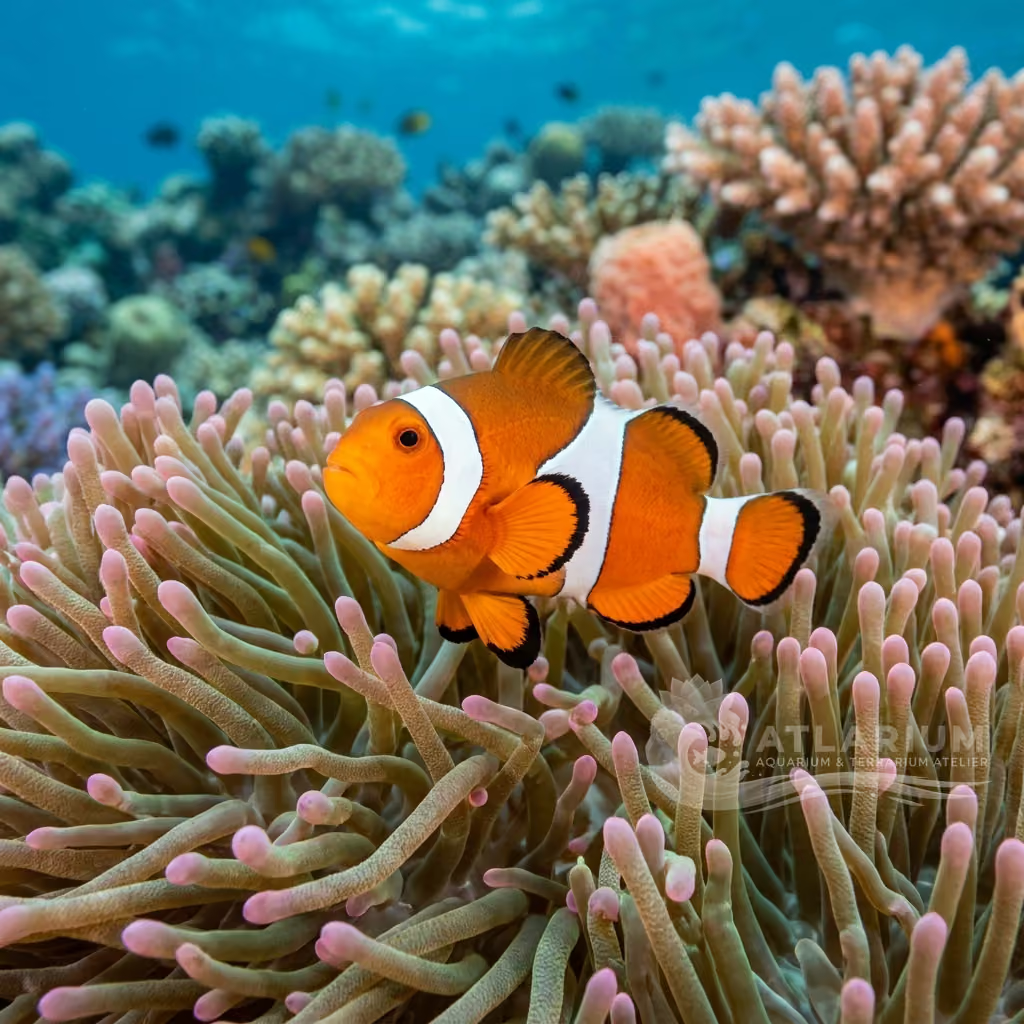
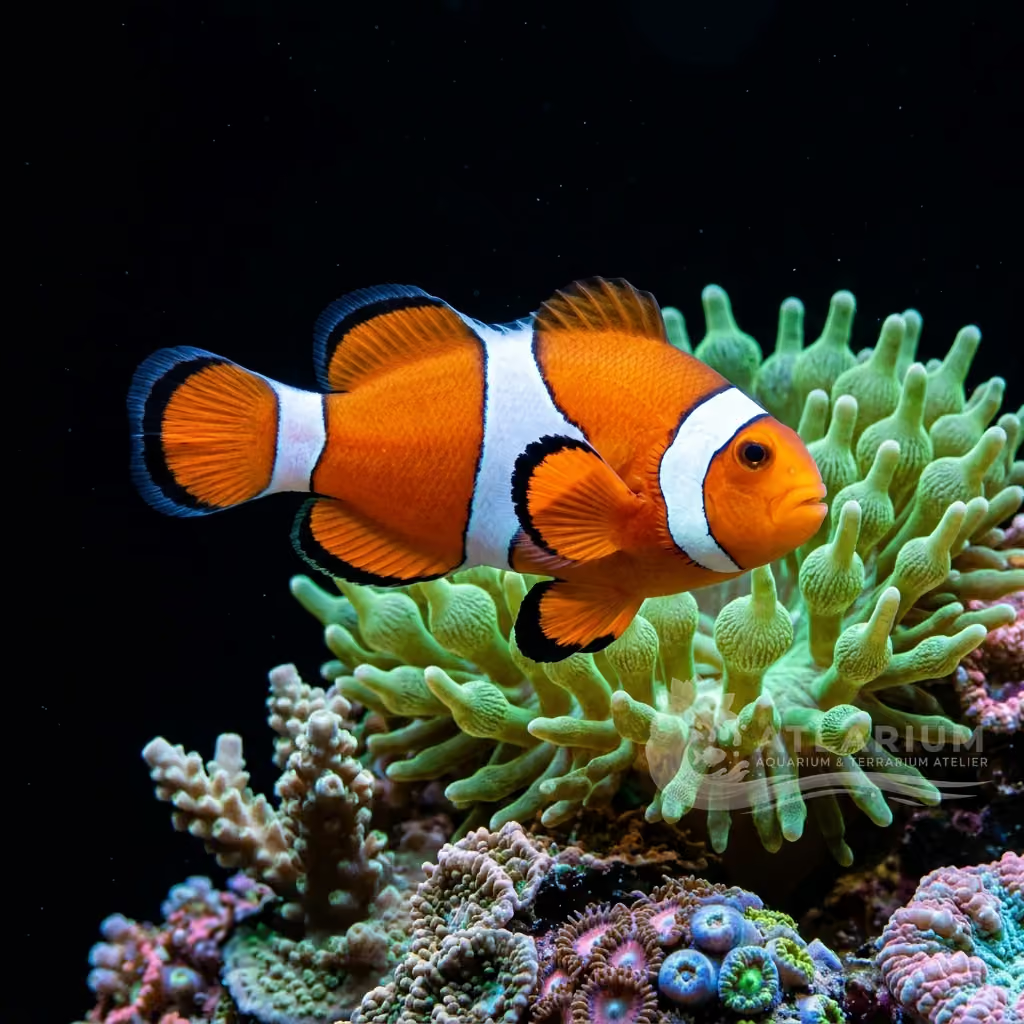
Compatibility and Cohabitation: Ideal species for reef-safe aquariums. It is compatible with a wide range of peaceful or moderately active marine fish, such as clownfish, wrasses, surgeonfish, and gobies. A peaceful linear hierarchy is established within the group, rarely resulting in violent behavior.
Aquarium Breeding: Oviparous reproduction. During the breeding period, pairs isolate themselves temporarily. The male cleans a rocky substrate and attracts the female to spawn. The adhesive eggs are fertilized and jealously guarded by the male until hatching. Raising the larvae in captivity is difficult.
Risks and Diseases: It is an extremely robust and adaptable fish, recommended even for novice hobbyists. It can contract typical marine fish diseases (Ichthyo, Oodinium) only in cases of severe transport stress or very poor water quality management. It responds positively to conventional therapeutic treatments.

Origem e distribuição geográfica
Western Indo-Pacific: widely distributed from the Ryukyu Islands in southern Japan through the Philippines, Indonesia, Palau to the Great Barrier Reef in Australia and New Caledonia. It inhabits shallow sandy lagoons, tidal channels, and outer reefs rich in soft and branching hard corals down to 12 meters.
Origem
Oceanos tropicais e recifesSul e Sudeste AsiáticoLeste AsiáticoAustrália, Nova Guiné e Oceania

Perfil de peixe
- Temperamento
- Territorial
- They are considered semi-aggressive but are milder than other damselfish species. They will defend their chosen territory with vigor against similar species. A spacious tank with complex rockwork helps dilute their aggression.
- Dieta
- Omnivore
- This species is naturally omnivorous, feeding on zooplankton and benthic algae. In captivity, it readily accepts high-quality flakes, small pellets, and frozen foods like mysis. Providing a varied diet ensures optimal health and vibrant coloration.
- Expectativa de vida
- 3-6 years
- Tamanho adulto
- 9 cm
- Proporção sexual
- Solitary
- They can be kept singly, in established pairs, or in small groups in larger tanks. In groups, a hierarchy will form with a dominant male. Introducing them as juveniles helps minimize severe territorial disputes.
- Frequência de alimentação
- Twice daily
- Feed them two to three times daily in small portions. Frequent feeding helps reduce aggression and mimics their natural foraging behavior. Ensure all food is consumed within a few minutes to maintain water quality.
- Carga biológica
- Medium
- This small damselfish produces a relatively low bioload suitable for standard filtration setups. Its modest waste production ensures stable water quality in most marine aquariums. Regular water changes and a good protein skimmer easily manage its biological impact.
- Fluxo
- Moderate
- It prefers moderate to strong water flow typical of reef crests. Good water movement encourages active swimming and natural feeding behaviors. Ensure powerheads provide adequate circulation without overwhelming the fish.
- Risco de salto
- No
- Reprodução
- Oviparous
- They are substrate spawners where the male guards a nest site. Males fiercely protect the adhesive eggs until they hatch in the aquarium. Raising the microscopic fry in captivity is extremely challenging due to dietary needs.
- Compatibilidade e companheiros de tanque
- Semi-aggressive
- It is generally peaceful but can exhibit territorial behavior as it matures. It should be kept with other semi-aggressive fish that can hold their own. Avoid keeping it with overly timid species that might be bullied.
- Nível do tanque
- Middle/Bottom
- They actively swim in the middle to upper levels of the water column. While they patrol open water, they also need access to live rock. Crevices and caves provide essential hiding spots during the night.

Modelos e parâmetros científicos
FishBase
Acesso aos dados científicos oficiais da espécie
FishBase v25.04Dados sincronizados em: 15/06/2026
- Nível trófico
- 3,4 ± 0,45 se
- Resiliência
- Alta (menos de 15 meses)
- Unicidade filogenética (PD50)
- 0.5
- Relação bayesiana comprimento-peso
- a = 0.02692, b = 3.04
- VulnerabilidadeVulnerabilidade baixa (10 / 100)

Espécies relacionadas
Recomendações agrupadas por parentes próximos, escolhas de acompanhantes e cuidados semelhantes.