Black-bar chromis
Pycnochromis retrofasciatus
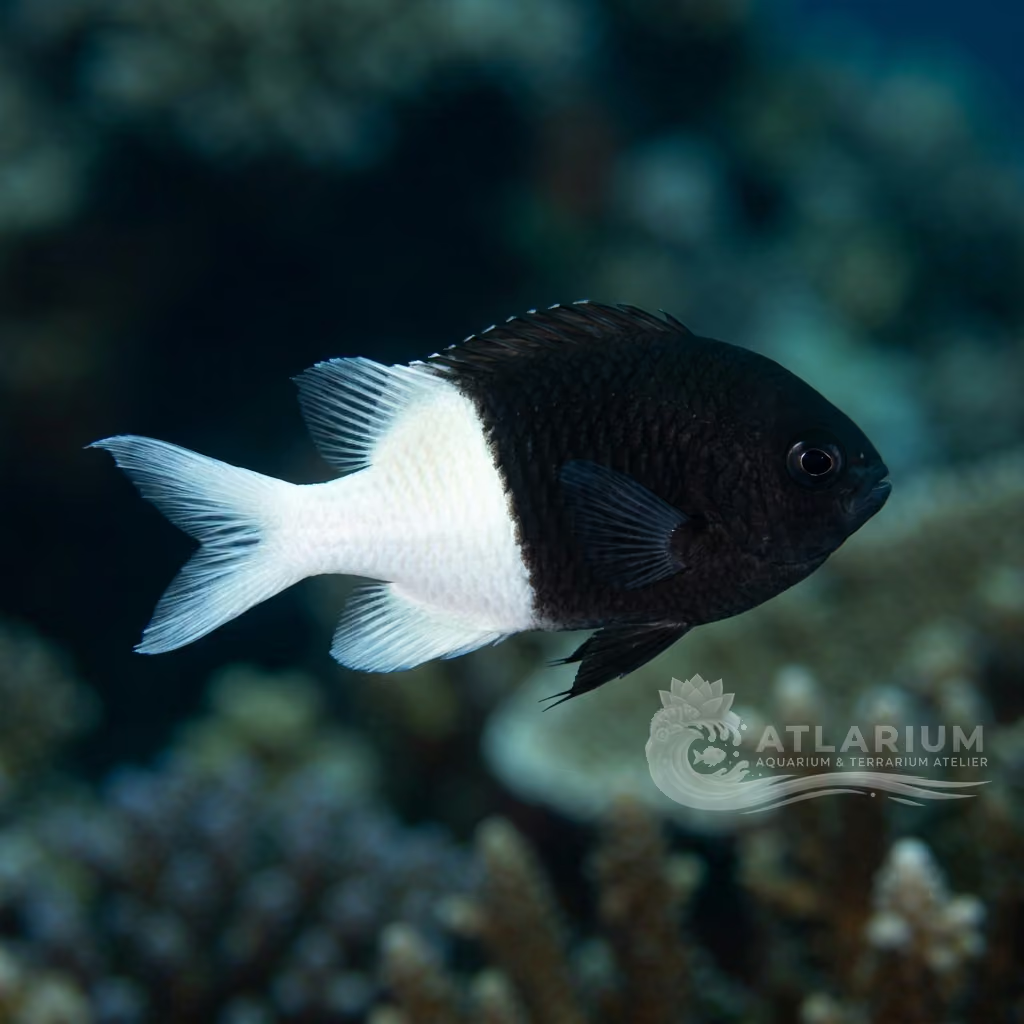
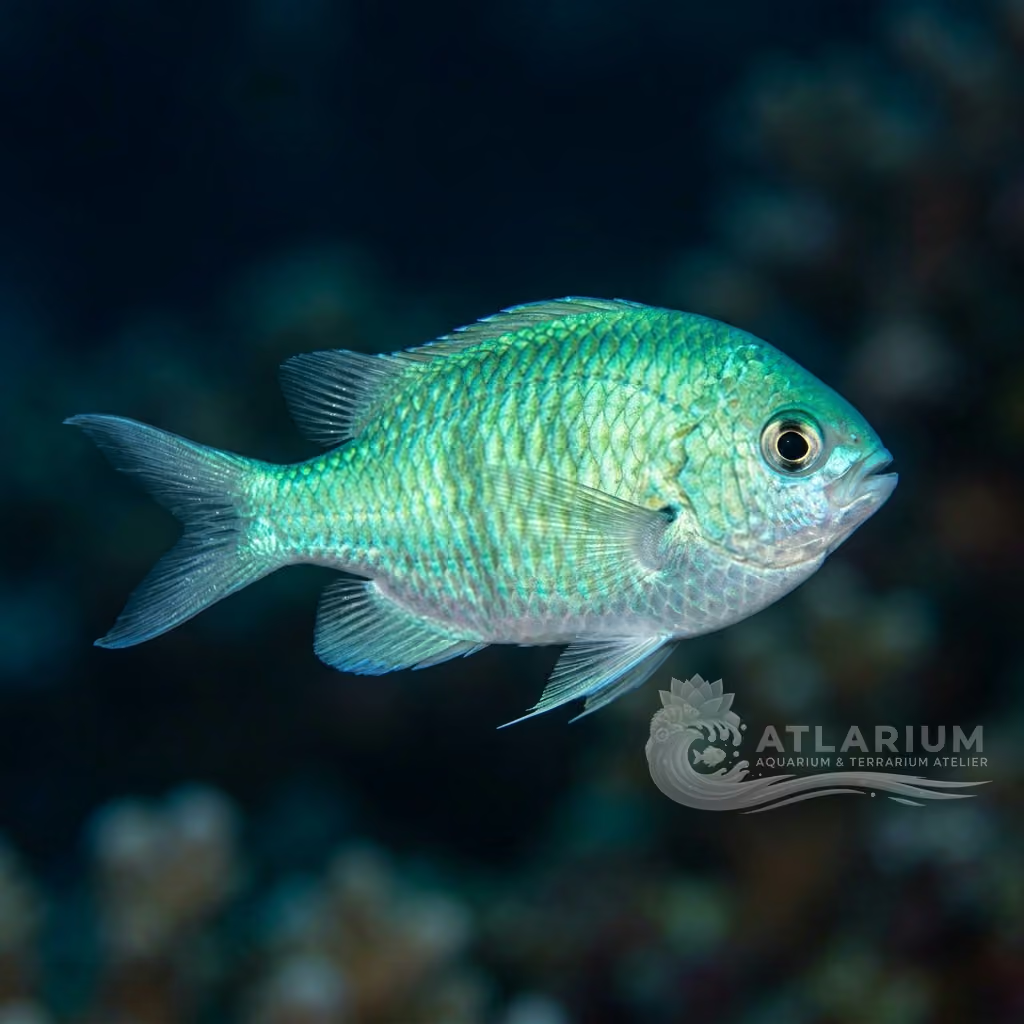
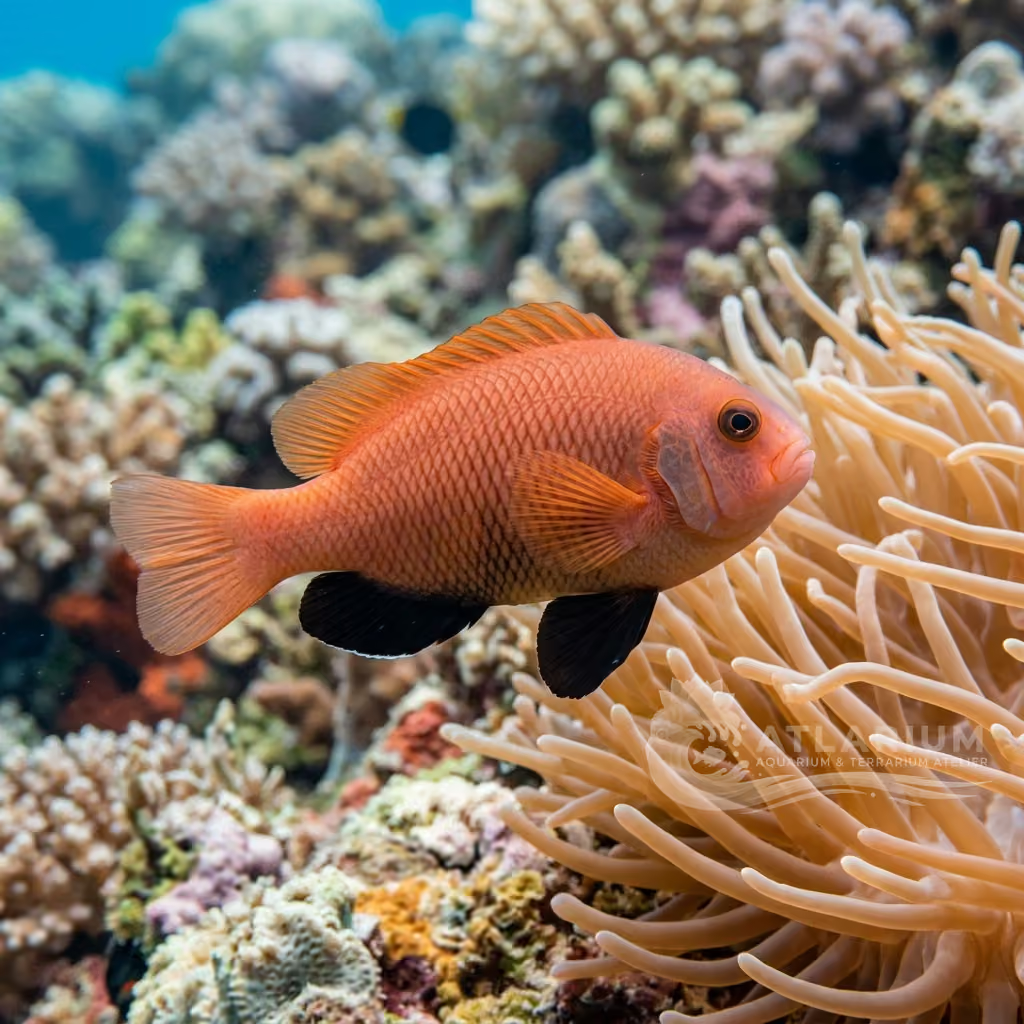
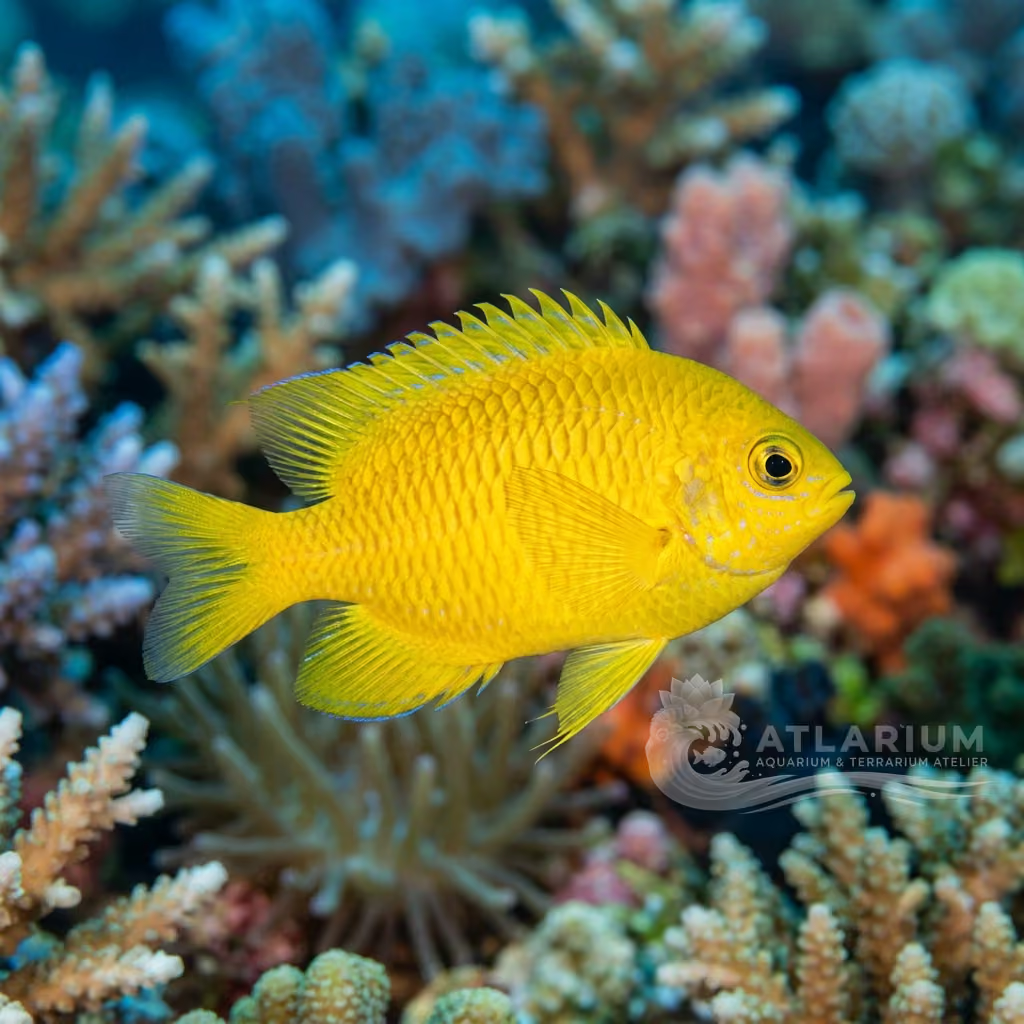
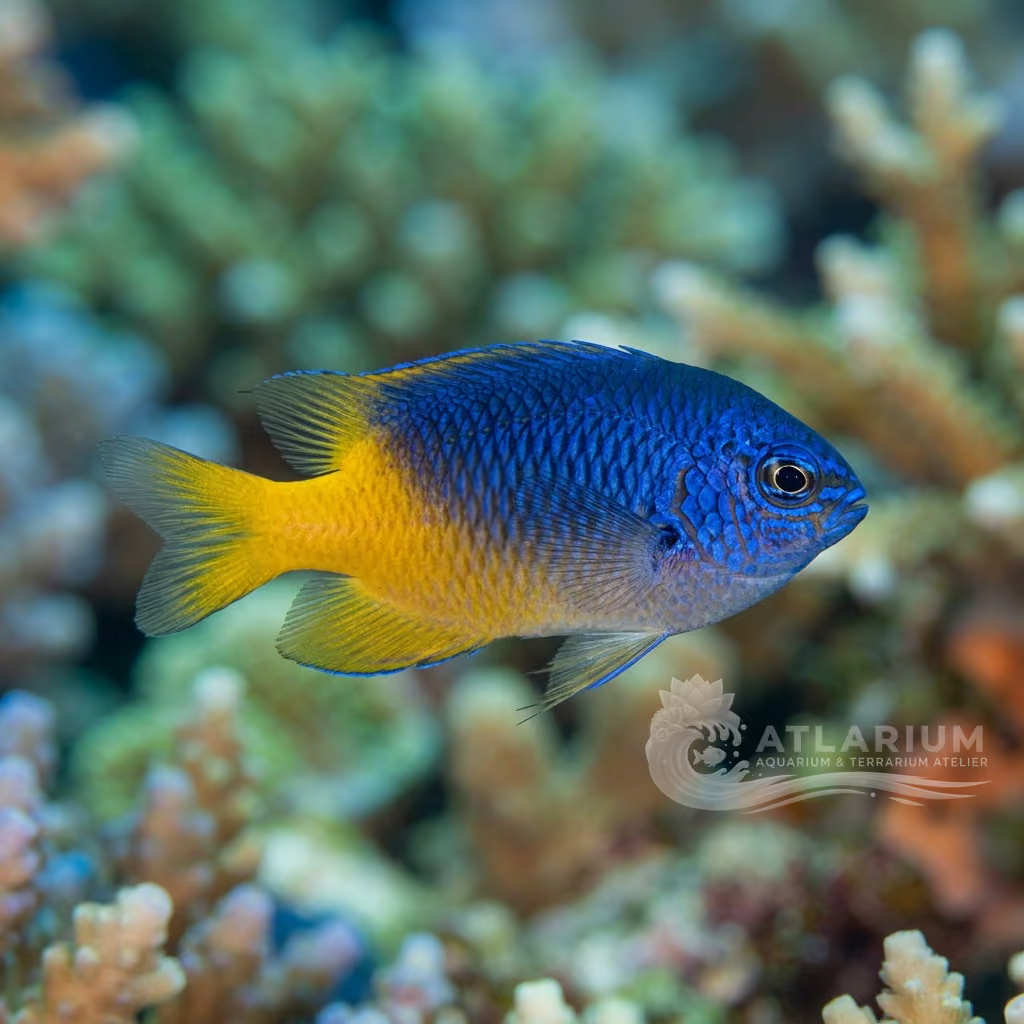
A peaceful marine damselfish displaying a warm yellowish-tan hue and a bold black vertical bar on its tail. This highly active, schooling planktivore adds dynamic movement to mature reef setups.
Temperatura da água
24 - 28 °C
Valor de pH
8.1 - 8.4
Tipo de água
Marinho
Nível do tanque
Superfície e meio
Tamanho adulto
5 cm
Volume mínimo do tanque
>= 80 L
Grupo mínimo
>= 6

Descrição da espécie
Geographical Origin and Habitat: Chromis retrofasciata, the black-bar chromis, is native to the Western Pacific Ocean, including Indonesia, the Philippines, Papua New Guinea, the Ryukyu Islands, and south to the Great Barrier Reef. They inhabit sheltered lagoons and seaward reefs at depths of 5 to 35 meters, closely associated with branching Acropora corals.
Taxonomy and Morphology: A member of the Pomacentridae family, this species features a laterally compressed, oval body common to the Chromis genus. It is a relatively small fish, reaching a maximum size of 5 to 6 centimeters (2 to 2.5 inches). The eyes are large, and the mouth is small and terminal.
Social Behavior: It is a peaceful, schooling species that aggregates in small groups above coral heads. Unlike many other territorial damselfishes, it is relatively non-aggressive and mild-mannered. They retreat quickly into branching corals when threatened.
Coloration and Sexual Dimorphism: The body coloration is a warm yellowish-tan or amber hue. Its defining characteristic is a prominent, thick vertical black bar on the caudal peduncle, contrasting with a white or translucent tail fin. There is no visible sexual dimorphism between males and females.

Cuidado, criação e companheiros de tanque
Aquarium Setup: A minimum tank size of 30 gallons (100 liters) is suitable for a small group. The aquascape should include plenty of live rock and branching corals (such as SPS corals or artificial equivalents) to provide hiding spots, alongside open swimming areas.
Diet and Feeding: Omnivorous and planktivorous. It is an easy eater that readily accepts marine flakes, pellets, and frozen foods like mysis, brine shrimp, and cyclops. Feed small amounts multiple times a day to replicate their natural constant grazing behavior.
Water Quality: Hardy and tolerant, but thrives in clean, stable water: temperature 24 to 28 °C (75 to 82 °F), pH 8.1 to 8.4, and specific gravity 1.020 to 1.025. Standard water changes and efficient biological filtration are sufficient.
Compatibility and Cohabitation: Reef-safe and highly compatible with peaceful reef fish like gobies, firefish, and dwarf angels. It is best kept in groups of 4 to 6 individuals to make them feel secure and encourage active schooling behavior.
Aquarium Breeding: Spawning is possible in captivity. The male prepares a nest on a flat surface, and after spawning, he guards the adhesive eggs until they hatch. Raising the pelagic larvae is very challenging and requires microscopic live foods.
Risks and Diseases: Susceptible to typical marine parasites such as ich (Cryptocaryon) and velvet. Stress from poor water quality or aggressive tankmates can lower their immunity. Quarantining new specimens is recommended to prevent disease introduction.

Origem e distribuição geográfica
Chromis retrofasciata, the black-bar chromis, is native to the Western Pacific Ocean, including Indonesia, the Philippines, Papua New Guinea, the Ryukyu Islands, and south to the Great Barrier Reef. They inhabit sheltered lagoons and seaward reefs at depths of 5 to 35 meters, closely associated with branching Acropora corals.
Origem
Oceanos tropicais e recifesÁfrica e MadagascarSul e Sudeste AsiáticoLeste AsiáticoAustrália, Nova Guiné e Oceania

Perfil de peixe
- Temperamento
- Peaceful
- The Chromis retrofasciata is generally considered one of the more docile members of the damselfish family. They are quite peaceful when young and add a wonderful dynamic movement to a community reef tank. As they reach maturity, some internal bickering may occur within their school to establish dominance. They rarely show aggression toward other fish species or invertebrates in the aquarium. Overall, they are an excellent choice for aquarists seeking active yet relatively polite inhabitants.
- Dieta
- Omnivore
- In their natural habitat, the Chromis retrofasciata feeds primarily on zooplankton drifting in the water column. In captivity, they adapt quickly to a varied diet consisting of high-quality marine flakes, pellets, and frozen meaty foods. Regular offerings of mysis shrimp, brine shrimp, and finely chopped seafood help maintain their vibrant coloration. It is important to provide vitamin-enriched foods to bolster their immune system. A mixed diet ensures they receive all the necessary nutrients for long-term health.
- Expectativa de vida
- 5-7 years
- Tamanho adulto
- 5 cm
- Proporção sexual
- School
- There are very few, if any, noticeable external differences between male and female Chromis retrofasciata outside of the spawning period. When purchasing them, aquarists typically acquire a small group without worrying about specific male-to-female ratios. Within the group, a natural hierarchy will eventually form, with a dominant individual often emerging. Keeping an odd number of fish, such as five or seven, can help distribute minor territorial squabbles. Ultimately, sexing them is unnecessary for general display purposes.
- Frequência de alimentação
- Twice daily
- Given their small stomachs and high energy levels, the Chromis retrofasciata should be fed small amounts multiple times a day. Ideally, offering food two to three times daily closely mimics their natural continuous feeding habits. This frequent feeding schedule prevents malnutrition and helps sustain their fast metabolism. Automated feeders can be extremely beneficial for maintaining this routine when the aquarist is away. Careful observation ensures all individuals in the group get a fair share of food.
- Carga biológica
- Low to Medium
- The Chromis retrofasciata has a relatively small bioload, making it manageable in established marine systems. Due to their active nature, they process food quickly and contribute consistently to the system's waste. A good protein skimmer and regular water changes are highly recommended to maintain pristine water conditions. When kept in a school, the cumulative waste requires robust biological and mechanical filtration. Overall, they do not put undue stress on a properly sized aquarium.
- Fluxo
- Strong
- The Chromis retrofasciata originates from reef slopes and lagoons where moderate to strong water flow is constant. They enjoy swimming against the current, which provides them with essential exercise and mimics their natural environment. Strong circulation also keeps their preferred planktonic food suspended in the water column longer. Providing areas of varied flow allows them to choose their preferred swimming effort. Excellent water movement is crucial for their optimal health and behavior.
- Risco de salto
- No
- Reprodução
- Oviparous
- The Chromis retrofasciata can spawn in captivity, although raising the fry presents a significant challenge for most hobbyists. They are substrate spawners, with males usually clearing a specific site on the rockwork or glass to attract females. After the female deposits her eggs, the male fiercely guards and fans the nest until they hatch. The newly hatched larvae are pelagic and require extremely small live foods like rotifers to survive. Consequently, successful rearing demands a dedicated breeding setup and meticulous care.
- Compatibilidade e companheiros de tanque
- Peaceful
- The Chromis retrofasciata is widely regarded as a peaceful reef-safe species that rarely bothers corals or invertebrates. They do best when kept in groups, which helps reduce their stress and encourages natural schooling behaviors. However, as they mature, the group may establish a hierarchy where the weakest individuals might face some aggression. They are generally compatible with a wide range of peaceful to semi-aggressive community fish. Care should be taken not to house them with overly large predatory fish.
- Nível do tanque
- Top/Middle
- The Chromis retrofasciata is highly active and spends the majority of its time in the middle to upper levels of the water column. They prefer open swimming spaces where they can cruise and forage throughout the day. Despite their love for open water, they also require access to rockwork and crevices for shelter during the night or when frightened. A balance between open swimming areas and complex hardscape provides the most secure environment. This spatial arrangement encourages them to stay visible and active.

Modelos e parâmetros científicos
FishBase
Acesso aos dados científicos oficiais da espécie
FishBase v25.04Dados sincronizados em: 15/06/2026
- Nível trófico
- 2,7 ± 0,29 se
- Resiliência
- Alta (menos de 15 meses)
- Unicidade filogenética (PD50)
- 0.5
- Relação bayesiana comprimento-peso
- a = 0.01479, b = 2.92
- VulnerabilidadeVulnerabilidade baixa (10 / 100)

Espécies relacionadas
Recomendações agrupadas por parentes próximos, escolhas de acompanhantes e cuidados semelhantes.