Blue flasher wrasse
Paracheilinus cyaneus
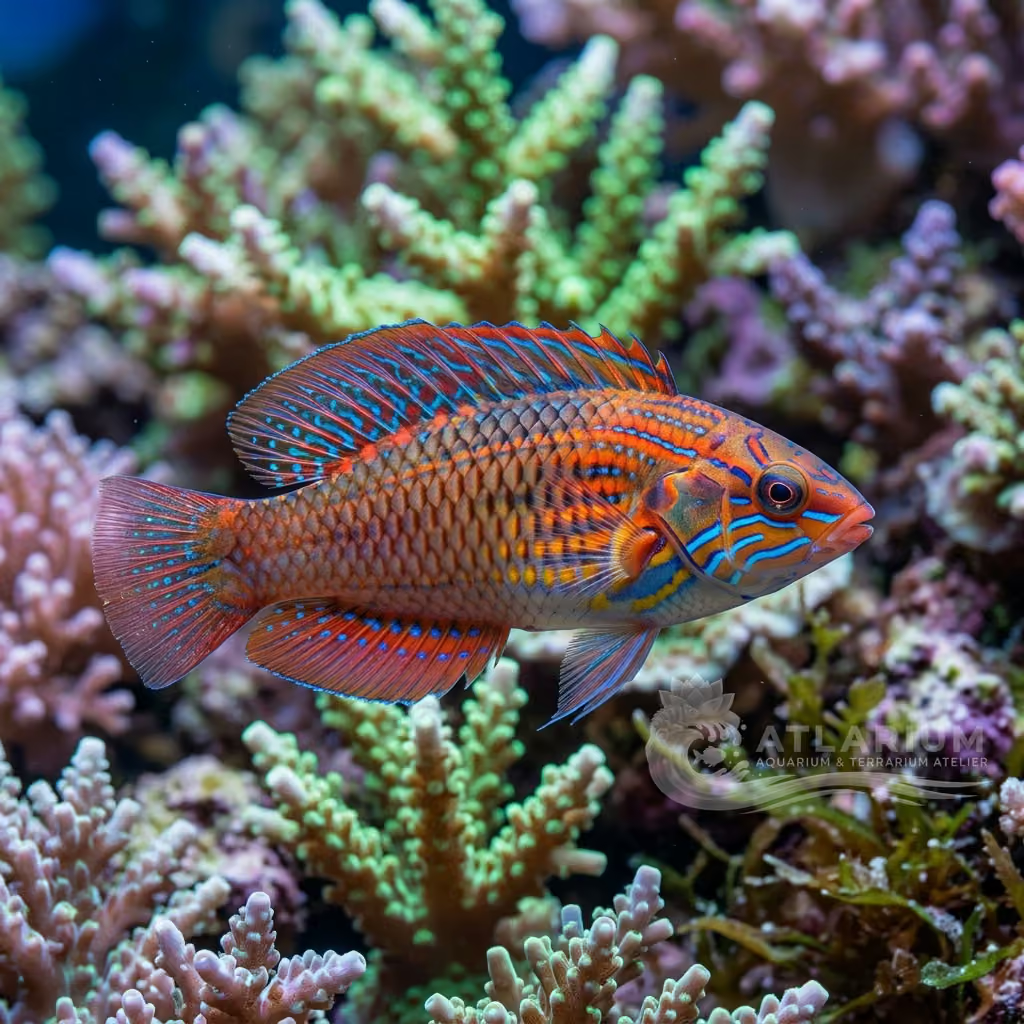
The Blue Flasher Wrasse is a peaceful, reef-safe fish famous for males flashing electric blue during courtship. It requires a 150L tank, tight lid, and multiple daily feedings of zooplankton-based foods.
Temperatura da água
22 - 26 °C
Valor de pH
8.1 - 8.4
Tipo de água
Marinho
Nível do tanque
Superfície e meio
Tamanho adulto
7 cm
Volume mínimo do tanque
>= 120 L
Grupo mínimo
>= 1

Descrição da espécie
Geographical Origin and Habitat: Paracheilinus cyaneus is native to the Indo-West Pacific, primarily centered in the coral-rich waters of Indonesia (specifically the Flores Sea and Sulawesi) and the Philippines. It inhabits sheltered seaward reefs, reef slopes, and shallow lagoons at depths between 5 and 30 meters, swimming in open water just above the coral canopy.
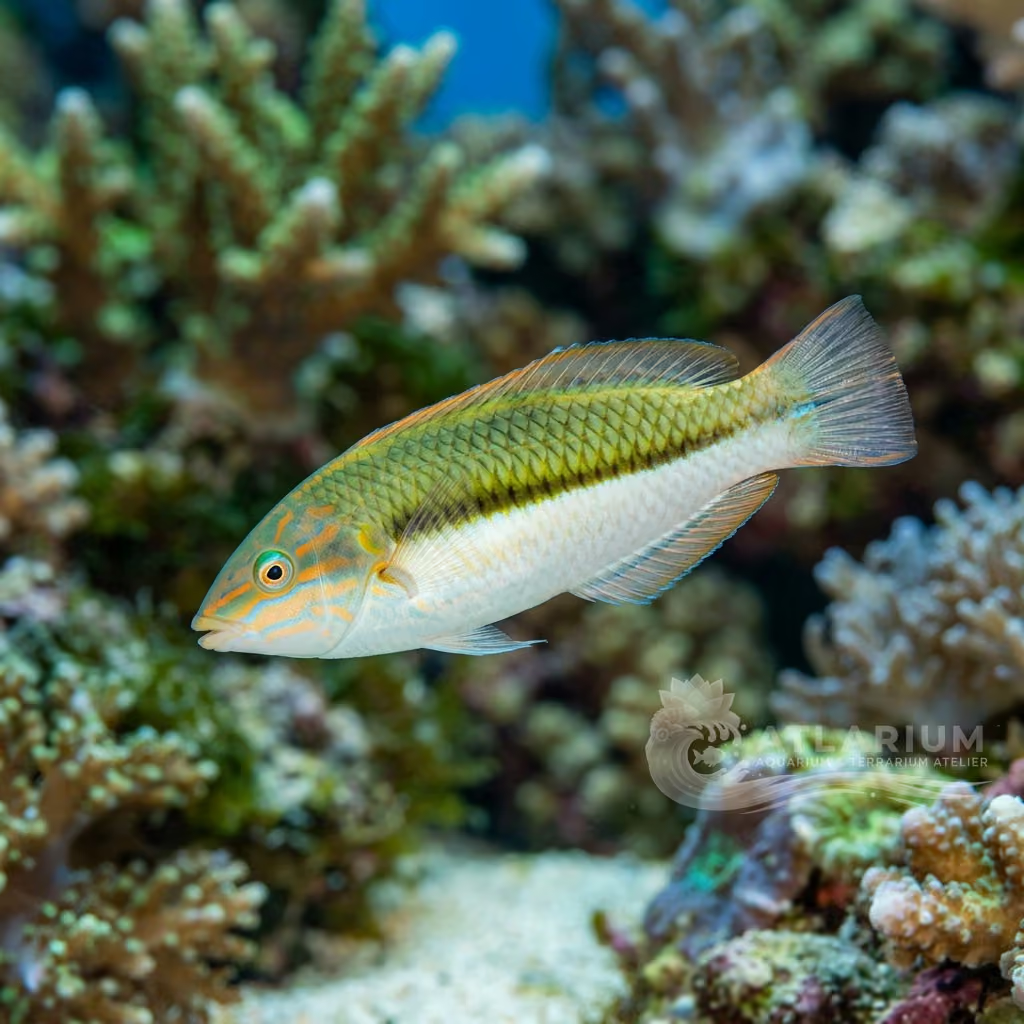
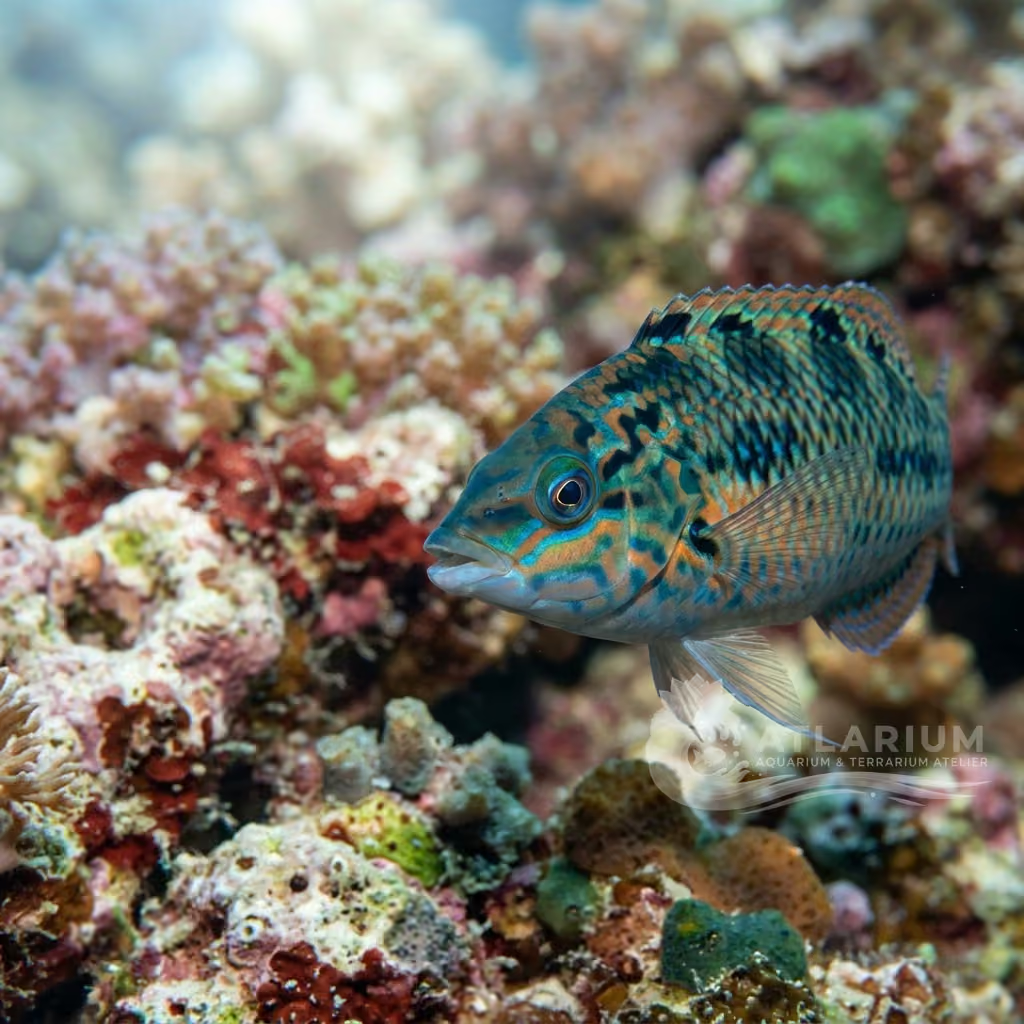
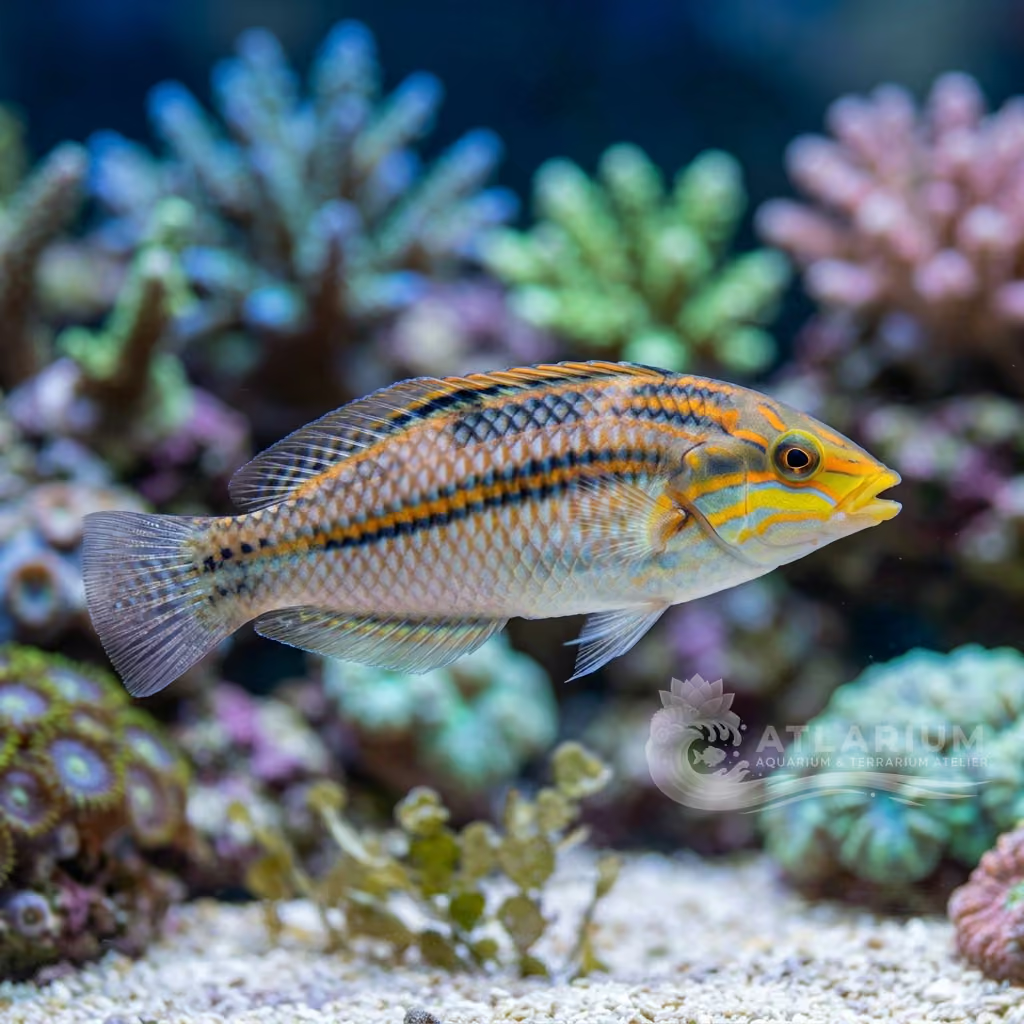
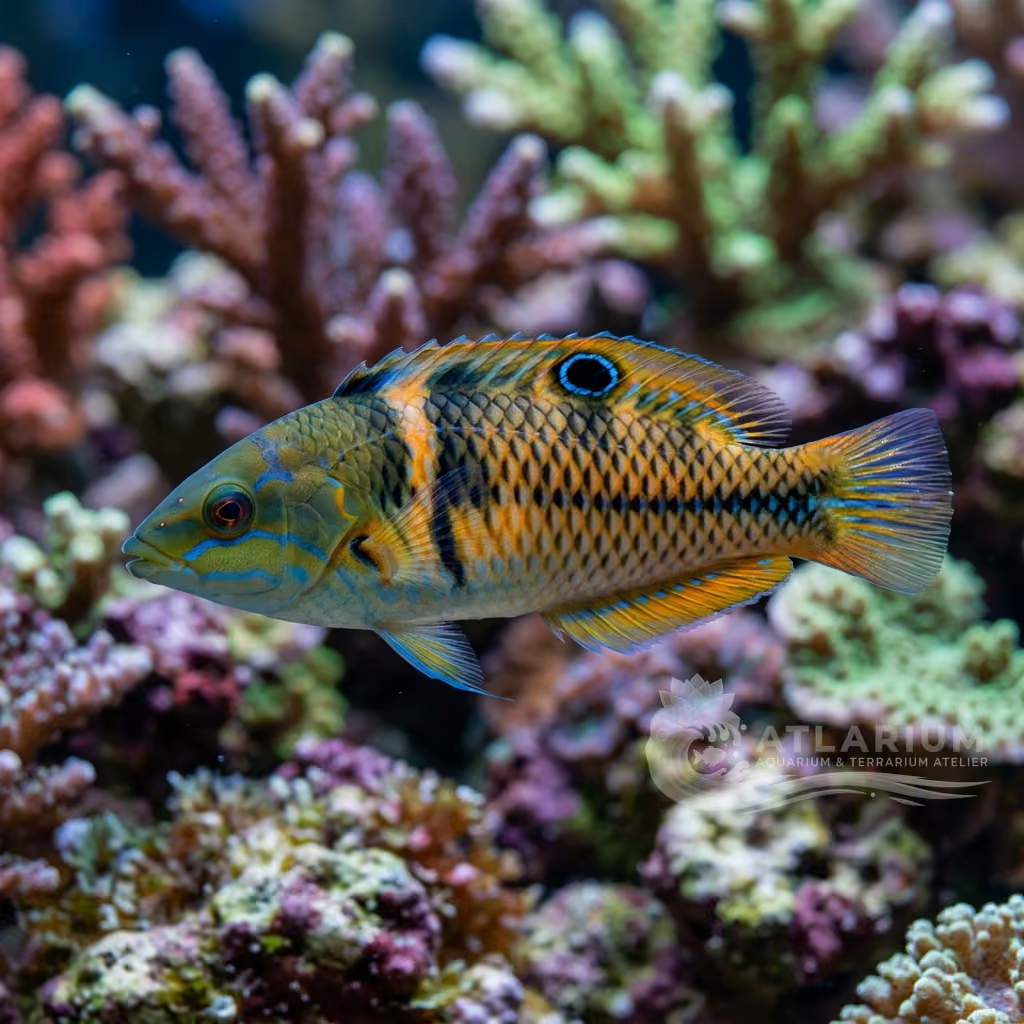
Taxonomy and Morphology: Belonging to the family Labridae and the genus Paracheilinus, this small wrasse reaches a maximum size of about 7-8 cm. It features a slender, elongated body shape. Mature males develop highly ornate, elongated filaments on their dorsal and anal fins, as well as a rounded or slightly lunate caudal fin.
Social Behavior: Active, peaceful, and social. It naturally lives in small groups consisting of a single dominant male and a harem of several females and juveniles. They swim actively in the water column. Males engage in dramatic courtship and territorial rituals, rapidly flashing bright fluorescent colors to attract females.
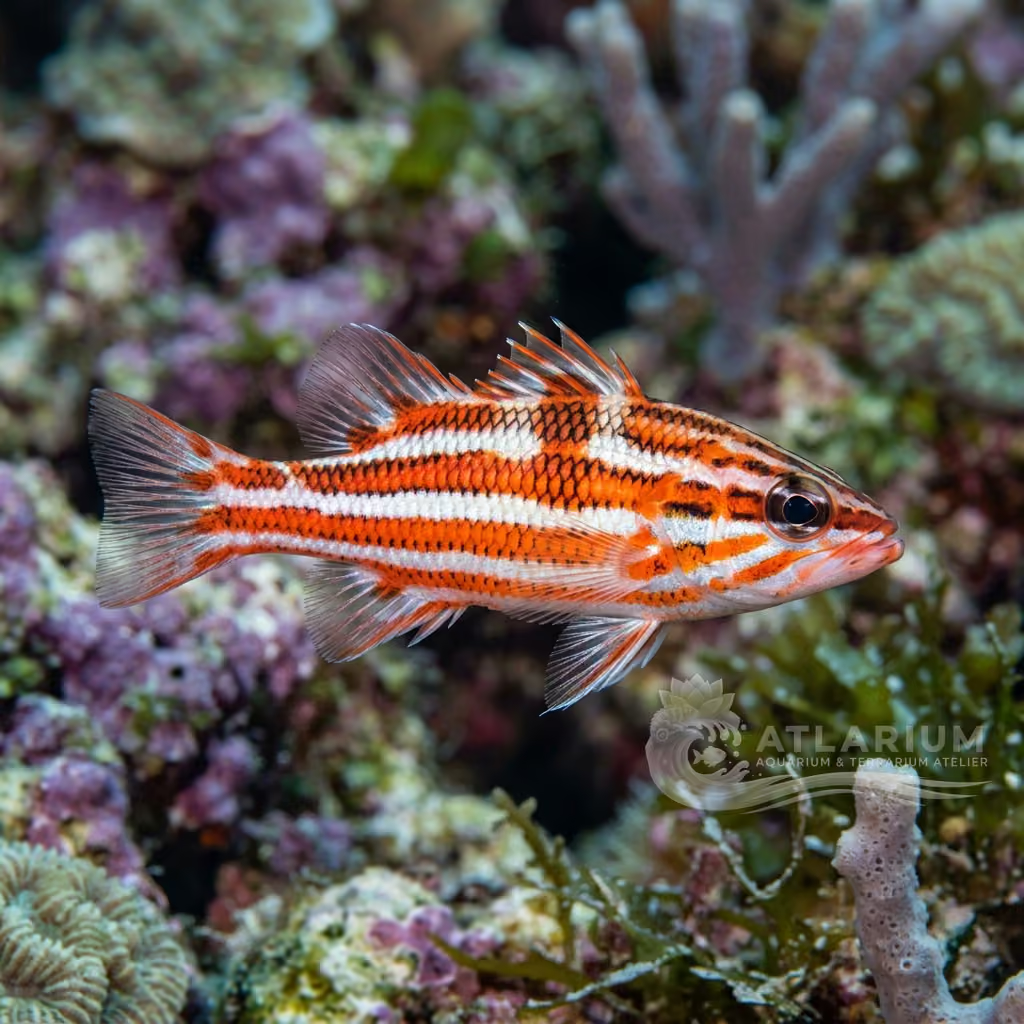
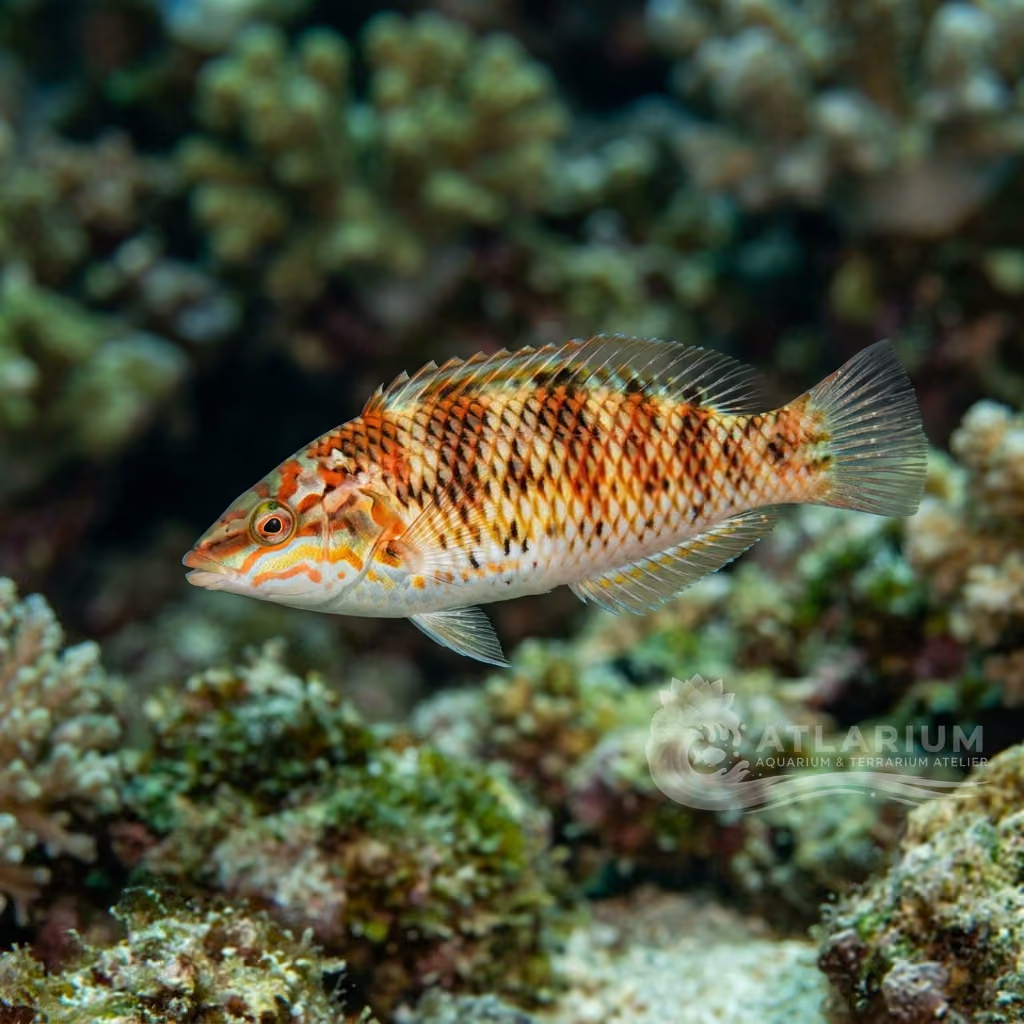
Coloration and Sexual Dimorphism: Sexual dimorphism is highly pronounced. Females and juveniles are smaller and display a relatively plain orange or reddish-pink color. Males are larger and feature a stunning mix of electric blue, red, and yellow stripes. During courtship displays, the male's dorsal area instantly flashes brilliant neon blue.

Cuidado, criação e companheiros de tanque
Aquarium Setup: Requires a well-established marine tank of at least 150 liters (approx. 40 gallons). The aquascape should balance wide-open swimming areas in the middle and upper water columns with plenty of live rock structures forming caves, overhangs, and swim-throughs where the fish can retreat when frightened.
Diet and Feeding: Planktivore. In the wild, it feeds on zooplankton drifting in currents. In captivity, it must be fed small portions multiple times a day (at least 2-3 times) with fine frozen or live foods like copepods, mysis, brine shrimp, and lobster eggs. It will also readily accept high-quality small marine pellets and flakes.
Water Quality: Maintain stable reef parameters: water temperature 24-26°C (75-79°F), pH 8.1-8.4, and specific gravity 1.022-1.025. Good filtration, regular protein skimming, and weekly water changes are necessary to keep dissolved organic compounds, nitrates, and phosphates at very low levels.
Compatibility and Cohabitation: Extremely peaceful and reef-safe. It will not harm corals, clams, or ornamental invertebrates. It is an excellent tankmate for other peaceful fish such as firefish, anthias, cardfish, and other non-aggressive wrasses. Do not house with large, boisterous, or predatory tankmates.
Aquarium Breeding: Spawning in captivity is extremely rare and difficult to raise. In nature, they are pelagic spawners. Courtship peaks in the late afternoon when the male entices females with flashing colors before the pair makes a sudden upward dash to release eggs and sperm into the water column.
Risks and Diseases: This fish is a prolific jumper, especially when startled or introduced to a new environment. A tight mesh screen or a secure lid is absolutely mandatory to prevent escape. They are susceptible to standard marine ectoparasites if stressed by aggressive tankmates or poor acclimation.

Origem e distribuição geográfica
Paracheilinus cyaneus is native to the Indo-West Pacific, primarily centered in the coral-rich waters of Indonesia (specifically the Flores Sea and Sulawesi) and the Philippines. It inhabits sheltered seaward reefs, reef slopes, and shallow lagoons at depths between 5 and 30 meters, swimming in open water just above the coral canopy.
Origem
Oceanos tropicais e recifesSul e Sudeste Asiático

Perfil de peixe
- Temperamento
- Peaceful
- The Paracheilinus cyaneus has a timid and entirely peaceful temperament. They are easily bullied by more assertive fish, which can cause them to remain hidden and refuse food. When housed with appropriate peaceful companions, they become active and highly entertaining.
- Dieta
- Carnivore
- In nature, Paracheilinus cyaneus feed predominantly on zooplankton drifting in the water column above the reef. Captive specimens require a varied carnivore diet consisting of enriched brine shrimp, mysis shrimp, and finely chopped seafood. High-quality marine flake and pellet foods are usually accepted readily.
- Expectativa de vida
- 5-7 years
- Tamanho adulto
- 7 cm
- Proporção sexual
- Flexible
- Keeping a single male with multiple females allows the male to display his spectacular mating colors naturally. Multiple males of the same or similar species should not be kept together as they will fight relentlessly. Introduce all females either simultaneously or prior to the dominant male.
- Frequência de alimentação
- Twice daily
- Due to their rapid digestion and constant activity, these wrasses should be fed small quantities at least two to three times daily. Providing multiple small meals ensures they maintain a healthy body weight and strong immune system. Infrequent feeding can lead to gradual starvation and lethargy.
- Carga biológica
- Low to Medium
- Flasher wrasses such as Paracheilinus cyaneus possess a relatively low to moderate bioload footprint in the marine aquarium. They are small and metabolically active, generating waste primarily proportional to their required frequent feedings. Proper mechanical filtration and protein skimming easily manage their output.
- Fluxo
- Strong
- They appreciate moderate to high water flow within the aquarium environment. Dynamic flow patterns simulate the turbulent reef drop-offs they originate from and encourage natural swimming behaviors. A strong current also aids in keeping their zooplankton-like foods suspended longer.
- Risco de salto
- Yes
- The jumping capability of Paracheilinus cyaneus is legendary among aquarists; they will readily leap from open-top tanks. It is absolutely essential to secure the aquarium with a tightly fitting mesh lid or glass canopy. Ensuring there are no gaps near overflow boxes or equipment cords will prevent tragic losses.
- Reprodução
- Oviparous
- Flasher wrasses are protogynous hermaphrodites, changing sex from female to male based on social hierarchy. Successful captive breeding is undocumented due to their pelagic spawning habits and microscopic larvae. Males are famous for their rapid, dramatic color flashes during evening courtship rituals.
- Compatibilidade e companheiros de tanque
- Peaceful
- They are incredibly peaceful and make stellar additions to the community reef tank. They pose zero threat to corals or ornamental invertebrates, making them completely reef safe. However, they can easily be intimidated by larger, more aggressive tank mates like tangs or large angels.
- Nível do tanque
- Top/Middle
- They primarily occupy the middle and upper levels of the water column, darting about in search of food particles. Despite their open-water swimming, they remain close to the reef structure for safety. When frightened or resting at night, they dive directly into small rockwork crevices or mucus cocoons.

Modelos e parâmetros científicos
FishBase
Acesso aos dados científicos oficiais da espécie
FishBase v25.04Dados sincronizados em: 15/06/2026
- Nível trófico
- 3,4 ± 0,4 se
- Resiliência
- Alta (menos de 15 meses)
- Unicidade filogenética (PD50)
- 0.5
- Relação bayesiana comprimento-peso
- a = 0.01072, b = 3.03
- VulnerabilidadeVulnerabilidade baixa (10 / 100)

Espécies relacionadas
Recomendações agrupadas por parentes próximos, escolhas de acompanhantes e cuidados semelhantes.