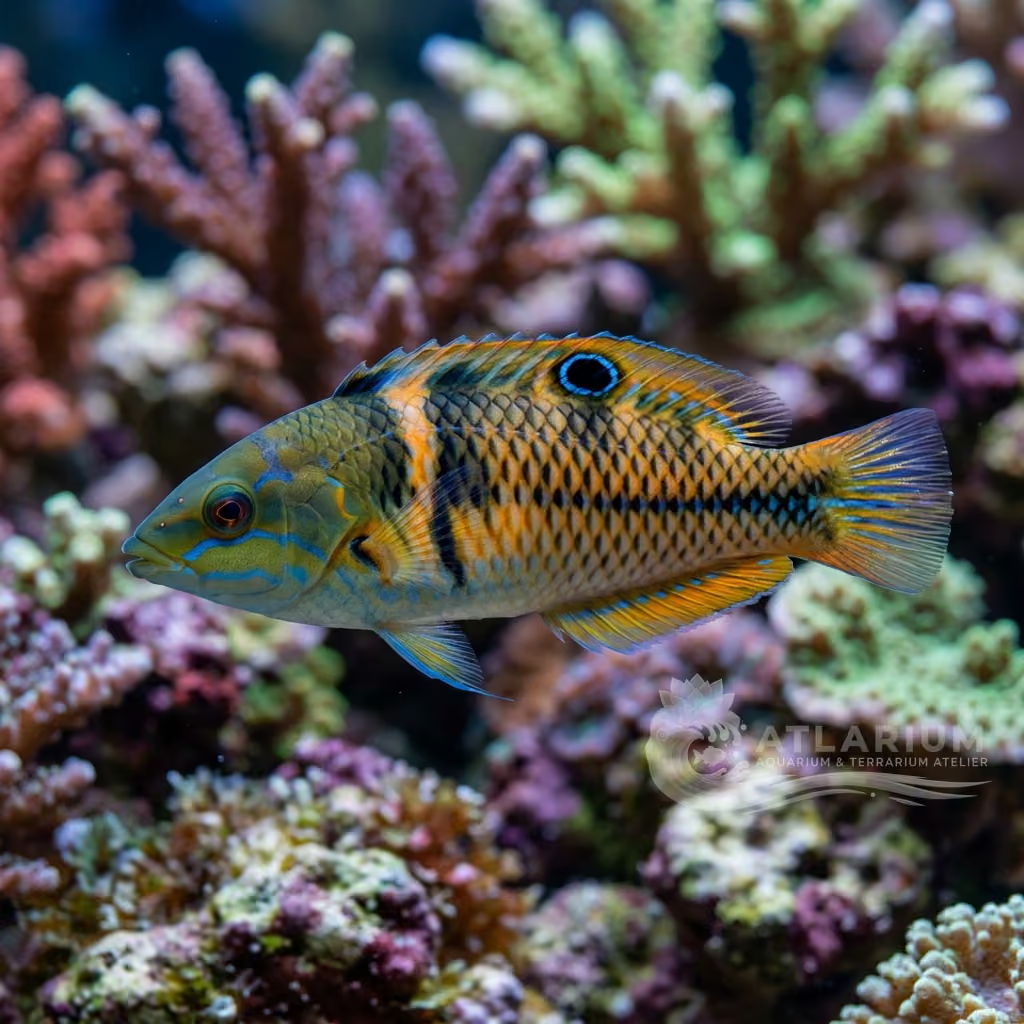
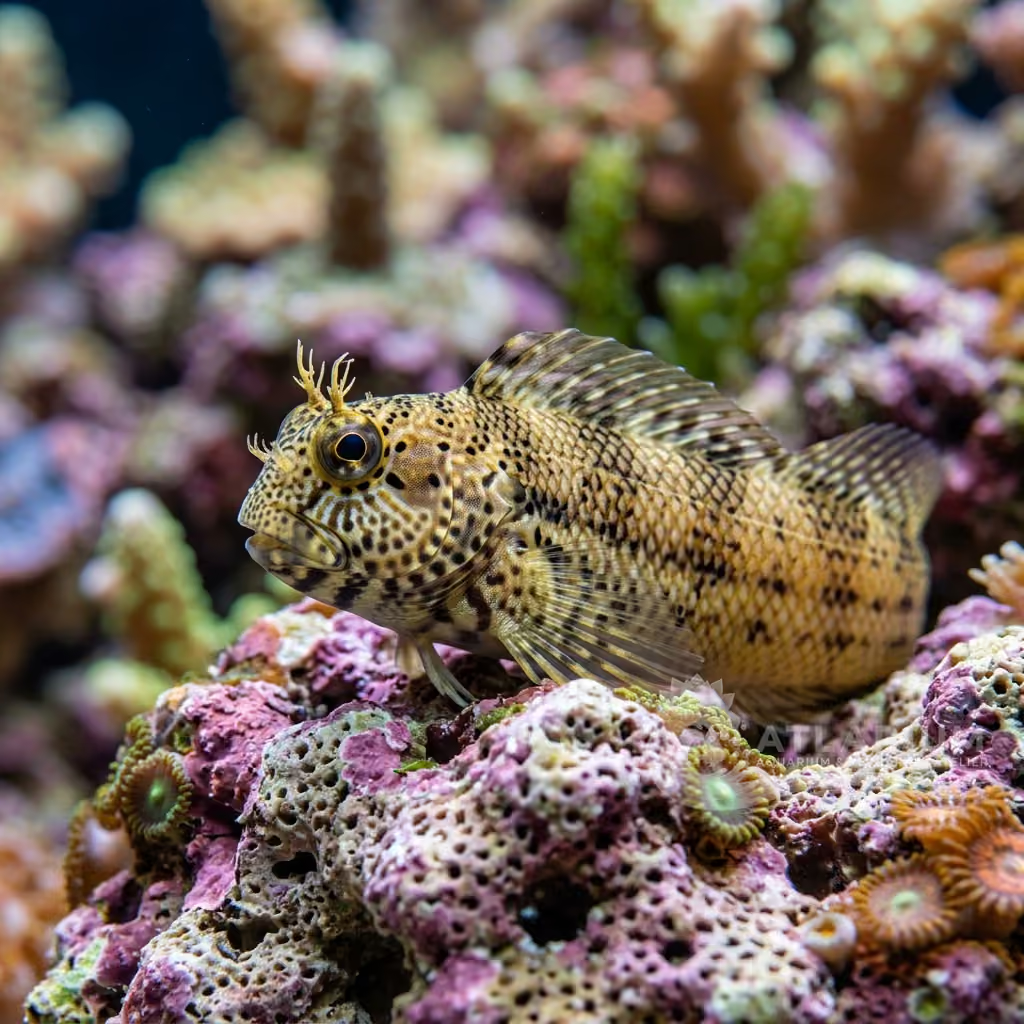
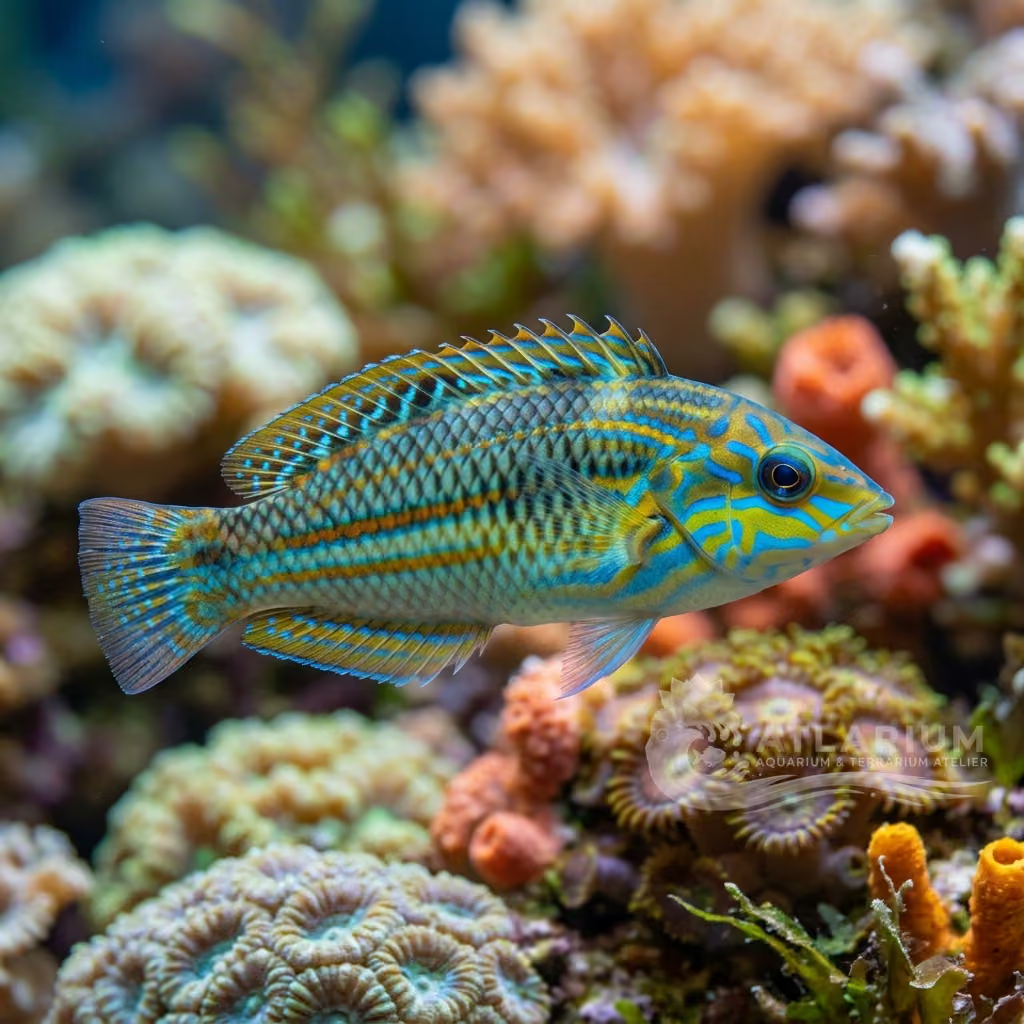
Marjorie's Wrasse
Cirrhilabrus marjorie
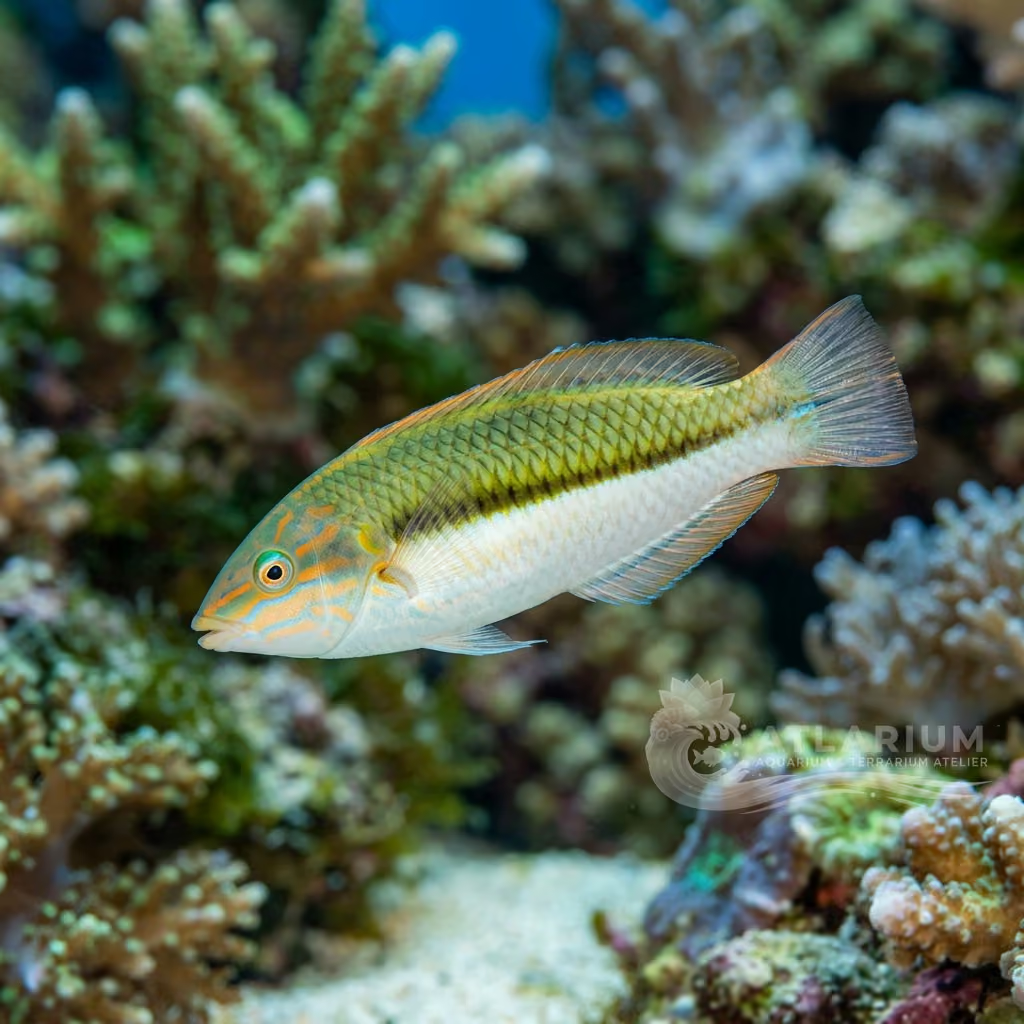
A stunning endemic wrasse from Fiji renowned for its vibrant red, white, and yellow tricolor pattern. Highly active and reef-safe, it demands a 200L aquarium, ample swimming room, and a secure lid.
Temperatura da água
22 - 26 °C
Valor de pH
8.1 - 8.4
Tipo de água
Marinho
Nível do tanque
Meio
Tamanho adulto
7,5 cm
Volume mínimo do tanque
>= 120 L
Grupo mínimo
>= 1

Descrição da espécie
Geographical Origin and Habitat: Cirrhilabrus marjorie is a marine fish native to the Western Central Pacific Ocean, specifically endemic to the coral reefs of Fiji. It inhabits steep outer reef slopes and deep rubble fields, typically at depths between 20 and 50 meters, where the water is clear and swept by moderate to strong oceanic currents.
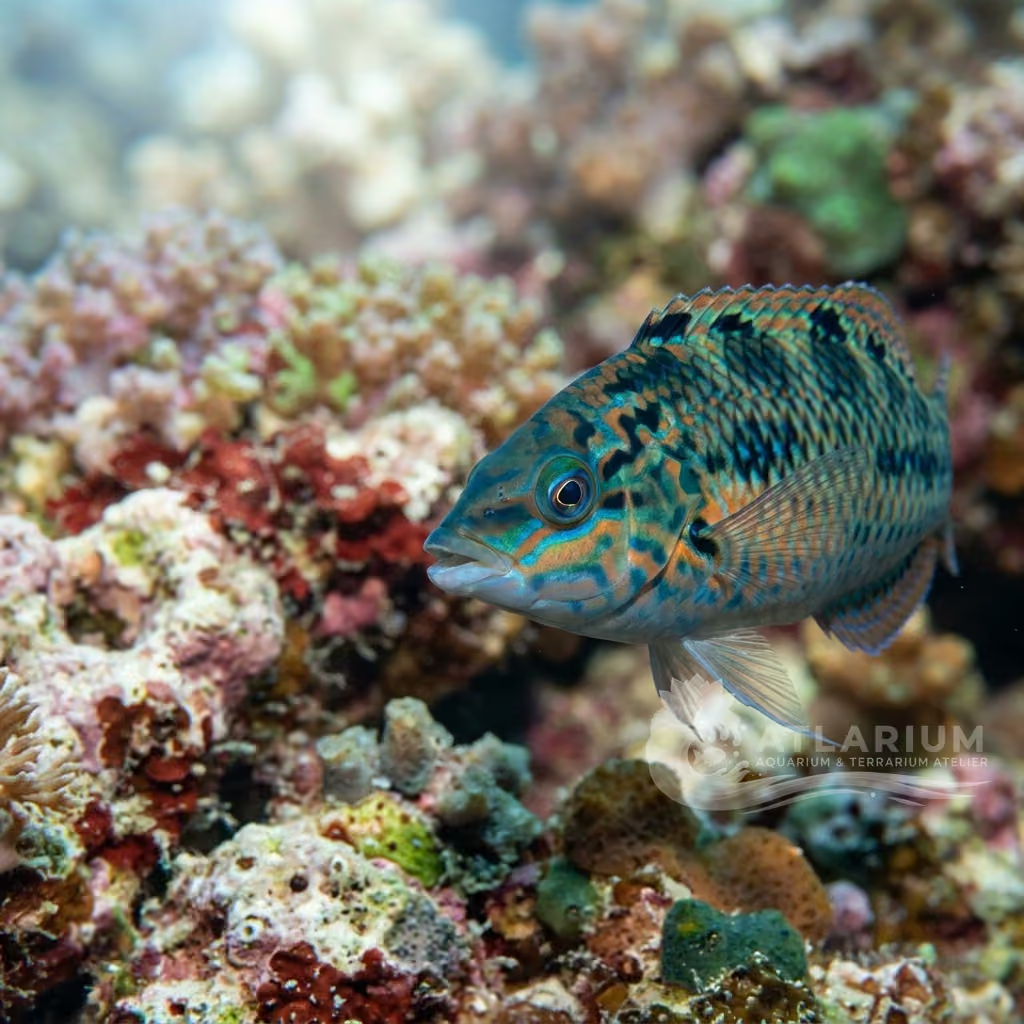
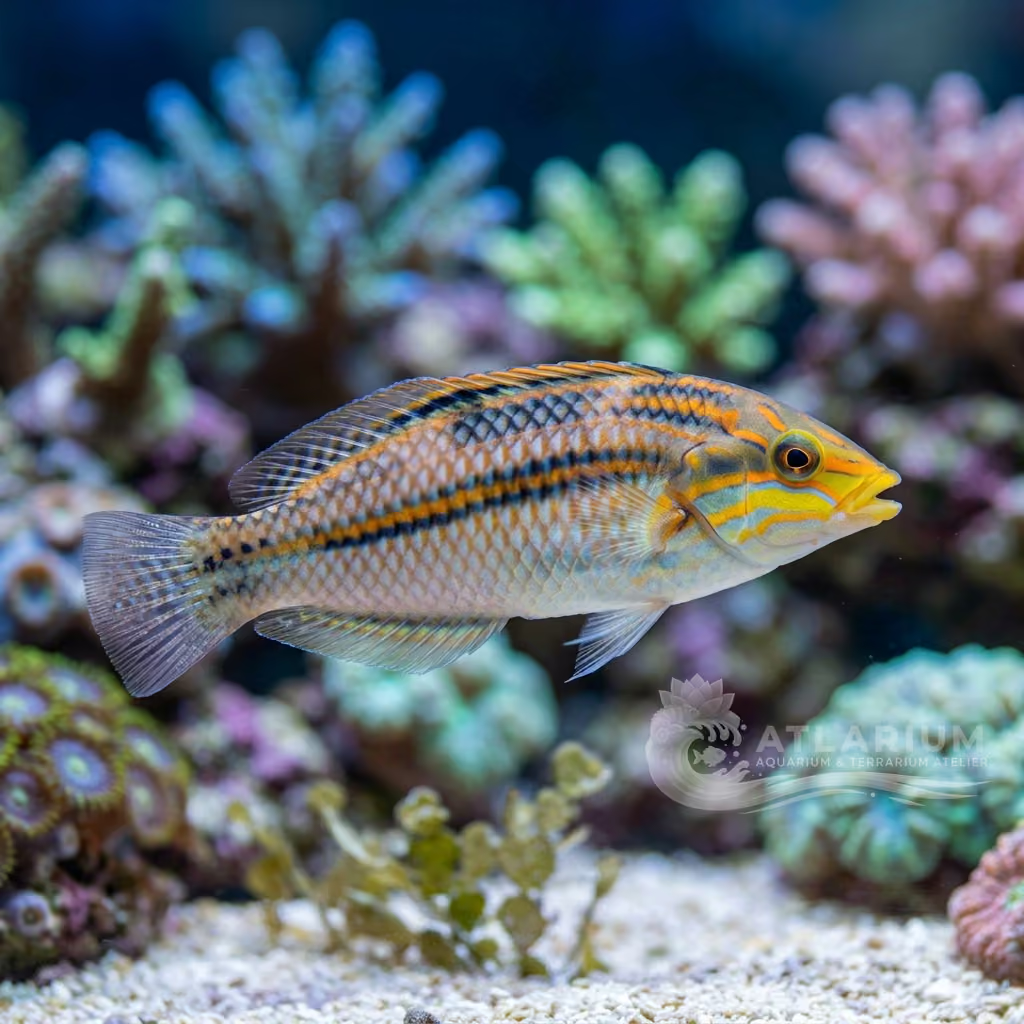
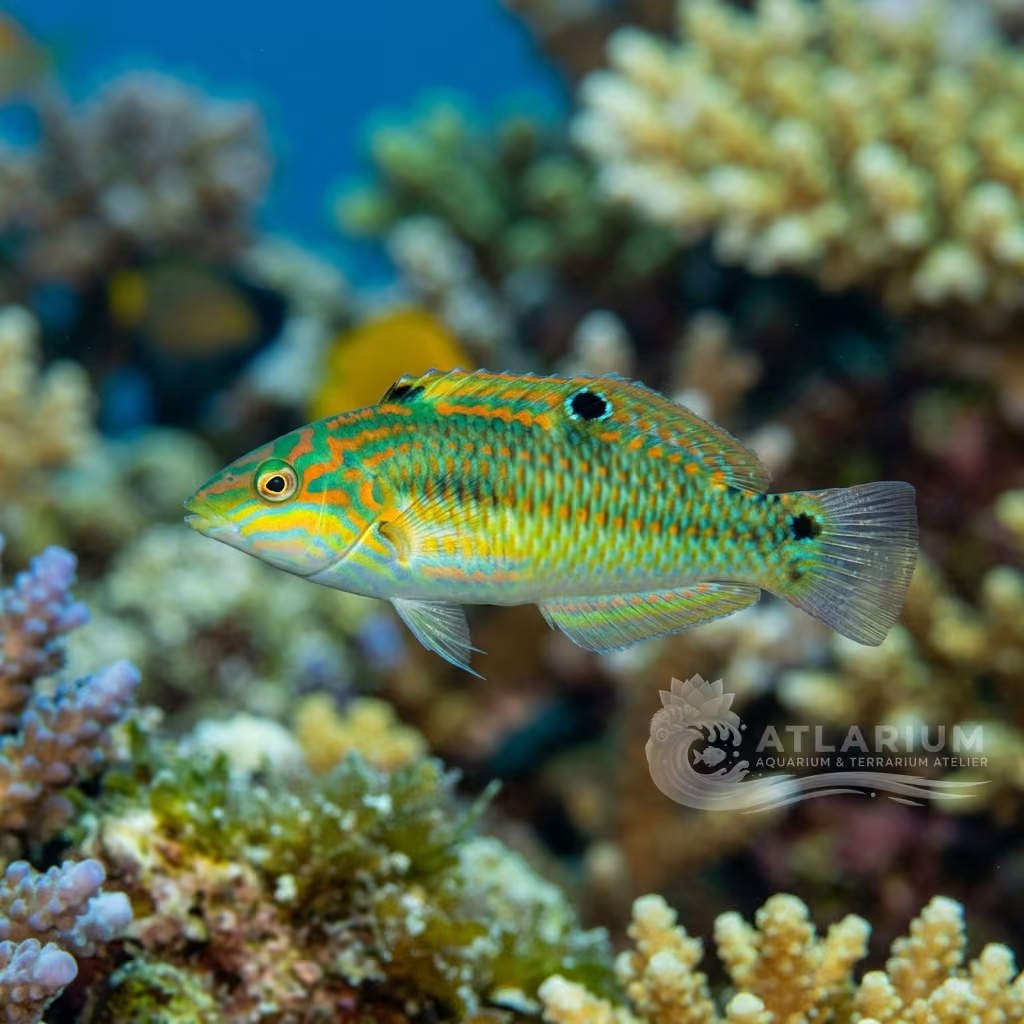
Taxonomy and Morphology: It belongs to the family Labridae. It features an elongated, laterally compressed body typical of the genus Cirrhilabrus (fairy wrasses). In adulthood, it reaches a maximum length of about 7-8 centimeters, making it an ideal candidate for medium-sized community aquariums. It possesses large, expressive eyes and a rounded caudal fin.
Social Behavior: It is an active, diurnal swimmer that constantly patrols the water column. In the wild, it lives in small haremic groups led by a single dominant male that actively defends its territory and courts the females. It is peaceful towards unrelated tankmates, but males will react aggressively to other male fairy wrasses.
Coloration and Sexual Dimorphism: The coloration is spectacular and displays strong sexual dimorphism. Males feature a distinct tricolor pattern: the upper body is bright red, the lower half is silvery-white, and a yellow band runs horizontally along the middle. The fins are decorated in black and red. Females are simpler, showing a uniform reddish-pink body.

Cuidado, criação e companheiros de tanque
Aquarium Setup: Requires a mature marine aquarium of at least 200 liters with plenty of open swimming space. The tank should be decorated with plenty of live rock arranged to create overhangs and caves for shelter. A secure, tight-fitting mesh screen or lid is mandatory, as this species is an exceptional and powerful jumper.
Diet and Feeding: Diet and Feeding: Primarily carnivorous and planktivorous. In the aquarium, feed a high-quality variety of frozen foods such as mysis, brine shrimp, copepods, and lobster eggs. It also readily accepts enriched dry flakes or pellets. Feed small amounts 2-3 times daily to support its active swimming and high metabolism.
Water Quality: Water Quality: Maintain pristine and stable marine water parameters: temperature between 24°C and 27°C, pH at 8.1-8.4, and specific gravity constant at 1.022-1.025. An efficient protein skimmer and filtration system are essential to keep nutrient levels low, along with moderate to strong water movement.
Compatibility and Cohabitation: Compatibility and Cohabitation: It is 100% reef-safe and does not harm corals, clams, or small ornamental invertebrates. It can coexist with most peaceful reef fish. Avoid keeping it with highly aggressive or territorial species. If keeping multiple specimens, introduce one male with several females simultaneously.
Aquarium Breeding: Aquarium Breeding: Spawning in home aquariums is undocumented. They are pelagic spawners that release eggs and sperm into the water column during twilight vertical spawning runs. Rearing the delicate planktonic larvae requires specialized, sterile rearing facilities and microscopic live foods.
Risks and Diseases: Risks and Diseases: The primary risk is the fish jumping out of the tank when startled, which requires a tight lid. Additionally, it may be shy and remain hidden in the rockwork during the first few days of acclimation; ensure it is not harassed by other tank inhabitants and starts feeding on introduced foods.

Origem e distribuição geográfica
Cirrhilabrus marjorie is a marine fish native to the Western Central Pacific Ocean, specifically endemic to the coral reefs of Fiji. It inhabits steep outer reef slopes and deep rubble fields, typically at depths between 20 and 50 meters, where the water is clear and swept by moderate to strong oceanic currents.
Origem
Oceanos tropicais e recifes

Perfil de peixe
- Temperamento
- Active
- The Cirrhilabrus marjorie is widely known for its peaceful and somewhat timid demeanor. They make excellent additions to peaceful community tanks but can be easily intimidated by large, aggressive species. When kept in a suitable environment, they are incredibly active and outgoing, providing constant movement and vibrant flashes of color.
- Dieta
- Planktivore
- In the wild, the Cirrhilabrus marjorie is predominantly a zooplanktivore that feeds continuously in the water column. In captivity, it adapts readily to a varied diet consisting of high-quality marine flakes, pellets, and frozen foods. Providing enriched mysis shrimp, brine shrimp, and Calanus will help maintain its vibrant coloration and overall health.
- Expectativa de vida
- 5-7 years
- Tamanho adulto
- 7.5 cm
- Proporção sexual
- Harem
- A proper harem structure is the most natural way to keep the Cirrhilabrus marjorie. It is generally recommended to keep one male with several females to disperse any potential aggression. Keeping multiple males of the same species usually results in intense fighting unless the aquarium is exceptionally large with ample hiding spaces.
- Frequência de alimentação
- Twice daily
- Due to its active nature and small stomach, the Cirrhilabrus marjorie should be fed small amounts multiple times a day. Two to three feedings per day are generally recommended to keep them in optimal condition. Infrequent feeding may lead to weight loss and a weakened immune system over time.
- Carga biológica
- Low to Medium
- The Cirrhilabrus marjorie generally has a moderate bioload. These are highly active fish that require frequent feedings to sustain their high metabolic rate. Consequently, this leads to a proportional amount of waste being produced in the aquarium. Proper filtration and regular water changes are essential to maintain the pristine water quality they need.
- Fluxo
- Strong
- The Cirrhilabrus marjorie prefers moderate to strong water movement in the aquarium. This flow simulates their natural reef environment and encourages their natural swimming and foraging behaviors. Ensuring adequate flow also helps keep their preferred zooplankton foods suspended in the water column longer.
- Risco de salto
- Yes
- There is an extremely high risk of jumping associated with the Cirrhilabrus marjorie. They are easily startled by sudden movements, changes in lighting, or aggressive tank mates, which often results in them darting towards the surface. A tight-fitting lid or fine mesh screen is absolutely mandatory to prevent them from leaping out of the aquarium.
- Reprodução
- Oviparous
- Like most wrasses, the Cirrhilabrus marjorie is a protogynous hermaphrodite, meaning all individuals are born female. As they mature, the dominant female in a group will undergo a transformation into a male. Breeding in captivity is rare due to the complex pelagic larval stage, which requires specialized food and rearing conditions.
- Compatibilidade e companheiros de tanque
- Reef safe
- The Cirrhilabrus marjorie is typically considered reef safe and a peaceful community fish. It will not bother corals, clams, or most ornamental invertebrates found in a reef tank. However, caution should be exercised when mixing them with other fairy wrasses or flasher wrasses, as males can become territorial towards similar species.
- Nível do tanque
- Middle
- The Cirrhilabrus marjorie is primarily a mid-water swimmer that spends the majority of its time actively navigating the open water column. It will frequently dart in and out of the rockwork while searching for food or seeking refuge. At night, they secrete a mucus cocoon and sleep wedged within the crevices of the live rock.

Modelos e parâmetros científicos
FishBase
Acesso aos dados científicos oficiais da espécie
FishBase v25.04Dados sincronizados em: 15/06/2026
- Nível trófico
- 3,3 ± 0,4 se
- Resiliência
- Alta (menos de 15 meses)
- Unicidade filogenética (PD50)
- 0.5
- Relação bayesiana comprimento-peso
- a = 0.01072, b = 3.03
- VulnerabilidadeVulnerabilidade baixa (10 / 100)

Espécies relacionadas
Recomendações agrupadas por parentes próximos, escolhas de acompanhantes e cuidados semelhantes.