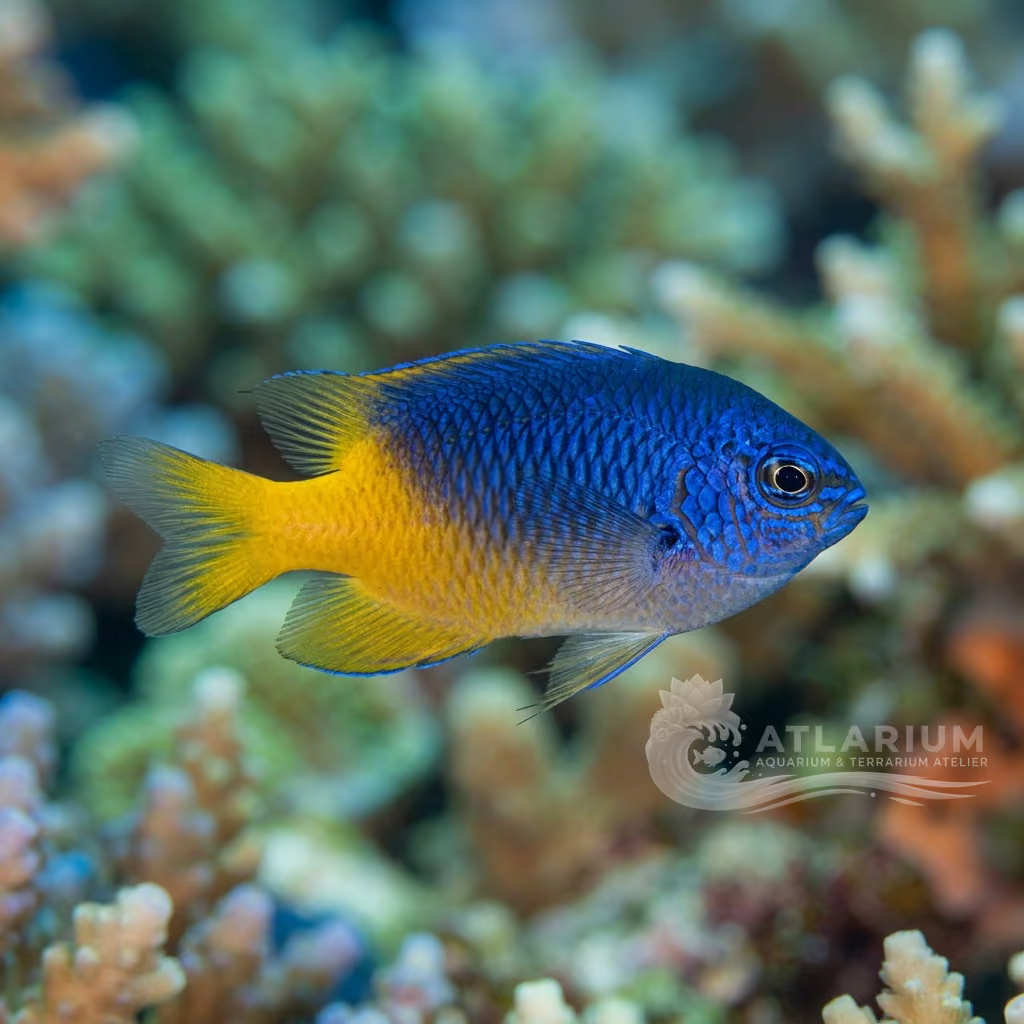
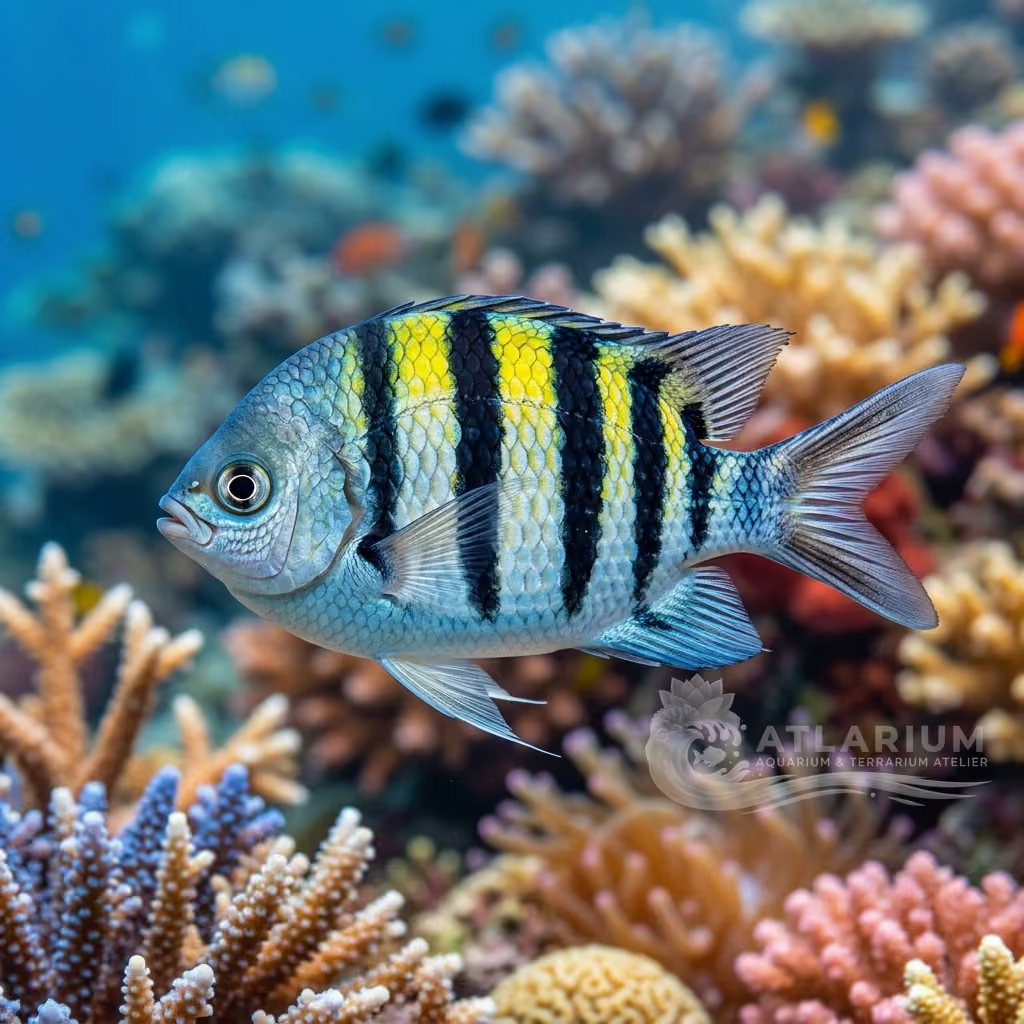
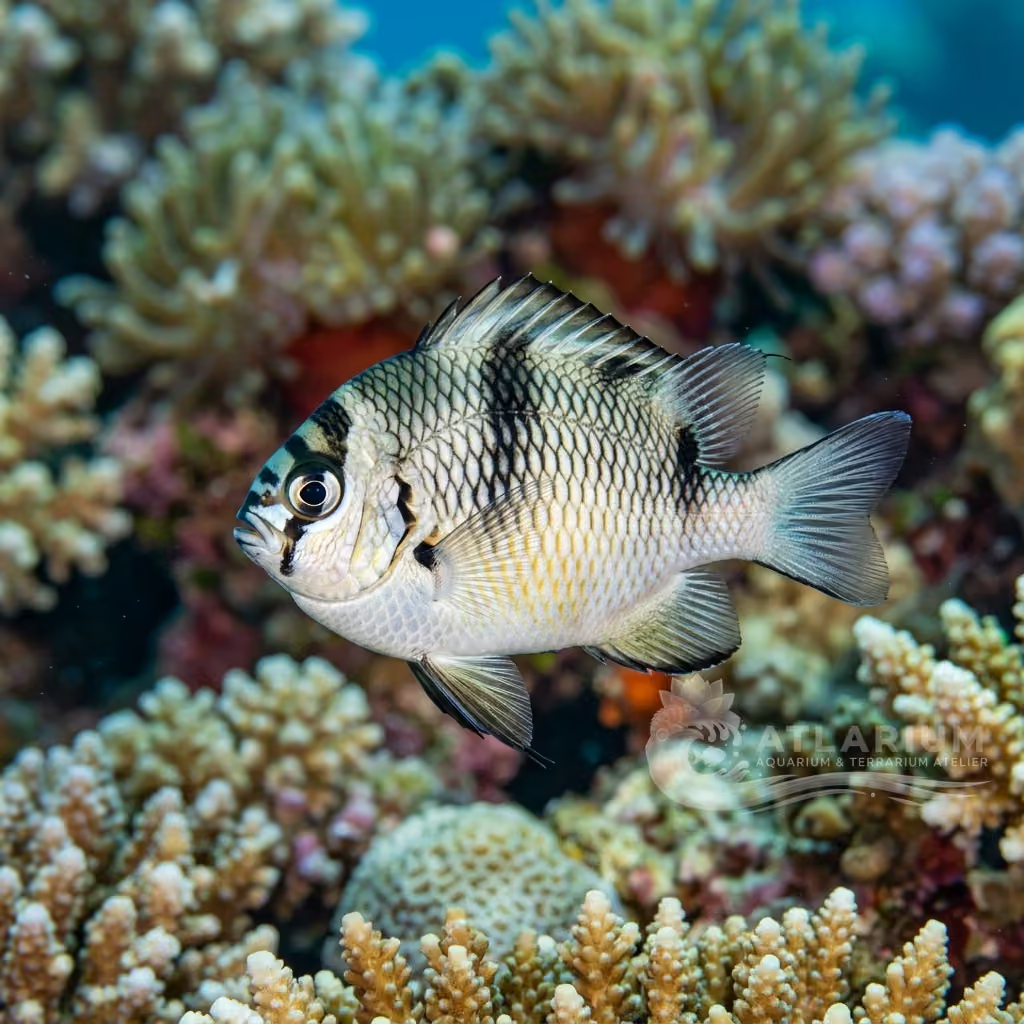
Black-and-gold Chromis
Neoglyphidodon nigroris
A voracious omnivorous damselfish from the Western Indo-Pacific. It is highly aggressive and demands a 150L tank with a complex rock barrier to establish territory.
Temperatura da água
23 - 28 °C
Valor de pH
8.1 - 8.4
Tipo de água
Marinho
Nível do tanque
Parte inferior e intermediária
Tamanho adulto
13 cm
Volume mínimo do tanque
>= 150 L
Grupo mínimo
>= 1

Descrição da espécie
Geographical Origin and Habitat: Western Indo-Pacific Ocean, widely distributed from the Ryukyu Islands in southern Japan to the Great Barrier Reef in Australia, including the territories of Vanuatu and New Caledonia. It commonly inhabits protected outer reef slopes and coastal lagoons rich in branching corals, extending to depths of 25 meters, where it finds shelter among the branches of Acropora hard corals.
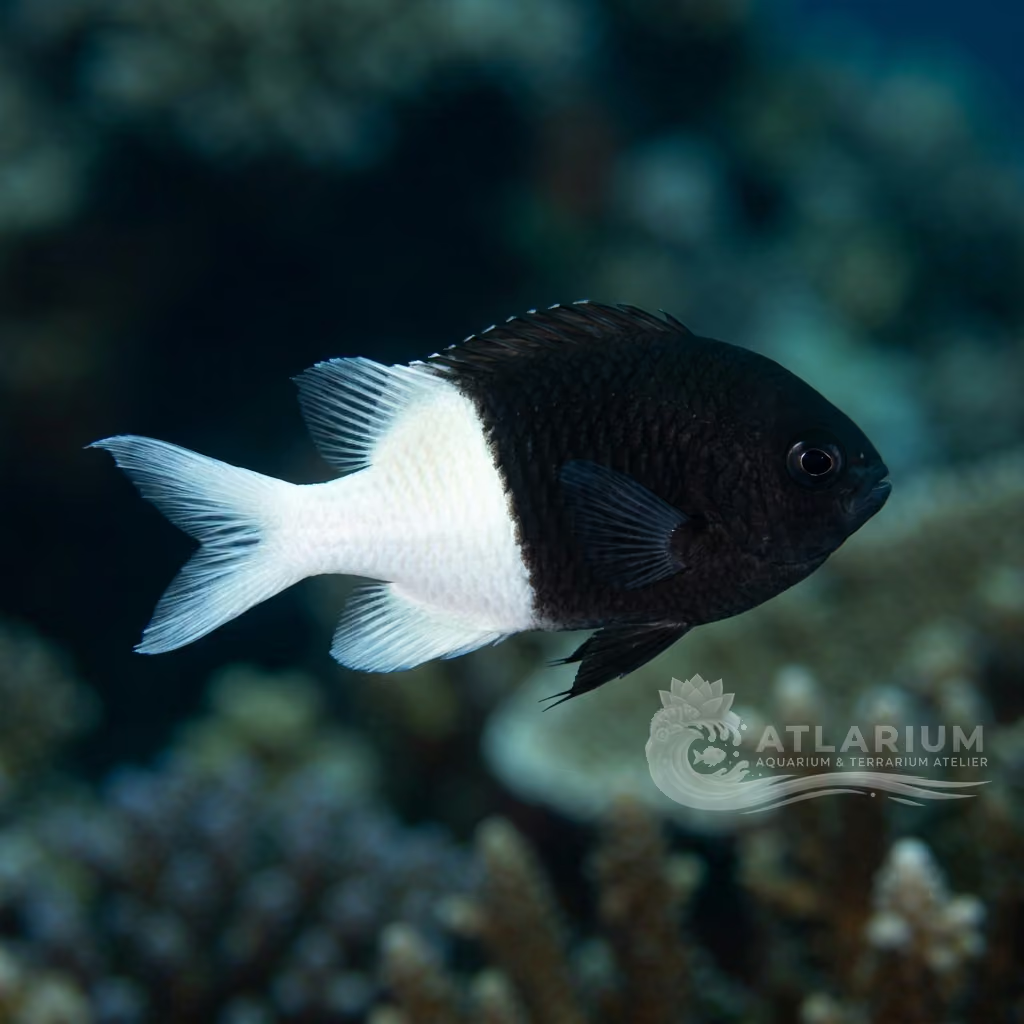
Taxonomy and Morphology: Belongs to the family Pomacentridae, subfamily Pomacentrinae, genus Neoglyphidodon. Displays a robust, laterally compressed body, with a maximum size of about 13 centimeters in adulthood. This species exhibits a pronounced morphological and color difference between the juvenile and adult stages, which is highly characteristic of many members of its genus.
Social Behavior: Juveniles show a semi-gregarious behavior, frequently associating in small groups near branching coral colonies to escape predators. With growth and transition to adulthood, they become highly solitary and develop an extremely territorial and aggressive temperament, vigorously defending their territory from intruders and conspecifics.
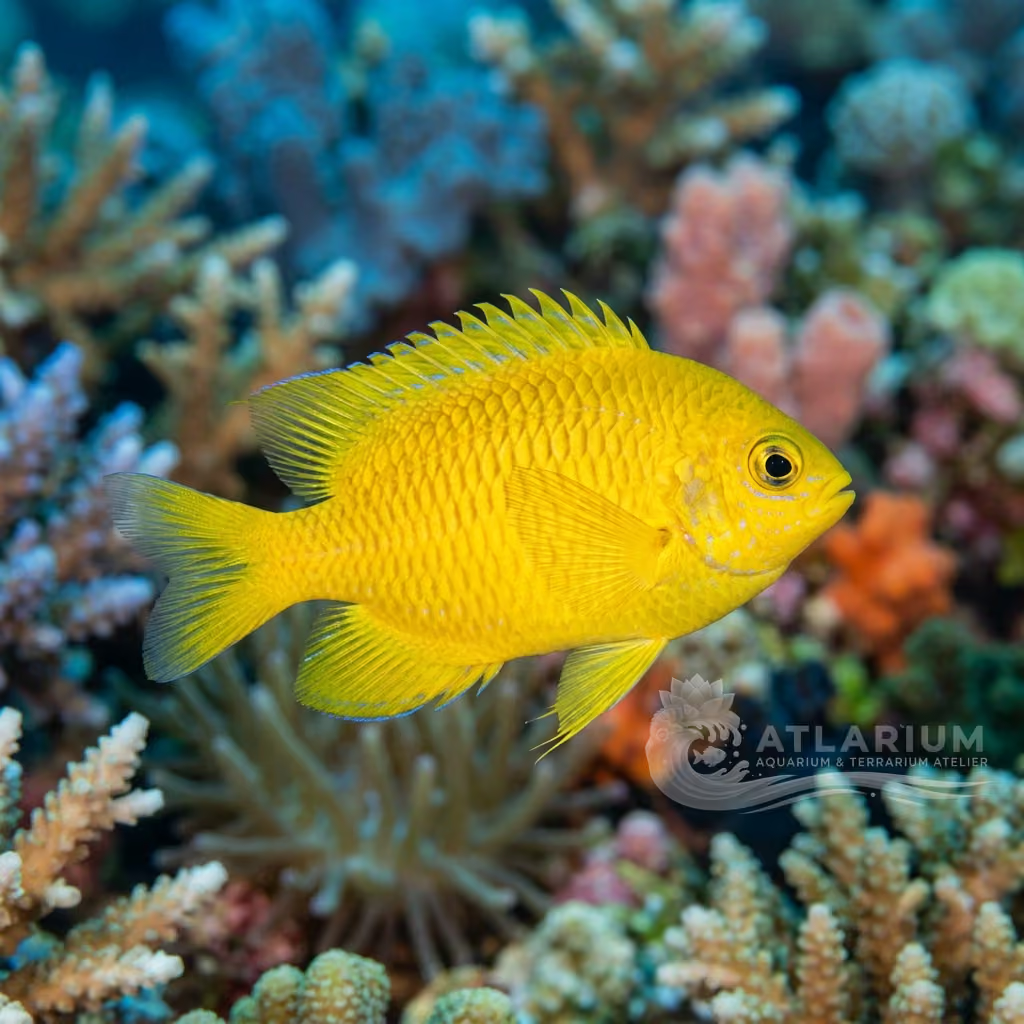
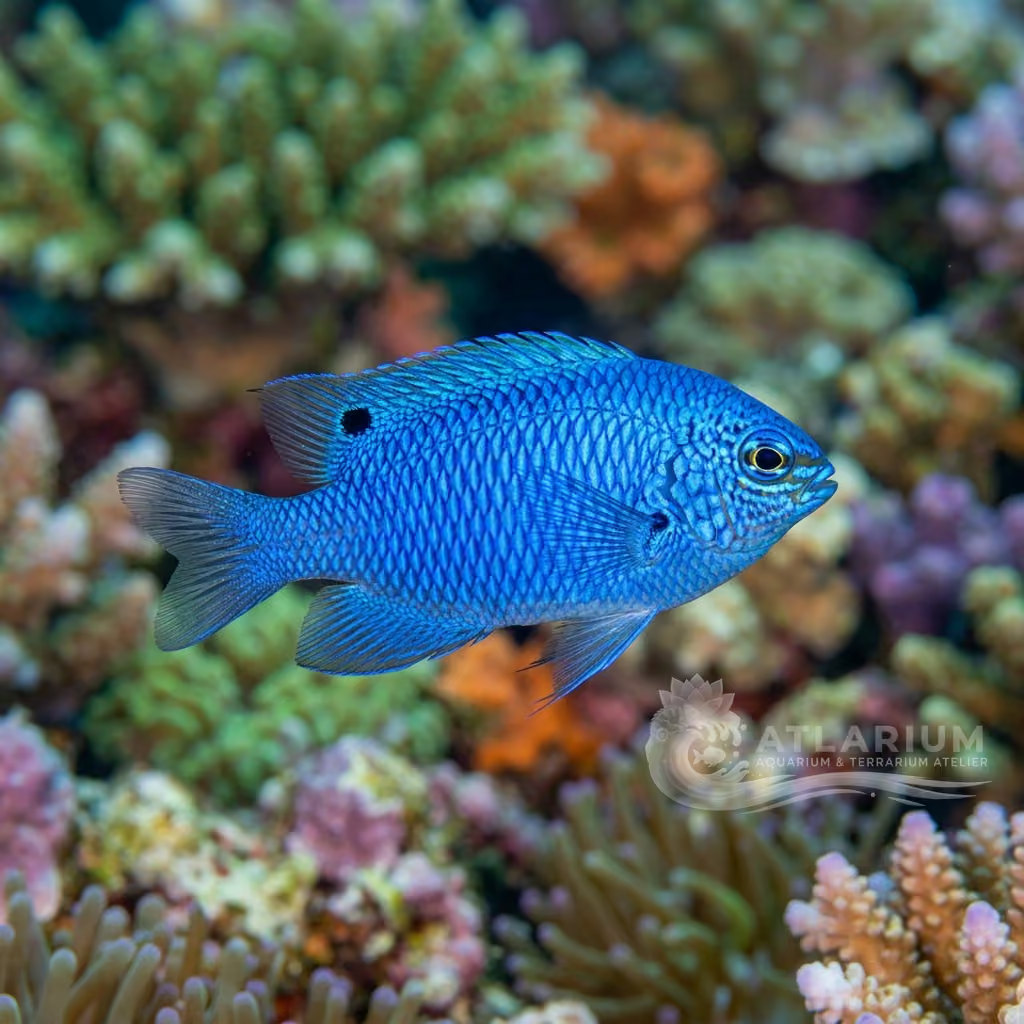
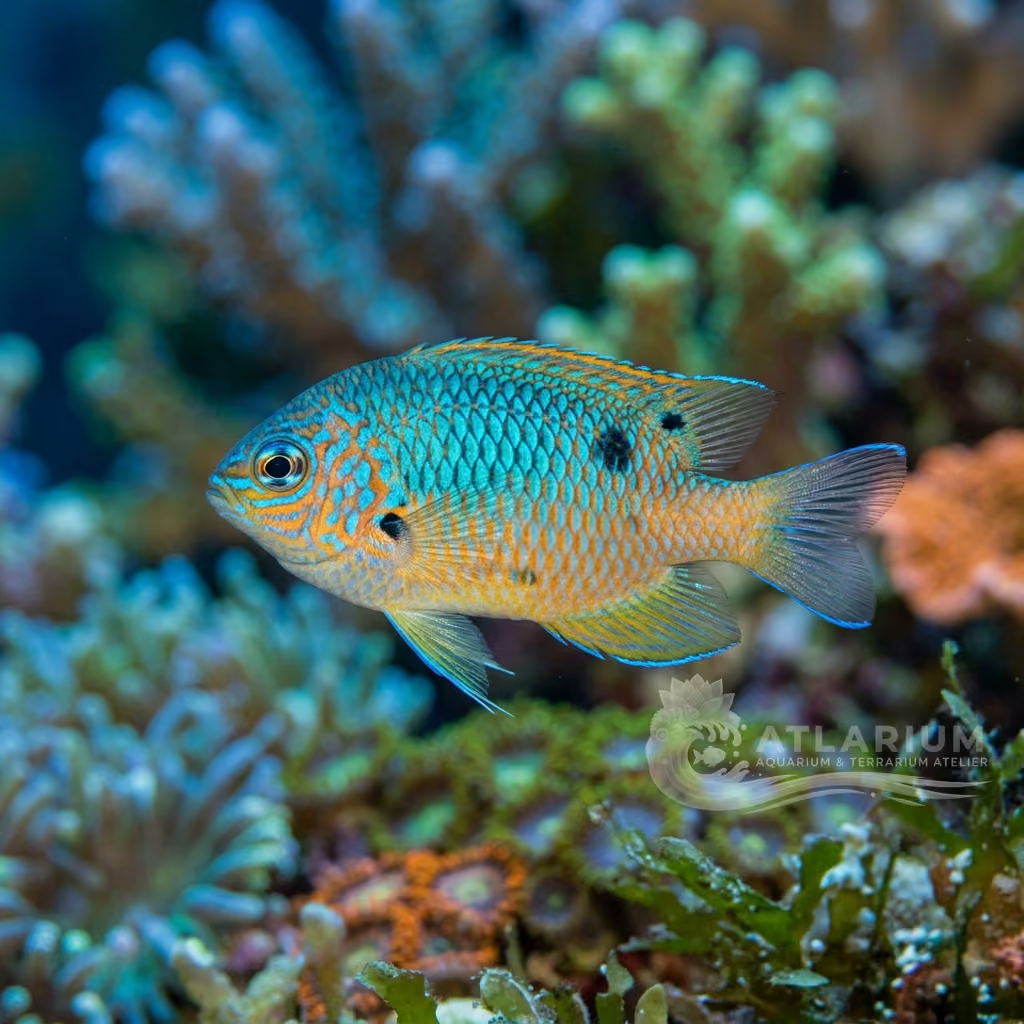
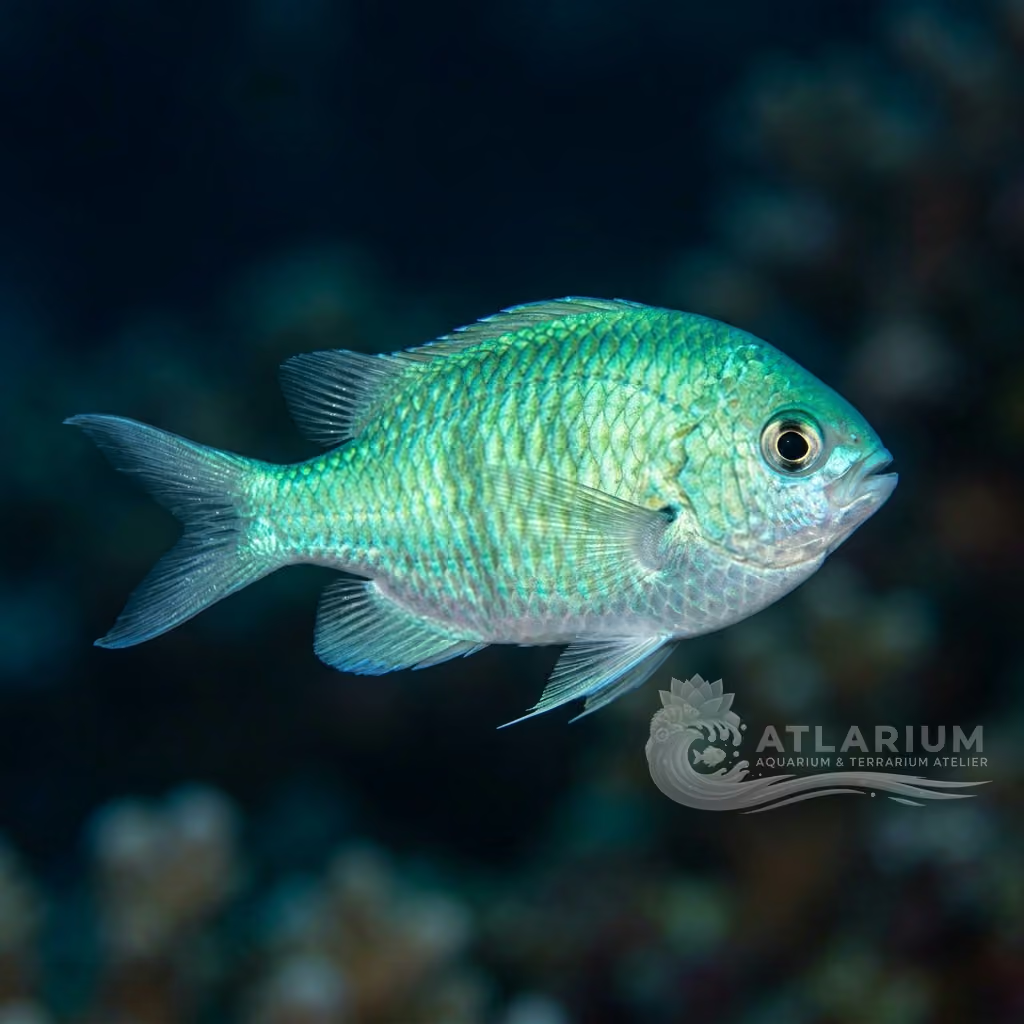
Coloration and Sexual Dimorphism: The coloration undergoes a radical metamorphosis: juveniles are bright golden-yellow with two characteristic horizontal black bands running from the snout to the caudal fin. Adults assume a uniform dark brown, almost black coloration, sometimes with yellowish hues on the anal and dorsal fins. There is no visible sexual dimorphism.

Cuidado, criação e companheiros de tanque
Aquarium Setup: Requires a marine aquarium of at least 150 liters for a single specimen. The tank must be set up with a complex rock barrier that offers numerous hiding places, crevices, and caves where the fish can establish its territory. Hard or artificial corals provide additional visual barriers to temper aggressiveness.
Diet and Feeding: Omnivorous and extremely voracious. In nature, it feeds on zooplankton and benthic algae. In the aquarium, it readily accepts any type of food: dry food in pellets or flakes, frozen foods like brine shrimp and mysis, and vegetable preparations based on spirulina or nori algae to support digestion.
Water Quality: Typical parameters of a stable marine reef aquarium: temperature between 23 and 28 °C, stable pH between 8.1 and 8.4, and water density between 1.020 and 1.025. Efficient biological filtration and good water movement are essential to ensure adequate oxygenation.
Compatibility and Cohabitation: Due to the high aggressiveness of adults, they should not be housed with small or particularly timid fish. Cohabitation with conspecifics or similar species is not recommended unless very large tanks are available. Ideal tankmates are robust and active fish such as surgeonfish, angelfish, or wrasses.
Aquarium Breeding: Oviparous species. During the breeding period, the male carefully cleans a hard rocky substrate to attract the female. After the deposition and fertilization of the adhesive eggs, the male takes care of their aggressive defense and fanning until the moment of hatching.
Risks and Diseases: It is an extremely robust fish, resilient to common diseases of marine fish (such as Oodinium or Ichthyo). The main risk is represented by its aggressiveness, which can stress or seriously injure more peaceful tankmates, favoring secondary infections in the latter.

Origem e distribuição geográfica
Western Indo-Pacific Ocean, widely distributed from the Ryukyu Islands in southern Japan to the Great Barrier Reef in Australia, including the territories of Vanuatu and New Caledonia. It commonly inhabits protected outer reef slopes and coastal lagoons rich in branching corals, extending to depths of 25 meters, where it finds shelter among the branches of Acropora hard corals.
Origem
Oceanos tropicais e recifesLeste AsiáticoAustrália, Nova Guiné e Oceania

Perfil de peixe
- Temperamento
- Aggressive
- This species possesses a fiercely bold and aggressive temperament, typical of its genus. It will relentlessly defend its territory against much larger fish. It should always be the last fish introduced to an established aquarium.
- Dieta
- Omnivore
- As a hardy omnivore, it will eagerly consume almost any foods offered. Provide a balanced staple of marine pellets, flakes, and enriched frozen preparations. Adding vegetable matter to their diet helps maintain their long-term vitality.
- Expectativa de vida
- 5-8 years
- Tamanho adulto
- 13 cm
- Proporção sexual
- Solitary
- It is best kept as a single specimen to avoid violent conspecific aggression. Multiple individuals will constantly fight unless the aquarium is exceptionally large. Mated pairs can be kept but require careful observation for sudden domestic violence.
- Frequência de alimentação
- Twice daily
- Feed them twice daily to satisfy their high metabolic demands. Consistent feeding reduces their inclination to harass other fish in the aquarium. Ensure portions are fully consumed within a few minutes to protect water parameters.
- Carga biológica
- Medium
- This active fish adds a moderate bioload that standard filtration can comfortably handle. It requires a mature system with effective biological and mechanical filtration. Routine maintenance keeps nitrate levels low and ensures the fish remains healthy.
- Fluxo
- Strong
- They favor moderate to strong currents that simulate their natural coastal environments. Active water movement helps them exercise and promotes good oxygen exchange. Powerheads are recommended to prevent stagnant dead zones in the tank.
- Risco de salto
- No
- Reprodução
- Oviparous
- They are demersal spawners, laying eggs on carefully cleaned rock surfaces. The male aggressively guards the clutch against any perceived threat until hatching. The microscopic larvae are exceptionally difficult to raise in a typical home aquarium.
- Compatibilidade e companheiros de tanque
- Aggressive
- It exhibits significant territorial aggression and is intolerant of timid tank mates. It should only be housed with large, boisterous species that can ignore its posturing. Small gobies, blennies, and peaceful wrasses are not suitable companions.
- Nível do tanque
- Middle/Bottom
- They confidently swim in the middle and upper areas of the aquarium. They require a designated rock structure to claim as their central territory. They are highly visible and constantly active throughout the day.

Modelos e parâmetros científicos
FishBase
Acesso aos dados científicos oficiais da espécie
FishBase v25.04Dados sincronizados em: 15/06/2026
- Nível trófico
- 3 ± 0,32 se
- Resiliência
- Alta (menos de 15 meses)
- Unicidade filogenética (PD50)
- 0.502
- Relação bayesiana comprimento-peso
- a = 0.01862, b = 2.99
- VulnerabilidadeVulnerabilidade baixa (10 / 100)

Espécies relacionadas
Recomendações agrupadas por parentes próximos, escolhas de acompanhantes e cuidados semelhantes.