Two-band Anemonefish
Amphiprion bicinctus
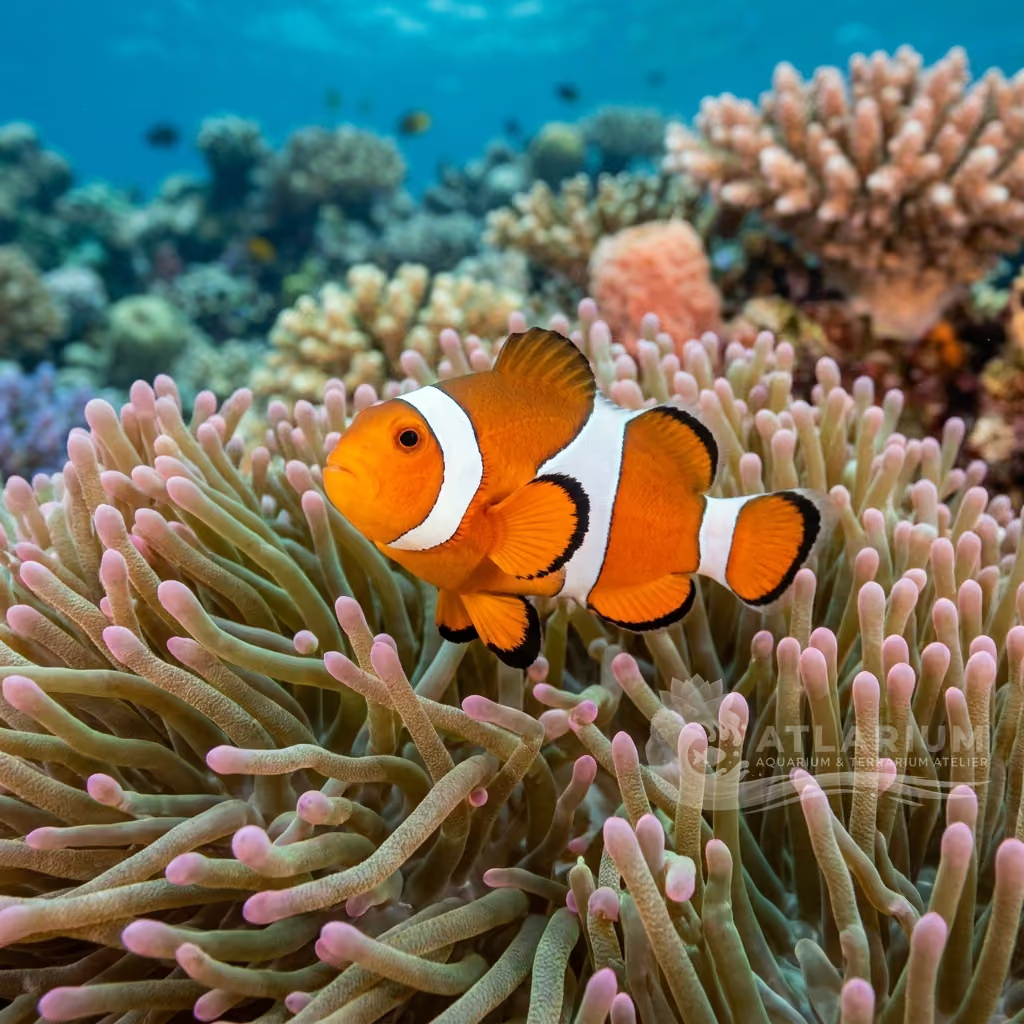
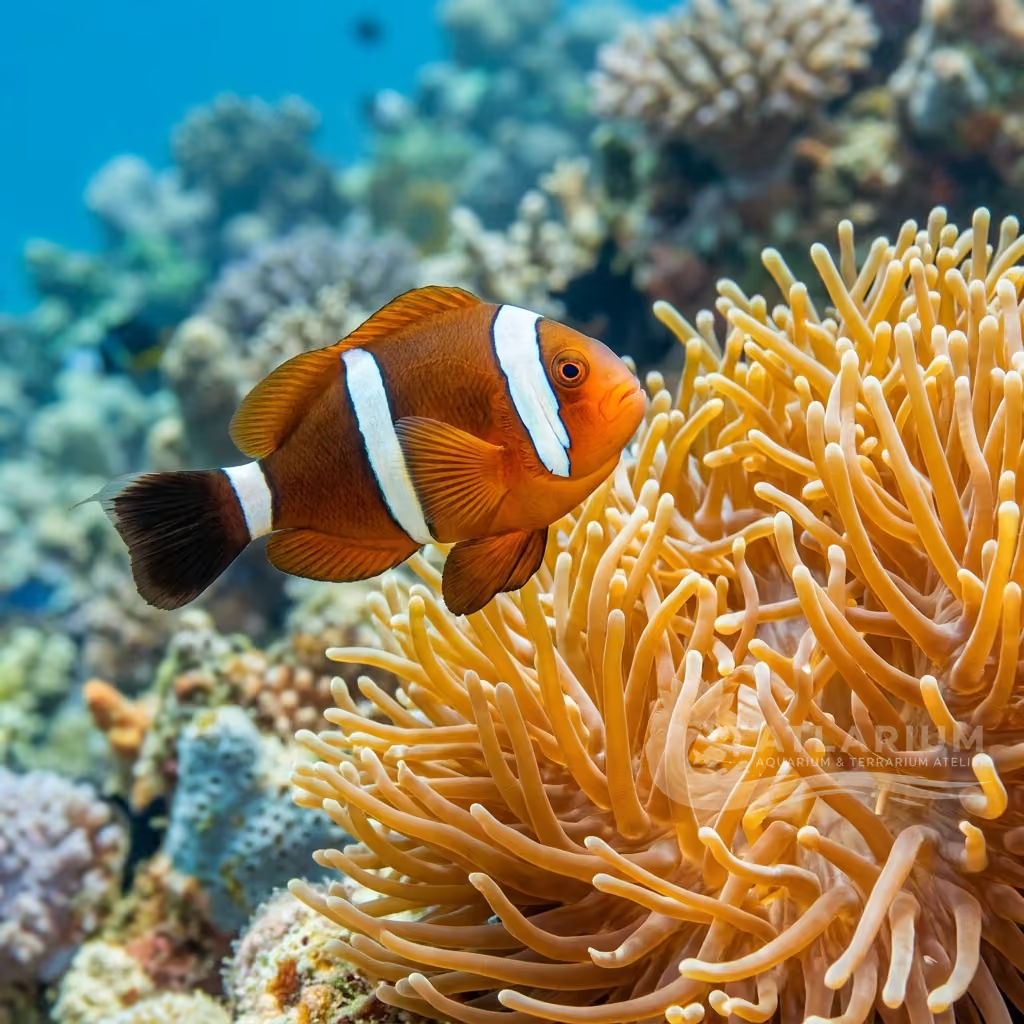
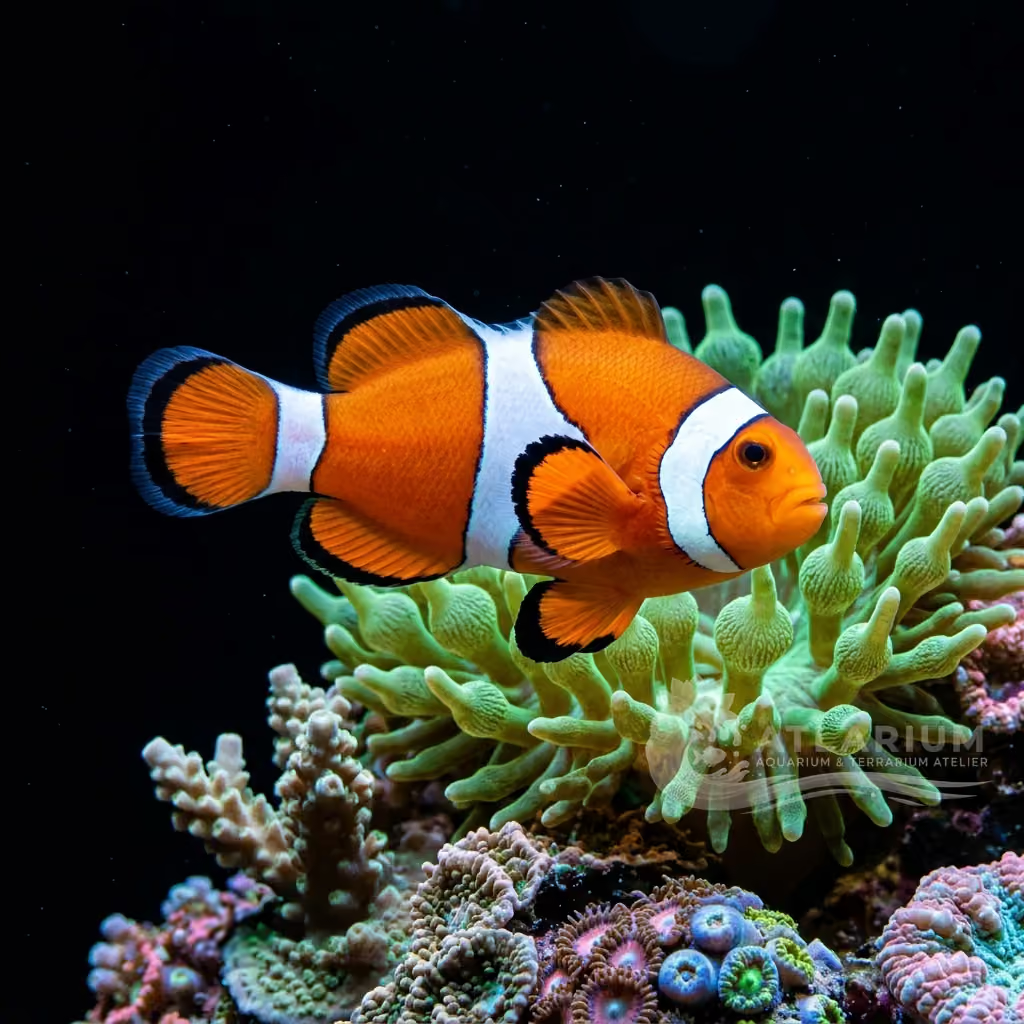
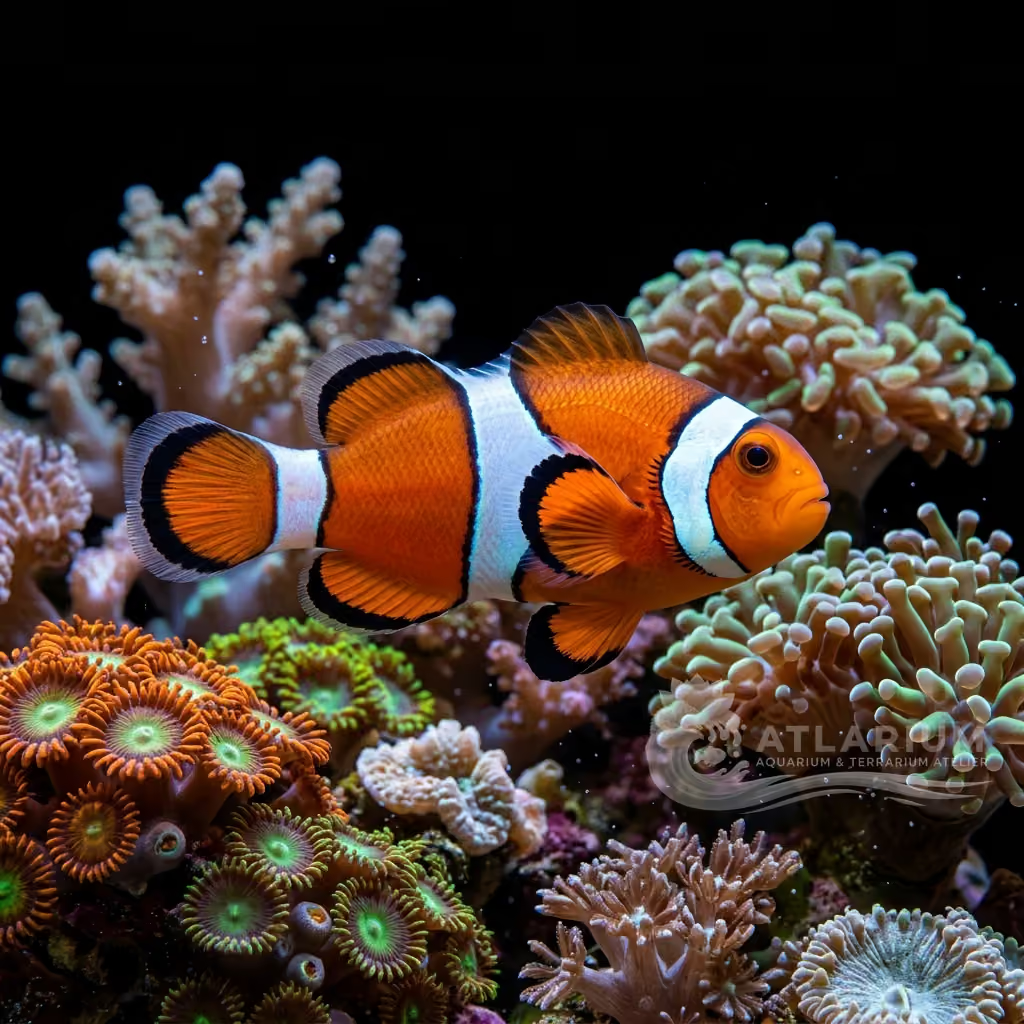
A classic Red Sea clownfish recognized by its dual vertical white bands. Very hardy, active, and a perfect candidate for reef and fish-only marine aquariums.
Temperatura da água
24 - 28 °C
Valor de pH
8.1 - 8.4
Tipo de água
Marinho
Nível do tanque
Parte inferior e intermediária
Tamanho adulto
14 cm
Volume mínimo do tanque
>= 120 L
Grupo mínimo
>= 1
KH
8 - 12 dKH

Descrição da espécie
Geographical Origin and Habitat: Native to the Red Sea, the Gulf of Aden, and the western Indian Ocean. It inhabits tropical coral reefs at depths down to 30 meters, living in a mutualistic relationship with several sea anemone species, most notably Entacmaea quadricolor, Heteractis crispa, and Heteractis aurora.
Taxonomy and Morphology: Belongs to the Pomacentridae family, subfamily Amphiprioninae. It reaches a maximum size of approximately 14 cm (5.5 inches), making it one of the larger clownfish species. The body is oval, laterally compressed, with a terminal mouth containing small conical teeth.
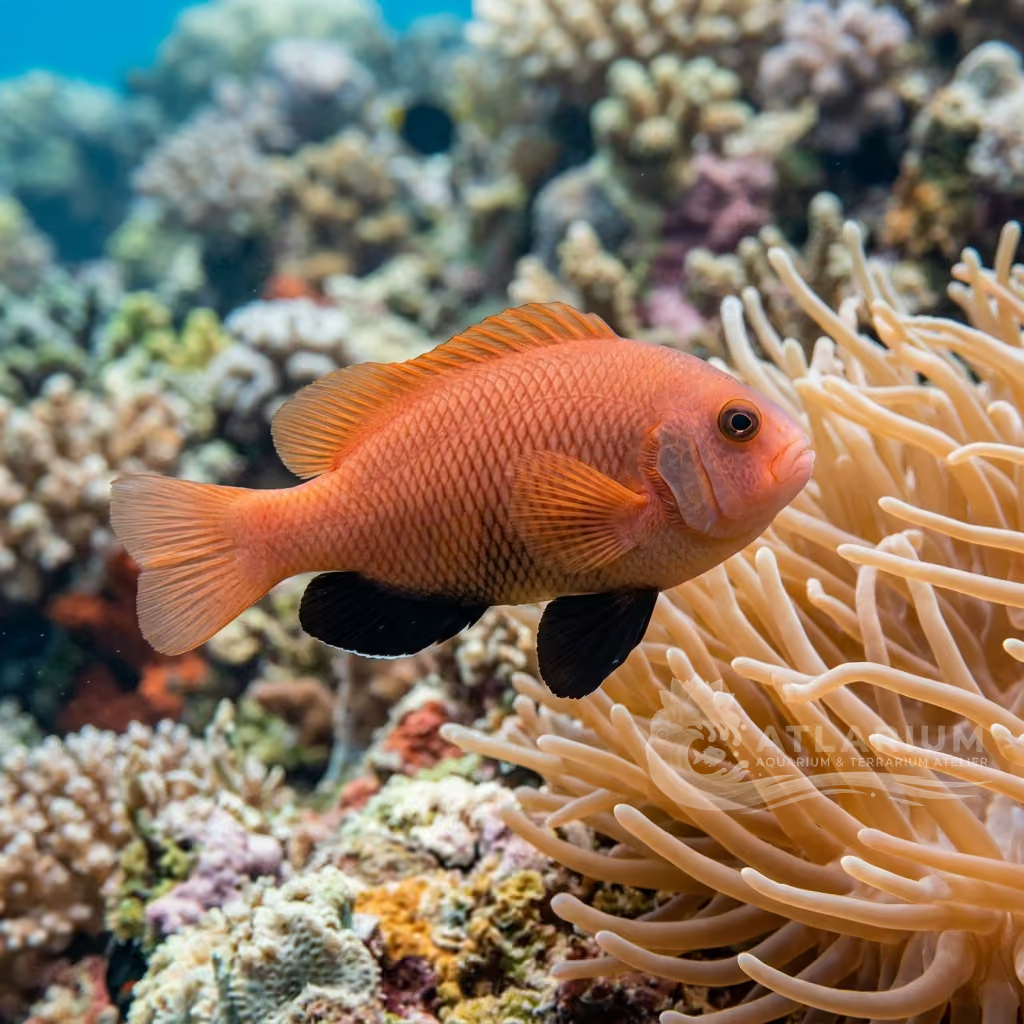
Social Behavior: Highly territorial and hierarchical. They live in small groups within the host anemone, dominated by a single large breeding female, followed by a smaller active breeding male and several non-breeding subadults that remain sexually immature.
Coloration and Sexual Dimorphism: Bright yellow-orange to golden-brown background color. It features two vertical white bands outlined in black (one behind the eye, the second across the mid-body). Protandrous hermaphrodite: all are born male, and the dominant male transitions to female if she dies.

Cuidado, criação e companheiros de tanque
Aquarium Setup: Requires a marine aquarium of at least 150 liters (40 gallons) for a pair. Live rock is highly recommended to provide caves. A host anemone is ideal but not strictly necessary, as they will readily host in long-polyp stony (LPS) corals or soft corals.
Diet and Feeding: Omnivorous and opportunistic feeder. In captivity, they eagerly accept high-quality dry pellets or flakes, supplemented with frozen foods such as brine shrimp, mysis, chopped krill, and small pieces of fresh shrimp or clams.
Water Quality: Requires stable marine parameters: temperature 24-27°C (75-81°F), pH 8.1-8.4, specific gravity (salinity) 1.022-1.025. Keep nitrate and phosphate levels low with a quality protein skimmer and moderate to strong water flow.
Compatibility and Cohabitation: Highly compatible with most peaceful reef fish. However, they can show intense defensive aggression toward any tankmates that wander too close to their host anemone or nesting site. Avoid housing with large, predatory fish.
Aquarium Breeding: One of the most frequently bred marine species. The established pair spawns on a clean, flat surface near the base of the anemone. The male assumes all parental duties, fanning and guarding the eggs until they hatch in 7 to 10 days.
Risks and Diseases: Susceptible to Brooklynella (clownfish disease), marine velvet (Oodinium), and bacterial infections if water quality deteriorates. Quarantining wild-caught specimens is crucial to avoid introducing pathogens into the main display tank.

Origem e distribuição geográfica
Native to the Red Sea, the Gulf of Aden, and the western Indian Ocean. It inhabits tropical coral reefs at depths down to 30 meters, living in a mutualistic relationship with several sea anemone species, most notably Entacmaea quadricolor, Heteractis crispa, and Heteractis aurora.
Origem
Oceanos tropicais e recifesSul e Sudeste Asiático

Perfil de peixe
- Temperamento
- Aggressive
- Amphiprion bicinctus is known to be one of the more territorial and assertive clownfish species, especially as they mature. Once they establish a nesting site or host anemone, they will aggressively defend it against any intruders, including hands during maintenance. They can become domineering towards passive tankmates, meaning they are best housed with other robust and active reef species.
- Dieta
- Omnivore
- In the wild, this species feeds on zooplankton, copepods, and benthic algae. In a home aquarium, they are opportunistic omnivores that accept a wide range of foods, including high-quality marine flakes, pellets, and frozen fares like mysis shrimp, brine shrimp, and krill. Incorporating spirulina or other algae-based foods into their diet is essential to replicate their natural intake and maintain vibrant coloration.
- Expectativa de vida
- 10-15 years
- Tamanho adulto
- 14 cm
- Proporção sexual
- 1:1 ratio
- This species is a protandrous hermaphrodite, where all individuals are born male and the dominant member of a group changes sex to become the breeding female. In captivity, they are best kept as a single mated pair (1:1 ratio) rather than in larger groups to prevent severe intraspecific aggression. Attempting to keep multiple adult pairs in the same aquarium is highly discouraged unless the tank is exceptionally large with multiple host anemones.
- Frequência de alimentação
- Twice daily
- To maintain their high energy levels and healthy immune systems, adult individuals should be fed once or twice daily. Juvenile specimens require more frequent feedings, ideally three to four times a day, to support their rapid growth. Feeding in smaller portions that are consumed within a few minutes helps prevent uneaten food from decaying and degrading the water quality.
- Carga biológica
- Low to Medium
- Amphiprion bicinctus is a relatively large anemonefish that can reach up to 14 cm in length, resulting in a moderate biological load for a reef aquarium. To maintain low nutrient levels, a robust filtration system, including a protein skimmer, is highly recommended. Regular water changes and a properly sized aquarium of at least 200 liters will prevent waste accumulation and ensure optimal water quality.
- Fluxo
- Moderate
- Amphiprion bicinctus prefers moderate water flow, which mimics the shallow coral reef slopes of the Red Sea. While they are capable swimmers that can handle stronger currents, excessively turbulent flow can stress them and force them to hide. Providing areas of both moderate circulation and lower flow refuges near their host anemone creates a comfortable habitat where they can rest.
- Risco de salto
- Yes
- While clownfish are not notorious jumpers compared to wrasses or firefish, Amphiprion bicinctus can still jump out of the aquarium if startled, chased, or stressed. Sudden lighting changes or aggression from larger tankmates can provoke this escape response. Therefore, a secure, tight-fitting lid or a mesh cover is highly recommended to protect these fish from jumping to their death.
- Reprodução
- Oviparous
- Breeding this species in captivity is highly possible and follows typical clownfish patterns. A bonded pair will clear a flat rock surface near their host anemone to deposit hundreds of adhesive eggs, which the male then aggressively guards and fans for about a week. Raising the fry is the most challenging phase, requiring a separate larval rearing tank and a steady supply of live rotifers followed by baby brine shrimp.
- Compatibilidade e companheiros de tanque
- Territorial
- Amphiprion bicinctus is highly compatible with a wide range of popular reef inhabitants such as tangs, wrasses, and large damselfish. However, due to their territorial nature, they should not be housed with passive fish like firefish or small gobies unless the aquarium is very spacious. They are incompatible with other clownfish species in the same tank, as this will inevitably lead to territorial skirmishes and physical harm.
- Nível do tanque
- Middle/Bottom
- In an aquarium, Amphiprion bicinctus primarily occupies the bottom to middle zones, centering its activity around its host anemone or chosen territory. If an anemone is not present, they will adopt a specific coral, rock structure, or even a corner of the tank as their home base. They rarely venture far from this designated territory, though they will swim briefly to the upper water column during feeding times.

Modelos e parâmetros científicos
FishBase
Acesso aos dados científicos oficiais da espécie
FishBase v25.04Dados sincronizados em: 15/06/2026
- Nível trófico
- 2,7 ± 0,3 se
- Resiliência
- Alta (menos de 15 meses)
- Unicidade filogenética (PD50)
- 0.5
- Relação bayesiana comprimento-peso
- a = 0.02344, b = 2.98
- VulnerabilidadeVulnerabilidade baixa (10 / 100)

Espécies relacionadas
Recomendações agrupadas por parentes próximos, escolhas de acompanhantes e cuidados semelhantes.