McCulloch's Clownfish
Amphiprion mccullochi
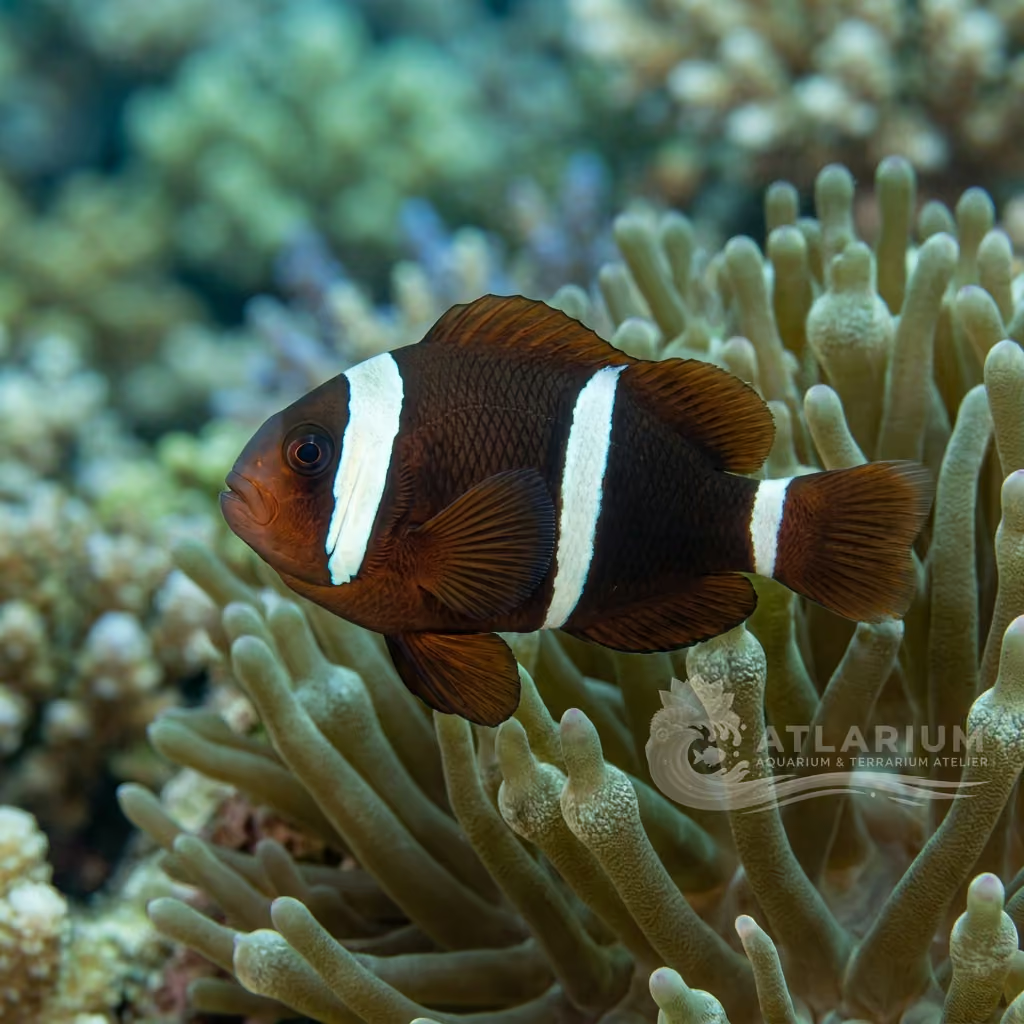
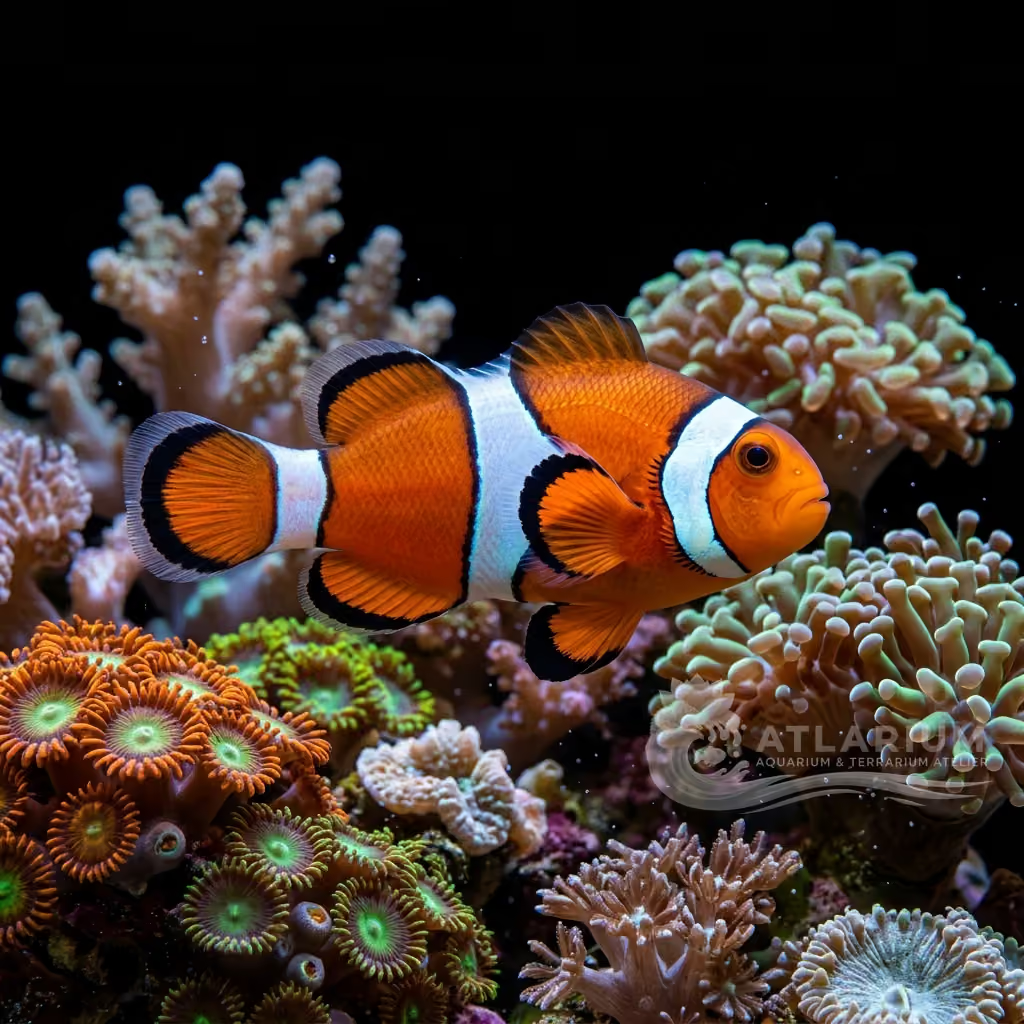
A rare subtropical clownfish from Lord Howe Island, identified by its dark brown body, pale snout, and single white bar. Highly aggressive, it requires cooler waters to thrive in home aquariums.
Temperatura da água
20 - 24 °C
Valor de pH
8.1 - 8.4
Tipo de água
Marinho
Nível do tanque
Meio
Tamanho adulto
12 cm
Volume mínimo do tanque
>= 200 L
Grupo mínimo
>= 2

Descrição da espécie
Geographical Origin and Habitat: Endemic to the subtropical waters around Lord Howe Island and nearby Middleton Reef in Eastern Australia. Inhabits shallow lagoons and rocky reefs at depths of 2 to 15 meters.
Taxonomy and Morphology: Member of the family Pomacentridae. Features a robust, oval body shape. Reaches a maximum length of 12 cm. Anatomically adapted to temperate and subtropical reef zones.
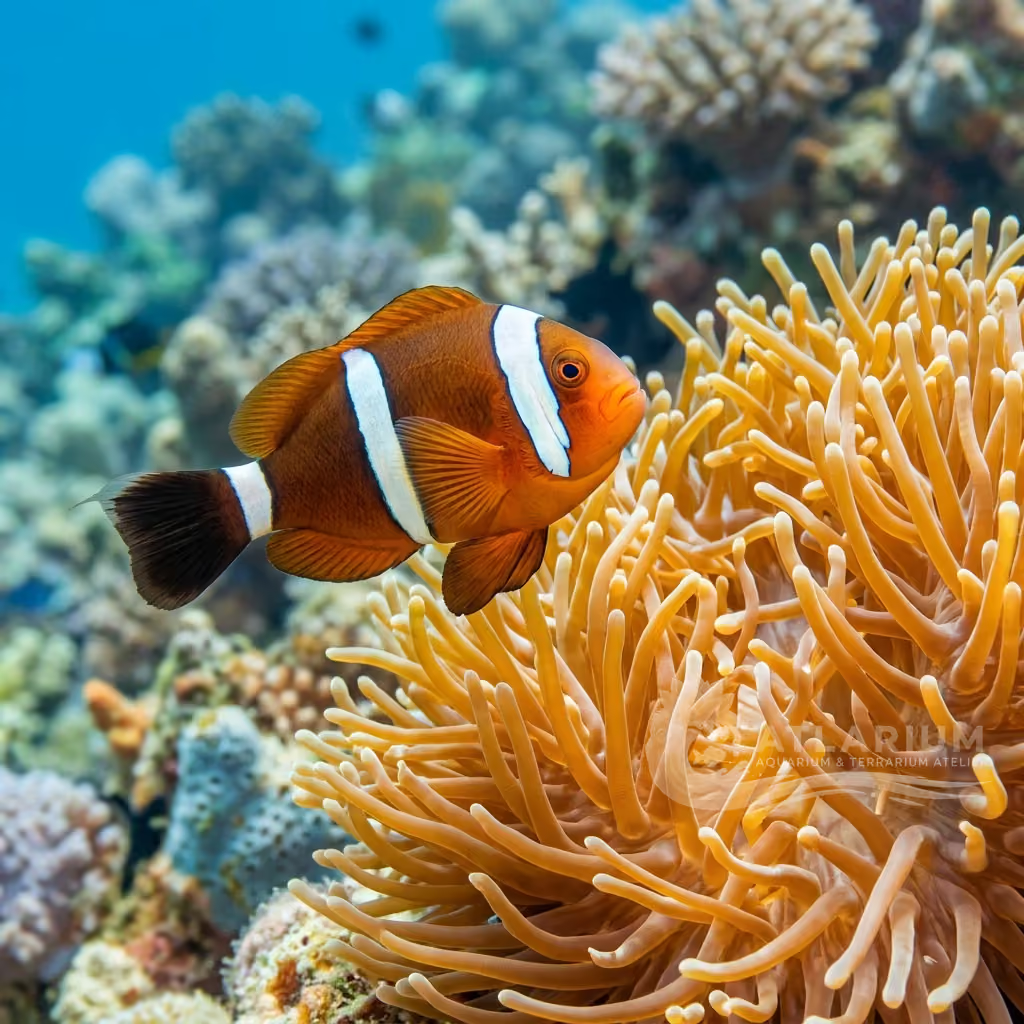
Social Behavior: Displays highly territorial behavior. Strongly associated with the Bulb-Tip Anemone (Entacmaea quadricolor) in cooler waters. Can be aggressive toward other fishes.
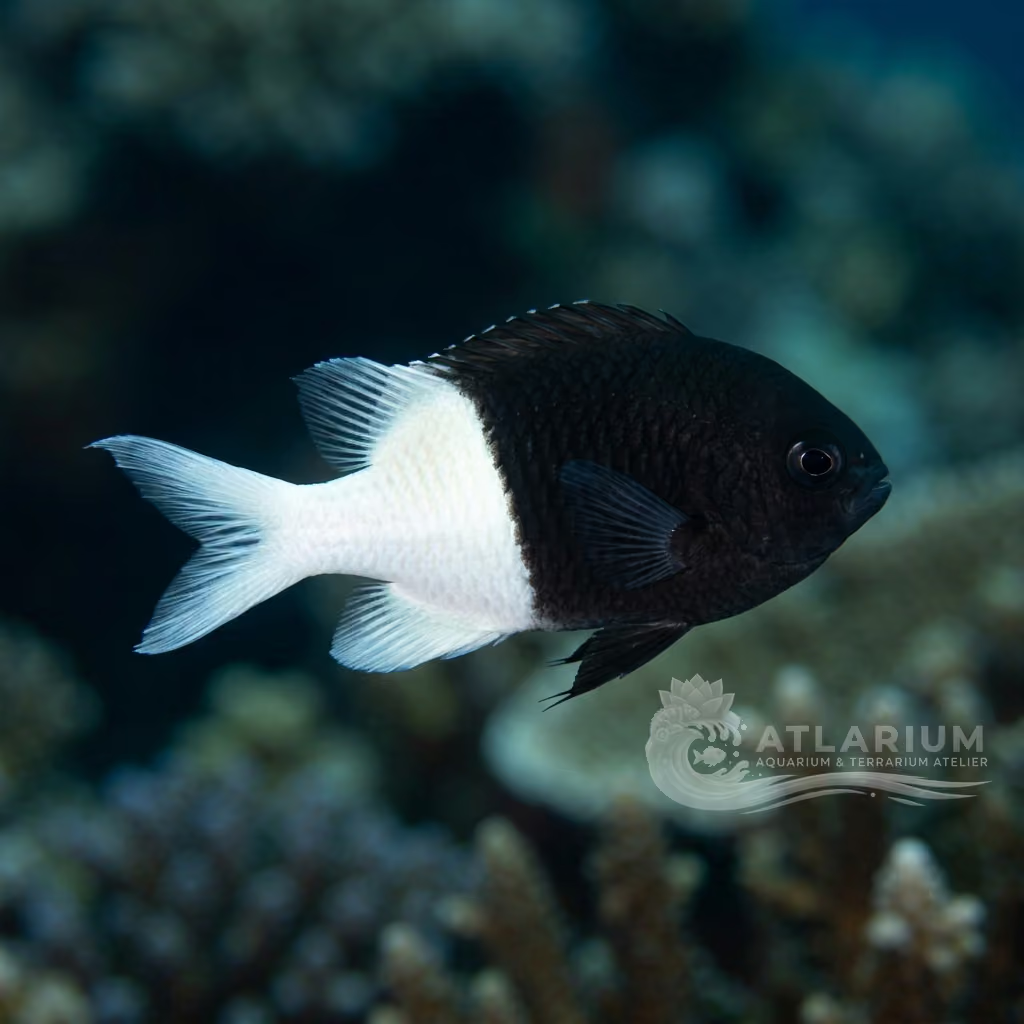
Coloration and Sexual Dimorphism: Body is dark blackish-brown. Snout and tail fin are pale white to light grey. Features a single white vertical band on the gill cover. Females are significantly larger than males.

Cuidado, criação e companheiros de tanque
Aquarium Setup: Requires an aquarium of at least 200 liters with plenty of rockwork. Essential requirement: water temperatures must be kept cool, ideally between 20 and 24 °C.
Diet and Feeding: Omnivorous diet. Feed a variety of foods including mysis, brine shrimp, chopped seafood, high-quality prepared dry foods, and marine algae supplements.
Water Quality: Strictly monitor parameters: cool temperature range (20-24 °C, a chiller may be required), pH 8.1-8.4, and standard marine salinity of 1.020-1.025.
Compatibility and Cohabitation: Best kept as a single pair in a species-specific tank due to high territorial aggression. Any tankmates must be robust, active, and fast-swimming.
Aquarium Breeding: Breeding in captivity is documented but requires strict temperature management. The pair spawns on rock surfaces, and the male cares for the demersal eggs.
Risks and Diseases: High temperatures induce stress and increase susceptibility to marine parasites like Brooklynella and velvet. Maintaining stable, cool water is critical.

Origem e distribuição geográfica
Endemic to the subtropical waters around Lord Howe Island and nearby Middleton Reef in Eastern Australia. Inhabits shallow lagoons and rocky reefs at depths of 2 to 15 meters.
Origem
Oceanos tropicais e recifesAustrália, Nova Guiné e Oceania

Perfil de peixe
- Temperamento
- Active
- While generally peaceful when young, the McCulloch's Anemonefish develops a semi-aggressive and highly territorial temperament as it matures. The female, in particular, will vigorously defend her mate, anemone, and eggs against any perceived threats, sometimes even biting the aquarist's hand. This territoriality is confined to a specific area rather than the entire tank. Providing ample space and choosing compatible tank mates minimizes potential conflicts.
- Dieta
- Omnivore
- The McCulloch's Anemonefish is an omnivore that requires a varied diet to thrive and maintain its vibrant colors. In the wild, they feed on zooplankton, copepods, and various types of algae. In the home aquarium, they eagerly accept high-quality marine flakes, pellets, and frozen foods like mysis and brine shrimp. Supplementing their diet with spirulina or other algae-based foods is highly beneficial for their overall health.
- Expectativa de vida
- 15-20 years
- Tamanho adulto
- 12 cm
- Proporção sexual
- Pair
- A pair of Amphiprion mccullochi consists of a larger, dominant female and a smaller male. If a group of juveniles is introduced to an aquarium, the largest and most dominant individual will become the female, while the next in line becomes the breeding male. The remaining fish will stay as sexually immature males, often relegated to the outskirts of the territory. It is highly recommended to keep them individually or in bonded pairs to avoid severe aggression.
- Frequência de alimentação
- Twice daily
- To mimic their natural foraging habits, it is best to feed the McCulloch's Anemonefish small amounts of food 1 to 2 times a day. Overfeeding should be avoided to prevent uneaten food from degrading water quality. They are generally enthusiastic eaters and will quickly swim to the surface during feeding time. Target feeding their host anemone is also an important practice to ensure both fish and host are nourished.
- Carga biológica
- Medium
- The McCulloch's Anemonefish (Amphiprion mccullochi) has a moderate bioload that is easily managed in most standard marine aquariums. While not overly messy eaters, they do consume hearty meals and produce a proportional amount of waste. A properly sized protein skimmer and regular mechanical filtration maintenance will keep water parameters in check. Consistent bi-weekly water changes are recommended to dilute dissolved organics.
- Fluxo
- Moderate
- Amphiprion mccullochi adapts well to a variety of flow conditions, but generally prefers moderate water movement. In the wild, they rely on the flow to bring planktonic food to their host anemone. While they can handle stronger currents, they need slower-moving areas to rest, usually within the tentacles of their host. Providing a mix of flow zones ensures they can swim actively and retreat when needed.
- Risco de salto
- No
- Reprodução
- Oviparous
- The McCulloch's Anemonefish is a protandrous hermaphrodite, meaning all individuals are born male and the most dominant fish transitions into a female. They are substrate spawners, laying hundreds of eggs on a flat surface near their host anemone. The male meticulously cleans the spawning site, fertilizes the eggs, and aggressively defends the nest until they hatch. Captive breeding is very common and forms the backbone of the marine ornamental aquaculture industry.
- Compatibilidade e companheiros de tanque
- Aggressive
- This species is generally reef-safe and can be kept with a wide variety of peaceful to semi-aggressive tank mates. However, once paired and established, they become fiercely territorial around their chosen host anemone or territory. They may aggressively chase away fish that venture too close to their home. It is best to avoid housing them with highly aggressive predators or other clownfish species.
- Nível do tanque
- Middle
- The McCulloch's Anemonefish typically occupies the middle to lower levels of the aquarium, closely associating with its host anemone or chosen territory. It rarely strays far from its home base, preferring to stay within a protective radius. While it will swim to the surface to feed, it immediately returns to its secure location. Their strong site fidelity makes them an excellent focal point in a reef tank.

Modelos e parâmetros científicos
FishBase
Acesso aos dados científicos oficiais da espécie
FishBase v25.04Dados sincronizados em: 15/06/2026
- Nível trófico
- 2,7 ± 0,31 se
- Resiliência
- Alta (menos de 15 meses)
- Unicidade filogenética (PD50)
- 0.5
- Relação bayesiana comprimento-peso
- a = 0.02344, b = 2.98
- VulnerabilidadeVulnerabilidade baixa (10 / 100)

Espécies relacionadas
Recomendações agrupadas por parentes próximos, escolhas de acompanhantes e cuidados semelhantes.