Jewel Damselfish
Stegastes lacrymatus
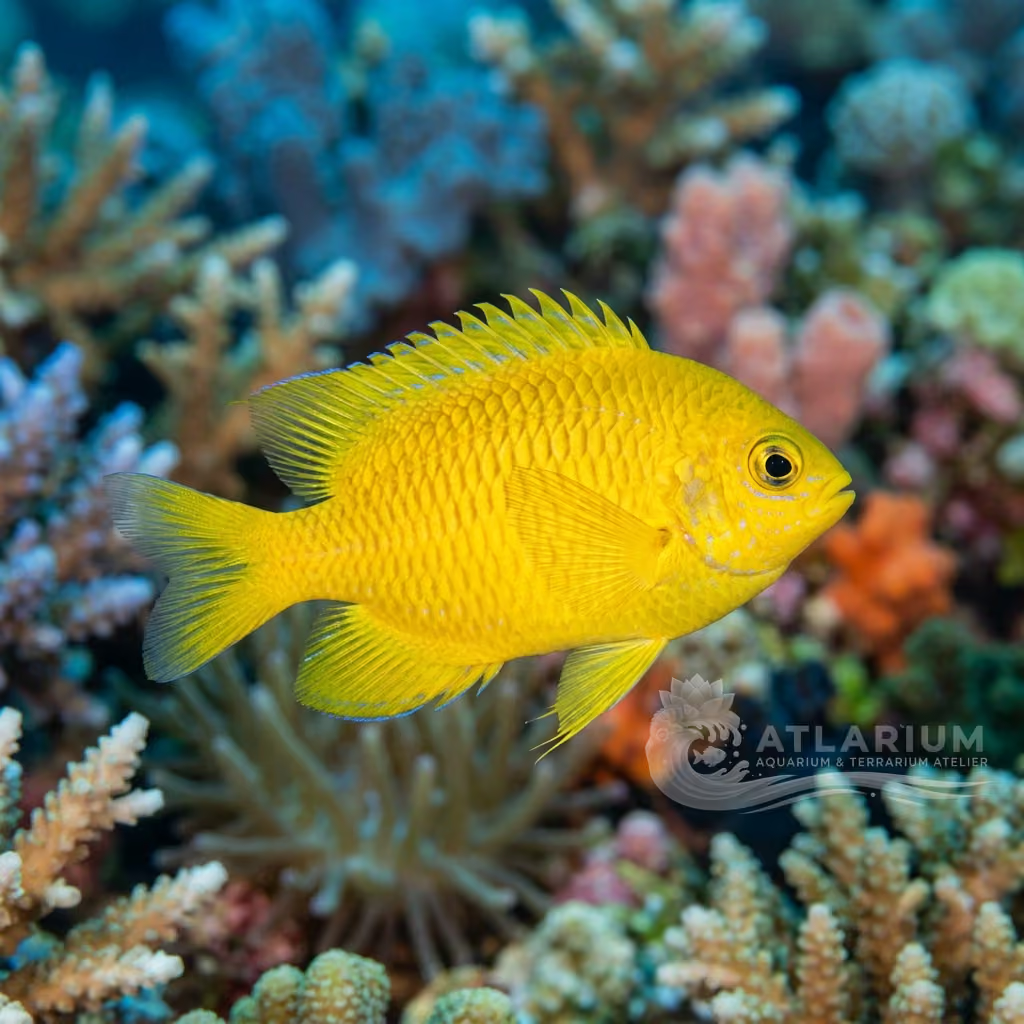
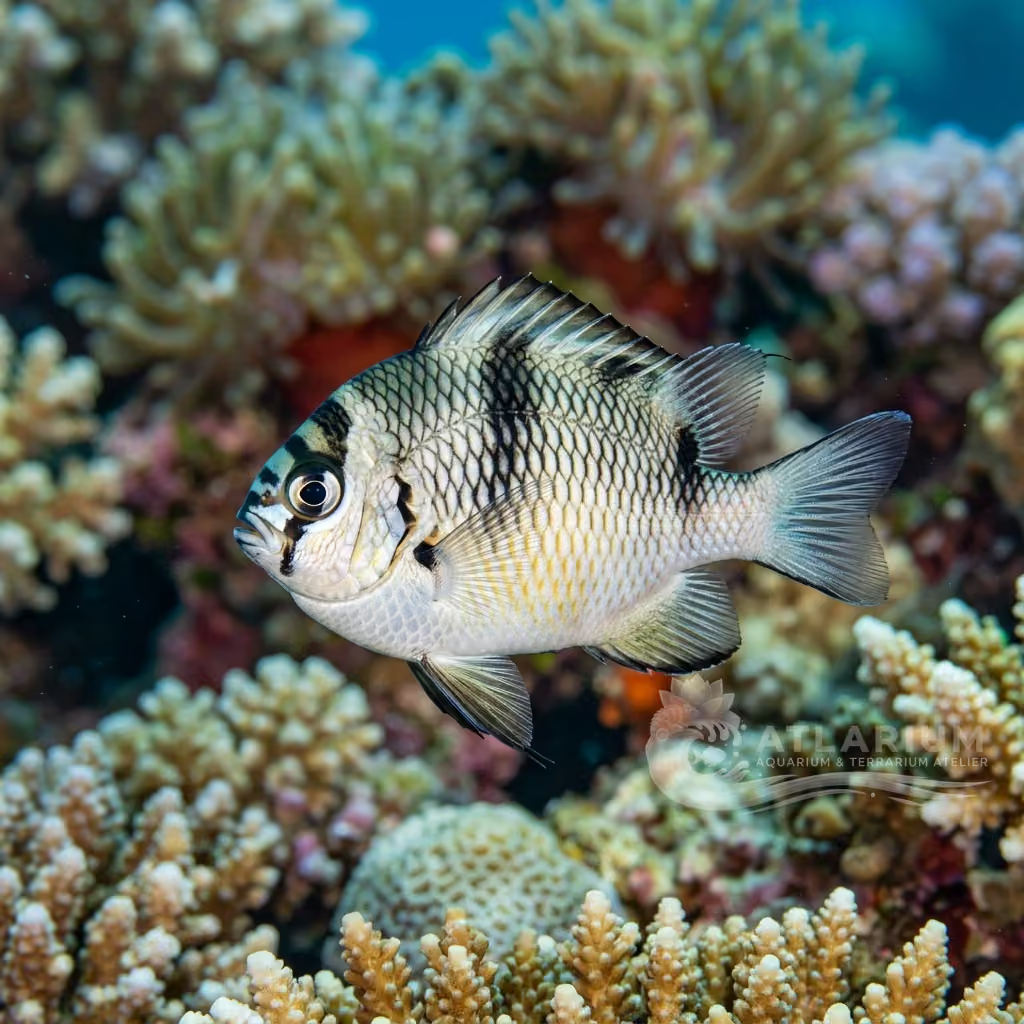
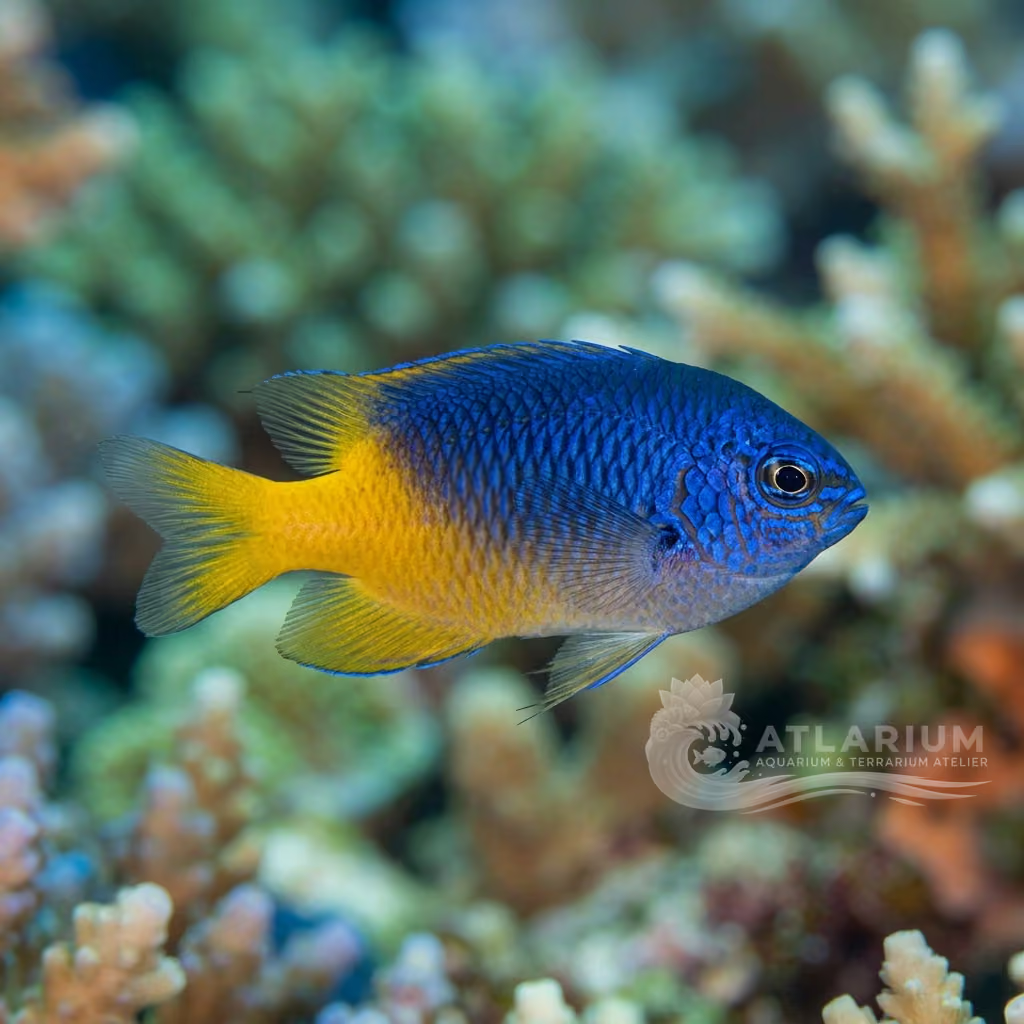
The Jewel Damselfish is a robust, highly territorial marine fish recognized by its chocolate-brown body speckled with glittering neon-blue spots. Demands ample rockwork for defense.
Temperatura da água
22 - 29 °C
Valor de pH
8 - 8.5
Tipo de água
Marinho
Nível do tanque
Parte inferior e intermediária
Tamanho adulto
10 cm
Volume mínimo do tanque
>= 200 L
Grupo mínimo
>= 1
KH
8 - 12 dKH

Descrição da espécie
Geographical Origin and Habitat: Widespread throughout the tropical Indo-Pacific region, spanning from the Red Sea and East Africa to the Line Islands, north to southern Japan, and south to Australia. It commonly inhabits shallow lagoons, inner reef flats, and seaward reefs at depths ranging from 1 to 40 meters, typically sheltering within branching Acropora corals.
Taxonomy and Morphology: A member of the family Pomacentridae. It possesses a compact, oval, and laterally compressed body with a small terminal mouth. It reaches a maximum adult size of approximately 10 cm. Its robust build is perfectly adapted for darting through tight spaces within coral colonies.
Social Behavior: Highly territorial and aggressive, particularly towards members of its own species or other fish with similar shapes or feeding habits. It establishes and vigorously defends a small territory centered around a shelter site, which also serves as its personal algae-grazing patch.
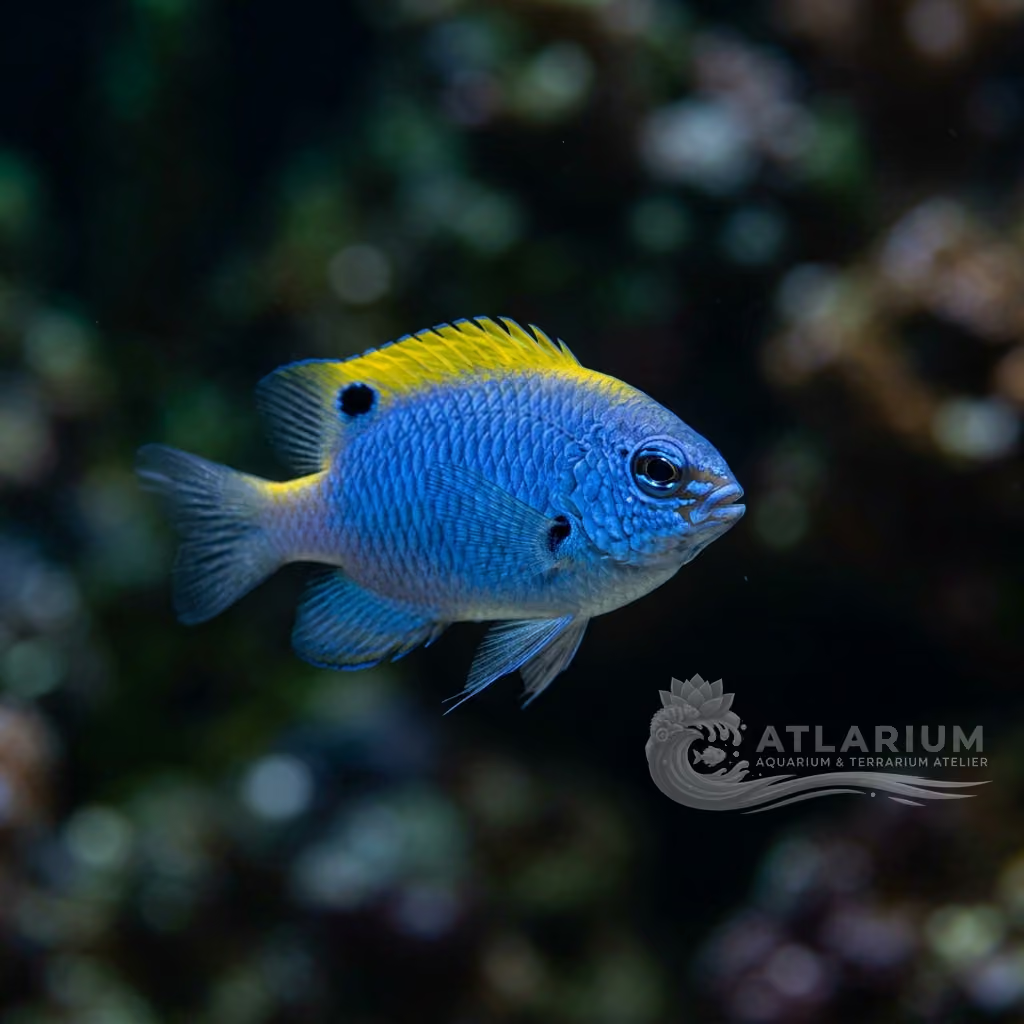
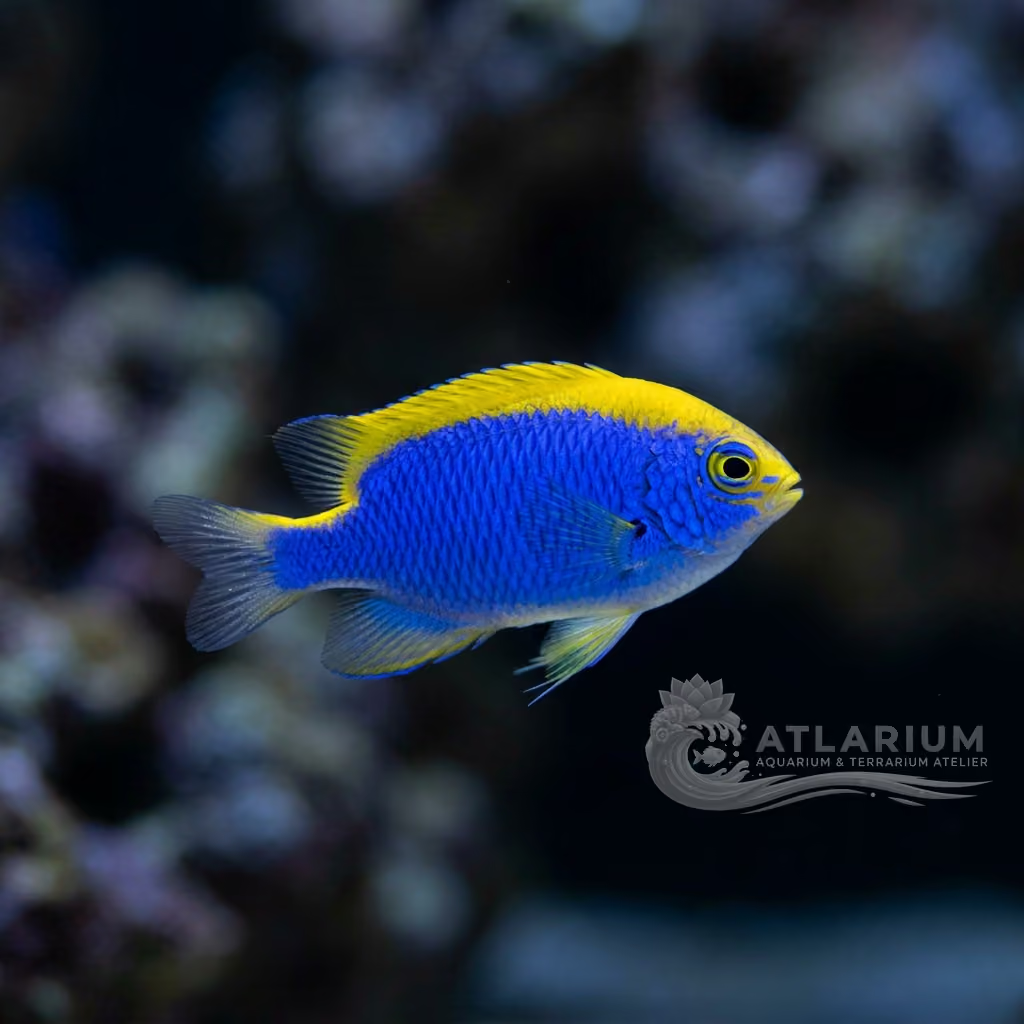
Coloration and Sexual Dimorphism: Features a dark brown to nearly black body background, adorned with brilliant, iridescent light-blue dots that resemble tiny jewels. These spots are more vivid in juveniles. The caudal fin is sometimes lighter or yellowish. No visible external sexual dimorphism is present.

Cuidado, criação e companheiros de tanque
Aquarium Setup: A minimum aquarium size of 150-200 liters is recommended for a single specimen due to its territorial nature. Arrange live rock to create numerous caves, crevices, and visual barriers to allow it to establish a defined territory without constantly seeing its tankmates.
Diet and Feeding: Omnivorous, feeding on benthic algae, organic detritus, and small invertebrates. In captivity, it is an eager eater, accepting high-quality dry flakes and pellets, spirulina, and frozen foods like mysis shrimp, brine shrimp, and chopped krill.
Water Quality: Requires clean, well-oxygenated water with a stable temperature between 24°C and 28°C, pH of 8.1 to 8.4, and a specific gravity of 1.020 to 1.025. Standard marine filtration, including a protein skimmer, is necessary to maintain low nitrate levels.
Compatibility and Cohabitation: Best kept as a single specimen in a community tank with larger, active, and semi-aggressive species. Suitable tankmates include surgeonfish, wrasses, dwarf angels, and larger dottybacks. Avoid peaceful, slow-moving, or passive fish, as the damselfish will bully them.
Aquarium Breeding: Oviparous. During spawning, the male courts the female into his territory, where she deposits adhesive eggs on a cleared rock surface. The male then fertilizes the eggs and assumes sole responsibility for guarding and fanning them, exhibiting high aggressiveness during this phase.
Risks and Diseases: Very hardy and highly resistant to common marine diseases such as Marine Ich (Cryptocaryon) and Marine Velvet (Oodinium). However, injury from fights with aggressive tankmates can lead to secondary bacterial or fungal infections of the skin and fins.

Origem e distribuição geográfica
Widespread throughout the tropical Indo-Pacific region, spanning from the Red Sea and East Africa to the Line Islands, north to southern Japan, and south to Australia. It commonly inhabits shallow lagoons, inner reef flats, and seaward reefs at depths ranging from 1 to 40 meters, typically sheltering within branching Acropora corals.
Origem
Oceanos tropicais e recifesÁfrica e MadagascarLeste AsiáticoAustrália, Nova Guiné e Oceania

Perfil de peixe
- Temperamento
- Aggressive
- Plectroglyphidodon lacrymatus has a bold, pugnacious, and highly territorial temperament. While beautiful as juveniles, their aggression increases significantly as they grow into adults. They are not intimidated by larger fish and will stand their ground. Careful planning of tankmates is required to ensure a harmonious community.
- Dieta
- Omnivore
- They are omnivores that feed on benthic algae, small crustaceans, and zooplankton in the wild. In captivity, they eagerly accept a wide range of foods including high-quality marine flakes, pellets, and frozen foods. Providing a diet rich in both meaty items and spirulina helps maintain their vivid coloration. They are aggressive eaters that rarely refuse a meal.
- Expectativa de vida
- 5-10 years
- Tamanho adulto
- 10 cm
- Proporção sexual
- Solitary
- Males and females look practically identical, making visual sexing very difficult. During spawning, males may exhibit slightly intensified coloration and highly territorial behavior. It is usually best to keep them singly unless you are intentionally trying to form a bonded pair. Keeping a group often results in the dominant individual eliminating the others.
- Frequência de alimentação
- Twice daily
- Feeding them two to three times a day in small amounts is recommended to fuel their active lifestyle. They will quickly dart out to grab food from the water column. Because of their aggressive feeding behavior, ensure that more timid tankmates also receive their share. A varied diet prevents nutritional deficiencies over time.
- Carga biológica
- Low to Medium
- This species has a relatively small bioload, typical of most damselfish species. They are active swimmers and hearty eaters, but their small overall size keeps waste production manageable. A standard marine filtration system with live rock and a protein skimmer easily handles their output. Regular aquarium maintenance will keep the water quality pristine.
- Fluxo
- Strong
- They thrive in moderate to strong water flow that mimics the turbulent reef crests they inhabit. Brisk water movement encourages their natural swimming and foraging behaviors. Strong circulation also helps keep the live rock free of detritus, which benefits the entire reef system. They are agile swimmers completely comfortable in high-flow environments.
- Risco de salto
- No
- Reprodução
- Oviparous
- Damselfish are known to spawn in captivity, and Plectroglyphidodon lacrymatus is no exception. The male will prepare a nesting site on a rock or shell and aggressively defend the eggs once deposited by the female. The eggs hatch into microscopic larvae that join the planktonic water column. Raising the larvae requires specialized setups and microscopic live foods.
- Compatibilidade e companheiros de tanque
- Reef safe
- Like many damselfish, Plectroglyphidodon lacrymatus can be highly territorial and aggressive, especially as they mature. They are considered reef safe and will not harm corals or invertebrates. However, they will fiercely defend their chosen territory against both conspecifics and other peaceful fish. They should be housed with moderately aggressive tankmates or in a sufficiently large tank.
- Nível do tanque
- Middle/Bottom
- They are highly active fish that utilize all levels of the aquarium but will generally establish a specific territory in the mid-to-lower rockwork. They dart in and out of crevices constantly. Providing ample live rock with many hiding places is crucial for their well-being. They will fiercely defend their chosen rock against any intruders.

Modelos e parâmetros científicos
FishBase
Acesso aos dados científicos oficiais da espécie
FishBase v25.04Dados sincronizados em: 15/06/2026
- Nível trófico
- 2,2 ± 0,2 se
- Resiliência
- Alta (menos de 15 meses)
- Unicidade filogenética (PD50)
- 0.5
- Relação bayesiana comprimento-peso
- a = 0.02089, b = 2.98
- VulnerabilidadeVulnerabilidade baixa (10 / 100)

Espécies relacionadas
Recomendações agrupadas por parentes próximos, escolhas de acompanhantes e cuidados semelhantes.