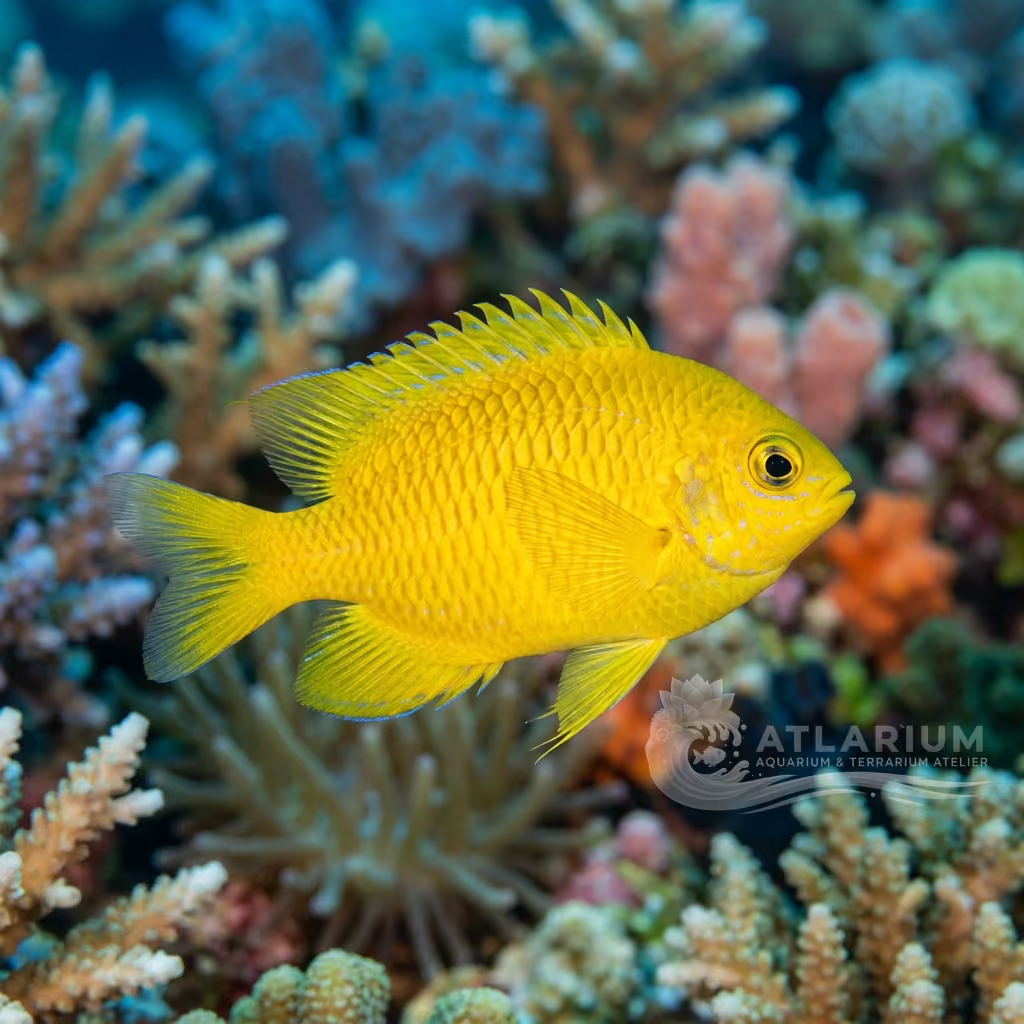
Starck's Damselfish
Chrysiptera starcki
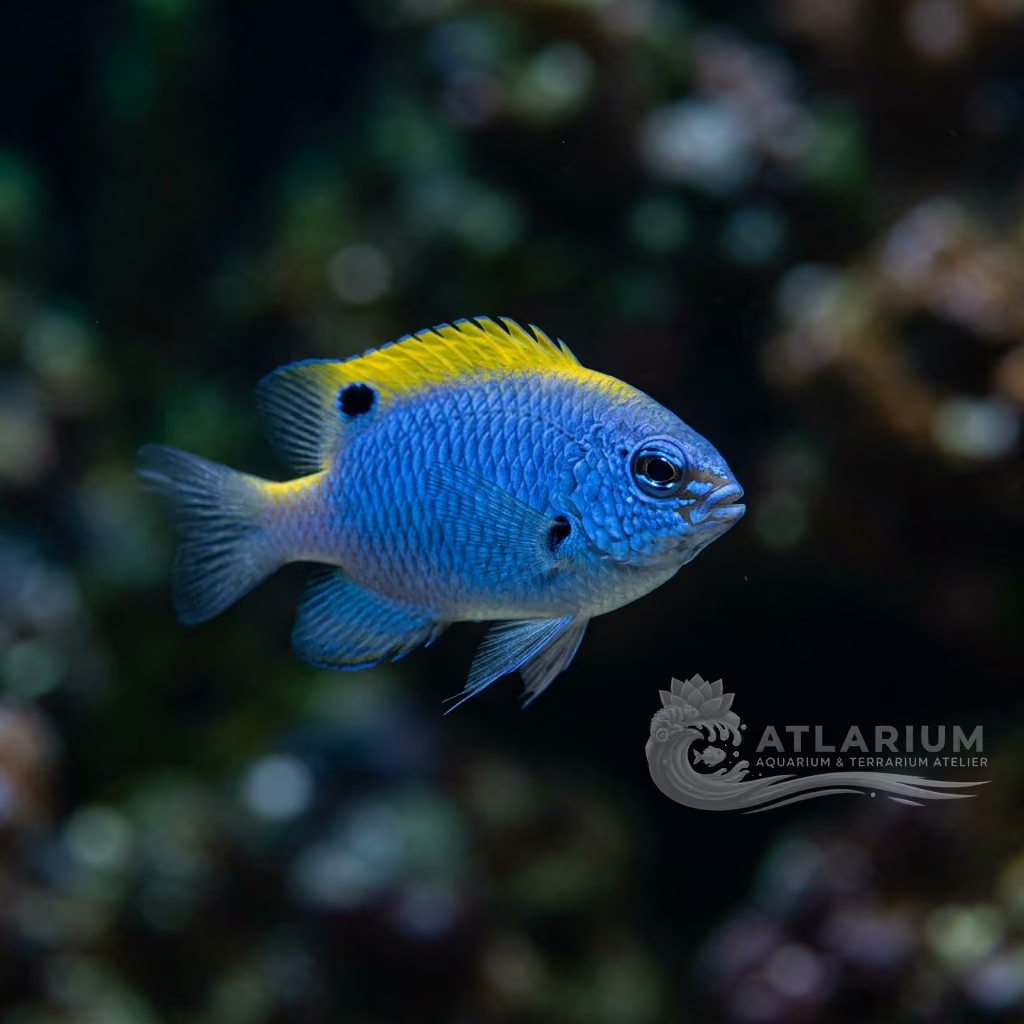
Starck's Damselfish is a striking deep-water fish with a vibrant blue body and bright yellow back. It is semi-aggressive and requires ample rockwork for caves.
Temperatura da água
22 - 26 °C
Valor de pH
8 - 8.5
Tipo de água
Marinho
Nível do tanque
Todos os níveis
Tamanho adulto
7,5 cm
Volume mínimo do tanque
>= 114 L
Grupo mínimo
>= 1
KH
8 - 12 dKH

Descrição da espécie
Geographical Origin and Habitat: Western Pacific: Taiwan, Philippines, Palau, Great Barrier Reef, Coral Sea, and New Caledonia. Inhabits deep outer reef slopes (20-60 meters) with rocky crevices.
Taxonomy and Morphology: Member of the family Pomacentridae. Grows to a maximum length of 7.5 cm. Features a compressed oval body shape.
Social Behavior: Semi-aggressive and territorial. While less aggressive than many damselfishes, it will actively defend its territory, especially from conspecifics.
Coloration and Sexual Dimorphism: Vibrant cobalt-blue body with a broad, bright-yellow band running along the snout, forehead, and back to the tail. Genders are indistinguishable. The pectoral fins are transparent with bluish reflections. Territorial behavior is primarily manifested through rapid display charges toward intruders that approach too close to the rocky crevice chosen as a shelter.

Cuidado, criação e companheiros de tanque
Aquarium Setup: Minimum 114 liters. Provide rockwork with plenty of caves and crevices to mimic its deep rocky drop-off habitat.
Diet and Feeding: Omnivore. Easily fed. Provide a mix of frozen foods (mysis, brine shrimp), quality marine flakes, and spirulina-based preparations.
Water Quality: Keep temperature at 22-26°C, pH 8.0-8.5, and salinity at 1.020-1.025 SG. Stable reef conditions are ideal.
Compatibility and Cohabitation: Safe with corals and mobile invertebrates. May harass small, passive fish or other similarly colored species. Add last to the aquarium.
Aquarium Breeding: Cave spawner. Eggs are deposited on rock walls and guarded by the male. Larval rearing is difficult due to planktonic stage.
Risks and Diseases: Hardy and disease-resistant. Ensure adequate cave space to prevent territorial fights with other reef-dwellers. In case of bacterial or parasitic infections, it responds well to standard treatments in a quarantine tank. Ensure that tankmates are not too timid, as this damselfish might dominate the feeding zones.

Origem e distribuição geográfica
Western Pacific: Taiwan, Philippines, Palau, Great Barrier Reef, Coral Sea, and New Caledonia. Inhabits deep outer reef slopes (20-60 meters) with rocky crevices.
Origem
Oceanos tropicais e recifesSul e Sudeste AsiáticoLeste AsiáticoAustrália, Nova Guiné e Oceania

Perfil de peixe
- Temperamento
- Semi-aggressive
- The temperament of this fish is semi-aggressive, with a marked propensity to patrol and vigorously defend its chosen rocky den. Despite this territoriality, in spacious aquariums with a layout rich in rocks and hiding spots, it coexists well with other inhabitants without causing excessive stress. Its strong personality makes it a very active and visible fish at all levels of the tank.
- Dieta
- Omnivore
- This species is omnivorous and requires a varied diet to satisfy both the protein and plant-based components of its nutrition. In the aquarium, it accepts high-quality commercial pellets and flakes enriched with vitamins, frozen mysis, brine shrimp, and copepods. Periodically supplementing the diet with dried marine algae or spirulina helps maintain its bright colors, particularly the clean and attractive dorsal yellow coloration.
- Expectativa de vida
- 5-7 years
- Tamanho adulto
- 7.5 cm
- Proporção sexual
- Flexible
- Solitary or pairs
- Frequência de alimentação
- Twice daily
- It is recommended to feed this species twice daily with portions suitable for the size of the fish. Providing moderate amounts regularly reduces food competition with other tankmates and supports a correct energy metabolism. Avoiding food excesses is essential to keep marine water quality intact and prevent pollution.
- Carga biológica
- Low to Medium
- Starck's damselfish contributes a relatively modest biological load compared to larger, more aggressive marine species. Their diet mainly consists of small crustaceans, algae, and standard aquarium preparations, leading to a manageable waste output. Aquariums equipped with a good protein skimmer and adequate biological filtration will handle their bioload effortlessly. Because they tend to be slightly more peaceful and less hyperactive than other damselfish, their overall metabolic output remains quite low.
- Fluxo
- Strong
- It shows a preference for moderate to strong water movement, simulating the currents of the deep rocky reefs where it lives in the wild. Efficient filtration and good water circulation ensure a high level of dissolved oxygen, ideal for this damselfish. However, it is recommended to arrange rocks to form protected caves and low-flow zones for resting.
- Risco de salto
- No
- Reprodução
- Oviparous
- This damselfish is a benthic egg-layer, depositing eggs on hard substrates within well-defended rocky caves or cracks. The male assumes the role of exclusive guardian of the eggs, also handling their cleaning and constant aeration until hatching. Due to the very small size of the larvae and their long suspended pelagic stage, aquarium breeding is extremely complex and requires dedicated management with targeted live food.
- Compatibilidade e companheiros de tanque
- Semi-aggressive
- This species is semi-aggressive and displays territoriality primarily toward conspecifics or fish showing similar color patterns and shapes. It is perfectly compatible with corals and most invertebrates, making it suitable for modern community reef aquariums. It is recommended to house it with active and robust fish, avoiding introduction with overly vulnerable or timid species.
- Nível do tanque
- All levels
- This species prefers to inhabit the middle and lower strata of the aquarium, strongly favoring areas with complex rockwork and deep crevices. They are rarely seen swimming freely in the upper, open zones of the water column, choosing instead to hover near their chosen territory. The rockwork provides them with essential security and a place to retreat when intimidated. A well-designed reef structure that offers verticality and hiding spots will perfectly suit their natural hovering behavior.

Modelos e parâmetros científicos
FishBase
Acesso aos dados científicos oficiais da espécie
FishBase v25.04Dados sincronizados em: 15/06/2026
- Nível trófico
- 2,8 ± 0,32 se
- Resiliência
- Alta (menos de 15 meses)
- Unicidade filogenética (PD50)
- 0.5
- Relação bayesiana comprimento-peso
- a = 0.01445, b = 3
- VulnerabilidadeVulnerabilidade baixa (10 / 100)

Espécies relacionadas
Recomendações agrupadas por parentes próximos, escolhas de acompanhantes e cuidados semelhantes.