White-banded Possum Wrasse
Wetmorella albofasciata
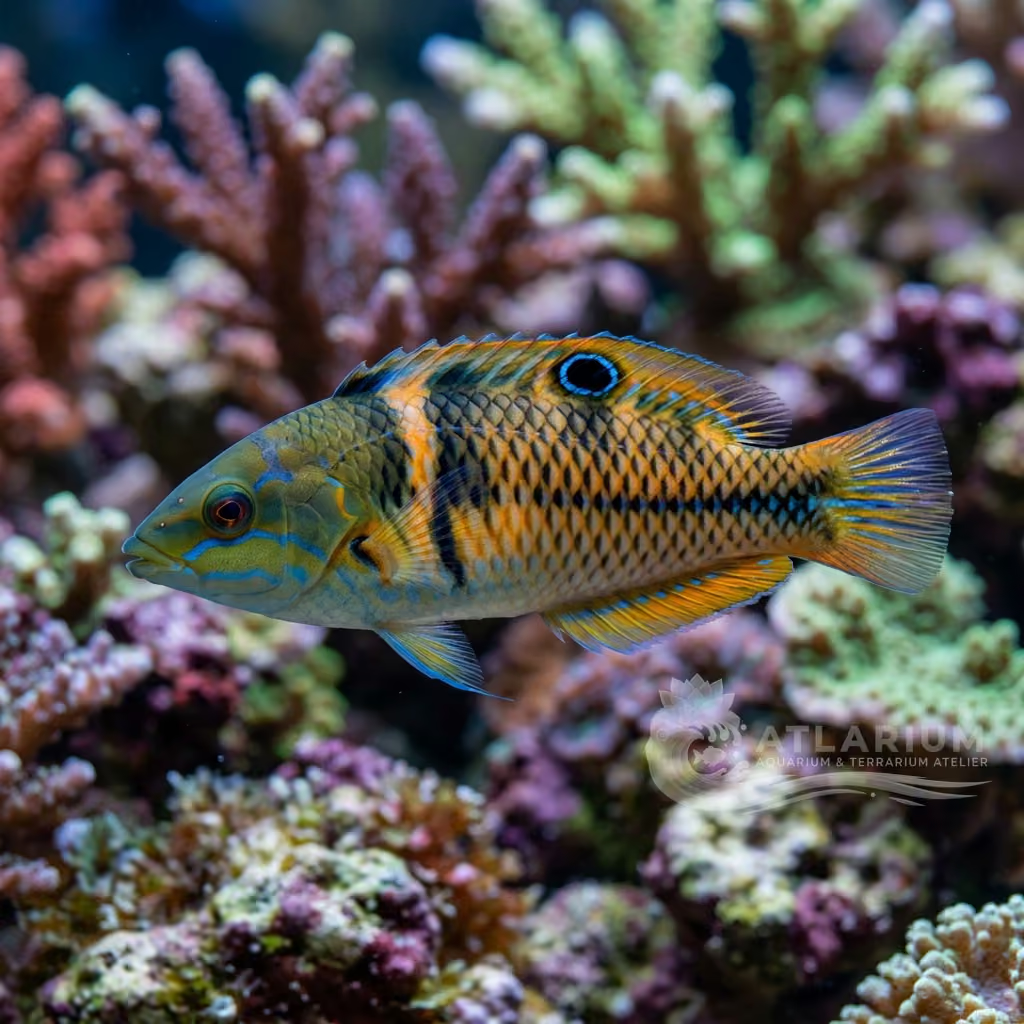
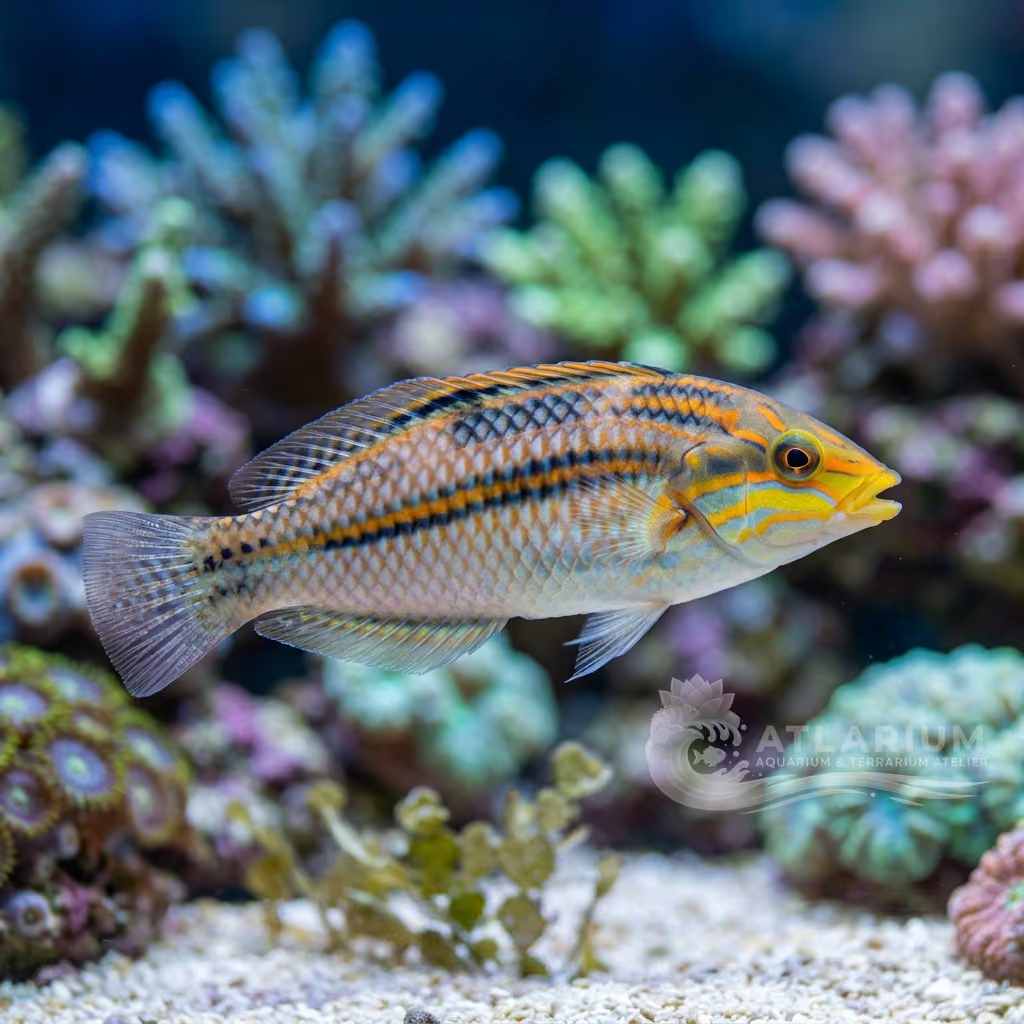
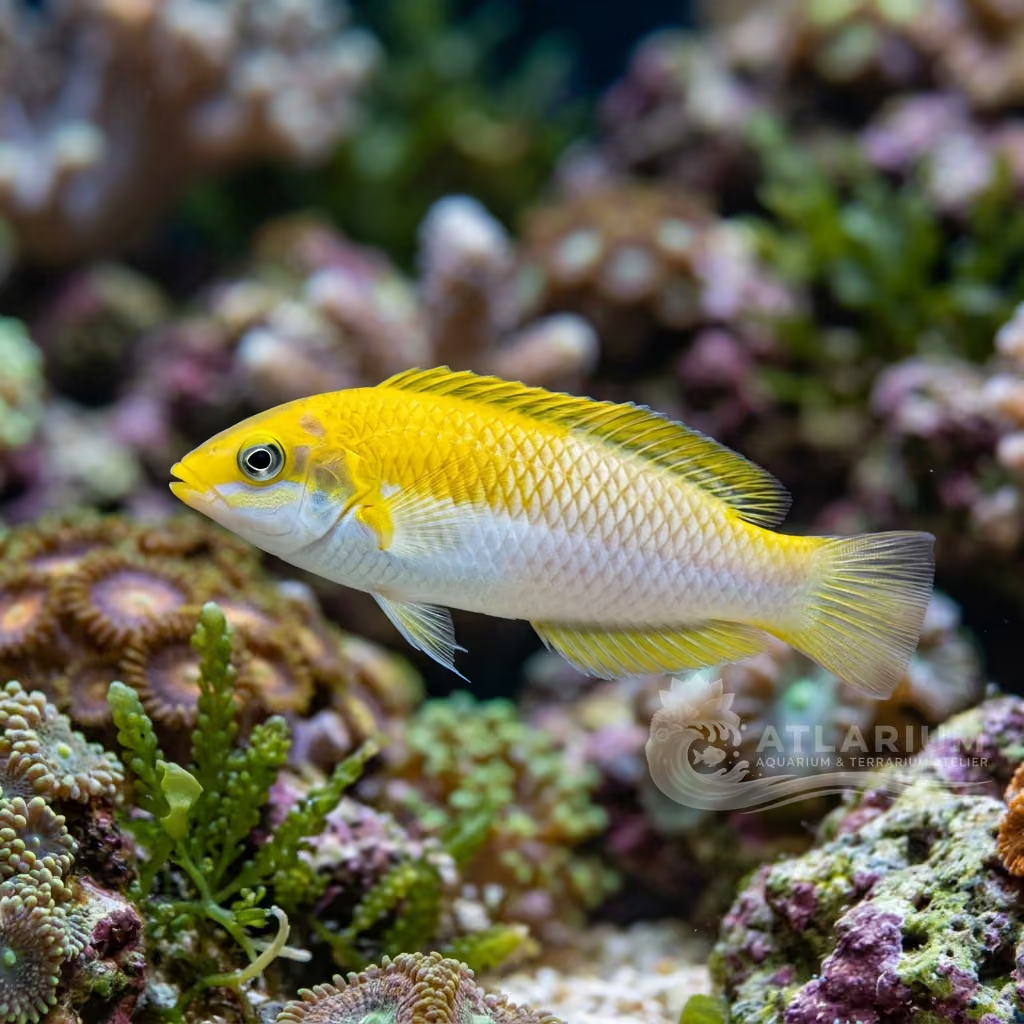
The White-banded Possum Wrasse is a shy, diminutive jewel for nano-reefs. Preferring the shadows of live rock crevices, this cryptic micro-predator boasts an intriguing shape and stark white vertical bands.
Temperatura da água
22 - 26 °C
Valor de pH
8.1 - 8.4
Tipo de água
Marinho
Nível do tanque
Parte inferior e intermediária
Tamanho adulto
6 cm
Volume mínimo do tanque
>= 80 L
Grupo mínimo
>= 1
KH
8 - 12 dKH

Descrição da espécie
Geographical Origin and Habitat: Widespread across the tropical Indo-Pacific, from East Africa and the Red Sea to the Hawaiian and Society islands, north to Japan, and south to Australia. Inhabits steep seaward reefs and lagoons rich in caves and crevices at depths of 8 to 42 meters.
Taxonomy and Morphology: Member of the family Labridae, genus Wetmorella. Body is laterally compressed with a pointed snout and large eyes. Adult size is exceptionally small, reaching a maximum length of only 6 cm.
Social Behavior: Peaceful, secretive, and highly timid. Spends most of the day hovering slowly near rocks or swimming upside down under overhangs. Thrives and becomes active in quiet, stress-free environments.
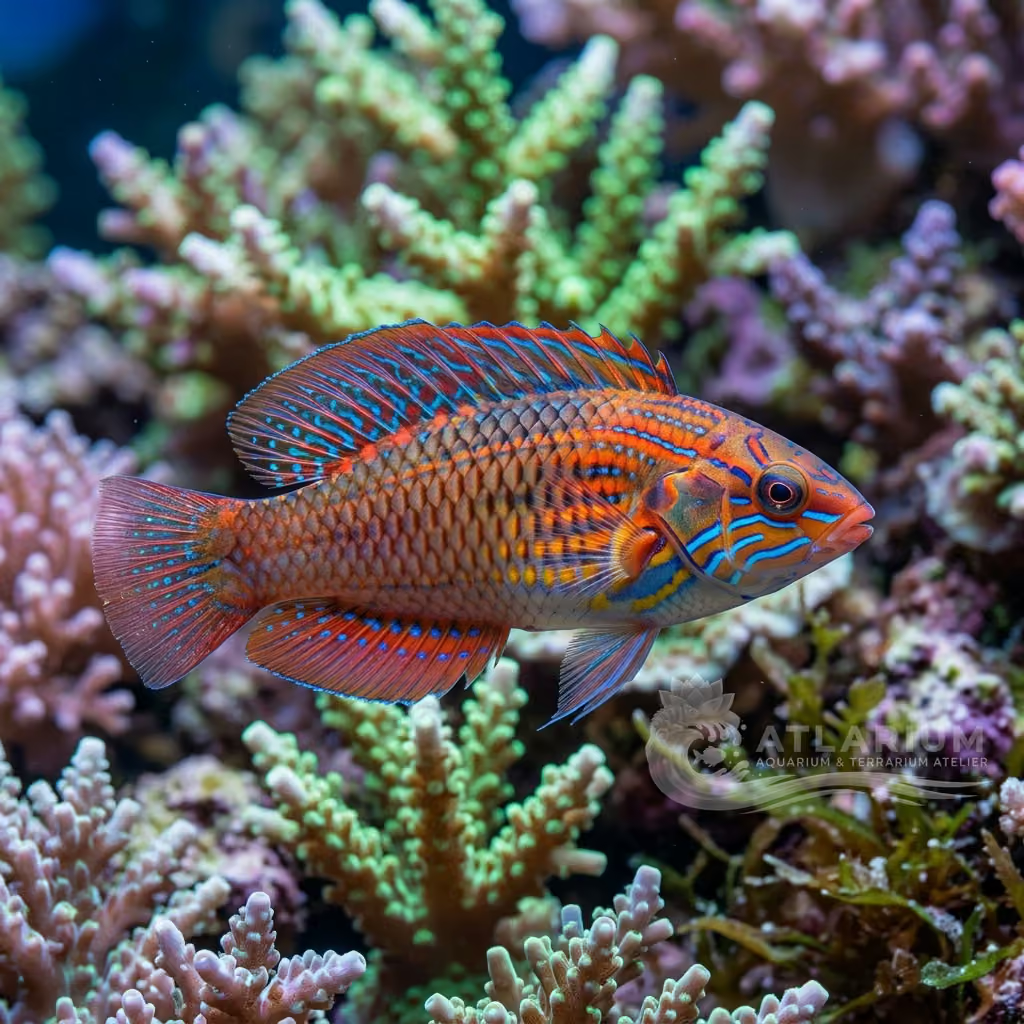
Coloration and Sexual Dimorphism: Reddish-brown or brick-red body adorned with two distinct vertical white bars and black ocelli ringed in yellow on the dorsal and anal fins. No obvious sexual dimorphism exists, though dominant males may be slightly larger.

Cuidado, criação e companheiros de tanque
Aquarium Setup: Perfect for nano-reefs starting from 80 liters. The tank must feature extensive rockwork with multiple caves, overhangs, and dark tunnels. Does not require a sand bed for sleeping, as it nests in rock cavities. A lid is recommended.
Diet and Feeding: Carnivorous. Feeds on small benthic invertebrates. In captivity, feed with small frozen foods like copepods, brine shrimp, and finely chopped mysis. Live foods may be needed initially to encourage feeding.
Water Quality: Stable marine parameters are essential: temperature 22-26°C, pH 8.1-8.4, specific gravity (SG) 1.020-1.025, GH 15-25, KH 8-12. Prefers low to moderate water flow areas within the tank.
Compatibility and Cohabitation: 100% reef safe. Coexists peacefully with other tiny, peaceful tankmates like gobies and pipefishes. Avoid large or aggressive fishes (e.g. surgeonfishes, large damselfishes) which will terrify it and cause starvation.
Aquarium Breeding: Protogynous hermaphrodite. Captive reproduction is undocumented due to its small size and secretive spawning habits.
Risks and Diseases: Starvation due to food competition with fast-moving competitors is the primary threat. Vulnerable to marine ich (Cryptocaryon) if subjected to chronic stress from aggressive tankmates.

Origem e distribuição geográfica
Widespread across the tropical Indo-Pacific, from East Africa and the Red Sea to the Hawaiian and Society islands, north to Japan, and south to Australia. Inhabits steep seaward reefs and lagoons rich in caves and crevices at depths of 8 to 42 meters.
Origem
Oceanos tropicais e recifesÁfrica e MadagascarLeste AsiáticoAustrália, Nova Guiné e Oceania

Perfil de peixe
- Temperamento
- Peaceful
- They are exceedingly shy, timid, and reclusive by nature. It is common for a newly introduced possum wrasse to hide for several days before venturing out. Once comfortable, they exhibit a calm, calculating demeanor as they hunt along the rockwork. They rely on stealth rather than speed, floating at odd angles to remain inconspicuous to predators and prey alike.
- Dieta
- Carnivore
- Possum wrasses are micro-predators that spend their days hunting for tiny crustaceans among the live rock. A mature tank with a thriving population of copepods and amphipods is highly recommended for their long-term success. They will readily accept small meaty foods like frozen cyclops, baby brine shrimp, and crushed flakes. Target feeding may be necessary if they are too shy to compete during broadcast feeding.
- Expectativa de vida
- 3-5 years
- Tamanho adulto
- 6 cm
- Proporção sexual
- Flexible
- They can be kept singly without any issues, which is how they are most commonly maintained. If the tank is large enough with plenty of rockwork, a small harem of one male and multiple females can be attempted. Keeping multiple males together will result in territorial skirmishes. They are protogynous hermaphrodites, meaning females can transition into males if a dominant male is absent.
- Frequência de alimentação
- Twice daily
- Because of their small stomachs and constant foraging behavior, they require multiple small feedings throughout the day. Offering food two to three times daily ensures they receive adequate nutrition. If the aquarium has a very mature microfauna population, feeding frequency can be slightly reduced as they will hunt continuously. Starvation is a common issue if they are not fed frequently enough.
- Carga biológica
- Low
- This extremely small and cryptic wrasse has an exceptionally low bioload. It contributes barely any waste to the system, making it an ideal candidate for nano reefs and smaller setups. Due to its secretive nature and tiny portions of food, biological filtration is rarely taxed. They are highly sensitive to poor water quality, so maintaining pristine conditions is more important than managing their waste.
- Fluxo
- Moderate
- They strongly prefer areas of low to moderate flow where they can easily maneuver without being blown around. Possum wrasses often hover in caves or swim methodically through crevices, which is difficult in high-flow SPS-dominated tanks. Providing sheltered zones with gentle currents is essential for their comfort. Strong direct flow should be avoided.
- Risco de salto
- Yes
- While not as notorious as fairy or flasher wrasses, they still possess the ability to jump if startled or chased. Their small size means they can escape through very tiny gaps in netting or lids. A tightly fitted mesh screen top is a wise precaution to protect your investment. Keep the tank calm to minimize the startle response that triggers jumping.
- Reprodução
- Oviparous
- They are pelagic spawners, releasing eggs and sperm into the water column during brief courtship dances. Breeding them in captivity is exceptionally rare and raising the microscopic larvae is beyond the reach of most hobbyists. Males may display intensified colors and fin flashing during spawning attempts. Captive breeding protocols have yet to be commercialized for this genus.
- Compatibilidade e companheiros de tanque
- Reef safe
- They are incredibly peaceful and easily intimidated, making them excellent community fish for passive tanks. They will not bother corals, invertebrates, or even the smallest of tank mates. However, they must not be housed with aggressive, fast-moving, or boisterous fish that will outcompete them for food or bully them into hiding permanently. Perfect companions include small gobies, pipefish, and dartfish.
- Nível do tanque
- Middle/Bottom
- Possum wrasses are highly cryptic and spend the vast majority of their time in the lower and middle sections of the rockwork. They rarely swim out in the open water column, preferring to weave through caves, overhangs, and coral branches. Their unique hovering swimming style allows them to inspect crevices meticulously. Ample live rock with intricate hiding spaces is absolutely mandatory.

Modelos e parâmetros científicos
FishBase
Acesso aos dados científicos oficiais da espécie
FishBase v25.04Dados sincronizados em: 15/06/2026
- Nível trófico
- 3,3 ± 0,4 se
- Resiliência
- Alta (menos de 15 meses)
- Unicidade filogenética (PD50)
- 0.625
- Relação bayesiana comprimento-peso
- a = 0.02188, b = 2.97
- VulnerabilidadeVulnerabilidade baixa (10 / 100)

Espécies relacionadas
Recomendações agrupadas por parentes próximos, escolhas de acompanhantes e cuidados semelhantes.