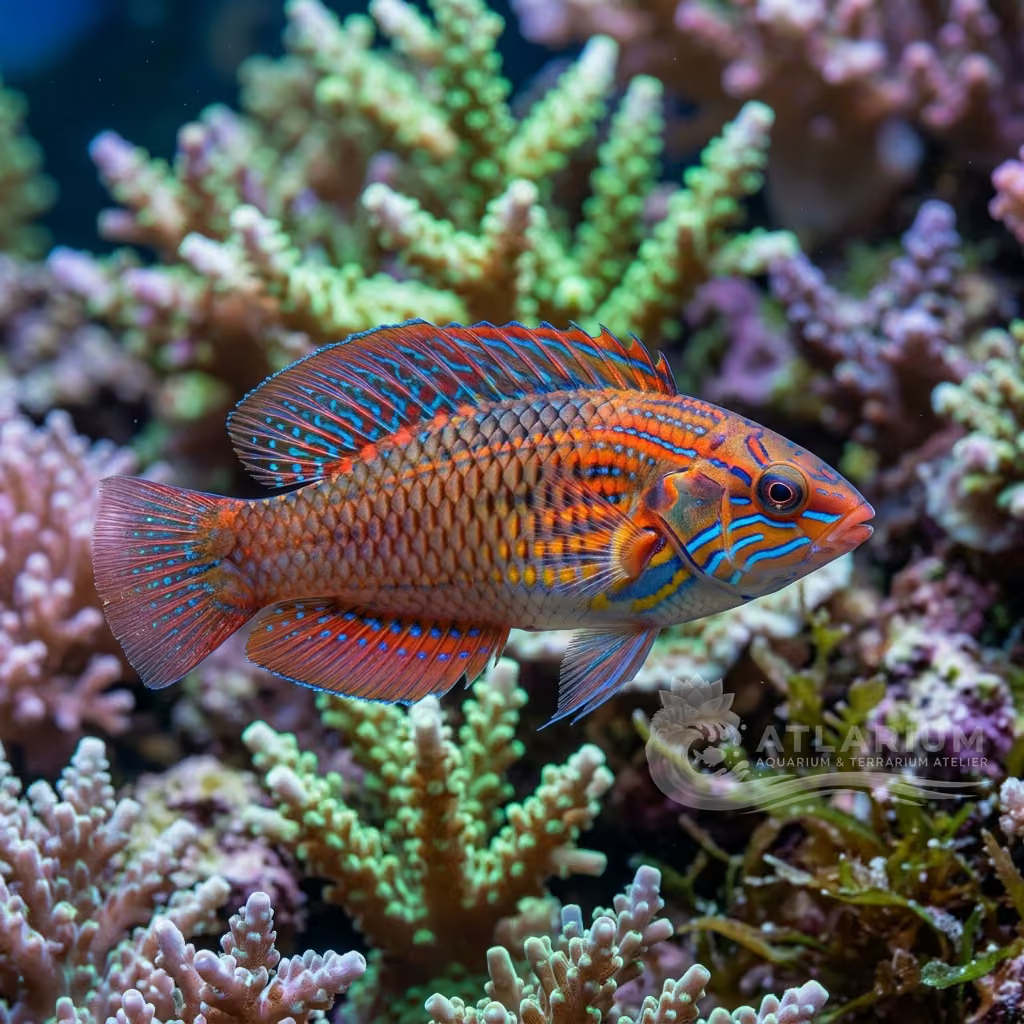
Choat's leopard wrasse
Macropharyngodon choati
Choat's Wrasse is an exquisite Southwestern Pacific marine fish. It requires a highly mature reef tank with a deep, non-abrasive aragonite sand bed, as coarse gravel will cause severe mouth trauma.
Temperatura da água
24 - 27 °C
Valor de pH
8.1 - 8.4
Tipo de água
Marinho
Nível do tanque
Parte inferior e intermediária
Tamanho adulto
8 cm
Volume mínimo do tanque
>= 200 L
Grupo mínimo
>= 1
KH
8 - 12 dKH

Descrição da espécie
Geographical Origin and Habitat: Macropharyngodon choati is native to the subtropical and tropical southwestern Pacific Ocean, primarily recorded along the Great Barrier Reef of Australia, the Coral Sea, and south to Lord Howe Island. It inhabits sandy patches within coral reef lagoons, reef channels, and seaward slopes, typically at depths of 1 to 30 meters.
Taxonomy and Morphology: Belonging to the family Labridae, this species is part of the genus Macropharyngodon, collectively known as leopard wrasses. It has a laterally compressed, moderately deep body. Adults reach a maximum size of approximately 8 to 10 centimeters. They possess specialized pharyngeal teeth to crush the shells of micro-invertebrates.
Social Behavior: It is a peaceful, shy, and gentle fish. In nature, they are encountered singly or in small groups consisting of one dominant male and a few females. A defining behavior of this wrasse is its reliance on sand; it burrows completely under the substrate to sleep at night or to escape predators.
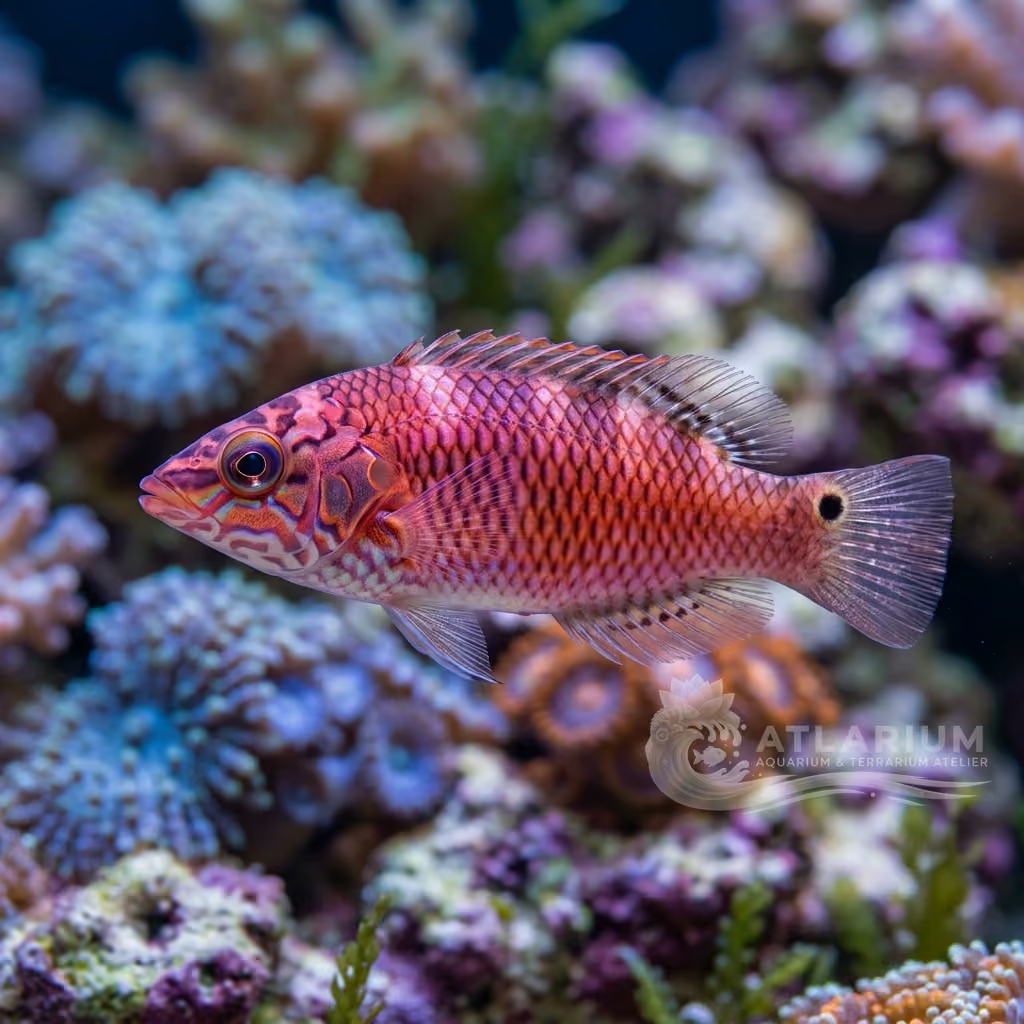
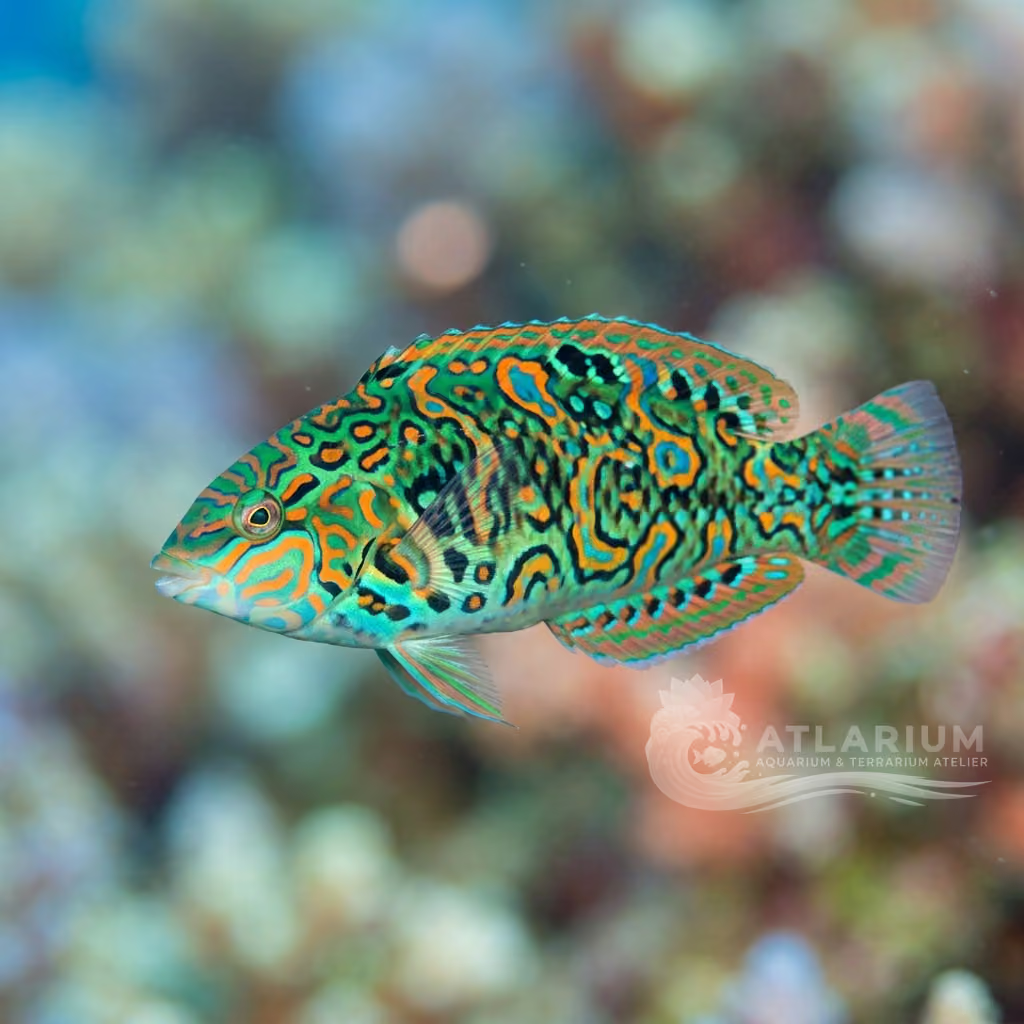
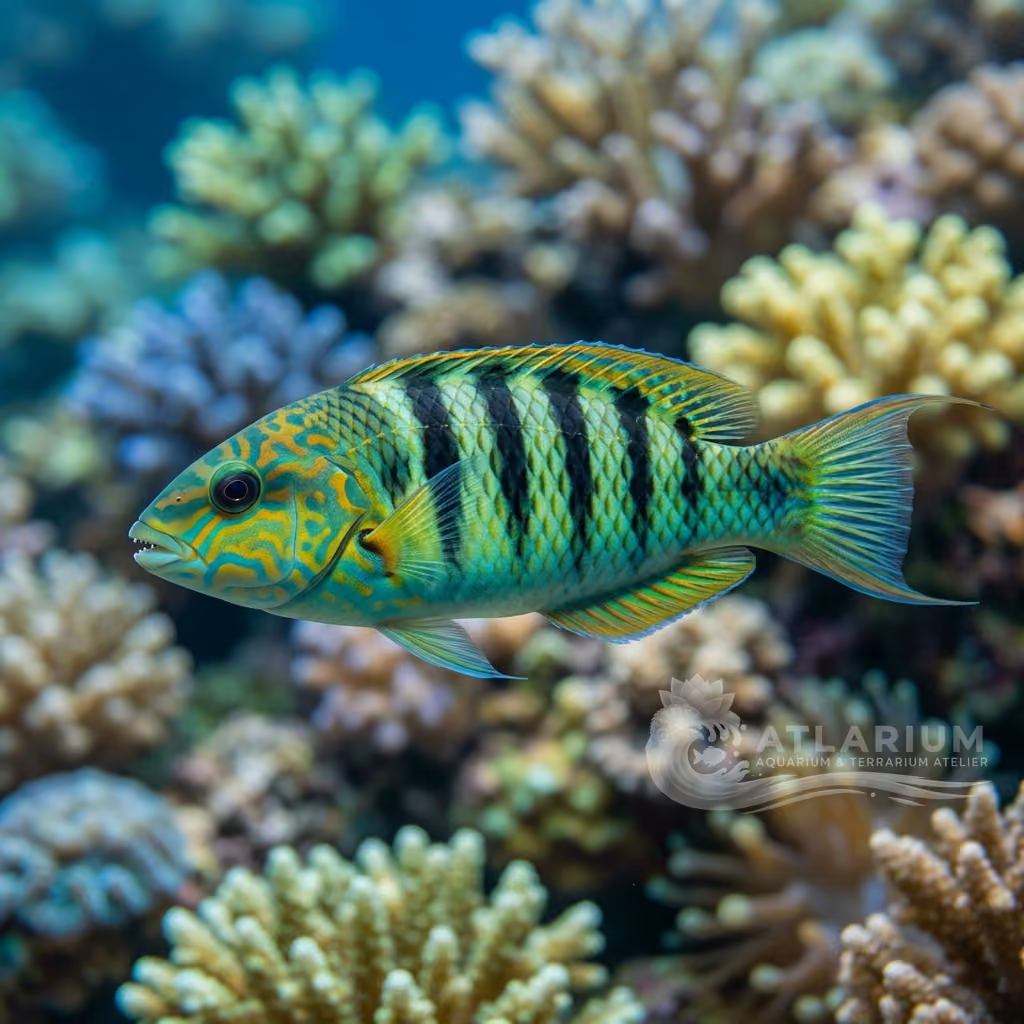
Coloration and Sexual Dimorphism: The color pattern is striking, featuring a pearly white body decorated with irregular orange-red splotches and yellow accents. The head displays green and gold markings around the eyes. They are protogynous hermaphrodites, and dominant males display more intense coloration, often with blue and green highlights on the face.

Cuidado, criação e companheiros de tanque
Aquarium Setup: Requires a mature reef aquarium of at least 300 liters. The single most critical setup requirement is a deep bed (5 to 8 cm) of fine, non-abrasive aragonite sand. Coarse gravel or bare-bottom tanks will cause severe stress, physical trauma to the mouth, and eventually death, as they cannot burrow.
Diet and Feeding: Notoriously difficult to feed in captivity. In the wild, they constantly graze on live copepods and amphipods from live rock. The aquarium must have an established refugium and microfauna population. Offer small frozen foods like calanus, cyclops, lobster eggs, and enriched brine shrimp multiple times a day.
Water Quality: Demands pristine, highly stable water conditions. Specific gravity should be maintained at 1.023-1.025, pH between 8.1 and 8.4, and water temperature at 24-26°C. Nitrate and phosphate levels must be kept near zero. Efficient protein skimming, carbon filtration, and regular water changes are mandatory.
Compatibility and Cohabitation: Extremely peaceful and will not bother tankmates, but they are easily bullied by aggressive fish. Avoid housing them with semi-aggressive species like dottybacks, large damsels, or territorial surgeonfish. They are reef-safe but will consume tiny beneficial micro-crustaceans and flatworms.
Aquarium Breeding: Spawning in home aquariums has not been documented. As pelagic spawners, they release gametes into the water column, where the larvae drift as plankton. Due to the complexity of the larval stages and their feeding requirements, captive breeding remains unviable for home aquarists.
Risks and Diseases: Highly susceptible to shipping stress and acclimation issues. Physical injuries to the mouth during transport or due to lack of sand are common. They are prone to internal parasites and skin infections if stressed. A specialized quarantine tank with a sand dish is highly recommended.

Origem e distribuição geográfica
Macropharyngodon choati is native to the subtropical and tropical southwestern Pacific Ocean, primarily recorded along the Great Barrier Reef of Australia, the Coral Sea, and south to Lord Howe Island. It inhabits sandy patches within coral reef lagoons, reef channels, and seaward slopes, typically at depths of 1 to 30 meters.
Origem
Oceanos tropicais e recifesSul e Sudeste AsiáticoAustrália, Nova Guiné e Oceania

Perfil de peixe
- Temperamento
- Peaceful
- They are exceptionally peaceful and inquisitive. They spend their days constantly hunting for food. They are delicate and easily stressed by aggression.
- Dieta
- Carnivore
- Macropharyngodon choati is a specialized micro-predator. They require a mature tank with live copepods. Supplement with high-quality frozen mysis shrimp.
- Expectativa de vida
- 5-8 years
- Tamanho adulto
- 8 cm
- Proporção sexual
- Harem
- Keep one male with several females. Multiple males will fight to the death. Single females can be kept successfully.
- Frequência de alimentação
- Twice daily
- Feed them at least three times daily. Their high metabolism demands constant nourishment. Automated feeders can be very helpful.
- Carga biológica
- Low to Medium
- Macropharyngodon choati contributes a moderate bioload. Their frequent feeding creates organic waste. A strong protein skimmer is necessary for water quality.
- Fluxo
- Moderate
- They thrive in moderate to strong water flow. Wavemakers encourage their natural foraging behaviors. Good circulation keeps the water oxygenated.
- Risco de salto
- Yes
- The jump risk is incredibly high. They will readily leap out if frightened. A secure mesh lid is completely non-negotiable.
- Reprodução
- Protogynous hermaphrodite
- Breeding them in captivity is virtually impossible. They are pelagic spawners. Rearing the microscopic fry requires advanced aquaculture facilities.
- Compatibilidade e companheiros de tanque
- Aggressive
- They are completely reef-safe and peaceful. Keep them with other docile reef fish. Do not keep them with aggressive species.
- Nível do tanque
- Middle/Bottom
- Macropharyngodon choati utilizes all levels during the day. They require a deep sand bed for sleeping. They dive into the sand when stressed.

Modelos e parâmetros científicos
FishBase
Acesso aos dados científicos oficiais da espécie
FishBase v25.04Dados sincronizados em: 15/06/2026
- Nível trófico
- 3,4 ± 0,4 se
- Resiliência
- Alta (menos de 15 meses)
- Unicidade filogenética (PD50)
- 0.5002
- Relação bayesiana comprimento-peso
- a = 0.00977, b = 3.07
- VulnerabilidadeVulnerabilidade baixa (10 / 100)

Espécies relacionadas
Recomendações agrupadas por parentes próximos, escolhas de acompanhantes e cuidados semelhantes.