Yellowband Wrasse
Cirrhilabrus luteovittatus
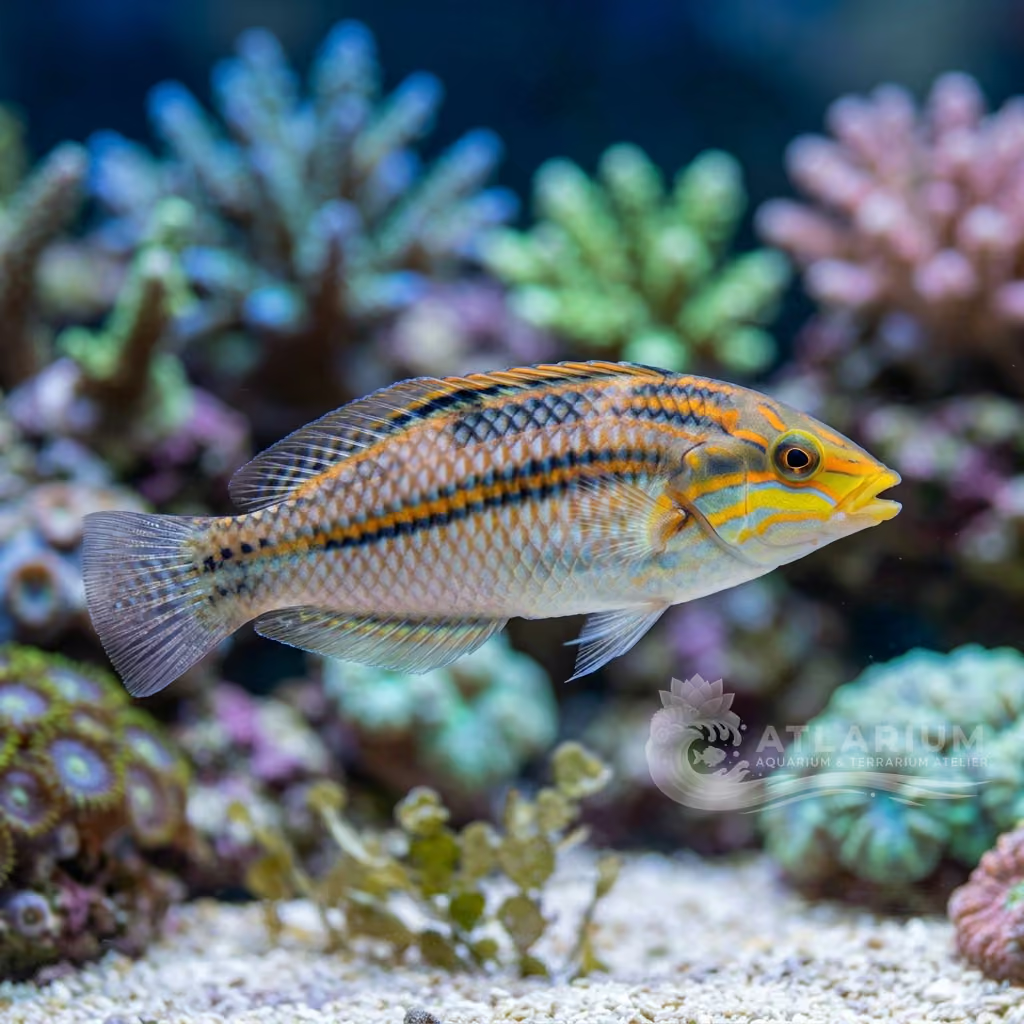
This active, reef-safe fairy wrasse sports a prominent yellow stripe along its flanks. Forms harems and needs a 200L tank with live rock, a tight-fitting lid, and a varied zooplankton diet fed multiple times daily.
Temperatura da água
22 - 27 °C
Valor de pH
8.1 - 8.4
Tipo de água
Marinho
Nível do tanque
Superfície e meio
Tamanho adulto
12 cm
Volume mínimo do tanque
>= 200 L
Grupo mínimo
>= 1

Descrição da espécie
Geographical Origin and Habitat: Cirrhilabrus luteovittatus is native to the Western Indo-Pacific, with populations highly concentrated in the waters of the Marshall Islands, Micronesia, and adjacent coral reef complexes. It inhabits sunlit outer reef slopes, protected lagoons rich in branching hard corals, and rubble zones at depths ranging from 10 to 30 meters, where it moves in loose schools searching for food.
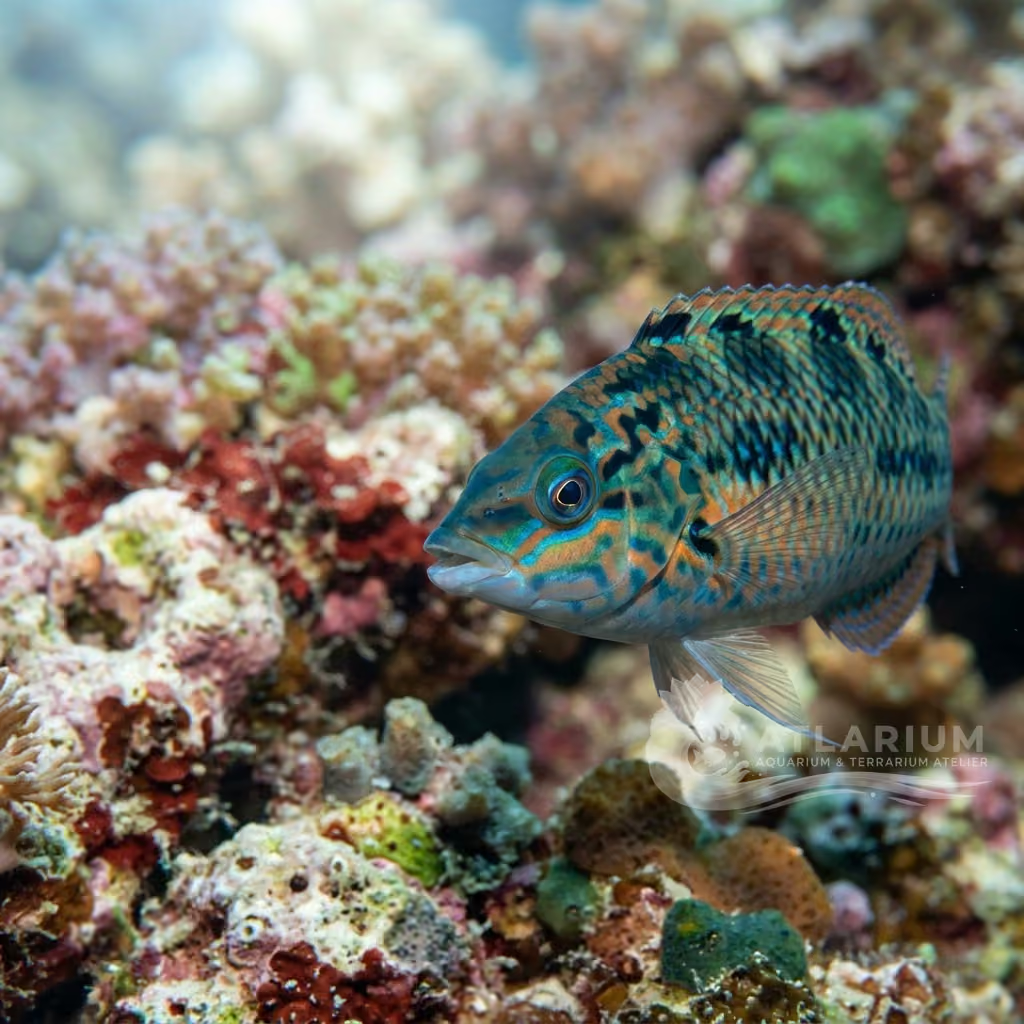
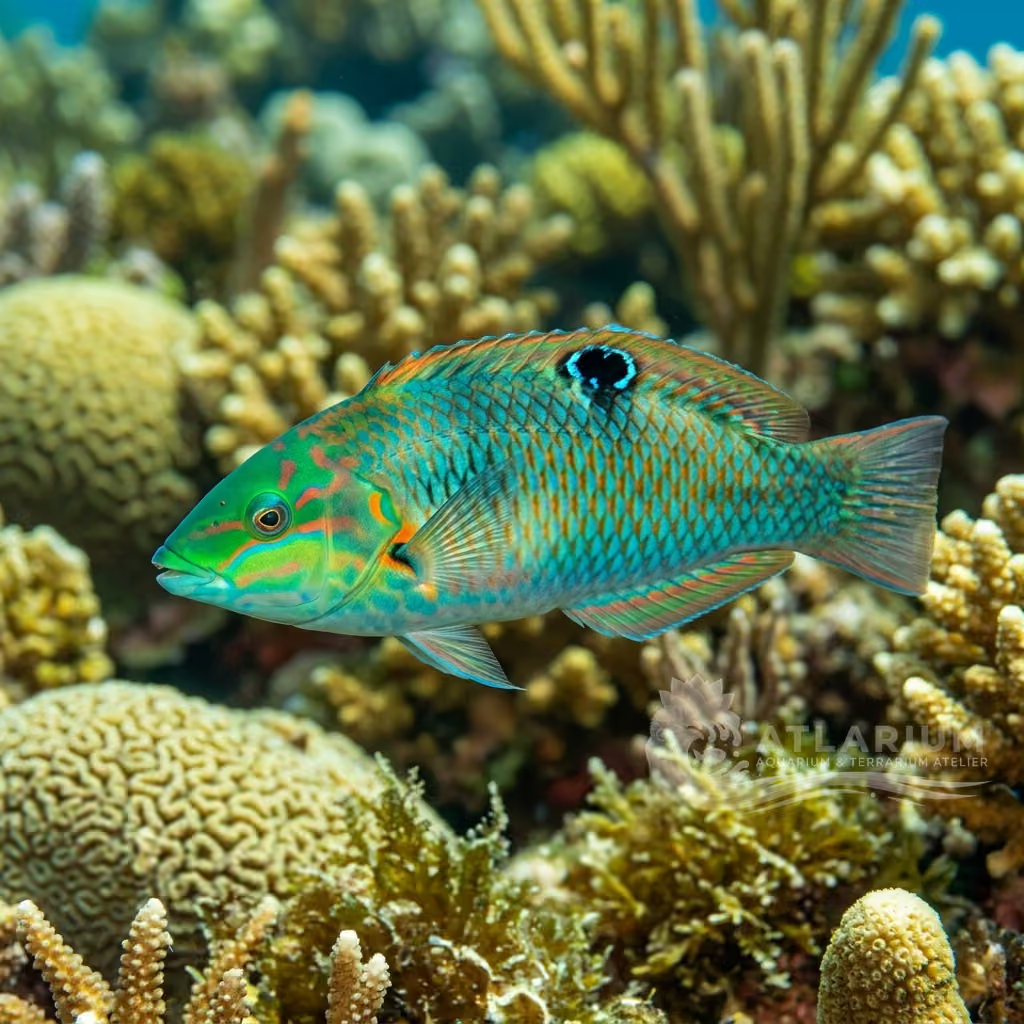
Taxonomy and Morphology: Belongs to the family Labridae, subfamily Cheilininae, and the genus Cirrhilabrus (fairy wrasses). It exhibits a slender, elongated body structure typical of active swimmers, with large eyes and a protractile terminal mouth equipped with small teeth adapted for capturing micro-crustaceans. Adults reach a maximum length of about 10-12 cm.
Social Behavior: It is a social species that forms harems in the wild, consisting of a single dominant male and several females. In an aquarium setting, it is peaceful and highly active, occupying the mid-to-upper water column. It is entirely reef-safe, ignoring corals and sessile invertebrates, though it may exhibit initial shyness or intraspecific territoriality toward other male Cirrhilabrus.
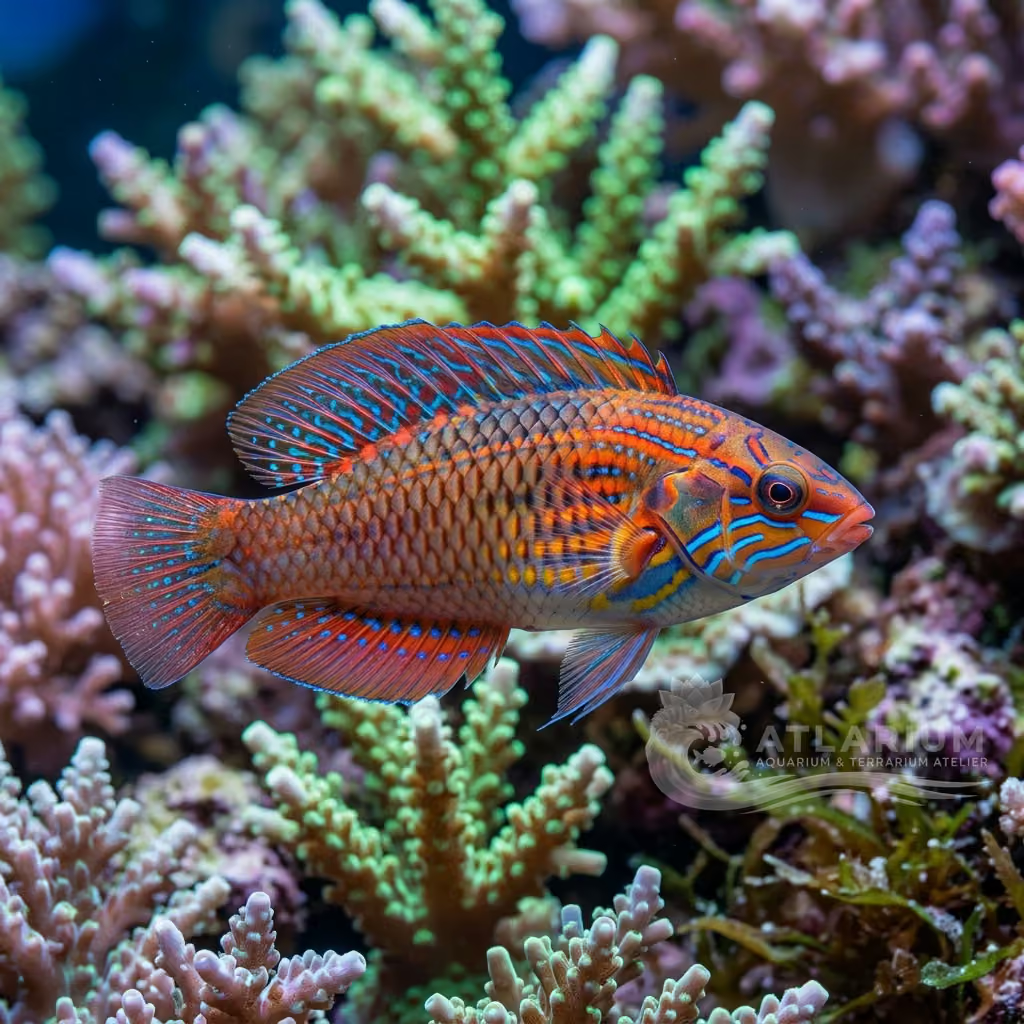
Coloration and Sexual Dimorphism: The male displays a spectacular reddish-purple or reddish-brown coloration on the dorsal area, fading to lighter tones on the belly, highlighted by a prominent horizontal yellow stripe running along the flanks. Females are less colorful, showing uniform pinkish-red tones. During courtship, the male flashes intense fluorescent colors.

Cuidado, criação e companheiros de tanque
Aquarium Setup: Requires an established marine aquarium of at least 200 liters (approx. 50 gallons) with plenty of live rock arranged to create tunnels, arches, and hiding spaces, while leaving ample open space for swimming. A tight-fitting lid or screen cover is strictly mandatory, as this species is notorious for jumping out when startled.
Diet and Feeding: Feeds primarily on zooplankton and tiny crustaceans. In captivity, they should be fed two to three times daily with a varied diet of frozen foods such as mysis shrimp, brine shrimp, copepods, and finely chopped krill, slowly acclimating to high-quality marine pellets and vitamin-enriched flakes.
Water Quality: Demands stable marine parameters: specific gravity of 1.020 - 1.025, pH of 8.1 - 8.4, water temperature between 22 - 26 °C (71 - 79 °F), and nitrate levels below 20 ppm. High water movement, strong protein skimming, and efficient filtration are crucial to keep oxygen levels high and organic waste low.
Compatibility and Cohabitation: Excellent candidate for reef aquariums. It coexists peacefully with non-aggressive tankmates such as tangs, anthias, gobies, and clownfish. Avoid housing with large predators or overly aggressive fish that might bully it. Do not keep multiple males of the same species together unless the aquarium is exceptionally large.
Aquarium Breeding: Breeding in home aquariums is extremely difficult and rarely documented. In the wild, they are pelagic spawners, releasing eggs and sperm into the open water column. Dominant males perform elaborate courtship displays, flashing their colors and erect fins to attract receptive females for spawning.
Risks and Diseases: Aside from the high risk of jumping, this wrasse is susceptible to common marine parasites such as marine ich (Cryptocaryon irritans) and Oodinium, particularly during the initial acclimation phase. A quarantine period is highly recommended. Feeding a vitamin-fortified diet helps strengthen its immune system against infections.

Origem e distribuição geográfica
Cirrhilabrus luteovittatus is native to the Western Indo-Pacific, with populations highly concentrated in the waters of the Marshall Islands, Micronesia, and adjacent coral reef complexes. It inhabits sunlit outer reef slopes, protected lagoons rich in branching hard corals, and rubble zones at depths ranging from 10 to 30 meters, where it moves in loose schools searching for food.
Origem
Oceanos tropicais e recifes

Perfil de peixe
- Temperamento
- Active
- They generally exhibit a peaceful, somewhat shy temperament when initially added to a new aquarium. Once fully acclimated and comfortable, they become bold, outgoing, and inquisitive community members. They rarely bother corals or invertebrates, solidifying their reputation as model reef tank inhabitants.
- Dieta
- Carnivore
- In their natural habitat, Cirrhilabrus luteovittatus are primarily zooplanktivores that feed continuously in the water column. In captivity, they enthusiastically accept a varied diet of frozen mysis shrimp, enriched brine shrimp, and high-quality marine pellets. Providing a diverse nutritional profile helps maintain their spectacular coloration.
- Expectativa de vida
- 5-8 years
- Tamanho adulto
- 12 cm
- Proporção sexual
- Harem
- It is widely recommended to keep Cirrhilabrus luteovittatus either singly or as a single male with multiple females to form a harem. Housing more than one male in the same aquarium typically results in severe, sometimes fatal aggression. Females should ideally be introduced to the tank before or simultaneously with the male.
- Frequência de alimentação
- Twice daily
- Because they are incredibly active swimmers with high energy demands, they should be fed small portions multiple times a day. Two to three feedings per day are generally recommended for optimal health. Underfeeding can quickly lead to weight loss, lethargy, and a faded appearance.
- Carga biológica
- Low to Medium
- The Cirrhilabrus luteovittatus has a moderate bioload impact on the aquarium. Due to their high activity levels and fast metabolism, they require frequent feedings. However, their small size means a standard, well-maintained filtration system can easily handle their waste output.
- Fluxo
- Strong
- Fairy wrasses naturally inhabit areas with dynamic water movement along reef slopes and drop-offs. In the aquarium, they appreciate moderate to strong, varied water flow. This strong current not only replicates their natural environment but also keeps their food properly suspended for easy hunting.
- Risco de salto
- Yes
- Like all fairy wrasses, Cirrhilabrus luteovittatus is highly prone to jumping when startled or threatened by tank mates. A tightly fitting lid, glass canopy, or a fine-mesh screen top is absolutely mandatory for their enclosure. Even tiny gaps around equipment or overflows can be an escape route.
- Reprodução
- Oviparous
- They are protogynous hermaphrodites, meaning every individual begins life as a female and can transition into a male. In a captive environment, breeding is extremely rare due to the requirement for pelagic larval rearing. During courtship, dominant males will flash brilliant colors to attract females in their harem.
- Compatibilidade e companheiros de tanque
- Verify
- This species is considered highly peaceful and is generally an excellent candidate for reef aquariums. They do very well with other docile community fish and peaceful invertebrates. However, males of the same or similar species may exhibit territorial aggression towards one another.
- Nível do tanque
- Top/Middle
- These vibrant fish are extremely active and will frequently utilize the middle and upper levels of the water column while foraging. They tend to hover above the rockwork, swimming dynamically throughout the day. At night or when frightened, they will quickly retreat into small crevices within the live rock to hide and sleep.

Modelos e parâmetros científicos
FishBase
Acesso aos dados científicos oficiais da espécie
FishBase v25.04Dados sincronizados em: 15/06/2026
- Nível trófico
- 3,4 ± 0,45 se
- Resiliência
- Alta (menos de 15 meses)
- Unicidade filogenética (PD50)
- 0.5
- Relação bayesiana comprimento-peso
- a = 0.01072, b = 3.03
- VulnerabilidadeVulnerabilidade baixa (10 / 100)

Espécies relacionadas
Recomendações agrupadas por parentes próximos, escolhas de acompanhantes e cuidados semelhantes.