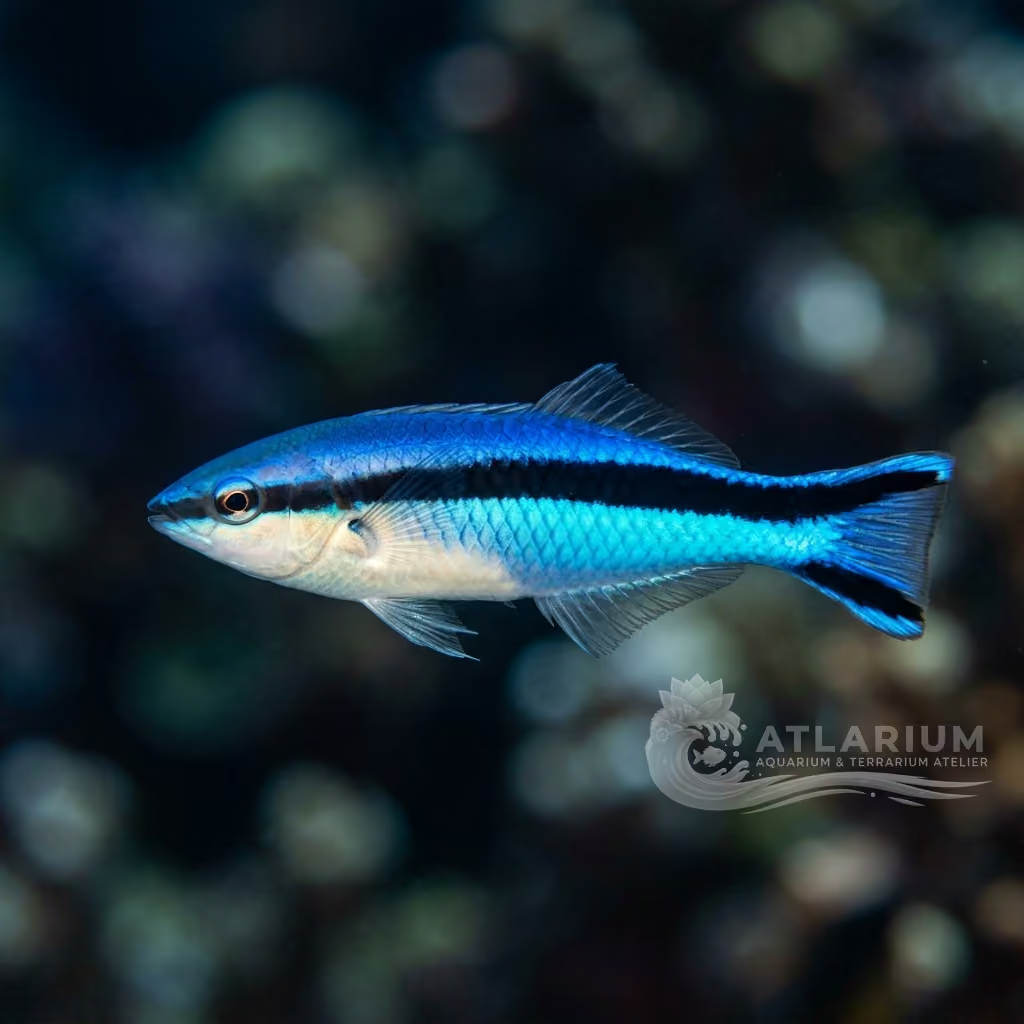
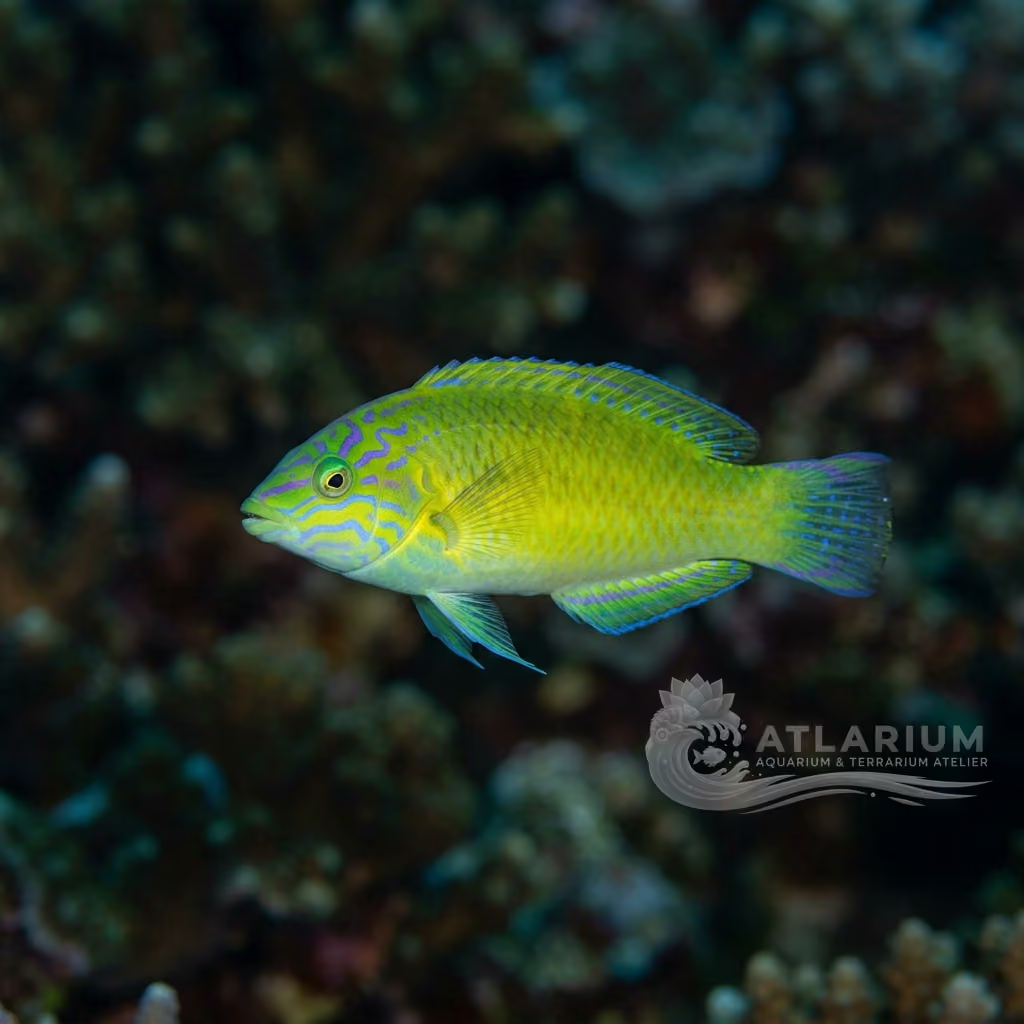
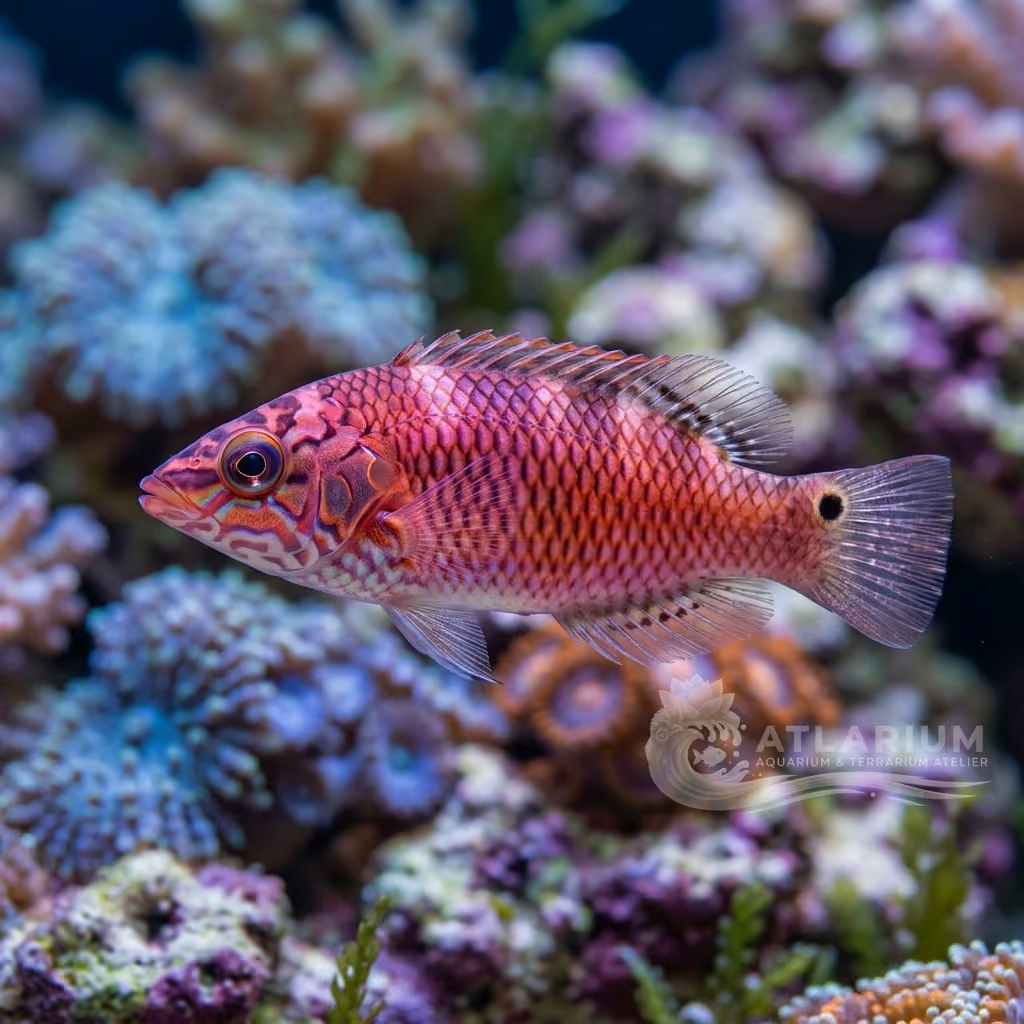
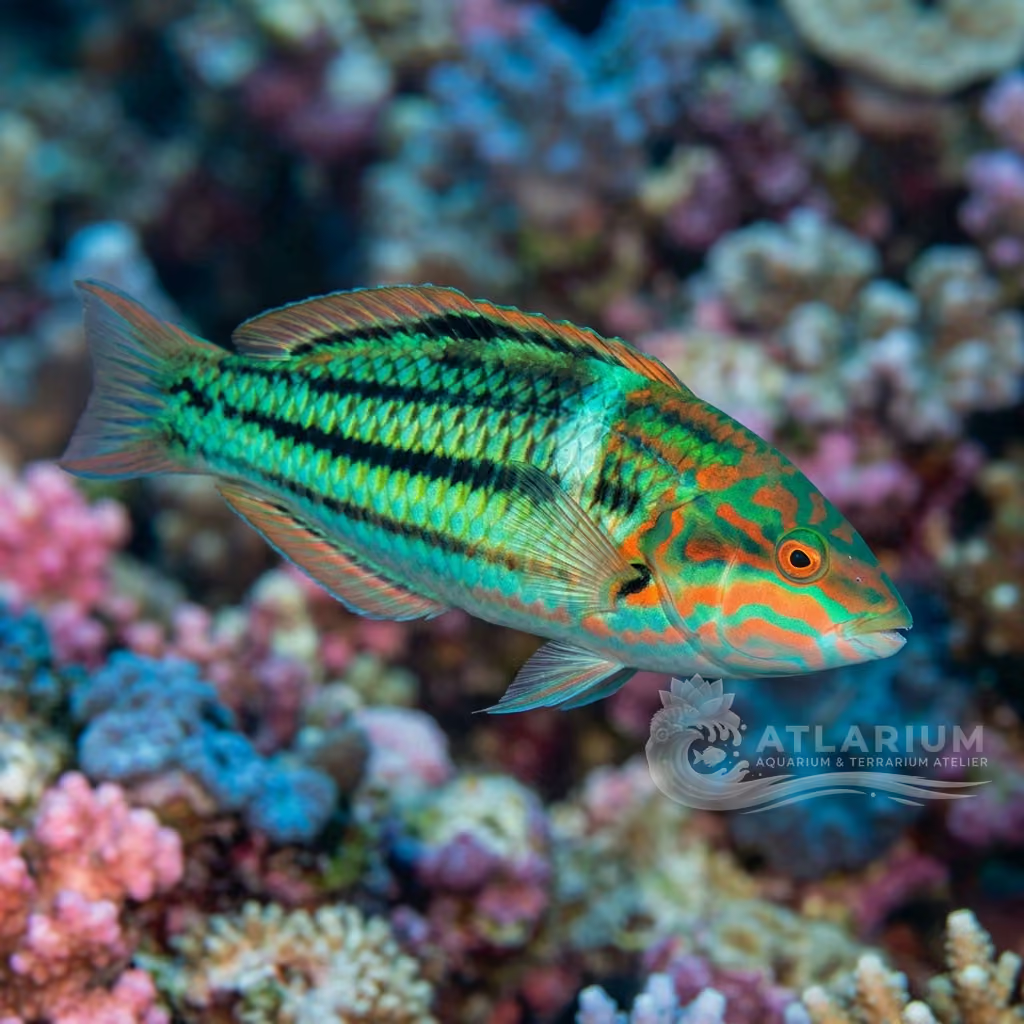
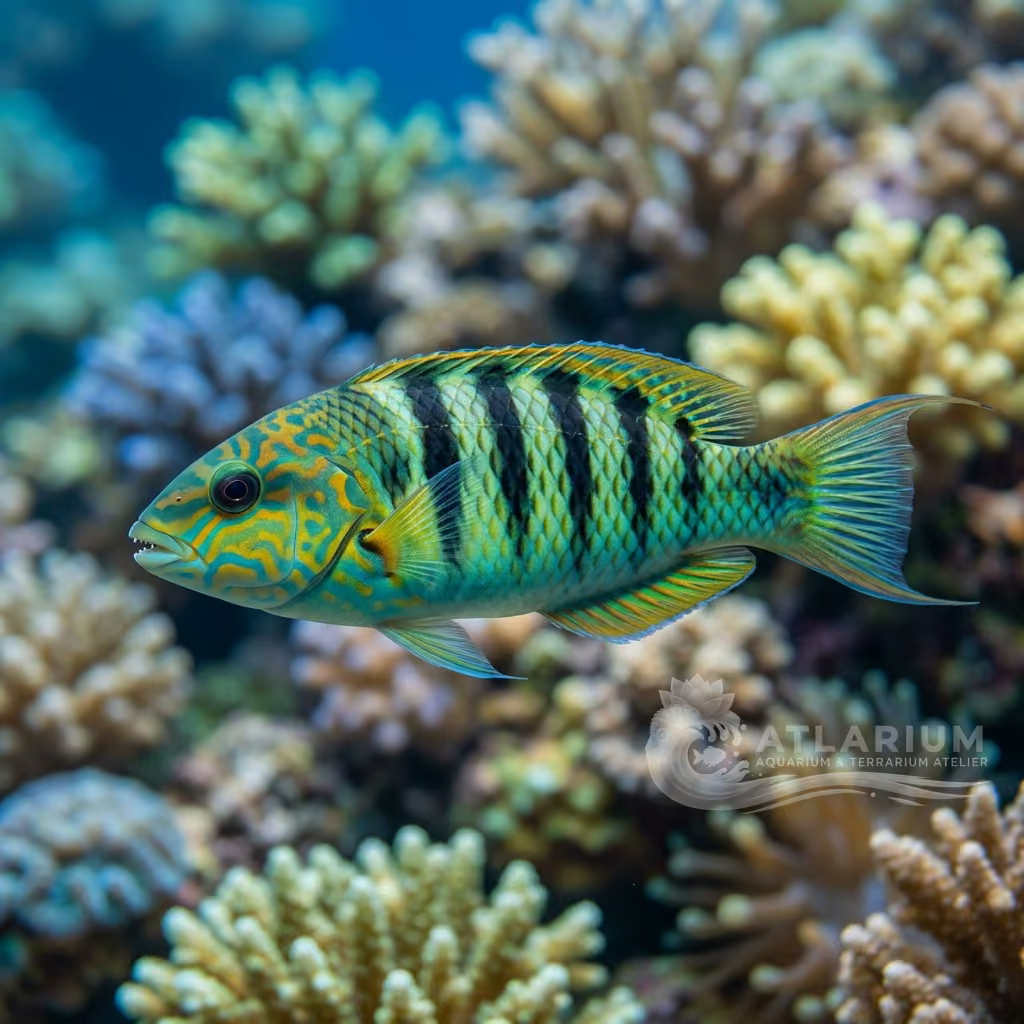
Spanish hogfish
Bodianus rufus
The Spanish Hogfish is an active, brightly colored marine species from the Western Atlantic. A voracious carnivore, it requires a very large tank with sturdy rocks and open swimming space.
Temperatura da água
24 - 27 °C
Valor de pH
8.1 - 8.4
Tipo de água
Marinho
Nível do tanque
Parte inferior e intermediária
Tamanho adulto
40 cm
Volume mínimo do tanque
>= 750 L
Grupo mínimo
>= 1
KH
8 - 12 dKH

Descrição da espécie
Geographical Origin and Habitat: Bodianus rufus is native to the tropical and subtropical waters of the Western Atlantic Ocean, ranging from Bermuda, southern Florida, and the Bahamas, down through the Gulf of Mexico and Caribbean Sea, to southern Brazil. It inhabits shallow coral reefs, rocky areas, and seaward slopes at depths of 1 to 35 meters. It is an active swimmer that spends its day cruising above the reef.
Taxonomy and Morphology: Belonging to the family Labridae and the genus Bodianus (hogfishes). It features a robust, elongated, and slightly compressed body, with a large pointed snout and strong canine teeth used for crushing hard-shelled prey. Adults can reach a maximum length of 30-40 cm in the wild, though they rarely exceed 25-30 cm in home aquariums.
Social Behavior: An active, highly inquisitive, and bold swimmer. As a juvenile, it functions as a cleaner fish, establishing cleaning stations to remove parasites and dead skin from larger fish. However, as it matures into an adult, it becomes highly territorial and aggressive, often dominating the aquarium and bullying smaller or newly introduced fish.
Coloration and Sexual Dimorphism: Displays a striking bicolore pattern: the upper head and back are a vibrant bluish-purple or violet, while the lower body, throat, and caudal/pelvic fins are bright golden yellow. There is no visible sexual dimorphism, though juveniles show a slightly less defined color transition compared to mature adults.

Cuidado, criação e companheiros de tanque
Aquarium Setup: Due to its large size and active swimming behavior, a minimum aquarium size of 400-500 liters is required. The aquascape should feature sturdy live rock arranged to form large caves and archways for shelter, while leaving a vast amount of open water for swimming. The tank must be covered, as they are capable of jumping when startled.
Diet and Feeding: A voracious carnivore with a large appetite. Diet must consist of high-protein meaty foods such as frozen mysis shrimp, krill, brine shrimp, and chopped fresh seafood like shrimp, clams, squid, and crab. It readily accepts high-quality marine pellets and flakes. Feed twice daily in moderate amounts to satisfy its fast metabolism.
Water Quality: Requires stable marine parameters and highly efficient filtration. Keep temperature between 24°C and 27°C, pH between 8.1 and 8.4, and specific gravity between 1.023 and 1.025. A heavy-duty protein skimmer is essential to process the high waste load from feeding. Keep nitrates below 20 ppm through regular water changes.
Compatibility and Cohabitation: Not safe with ornamental invertebrates. It will actively prey on shrimp, crabs, sea urchins, starfish, and snails. It is safe with stony and soft corals. Suitable tankmates include other large, robust, and assertive fish such as tangs, triggerfish, large angelfish, groupers, and aggressive damselfish.
Aquarium Breeding: Captive breeding is not documented in home aquariums. They are protogynous hermaphrodites, where dominant females can change sex to male if needed. In the wild, they spawn in pairs or small harems, releasing pelagic eggs into open currents. Culturing the resulting planktonic larvae is extremely difficult.
Risks and Diseases: An exceptionally hardy species that shows high resistance to common marine parasites like ich, thanks to its strong immune system. The primary management concern is its adult territorial aggression. Skin scratches from scraping against rocks during chasing usually heal quickly in clean water; they tolerate copper treatments well.

Origem e distribuição geográfica
Bodianus rufus is native to the tropical and subtropical waters of the Western Atlantic Ocean, ranging from Bermuda, southern Florida, and the Bahamas, down through the Gulf of Mexico and Caribbean Sea, to southern Brazil. It inhabits shallow coral reefs, rocky areas, and seaward slopes at depths of 1 to 35 meters. It is an active swimmer that spends its day cruising above the reef.
Origem
Oceanos tropicais e recifesExtra-Amazônica América do SulAmérica Central e CaribeAmérica do Norte

Perfil de peixe
- Temperamento
- Semi-aggressive
- The temperament of Bodianus rufus changes significantly with age; juveniles are peaceful facultative cleaners, but adults become territorial, dominant, and potentially aggressive. They display strong intolerance toward members of their own species and fish with similar body shapes or coloration, such as other wrasses. They can establish strict hierarchies and harass passive tank mates, meaning they should only be housed with similarly robust and semi-aggressive species.
- Dieta
- Carnivore
- Bodianus rufus is an opportunistic carnivore with a formidable appetite. In captivity, its diet should consist of a wide variety of meaty foods such as shrimp, krill, clams, mussels, squid, and mysis shrimp. Because they possess strong teeth adapted for crushing shells, offering unshelled seafood is beneficial for their dental health. They are not reef-safe, as they will actively hunt and consume ornamental crabs, snails, shrimps, and sea urchins.
- Expectativa de vida
- 7-12 years
- Tamanho adulto
- 40 cm
- Proporção sexual
- Harem
- In the wild, this species forms haremic groups consisting of a single dominant male and several females. Bodianus rufus is a protogynous hermaphrodite, meaning all individuals are born female and the largest female transitions into a male if the dominant male is lost. In captivity, due to their strong intraspecific aggression, it is highly recommended to keep only a single specimen per tank, unless the aquarium is exceptionally large, allowing for a harem group.
- Frequência de alimentação
- 2-3 times daily
- It is recommended to feed Bodianus rufus two to three times daily to support its active metabolism and high energy levels. Because it is a relentless swimmer, small but frequent feedings help reduce food-related territorial aggression and prevent destructive behaviors. Providing a varied menu during these feedings ensures they receive all necessary nutrients. Care should be taken to ensure that slower-feeding tank mates also get their share of food.
- Carga biológica
- Medium to High
- The bioload of Bodianus rufus is considered medium-high to high due to its substantial adult size (up to 12-15 inches) and voracious predatory appetite. As a large and active species, it produces a significant amount of organic waste, requiring robust mechanical and biological filtration. A high-performing protein skimmer and regular water changes are essential to prevent nitrates and other pollutants from accumulating in the aquarium.
- Fluxo
- Strong
- This species naturally inhabits exposed coral reefs and coastal zones where water currents are dynamic and highly oxygenated. In an aquarium, it prefers moderate to strong water movement to mimic its natural environment and support its active swimming habits. Vigorous flow also helps keep organic debris suspended, facilitating easy feeding for the fish while assisting the filtration system in managing the high biological waste generated by this species.
- Risco de salto
- Yes
- The risk of jumping is exceptionally high for Bodianus rufus, a common behavioral trait shared by many wrasses when startled or during the night. This active fish is capable of sudden, rapid bursts of speed that can easily propel it out of the water if the aquarium is left uncovered. A secure, tight-fitting lid or a fine mesh cover is absolutely mandatory to prevent jumping accidents. Even small gaps around cords and plumbing should be carefully sealed.
- Reprodução
- Oviparous
- Breeding Bodianus rufus in home aquariums is extremely difficult and rarely documented due to the immense swimming space and depth required for their courtship rituals. As protogynous hermaphrodites, they pair up or spawn in harems, releasing pelagic eggs into the water column. The resulting larvae go through a complex planktonic stage, requiring specific microscopic live foods and highly stable, pristine water parameters that are exceptionally difficult to maintain in home systems.
- Compatibilidade e companheiros de tanque
- Reef safe
- Bodianus rufus is compatible primarily with robust, active, and medium-to-large marine fish such as larger tangs, triggerfish, large angels, and groupers. It should never be housed with small, docile fish or in reef tanks containing delicate ornamental invertebrates, as shrimps, crabs, urchins, and snails will be quickly consumed. Additionally, avoid keeping them with other wrasses or similarly colored species to prevent intense, potentially fatal territorial disputes.
- Nível do tanque
- Middle/Bottom
- Bodianus rufus is an active swimmer that primarily occupies the middle and lower zones of the aquarium, constantly patrolling rockwork and the substrate in search of food. During the day, it swims tirelessly, exploring caves and crevices within the reef structure. While it requires plenty of open swimming space, it tends to stay close to the decor, moving fluidly between the bottom and middle levels, and will retreat to the substrate or sand bed to rest or seek safety.

Modelos e parâmetros científicos
FishBase
Acesso aos dados científicos oficiais da espécie
FishBase v25.04Dados sincronizados em: 15/06/2026
- Nível trófico
- 3,7 ± 0,2 se
- Resiliência
- Média (1,4 - 4,4 anos)
- Unicidade filogenética (PD50)
- 0.5
- Relação bayesiana comprimento-peso
- a = 0.01023, b = 3.1
- VulnerabilidadeVulnerabilidade de baixa a moderada (30 / 100)

Espécies relacionadas
Recomendações agrupadas por parentes próximos, escolhas de acompanhantes e cuidados semelhantes.