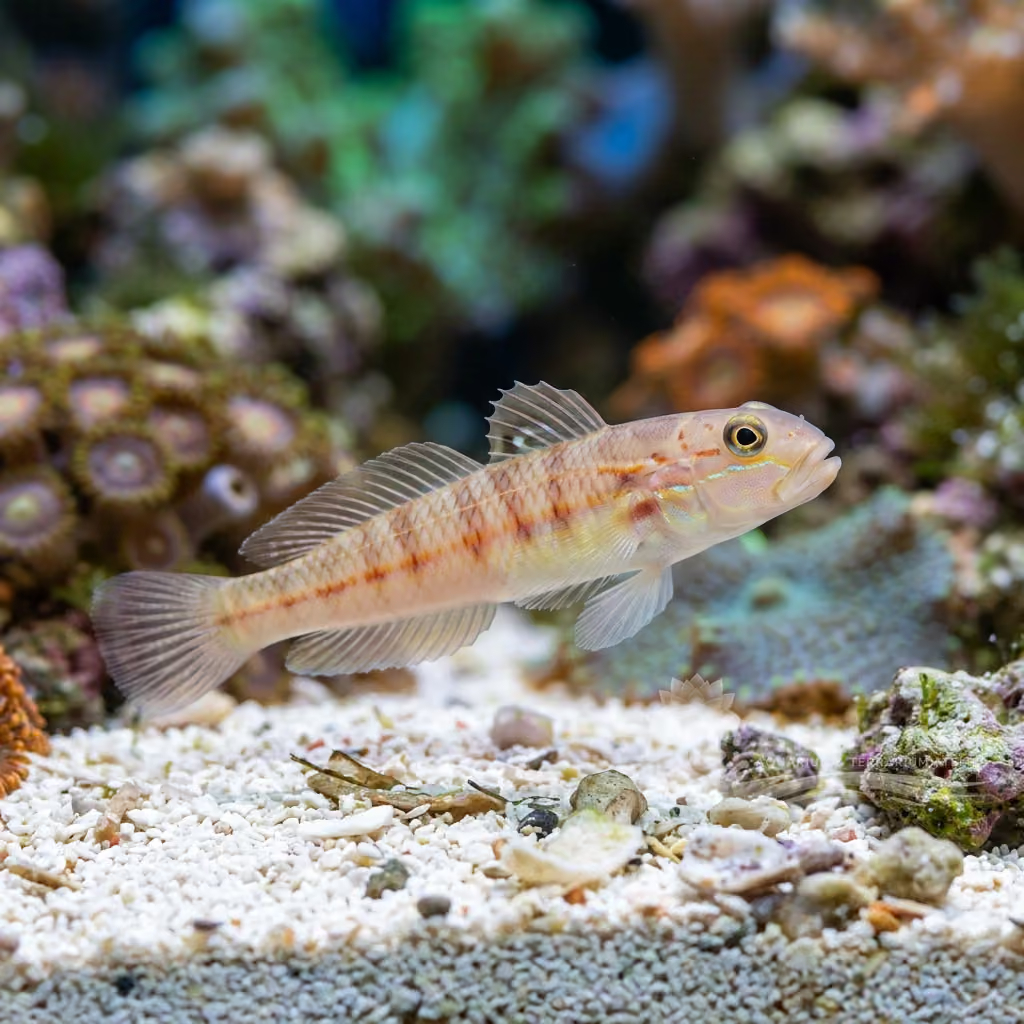
Orangespotted Filefish
Cantherhines pullus
The orangespotted filefish is an intriguing Western Atlantic omnivore featuring distinctive subtle patterns. It thrives in large systems containing robust live rock with secure crevices for nighttime.
Temperatura da água
22 - 27 °C
Valor de pH
8.1 - 8.4
Tipo de água
Marinho
Nível do tanque
Todos os níveis
Tamanho adulto
20 cm
Volume mínimo do tanque
>= 250 L
Grupo mínimo
>= 1
KH
8 - 12 dKH

Descrição da espécie
Geographical Origin and Habitat: Cantherhines pullus is native to the tropical and subtropical Western Atlantic Ocean, ranging from Massachusetts (USA) and Bermuda down through the Caribbean and Gulf of Mexico to southeastern Brazil. It inhabits shallow coral reefs and rocky slopes.
Taxonomy and Morphology: Classified under the Monacanthidae family. It features a deep, compressed body, a small mouth with strong incisor teeth, and a prominent first dorsal spine that can be locked upright for defense. Adults can grow up to 8 inches (20 cm) in length.
Social Behavior: Generally solitary or found in pairs. They are slow-moving and rely on excellent color-changing abilities to blend into the surrounding reef. They are peaceful towards most tankmates but can show territorial behavior towards other filefish.
Coloration and Sexual Dimorphism: Body coloration is dark brown to olive with pale stripes and numerous small orange spots. Sexual dimorphism is present: mature males develop a patch of bristly, spine-like setae on the sides of the peduncle, which females lack.

Cuidado, criação e companheiros de tanque
Aquarium Setup: Requires a tank of at least 90-100 gallons (350-400 liters) with a mixture of open swimming space and extensive live rock structures. Caves and overhangs are important to provide shelter where the fish can lock its dorsal spine at night.
Diet and Feeding: Omnivorous. In the wild, it feeds on algae, sponges, sea squirts, and small invertebrates. In captivity, offer a varied diet of frozen mysis, brine shrimp, chopped seafood, nori seaweed, and prepared foods containing sponge material.
Water Quality: Keep standard marine parameters: temperature 22-27°C (72-81°F), pH 8.1-8.4, specific gravity 1.020-1.025. High water turnover and efficient protein skimming are recommended to maintain low nutrient levels.
Compatibility and Cohabitation: Not reef-safe. It will actively nip at stony corals, zoanthids, and gorgonians, and may eat small shrimp or crabs. Suitable tankmates include tangs, angels, wrasses, and large damselfish.
Aquarium Breeding: Not successfully bred in home aquaria. In nature, they lay adhesive demersal eggs on benthic algae or rocky substrates, which are guarded until hatching, releasing planktonic larvae into the ocean currents.
Risks and Diseases: Prone to marine ich (Cryptocaryon) under poor water conditions. They can be easily startled, and their delicate mouthparts can be injured if they swim headfirst into the tank glass or sharp decorations when panicked.

Origem e distribuição geográfica
Cantherhines pullus is native to the tropical and subtropical Western Atlantic Ocean, ranging from Massachusetts (USA) and Bermuda down through the Caribbean and Gulf of Mexico to southeastern Brazil. It inhabits shallow coral reefs and rocky slopes.
Origem
Oceanos tropicais e recifesExtra-Amazônica América do SulAmérica do Norte

Perfil de peixe
- Temperamento
- Peaceful
- Generally peaceful but exceedingly shy, this fish requires time and patience to properly acclimate. It is easily startled and will frequently retreat into rockwork if the aquarium is too chaotic. Once it feels completely safe, it will gently explore the open water with a curious demeanor.
- Dieta
- Omnivore
- It is a natural omnivore that browses on both small invertebrates and marine algae throughout the day. Its diet must include meaty preparations alongside high-quality spirulina and nori. Offering varied omnivore pellets will round out its nutritional requirements perfectly.
- Expectativa de vida
- 5-7 years
- Tamanho adulto
- 20 cm
- Proporção sexual
- Solitary
- Sexual dimorphism is not outwardly apparent, making visually identifying pairs extremely challenging. While they can sometimes be kept in mated pairs, severe aggression may quickly emerge if they are simply two fish of the same sex. If attempting a pair, a large tank with plenty of visual barriers is required.
- Frequência de alimentação
- Twice daily
- This active species has a high metabolism and should be fed two to three times daily. Offering multiple smaller meals helps reduce aggression and prevents nutrient spikes in the tank. A varied schedule combining pellets and frozen food yields the best results.
- Carga biológica
- Medium to High
- This species contributes a moderate amount of bioload to the aquarium ecosystem. A robust protein skimmer and efficient biological filtration are strongly advised. Maintaining a strict schedule for partial water changes will prevent the accumulation of harmful nitrates.
- Fluxo
- Strong
- A moderate, varied water flow perfectly simulates its natural reef environment. The flow should be strong enough to keep detritus suspended, but not so strong that the fish struggles to swim. Random, alternating currents are particularly appreciated.
- Risco de salto
- Yes
- The jump risk for this species is low to moderate, but caution is still advised. They generally remain calm but can be startled by sudden movements or aggressive tank mates. A tightly fitting lid or mesh top is the best insurance against accidental escapes.
- Reprodução
- Oviparous
- They typically scatter their adhesive eggs loosely over vegetation, algae, or rocky surfaces. Neither parent provides any care or protection for the eggs once spawning is fully complete. Consequently, eggs must be moved to a dedicated rearing setup to prevent them from being eaten.
- Compatibilidade e companheiros de tanque
- Not reef safe
- This species is generally peaceful towards other fish but may occasionally nip at fleshy corals. It can be kept with a wide variety of non-aggressive tank mates in a community setup. Observation is key if housed in a reef tank, as some individuals are more prone to tasting corals than others.
- Nível do tanque
- All levels
- This species is an extremely active swimmer that constantly cruises through the middle to upper levels of the tank. It demands a vast amount of open swimming space to remain physically and psychologically healthy. While it may occasionally investigate the rocks, it prefers the open water column.

Modelos e parâmetros científicos
FishBase
Acesso aos dados científicos oficiais da espécie
FishBase v25.04Dados sincronizados em: 15/06/2026
- Nível trófico
- 2,6 ± 0,1 se
- Resiliência
- Alta (menos de 15 meses)
- Unicidade filogenética (PD50)
- 0.5002
- Relação bayesiana comprimento-peso
- a = 0.02138, b = 2.89
- VulnerabilidadeVulnerabilidade baixa (10 / 100)

Espécies relacionadas
Recomendações agrupadas por parentes próximos, escolhas de acompanhantes e cuidados semelhantes.