Oldenlandia salzmannii
Oldenlandia salzmannii
Oldenlandia salzmannii is a neat aquatic plant from the Americas. It thrives under medium lighting, which balances vigorous growth without promoting excessive algae.
Water Temperature
20 - 28 °C
pH Value
6 - 7.5
Water type
Freshwater
Light
Medium - High
CO2
Medium - High
Expected height
25 cm
Expected width
10 cm
GH
4 - 20 dGH
KH
2 - 10 dKH

Species description
Geographical Origin and Habitat: Originating from the tropical and subtropical regions of Central and South America, Oldenlandia salzmannii thrives in both aquatic and semi-aquatic environments. It is typically found along the banks of rivers, streams, and in damp or marshy areas, where its roots can anchor themselves in muddy or sandy substrates. Its ability to adapt to both full submersion and periods of emersion makes it a robust and flexible species for aquariums. In nature, it often grows in dense clumps, forming carpets along the water's edge, contributing significantly to local biodiversity.
Taxonomy & Genetics: Oldenlandia salzmannii belongs to the vast Rubiaceae family, a botanical group that also includes well-known plants such as coffee and Gardenia. Within the genus Oldenlandia, this species is distinguished by its specific morphological and genetic characteristics, which make it particularly suited to the aquatic environment. The taxonomy of this plant has been subject to studies that have confirmed its classification and evolutionary relationships with other related species. Its scientific name reflects its precise identification within the plant kingdom, differentiating it from other similar but unrelated aquatic plants.
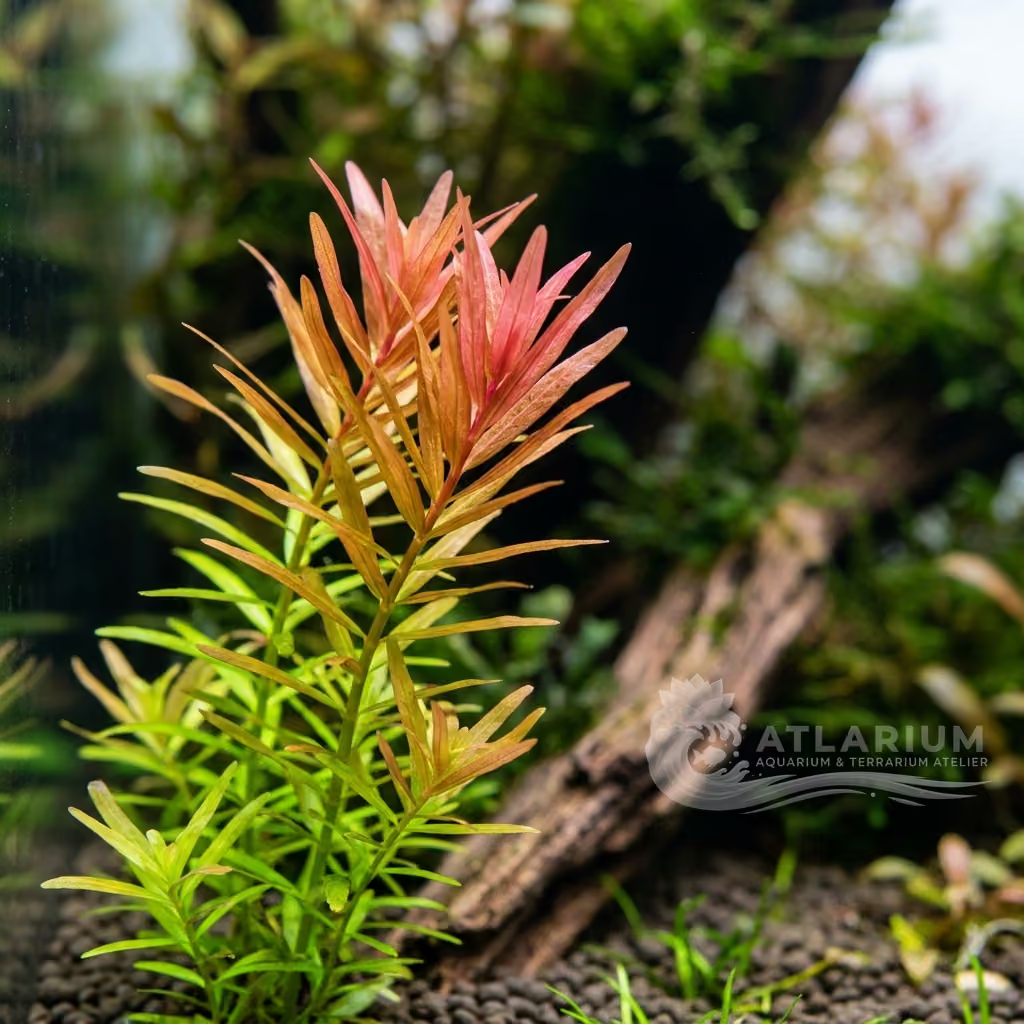
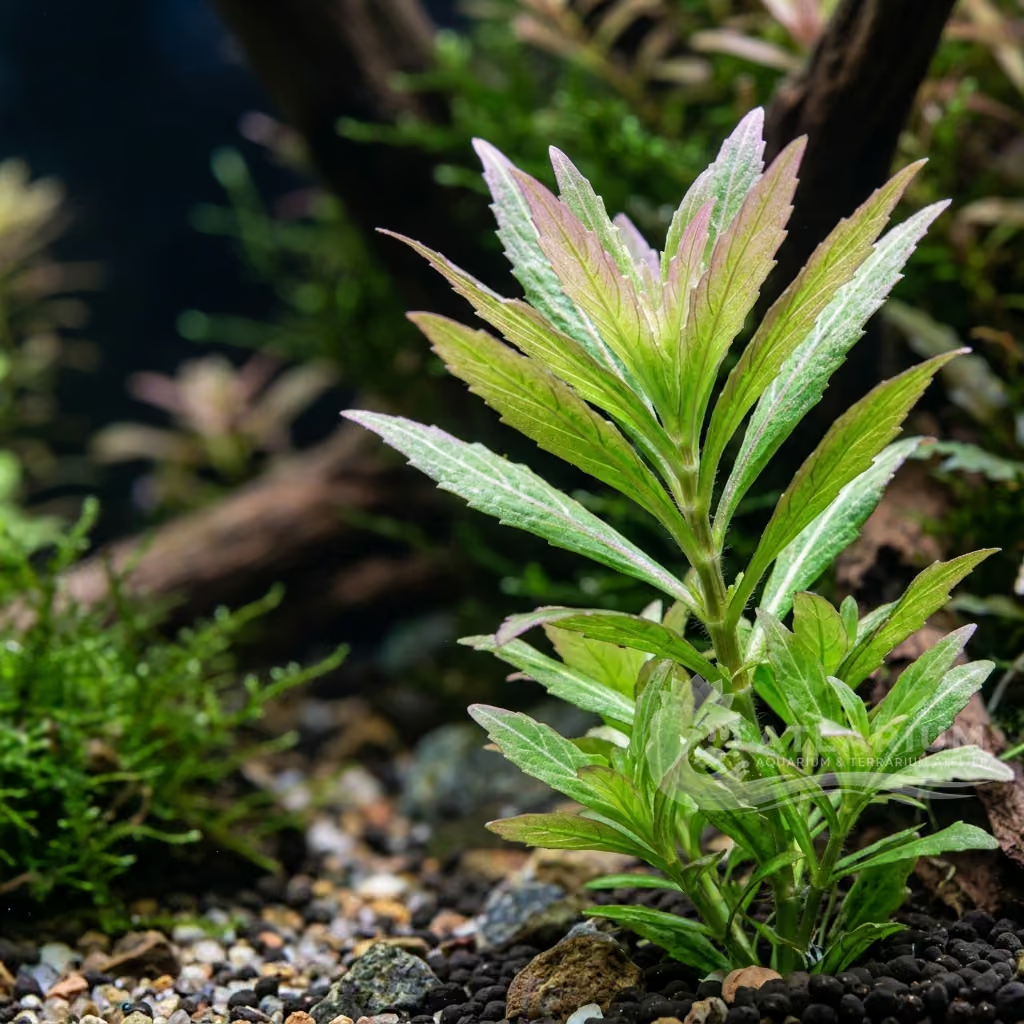
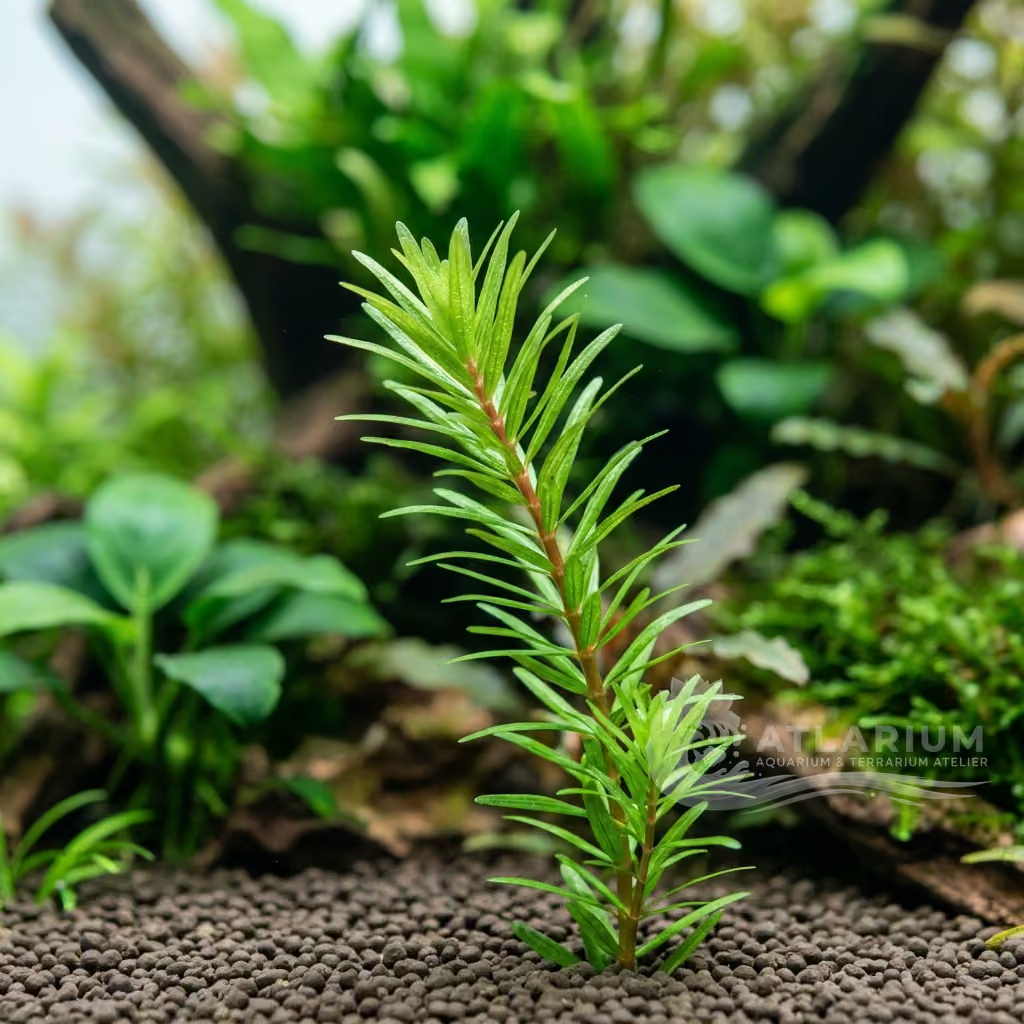
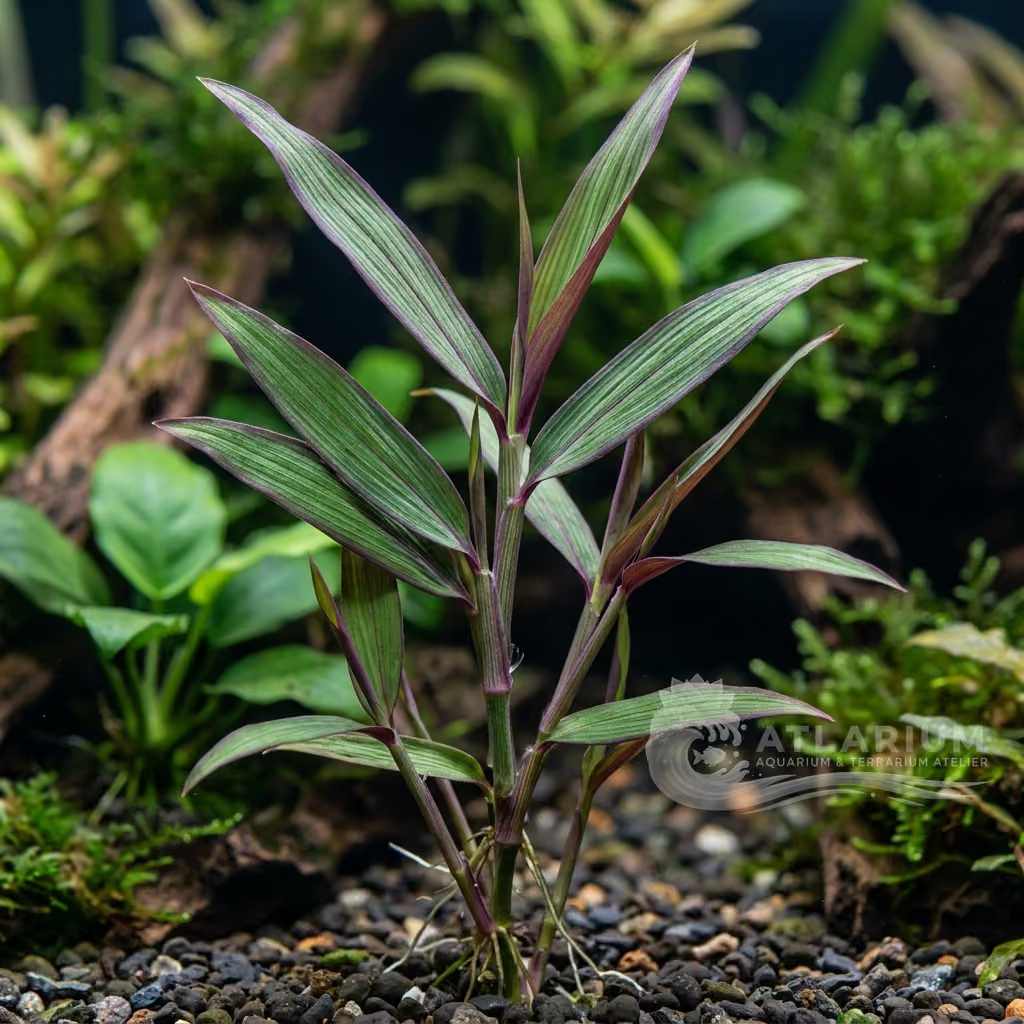
Physical Structure: Oldenlandia salzmannii presents as a relatively delicate yet branching stem plant capable of developing a dense network of leaves. Its stems are thin and flexible, usually light green in
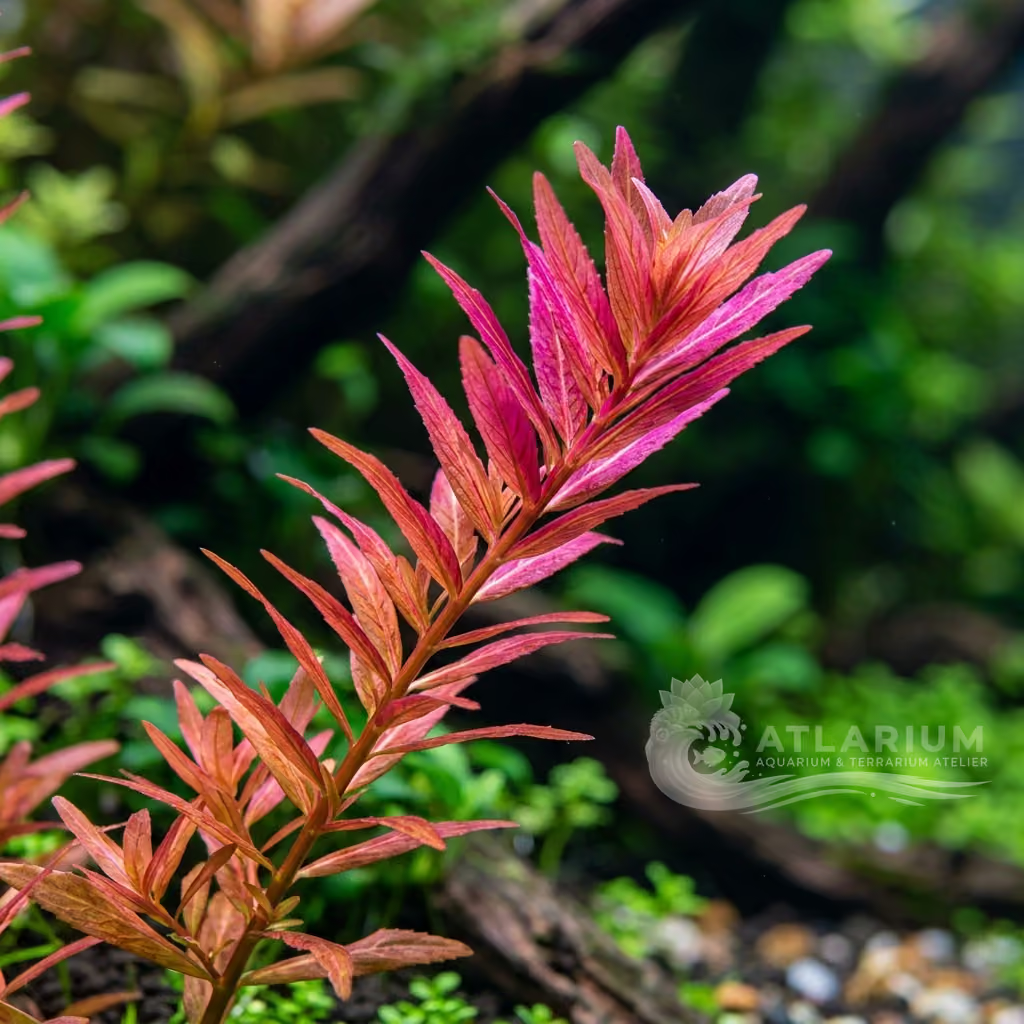
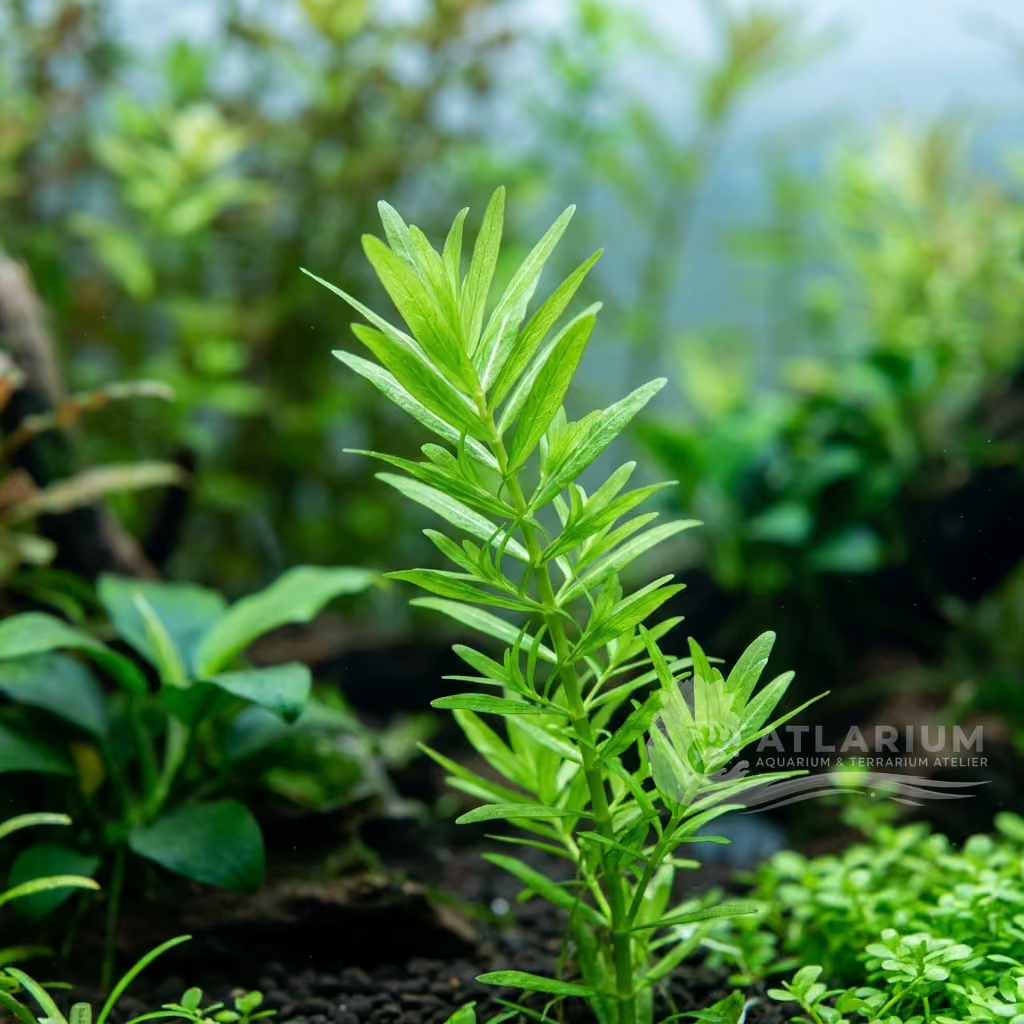
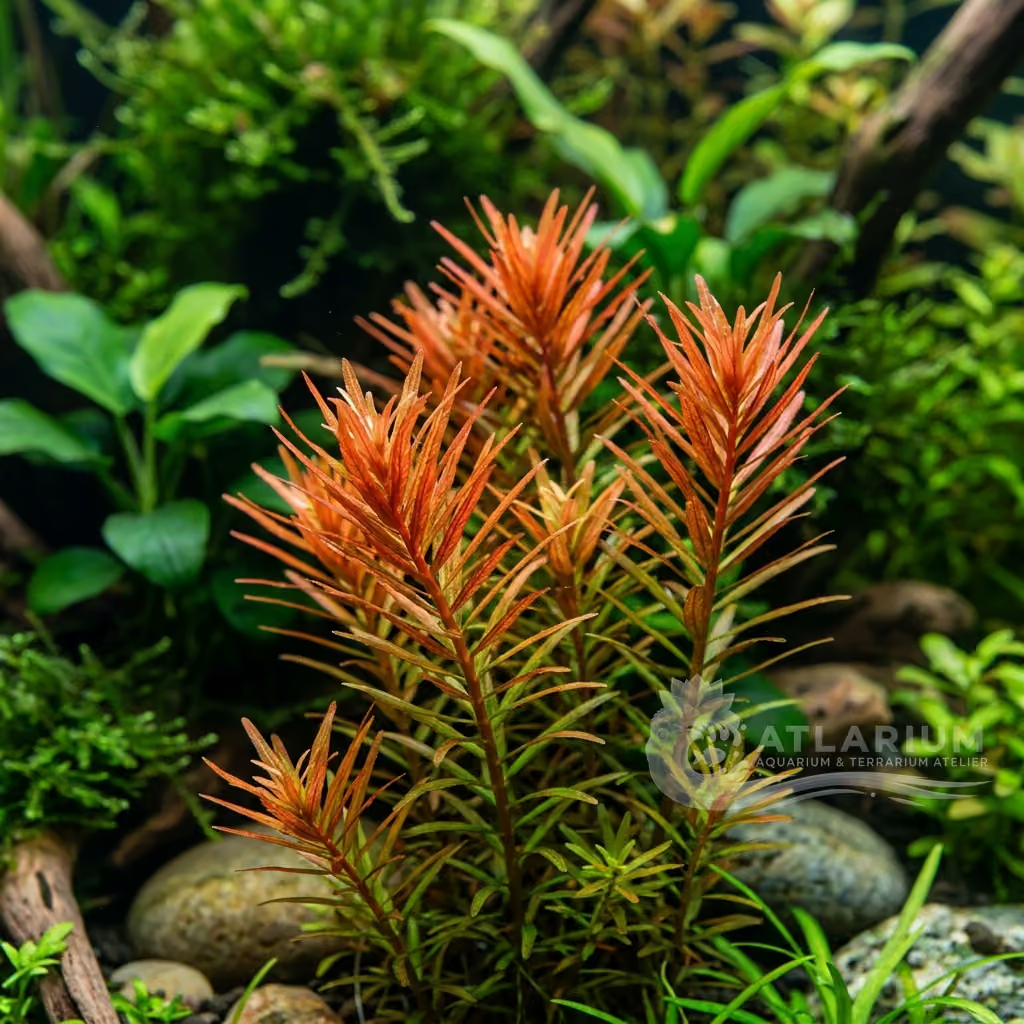
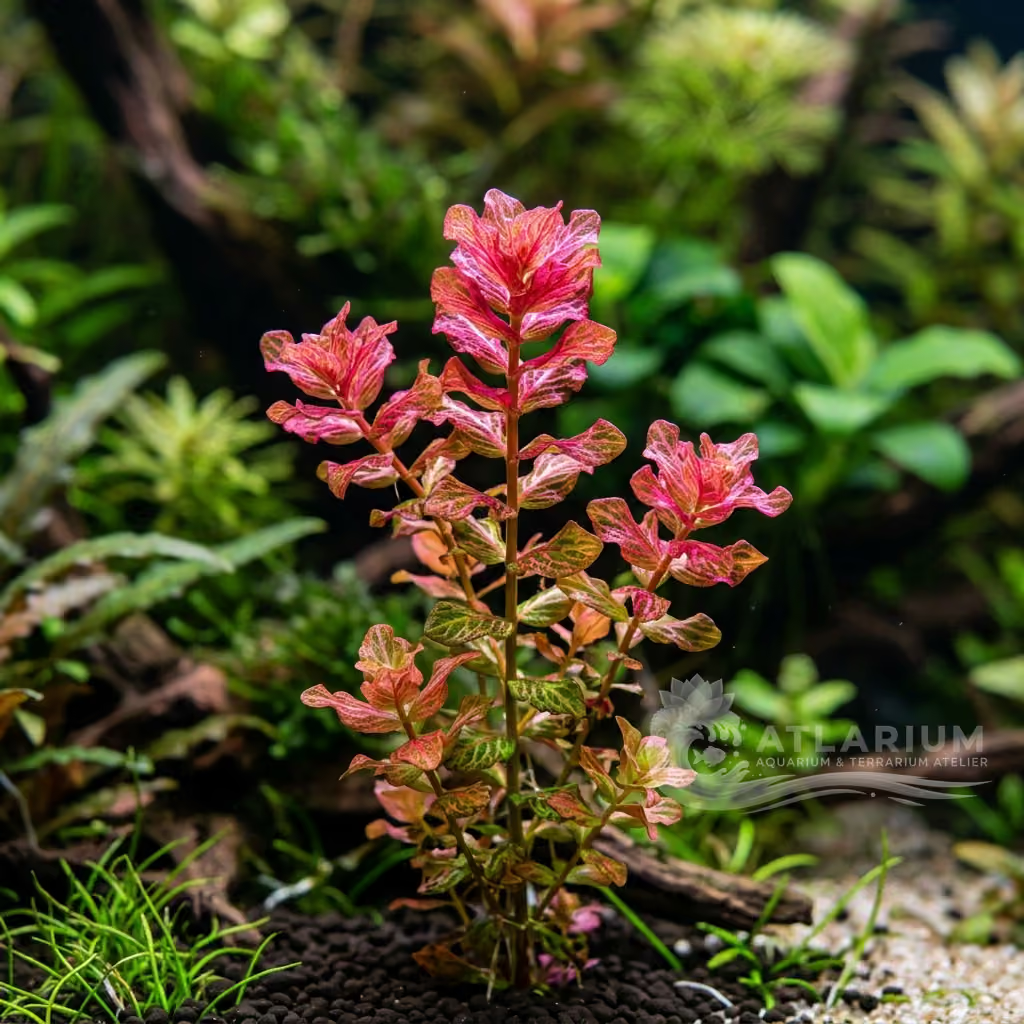
Color & Texture: The predominant color of Oldenlandia salzmannii is a bright and vibrant green, which can vary slightly in intensity depending on lighting conditions and nutrient availability. With more intense light and good fertilization, the leaves can take on a more vivid light-green hue, sometimes with almost lime undertones. The texture of the leaves is smooth and slightly fleshy, giving them a delicate yet robust appearance. This combination of color and texture makes it an aesthetically pleasing addition, capable of creating strong contrast with darker plants or different foliage textures. Its small leaves contribute to a fine and detailed look in the aquascape.

Care, breeding and tankmates
Lighting & CO2: Oldenlandia salzmannii thrives under medium intensity lighting, which encourages vigorous growth without excessively promoting undesirable algal proliferation. A photoperiod of 8-10 hours per day is ideal for maintaining a healthy photosynthetic balance and promoting vibrant foliage coloration. The addition of supplemental carbon dioxide (CO2) is highly recommended for this species, as it accelerates the growth rate and significantly improves the robustness and density of the leaves. A CO2 concentration of 20-30 ppm will help prevent deficiencies and keep the plant in perfect health, especially in densely planted aquariums.
Nutrition & Substrate: For optimal growth, Oldenlandia salzmannii benefits from a nutrient-rich substrate, although it can tolerate inert substrates with the regular addition of liquid fertilizers and, occasionally, root tabs. It is crucial to provide a full range of micronutrients, including iron, manganese, and boron, in addition to essential macronutrients such as nitrogen, phosphorus, and potassium. A weekly liquid fertilization regimen, dosed according to the plant biomass present, will ensure the plant receives everything it needs.
Water Chemistry: Maintaining stable water parameters is crucial for the health of Oldenlandia salzmannii, although the plant is relatively adaptable. Water temperature should be kept within the ideal range of 20-28 C, avoiding extreme fluctuations that could stress the plant. The ideal pH is between 6.0 and 7.5, a slightly acidic to neutral range that reflects its natural habitat. Carbonate hardness (KH) should be between 2 and 12, ensuring sufficient pH stability without excessive alkalinity. Regularly monitoring these parameters and performing weekly partial water changes helps prevent the accumulation of harmful substances and replenishes essential minerals.
Space Management & Placement: Ideally placed in the midground, Oldenlandia salzmannii can form a beautiful bush or a transitional area between the foreground and background. Due to its medium growth rate and tendency to branch, it is excellent for adding volume and depth to the aquascape. It is important to leave sufficient space between individual stems or plant clumps to ensure good water circulation and uniform light penetration, preventing mutual shading and the decomposition of lower leaves. When planting, it is advisable to separate mother plants into small bunches and plant them a few centimeters apart to encourage lush and healthy growth.
Pruning: Regular pruning is essential to keep Oldenlandia salzmannii in shape and encourage dense, compact growth. Without pruning, the plant can become too tall and sparse at the base, losing its attractive bushy form. It is recommended to trim the tops of the stems, which will stimulate the plant to branch laterally, creating a fuller appearance. The trimmed parts can be used for propagation by simply replanting them into the substrate. Periodically removing old or damaged leaves from the base of the plant will also help improve water circulation and light penetration, preventing debris accumulation.
Risks & Diseases: While Oldenlandia salzmannii is generally robust, it can be susceptible to nutritional deficiencies if not adequately fertilized, manifesting as chlorosis or stunted growth. Insufficient CO2 supply can also slow growth and weaken the plant. Like many aquatic plants, it is vulnerable to algae outbreaks, especially in the presence of nutrient imbalances or excessive lighting, which can smother the leaves. Consistent monitoring of aquarium conditions and adopting a regular maintenance routine are the best defenses against these issues, ensuring the plant remains healthy and vigorous.

Geographic origin and distribution
Originating from the tropical and subtropical regions of Central and South America, Oldenlandia salzmannii thrives in both aquatic and semi-aquatic environments. It is typically found along the banks of rivers, streams, and in damp or marshy areas, where its roots can anchor themselves in muddy or sandy substrates. Its ability to adapt to both full submersion and periods of emersion makes it a robust and flexible species for aquariums. In nature, it often grows in dense clumps, forming carpets along the water's edge, contributing significantly to local biodiversity.
Origin
Central America and CaribbeanExtra-Amazon South America

Plant profile
- Placement
- Midground
- It is an excellent choice for the midground. It can be planted in groups to form a dense, bright green bush. Position it where it won't be heavily shaded by taller background plants.
- Botanical form
- Stem
- A delicate-looking stem plant with small, bright green, opposite leaves. It has a slightly creeping and bushy growth habit naturally, making it distinct from strictly vertical stem plants.
- Growth
- Medium
- It exhibits a moderate to fast growth rate when conditions are optimal. It responds well to CO2 and high light, which encourages it to grow more compactly.
- Substrate
- Medium
- Oldenlandia salzmannii is a slender stem plant that does not need the heavily enriched root zone used for large rosette plants. A fine aquarium substrate that securely anchors the stems is adequate, supported by regular water-column fertilization. In inert or exhausted sand or gravel, root capsules can be added as an optional supplement; the root zone should remain stable and moderately fertile rather than heavily dosed.
- Column fertilization
- Recommended
- Regular dosing of a complete liquid fertilizer ensures the small leaves remain bright green and healthy. Micronutrients, especially iron, help prevent the new growth from becoming pale.
- Root fertilization
- Optional
- A nutrient-rich substrate or the addition of root tabs will significantly improve its growth rate and bushiness. Strong roots allow the plant to better anchor and branch out.
- Trimming
- Occasional
- It responds exceptionally well to regular topping. Trim the tops to encourage side shoots and a much denser appearance. The trimmed tops can be replanted.
- Propagation
- Cuttings
- Very easy to propagate by taking stem cuttings. Simply snip the healthy top portions and replant them directly into the substrate where they will quickly root.
- Sensitivity
- Moderate
- It can drop its lower leaves if heavily shaded or if the lighting is insufficient. It requires decent light penetration all the way to the substrate to stay bushy at the base.
- Layout role
- Midground, group
- Excellent for creating dense, bright green midground transitions. It's often used in Nature Aquarium layouts to create a soft bridge between carpeting plants and taller background stems.

Image gallery
Licensed images linked to the species or, when marked, to the closest representative taxon.

Related species
Recommendations grouped by close relatives, companion choices, and similar care.