Microcarpaea minima
Microcarpaea minima
Microcarpaea minima is a tiny foreground plant that forms a dense and vibrant carpet, ideal for adding depth and texture to any aquascape. Its medium growth rate requires stable and optimized conditions to fully express its aesthetic potential and create a compact, lush lawn.
Water Temperature
20 - 30 °C
pH Value
5 - 7
Water type
Freshwater
Light
High
CO2
High
KH
0 - 14 dKH

Species description
Geographical Origin and Habitat: Microcarpaea minima is native to tropical and subtropical regions of Asia, where it thrives in shallow, moist aquatic environments. It typically colonizes the edges of streams, ponds, and rice paddies, growing both submerged and emergent in muddy or sandy substrates. Its presence in these areas indicates a preference for clear or slightly turbid waters, always rich in nutrients and with good sun exposure.
Taxonomy & Genetics: Belonging to the family Phrymaceae, Microcarpaea minima is a member of a relatively small genus with few recognized species. Its classification highlights an interesting evolution within aquatic and semi-aquatic plants, showcasing specific adaptations for life in humid habitats. While extensive genetic data of specific aquaristic interest is not widely published, its taxonomic identity is well-established, distinguishing it from other carpeting plants by its unique characteristics.
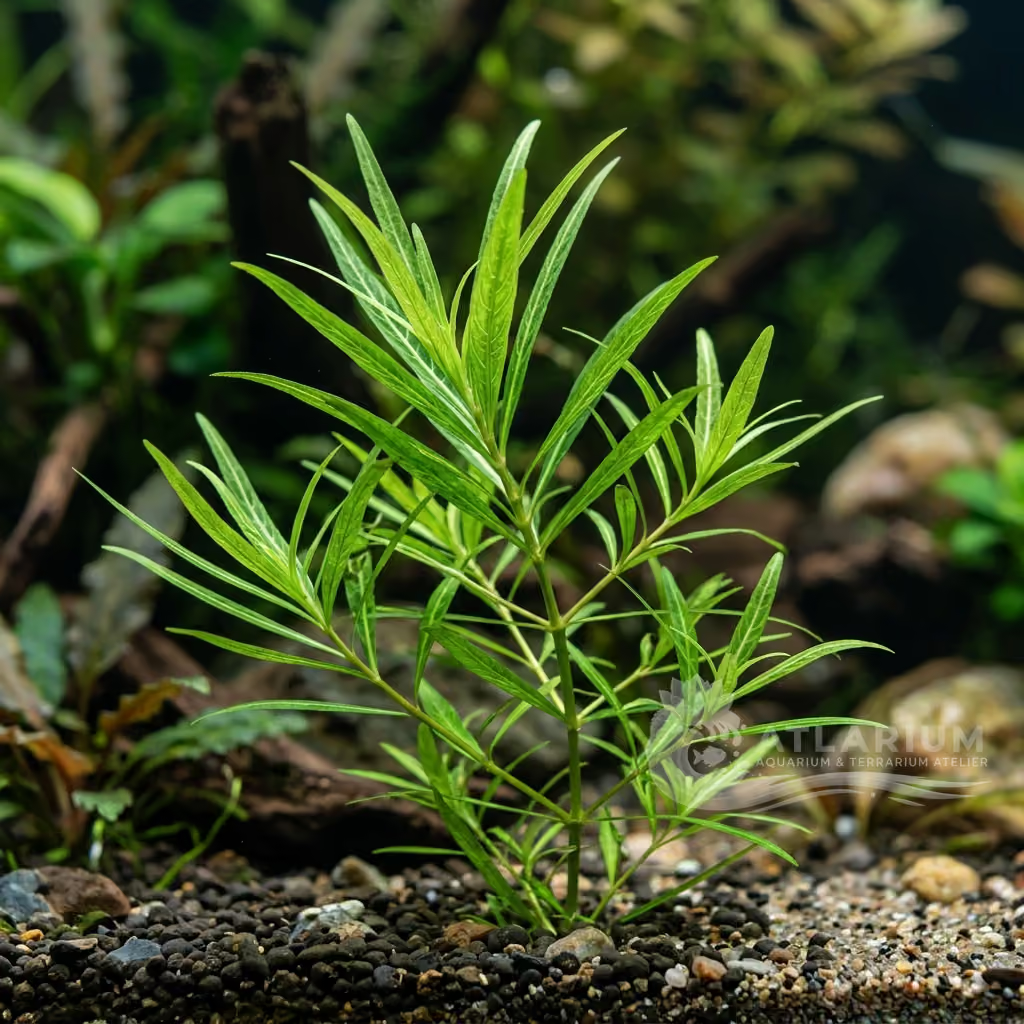
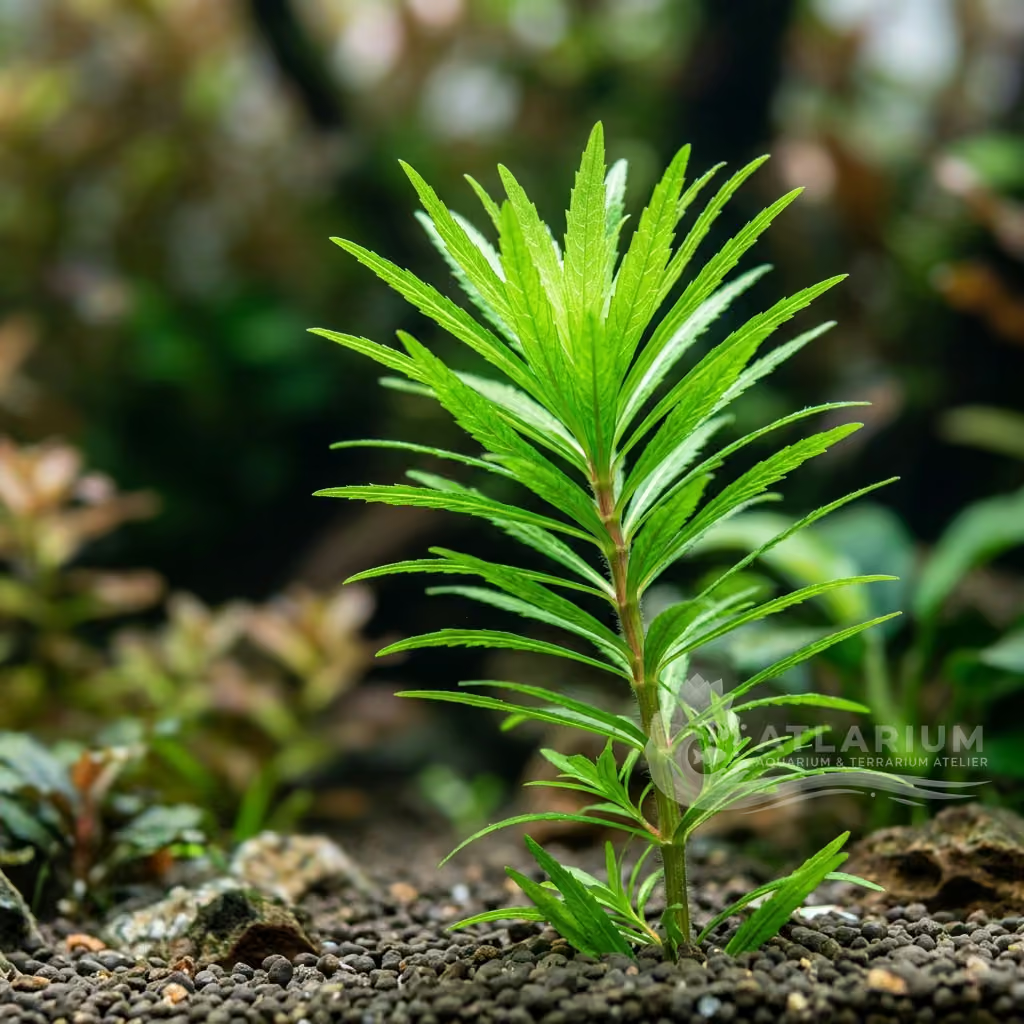
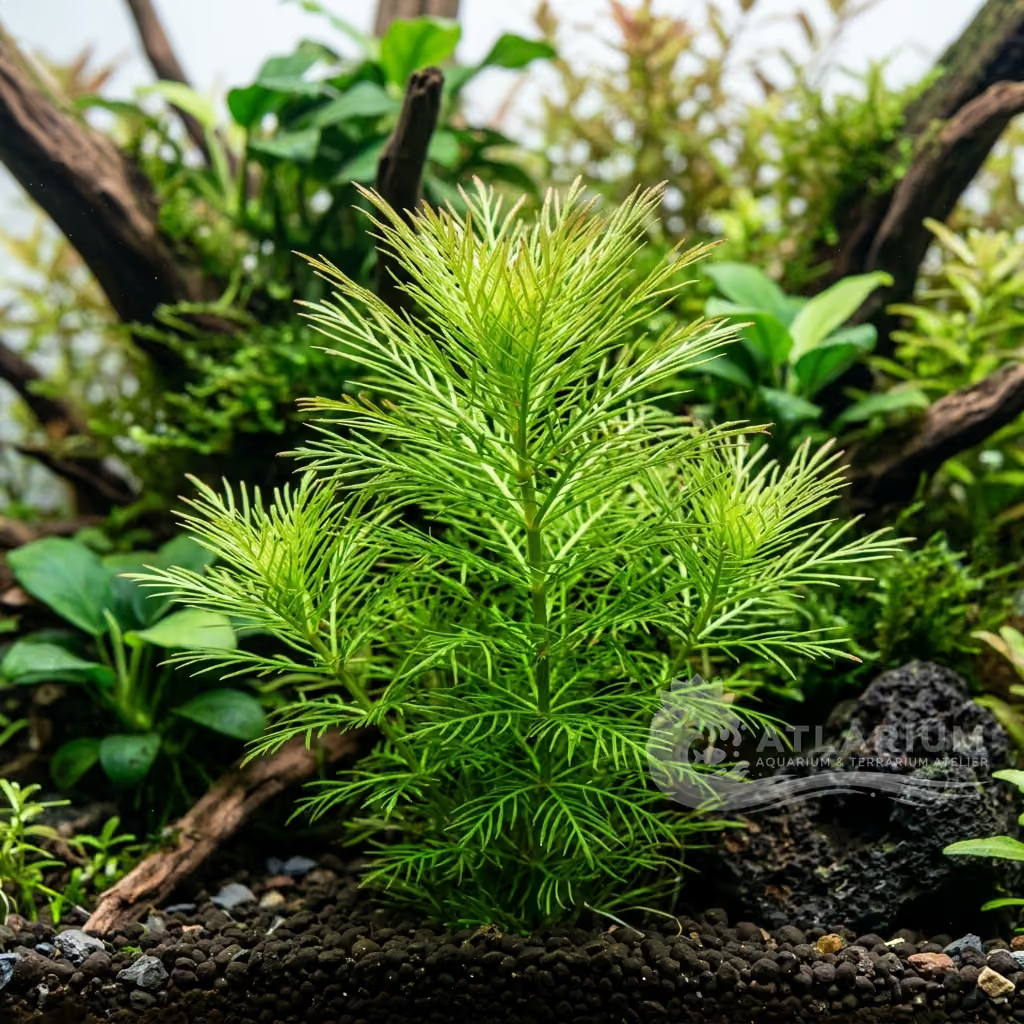
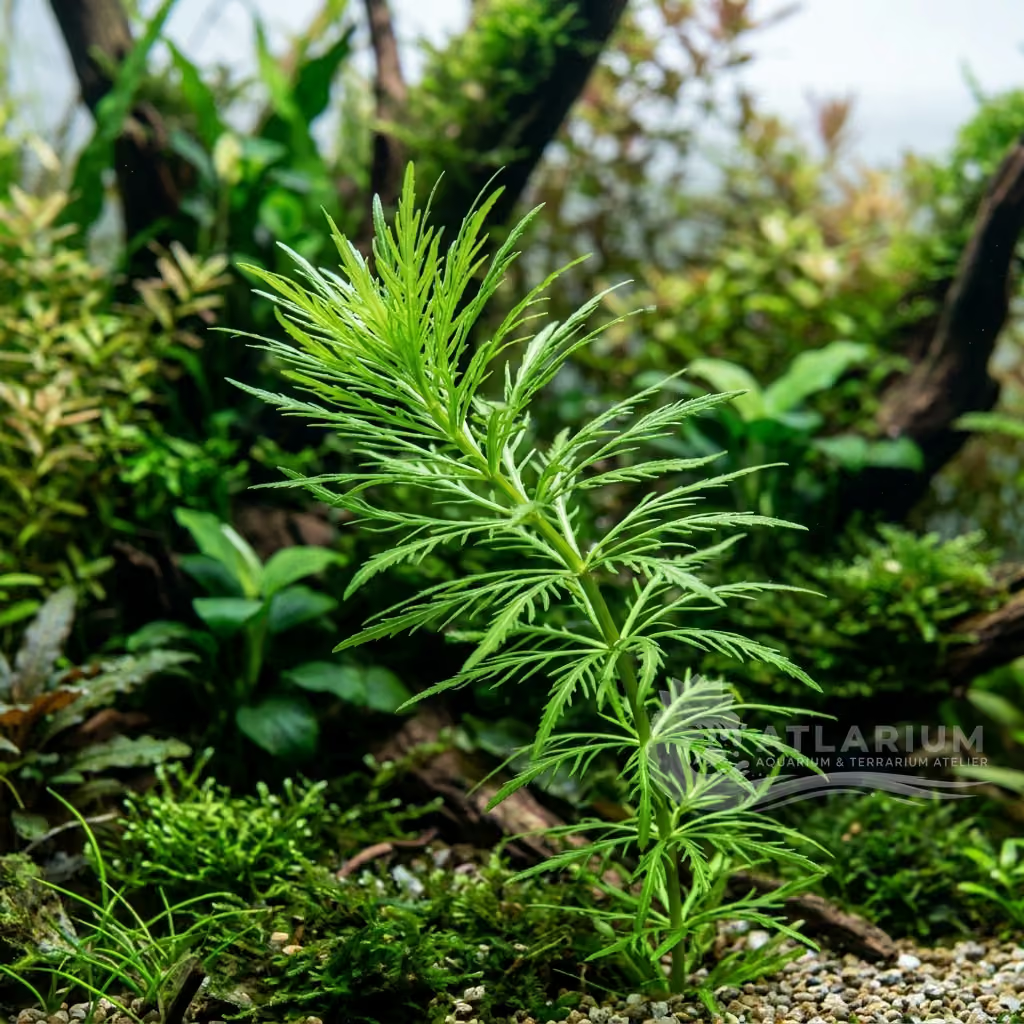
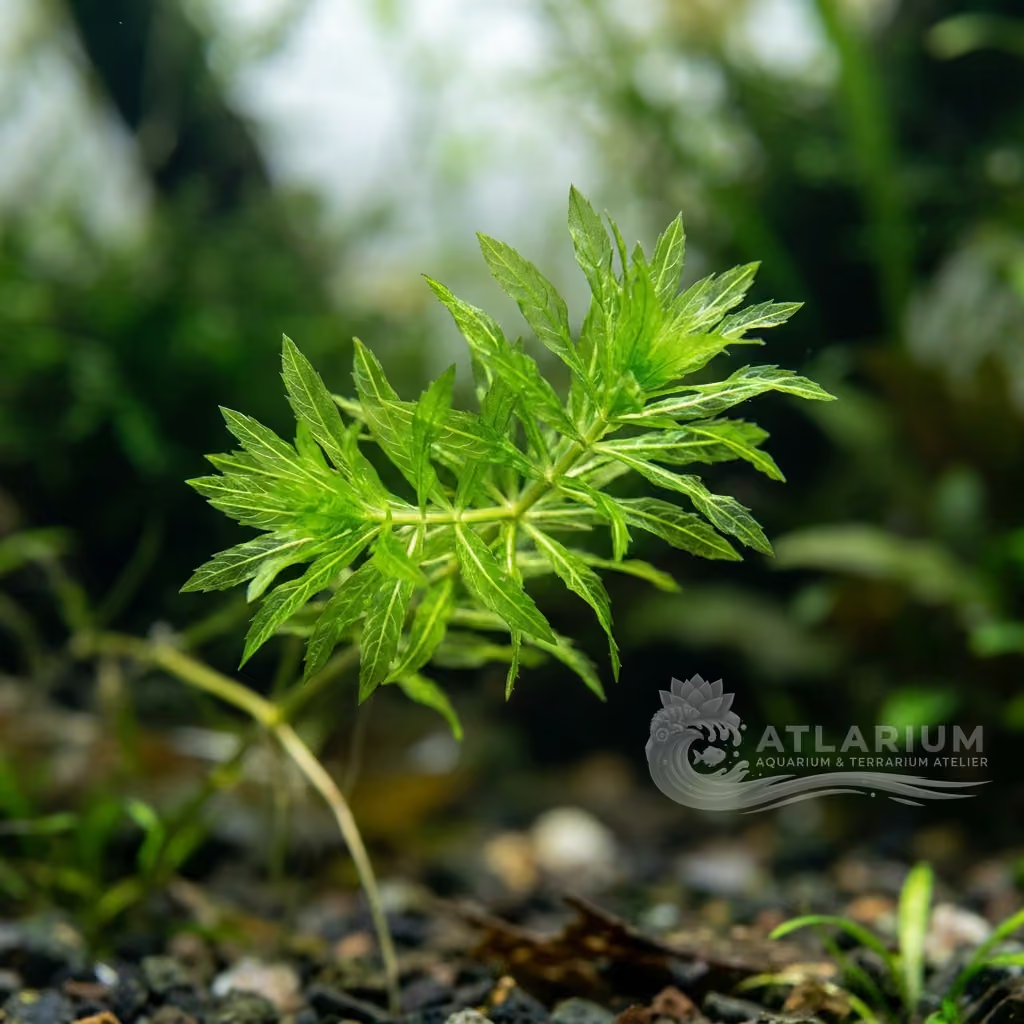
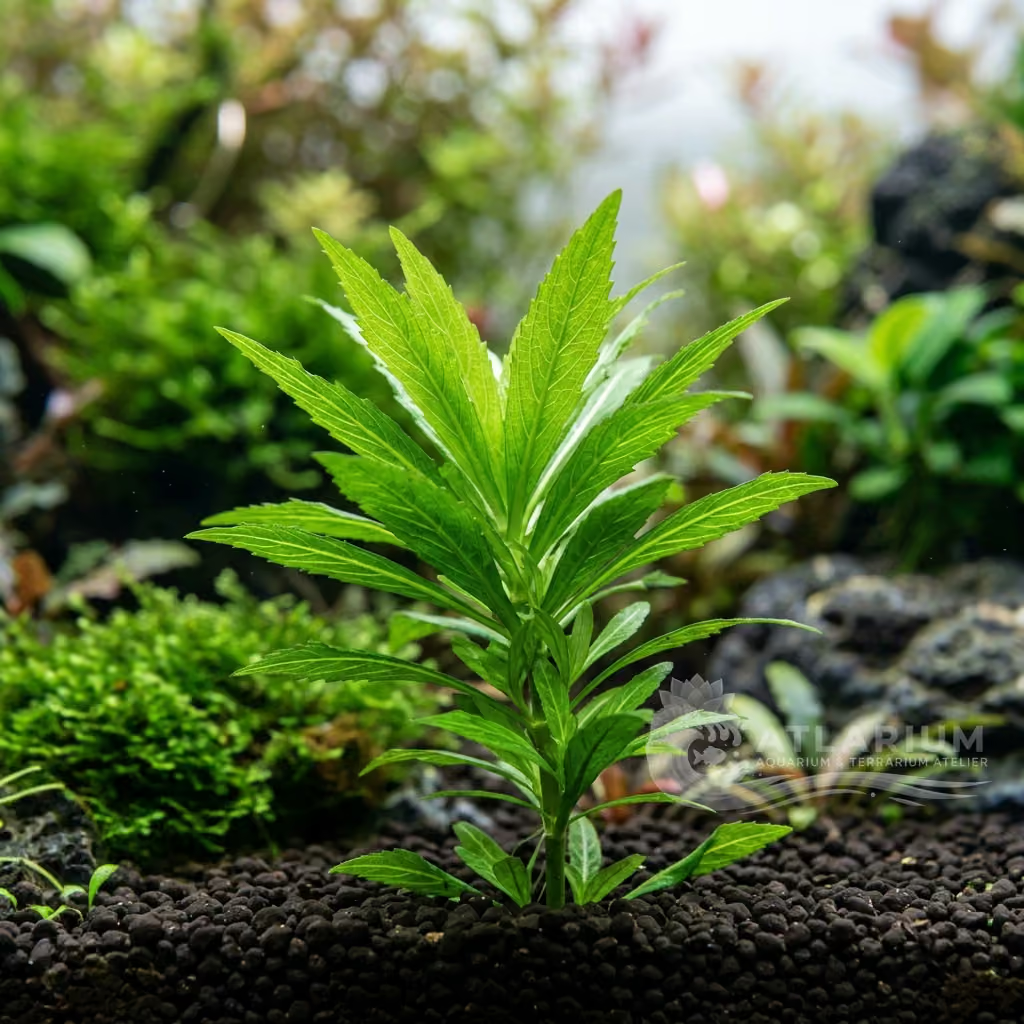
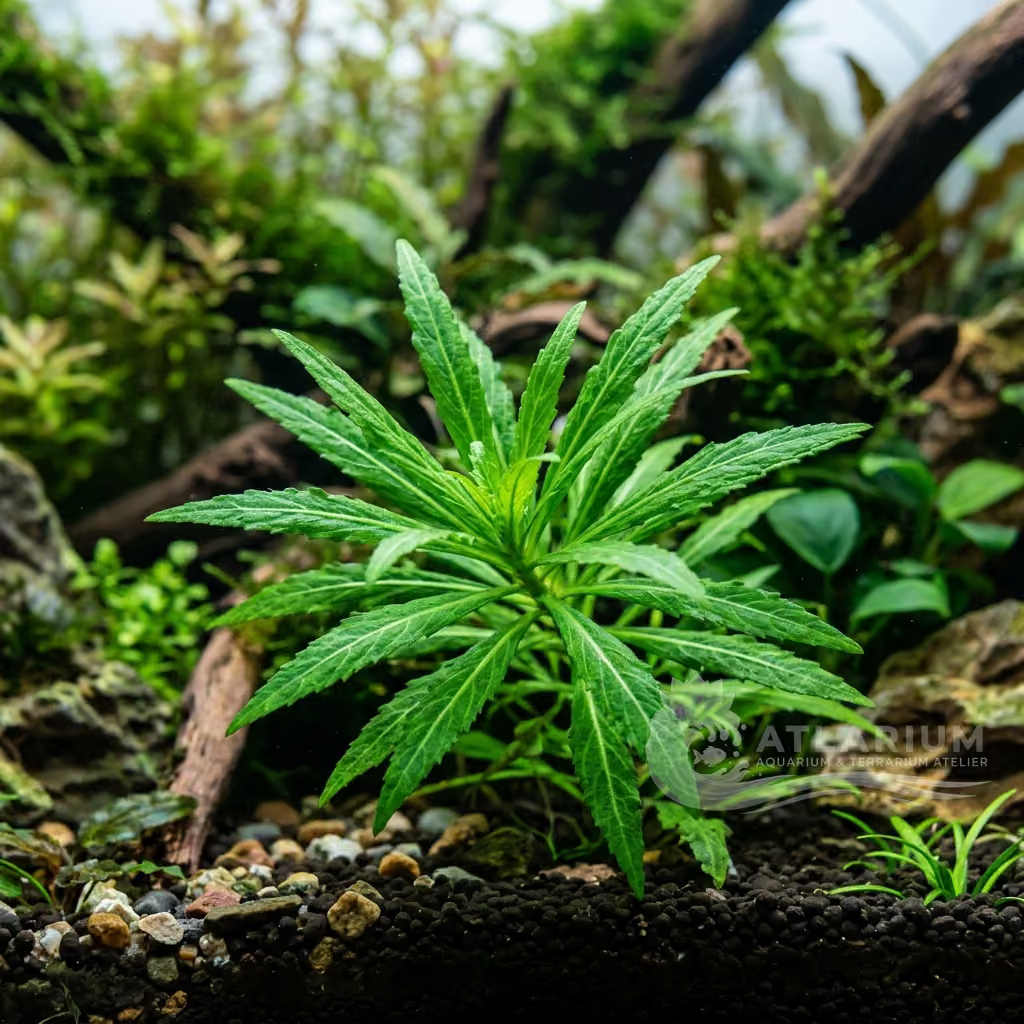
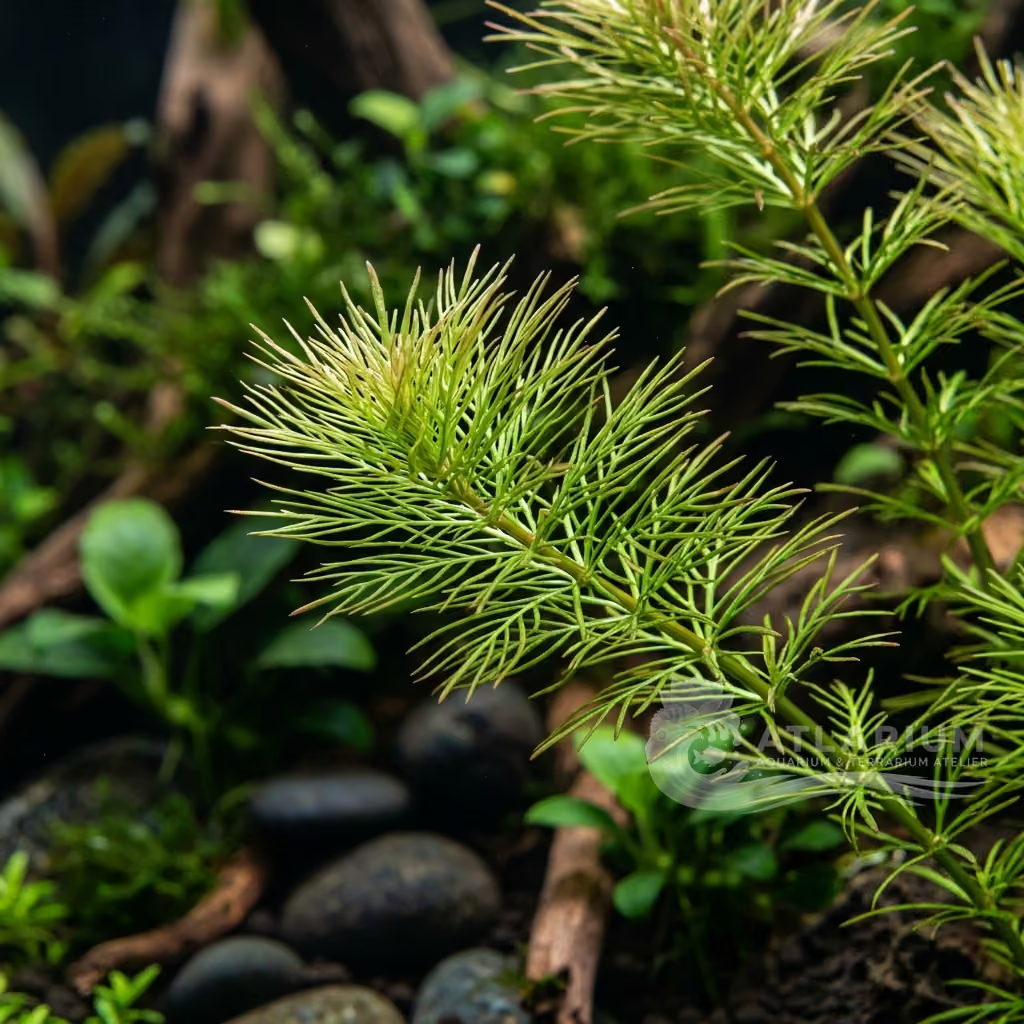
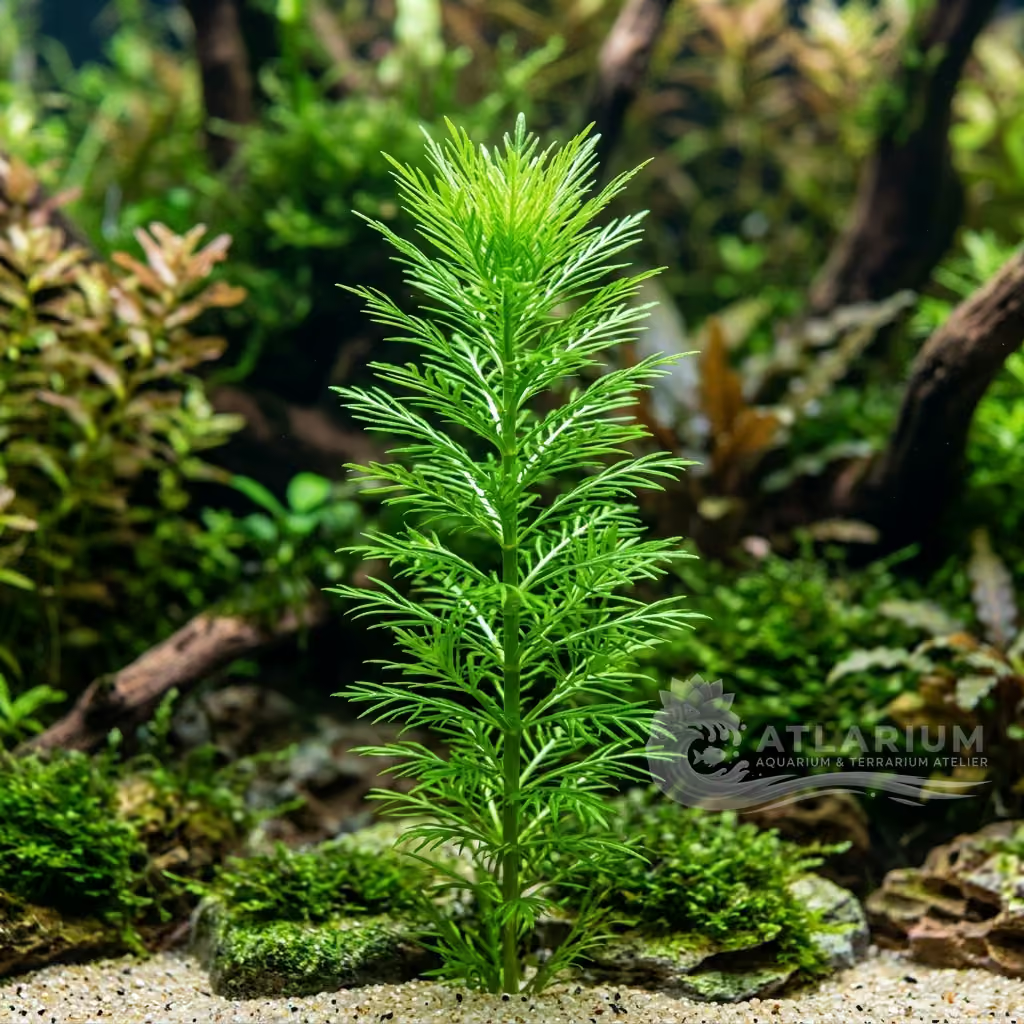
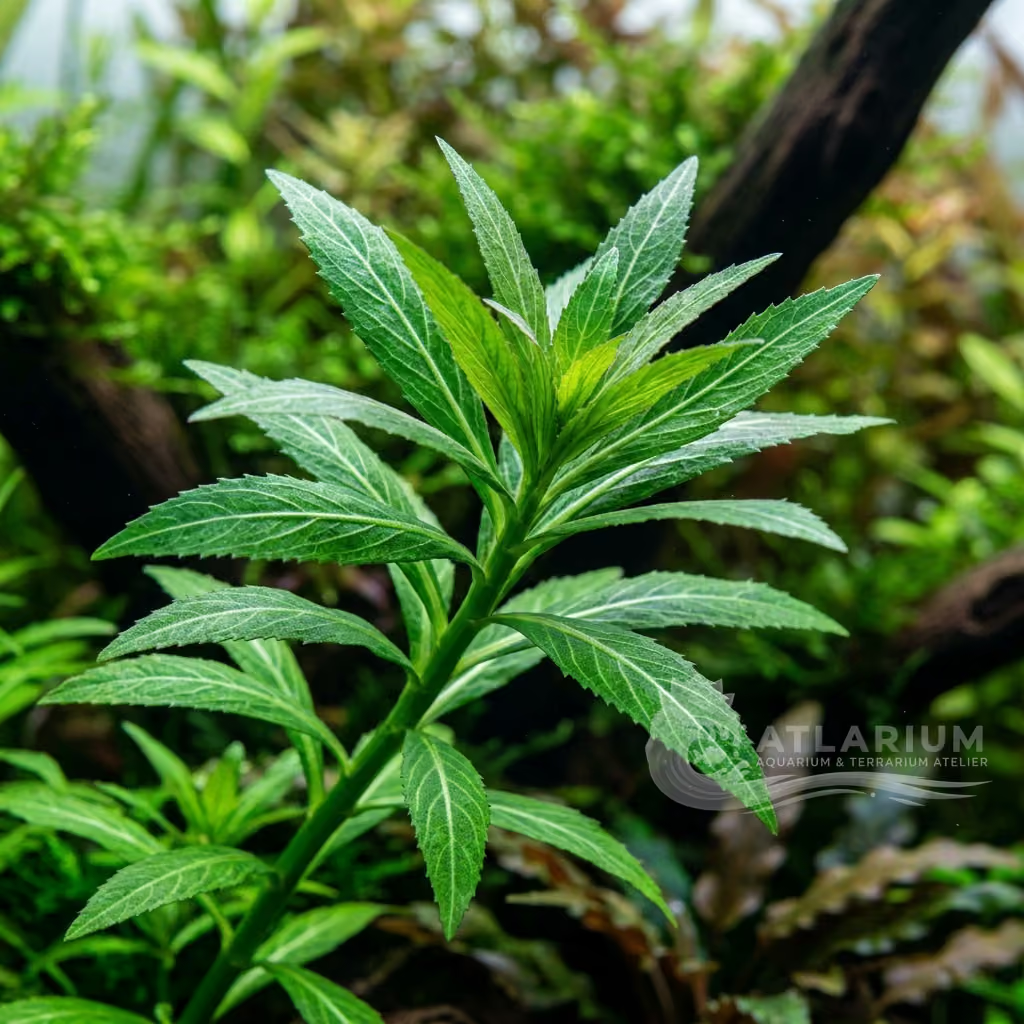
Physical Structure: This plant features very slender and delicate stems that creep along the substrate, branching out to create a dense ground cover. Its leaves are tiny, oval or elliptical, arranged in opposite pairs along the stem. The root system is equally fine and primarily serves to anchor the plant to the substrate and absorb nutrients, contributing to the carpet's stability without developing prominent taproots.
Color & Texture: The leaves of Microcarpaea minima display a coloration ranging from bright green to medium green, sometimes with slightly darker hues depending on light intensity and nutrient availability. Their texture is delicate and almost translucent, giving the plant an ethereal and refined appearance. Under intense lighting, the foliage can exhibit a vibrant iridescence, adding an extra element of charm to the aquarium.

Care, breeding and tankmates
Lighting & CO2: Microcarpaea minima requires intense lighting to thrive and maintain a compact, carpeting growth habit; insufficient light will cause it to stretch and become less dense. Carbon dioxide (CO2) supplementation is crucial for this species, stimulating vigorous growth and helping to prevent unwanted algae growth. A photoperiod of 8-10 hours per day with high light intensity, measured in PAR (Photosynthetically Active Radiation), is ideal for maximizing photosynthesis and overall plant health.
Nutrition & Substrate: For optimal growth, Microcarpaea minima greatly benefits from a nutrient-rich, fine-grained substrate that allows its delicate roots to anchor and absorb minerals. Supplementation with complete liquid fertilizers, including essential macro and micronutrients, is recommended to support its active growth. Adding root tabs to the substrate can provide targeted and prolonged nutritional support to the roots, promoting healthy development and preventing deficiencies.
Water Chemistry: This plant prefers soft, acidic to neutral water, with a pH range between 5.0 and 7.0 and a carbonate hardness (KH) between 0.0 and 14.0. The water temperature should be maintained between 20.0 and 30.0 °C to promote its metabolism and prevent thermal stress. Maintaining stable parameters is crucial, as sudden variations can stress the plant and potentially lead to leaf melt.
Space Management & Placement: Microcarpaea minima is perfectly suited as a foreground plant, where it can form a lush and compact carpet, or even as infill between rocks and driftwood in Iwagumi or Nature Aquarium style aquascapes. To achieve a uniform lawn effect, it is advisable to plant small clumps at close distances. Its creeping growth allows it to cover large areas, creating a sense of depth and complementing the overall aesthetic of the setup with a natural and delicate element.
Pruning: Regular pruning is essential to keep Microcarpaea minima compact and to prevent lower layers from being suffocated by upper growth. Trimming the tips of stems that grow too tall or spread excessively encourages denser, more horizontal growth. This practice not only enhances the aesthetic appearance of the carpet but also ensures that light reaches all parts of the plant, promoting efficient photosynthesis in every layer.
Risks & Diseases: Microcarpaea minima is generally robust but can suffer in low light conditions, showing elongated stems and pale leaves, or nutrient deficiencies leading to yellowing. Excessive algae proliferation can compete for light and nutrients, so a good balance is crucial. Sudden changes in water parameters or exposure to aggressive chemicals can cause melting or deterioration, making a stable and well-monitored environment indispensable.

Geographic origin and distribution
Microcarpaea minima is native to tropical and subtropical regions of Asia, where it thrives in shallow, moist aquatic environments. It typically colonizes the edges of streams, ponds, and rice paddies, growing both submerged and emergent in muddy or sandy substrates. Its presence in these areas indicates a preference for clear or slightly turbid waters, always rich in nutrients and with good sun exposure.
Origin
East AsiaSouth and Southeast AsiaAustralia, New Guinea, and Oceania

Plant profile
- Placement
- Foreground
- This plant is best utilized as a foreground or midground bush in aquascaping. Its small, delicate leaves create a beautiful, dense texture when trimmed regularly. It contrasts wonderfully with larger-leaved plants and hardscape materials.
- Botanical form
- Stem
- Microcarpaea minima is a diminutive stem plant characterized by extremely small, opposite leaves on fragile stems. It has a creeping, bushy growth habit that can form dense mats over time. The leaves are typically a bright, light green color that adds a fresh look to the aquarium.
- Growth
- Medium
- Under optimal conditions with high light and CO2, Microcarpaea minima exhibits a moderate to fast growth rate. It spreads horizontally first before growing vertically. Regular pruning is necessary to maintain a compact, bushy shape and prevent it from shading itself.
- Substrate
- Medium
- A fine-grained, nutrient-rich aqua soil is highly recommended for this delicate species. It allows the very fine root system to anchor securely and extract necessary elements. Gravel or inert sand alone may struggle to provide the required base for robust creeping growth.
- Column fertilization
- Recommended
- Liquid fertilization is crucial for this plant as it absorbs a significant amount of nutrients through its delicate leaves. A comprehensive liquid fertilizer dosing regimen should be maintained to support its fast metabolism. Regular water column dosing prevents nutrient deficiencies.
- Root fertilization
- None
- While it draws heavily from the water column, root tabs or a nutrient-rich substrate are highly beneficial. The fine root structure penetrates the substrate to access trapped nutrients. Supplementing with root fertilizers ensures a steady supply of essential elements.
- Trimming
- Occasional
- Regular trimming is needed to maintain its bushy appearance and prevent it from becoming too tall. Pruning encourages side branching, resulting in a denser cluster. The delicate stems must be cut with very sharp scissors to avoid crushing them.
- Propagation
- Cuttings
- Propagation is straightforward and is achieved through stem cuttings. Simply cut a healthy stem and replant it directly into the substrate. The cutting will quickly develop new roots and continue to grow, allowing aquarists to easily expand their carpet or bush.
- Sensitivity
- Moderate
- It is quite sensitive to shading and requires unhindered access to light. Heavy algae growth can quickly smother and kill its tiny leaves. It demands stable water parameters and clean water conditions.
- Layout role
- group, Foreground, Midground, Nano
- It serves as an excellent midground accent plant due to its incredibly fine texture. It provides striking contrast when placed next to broad-leaved plants. It is highly valued in nano aquascapes for its small proportions.

Related species
Recommendations grouped by close relatives, companion choices, and similar care.