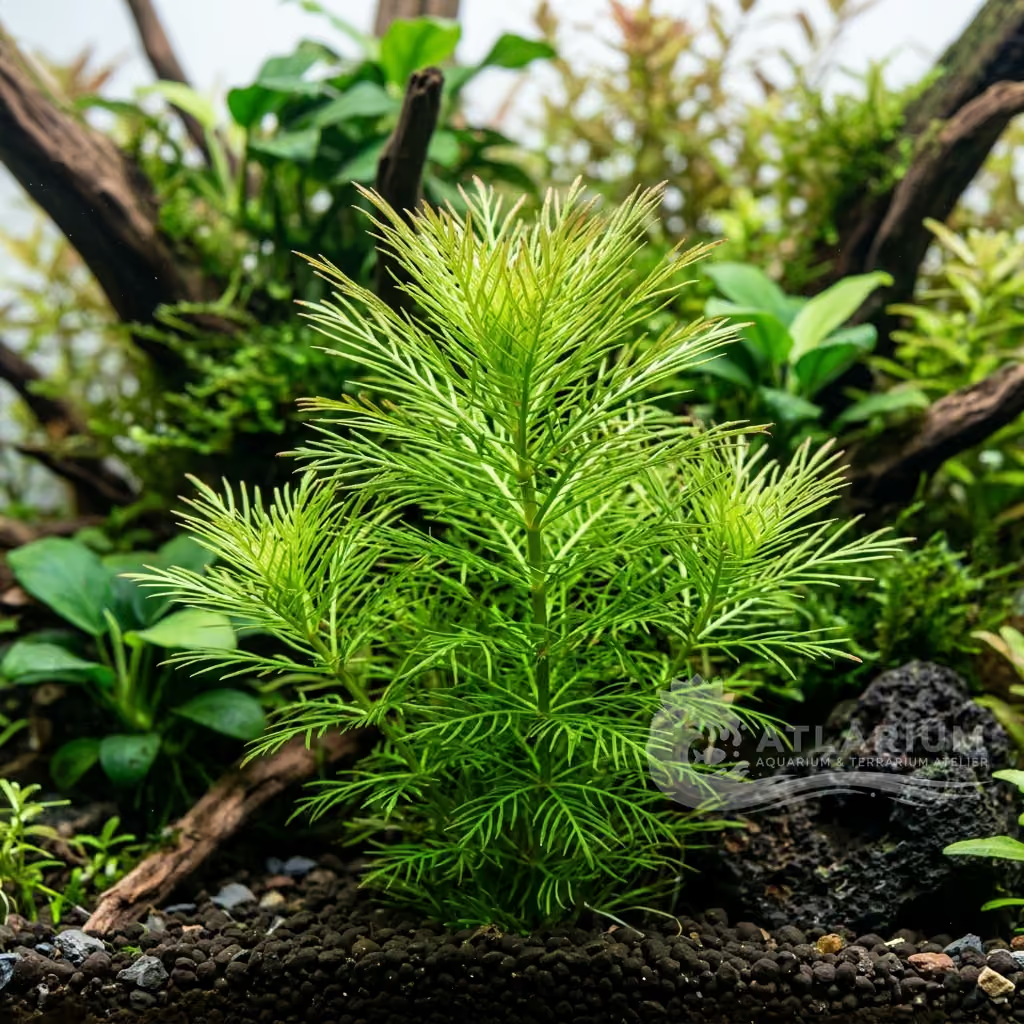
Mayaca fluviatilis
Mayaca fluviatilis
Mayaca fluviatilis is a fast-growing stem plant, perfect for the midground of an aquarium, valued for its dense, fine-textured foliage. It thrives under medium to high light conditions, showcasing vigorous growth and vibrant coloration.
Water Temperature
18 - 30 °C
pH Value
4.5 - 7
Water type
Freshwater
Light
Medium to High
CO2
High
Expected height
30 cm
Expected width
10 cm
KH
0 - 6 dKH

Species description
Geographical Origin and Habitat: Native to the tropical and subtropical regions of the Americas, Mayaca fluviatilis is widely distributed from the southeastern United States down to South America. It typically inhabits clear, slow-moving freshwater environments, often found along the edges of rivers, ponds, and swamps, where it can grow both submerged and emersed. This extensive geographical range highlights its adaptability to a variety of natural aquatic habitats.
Taxonomy & Genetics: Mayaca fluviatilis belongs to the Mayacaceae family, being the most commonly cultivated species of this small monocotyledonous group in aquariums. Closely related to the Xyridaceae, Mayacaceae are characterized by their delicate, three-petaled flowers and slender stems. Its taxonomic classification reflects an ancient lineage and a specialized adaptation to aquatic environments.
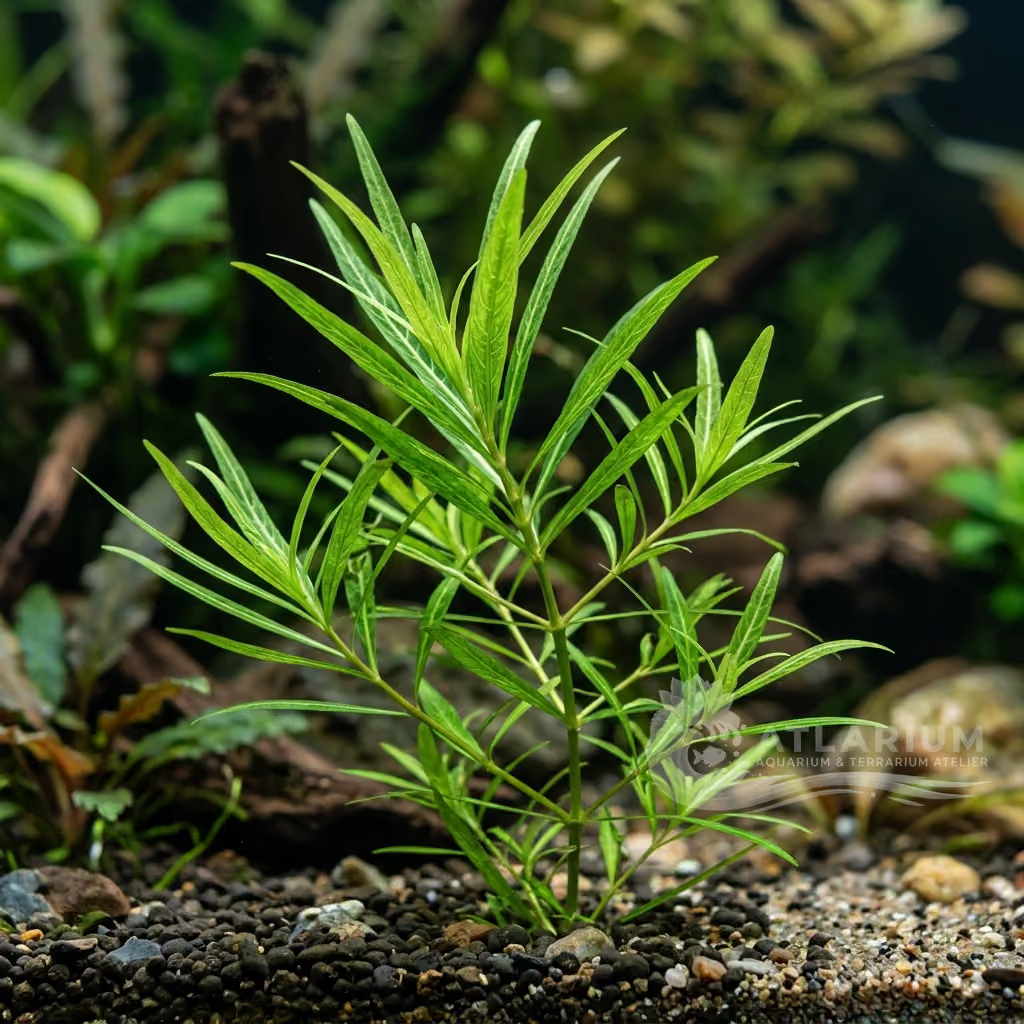
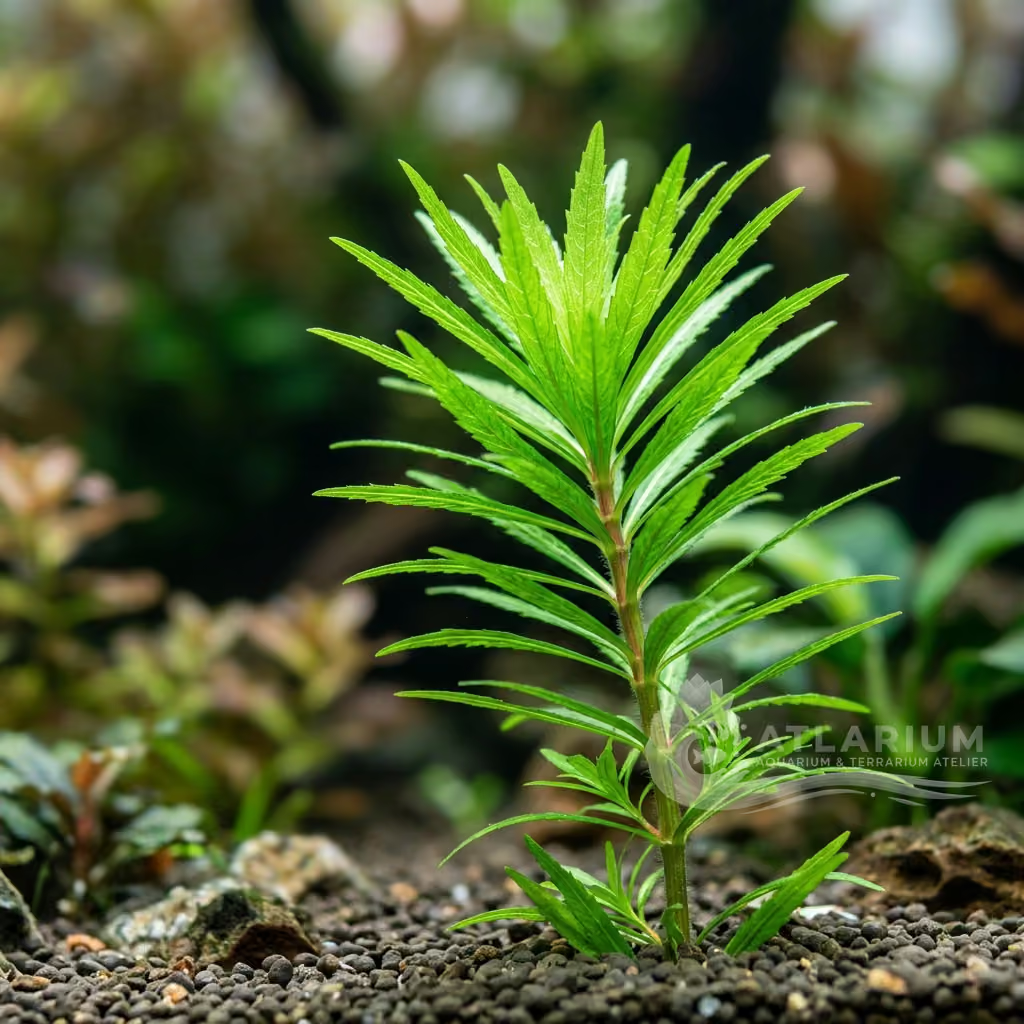
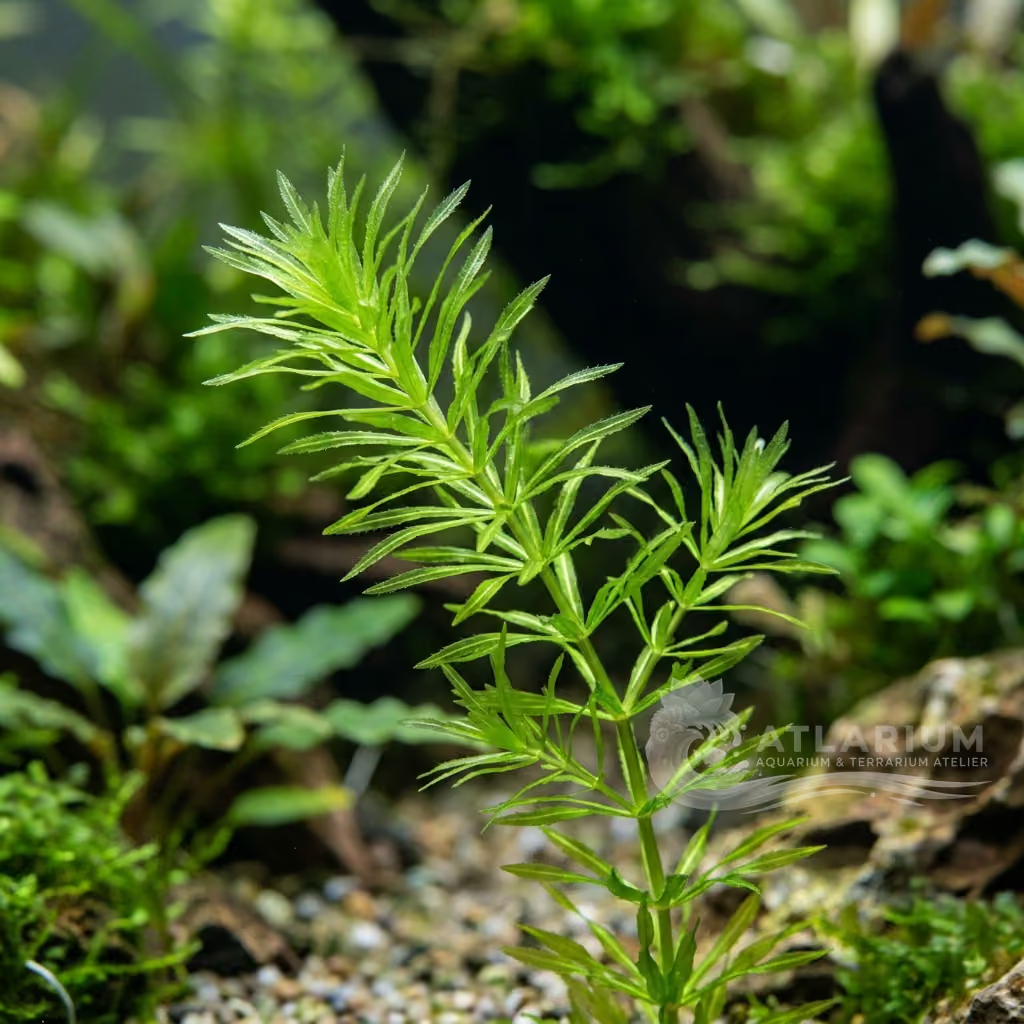
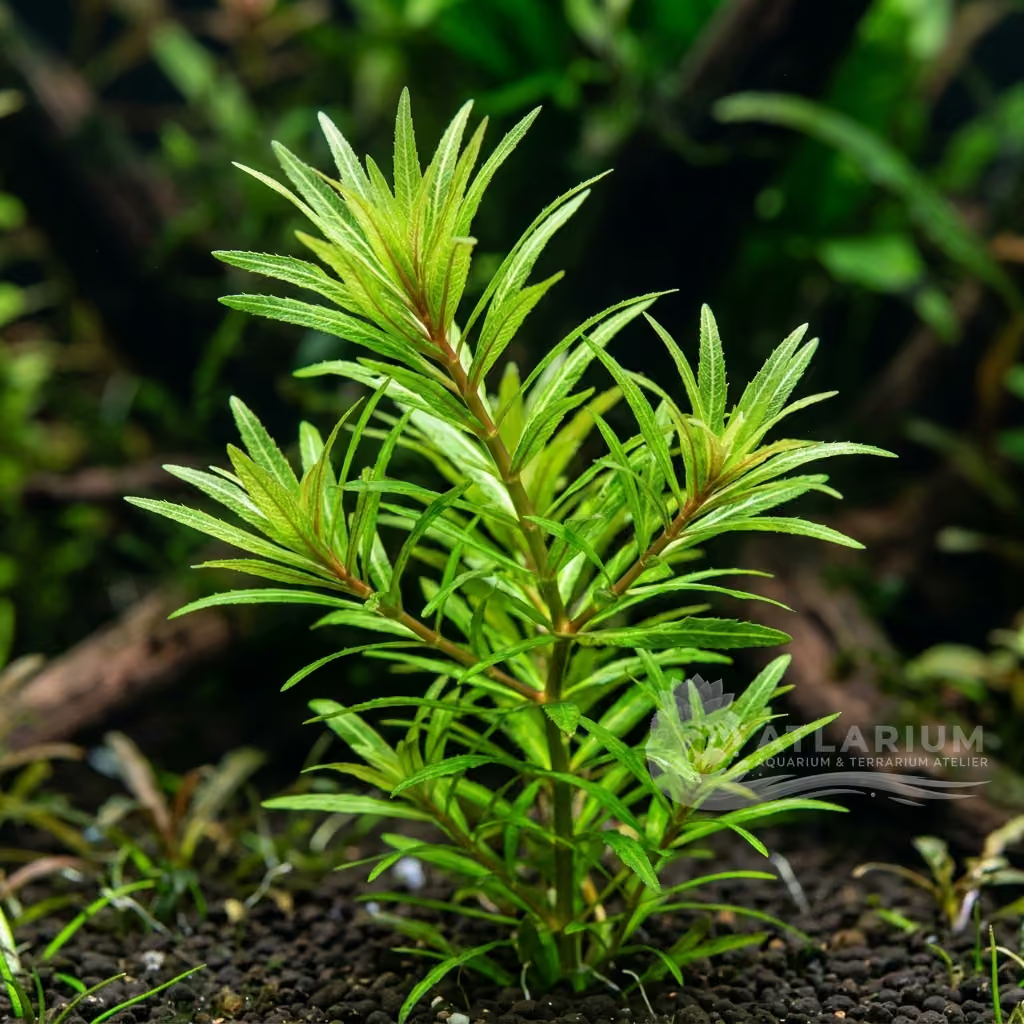
Physical Structure: Mayaca fluviatilis features slender, branching stems densely covered with small, needle-like leaves, giving it a delicate, feathery appearance. The leaves, arranged spirally along the stem, are typically lanceolate and narrow, tapering to an acute point. Its root system is relatively simple and fibrous, providing firm anchorage without being invasive, which facilitates easy propagation through stem cuttings.
Color & Texture: The distinctive color of Mayaca fluviatilis is a bright, vibrant green, which can develop lighter or golden hues under intense lighting. The texture of its leaves is extremely fine and soft to the touch, lending the plant an ethereal and airy appearance that beautifully contrasts with broader-leaved plants. This combination of color and delicacy makes it an appealing visual element in any aquascape.

Care, breeding and tankmates
Lighting & CO2: Mayaca fluviatilis thrives under medium to high lighting; insufficient light can lead to thinning of the lower leaves and stunted growth. To encourage compact growth and vibrant colors, providing intense light, ideally between 0.5 to 1 watt per liter or over 40 PAR, is recommended. CO2 supplementation is highly beneficial and almost essential to achieve its full potential for rapid growth and desired density, significantly enhancing photosynthesis.
Nutrition & Substrate: For robust growth, Mayaca fluviatilis benefits from a nutrient-rich substrate, although it primarily absorbs nutrients from the
Water Chemistry: This species is remarkably adaptable to a wide temperature range, from 18.0 to 30.0 C, but prefers the middle range for optimal growth. It requires soft, acidic water, with an ideal KH between 0.0 and 6.0 and a pH between 4.5 and 7.0. Stability of these parameters is more critical than absolute values, and excessively hard or alkaline water can inhibit growth or cause health issues for the plant.
Space Management & Placement: Positioned in the midground, Mayaca fluviatilis excels as a "filler" plant or for creating dense green thickets. Its rapid growth necessitates space and careful planning to prevent it from overshadowing smaller plants. It is particularly effective in natural or Dutch-style layouts where its fine texture can balance larger-leaved plants or create a harmonious transition between foreground and background.
Pruning: Given its fast growth rate, regular pruning is indispensable to maintain Mayaca fluviatilis in shape and prevent it from becoming overgrown. Frequent trimming encourages lateral branching, making the plant denser and bushier. It is advisable to remove about one-third of the top portion of the longer stems to promote more compact growth and prevent the base from thinning out.
Risks & Diseases: Mayaca fluviatilis is generally robust, but it can suffer from iron chlorosis if deficient in iron, manifesting as lighter or yellowish leaves. Insufficient lighting or nutritional imbalances can lead to thinning and decay of the lower leaves. Its delicate nature can make it susceptible to damage from rough handling or from filamentous algae that can easily get entangled in its fine foliage.

Geographic origin and distribution
Native to the tropical and subtropical regions of the Americas, Mayaca fluviatilis is widely distributed from the southeastern United States down to South America. It typically inhabits clear, slow-moving freshwater environments, often found along the edges of rivers, ponds, and swamps, where it can grow both submerged and emersed. This extensive geographical range highlights its adaptability to a variety of natural aquatic habitats.
Origin
North AmericaAmazon, Orinoco, and GuianasExtra-Amazon South AmericaCentral America and Caribbean

Plant profile
- Placement
- Midground
- With its fine, needle-like foliage, it is best utilized in the midground or background of the aquarium, often planted in dense bushes. It creates a beautiful, soft contrast when placed near plants with broader, darker leaves or striking hardscape elements. Regular trimming helps maintain a bushy shape and prevents the stems from becoming too leggy.
- Botanical form
- Stem
- It is a delicate stem plant characterized by extremely fine, needle-like, bright green leaves that grow densely in a whorled pattern along the stem. The plant has a very soft, almost moss-like appearance when grown submersed in large groups. Stems are relatively fragile and can easily break if handled roughly during aquascaping.
- Growth
- Fast
- Under high light, abundant nutrients, and CO2 injection, Mayaca fluviatilis exhibits a very fast growth rate, requiring frequent pruning. In moderate conditions without CO2, its growth slows down significantly, and it may struggle to maintain its dense foliage. Its fast growth makes it an excellent indicator plant for nutrient deficiencies, particularly iron.
- Substrate
- Medium
- It prefers a nutrient-rich, fine-grained substrate like aqua soil to easily anchor its fine, fragile root system. While it can be grown in sand or small gravel, a fertile substrate promotes much healthier and robust growth. The roots are delicate, so care must be taken when planting to avoid crushing the lower portion of the stem.
- Column fertilization
- Recommended
- Liquid fertilization is essential for this species, as it draws heavily from the water column to support its rapid, fine-leaved growth. Regular dosing of a comprehensive fertilizer, with particular attention to iron and trace elements, prevents the tips from bleaching. Daily dosing is often preferred to keep nutrient levels perfectly stable.
- Root fertilization
- None
- Although it is a stem plant that feeds primarily from the water column, it benefits from a nutrient-rich substrate. A good aqua soil will provide a steady baseline of nutrients, particularly nitrogen and phosphorus, ensuring the roots remain healthy. Root tabs can be used if planting in an inert substrate, though liquid feeding remains paramount.
- Trimming
- Occasional
- Trimming Mayaca fluviatilis is a straightforward process that helps maintain its desired shape and density. Stems can be topped and replanted to encourage bushier sideways growth. It is also crucial to regularly remove any older or decaying plant material to ensure optimal light penetration and overall hygiene.
- Propagation
- Cuttings
- Propagation is very simple and is done by taking cuttings from the top portion of the stems and replanting them in the substrate. Simply snip the stem and gently push the cutting into the soil using fine tweezers. The original stem will usually develop side shoots, creating a denser, bushier appearance over time.
- Sensitivity
- Moderate
- Mayaca fluviatilis is generally considered a hardy species, capable of tolerating a fairly wide range of water parameters. It does not typically exhibit extreme sensitivity to standard aquarium medications or minor chemical fluctuations. Nevertheless, care should be taken to maintain a balanced ecosystem, as slow-growing or shaded parts can become susceptible to algae accumulation.
- Layout role
- Midground, Nano, Background
- In the art of aquascaping, Mayaca fluviatilis primarily functions to provide a dense, textural background or midground element. Its unique structural appearance offers an excellent visual contrast when placed adjacent to rocks, driftwood, or broader-leafed species. Ultimately, it helps to seamlessly blend different hardscape features and softens the overall aesthetic of the tank.

Related species
Recommendations grouped by close relatives, companion choices, and similar care.