Mayaca sellowiana
Mayaca sellowiana
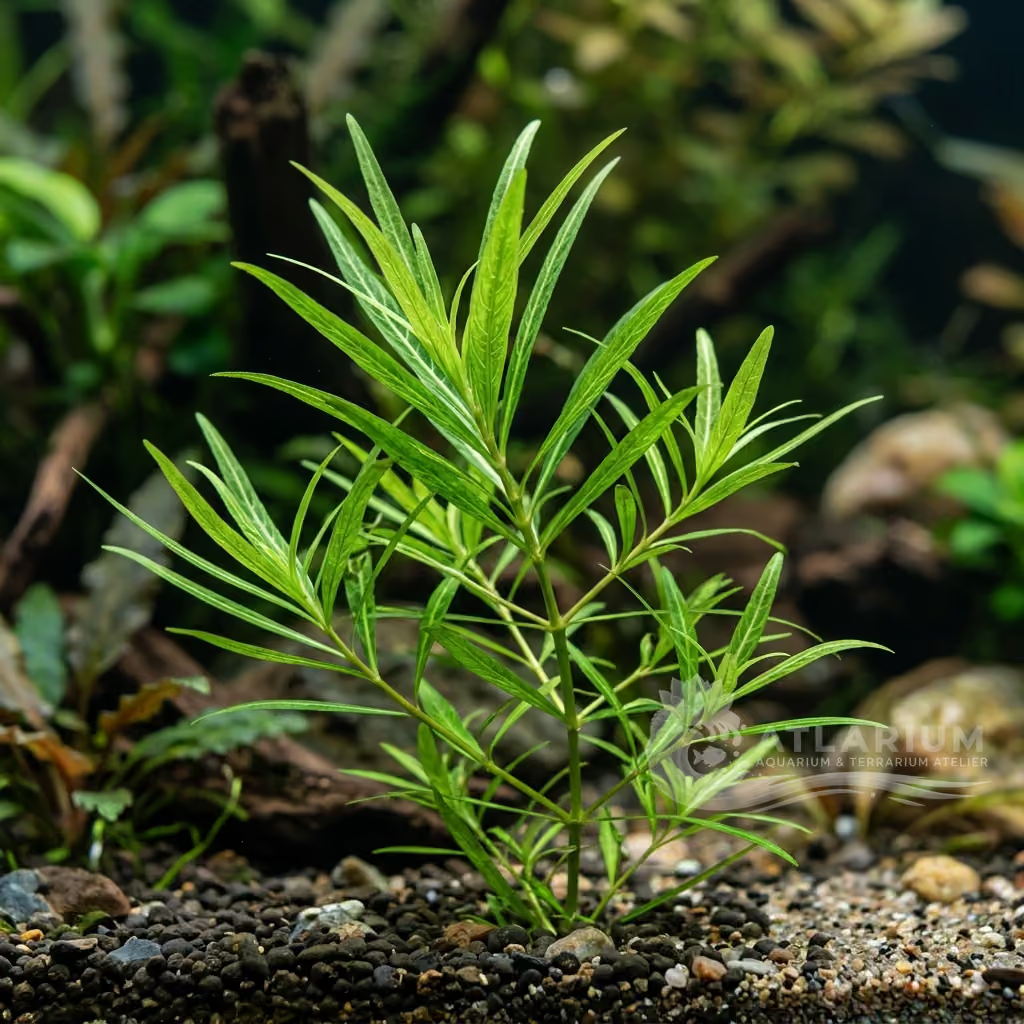
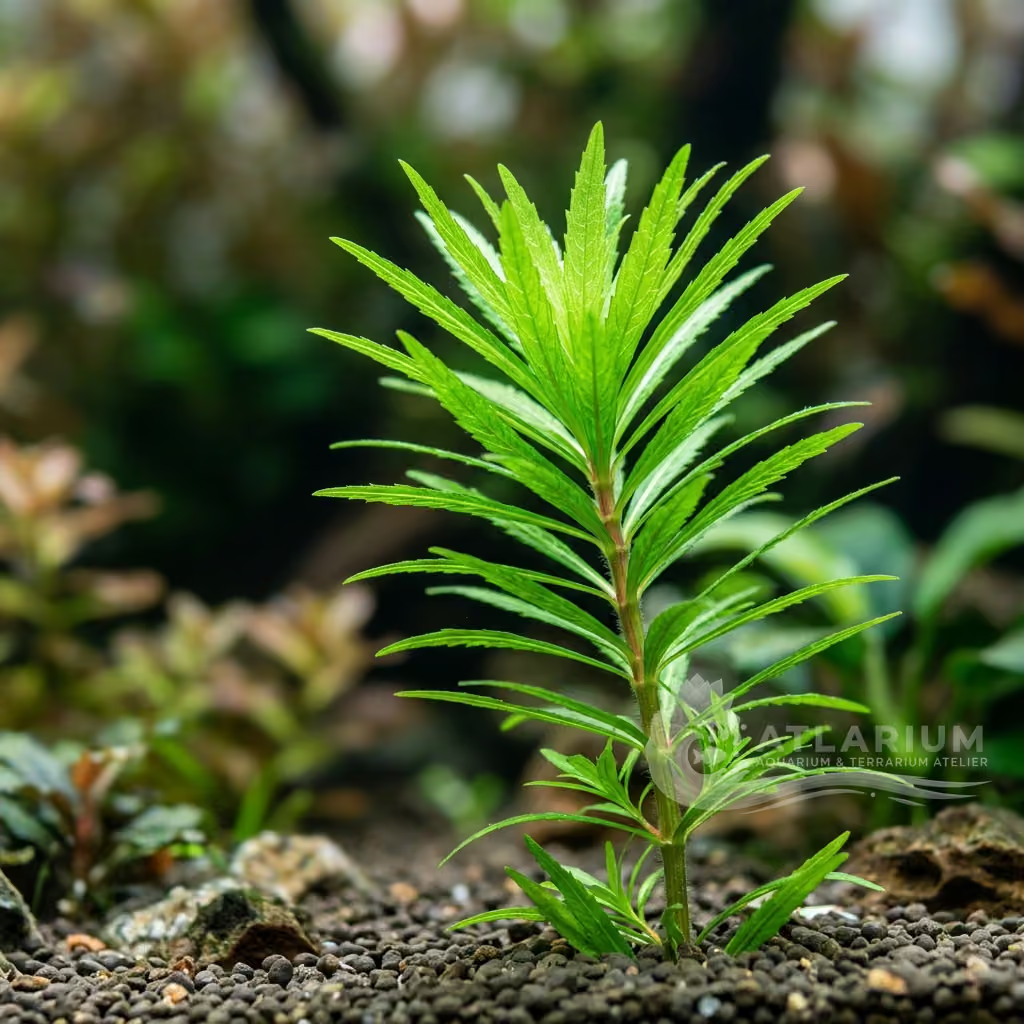
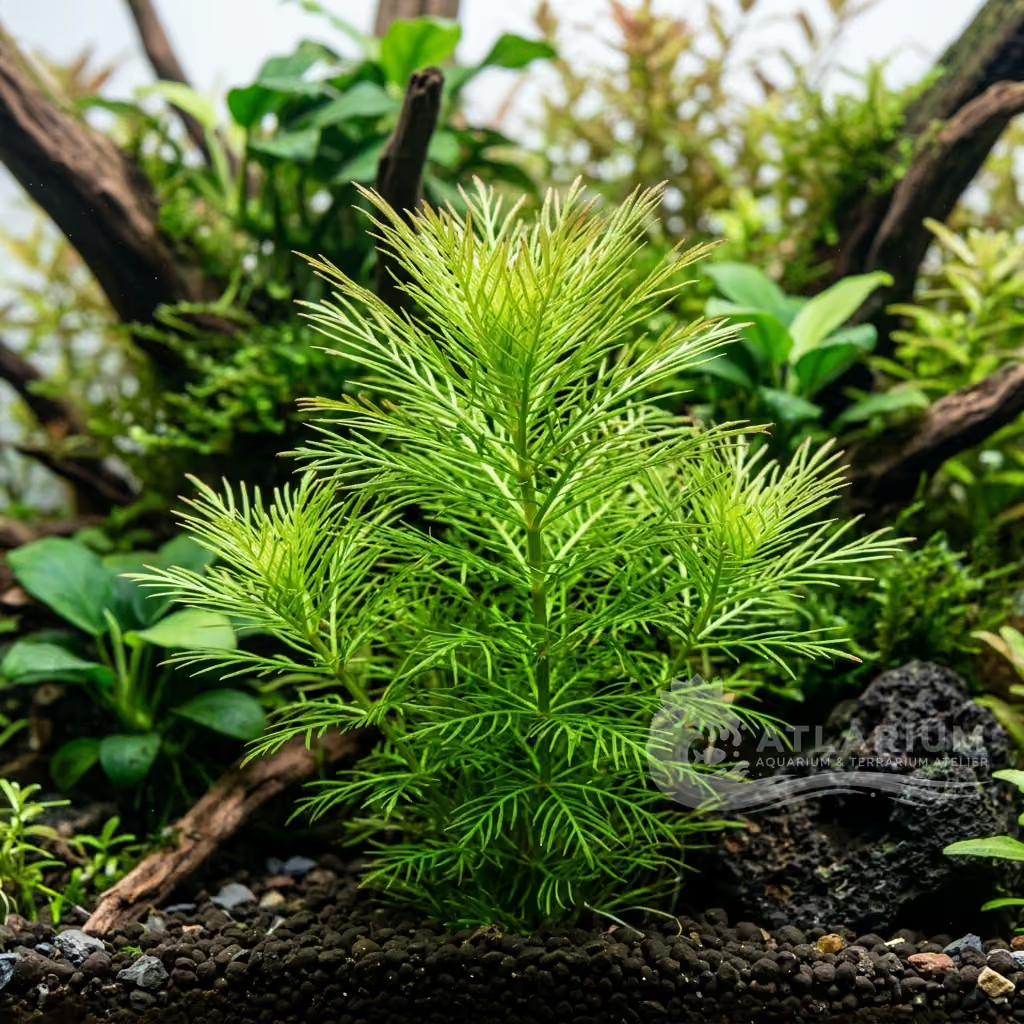
Mayaca sellowiana is a delicate, fast-growing stem plant, ideally suited for midground placement in planted aquariums. Its needle-like leaves and bright green coloration create a dense and lush effect, adding intricate texture to any aquascape.
Water Temperature
18 - 30 °C
pH Value
4.5 - 7
Water type
Freshwater
Light
Medium to High
CO2
High
Expected height
40 cm
Expected width
10 cm
KH
0 - 6 dKH

Species description
Geographical Origin and Habitat: Mayaca sellowiana is native to South America, where it thrives in various freshwater aquatic habitats, including slow-moving rivers, swamps, ditches, and flooded areas. This species is typically found in waters with low pH values, often associated with peaty substrates rich in organic detritus. Its presence is common in tropical and subtropical regions, indicating a preference for warm and stable conditions.
Taxonomy & Genetics: Belonging to the family Mayacaceae, Mayaca sellowiana is a member of a relatively small genus, often considered a "living fossil" due to its primitive characteristics. Mayacaceae are closely related to other aquatic monocots and are known for their specialization in freshwater environments. The classification of this plant highlights its botanical uniqueness and long evolutionary history, distinguishing it from other more common aquarium stem plants.
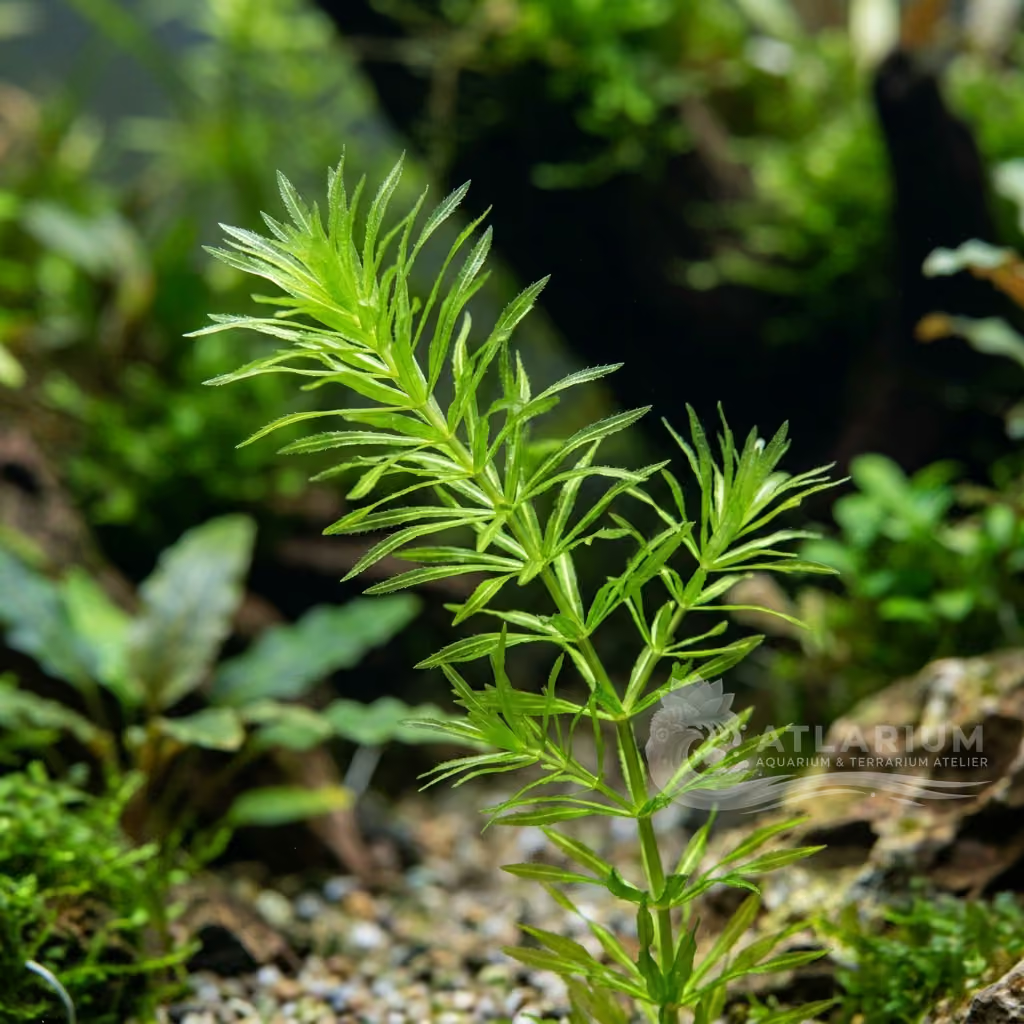
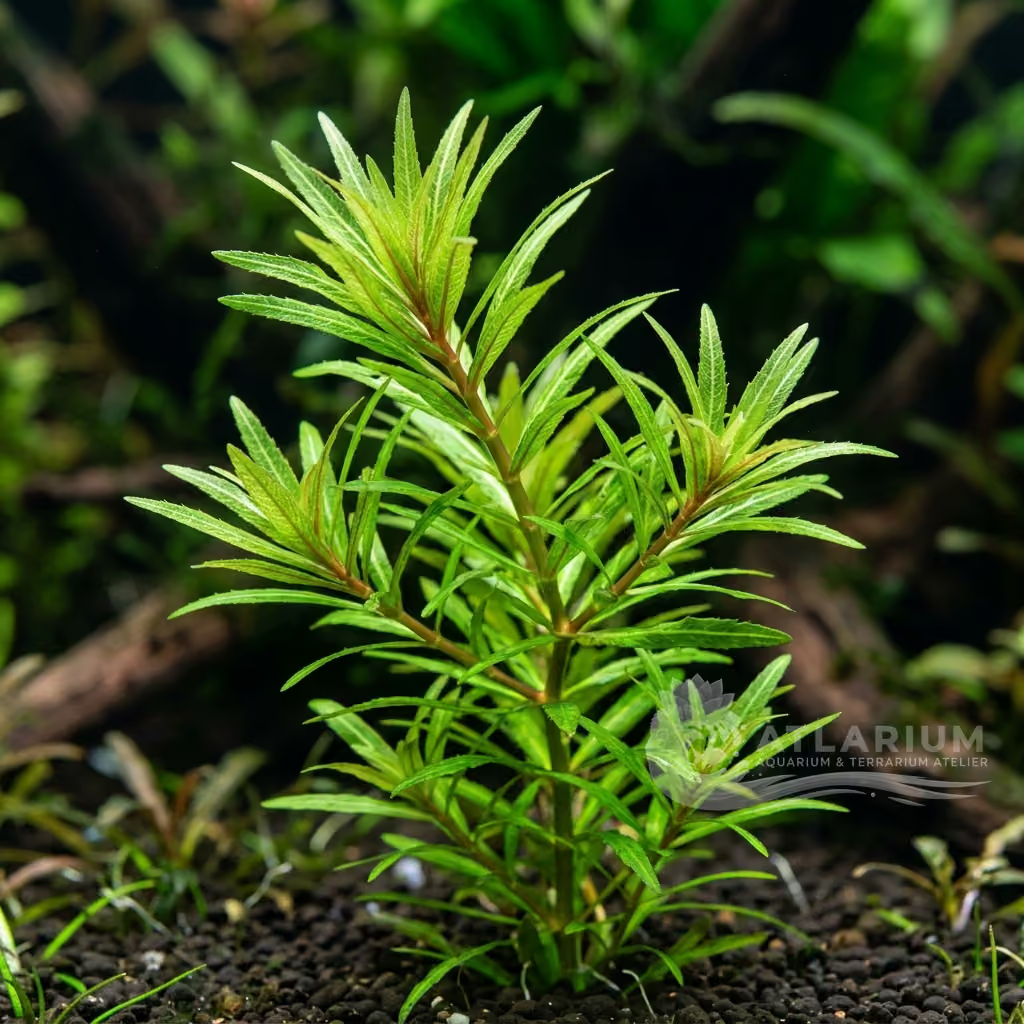
Physical Structure: Mayaca sellowiana features a slender, elongated stem, often branched, which can reach considerable heights under optimal conditions. The leaves are small, needle-like, arranged alternately along the stem, giving the plant a feathery and dense appearance. The root system is fine and fibrous, primarily used for anchoring in the substrate, while nutrient absorption occurs predominantly through the water column via its leaves and stem.
Color & Texture: The distinctive color of Mayaca sellowiana is a vibrant bright green or emerald green, which can take on lighter or yellowish hues in the presence of intense light or iron deficiency. The needle-like leaves are translucent and very fine, lending the plant a delicate and almost ethereal texture. This combination of color and structure creates an appealing visual contrast, especially when the plant is used in dense masses within the aquarium layout.

Care, breeding and tankmates
Lighting & CO2: Mayaca sellowiana flourishes under medium to high illumination; insufficient light can lead to stunted development, pale leaves, and elongated internodes. To achieve compact growth and vibrant colors, CO2 injection is strongly recommended, as it significantly accelerates metabolism and prevents algal growth on the leaves. Maintaining a stable photoperiod of 8-10 hours per day is crucial for its health and to prevent stress.
Nutrition & Substrate: As a stem plant, Mayaca sellowiana absorbs most of its nutrients from the
Water Chemistry: This species prefers soft and acidic water, with an ideal pH range between 4.5 and 7.0 and a carbonate hardness (KH) between 0.0 and 6.0. Maintaining the stability of these parameters is more important than achieving specific values at the extremes of the range. Water temperature should be kept between 18.0 and 30.0 °C, although the plant shows optimal growth at higher temperatures, typical of its natural habitats.
Space Management & Placement: Mayaca sellowiana is ideal for midground placement, where it can form dense bushes or carpets if planted in compact groups. Given its fast growth rate, it is important to leave sufficient space between groups to allow for good water circulation and uniform light penetration. Strategic placement can create a sense of depth and a delicate focal point in the overall aquarium layout.
Pruning: Regular pruning is critical for maintaining the desired shape of Mayaca sellowiana and promoting denser, more branched growth. If left to grow unchecked, the lower parts of the stem can become bare due to shading. Pruning stimulates the production of new side shoots, contributing to a bushier and healthier appearance. Clipped stems can be replanted to propagate the plant further.
Risks & Diseases: Mayaca sellowiana is generally hardy, but it can be susceptible to nutrient deficiencies if water column fertilization is inadequate, resulting in pale leaves or stunted growth. Algae can colonize its delicate leaves in cases of imbalances between light and nutrients. Unstable water environments or drastic parameter changes can cause the leaves to melt, indicating significant stress to the plant.

Geographic origin and distribution
Mayaca sellowiana is native to South America, where it thrives in various freshwater aquatic habitats, including slow-moving rivers, swamps, ditches, and flooded areas. This species is typically found in waters with low pH values, often associated with peaty substrates rich in organic detritus. Its presence is common in tropical and subtropical regions, indicating a preference for warm and stable conditions.
Origin
Amazon, Orinoco, and GuianasExtra-Amazon South America

Plant profile
- Placement
- Midground
- Due to its soft, feather-like texture, it is best planted in dense groups in the midground or background, depending on the tank height. It provides excellent contrast against plants with large, broad leaves or dark red coloration. Regular trimming will encourage it to form a dense, bushy thicket rather than growing stringy.
- Botanical form
- Stem
- It closely resembles M. fluviatilis but often has slightly longer, even finer, needle-like leaves that cluster densely around the stem. The overall appearance is incredibly soft and billowy, somewhat resembling a delicate moss growing on an upright stem. The stems are fragile and require careful handling with fine aquascaping tweezers.
- Growth
- Fast
- Under optimal conditions with high light and CO2, Mayaca sellowiana grows very rapidly and requires frequent maintenance. Its fast growth makes it a strong competitor against algae but also means it can quickly deplete nutrients from the water column. In sub-optimal conditions, it may stunt, lose its lower leaves, or simply melt away.
- Substrate
- Low
- A fine, nutrient-rich aqua soil is the ideal substrate, providing an excellent base for its very fine, hair-like root system. It struggles in coarse gravel or inert sand where it cannot easily anchor or extract nutrients. The fertile substrate also provides a continuous source of essential macronutrients to support its fast growth.
- Column fertilization
- Recommended
- Heavy and consistent liquid column fertilization is absolutely critical for success with this species. It absorbs the vast majority of its required nutrients through its fine leaves directly from the water. Daily dosing routines are highly recommended to ensure a steady supply of iron and prevent nutrient bottoming-out.
- Root fertilization
- None
- While it is predominantly a column feeder, planting it in a nutrient-rich aqua soil provides a beneficial secondary nutrient source. A fertile substrate helps establish a strong, though delicate, root system that anchors the plant securely. Root tabs are generally not the primary feeding method but can support overall tank health.
- Trimming
- Occasional
- Trimming Mayaca sellowiana is a straightforward process that helps maintain its desired shape and density. Stems can be topped and replanted to encourage bushier sideways growth. It is also crucial to regularly remove any older or decaying plant material to ensure optimal light penetration and overall hygiene.
- Propagation
- Cuttings
- Propagation is achieved by taking top cuttings and carefully replanting them into the substrate. The stems are very soft, so use high-quality tweezers to avoid crushing them during planting. The lower portions left in the substrate will readily branch out, creating a fuller, denser bush.
- Sensitivity
- Moderate
- Mayaca sellowiana is generally considered a hardy species, capable of tolerating a fairly wide range of water parameters. It does not typically exhibit extreme sensitivity to standard aquarium medications or minor chemical fluctuations. Nevertheless, care should be taken to maintain a balanced ecosystem, as slow-growing or shaded parts can become susceptible to algae accumulation.
- Layout role
- Midground, Nano
- In the art of aquascaping, Mayaca sellowiana primarily functions to provide a dense, textural background or midground element. Its unique structural appearance offers an excellent visual contrast when placed adjacent to rocks, driftwood, or broader-leafed species. Ultimately, it helps to seamlessly blend different hardscape features and softens the overall aesthetic of the tank.

Related species
Recommendations grouped by close relatives, companion choices, and similar care.