Mayaca sp. "Santarem Red"
Mayaca sp. "Santarem Red"
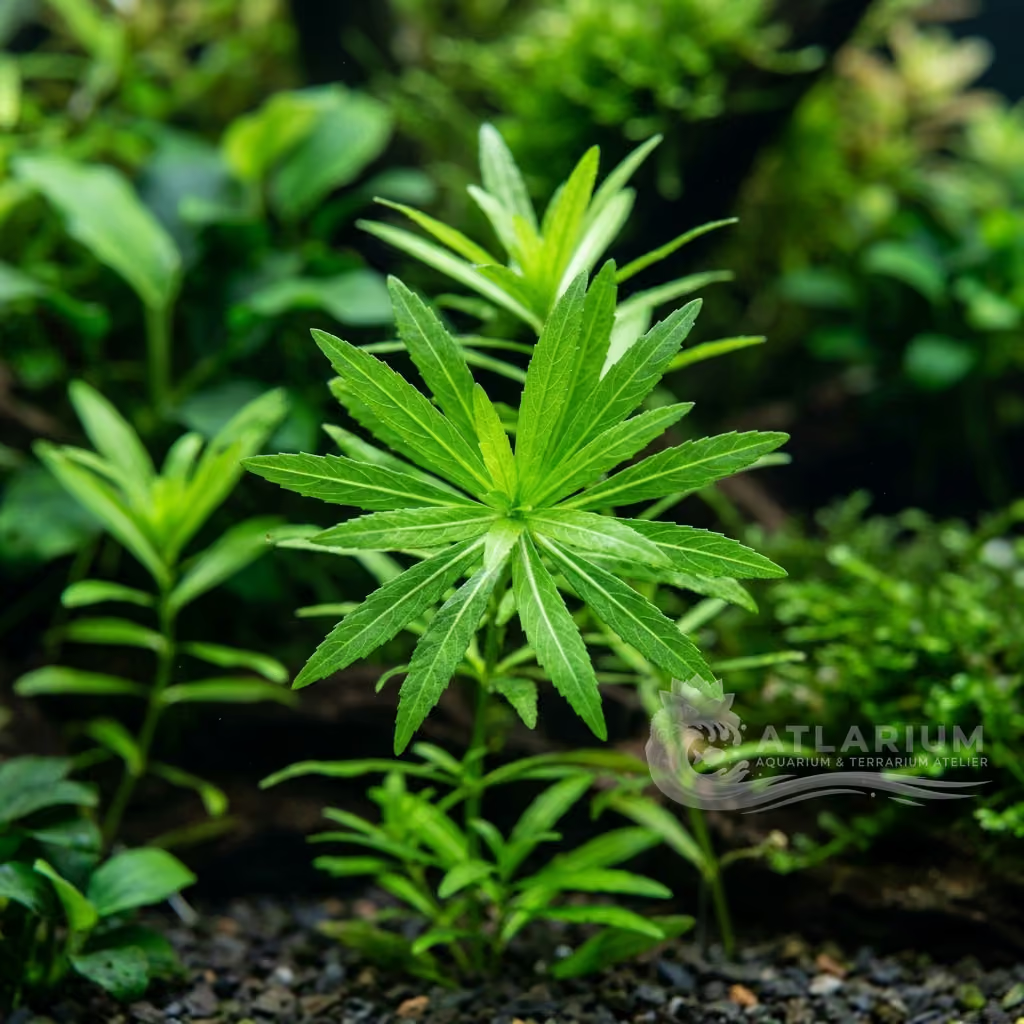
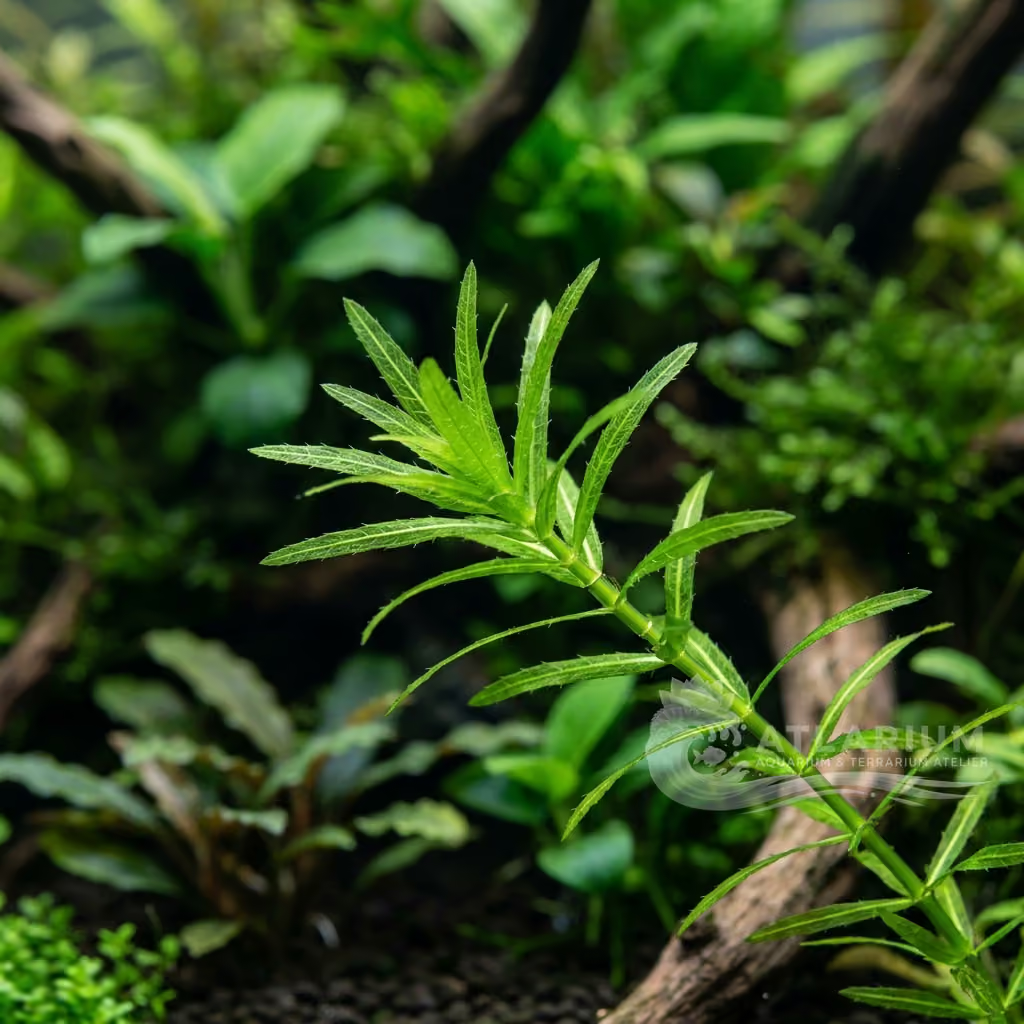
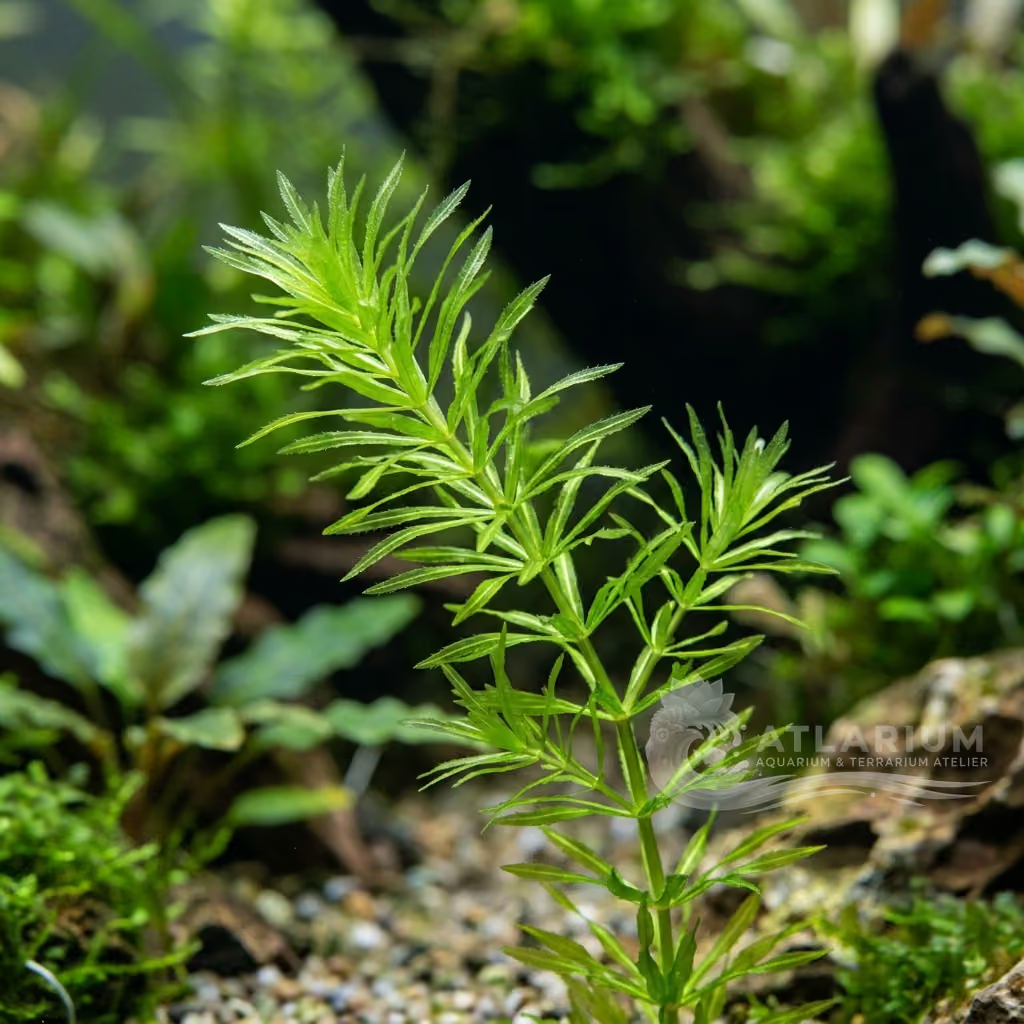
Mayaca sp. "Santarem Red" is a beautiful stem plant, perfectly suited for the midground, offering a medium growth rate. It is characterized by its fine foliage and the potential to develop vibrant red hues under optimal conditions.
Water Temperature
22 - 28 °C
pH Value
6 - 7.5
Water type
Freshwater
Light
Medium to High
CO2
Medium - High
Expected height
30 cm
Expected width
10 cm
KH
2 - 10 dKH

Species description
Geographical Origin and Habitat: Mayaca sp. "Santarem Red" is believed to originate from the Santarém region, located in the state of Pará, Brazil, deep within the Amazon basin. Here, it inhabits aquatic environments such as slow-moving rivers, marshes, and flooded areas, often characterized by soft, slightly acidic waters rich in organic matter. Its adaptation to these environmental conditions explains its preference for specific water chemistry parameters and its tolerance to relatively poor substrates, deriving most of its nutrients from the water column. Its growth in these regions is often favored by the availability of intense light penetrating through clear or shallow waters.
Taxonomy & Genetics: Belonging to the family Mayacaceae, Mayaca sp. "Santarem Red" is classified as "sp." indicating that it is either an undescribed species or one whose taxonomic identification is uncertain. This genus, Mayaca, is characterized by aquatic plants with delicate stems and small, needle-like leaves, typical of tropical and subtropical humid environments. The "Santarem Red" designation refers not only to its probable collection locality but also to its distinctive red
Color & Texture: ation, a feature that sets it apart from other more common Mayaca varieties, which tend to remain predominantly green. The Mayacaceae family is closely related to the Xyridaceae, both being members of the Poales order.
Physical Structure: Mayaca sp. "Santarem Red" develops slender, flexible stems that can reach considerable lengths in the aquarium, often forming a dense, bushy mass. Its leaves are small, needle-like or linear, arranged spirally along the stem, giving the plant a delicate, feathery appearance. The roots are fine and fibrous, serving primarily for anchoring in the substrate rather than for massive nutrient absorption, suggesting a predominant feeding from the water column. Under optimal conditions, stems can branch laterally, helping to create a dense and compact effect.
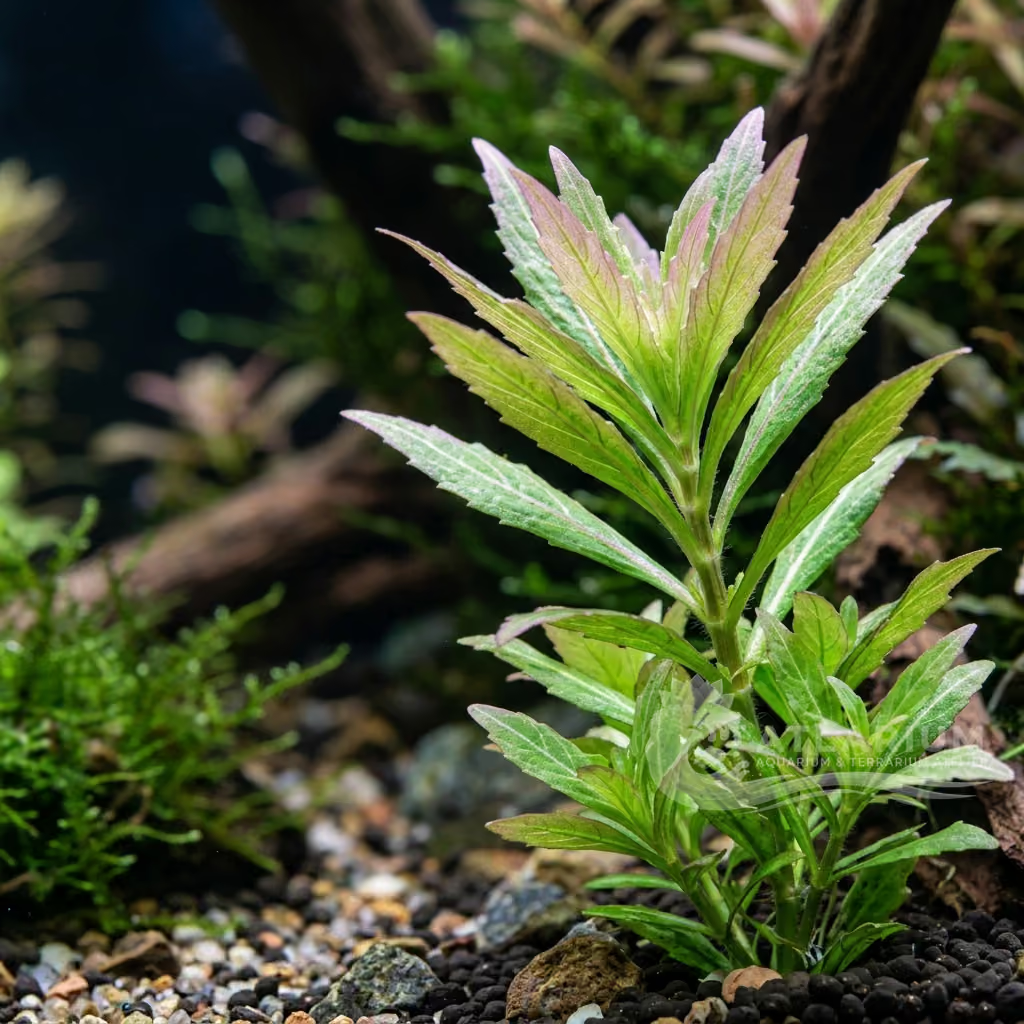
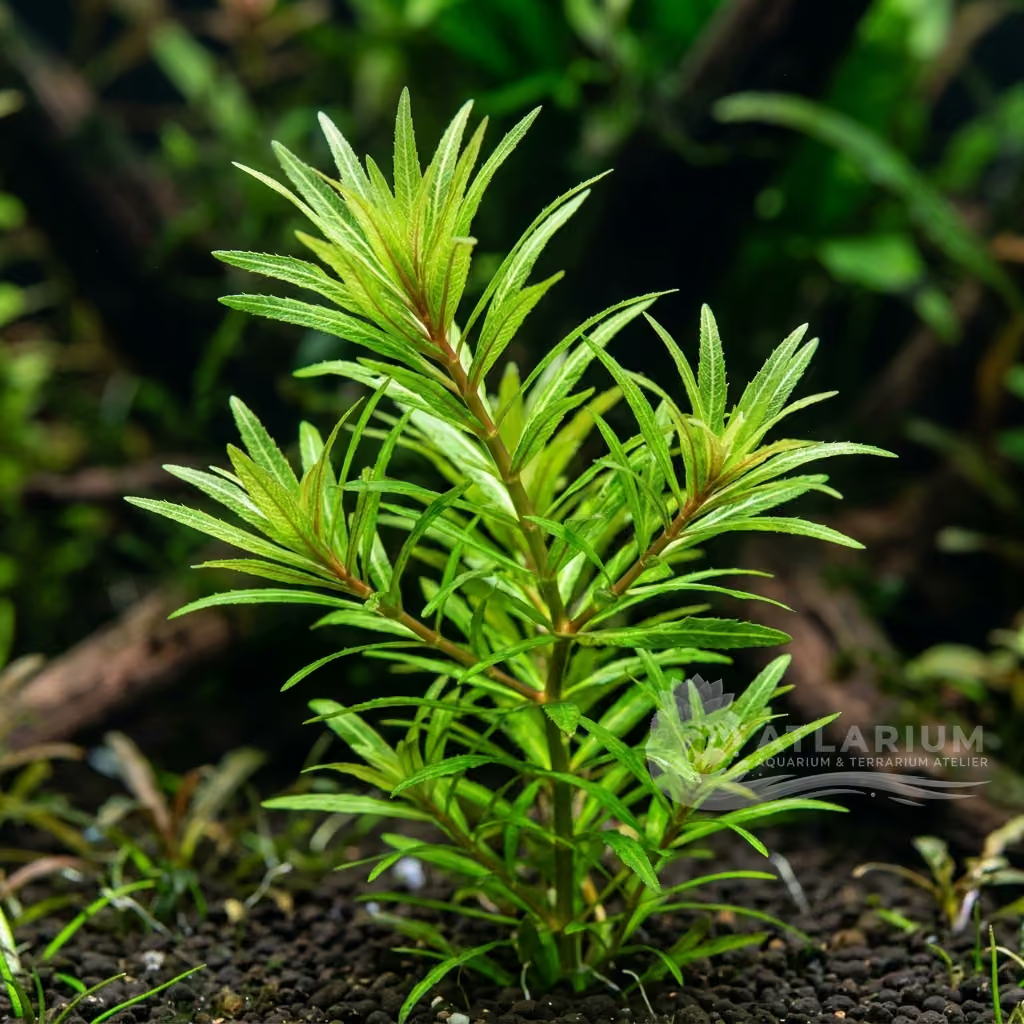
Color & Texture: Under adequate lighting and balanced nutrition, Mayaca sp. "Santarem Red" displays vibrant coloration ranging from intense pink to burgundy red, especially on the stem tips and younger leaves. This spectacular chromatism is one of its most appreciated features, making it a visual focal point. The leaves, while thin and almost translucent, contribute to an overall soft and delicate texture, which contrasts beautifully with the more robust forms of other plants. The coloration may fade to green under insufficient light conditions or nutrient deficiencies, particularly iron.

Care, breeding and tankmates
Lighting & CO2: Mayaca sp. "Santarem Red" thrives under medium to high lighting; intense light is crucial to stimulate its robust growth and, more importantly, to intensify its beautiful red hues. Insufficient lighting, conversely, will lead to duller, greener coloration and more elongated, less compact growth. CO2 supplementation is highly recommended and almost essential to achieve the best results with this plant, supporting efficient photosynthesis and preventing stunted growth. Stable CO2 levels between 20-30 ppm will promote vigorous growth and optimal coloration, making the plant more resistant to stress and algae.
Nutrition & Substrate: Although the roots of Mayaca sp. "Santarem Red" are fine and primarily serve for anchoring, the plant benefits from a nutritious substrate that can provide essential micronutrients in the long run. However, its primary nutritional needs are met through the
Water Chemistry: For Mayaca sp. "Santarem Red", maintaining stable water parameters is crucial for its health and coloration. The ideal temperature ranges between 20 and 28 C, an interval that simulates the conditions of its natural tropical habitats. It prefers soft to medium-hard water, with a KH between 2 and 12, and a slightly acidic to neutral pH, ranging from 6.0 to 7.5. Extreme or rapid fluctuations in these parameters can cause stress to the plant, leading to deterioration or melting. Regular monitoring of water chemistry and the use of remineralized reverse osmosis water are advisable to maintain stability.
Space Management & Placement: Mayaca sp. "Santarem Red" is classified as a midground plant, where its dense form and potential red color can be maximized as a focal point. It is ideal for creating dense, bushy patches, adding depth and contrast to the layout. For optimal effect, it is recommended to plant several stems close together, forming a compact group that captures attention. Its medium growth rate allows for relatively easy management of its size, preventing it from overshadowing other smaller plants. Avoid placing it in areas excessively shaded by taller plants or decorations.
Pruning: Regular pruning is essential to keep Mayaca sp. "Santarem Red" bushy and healthy, preventing excessive elongation and bare lower stems. When the plant reaches the surface or becomes too dense, it is advisable to trim the stem tips, leaving at least 5-10 cm of leafy plant anchored in the substrate. The trimmed tops can be easily replanted to propagate the plant or to further thicken the existing group. This practice also encourages lateral branching, contributing to a bushier, more compact appearance.
Risks & Diseases: Mayaca sp. "Santarem Red" can be susceptible to various risks and diseases if husbandry conditions are not optimal. Nutrient deficiencies, particularly iron and potassium, can manifest as pale, yellowed leaves or holes. Insufficient lighting or CO2 fluctuations can lead to stunted growth and the accumulation of algae on the delicate leaves, suffocating the plant. It is also sensitive to sudden changes in water parameters and the use of aggressive chemicals, such as some algaecides, which can cause stress and melting. A stable aquatic environment and balanced nutrition are the best defenses against these issues.

Geographic origin and distribution
Mayaca sp. "Santarem Red" is believed to originate from the Santarém region, located in the state of Pará, Brazil, deep within the Amazon basin. Here, it inhabits aquatic environments such as slow-moving rivers, marshes, and flooded areas, often characterized by soft, slightly acidic waters rich in organic matter. Its adaptation to these environmental conditions explains its preference for specific water chemistry parameters and its tolerance to relatively poor substrates, deriving most of its nutrients from the water column. Its growth in these regions is often favored by the availability of intense light penetrating through clear or shallow waters.
Origin
Amazon, Orinoco, and Guianas

Plant profile
- Placement
- Midground
- It is best used as a striking midground or background focal point, planted in a dense grouping. Its unique color and fine texture make it stand out dramatically against bright green plants or dark hardscape elements. Careful placement is needed to ensure it is not shaded by larger, faster-growing species.
- Botanical form
- Stem
- It shares the delicate, needle-like foliage of the Mayaca genus, but under the right conditions, the tips and upper leaves turn a striking reddish-pink to magenta hue. The stems are very fine and fragile, growing in a dense, whorled pattern. Its appearance is exceptionally soft, resembling a colorful, underwater pine branch.
- Growth
- Medium
- Growth is generally moderate, significantly slower than the common green Mayaca species, even under high-tech conditions. It requires patience and highly stable water parameters to thrive and reach its full potential. Fluctuations in CO2 or nutrients can quickly halt its growth or cause it to melt.
- Substrate
- Low
- A high-quality, nutrient-rich aqua soil is crucial for providing the stable environment this delicate plant needs. The fine roots require a soft substrate to anchor properly and absorb essential macronutrients. Maintaining a clean substrate is also important to prevent detritus buildup which can damage the fragile lower stems.
- Column fertilization
- Recommended
- Strict and consistent column fertilization is mandatory, focusing on high iron and comprehensive trace elements to support pigmentation. Careful management of nitrates is often required; leaning out nitrogen can help enhance the red coloration. A dedicated daily dosing regimen provides the stability this sensitive plant demands.
- Root fertilization
- None
- While the leaves absorb most of the required nutrients, a nutrient-dense substrate provides a critical safety net. The aqua soil ensures a steady supply of base nutrients, which is important when manipulating column nutrients for color. Root tabs are generally not needed if a high-quality aqua soil is used.
- Trimming
- Occasional
- Trimming Mayaca sp. "Santarem Red" is a straightforward process that helps maintain its desired shape and density. Stems can be topped and replanted to encourage bushier sideways growth. It is also crucial to regularly remove any older or decaying plant material to ensure optimal light penetration and overall hygiene.
- Propagation
- Cuttings
- Propagation is done by snipping the tops of healthy stems and carefully replanting them. Due to the stem's extreme fragility, fine-tipped aquascaping tweezers are essential to avoid crushing the tissue. The remaining lower stems will usually produce multiple colorful side shoots if conditions are optimal.
- Sensitivity
- Moderate
- Mayaca sp. "Santarem Red" is generally considered a hardy species, capable of tolerating a fairly wide range of water parameters. It does not typically exhibit extreme sensitivity to standard aquarium medications or minor chemical fluctuations. Nevertheless, care should be taken to maintain a balanced ecosystem, as slow-growing or shaded parts can become susceptible to algae accumulation.
- Layout role
- Midground, Background
- In the art of aquascaping, Mayaca sp. "Santarem Red" primarily functions to provide a dense, textural background or midground element. Its unique structural appearance offers an excellent visual contrast when placed adjacent to rocks, driftwood, or broader-leafed species. Ultimately, it helps to seamlessly blend different hardscape features and softens the overall aesthetic of the tank.

Related species
Recommendations grouped by close relatives, companion choices, and similar care.