Elatine triandra
Elatine triandra
A widely distributed aquatic plant perfect for creating lush foreground carpets. Demands medium-high lighting and CO2 injection to encourage horizontal growth.
Water Temperature
10 - 28 °C
pH Value
5 - 7.5
Water type
Freshwater
Light
Medium - High
CO2
Medium - High
Expected height
7 cm
Expected width
15 cm
GH
0 - 20 dGH
KH
2 - 14 dKH

Species description
Geographical Origin and Habitat: Cosmopolitan species, mainly distributed in the temperate and tropical zones of Asia, Europe, and Australia. It grows along the margins of ponds, rice paddies, and slow rivers, preferring muddy soils and very shallow water where it receives plenty of sunlight.
Taxonomy & Genetics: It belongs to the Elatinaceae family and the genus Elatine. It is known for its morphological plasticity, adapting quickly from emerged to submerged form with variations in leaf size.
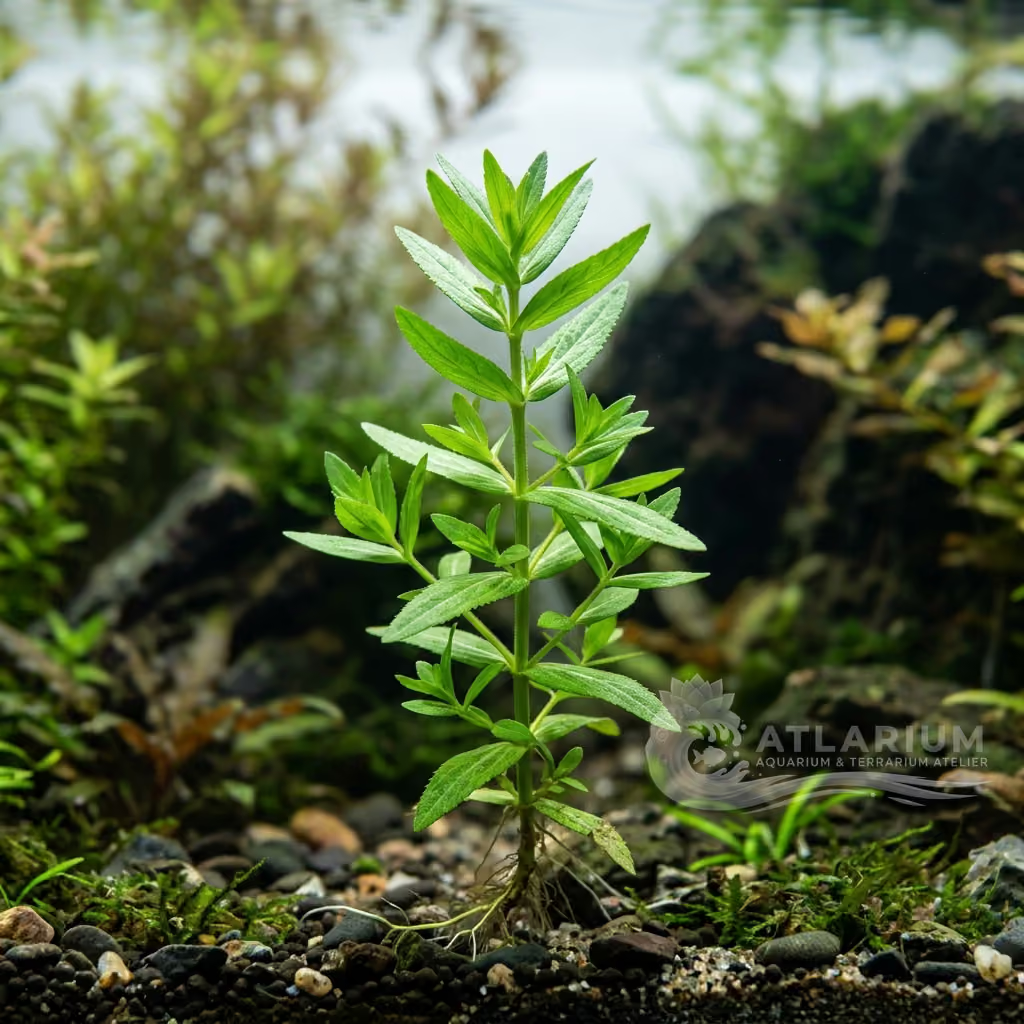
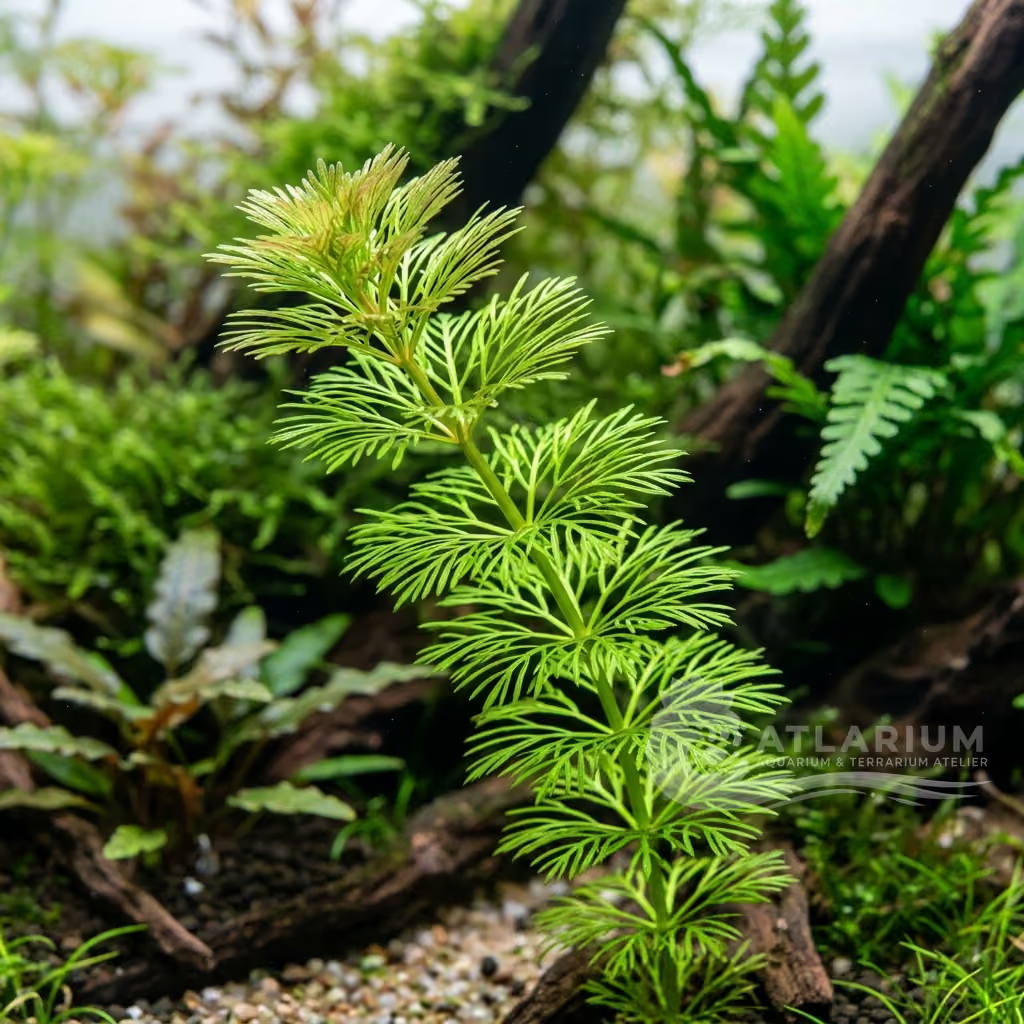
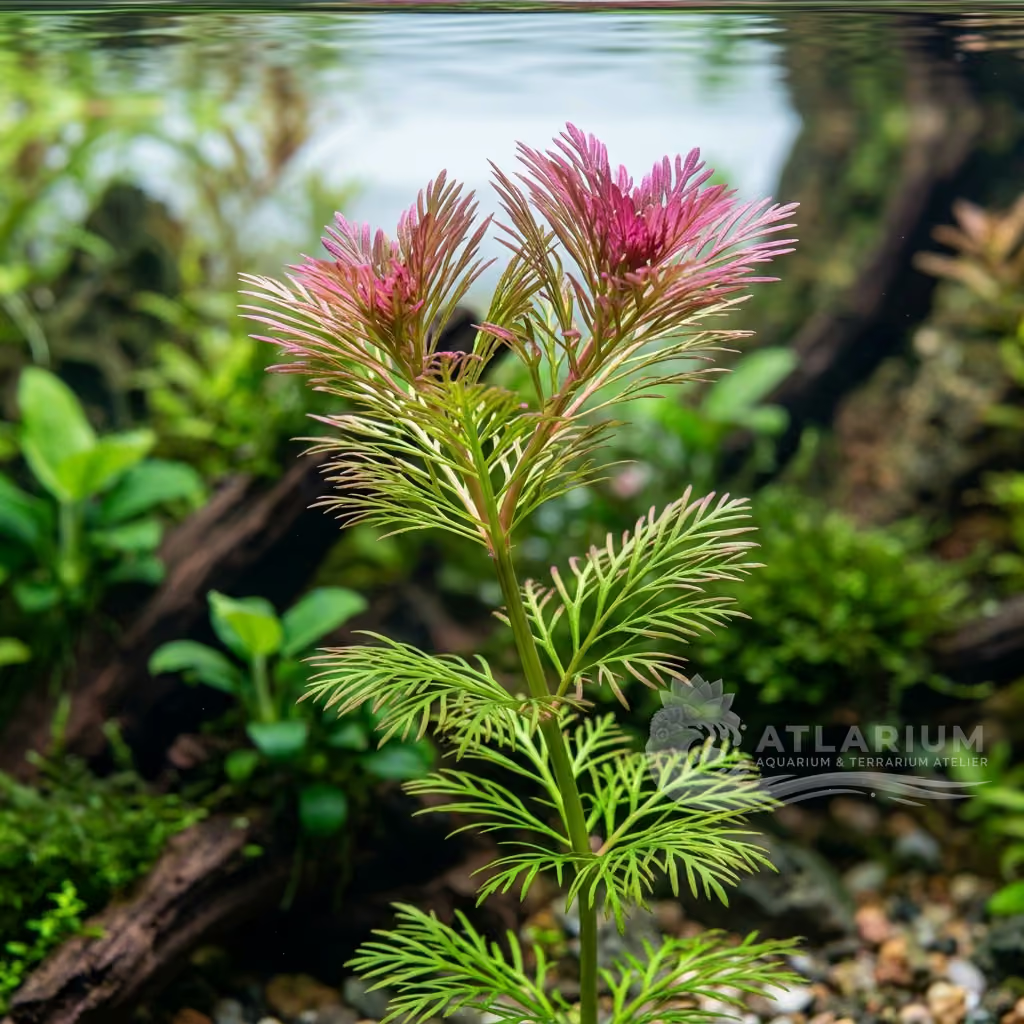
Physical Structure: It features creeping and branched stems that anchor to the soil via thin adventitious roots at the nodes. The leaves are small, opposite, and lanceolate, compactly arranged along the stem.
Color & Texture: The leaves present a very bright apple-green or light green hue. The texture is soft and delicate, forming a dense wavy carpet that follows the profile of the substrate.

Care, breeding and tankmates
Lighting & CO2: Requires medium-high lighting. Without sufficient light, it tends to grow upwards rather than creep. CO2 injection is highly recommended.
Nutrition & Substrate: Beneficially gains from a substrate rich in iron and fertilizers. Liquid fertilization must be regular, with special attention to microelements.
Water Chemistry: Prefers soft to medium-hard water (KH 2-14) and an acidic to neutral pH (5.0-7.5). The optimal temperature is between 10 and 28 °C.
Space Management & Placement: Place in the foreground. It spreads quickly, creating a uniform lawn, ideal for Iwagumi or Dutch style layouts.
Pruning: Requires frequent pruning to prevent the lower layers from being starved of light and rotting, which would ruin the carpet's adhesion to the substrate.
Risks & Diseases: It is sensitive to fluctuations in water parameters. Iron deficiency causes yellowing of the leaves (chlorosis) and drastically slows growth.

Geographic origin and distribution
Cosmopolitan species, mainly distributed in the temperate and tropical zones of Asia, Europe, and Australia. It grows along the margins of ponds, rice paddies, and slow rivers, preferring muddy soils and very shallow water where it receives plenty of sunlight.
Origin
South and Southeast AsiaEurope, Mediterranean, and West AsiaEast AsiaAustralia, New Guinea, and OceaniaCosmopolitan or introduced

Plant profile
- Placement
- Foreground
- This plant is highly effective as a foreground carpet or a sprawling midground bush. It tends to grow slightly taller and less strictly horizontal than E. hydropiper, making it versatile for filling spaces between hardscape elements. It requires unshaded areas to carpet properly; otherwise, it will start to grow vertically towards the light.
- Botanical form
- Stem
- It features bright green, opposite leaves on somewhat fragile stems. The leaves are noticeably larger and more elongated than those of E. hydropiper, giving the carpet a slightly coarser but still delicate texture. When allowed to grow thick, it forms a beautiful, undulating bright green mat.
- Growth
- Fast
- Under ideal conditions with high light and CO2, Elatine triandra exhibits a fast growth rate. It quickly sends out creeping runners that will rapidly cover bare substrate. Because of this speed, it can establish a dense carpet faster than many other foreground plants, but it also requires more frequent maintenance to keep it looking tidy.
- Substrate
- High
- This fast-growing carpeting species strongly prefers a fine, nutrient-rich substrate to spread its runners efficiently across the bottom. Elatine triandra roots quickly in soft aqua soil, which provides the essential nutrients needed to maintain its vibrant green coloration. Coarse substrates should be avoided, as they prevent the delicate roots from gripping and creeping across the aquarium floor. A substrate thickness of 4-5 centimeters ensures a stable environment for its spreading growth habit.
- Column fertilization
- Recommended
- Liquid column fertilization is necessary to support its fast growth and numerous small leaves. It efficiently absorbs dissolved nutrients directly from the water. Regular dosing of a comprehensive fertilizer ensures the plant has constant access to the elements it needs to continue its aggressive lateral spread without bottoming out the tank's nutrient levels.
- Root fertilization
- None
- While it feeds from the water column, a nutrient-rich substrate is vital for long-term success. Aquasoil provides the perfect texture for its fine roots to grip and offers a steady supply of nutrients directly to the root zone. A strong root system helps anchor the dense mat it forms, preventing it from floating away.
- Trimming
- Occasional
- Frequent trimming is essential to prevent the carpet from becoming too thick. If multiple layers of stems grow over each other, the bottom layers will suffocate, rot, and cause the entire carpet to lift off the substrate. Trim horizontally across the top with curved scissors, and replant healthy trimmings if you wish to expand the carpet.
- Propagation
- Cuttings
- Propagation is straightforward; the plant naturally multiplies by sending out runners along the substrate. You can easily propagate it manually by cutting a portion of a runner or stem and replanting it. New cuttings should be planted slightly buried in the substrate to encourage them to root and creep rather than float.
- Sensitivity
- Moderate
- Elatine triandra is quite sensitive to algae, particularly thread and hair algae, which can easily entangle its delicate stems and smother the plant. It prefers stable water parameters and may suffer melt if the aquarium experiences sudden swings in chemistry or temperature. Good water flow is necessary to keep debris off its leaves.
- Layout role
- Nano, Midground, Foreground, group
- It serves as an excellent, vibrant green carpeting plant for the foreground and midground. Its slightly larger leaf size compared to other Elatine species makes it a great choice for medium to large aquariums where a very fine carpet might visually get lost. It provides a lush, rolling texture that softens the edges of rocks and wood.

Related species
Recommendations grouped by close relatives, companion choices, and similar care.