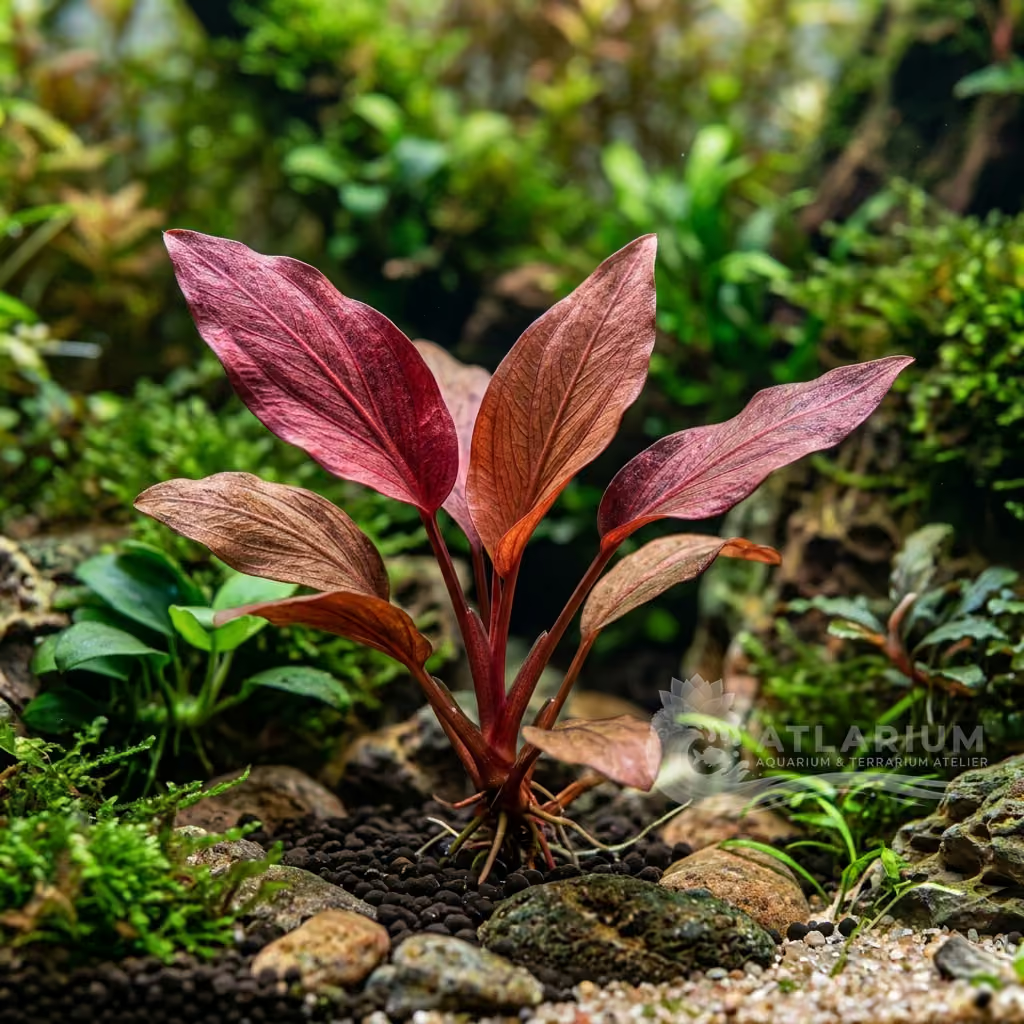
Elatine hydropiper
Elatine hydropiper
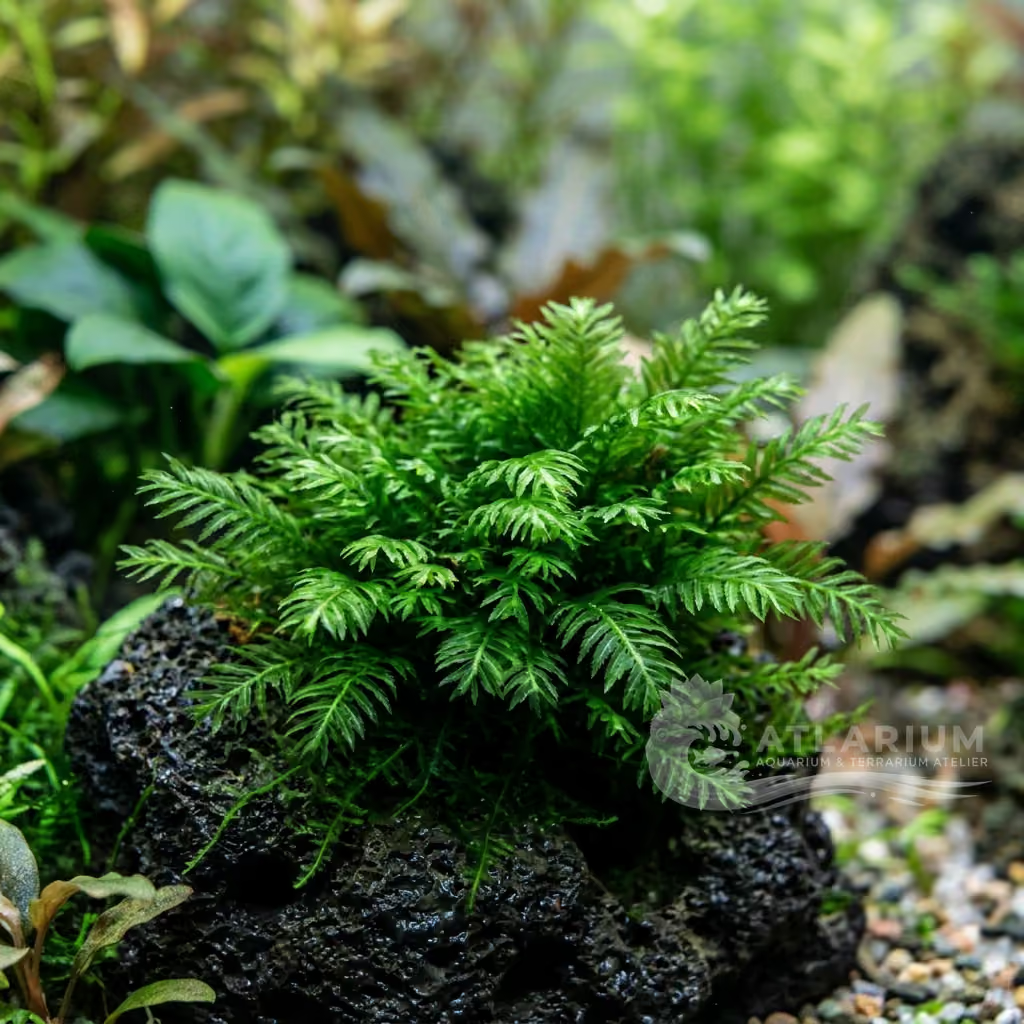
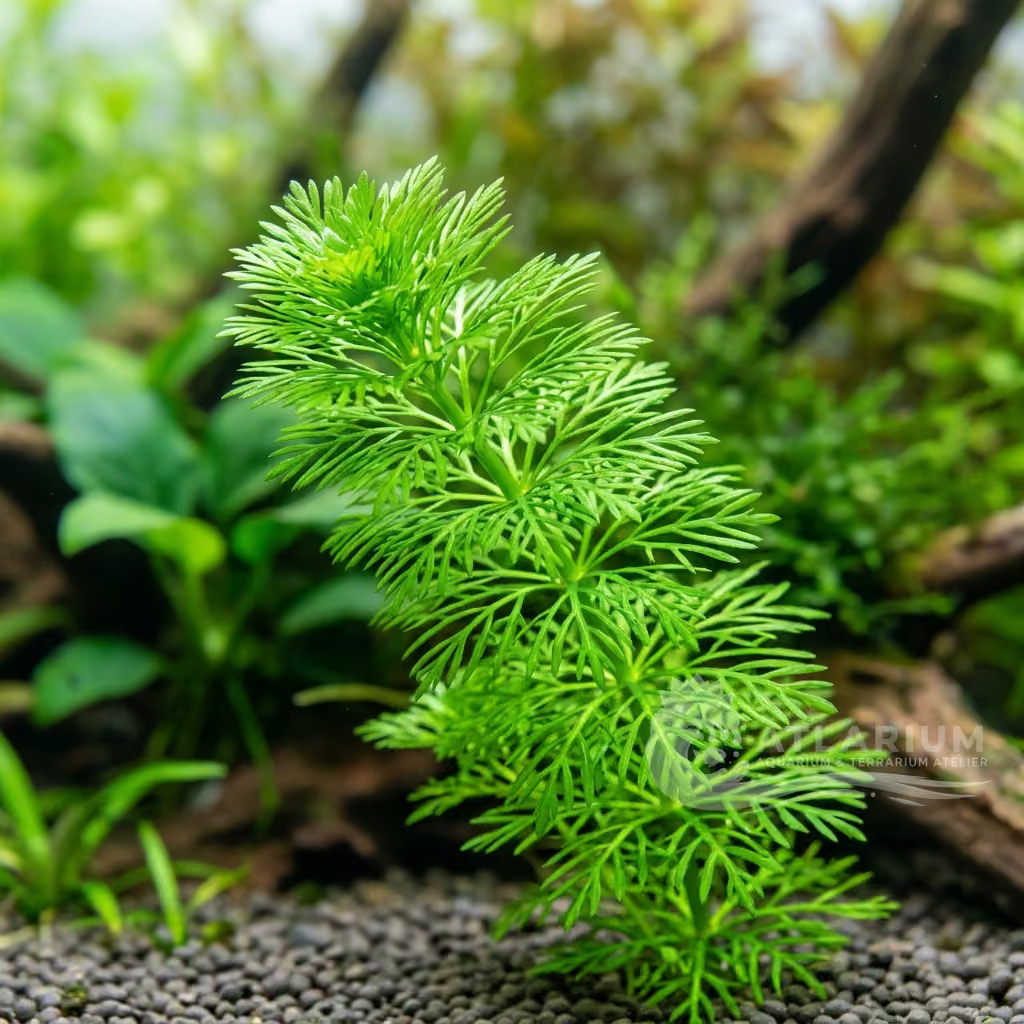
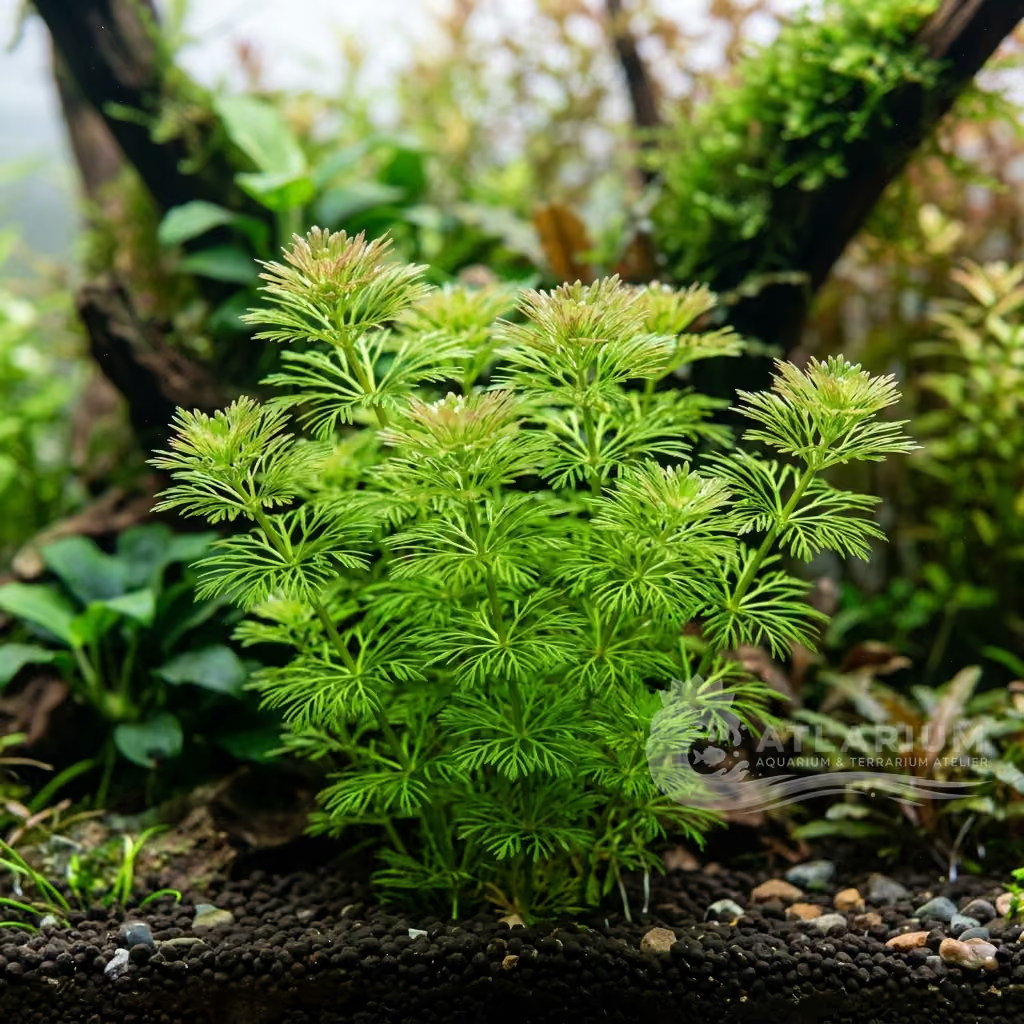
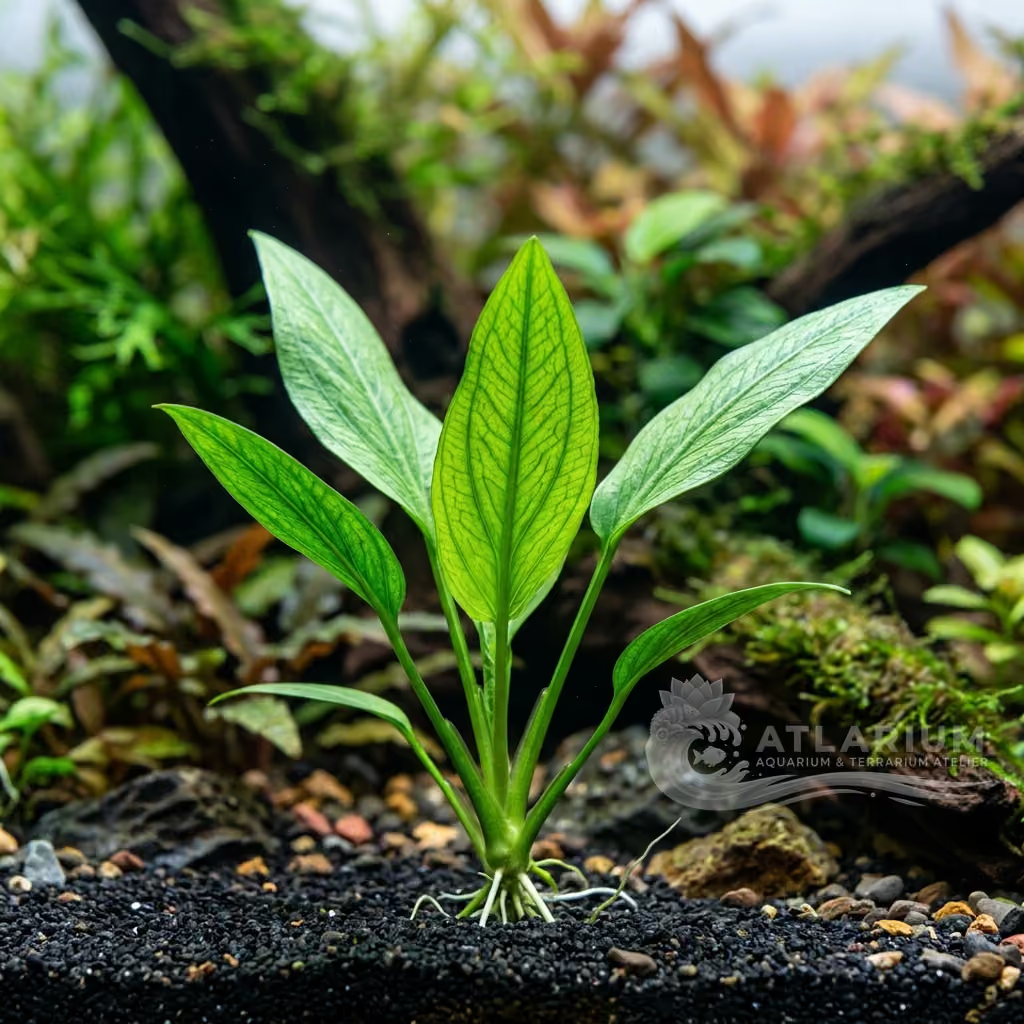
Elatine hydropiper is an aquarium plant belonging to the Elatinaceae family, characterized by a medium growth rate and ideal for placement in the foreground.
Water Temperature
4 - 26 °C
pH Value
6.4 - 7
Water type
Freshwater
Light
Medium - High
CO2
Medium - High
GH
0 - 20 dGH
KH
4 - 8 dKH

Species description
Geographical Origin and Habitat: This fascinating aquatic species has its geographical origin in the warm tropical regions of Asia and South America, where it inhabits clear river systems with weak to moderate current. It is commonly found both submerged and partially emersed along sandy or muddy banks. Additionally, its occurrence is highly associated with shaded banks and shallow water basins.
Taxonomy & Genetics: From a taxonomic point of view, it belongs to the Elatinaceae family and is assigned to the Elatine genus. Its genetics reflect a high degree of adaptation to seasonal variations in water and chemical parameters of its native waters, assuring its resilience.
Physical Structure: The physical structure of the plant is characterized by a rhizome or creeping stem botanical form with well-proportioned and elastic stems or rosettes. Under proper lighting conditions, it develops a stable root system capable of anchoring firmly into the riverbed.
Color & Texture: The color of the leaves presents as a bright and natural green, with translucent shades and fine textures that increase the perception of visual depth. The leaf texture is smooth or slightly wrinkled depending on aquarium conditions.

Care, breeding and tankmates
Lighting & CO2: Optimal lighting to support the plant's development ranges from medium to high, depending on the desired leaf density. Constant CO2 injection is recommended to support effective photosynthesis and prevent tissue decay.
Nutrition & Substrate: The plant benefits from a rich, porous substrate coupled with a balanced liquid fertilization in the
Water Chemistry: The ideal water chemistry includes a slightly acidic or neutral pH (6.4 - 7.0) and a moderate carbonate hardness KH (4.0 - 8.0). The optimal water temperature must be kept stable between 4.0 and 26.0 °C.
Space Management & Placement: Regarding space management, the plant should be positioned in the foreground, spacing the stems adequately to avoid shaded areas. It is ideal for creating dynamic layouts in natural aquascaping.
Pruning: Pruning must be performed regularly by topping the upper part or thinning the densest clumps with suitable scissors. Propagation is successfully achieved through cuttings replanted directly into the soil.
Risks & Diseases: The main risks are related to the development of parasitic algae on old leaves and tissue necrosis if essential nutrients are lacking. Good filtration and regular water changes prevent most diseases.

Geographic origin and distribution
This fascinating aquatic species has its geographical origin in the warm tropical regions of Asia and South America, where it inhabits clear river systems with weak to moderate current. It is commonly found both submerged and partially emersed along sandy or muddy banks. Additionally, its occurrence is highly associated with shaded banks and shallow water basins.
Origin
South and Southeast AsiaAmazon, Orinoco, and GuianasExtra-Amazon South America

Plant profile
- Placement
- Foreground
- This plant is strictly intended for the foreground, serving as one of the finest-leaved carpeting plants available in the aquascaping hobby. It must be placed in wide open areas where it will not be shaded by hardscape or taller background plants. Because of its minute size, it is incredibly popular in nano aquariums and intricate Iwagumi layouts where a sense of vast scale is desired.
- Botanical form
- rhizome or creeping stem
- Elatine hydropiper is characterized by exceptionally small, bright green, tear-shaped leaves that grow oppositely along creeping, fragile stems. It is often referred to as 'Mini Glossostigma' due to its similar appearance but much smaller scale. It naturally hugs the substrate tightly, creating an incredibly flat, lawn-like texture that is unmatched by other carpeting species.
- Growth
- Medium
- Its growth rate is notoriously slow to moderate, particularly during the initial acclimatization period after planting. Once its roots are established in a nutrient-rich soil and lighting is optimal, it will begin to spread via runners. Patience is required, as it takes significantly longer to form a complete carpet compared to Glossostigma or Monte Carlo.
- Substrate
- High
- Elatine hydropiper is a highly demanding foreground plant that relies on a soft, nutrient-packed substrate for its survival. Its extremely small, fragile roots need a fine-powder aqua soil to successfully anchor and form a dense, lush carpet. The substrate must be rich in essential nutrients, as the plant draws a significant portion of its sustenance through its delicate root network. A shallow but fertile base of 3-5 centimeters is perfect for encouraging lateral runner growth.
- Column fertilization
- Recommended
- While it draws heavily from the substrate, supplementary liquid column fertilization is highly recommended to support healthy leaf development. Given its slow growth rate, precise dosing is necessary to ensure nutrients are available to the plant without fueling algae blooms. Maintaining stable nutrient levels in the water column helps prevent the delicate leaves from degrading.
- Root fertilization
- None
- A premium, nutrient-rich aquasoil is absolutely essential for the success of Elatine hydropiper. Its fine, delicate roots rely heavily on the substrate for nitrogen and phosphorus uptake. Attempting to grow this species in sand or inert gravel, even with root tabs, is generally unsuccessful and will result in stunted, pale growth or complete failure.
- Trimming
- Regular
- Trimming is required occasionally to maintain the carpet's health and prevent it from becoming too thick. Using curved spring scissors, trim the top layers off horizontally. If the carpet is allowed to grow too thick, the bottom layers will be starved of light and rot, which will cause the entire mat to detach and float to the surface.
- Propagation
- Cuttings
- Propagation occurs naturally as the plant sends out lateral runners over and slightly under the substrate. To plant it initially, a pot or tissue culture cup should be divided into very small portions and planted in a checkerboard pattern using fine aquascaping tweezers. The small portions will eventually grow together to form a solid carpet.
- Sensitivity
- Moderate
- This is a notoriously difficult and sensitive plant. It is highly susceptible to high water temperatures (above 25°C / 77°F), which will cause it to melt completely. It is also very sensitive to algae coverage, poor water circulation, and fluctuations in CO2. It requires an established, stable, and well-maintained aquarium environment to survive.
- Layout role
- Nano, Foreground
- In the aquascaping world, Elatine hydropiper is the ultimate choice for creating a pristine, ultra-fine scale foreground carpet. It is heavily favored in high-end competition aquascapes, particularly Iwagumi styles, where its tiny leaves make the surrounding stones look massive. It provides the finest texture available for an underwater lawn.

Related species
Recommendations grouped by close relatives, companion choices, and similar care.