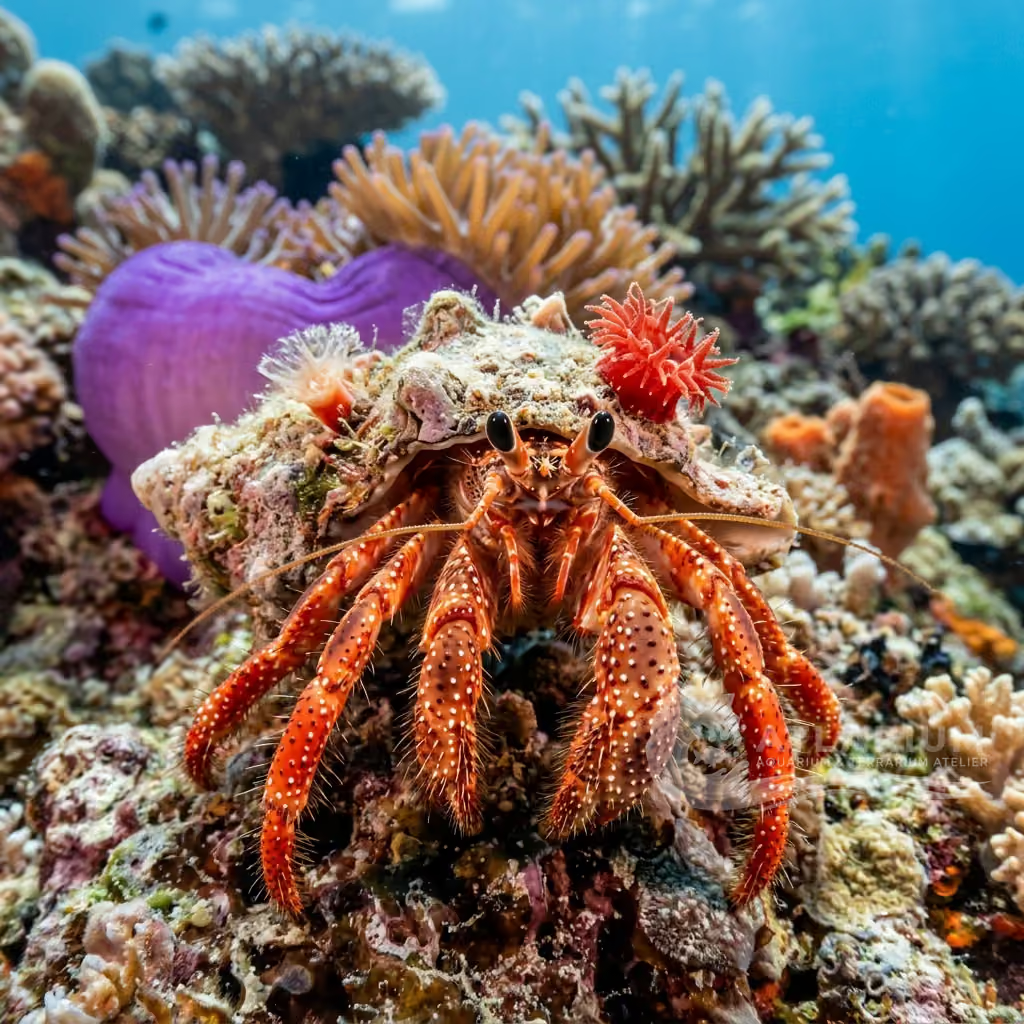
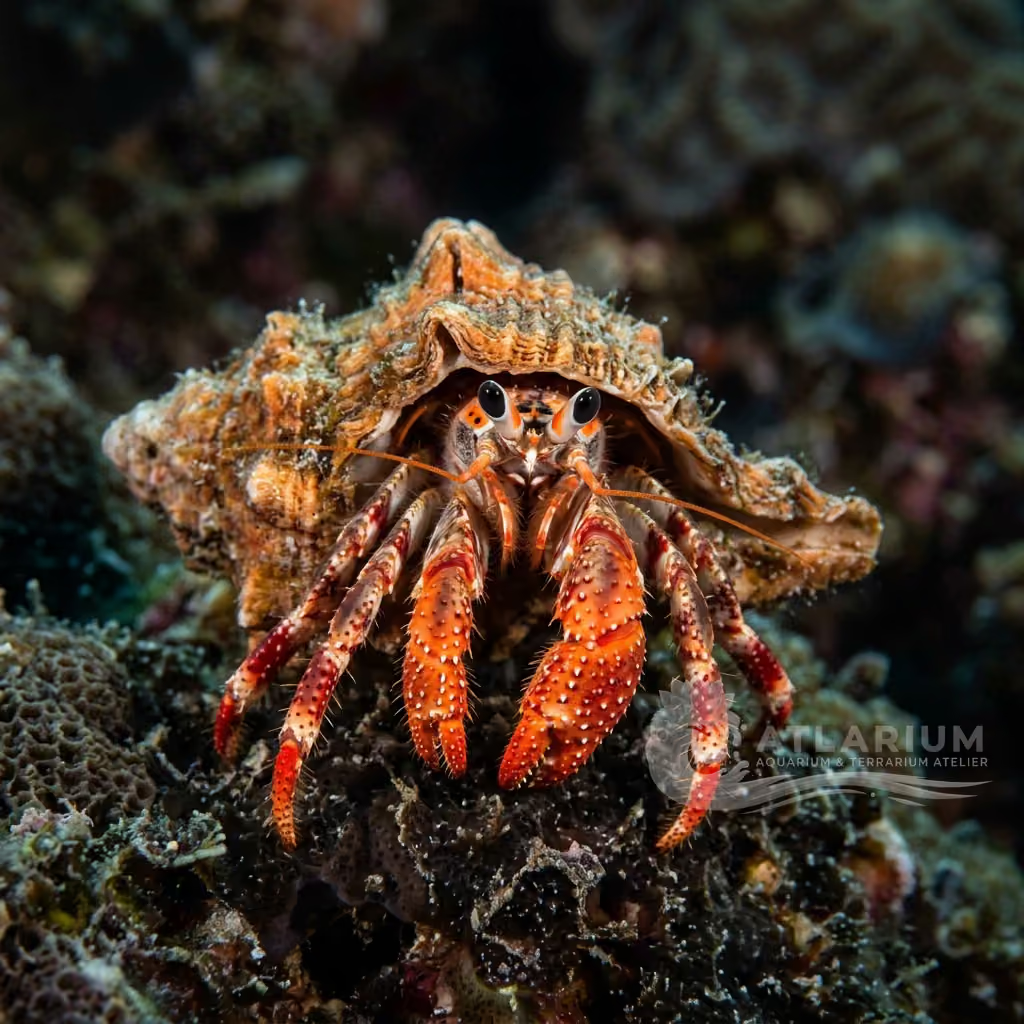
Scarlet reef hermit crab
Paguristes cadenati
The Scarlet Reef Hermit Crab is a highly prized, exceptionally peaceful marine crustacean. It is a vibrant scavenger that gently cleans algae from reef structures.
Water Temperature
24 - 28 °C
pH Value
8.1 - 8.4
Water type
Marine
Invertebrate type
Hermit crab
Adult size
3 cm
Minimum group
>= 1
Ecological role
Scavenger
Copper sensitivity
High

Species description
Geographical Origin and Habitat: The Scarlet Reef Hermit Crab (*Paguristes cadenati*) is a highly prized, exceptionally peaceful marine decapod crustacean natively endemic to the warm, pristine coral reefs and rocky coastal zones of the Caribbean Sea and the Western Atlantic Ocean. Their natural biotope is defined by expansive, sun-drenched stretches of complex coral rubble and shallow macroalgae beds, where they spend their lives meticulously grazing on nuisance algae among the rocks.
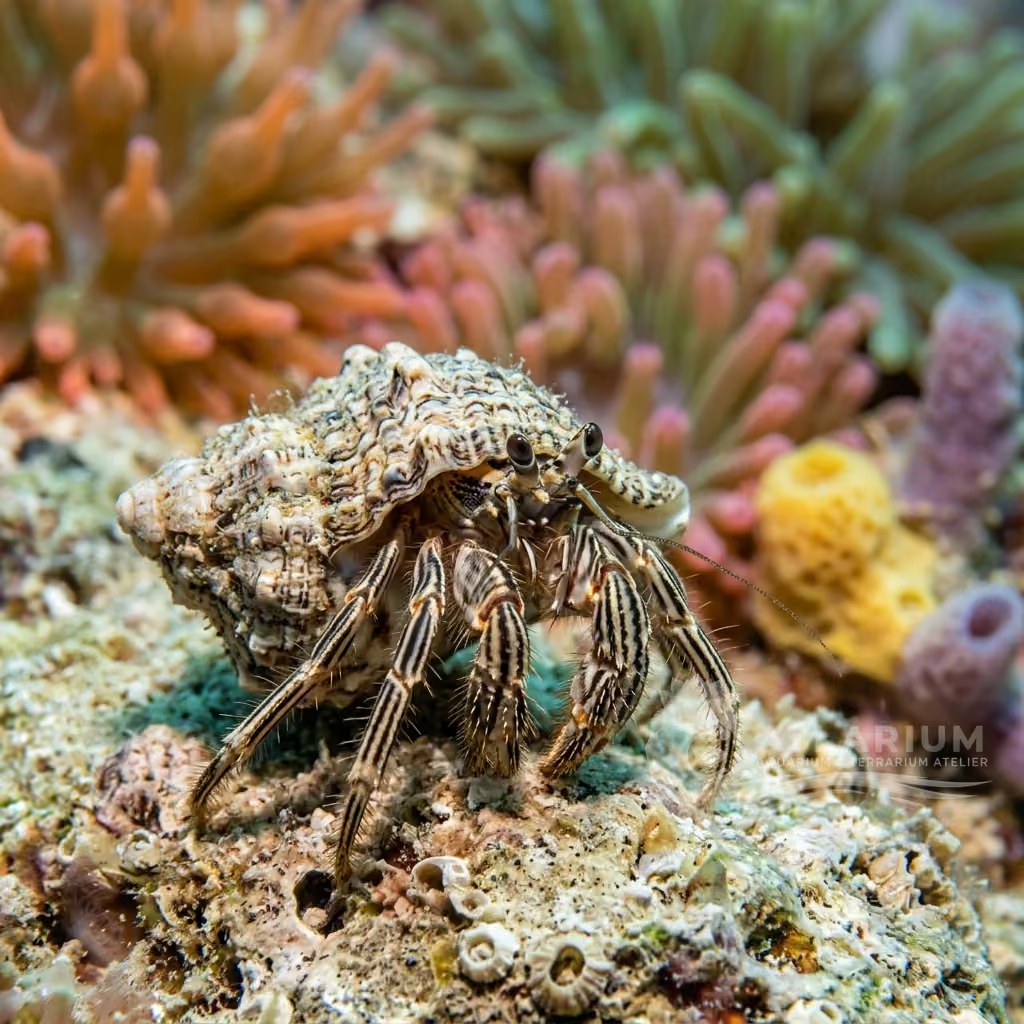
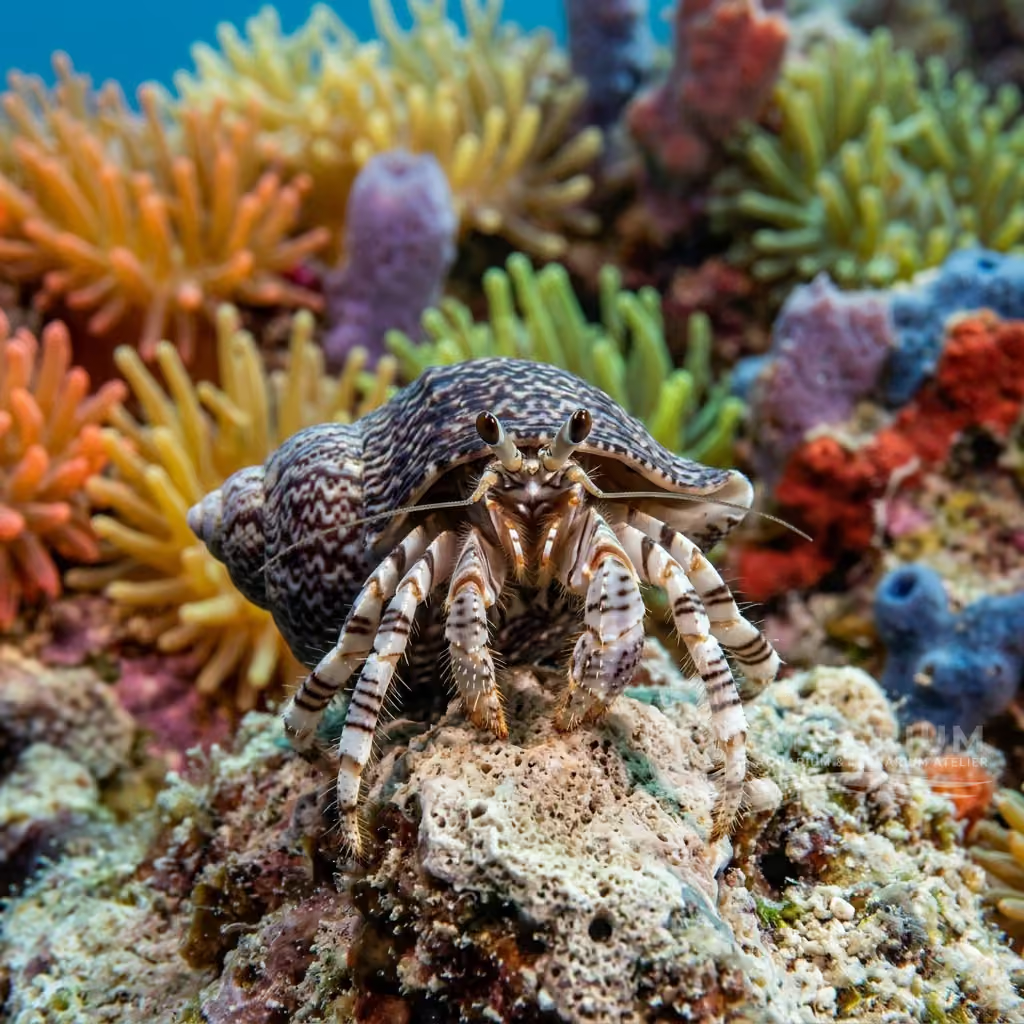
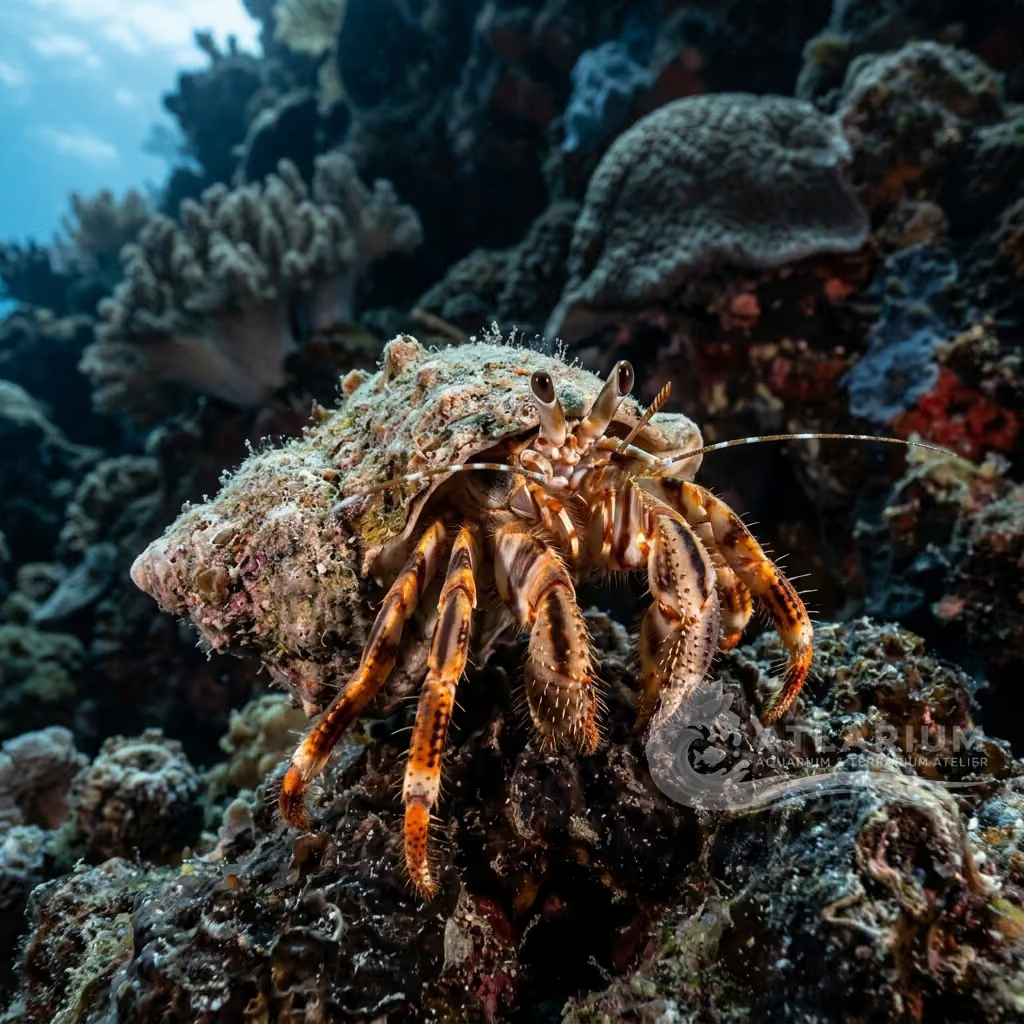
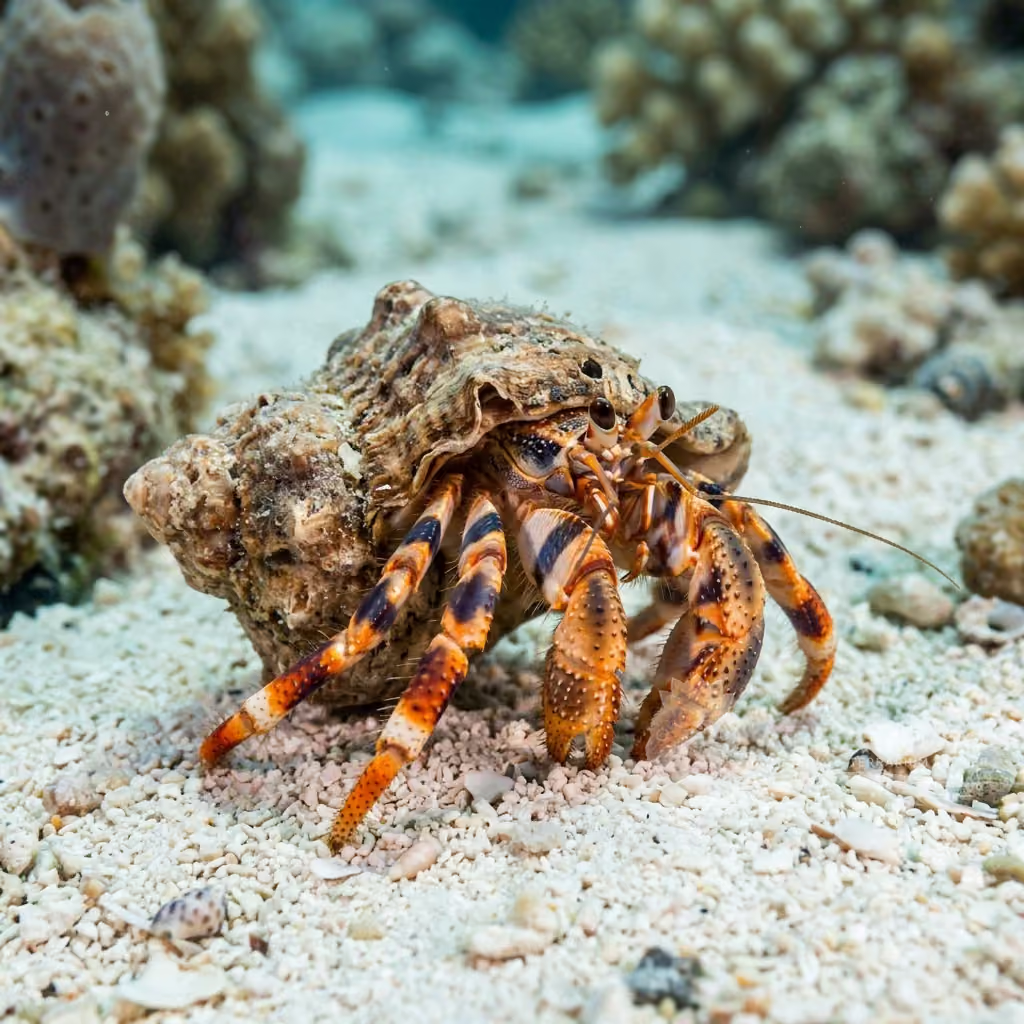
Taxonomy: Scientifically classified within the Diogenidae (Left-handed Hermit Crabs) family, they are a small but robust crustacean. Fully mature adults reach a maximum leg-span of about 3.0 to 4.0 centimeters (1.2-1.6 inches). Like all hermit crabs, their soft, vulnerable abdomen is permanently housed within an abandoned gastropod shell. They are biologically adapted with strong, heavily textured claws of roughly equal size, which they use to scrape stubborn algae from porous surfaces.
Social Behavior: They are strictly benthic, highly industrious, and universally regarded as the most peaceful of all commonly available aquarium hermit crabs. Unlike the aggressive Blue Leg or Electric Blue hermits, the Scarlet Reef Hermit is entirely non-aggressive toward its own kind, toward other hermit species, and crucially, toward live snails. They spend the entirety of their day in a state of perpetual grazing, slowly navigating the live rock to consume film algae and cyanobacteria.
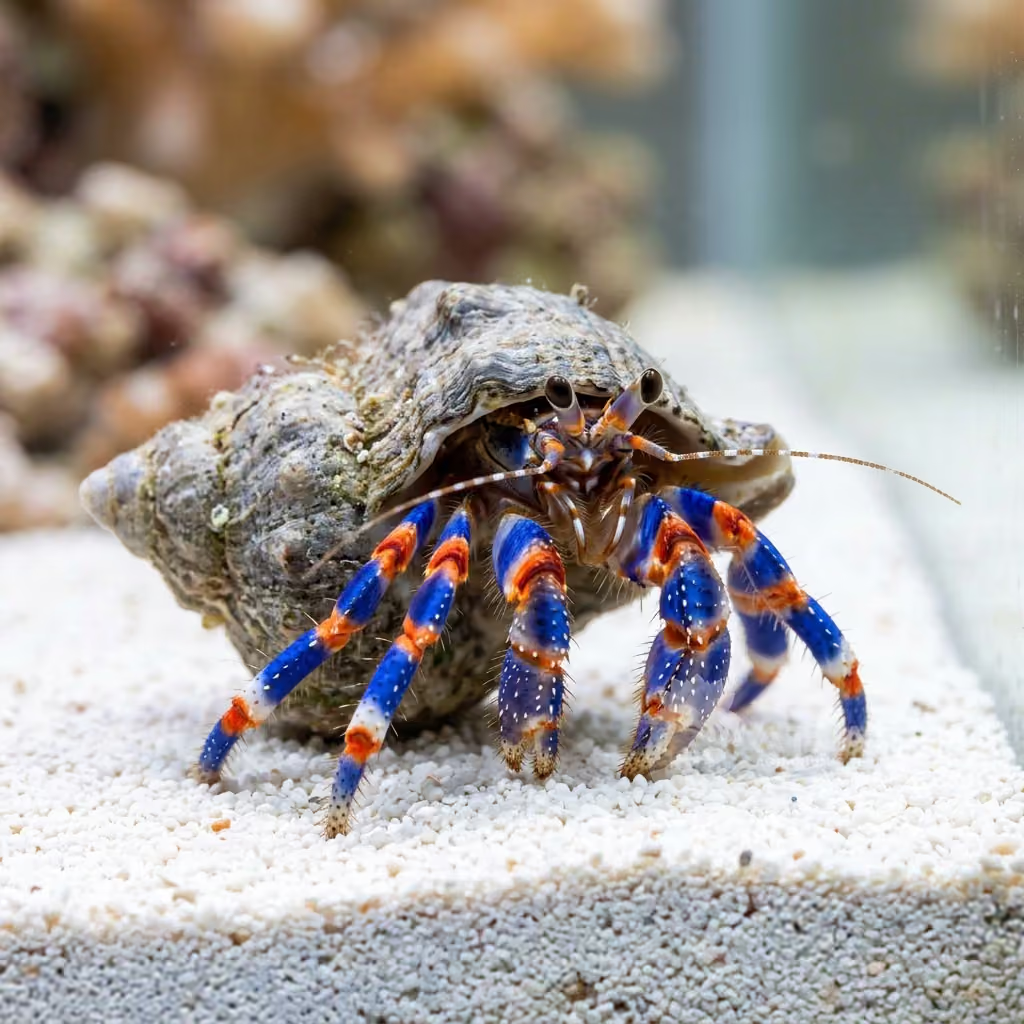
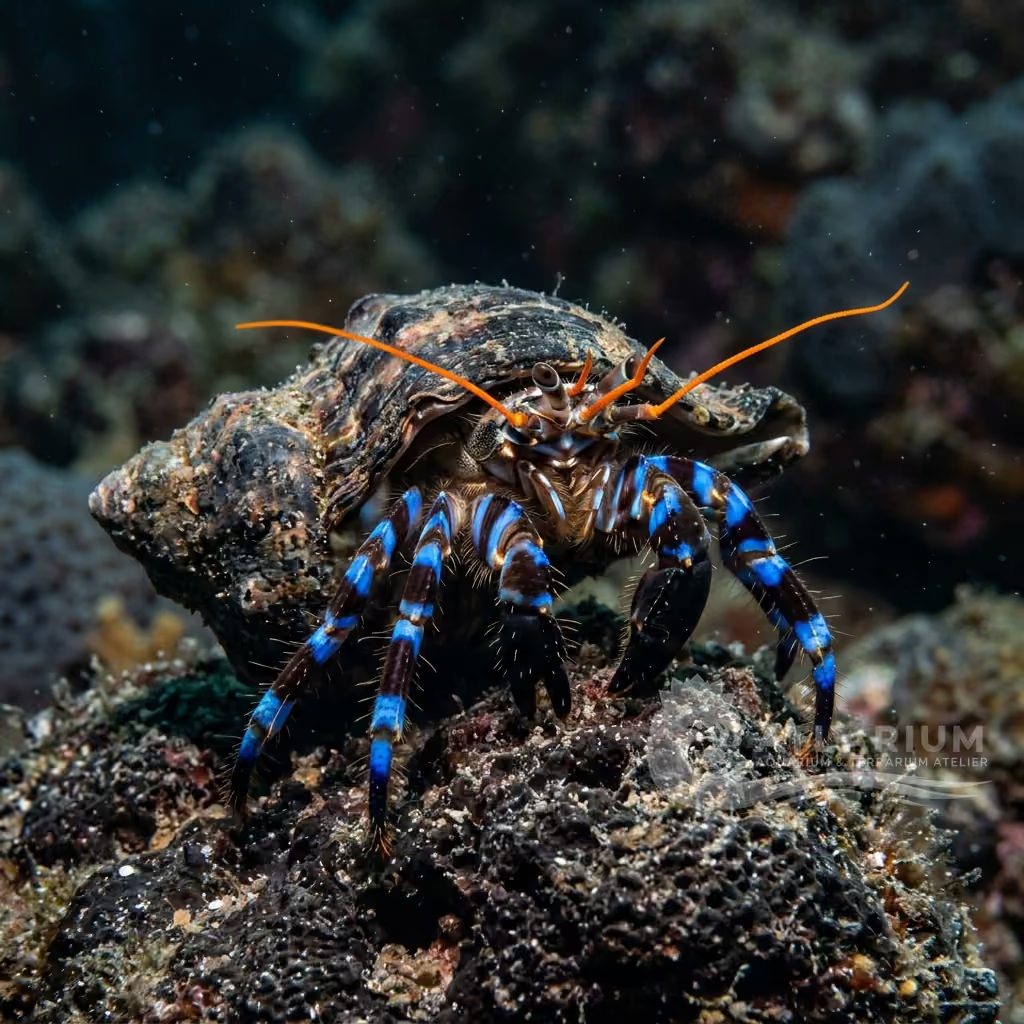
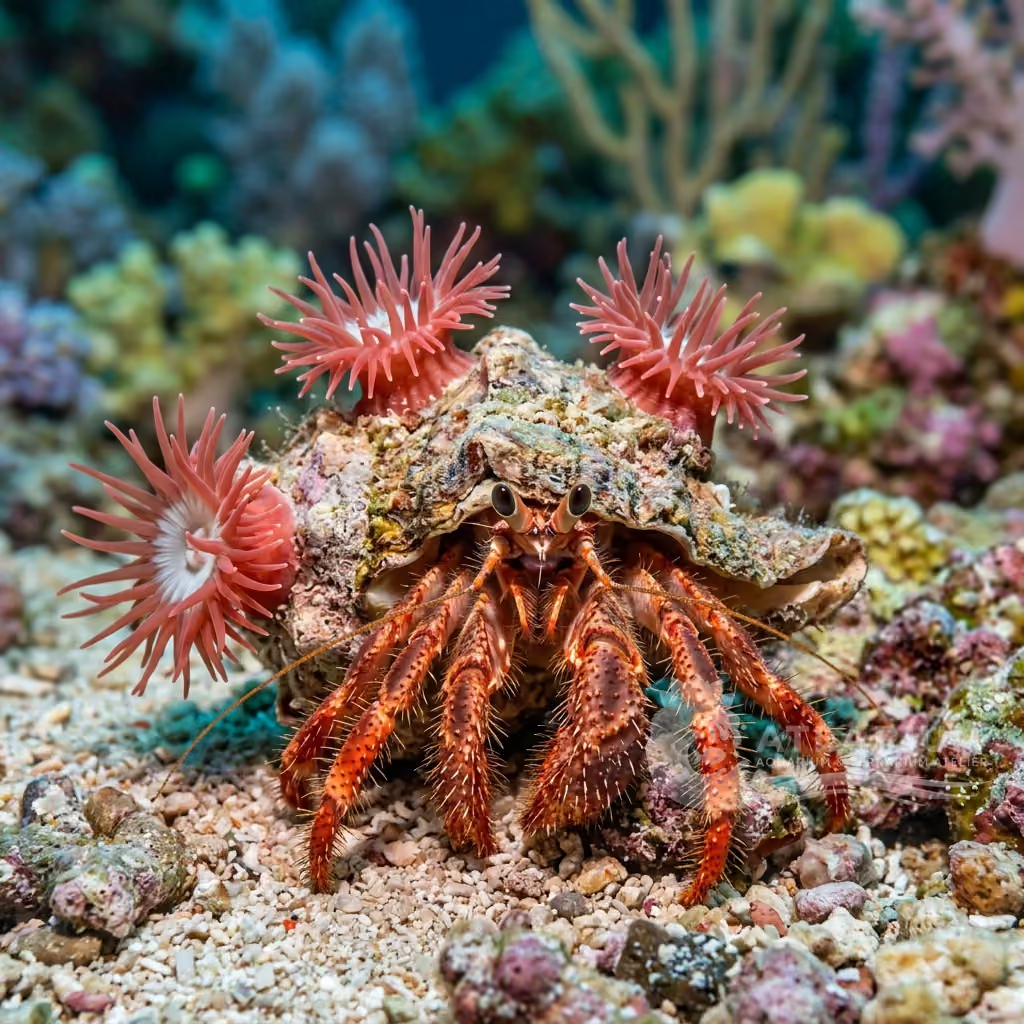
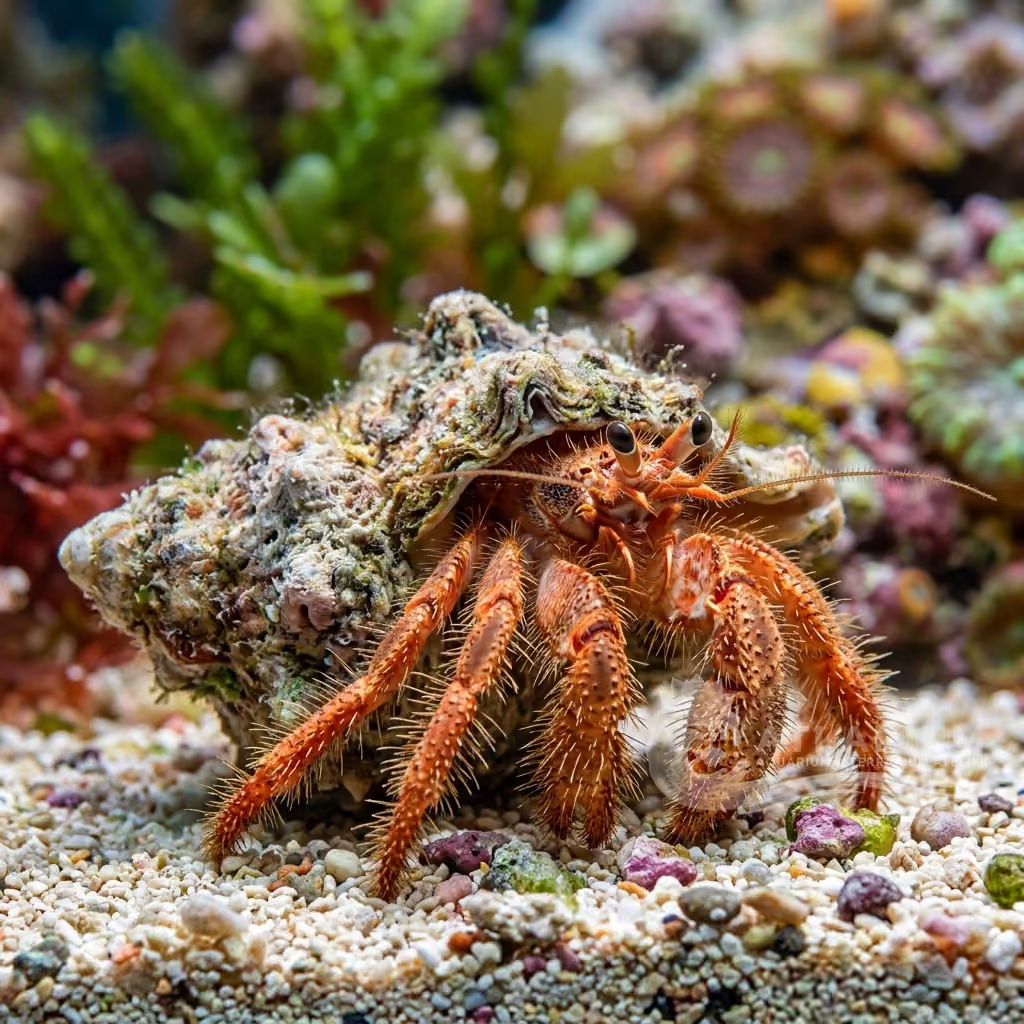
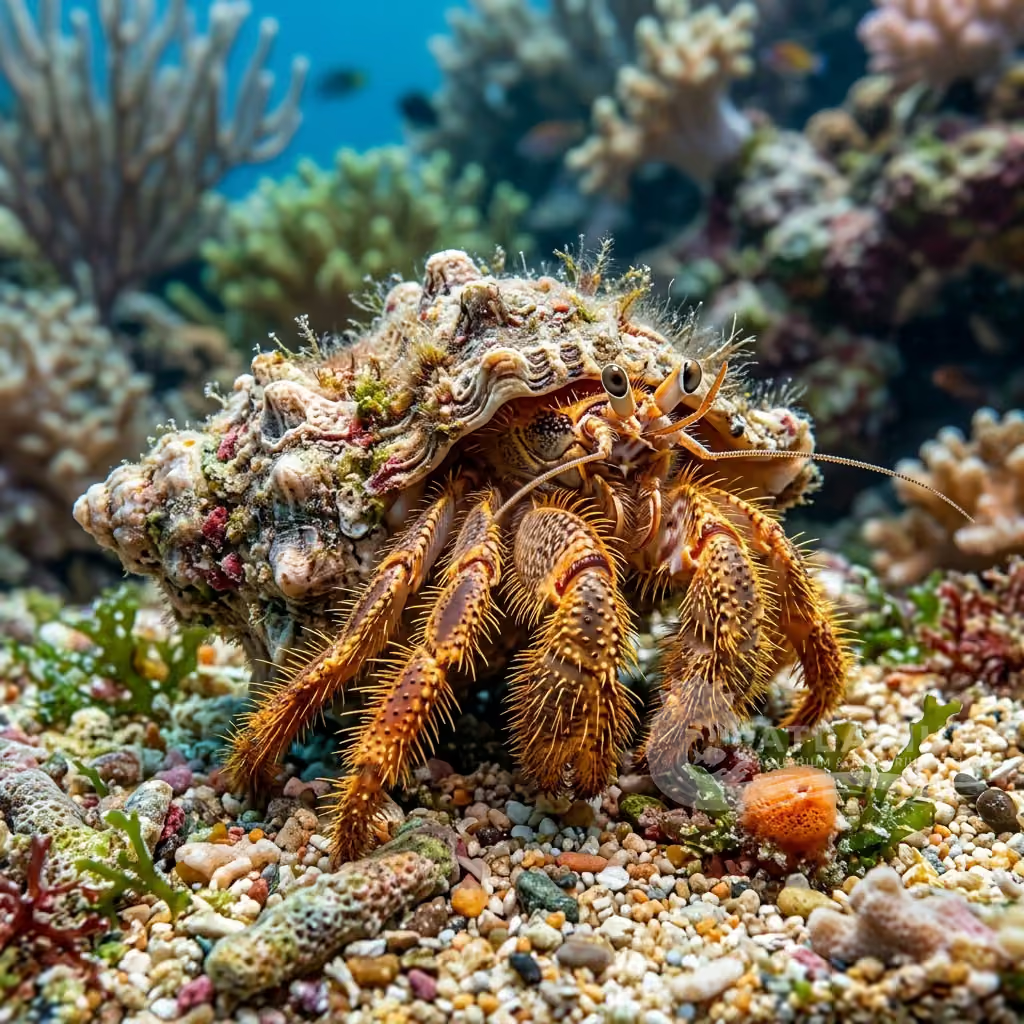
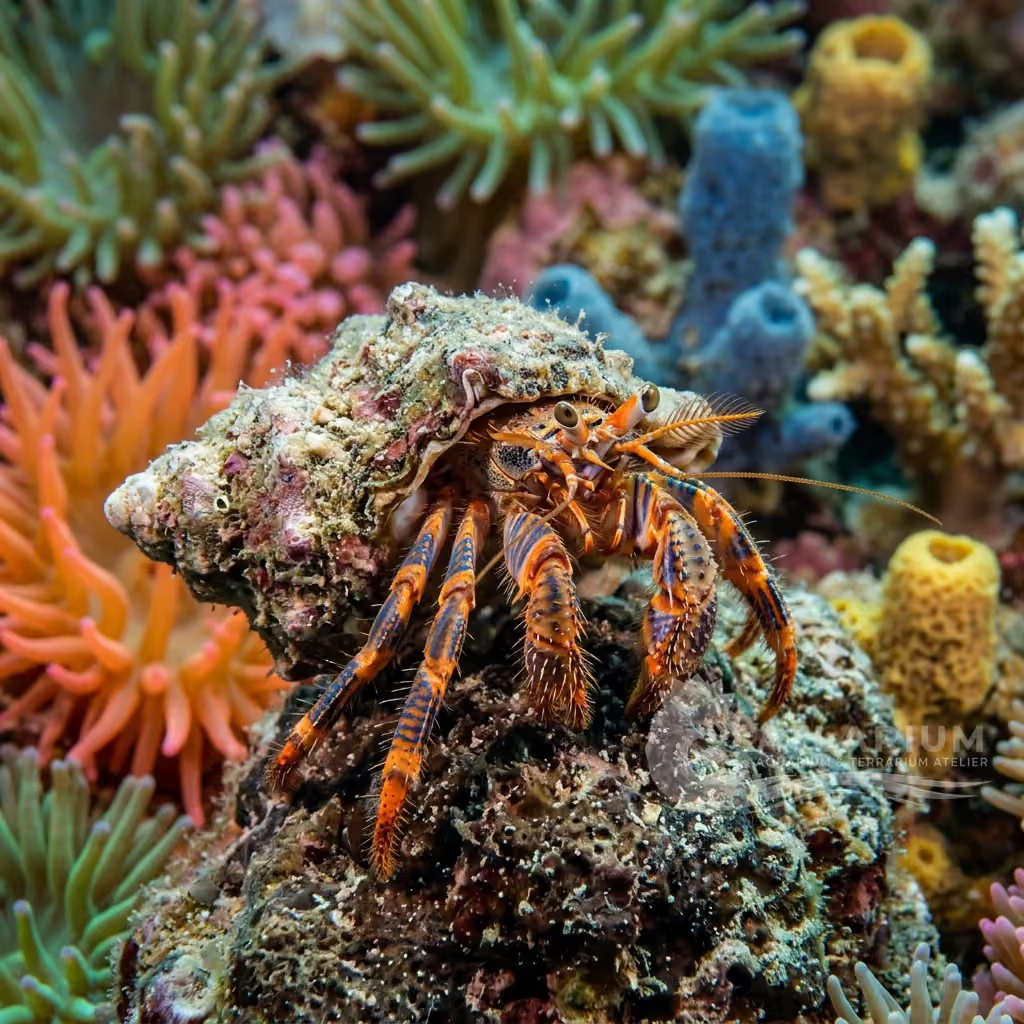
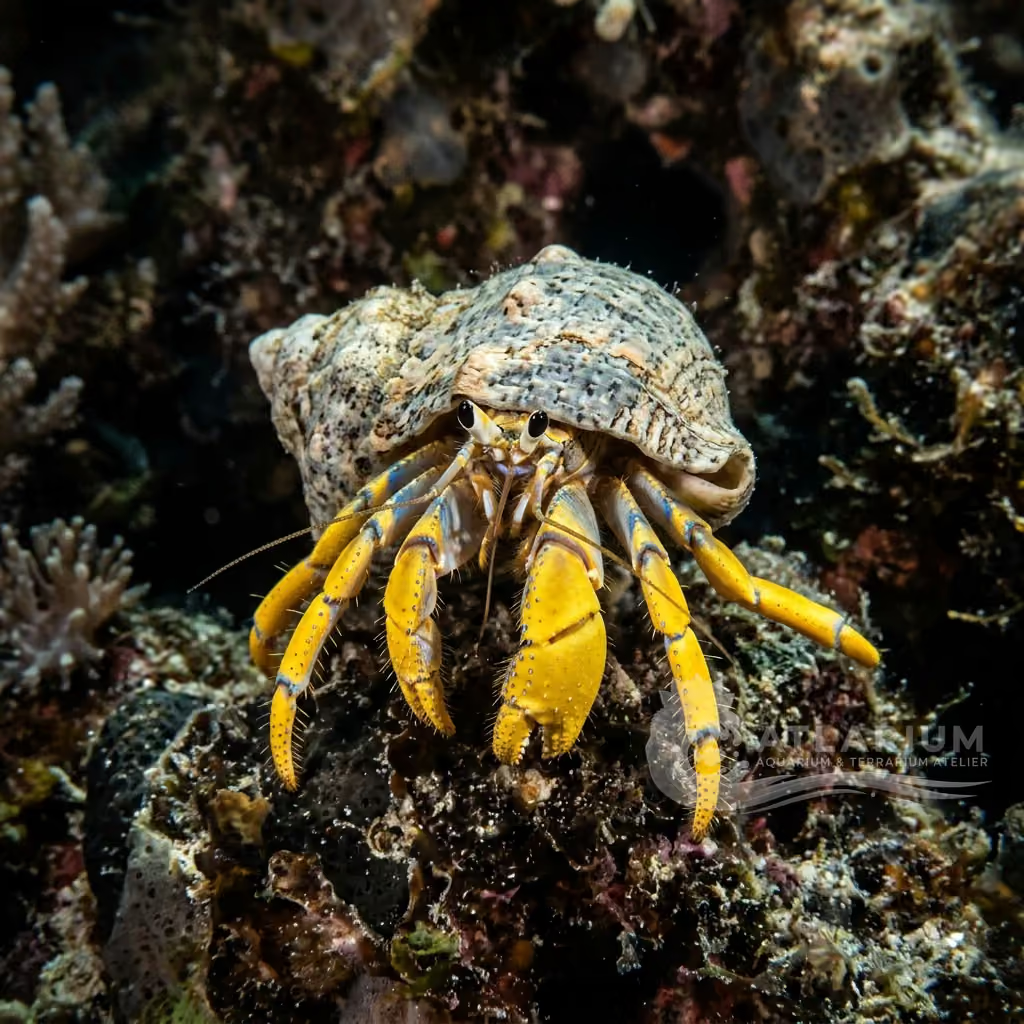
Coloration and Sexual Dimorphism: Sexual dimorphism is visually non-existent. Their coloration is magnificent and is the primary reason for their immense popularity. The entire visible body—including the walking legs, claws, and face—is a solid, deeply saturated, vibrant blood-red or dark scarlet. This intense red canvas is dramatically punctuated by two distinct, brightly glowing, golden-yellow or bright yellow eyestalks and eyes, creating a stark and beautiful contrast against the red body.

Care, breeding and tankmates
Tank Setup: The aquarium architecture MUST accommodate their constant foraging behavior and absolute need for secure housing. A minimum 40-liter (10-gallon) marine aquarium is sufficient.
CRITICAL REQUIREMENT: The tank MUST feature highly porous live rock and a sand bed to provide adequate grazing surfaces. To ensure their long-term survival and comfort, the aquarist MUST scatter a variety of slightly larger, empty marine snail shells across the substrate for them to molt into.
Diet and Feeding: They are primarily herbivorous scavengers and form a critical component of a reef tank's "Clean-Up Crew." In the aquarium, they tirelessly consume green film algae, hair algae, cyanobacteria (red slime algae), and uneaten fish food.
CRITICAL WARNING: In pristine, newly established tanks with zero algae growth, they will slowly starve to death. If the tank lacks algae, they MUST be actively supplemented with sinking algae wafers or dried Nori seaweed 1-2 times a week.
Water Quality: As marine crustaceans, they are highly sensitive to water chemistry fluctuations. They demand stable tropical heat (24-27°C / 75-81°F). Specific gravity (salinity) MUST be maintained precisely between 1.023 and 1.025. They require hard, highly alkaline water (pH 8.1 - 8.4) with flawless Calcium (400-450 ppm), Magnesium, and Iodine levels to successfully molt their rigid exoskeletons. Rapid changes in salinity during acclimation will cause instantaneous, lethal osmotic shock.
Compatibility and Tankmates: Compatibility is universally absolute for peaceful reef tanks. They are 100% reef-safe and completely harmless to all corals, fish, and importantly, live snails. Because of their peaceful nature, they are the preferred hermit crab for delicate nano-reefs.
CRITICAL WARNING: Their peaceful nature makes them vulnerable. They MUST NEVER be housed with predatory fish (Triggerfish, Pufferfish, Hawkfish, large Wrasses) or aggressive, large hermit crabs that will kill them for their shell.
Aquarium Breeding: Breeding the Scarlet Reef Hermit Crab in captivity has practically never been achieved by home hobbyists due to the profoundly complex pelagic larval stage. The female carries a tiny mass of reddish eggs securely tucked under her soft abdomen deep inside the shell. She eventually releases thousands of microscopic zoea larvae into the water column. Rearing these larvae through their multiple planktonic molts requires specialized plankton cultures and is impossible in a display tank.
Risks and Diseases:
CRITICAL TOXICITY WARNING: Like all marine invertebrates, they are immediately and fatally hypersensitive to COPPER (Cu) and heavy metals. They will die instantly in tanks treated with copper medications. The second major risk is lethal predation by fish or larger hermit crabs. The third risk is starvation in sterile aquariums or death during the molting process if Calcium and Iodine levels are insufficient.

Geographic origin and distribution
The Scarlet Reef Hermit Crab (*Paguristes cadenati*) is a highly prized, exceptionally peaceful marine decapod crustacean natively endemic to the warm, pristine coral reefs and rocky coastal zones of the Caribbean Sea and the Western Atlantic Ocean. Their natural biotope is defined by expansive, sun-drenched stretches of complex coral rubble and shallow macroalgae beds, where they spend their lives meticulously grazing on nuisance algae among the rocks.
Origin
Tropical oceans and reefsCentral America and CaribbeanNorth America

Invertebrate profile
- Diet
- Carnivore
- Omnivorous scavenger. Excellent consumer of hair algae, cyanobacteria, and detritus. Will also scavenge uneaten fish food.
- Ecological role
- Scavenger
- Vital part of a marine cleanup crew, keeping rocks and sand bed clean.
- Adult size
- 3 cm
- Jump risk
- Yes
- Low risk.
- Shock sensitivity
- High
- Generally hardy but requires slow drip acclimation.
- Calcium and minerals
- Medium
- Needs calcium for exoskeleton growth.
- Molting
- Yes
- Must be provided with slightly larger empty shells as it grows. Leaves its shell to molt and is vulnerable during this brief period.
- Reproduction
- Oviparous
- Breeding this hermit crab in an aquarium is extremely challenging due to its complex life cycle. Females carry eggs underneath their abdomen, which hatch into microscopic planktonic zoea larvae. These free-swimming larvae require specialized microscopic live foods and are typically destroyed by standard aquarium filtration.
- Compatibility & tankmates
- Verify
- Reef safe and very peaceful. Unlike some hermit crabs, it is less likely to kill snails for their shells if empty shells are provided.

Image gallery
Licensed images linked to the species or, when marked, to the closest representative taxon.

Related species
Recommendations grouped by close relatives, companion choices, and similar care.